

The American elementary-school curriculum of the 1960s and 1970s taught dozens of “facts” that have since been substantially revised, disproven, or completely overturned by subsequent scientific research. The food pyramid recommended a foundation of bread and pasta. Pluto was the ninth planet. Brontosaurus was a real dinosaur. Cigarettes were widely depicted as safe in school health materials through the late 1960s. The American population was taught these facts confidently, by teachers using textbooks approved by state boards of education, with no contemporary indication that the underlying science would shift. The shifts have continued accelerating, and the gap between what American boomers learned in school and what is currently considered established knowledge has become substantial. Here are twelve specific things that were taught as fact in 1965-1975 American classrooms and that have since been revised, replaced, or completely abandoned.
1. There Are Nine Planets in the Solar System
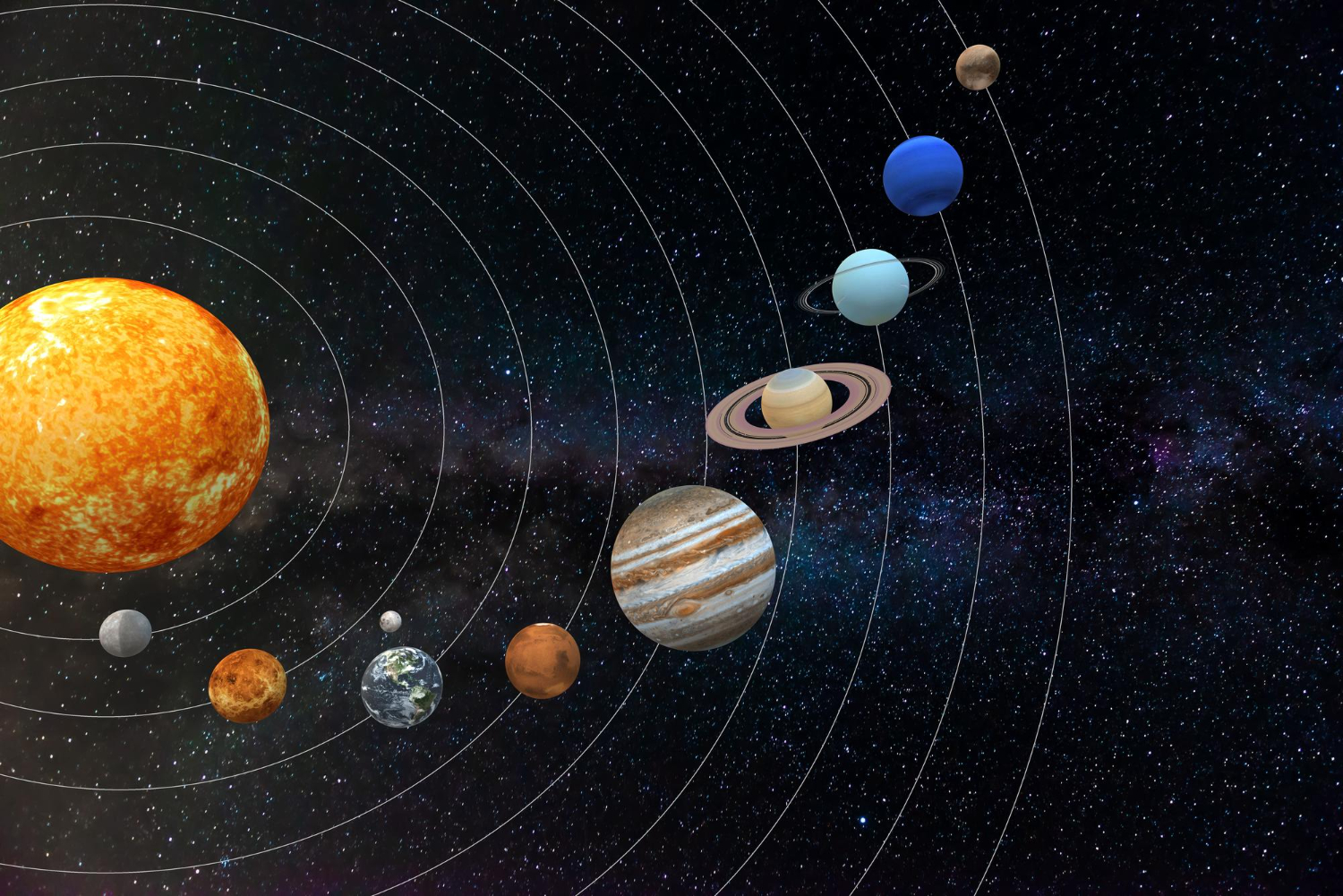
The American elementary-school curriculum of the 1960s and 1970s taught nine planets — Mercury, Venus, Earth, Mars, Jupiter, Saturn, Uranus, Neptune, and Pluto — as established fact. The mnemonic devices (“My Very Educated Mother Just Served Us Nine Pizzas”) were standard. In August 2006, the International Astronomical Union reclassified Pluto as a “dwarf planet” alongside several other Trans-Neptunian objects (Eris, Haumea, Makemake), reducing the official planet count to eight. The 2006 decision was controversial and remains contested by some astronomers, but the IAU classification is the current scientific consensus. American boomers educated before 2006 learned nine planets; American children educated after 2006 typically learn eight.
Like our content? Follow us for more.
2. Brontosaurus Was a Real Dinosaur
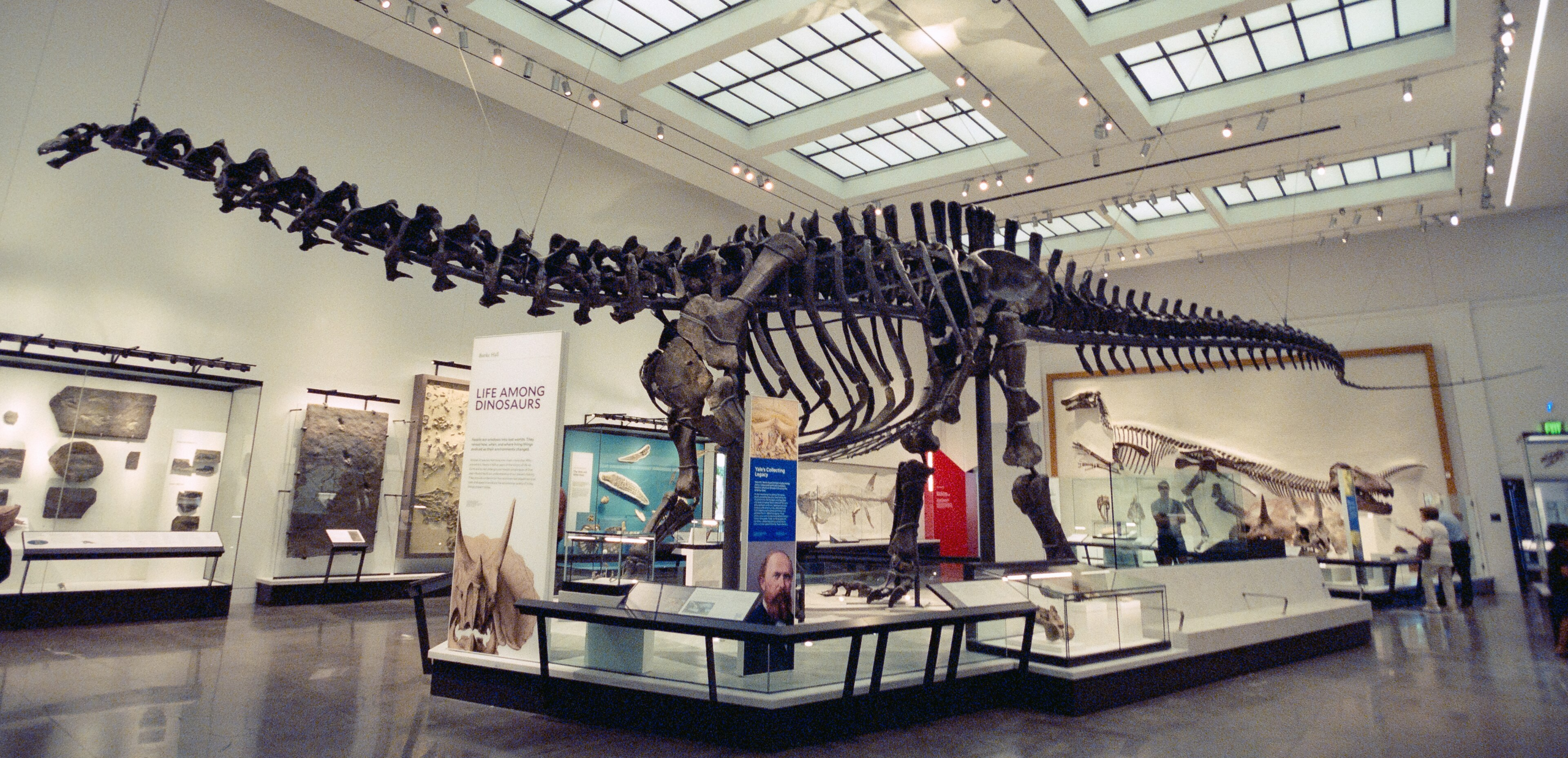
The American science curriculum of the 1960s and 1970s taught Brontosaurus as one of the largest land animals ever, prominently featured in dinosaur books, museum exhibits, and even the Sinclair Oil corporate logo. In 1903, paleontologist Elmer Riggs concluded that the Brontosaurus specimen was actually an Apatosaurus, and the dinosaur was officially declassified for over a century. American kids growing up in the 1960s-1980s nonetheless learned about Brontosaurus as if it were a real, distinct species. The taxonomic situation reversed again in 2015 when Tschopp, Mateus, and Benson published research re-establishing Brontosaurus as a distinct genus separate from Apatosaurus. The dinosaur is once again real, though the specifics differ from what 1960s textbooks described.
3. The Food Pyramid Recommends 6-11 Servings of Bread and Pasta Daily
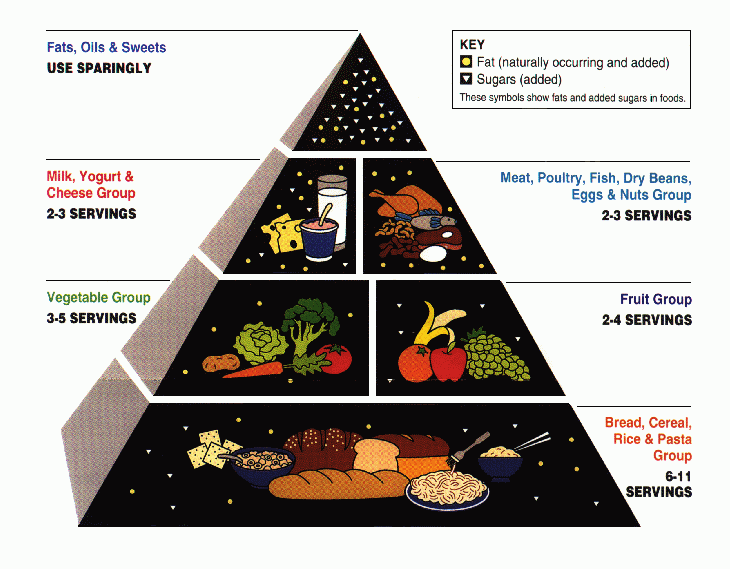
The USDA Food Pyramid introduced in 1992 — and the preceding “Basic Four” nutritional model taught in 1960s-1970s American schools — recommended a foundation of 6 to 11 daily servings of bread, cereal, rice, and pasta as the largest food group. The model was based on agricultural-industry input and earlier 20th-century nutritional research. Subsequent research has substantially revised the recommendation, with the 2011 MyPlate model emphasizing vegetables and fruits over refined grains. Current dietary research suggests that the 1965-1990 American food pyramid actively contributed to the rise of metabolic disease, obesity, and Type 2 diabetes by promoting refined carbohydrate consumption.
4. Humans Have Five Senses

The American elementary-school curriculum has traditionally taught that humans have five senses — sight, hearing, taste, smell, touch — as a fundamental biological fact. Modern neuroscience identifies at least nine distinct sensory systems including proprioception (awareness of body position), vestibular sense (balance), thermoception (temperature), nociception (pain), interoception (internal organ states), and chronoception (time perception). The traditional “five senses” framework dates to Aristotle and was never an accurate scientific description, but it was uniformly taught to American boomers and remains the dominant cultural framework even though modern neuroscience textbooks have substantially revised the model.
5. The Tongue Has Distinct Taste Map Regions

The “tongue taste map” — showing distinct regions of the tongue responsible for sweet (tip), salty (front sides), sour (back sides), and bitter (back) — was prominently featured in American elementary and middle school biology textbooks throughout the 1960s, 1970s, and 1980s. The original concept dated to a 1901 German research paper that was misinterpreted in subsequent American textbook adaptations. The map has been definitively disproven — all taste buds on the tongue can detect all five basic tastes (sweet, salty, sour, bitter, and umami, the latter not officially recognized until 1985). The tongue taste map remained in American school textbooks through approximately the early 2000s despite having been disproven decades earlier.
6. The Brain Stops Developing After Age 25
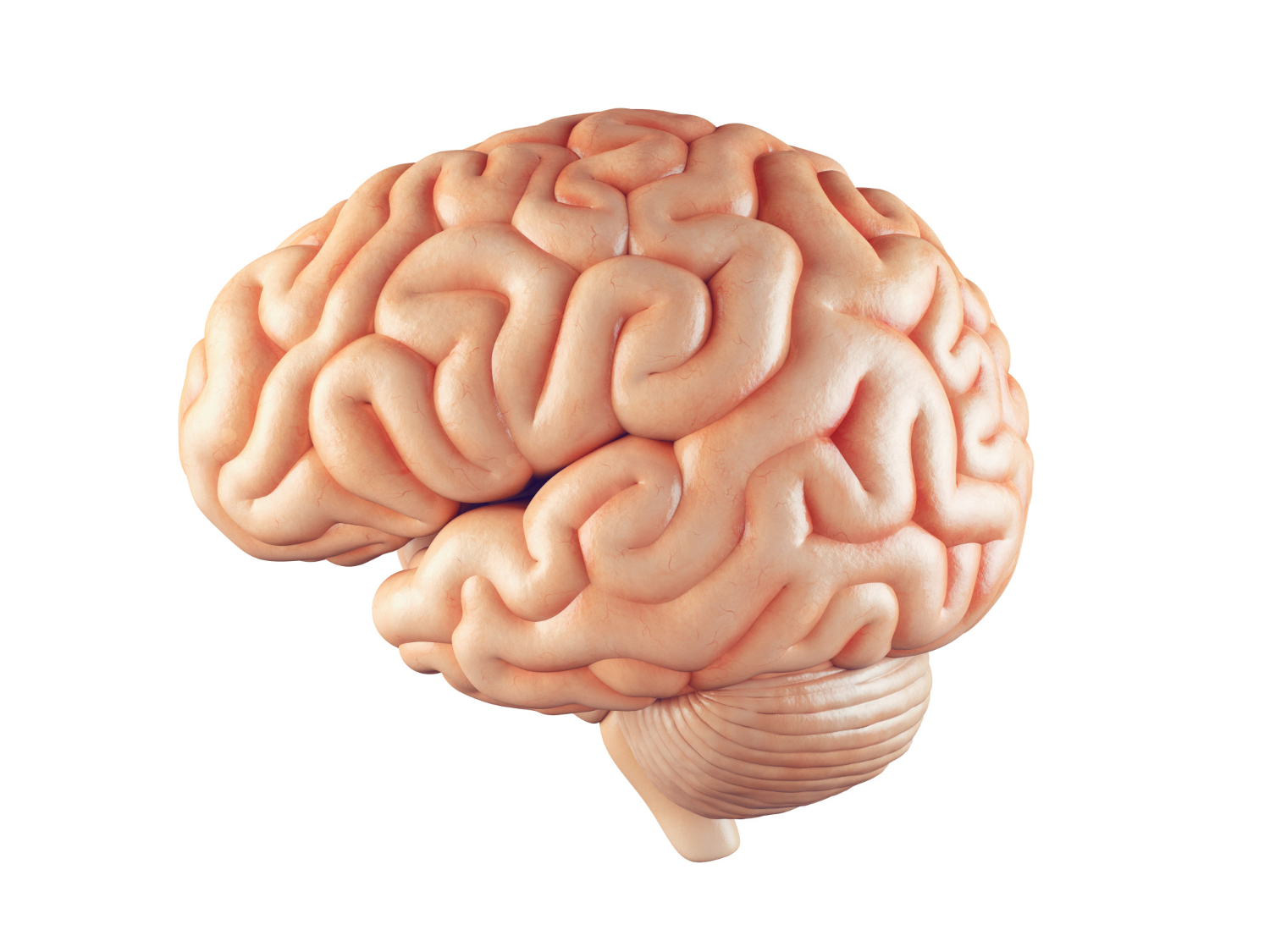
The traditional teaching that brain development effectively concludes around age 25 was a standard American school health-class concept through the 1990s. Modern neuroscience has substantially revised this view. The brain continues to develop, reorganize, and form new neural connections (neuroplasticity) throughout the human lifespan, with measurable changes in elderly adults as well. The “brain stops developing at 25” framework was an oversimplification of legitimate research showing that the prefrontal cortex completes a major developmental phase around age 25, but the broader claim that the brain “stops” was never accurate and has been substantially revised.
7. We Only Use 10 Percent of Our Brains

The popular claim that humans “only use 10 percent of their brains” was taught in American schools as a science-adjacent fact through the 1980s, often as motivational material in addition to actual neuroscience instruction. The claim has no basis in actual neuroscience. Modern brain imaging (fMRI, PET scanning) clearly shows that essentially all brain regions show measurable activity over the course of normal daily activities. The 10 percent claim appears to have originated from misinterpretations of early-20th-century neurological research and was popularized through self-help and motivational literature rather than actual science instruction.
8. Cigarettes Were Once Recommended for Sore Throats

American school health curricula through the early 1960s did not consistently teach the dangers of cigarette smoking, and several 1950s American medical textbooks listed cigarettes as acceptable treatments for various respiratory conditions including sore throats. The Surgeon General’s landmark 1964 report on smoking and health changed the institutional position dramatically, but American school curricula took several additional years to fully integrate the anti-smoking message. American boomers who attended elementary school in 1955-1962 typically received no anti-smoking instruction at all; those who attended in 1965-1972 received the new anti-smoking curriculum that has been standard since.
9. The Continents Are Stationary

American elementary-school geography classes through the 1960s and into the 1970s taught the continents as stationary features of the Earth’s surface. Plate tectonics theory — proposing that continents drift due to movement of the underlying tectonic plates — was first proposed by Alfred Wegener in 1912 but was not accepted by mainstream geology until the late 1960s and was not consistently taught in American schools until the 1970s. American boomers educated in the early 1960s typically learned about continents as stationary; their slightly younger siblings learned about plate tectonics as fundamental.
10. The Universe Is Static

Through the late 1920s, the dominant cosmological model taught throughout American science education was a static universe. Edwin Hubble’s 1929 observations of galactic redshift established that the universe is expanding. The Big Bang model that explained the expansion was developed through the 1940s-1960s but was not consistently taught in American schools until the 1970s. American boomers educated in the late 1950s and early 1960s often received cosmological instruction that did not include the expanding-universe model. The shift to teaching the Big Bang as standard cosmology occurred during the boomer generation’s school years.
11. Dinosaurs Were Cold-Blooded
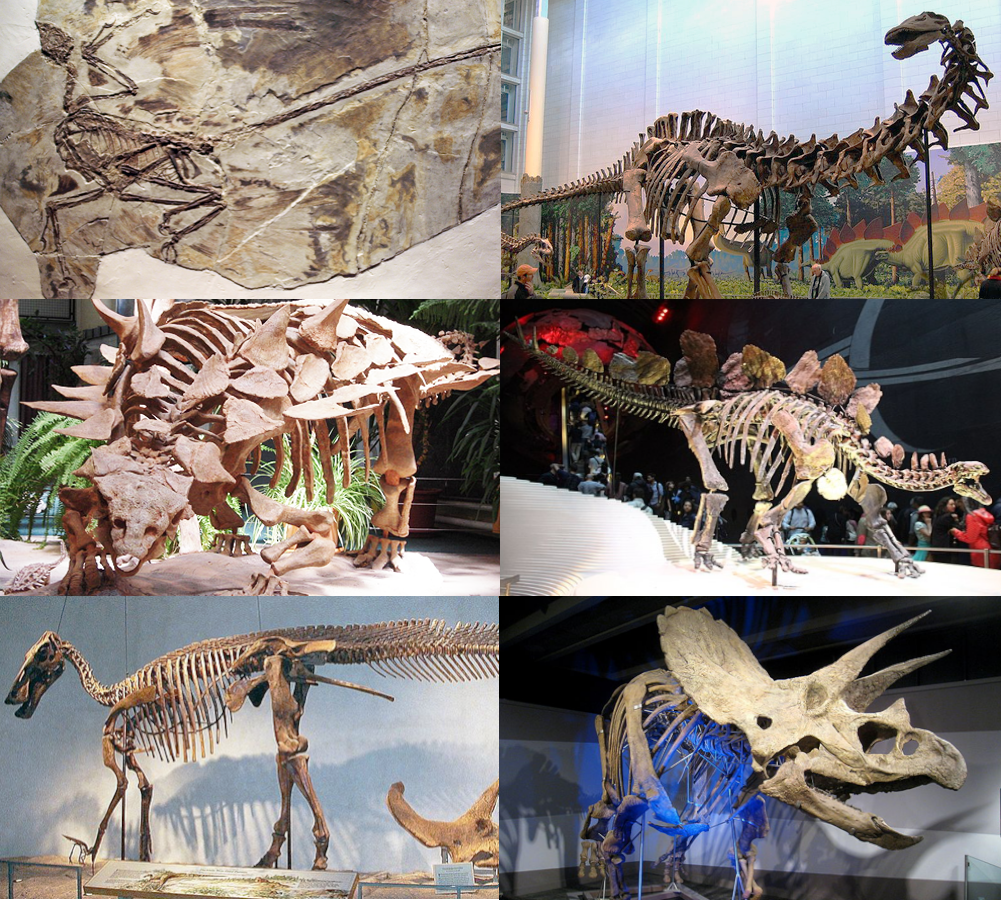
American elementary and middle-school science curricula through the 1960s and 1970s taught dinosaurs as cold-blooded reptiles — slow, sluggish, and ultimately too dim to survive environmental changes. The “dinosaur renaissance” of the 1970s and 1980s, driven by paleontologists including Robert Bakker and John Ostrom, substantially revised this picture. Modern paleontology considers many dinosaur lineages to have been warm-blooded or intermediate in metabolism, far more active than the 1960s-era reconstruction suggested, and the direct ancestors of modern birds. The 1968 illustration of a Brontosaurus standing slowly in a swamp is essentially wrong on multiple counts.
12. Columbus Discovered America in 1492

The American elementary-school curriculum of the 1960s and 1970s taught that Christopher Columbus “discovered America” in 1492. The framing has been substantially revised through multiple lines of subsequent research. First, the Americas had been continuously inhabited by Native American populations for approximately 15,000 years before Columbus’s arrival. Second, Norse explorers led by Leif Erikson established settlements in Newfoundland around 1000 CE, approximately 492 years before Columbus. Third, Columbus’s “discovery” was specifically a Spanish-financed expedition’s contact with the Caribbean islands rather than the North American mainland; he never visited what is now the United States. Modern American history curricula generally describe Columbus’s voyage as the beginning of sustained European-Native American contact rather than as a “discovery” of empty territory.
Like our content? Follow us for more.