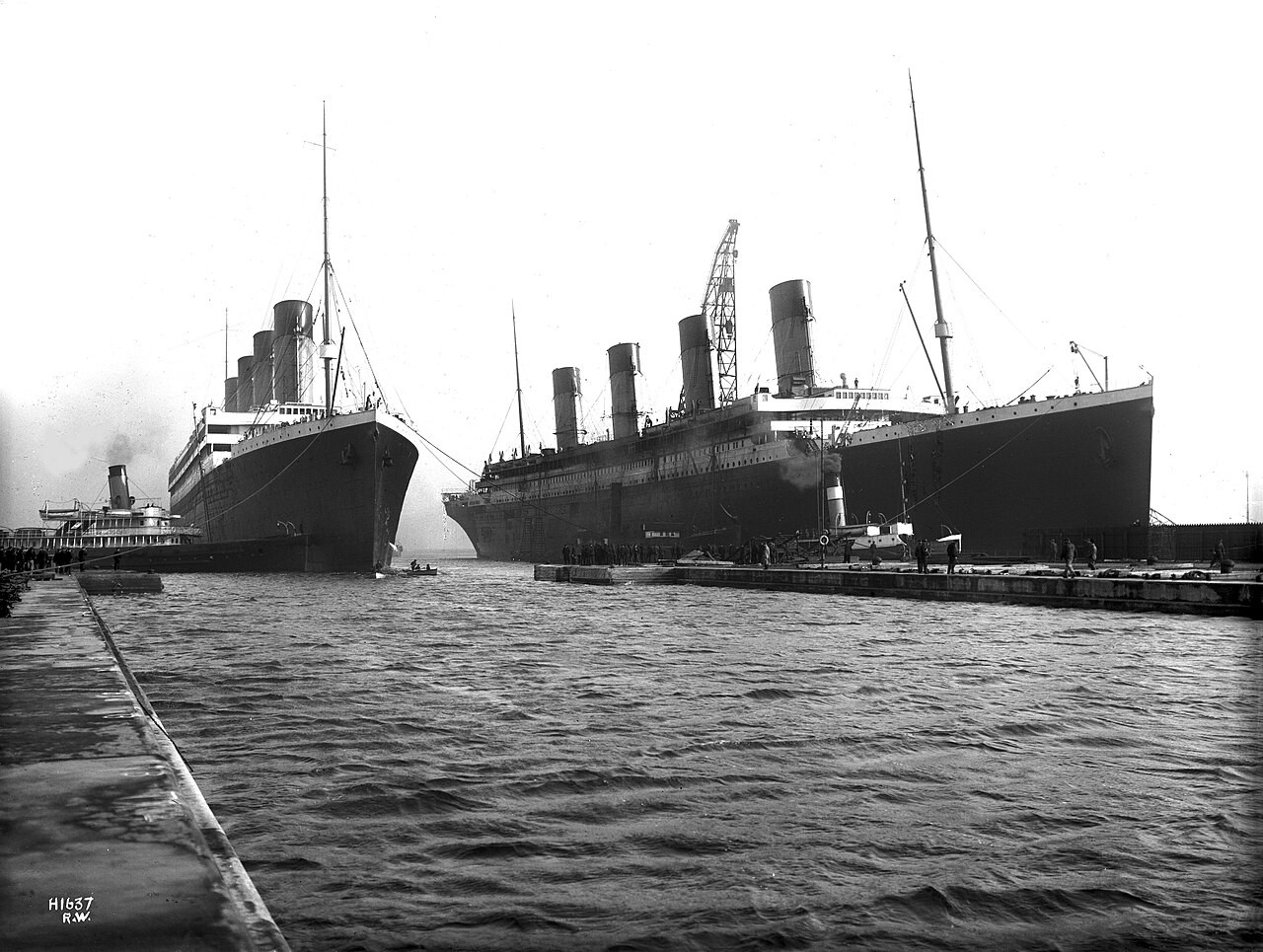
History is punctuated by moments that defy simple explanation, where remarkable coincidences echo through time, leaving a lingering sense of the unexplainable. These instances, often dismissed as mere chance, can evoke a sense of unease, prompting contemplation of patterns and connections beyond our immediate understanding. From parallel presidential tragedies to eerily prescient literature, the annals of history offer a collection of such bizarre occurrences.
1. Lincoln and Kennedy: The Parallel Lives of Two Doomed Presidents
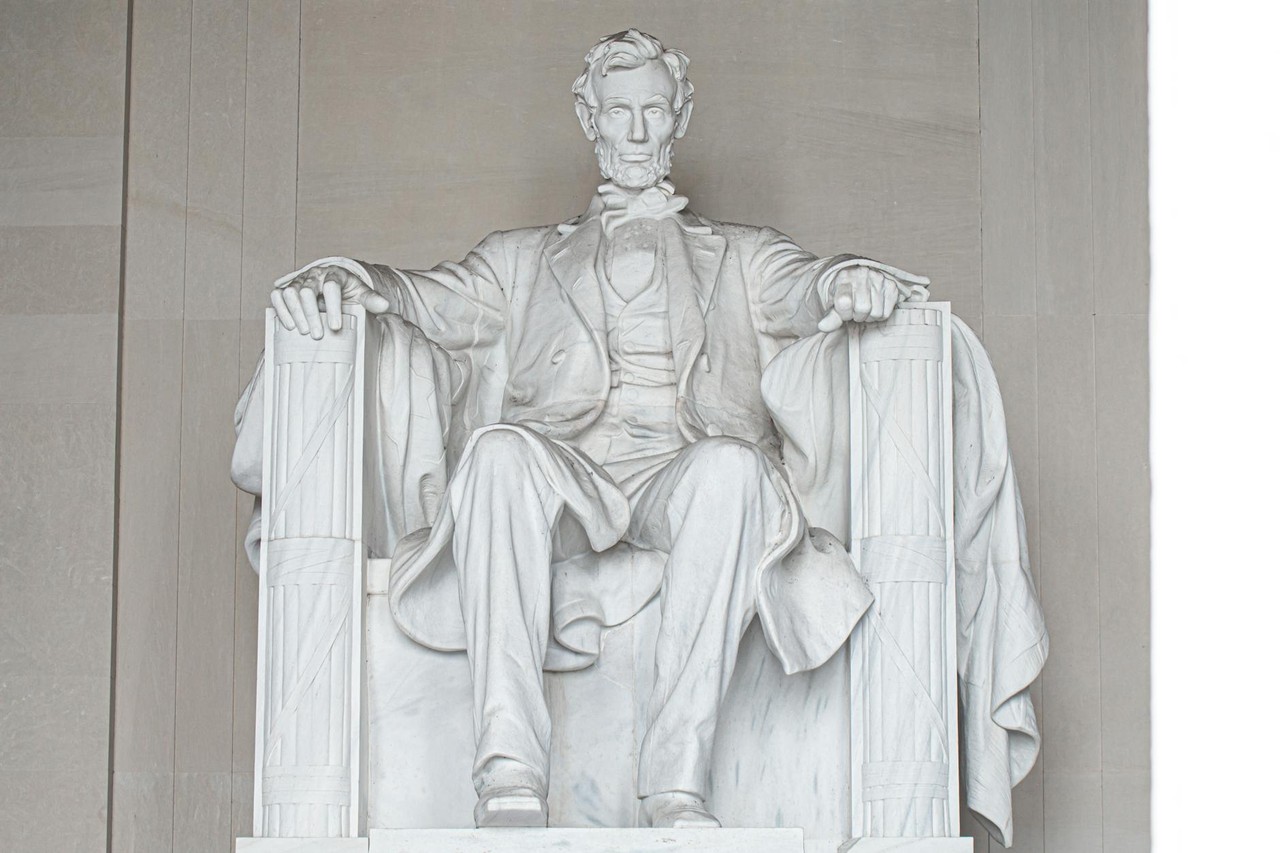
The similarities between the assassinations of Abraham Lincoln and John F. Kennedy are perhaps the most cited and chilling coincidences in American history. Both presidents were shot in the head on a Friday, in the presence of their wives. Lincoln was assassinated at Ford’s Theatre, while Kennedy was shot in a Lincoln Continental, a car made by Ford. Their successors, Andrew Johnson and Lyndon B. Johnson, were both born in years ending in ’08 and were Southern Democrats. Furthermore, both assassins, John Wilkes Booth and Lee Harvey Oswald, were known by three names and were themselves killed before standing trial. While some specific claims about their lives are exaggerated or false, the sheer number of verifiable parallels remains unsettling.
2. Mark Twain and Halley’s Comet: A Life Bookended by the Sky
The life of renowned author Mark Twain, born Samuel Clemens, is famously intertwined with the celestial event of Halley’s Comet. Twain was born in 1835, the year the comet made its appearance. He predicted that he would die when the comet returned, stating, “I came in with Halley’s Comet … and I expect to go out with it.” True to his word, Twain died on April 21, 1910, just one day after the comet’s closest approach to Earth during its 1910 return. While the comet’s perihelion was not precisely on his birth and death days, its presence bookending his life remains a striking coincidence.
3. The Novella That Predicted the Titanic, Word for Word
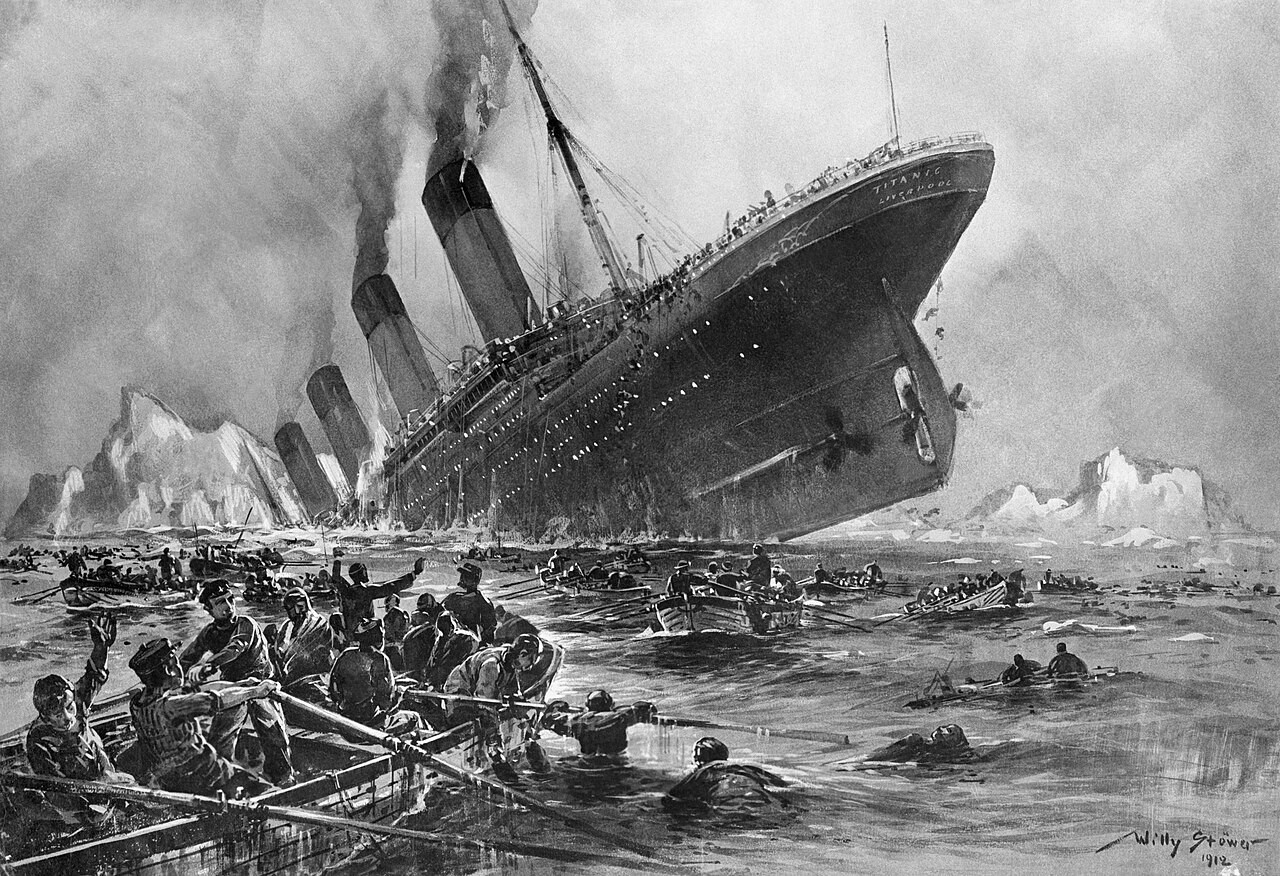
Morgan Robertson’s 1898 novella “Futility, or the Wreck of the Titan” eerily foreshadowed the sinking of the RMS Titanic a mere 14 years later. The fictional “Titan,” described as the largest and most unsinkable ship of its time, struck an iceberg on a cold April night in the North Atlantic, just as the Titanic did. Both vessels lacked sufficient lifeboats for their passengers, and both were considered marvels of their age. While skeptics attribute this to Robertson’s naval knowledge, the precise details—including the ship’s name, the month, the cause of sinking, and the insufficient lifeboats—have led many to believe it was more than mere coincidence.
4. Archduke Franz Ferdinand’s License Plate Encoded the End of WWI
The assassination of Archduke Franz Ferdinand in 1914 is widely recognized as the spark that ignited World War I. What adds a layer of bizarre coincidence is the license plate of the car in which he was traveling: “AIII 118.” This combination of letters and numbers has been interpreted as a chilling premonition, symbolizing “Armistice” (A) and the date November 11, 1918 (11/11/18), the very day World War I officially ended. While likely a product of selective interpretation, the numerical alignment is undeniably uncanny.
5. Edgar Allan Poe’s Novel and a Real-Life Shipwreck
Edgar Allan Poe’s 1838 novel, “The Narrative of Arthur Gordon Pym of Nantucket,” contained a fictional account of shipwreck survivors resorting to cannibalism, with one of the doomed sailors named Richard Parker. Astonishingly, in 1884, 46 years after the novel’s publication, four survivors of the yacht Mignonette, adrift and starving, similarly resorted to cannibalism. The cabin boy, who was sacrificed and eaten by the others, was also named Richard Parker. While Poe himself dismissed his novel as “silly,” this stark parallel between fiction and reality has long fascinated and unnerved readers.
6. The Sultana and Titanic: A Tale of Two Maritime Disasters
The sinking of the steamboat Sultana on April 27, 1865, and the RMS Titanic on April 15, 1912, share disturbing parallels. Both ships sank disastrously in April. The Sultana, carrying over 2,400 passengers on a vessel rated for 376, sank due to a faulty boiler repair and overcrowding, killing between 1,300 and 1,900 people, more than the Titanic’s 1,514. However, the Sultana disaster, America’s worst maritime tragedy, was largely overshadowed by news of the Civil War’s end and the manhunt for John Wilkes Booth. The Titanic’s sinking, while less deadly, became a global icon of disaster, amplified by media coverage and subsequent cultural retellings.
7. The Curse of Tamerlane’s Tomb and Nazi Invasion
When Soviet archaeologists opened the tomb of the infamous conqueror Tamerlane in Samarkand in June 1941, they reportedly found an inscription warning: “Whosoever disturbs my tomb will unleash an invader more terrible than I.” Just two days later, on June 22, 1941, Nazi Germany launched Operation Barbarossa, its massive invasion of the Soviet Union. This terrifyingly precise timing led some to believe the inscription was a prophecy fulfilled, prompting Soviet leader Joseph Stalin to allegedly order Tamerlane’s remains reburied.
8. The Titanic and Titan Submersible Incidents
The catastrophic implosion of the OceanGate submersible Titan in June 2023, on its way to the Titanic wreck, has drawn eerie parallels to the Titanic disaster itself. Filmmaker James Cameron, deeply familiar with the Titanic wreck, noted that both incidents involved a vessel ignoring repeated warnings of danger, leading to a tragic end at the same location. The Titan, like the Titanic, was considered cutting-edge technology, yet warnings about its safety were apparently unheeded. Both submersible and ship met their demise in the North Atlantic, leaving a chilling sense of déjà vu.
9. Germany’s November 9th: A Nation’s “Day of Fate”

Throughout German history, the date November 9th has repeatedly marked significant and often calamitous events, earning it the moniker “Day of Fate” (Schicksalstag). In 1848, Robert Blum was executed on this day following the Vienna Uprising. In 1918, Kaiser Wilhelm II abdicated, marking the end of the German monarchy. In 1923, Adolf Hitler’s Beer Hall Putsch failed on November 9th. Most infamously, Kristallnacht, the “Night of Broken Glass,” a state-sanctioned pogrom against Jews, began on November 9, 1938. This recurring pattern of pivotal, often tragic, historical moments on a single date lends an unsettling resonance to German history.