For those who came of age during the 1960s and 1970s, the local commercial landscape felt like a permanent fixture of the American dream. These were the decades of the “great American roadside,” where neon signs and unique architectural motifs promised a consistent experience in a rapidly expanding suburban world. However, the passage of time and the brutal evolution of corporate retail have claimed many of the most iconic brands that defined our youth. Looking back from 2026, these eight vanished chains are more than just defunct businesses; they are cultural touchstones that represent a specific era of community, family outings, and a simpler way of life that has largely been replaced by digital convenience and generic big-box stores.
1. G.C. Murphy: The Heart of the American Main Street
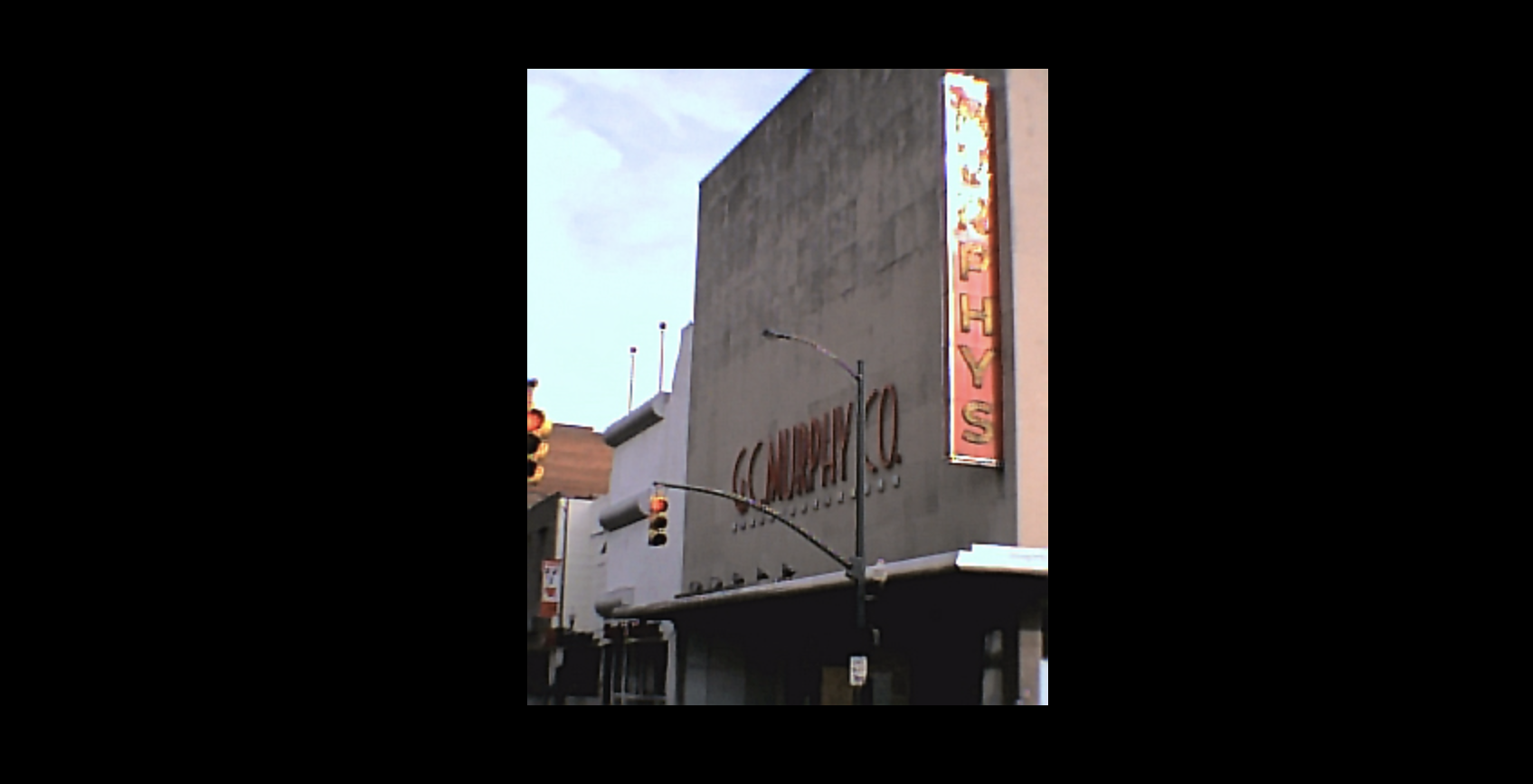
Before the “retail apocalypse” and the rise of the suburban mall, G.C. Murphy was the anchor of countless American downtowns. As one of the most successful “five-and-dime” variety stores, Murphy’s was the place where you went for everything from school supplies and sewing kits to live parakeets and goldfish. It was a sensory experience: the creak of the wooden floors, the smell of popcorn at the snack bar, and the sprawling aisles of affordable household goods. For the ’60s generation, a trip to Murphy’s often involved a stop at the integrated lunch counter, where a grilled cheese sandwich and a milkshake were the highlights of a Saturday afternoon. The decline of the five-and-dime reflected a broader shift in American life as commerce moved away from the walkable town square toward the massive, impersonal parking lots of the future.
2. Burger Chef: The Innovation Leader That Lost the War
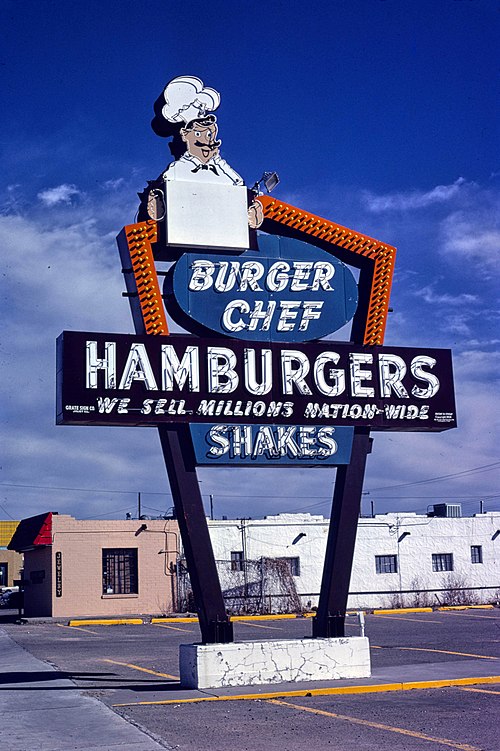
In the mid-1970s, Burger Chef was a legitimate threat to McDonald’s, operating thousands of locations across the country and leading the industry in creative marketing. They were the true pioneers of the “Fun Meal,” including small toys and puzzles long before the Happy Meal became a household name. Their “Top Hat” condiment bar was a revolutionary concept, allowing customers to customize their burgers with an endless supply of toppings—a level of autonomy that was unheard of at the time. Despite its massive footprint and innovative spirit, a series of corporate acquisitions and a failure to keep pace with the massive advertising budgets of its rivals led to its eventual demise. By the late ’80s, the smiling chef logo had largely disappeared, leaving only memories of the “Big Shef” and the excitement of opening a colorful cardboard meal box.
3. Howard Johnson’s: The Orange Roofs of the Open Road
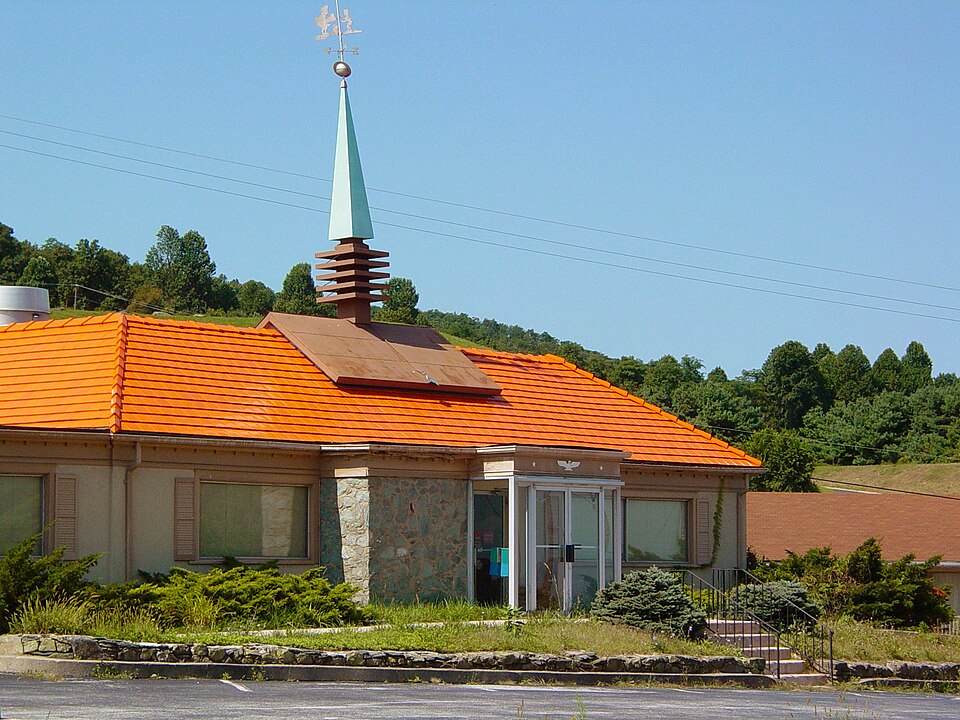
Long before the interstate was lined with identical fast-food clusters, the bright orange tiles of Howard Johnson’s served as a beacon for every family road trip. Known affectionately as “HoJo’s,” this chain was the undisputed king of roadside dining, famous for its 28 flavors of ice cream and its signature fried clams. For a child in the ’60s, pulling into a Howard Johnson’s meant more than just a meal; it was an event that signaled you had truly arrived at your destination. The consistency of the menu and the welcoming, sit-down atmosphere provided a sense of security for travelers navigating the new highway systems. Today, the orange roofs have almost entirely vanished, leaving behind a nostalgic void for a time when dining out was a leisurely, shared experience rather than a hurried transaction at a drive-thru window.
4. Sambo’s: The Pancake House with a Controversial Legacy
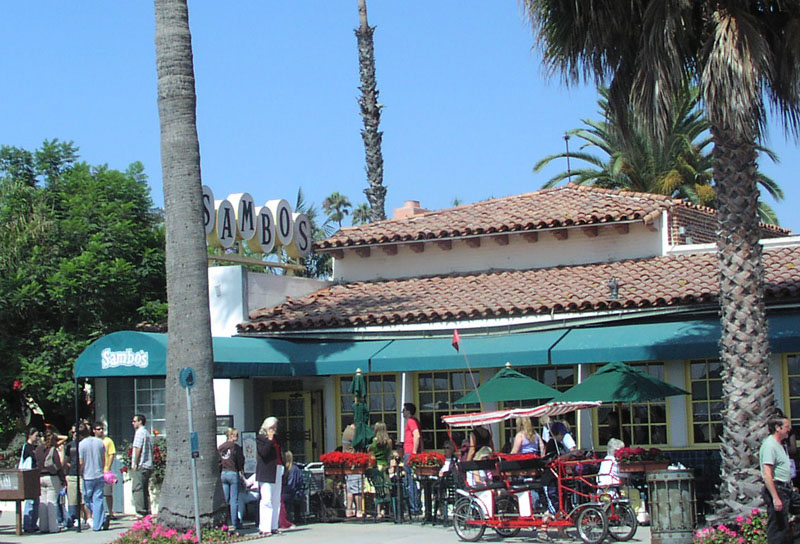
At its peak in the late 1970s, Sambo’s was a powerhouse in the family dining sector, with over 1,100 locations spanning 47 states. The chain was famous for its bottomless cups of coffee—often priced at just ten cents—and its wide variety of breakfast pancakes. The restaurants were characterized by their vibrant murals and a distinct branding that, while popular at the time, eventually led to its downfall due to the racially insensitive origins of its name and imagery. Despite its massive success as a high-volume, affordable eatery, the brand could not survive the social shifts of the late ’70s and early ’80s. While the business itself collapsed under the weight of rebranding failures and financial mismanagement, many who grew up in that era still recall the specific aroma of their griddle cakes and the ubiquitous presence of the chain along major thoroughfares.
5. Lum’s: The Hot Dog Steamed in Beer
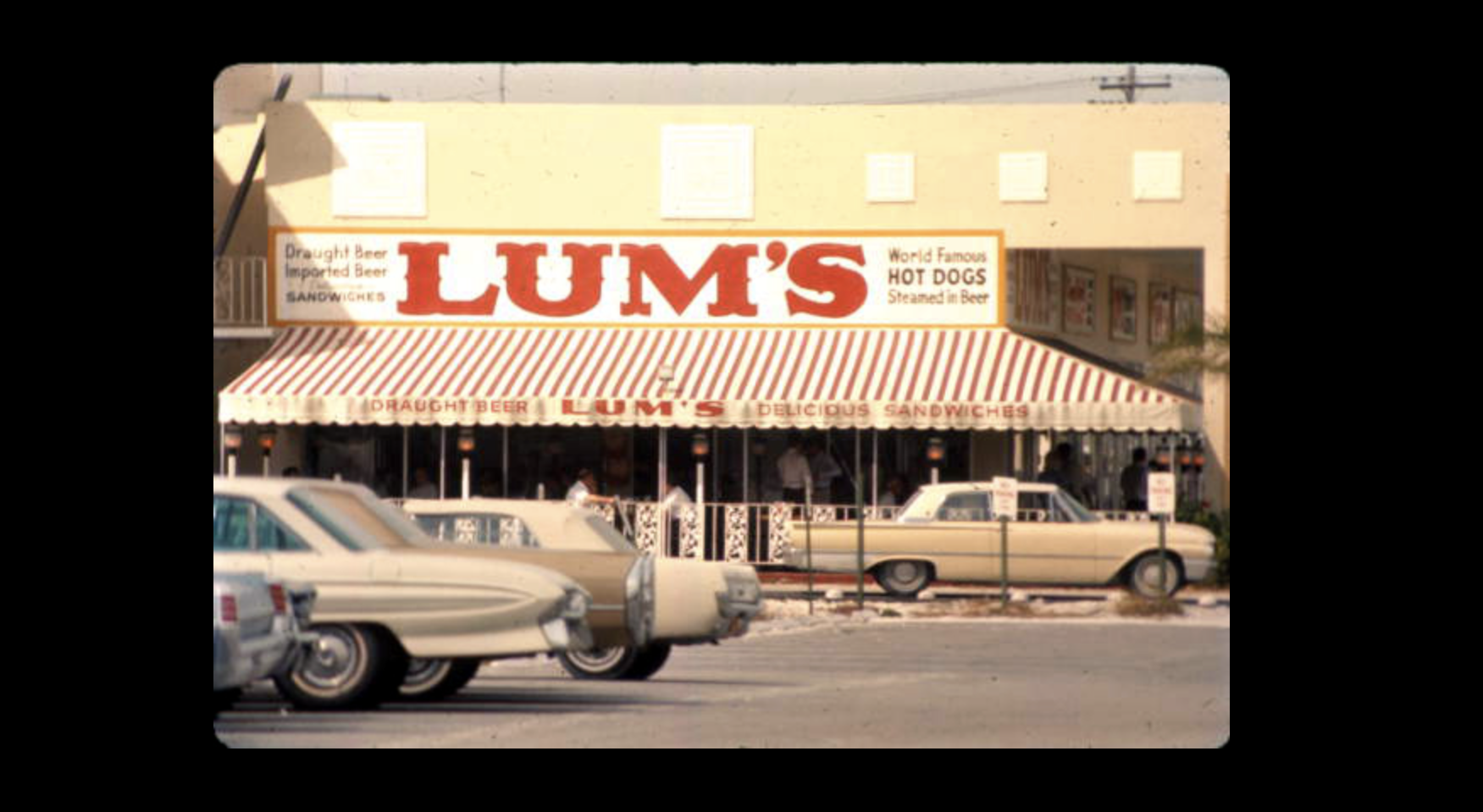
Lum’s was a unique entry in the 1970s dining scene, recognized primarily for its glass-fronted buildings and its “world-famous” hot dogs steamed in Ollie’s secret beer-based liquid. Starting as a small stand in Miami, it exploded into a national franchise that offered a more adult-oriented fast-food experience, often serving frosted mugs of beer alongside their burgers and dogs. It was a place that felt slightly more upscale than a standard burger joint, featuring dark wood interiors and a menu that eventually expanded to include steaks and international dishes. The chain even famously purchased the Caesars Palace hotel in Las Vegas at one point, signaling its massive corporate ambition. Unfortunately, the brand struggled to maintain a consistent identity as it grew, and by the 1980s, Lum’s began to fade into obscurity, taking its secret steaming recipe along with it.
6. Arthur Treacher’s Fish & Chips: A Taste of British Tradition
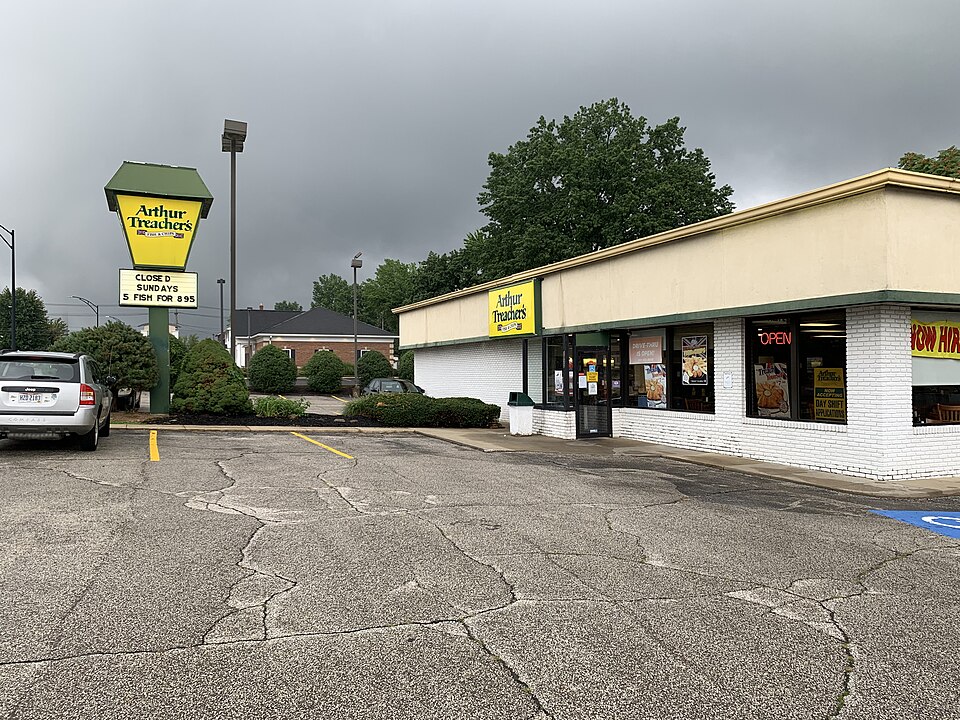
In the late ’60s and ’70s, Arthur Treacher’s brought a specialized fast-food concept to the American public: authentic English-style fish and chips. Named after the famous British character actor, the chain featured distinctive yellow-and-white lanterns and a menu centered on batter-dipped fish served in newsprint-inspired packaging. It offered a sophisticated alternative to the burger-and-fry monotony, introducing many Americans to malt vinegar and “hush puppies.” At its height, there were over 800 locations, making it a staple of the suburban landscape. However, the “Cod Wars” of the 1970s led to skyrocketing fish prices, which crippled the chain’s profit margins. While a few scattered locations still exist today, the iconic standalone buildings with their unique architecture have mostly been converted into other businesses, leaving only a memory of that salty, crispy batter.
7. Red Barn: When “Hungry Is a Sharp-Toothed Thing”
Red Barn was a beloved fast-food staple in the Midwest and Northeast, easily identified by its buildings designed to look like—you guessed it—bright red barns. Their marketing was exceptionally effective, using the “Hungry Jacks” characters and catchy jingles to appeal to families. Unlike many of its competitors, Red Barn was one of the first chains to offer a self-service salad bar, catering to a growing public interest in fresher options. They were also famous for the “Barnbuster” and the “Big Barney,” burgers that fans still speak of with reverence decades later. The chain’s downfall was not due to a lack of popularity, but rather a corporate decision by its parent company to stop granting new franchises, allowing existing leases to simply expire. This “quiet death” meant that the red barns slowly turned grey or were repainted, leaving a generation of fans mourning their favorite stop.
8. Woolworth’s: The Original Retail Giant
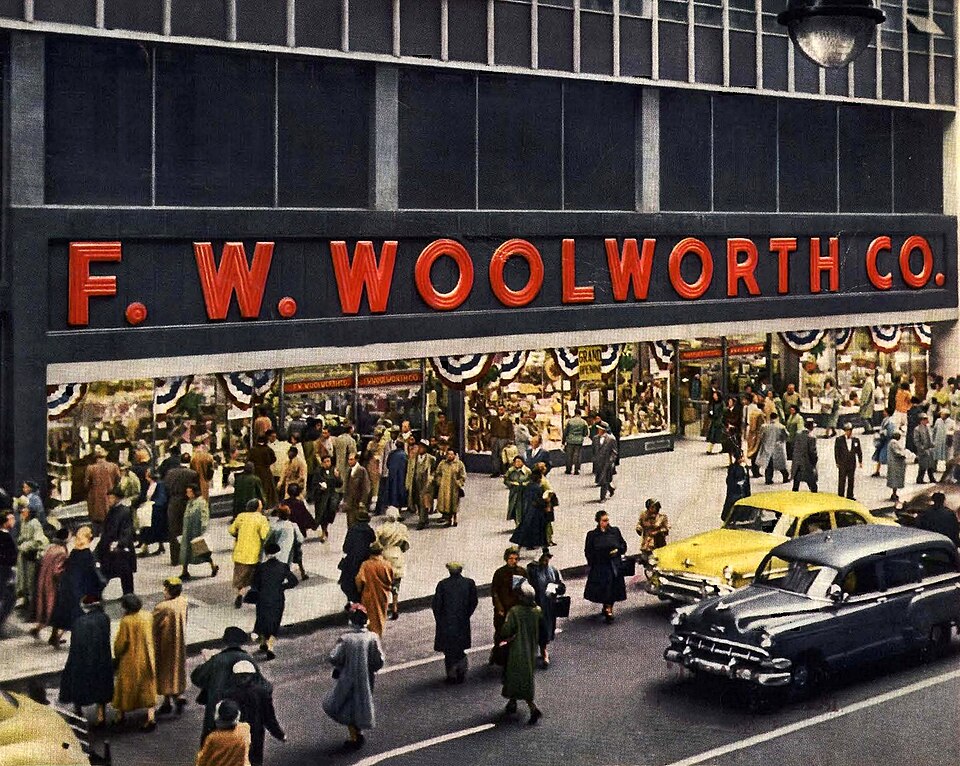
No list of lost chains is complete without F.W. Woolworth Company, the pioneer of the fixed-price store and the precursor to the modern department store. For those who grew up in the ’60s, Woolworth’s was the center of the shopping universe, a place where you could buy a toy, a record, and a new outfit all under one roof. The lunch counter at Woolworth’s was a legendary social hub, a place where office workers and teenagers alike gathered for club sandwiches and cherry phosphates. It was more than a store; it was a communal meeting ground. The closure of its final U.S. stores in the late 1990s marked the definitive end of the variety store era. As we look back in 2026, the loss of Woolworth’s represents the final transition from a world of localized, tactile shopping to the era of invisible digital warehouses.