Skiplagging – the practice of booking a flight with a layover but exiting at the connection point to save money, might seem like a clever hack to the average traveler. However, airlines view this “hidden-city” strategy as a direct breach of contract. By exploiting the quirks of hub-and-spoke pricing, travelers are finding themselves in the crosshairs of sophisticated tracking algorithms. What begins as a cheaper ticket often ends with a permanent ban, as carriers have moved from quiet warnings to aggressive enforcement.
1. United Airlines: Zero Tolerance at the Hub
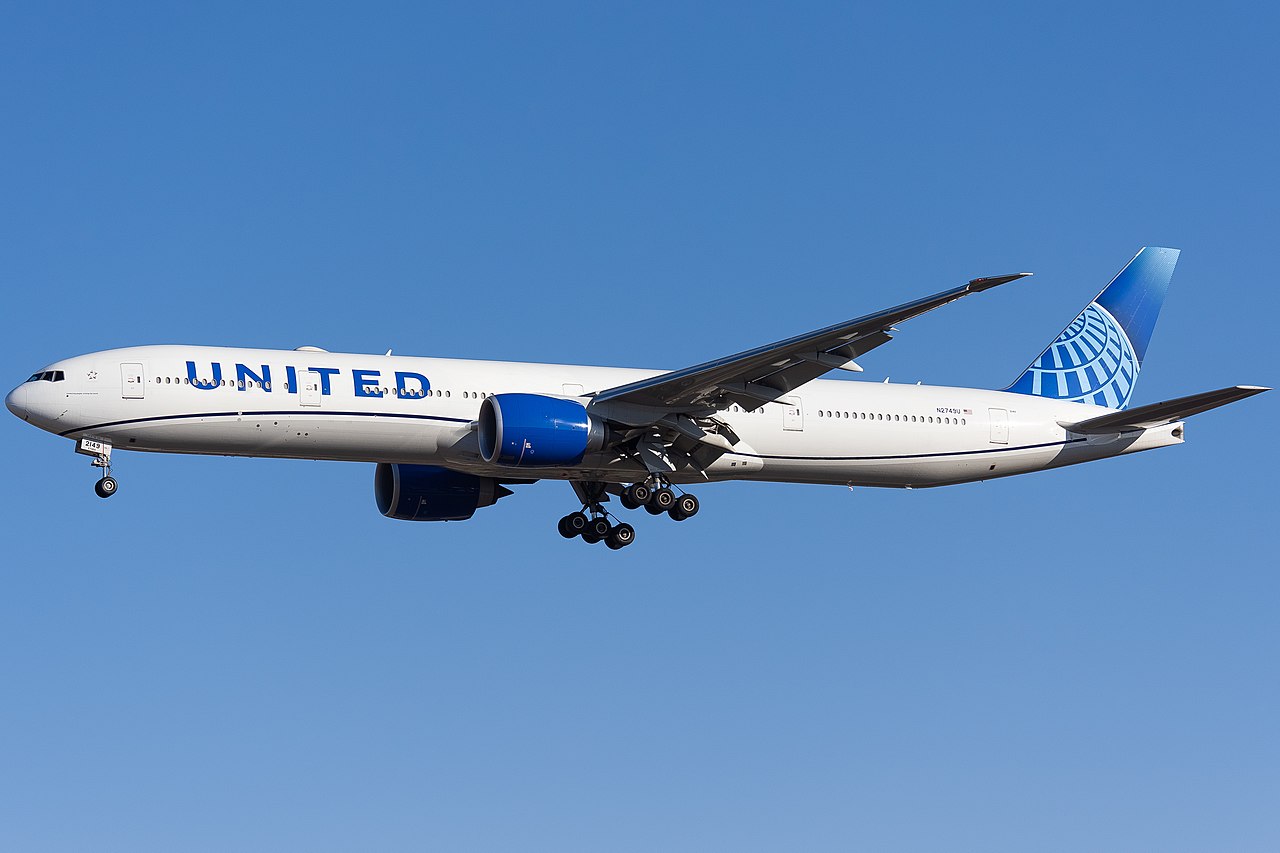
United takes a particularly hard line against hidden-city ticketing because its entire business model relies on the integrity of its hub connections. According to their Contract of Carriage, skipping a segment is a prohibited practice that gives the airline the right to void the remainder of your trip instantly. Beyond just canceling your return flight, United often claws back MileagePlus miles and revokes elite status. For repeat offenders, the penalty is frequently a lifetime ban from the airline, often discovered at the check-in counter when a passenger finds their “privilege to fly” has been revoked.
2. American Airlines: Real-Time Detection
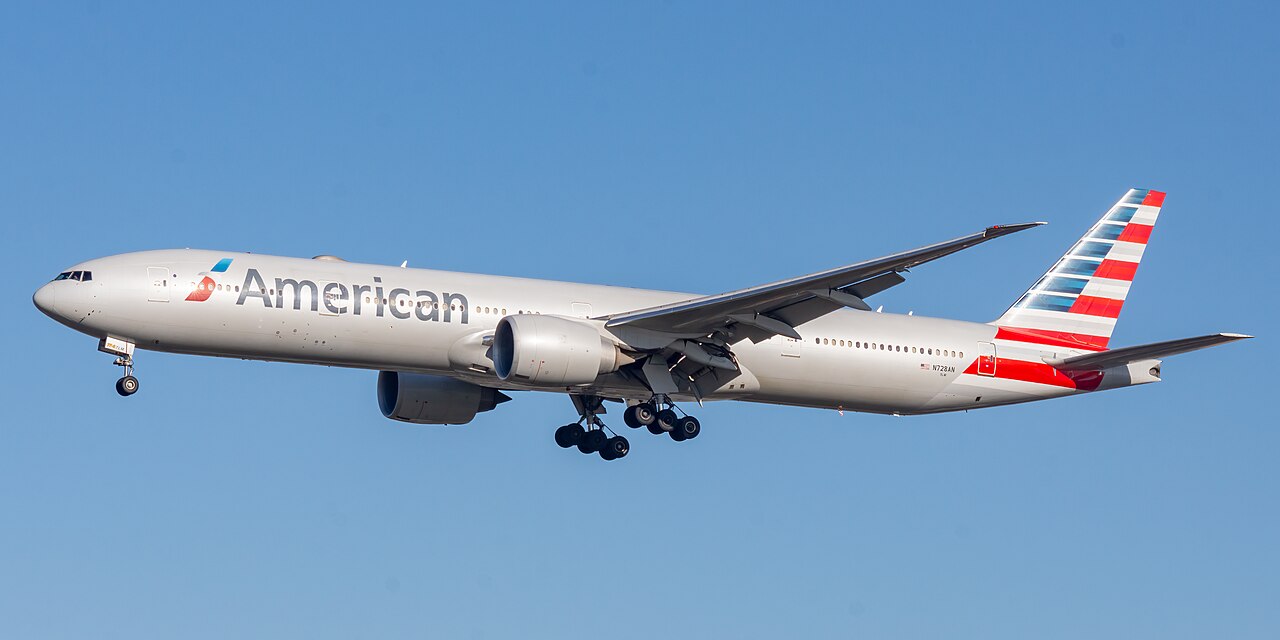
American Airlines has equipped its gate agents with the tools to spot fare-rule violations as they happen. If you plan to hop off in Charlotte or Dallas, don’t be surprised if your AAdvantage account is flagged before you even exit the terminal. American’s policy allows them to bill you for the “intended” fare, the price you would have paid had you booked the direct flight, and they are known to shut down loyalty accounts with zero notice. Public disputes have shown that AA is willing to issue long-term “refusal of carriage” notices to those who make skiplagging a habit.
3. Delta Air Lines: Protecting the Medallion
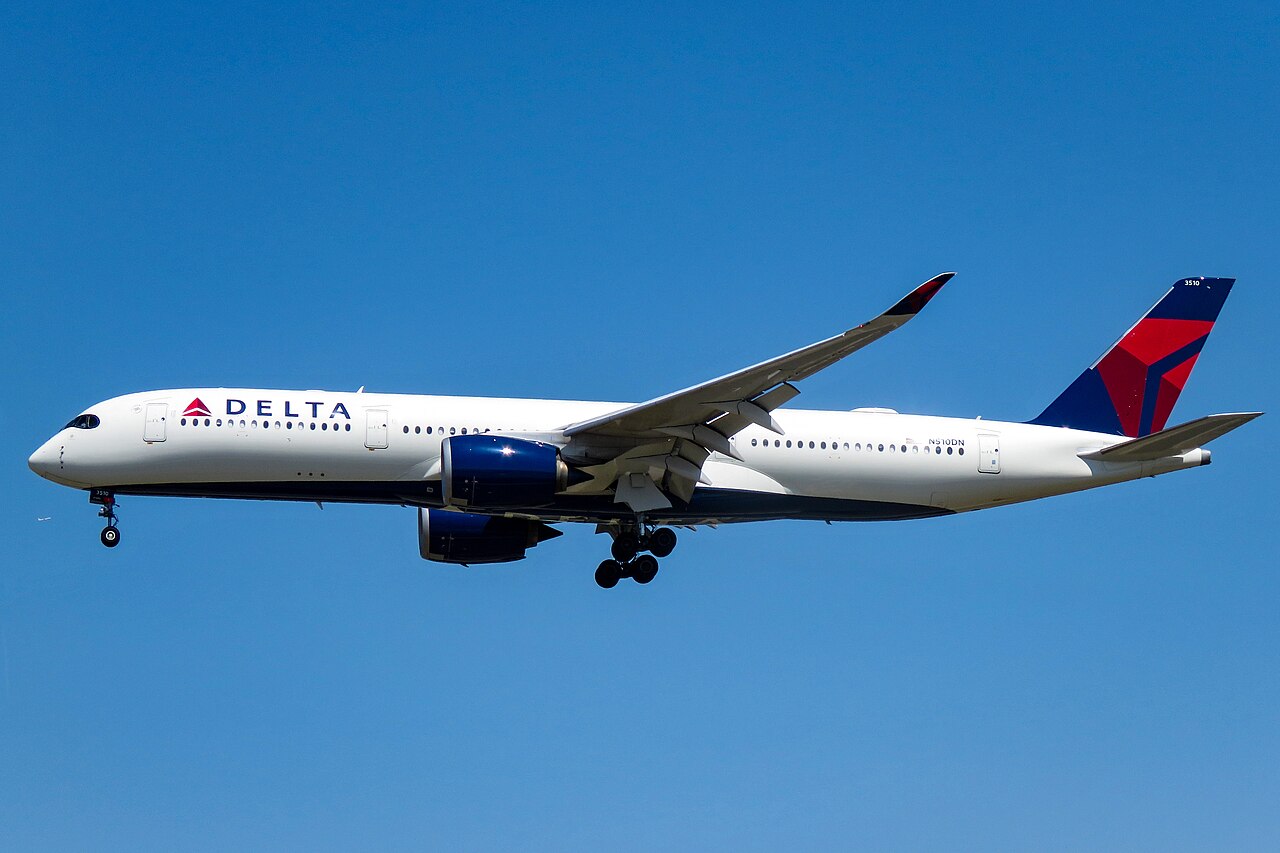
Delta frames skiplagging alongside “throwaway” and “back-to-back” ticketing as tactics that undermine their fare structure. Because Delta’s brand is so heavily tied to its SkyMiles loyalty program, they hit offenders where it hurts most: their status. If the airline suspects you’ve flown out of sequence, they can recalculate your fare at the highest possible rate and strip away your Medallion perks. They have increasingly used long-term bans to “fire” customers who prioritize short-term savings over the airline’s contract terms.
4. Southwest Airlines: A Friendly Face with a Firm Contract
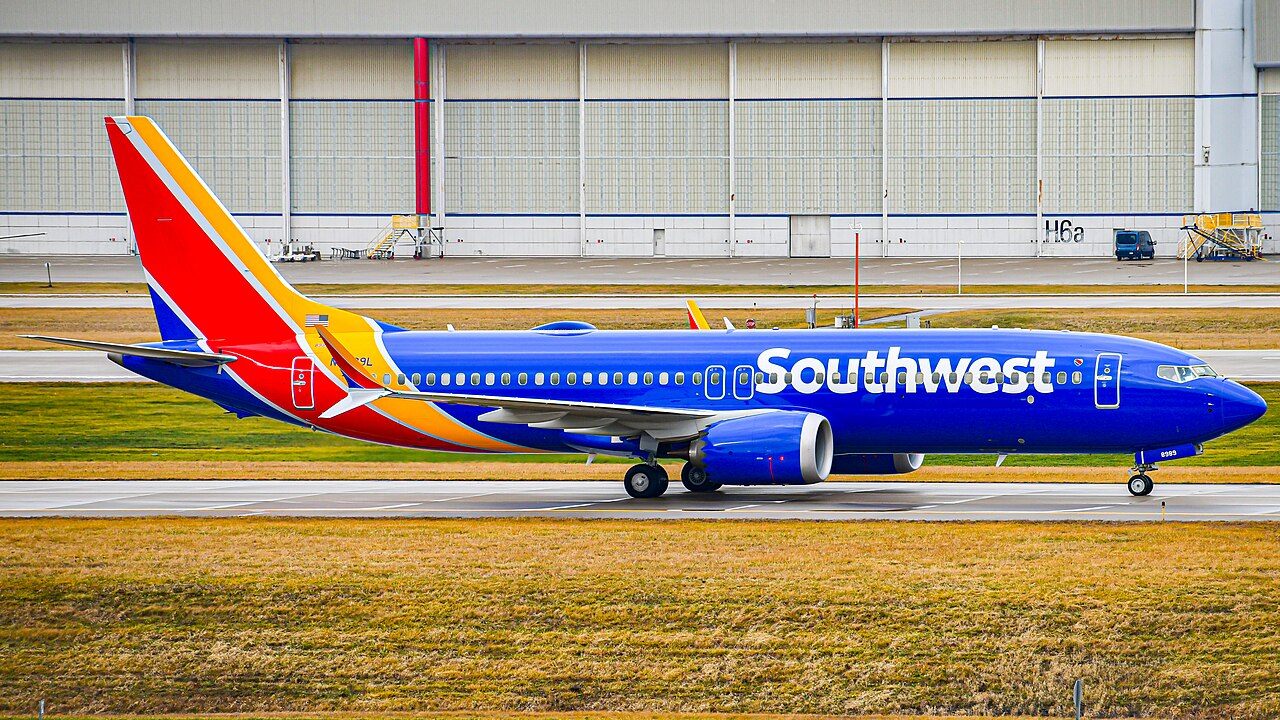
Southwest may have a reputation for being the “fun” airline, but their legal department is anything but. Their contract explicitly labels hidden-city bookings as “fictitious” or “abusive.” Once a flier misses a leg, Southwest’s system is designed to automatically purge the rest of the reservation. They have even taken the fight to court to stop third-party sites from promoting these fares. If caught, you’ll likely face a demand for the fare difference and a “no-fly” flag that can last for years.
5. Frontier Airlines: Low Fares, High Penalties
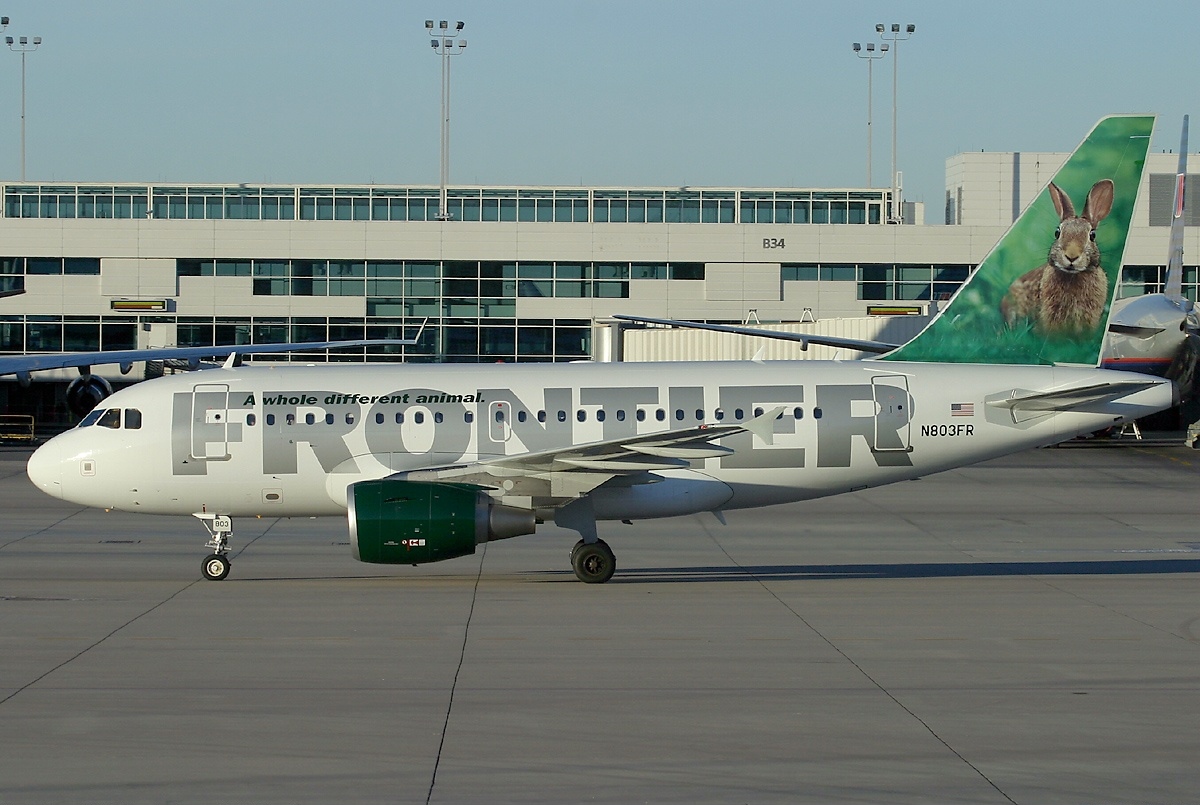
On an ultra-low-cost carrier like Frontier, where every extra, from water to carry-ons, is a revenue stream, skiplagging is seen as a major loss. Frontier’s policy is to charge the traveler the difference between the discounted connecting fare and the actual point-to-point price. Because Frontier’s base fares are so low, these “fare differences” can sometimes be five or ten times the original cost of the ticket. Frequent offenders can expect their Frontier Miles to be frozen and their names added to a permanent exclusion list.
6. Alaska Airlines: The Seattle Lockdown
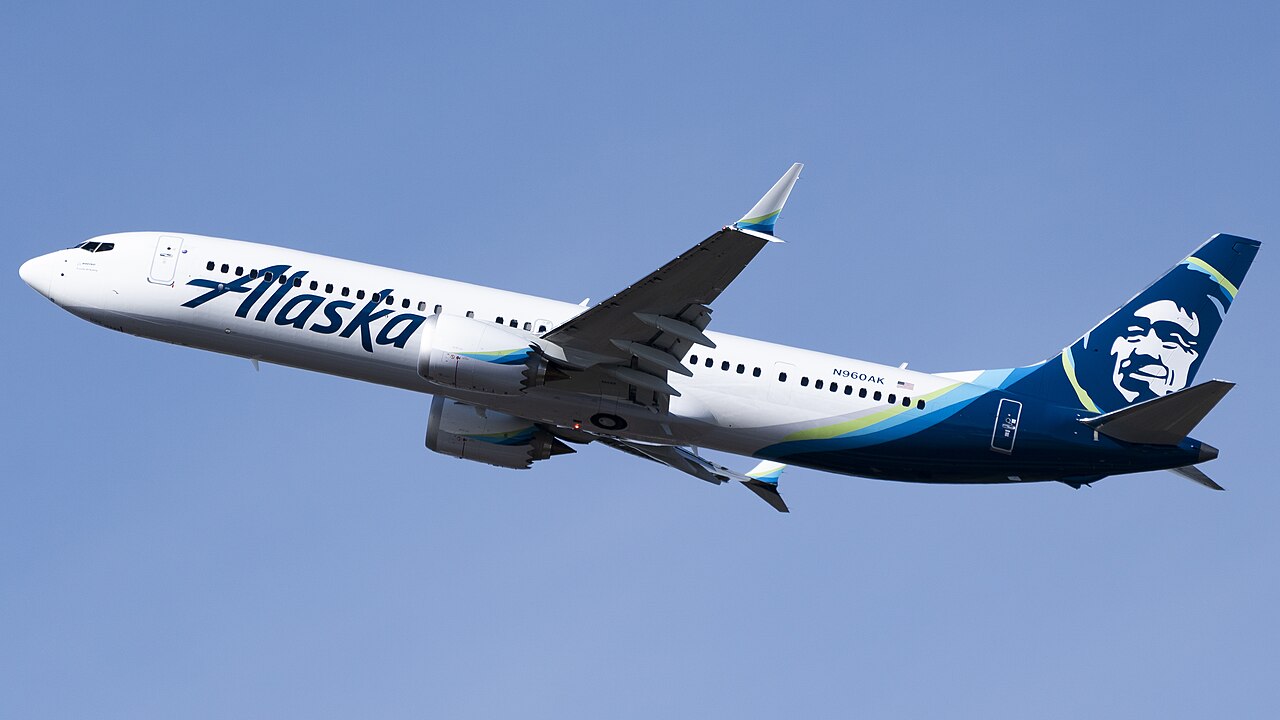
Alaska Airlines is very direct about its “Hidden Cities” prohibition, particularly on flights routed through its Seattle or Portland hubs. They reserve the right to not only cancel your return but also to seek legal action for the lost revenue. For many Alaska fliers, the loss of Mileage Plan membership, one of the more valuable loyalty programs in the industry, is a devastating blow. Once your status is revoked for fare manipulation, it is almost impossible to get it back, effectively ending your relationship with the airline.
7. Hawaiian Airlines: Protecting Island Integrity
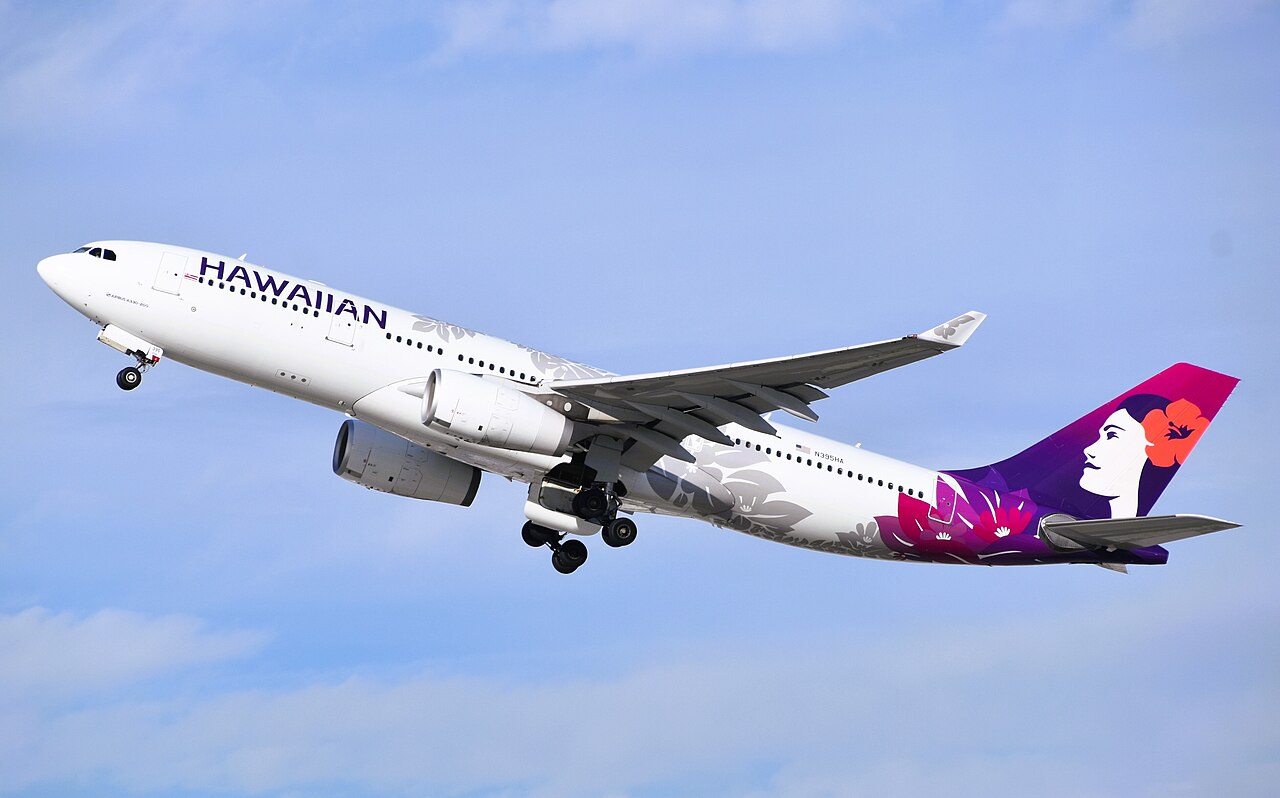
In a state where air travel is a lifeline, Hawaiian Airlines views skiplagging as a disruption to critical seat inventory. Because checked bags are automatically routed to the final ticketed destination, skiplaggers often find themselves stranded in Honolulu while their luggage continues to Maui or Kauai. Hawaiian is known for demanding the fare difference at the gate before allowing future travel, and they maintain a “warm but firm” policy of banning those who repeatedly exploit the inter-island connection system.
8. Air Canada: Discretion and Documentation
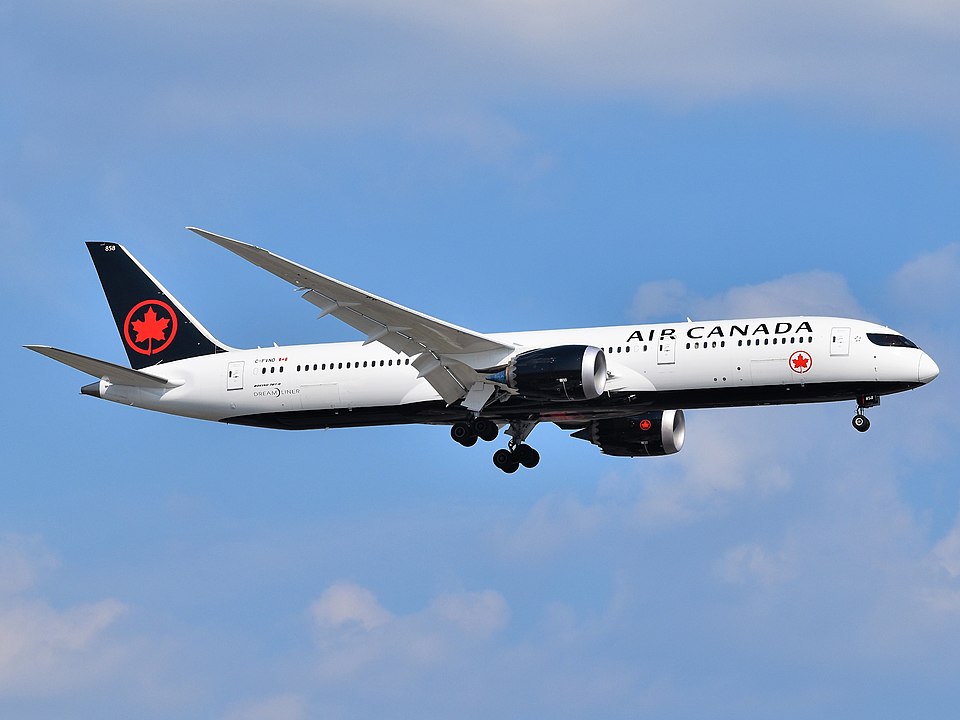
Air Canada’s tariff defines hidden-city ticketing as a fraudulent attempt to obtain lower fares. They give their staff wide discretion to confiscate unused flight coupons and refuse baggage check-in for anyone suspected of skipping legs. In major hubs like Toronto Pearson, agents are trained to flag “point-beyond” travelers during peak times. If you are caught, the airline can assess the fare difference immediately, and repeat behavior usually results in a permanent termination of the flier’s relationship with the airline.