For decades, the path to a perfect retirement was paved with a single destination: Florida. The allure of year-round sunshine, white sand beaches, and the absence of state income tax made it the default choice for millions. I was no exception; the idea of trading snow shovels for golf clubs felt like the ultimate reward for a lifetime of work.
However, as we move through 2026, the data tells a different story. Recent studies reveal that the “Sunshine State” is losing its luster, currently ranking 41st in several national retirement indices. While the tax benefits remain, they are increasingly offset by a burgeoning cost-of-living crisis, a volatile housing market, and staggering insurance premiums. For many, the Florida dream has become a financial nightmare.
If you are looking for a more stable and affordable “Golden Age,” these five states have emerged as the new frontrunners for savvy retirees.
1. New Hampshire: The High-Altitude Champion of Quality of Life

It might seem counterintuitive to move north for retirement, but New Hampshire has claimed the top spot in 2025 and 2026 retirement rankings for good reason. While you will have to contend with cold winters, the state offers a level of security that Florida increasingly lacks.
New Hampshire consistently outperforms the rest of the country in healthcare quality, neighborhood safety, and overall “walkability.” Beyond the physical safety, there is the financial safety: the state has no general sales tax and no state income tax. Furthermore, while Floridians are grappling with average home insurance costs exceeding $11,000, New Hampshire residents enjoy significantly lower premiums and a more stable environment.
2. Delaware: The East Coast’s Best Kept Tax Secret
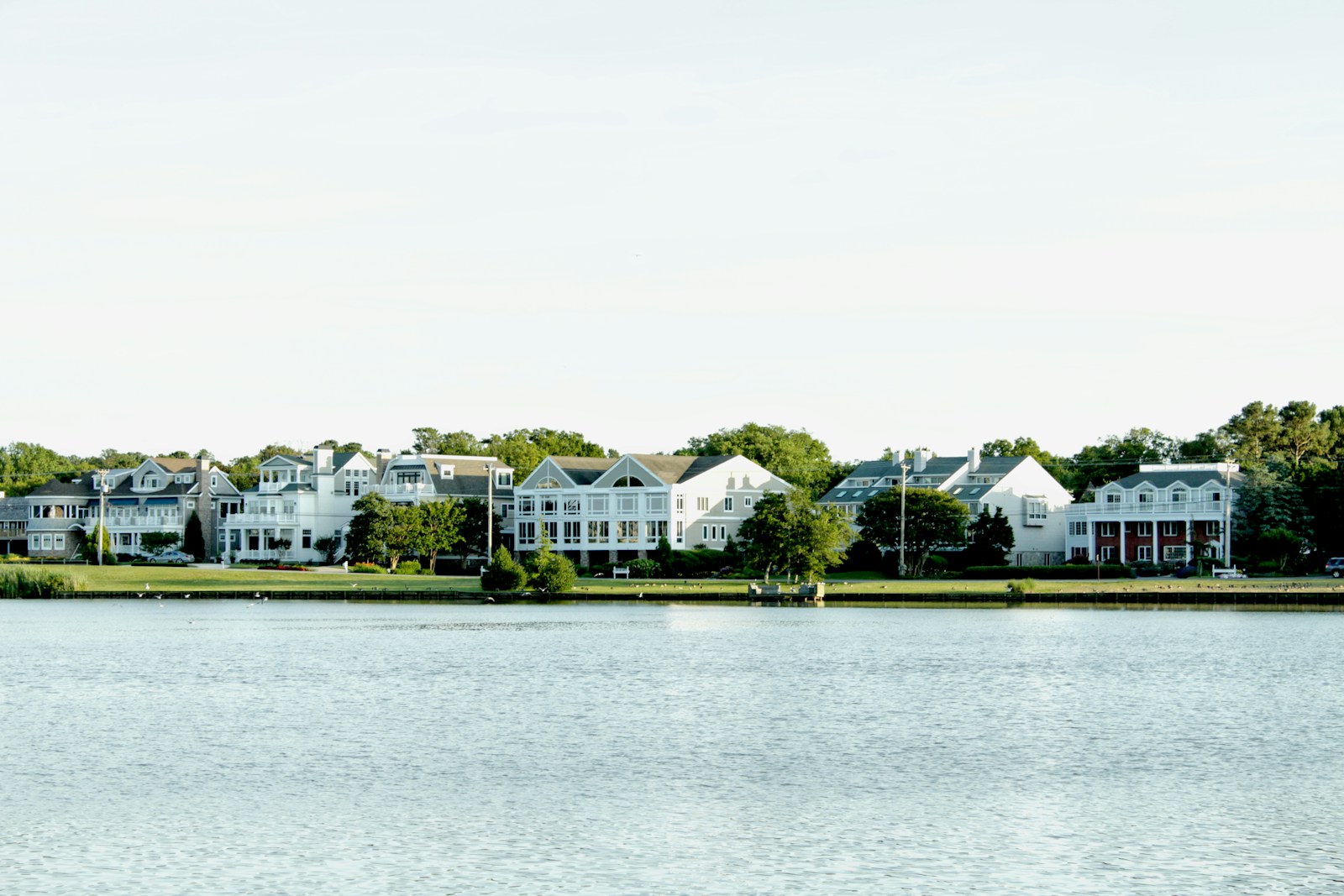
Delaware is quickly becoming the preferred destination for those who want the coastal lifestyle without the “Florida chaos.” The tax advantages here are immense for those on a fixed income. The state boasts no sales tax, some of the lowest property tax rates in the nation, and a total exemption on Social Security benefits.
For those over age 60, Delaware allows an exclusion of up to $12,500 of pension or retirement income from state taxes. With 28 miles of pristine Atlantic coastline and a significantly slower pace of life, it offers a sophisticated alternative to the overcrowded boardwalks of the South.
3. South Carolina: The Affordable Southern Alternative

If you simply cannot give up the warmth, South Carolina is effectively the “New Florida.” It offers the same mild winters and world-class golf courses but at a much more sustainable price point. The cost of living in the Palmetto State sits roughly 11% below the national average.
The state is incredibly retiree-friendly, offering a $15,000 deduction on retirement income for those 65 and older and zero tax on Social Security. In 2023 and 2024, South Carolina saw a massive influx of retirees, capturing 10% of all cross-state retirement moves. It provides that classic Southern charm and historic coastal living without the inflated “premium” prices found further south.
4. Wyoming: Fiscal Peace in the High Plains

Wyoming was once an outlier, but in 2026, it is a top-tier contender for those who value privacy and fiscal health. Wyoming takes a hyper-competitive approach to state taxes, featuring no state income tax and incredibly low property crime rates.
While the temperatures are lower, the quality of life is undeniably higher for nature lovers. With access to Grand Teton and Yellowstone, the state offers “peace and quiet” that money simply cannot buy in more populated regions. It is a haven for active retirees who prefer hiking boots and clean mountain air over crowded beaches and humid afternoons.
5. Georgia: The Sweet Spot of Affordability and Culture

Georgia has quietly ascended the rankings by offering a perfect balance of Southern comfort and financial accessibility. The cost of living is approximately 7% below the national average, but the real draw is the tax treatment of seniors. Georgia exempts Social Security from state taxes and allows taxpayers 65 and older to exclude up to $65,000 of retirement income.
This state allows you to choose your own environment: you can enjoy the coastal “beach vibe” of Savannah, the mountain retreats of the Blue Ridge, or the world-class healthcare facilities in Atlanta. It offers the warm climate retirees crave without the overpopulation and infrastructure strain currently plaguing Florida.
The Fading Florida Dream

The shift away from Florida is backed by sobering numbers. In the last year, the number of retirees moving to Florida dropped from nearly 340,000 to just under 266,000. Rising home prices, high mortgage rates, and the constant threat of natural disasters are driving a “Great Migration” toward states that offer better long-term value.