Your backyard should be a private oasis, not a municipal minefield. Yet, in 2026, homeowners are discovering that seemingly innocent improvements, from a lush vegetable garden to a convenient shed, can trigger unexpected “Notice of Violation” letters and daily fines that quickly add up to thousands of dollars.
City code enforcement, HOA regulations, and increasingly stringent environmental mandates are turning once-simple yard upgrades into legal traps. According to a 2025 analysis of municipal code violation data, nearly one in five homeowners who made unpermitted changes to their yard received a fine. Before you plant, build, or pave, check if your backyard has one of these 7 common features that could secretly be costing you a fortune.
1. The “Too Tall” Fence or Wall
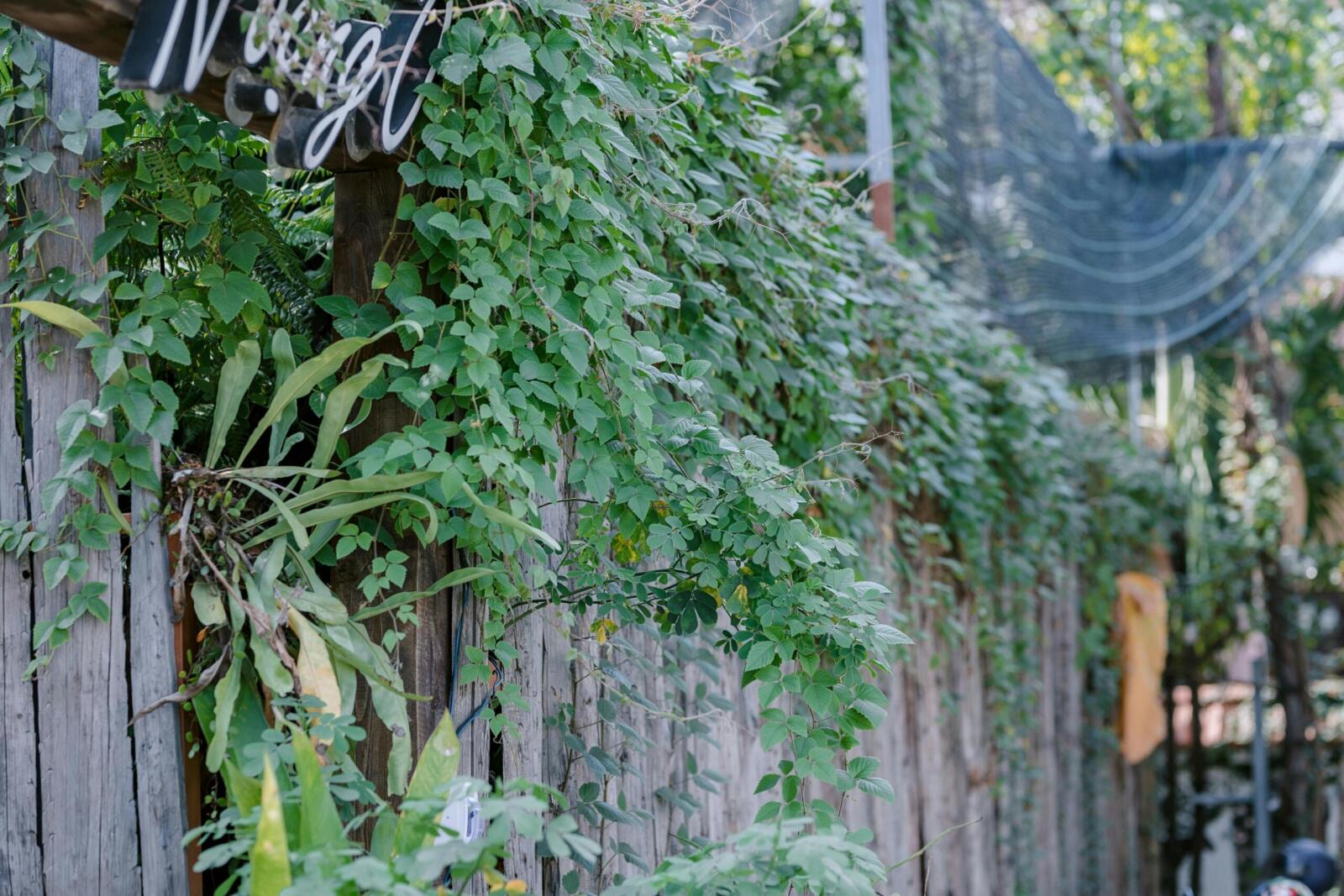
You want privacy, but your city or HOA wants sightlines. Most municipalities have strict height limits for fences (typically 6 feet in the backyard, 4 feet in the front), and even lower limits if the fence is on a corner lot. Exceeding these limits, even by a few inches, is a common code violation. A 2024 study found that “oversized fences” account for 15% of all property line disputes reported to city planning departments, often leading to forced removal and fines.
2. Unpermitted Sheds or “Tiny Homes”
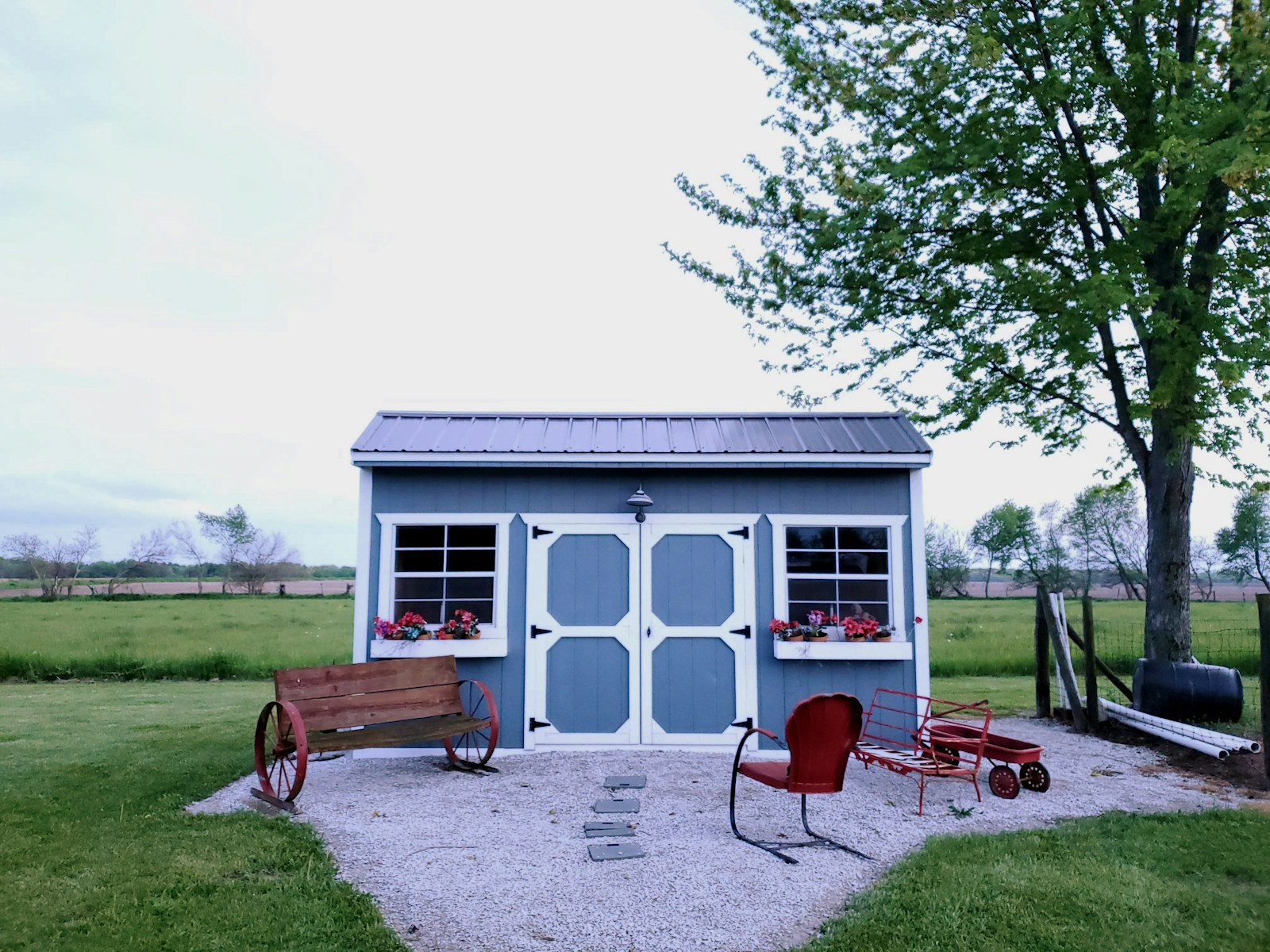
That convenient storage shed or trendy “she-shed” seems harmless, but if it exceeds a certain square footage (often 100-120 sq ft) or has a permanent foundation, it requires a building permit. The moment you add electricity, plumbing, or insulation, it’s typically classified as an Accessory Dwelling Unit (ADU) and requires extensive permitting, inspections, and potentially additional property taxes. Ignoring this can result in daily fines of $50-$200 until the structure is removed.
3. “Impervious” Patios and Driveway Extensions
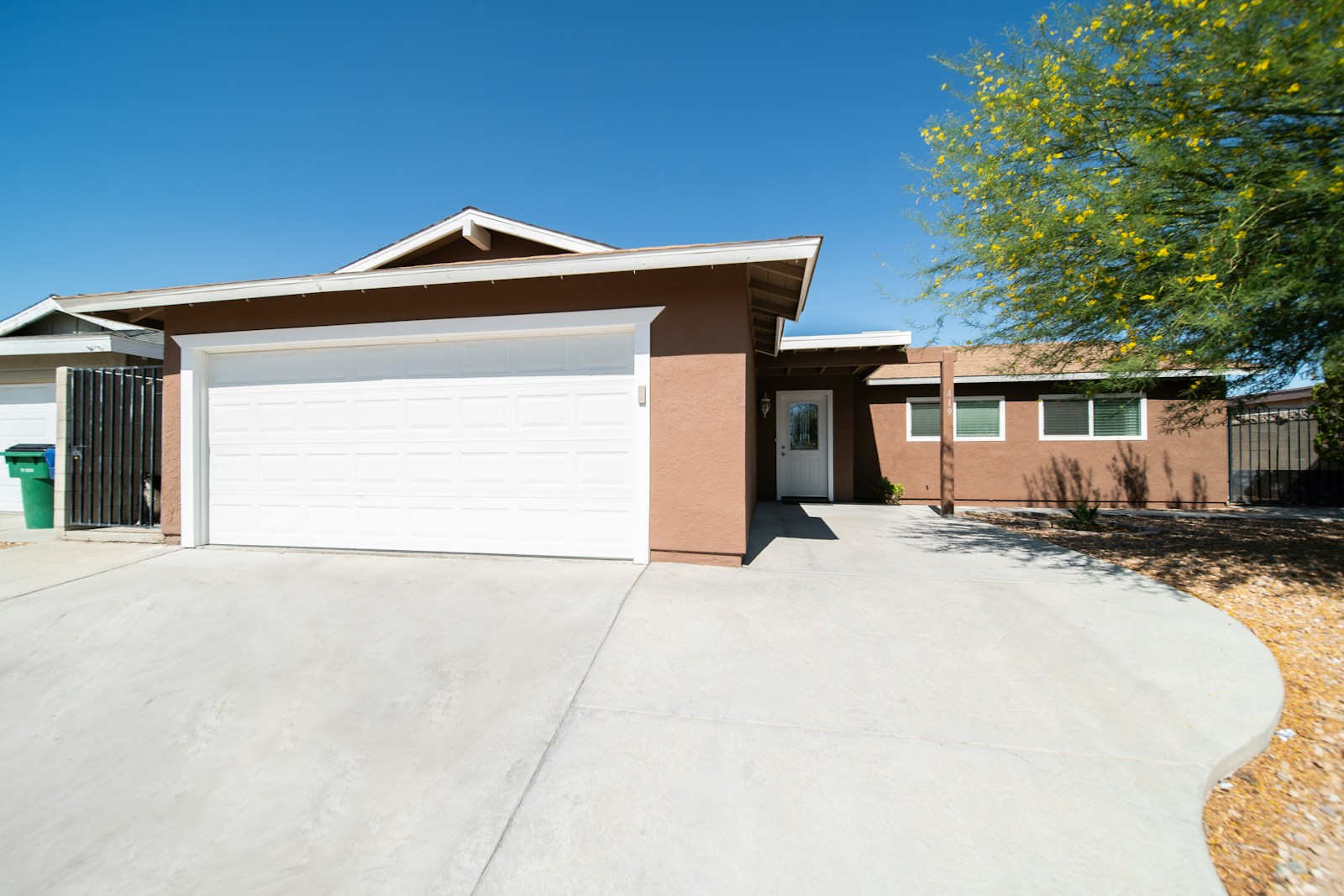
Your extra concrete patio or gravel driveway extension might be violating “impervious surface” limits. Many cities regulate the percentage of your lot that can be covered by non-absorbent materials to prevent stormwater runoff and local flooding. A 2025 environmental audit revealed that up to 30% of suburban properties exceed these limits, leading to fines and orders to install costly permeable pavers or replace with landscaping.
4. Overgrown or Unkempt Landscaping
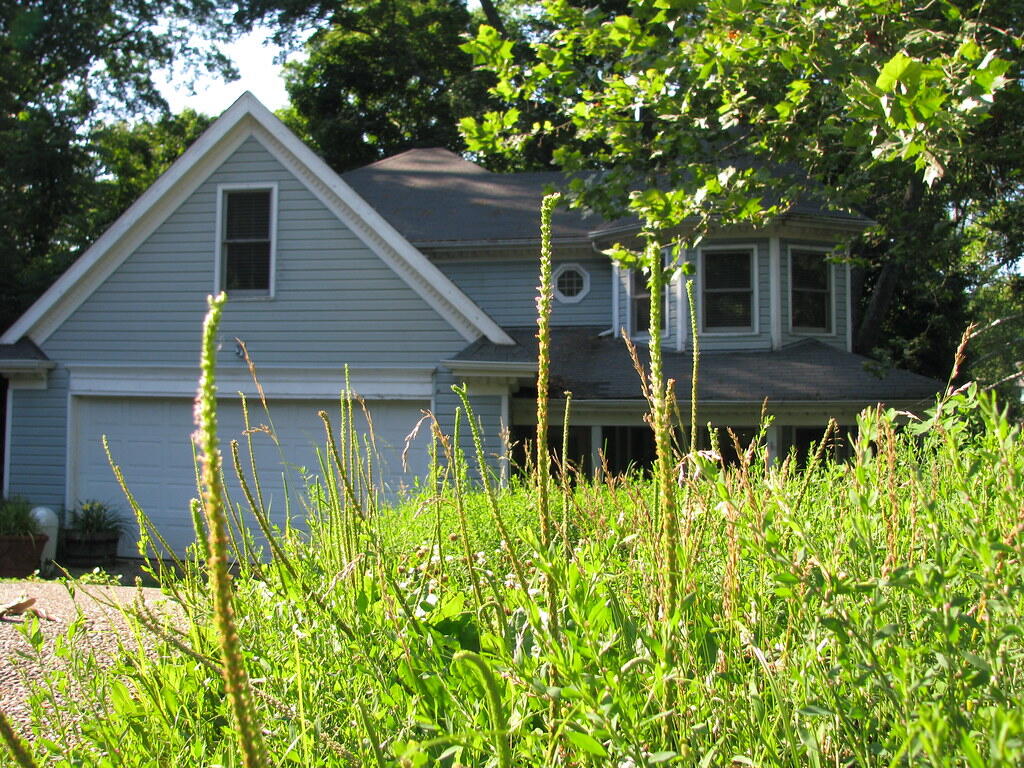
While aesthetics seem subjective, many cities have “nuisance” ordinances regarding property maintenance. This includes grass over a certain height (e.g., 8-10 inches), unpruned trees that block sidewalks or streetlights, or excessive weeds. These aren’t just HOA violations; city code enforcement can issue fines (often $50-$150 per incident) and even send a crew to prune or mow, billing the homeowner.
5. Non-Compliant Fire Pits or Outdoor Fireplaces

A backyard fire pit is a summer staple, but many are illegal. Cities often have strict regulations on the size, location (minimum distance from structures/property lines), and type of fuel. Some municipalities outright ban wood-burning fire pits, allowing only gas or propane. Violations often result from a neighbor’s smoke complaint and can lead to immediate shutdown orders and fines starting at $250.
6. Untreated Swimming Pools or Hot Tubs

A pool or hot tub is a major investment, but also a major liability if not properly secured. All residential pools are required to have a fence or barrier (typically 4-5 feet high) with self-latching gates to prevent accidental drownings, especially for children. Failure to comply with these International Swimming Pool and Spa Code (ISPSC) mandates can result in severe fines (up to $1,000+), stop-use orders, and significantly increased liability in case of an incident.
7. Unauthorized Tree Removal
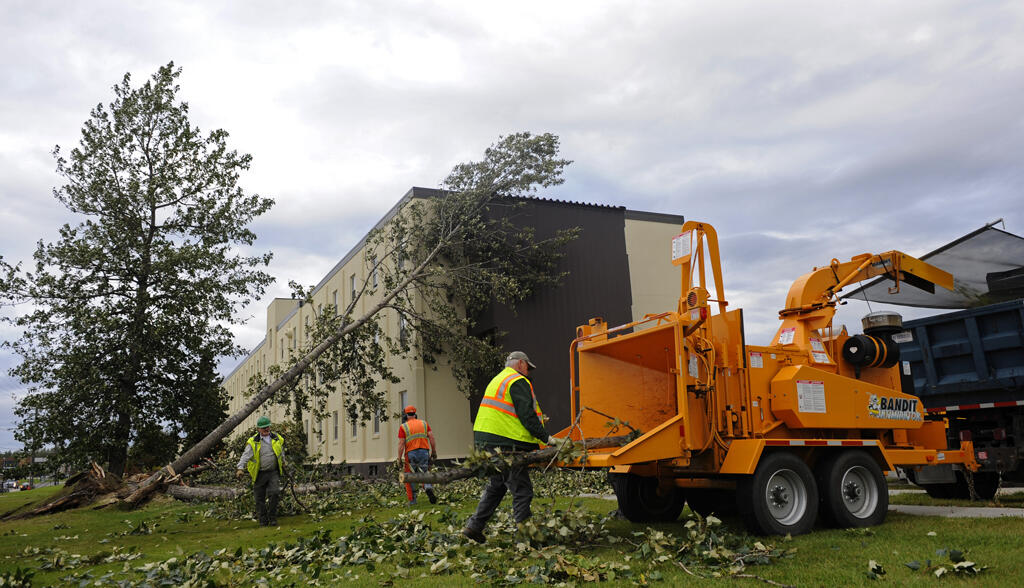
Even if a tree is on your property, it might not be “yours” to remove. Many cities have “tree canopy” ordinances protecting mature or “heritage” trees (often defined by a trunk diameter of 12+ inches). Removing such a tree without a permit, an arborist’s report, and potentially a “replacement fee” can result in fines of hundreds to thousands of dollars per inch of diameter. Satellite imagery is increasingly being used to track unauthorized tree removal.