

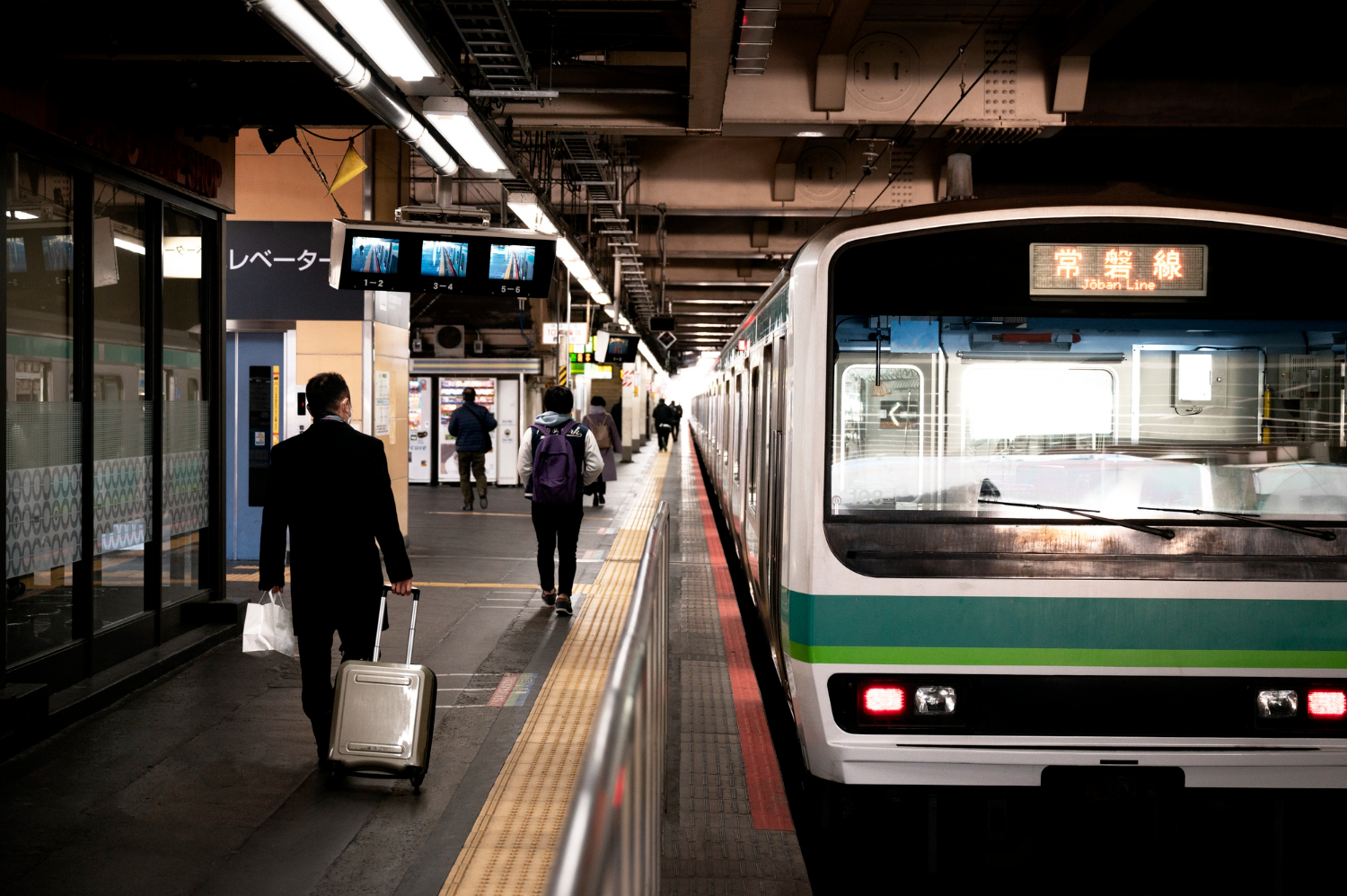
Japanese trains operate with average annual delays of approximately 18 seconds — measured to that precision because Japanese rail operators consider anything more than 1 minute late as a meaningful failure requiring formal investigation. The reliability isn’t an accident or a cultural mystery. It results from specific engineering choices, operational procedures, and management practices that have been documented and studied by rail systems worldwide. Here’s the actual operational reason behind Japanese rail punctuality — and why other countries have found it nearly impossible to replicate.
The Tokaido Shinkansen — Japan’s flagship high-speed rail line connecting Tokyo and Osaka — has operated since October 1964 and maintains an average annual delay of approximately 18 seconds across over 360 daily trains. To put this in perspective: 18 seconds is the average across an entire year of operations. Most days have zero delays. The few days with significant delays bring up the average. The reliability is documented through specific JR Central operational reports rather than impressionistic claims. Understanding how this is actually achieved reveals significant engineering and management lessons.
The 18-Second Statistic Specifically
JR Central, which operates the Tokaido Shinkansen, publishes annual delay statistics. The 18-second figure has been substantially consistent across multiple years. The metric represents the average delay across all scheduled trains. A delay of any significant duration triggers internal investigation procedures designed to identify root causes and prevent recurrence. The Japanese definition of “late” itself differs from international norms — most rail systems consider trains “on time” if they arrive within 5 minutes of scheduled time. JR Central considers anything beyond 1 minute as requiring formal explanation.
The Dedicated Right of Way
The single most important factor in Japanese rail punctuality is dedicated infrastructure. The Shinkansen network operates on tracks specifically built for high-speed rail use, completely separated from freight traffic, regular passenger trains, and any other potential interference sources. Every station is purpose-built for Shinkansen operations. Every signal system is dedicated. Every maintenance window is scheduled. The infrastructure itself eliminates many sources of delay that affect mixed-use rail systems in other countries. Building new dedicated infrastructure is enormously expensive — Japan’s Shinkansen network represents trillions of yen in cumulative investment over 60+ years.
The Specific Track Geometry Standards

Shinkansen tracks are built and maintained to specific tolerances that exceed conventional rail standards substantially. Track gauge variations, vertical irregularities, and horizontal alignment must be maintained within specific millimeter ranges. The maintenance schedules are extensive — track inspection occurs essentially nightly. Maintenance crews work overnight when no trains operate. The cumulative effect: track conditions remain consistently within tolerances that allow specific train designs to operate at maximum efficiency. Any track condition that could produce delays is detected and corrected before it affects operations.
The Train Design Optimization
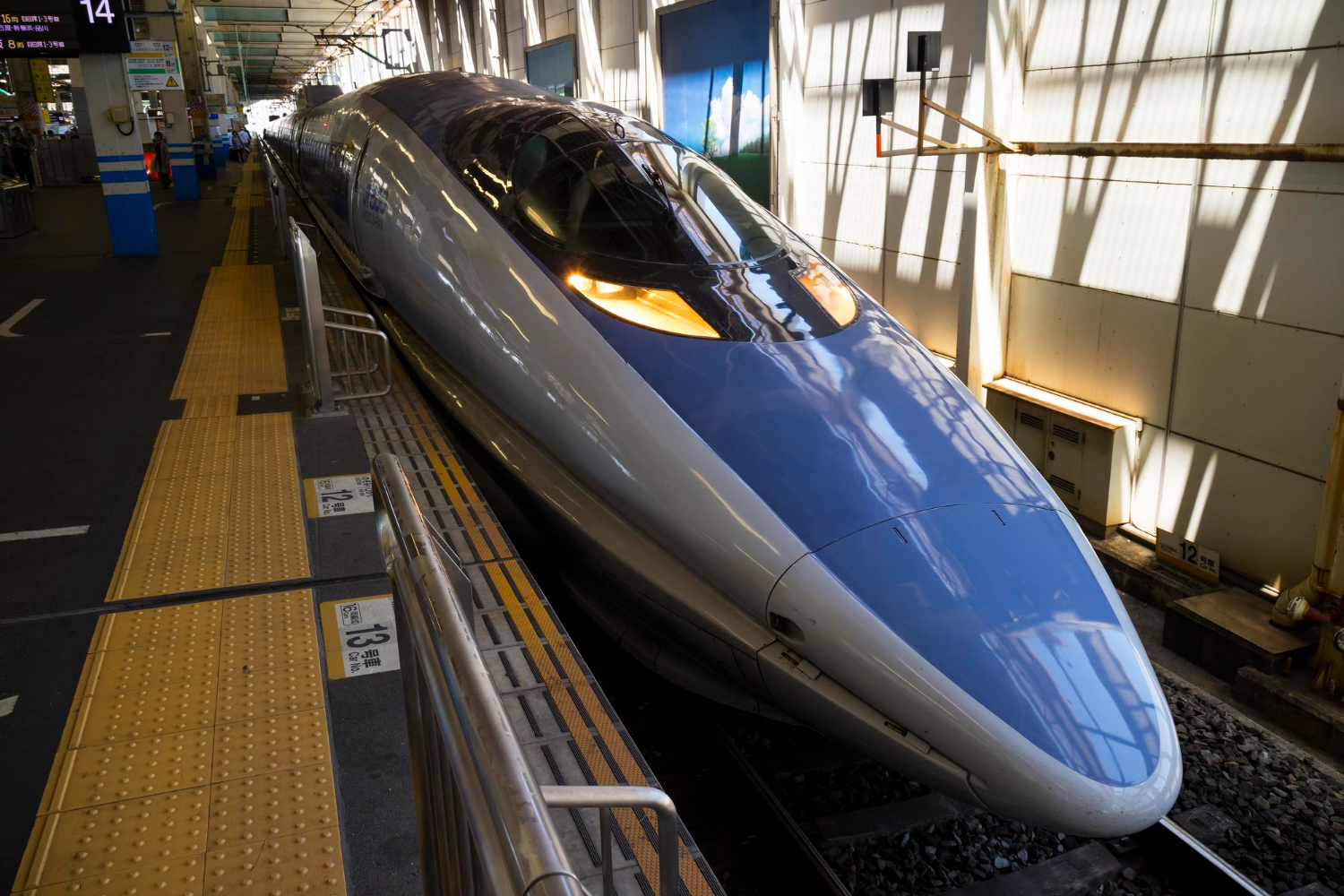
Shinkansen trains are designed specifically for the operational profile of the routes they serve. Acceleration rates, deceleration rates, cruise speeds, and various other characteristics are optimized for the specific track geometry. Train cars are precisely matched to specific platform configurations — passengers can know exactly where each car will stop, with platform markings indicating exact positions. The boarding process is highly efficient because passengers position themselves correctly before train arrival. The cumulative effect: trains spend exactly the planned amount of time at each station, with no variation that would cascade into schedule disruptions.
The Boarding Procedure Engineering
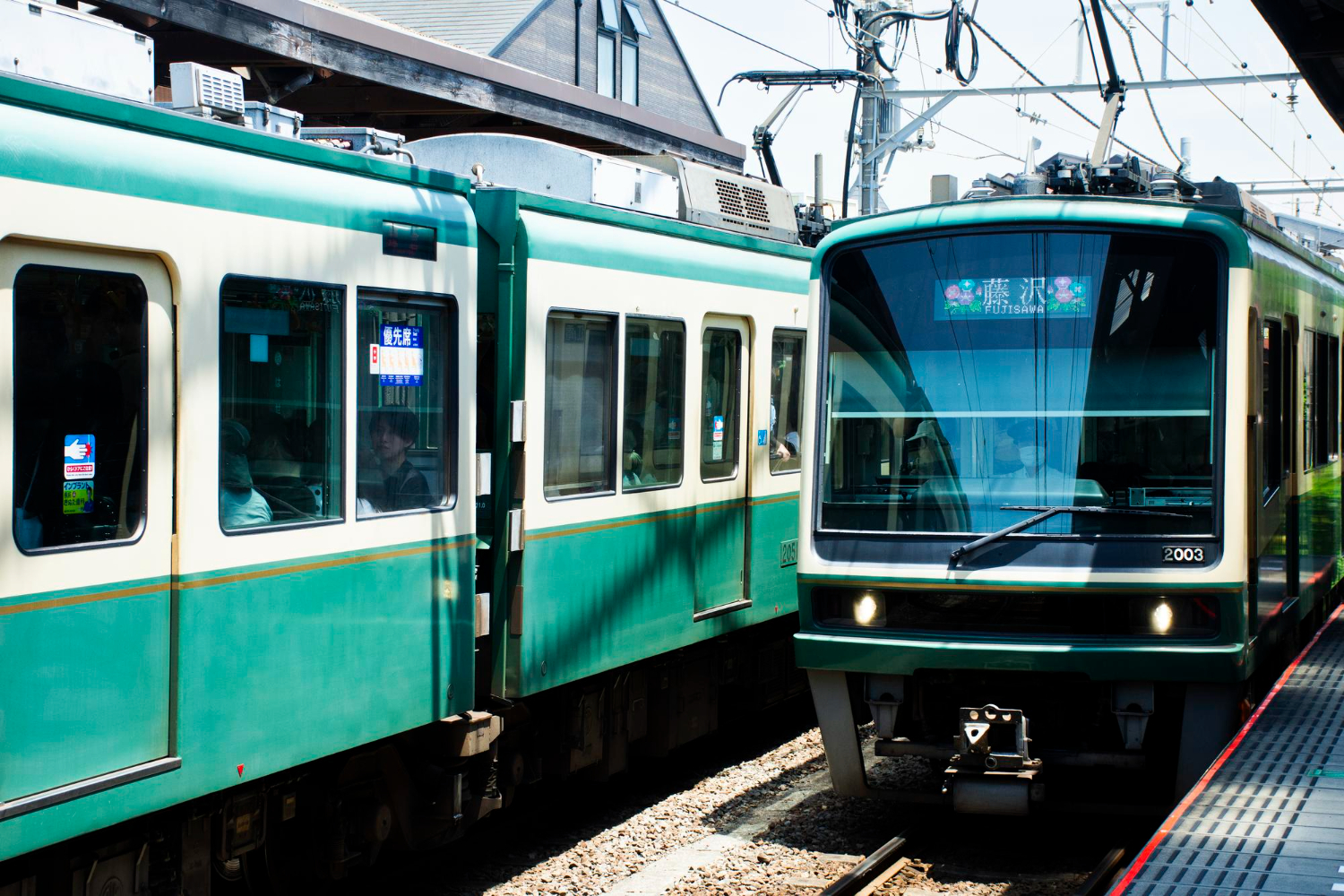
Japanese rail boarding procedures are specifically engineered for efficiency. Platform markings show exact car door positions. Passengers form orderly queues along these markings before train arrival. The queues split as doors open — exiting passengers depart through center positions, boarding passengers enter through side positions. The total time required for passenger turnover at each station is typically 30-60 seconds — a fraction of what equivalent operations require in many other rail systems. The procedural efficiency is taught to passengers from childhood and reinforced through cultural expectations. Every passenger contributes to system reliability through individual behavior.
The Driver Training Standards
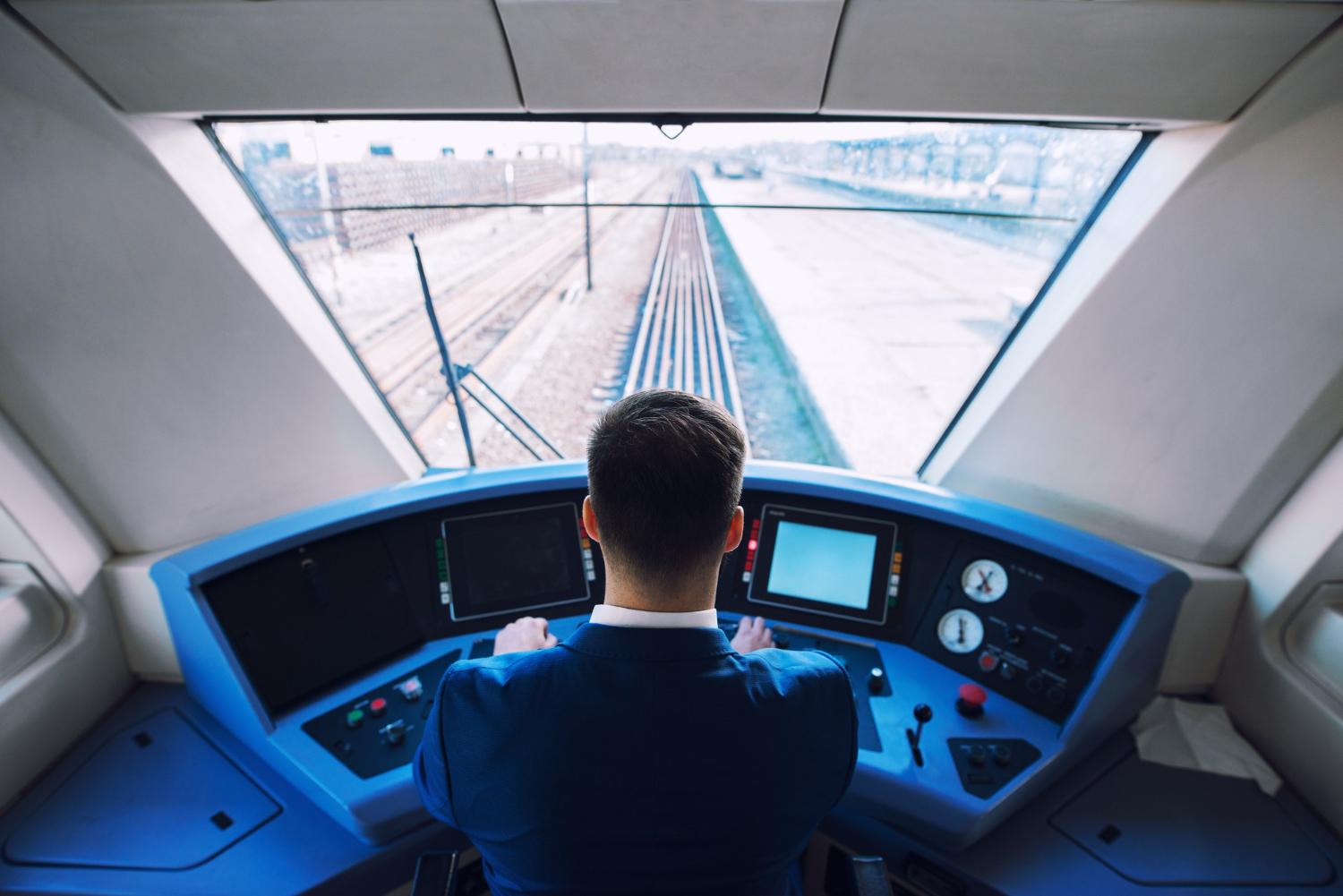
Shinkansen drivers undergo extensive training programs that substantially exceed standards in other countries. Initial training takes years. Drivers are required to memorize complete route profiles, including specific gradients, curves, and acceleration patterns at each segment. Driver performance is monitored continuously through onboard systems that track precisely where each train accelerates, decelerates, and adjusts speed. Drivers who consistently produce slight schedule variations are retrained or reassigned. The cumulative effect: train operation is consistent across all drivers, with minimal driver-induced variation in schedule performance.
The Conductor and Station Staff Coordination
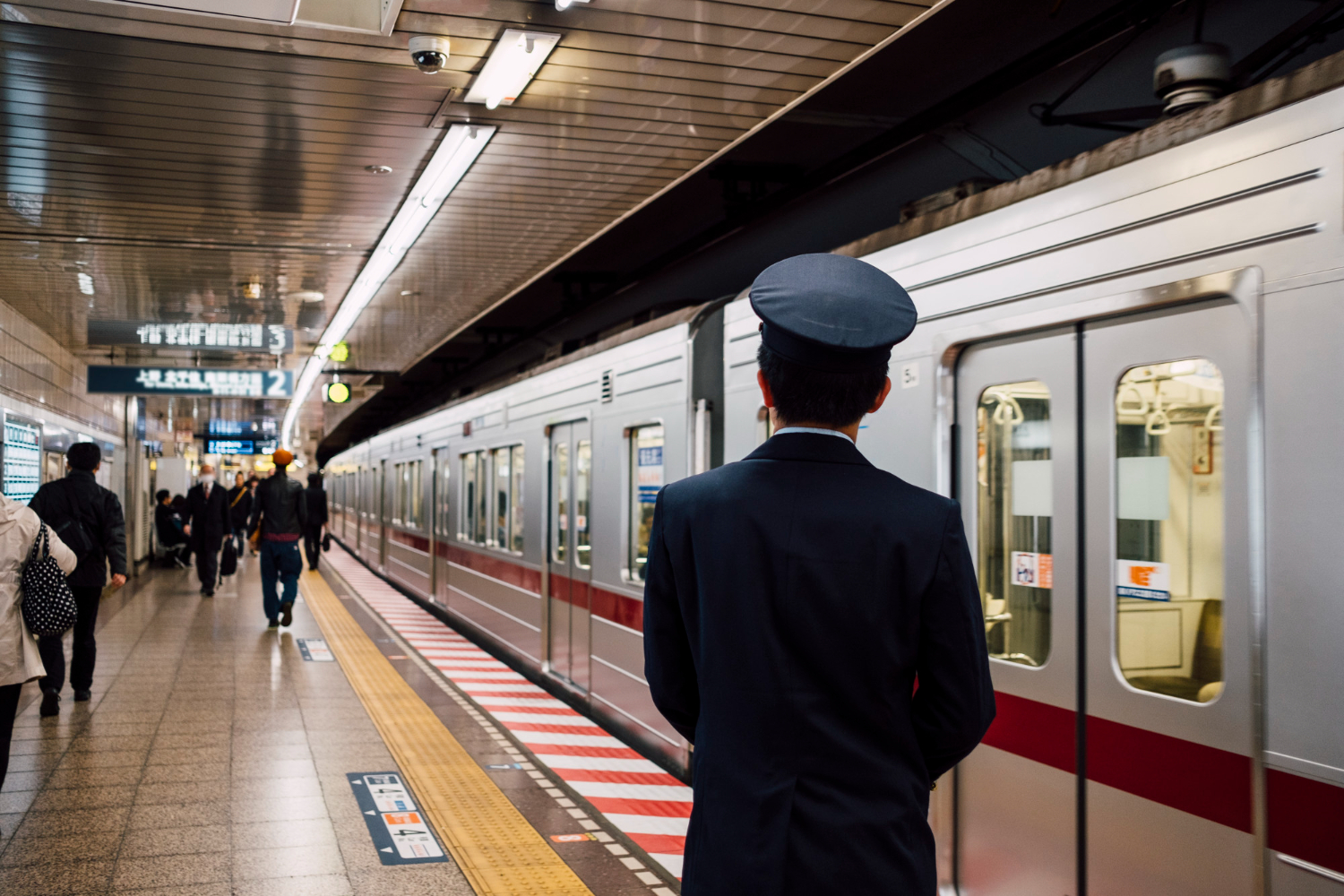
Each Shinkansen train involves multiple conductors and platform staff who coordinate precisely on schedule maintenance. Each station departure requires specific procedural steps — door closure verification, signal verification, departure clearance, etc. The procedures are designed to complete within specific time windows. Staff who delay procedures are subjected to internal review. The cumulative coordination produces consistent schedule performance that no individual employee could achieve alone. The system depends on hundreds of small interactions happening reliably across thousands of daily operations.
The Maintenance Schedule Discipline

Shinkansen maintenance occurs almost entirely between approximately midnight and 6 AM, when no trains operate. Maintenance crews have specific 6-hour windows to complete required work. The schedule discipline is essentially perfect — work that doesn’t complete on schedule produces operational disruption that’s unacceptable. Maintenance budgets are substantial because the work must be completed within constrained windows. The cumulative effect: trains operate during scheduled hours on infrastructure that has been maintained to exact specifications during scheduled maintenance windows. No conflicts between maintenance and operations occur because the time windows are completely separate.
The Weather and Disaster Response Systems
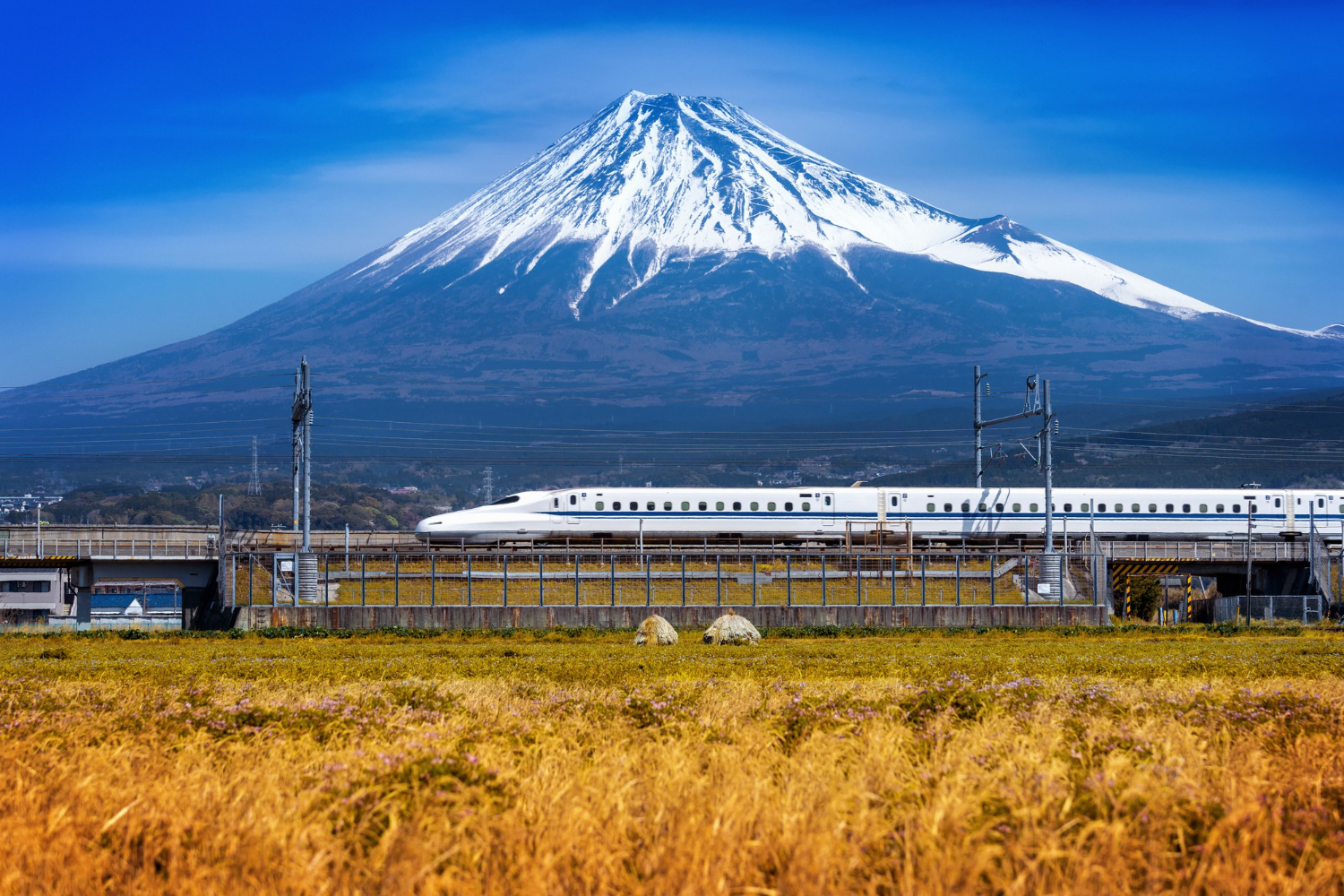
Japan experiences significant weather (typhoons, heavy snow, earthquakes) that could potentially affect rail operations. The Shinkansen operates with sophisticated weather monitoring and early warning systems. Trains automatically slow or stop in response to detected conditions. The system has detected and responded to earthquakes (slowing or stopping trains before significant ground motion arrives). The cumulative effect: weather and natural disasters that could produce safety-critical delays are managed through systematic response rather than ad-hoc decisions. Operations resume quickly after disruptions because procedures are pre-defined.
The Cultural Reinforcement
The technical and operational systems described above are reinforced by Japanese cultural expectations around time and reliability. Punctuality is a fundamental value in Japanese society — being late is genuinely considered disrespectful. The cultural expectation supports operational practices that would be difficult to maintain in cultures where lateness is more accepted. Shinkansen drivers, conductors, station staff, and passengers all share expectations that the system will operate precisely as scheduled. The cultural and operational elements reinforce each other in ways that pure technology cannot achieve alone.
Why Other Countries Cannot Easily Replicate This

Multiple countries have studied Japanese rail operations and attempted to implement similar systems. Most have failed to achieve comparable results. The reasons are specific. Building dedicated infrastructure requires substantial investment that political systems often resist. Maintaining the level of operational discipline requires institutional cultures that take generations to develop. The cultural reinforcement of punctuality cannot be transplanted to societies with different time-related norms. Even partial replication has proved enormously difficult. The Japanese rail system represents the cumulative result of 60+ years of specific institutional development that cannot be easily compressed into shorter timeframes elsewhere.
What Japanese Rail Reliability Actually Represents
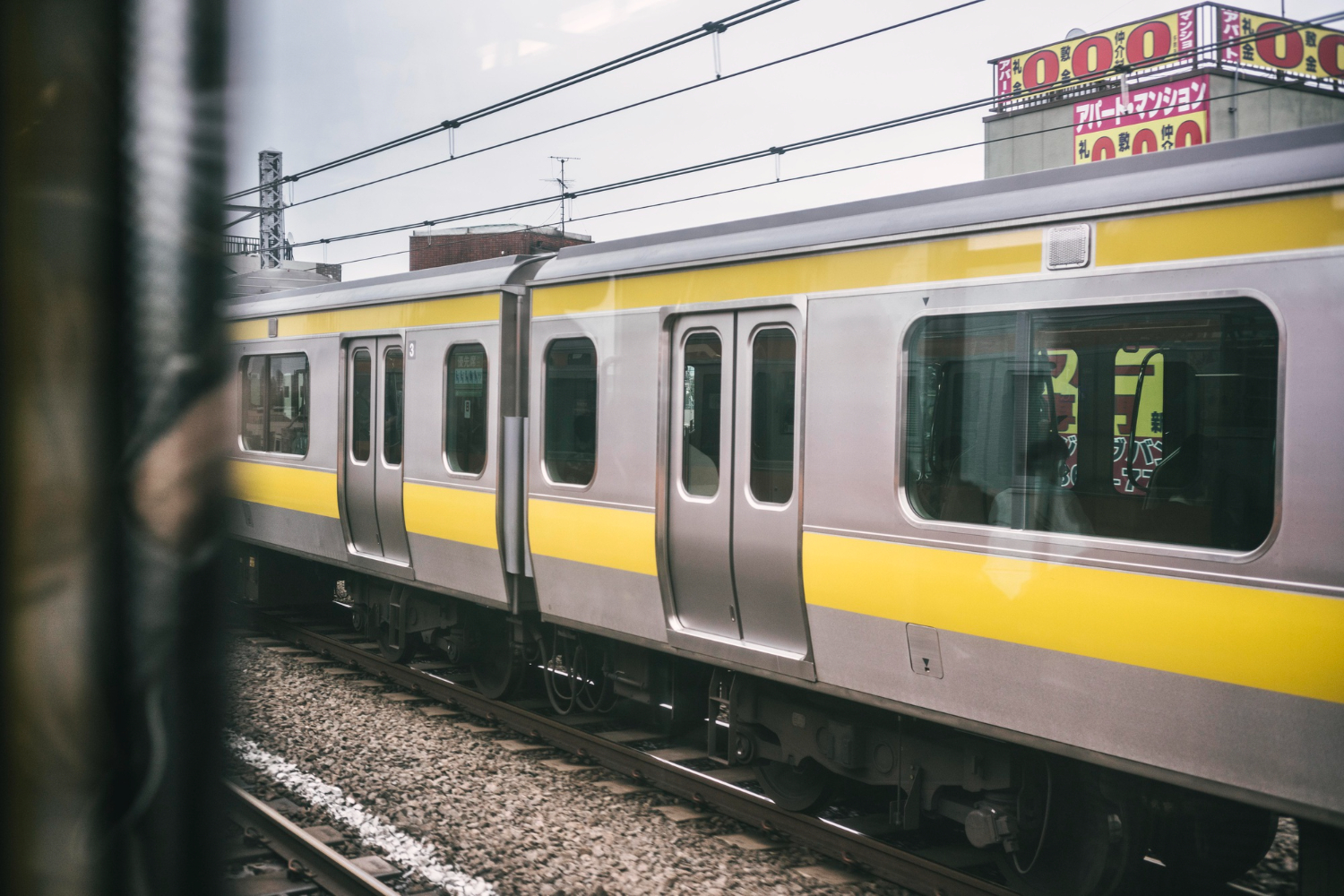
The 18-second average delay isn’t just an interesting statistic — it represents a specific demonstration of what’s possible when engineering, management, culture, and investment align around a specific goal. The Shinkansen network proves that public transportation can be substantially more reliable than most countries achieve. The fact that few countries have replicated this success doesn’t reflect Japanese technological superiority but rather the specific institutional and cultural alignment that produced the result. For visitors to Japan, the reliability is genuinely experienced rather than just statistical — trains actually arrive when scheduled, depart when scheduled, and complete journeys on the times promised. The experience is different enough from rail travel in other countries that it often becomes one of the more memorable aspects of Japanese travel.
