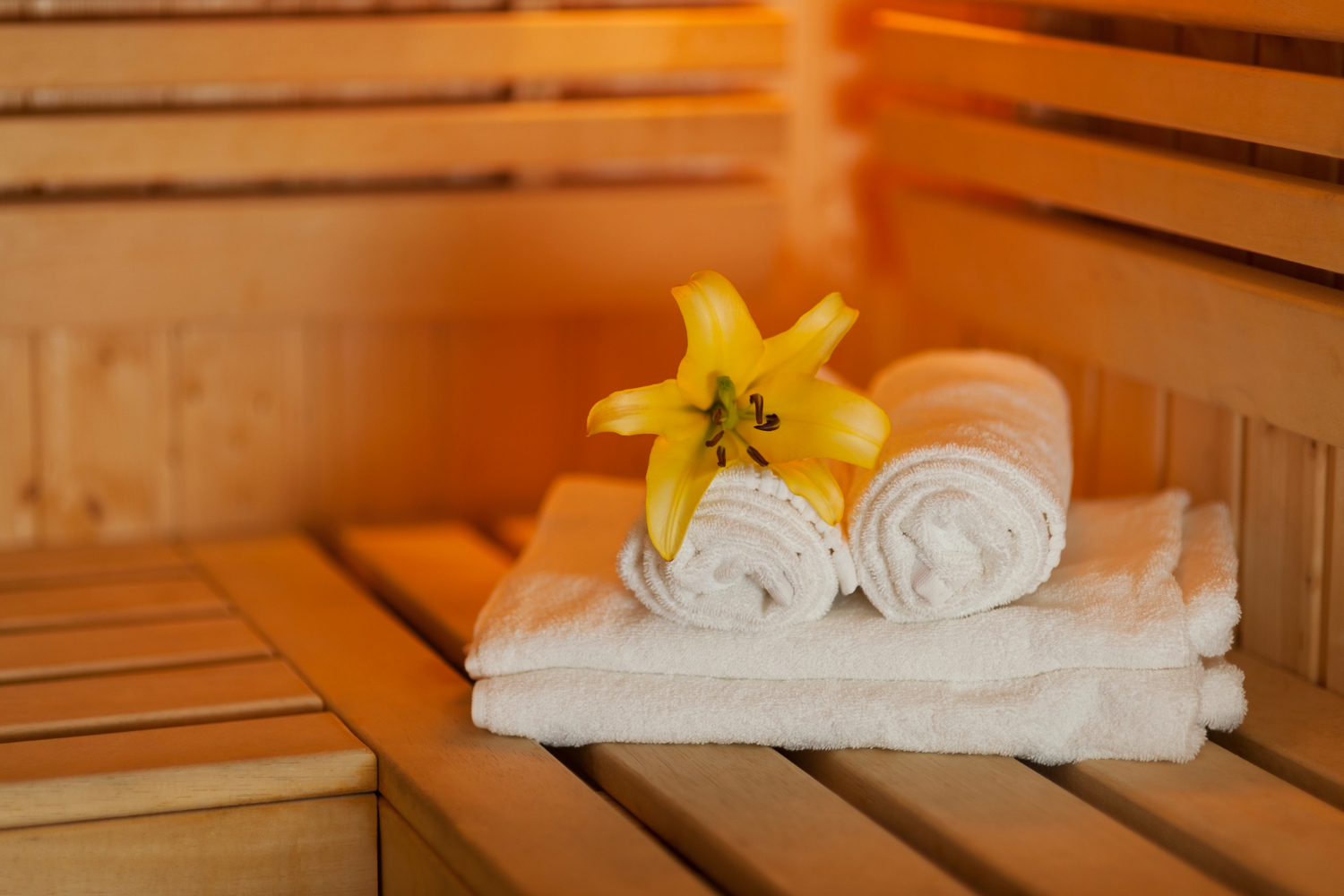
Finland has a population of approximately 5.5 million people and approximately 3 million saunas. That’s roughly one sauna for every 1.8 people — substantially more saunas per capita than any country on Earth. The sauna isn’t a luxury or wellness trend in Finland. It’s been a fundamental cultural institution for over 2,000 years, predating Finnish national identity itself. Visiting Finland without experiencing a real Finnish sauna means missing the single most important element of Finnish daily life. Here’s what actually happens, what to expect, and the rituals that distinguish authentic Finnish sauna from spa culture elsewhere.
The Finnish word “sauna” entered English as one of very few Finnish words to gain global recognition. The cultural institution it describes operates substantially differently from how most non-Finns understand it. Finnish saunas are essentially universal — present in homes, apartments, workplaces, hotels, public buildings, and various other locations. Most Finns sauna 1-3 times per week. The practice is integrated into daily life rather than treated as occasional luxury. Visitors who experience real Finnish sauna culture (rather than the spa adaptations common in other countries) often describe it as one of the most meaningful aspects of Finnish travel.
The Numbers That Reveal Sauna’s Cultural Significance
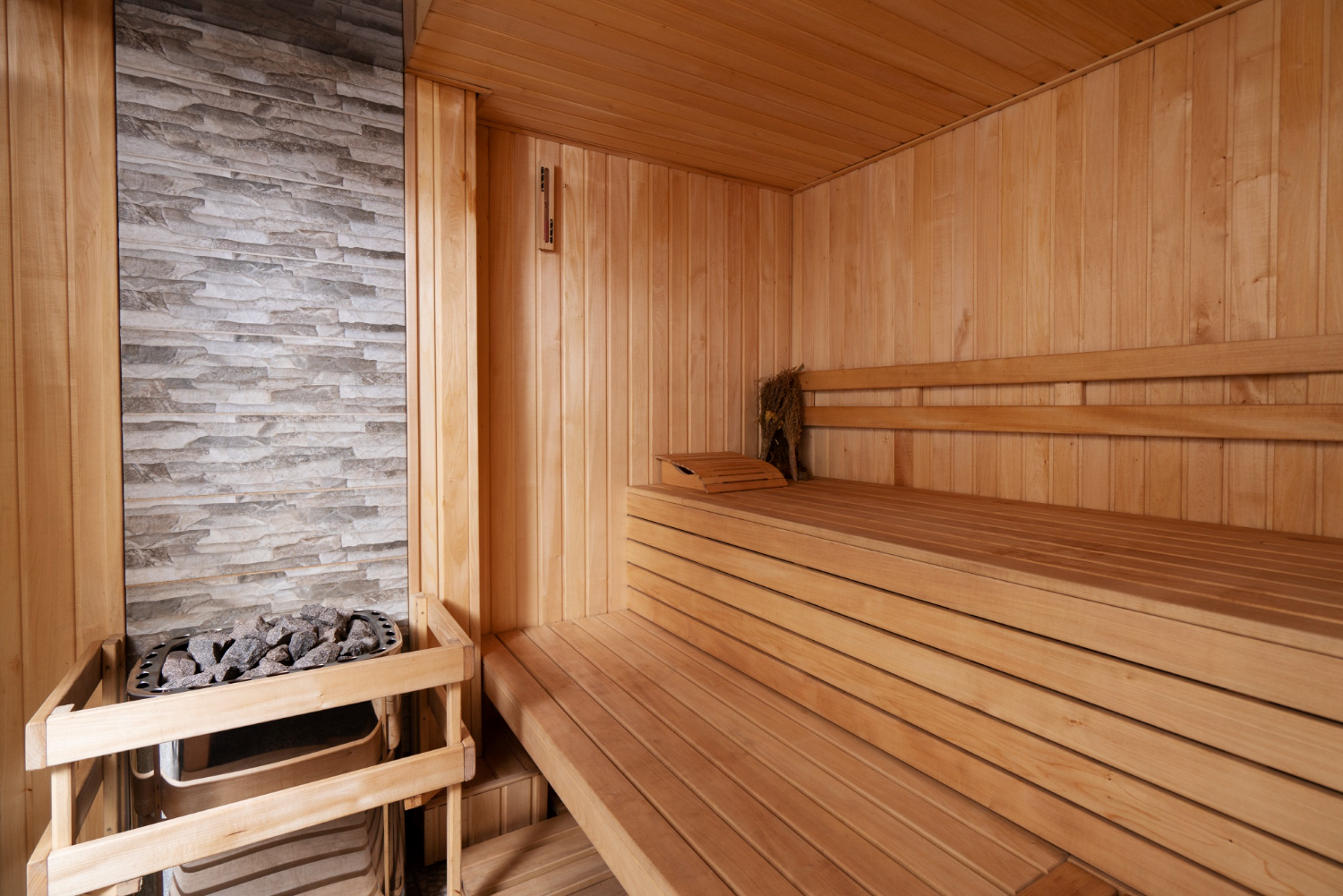
Finland’s approximately 5.5 million population has approximately 3 million saunas — including private home saunas, apartment building saunas, public saunas, and workplace saunas. The Finnish Sauna Society maintains official documentation of these numbers. To put the scale in context: Finland has more saunas per capita than any other country, with substantial margin over second-place Estonia. Most Finnish homes built in the past 50 years include a sauna as standard rather than optional. Many Finnish apartment buildings have shared saunas that residents book for weekly use. The Finnish Parliament building has its own sauna for legislators.
The 2,000+ Year History
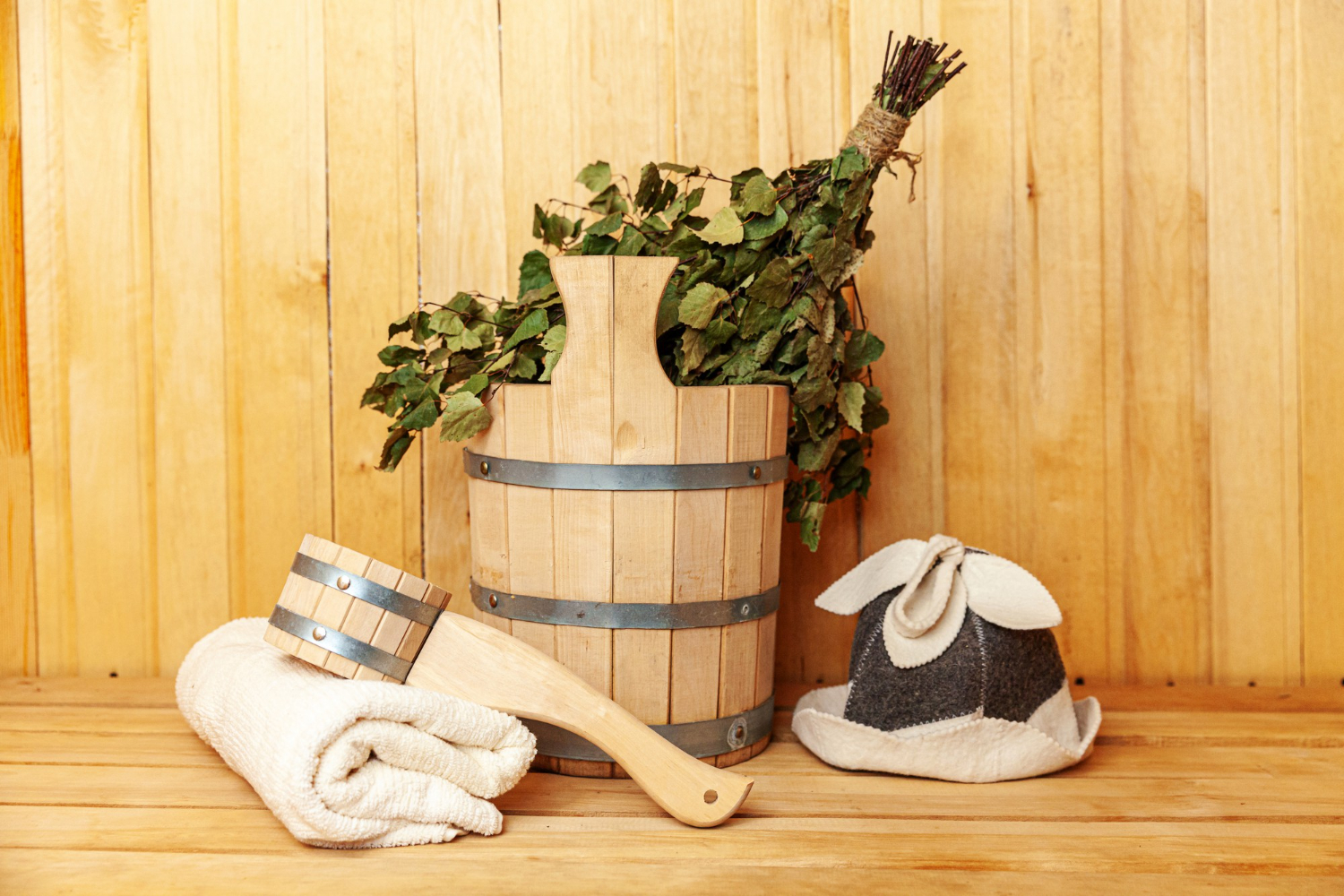
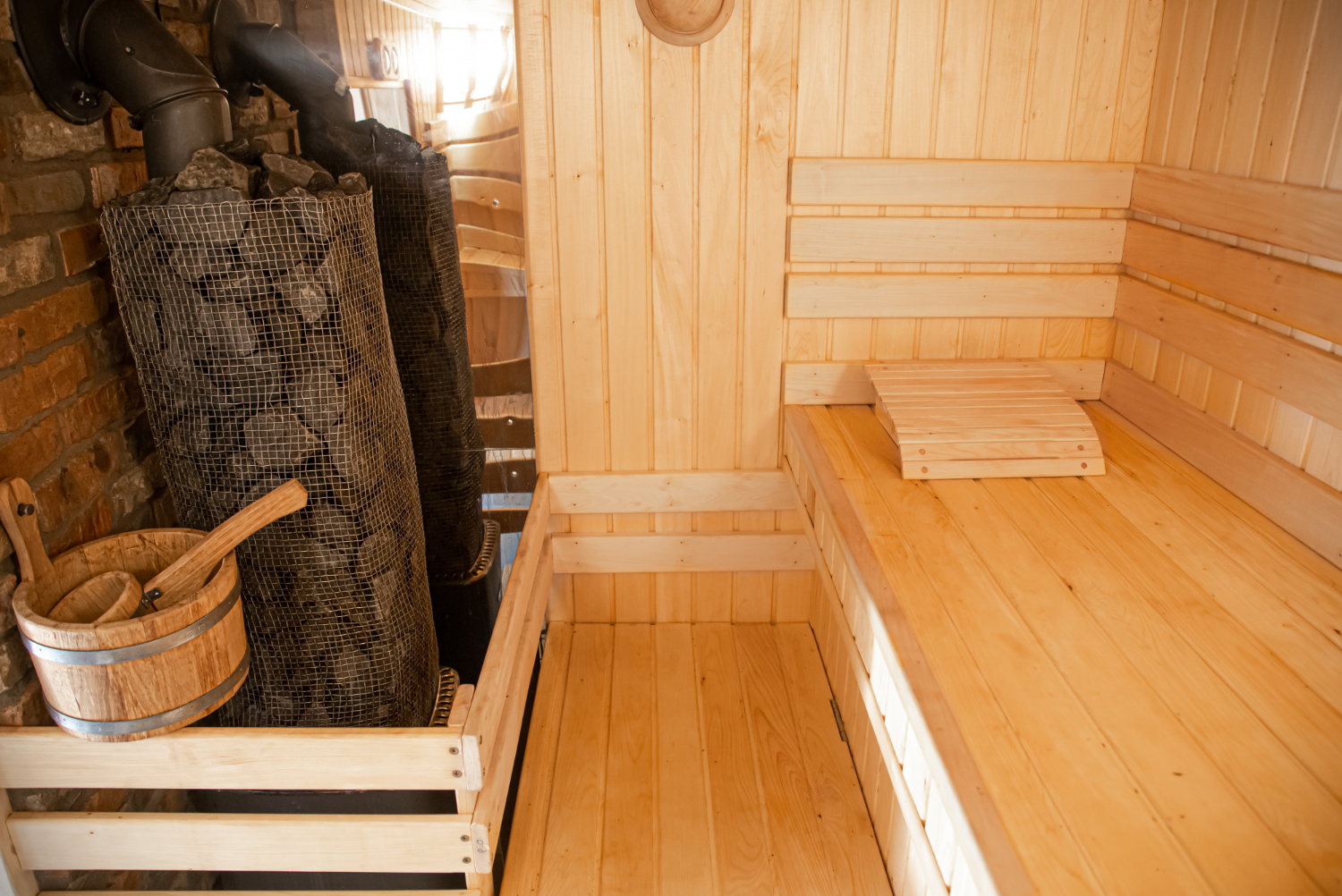
Sauna culture in Finland predates the modern Finnish nation by millennia. Archaeological evidence suggests sauna-like structures existed in Finland over 2,000 years ago. The earliest saunas were essentially holes dug into hillsides or ground-level pits that were heated with hot stones. The freestanding wooden sauna (the form most familiar to modern users) developed gradually over centuries. By the medieval period, the Finnish sauna had assumed its modern characteristics: wooden interior, sauna stove (kiuas), hot stones (kiuaskivet), water poured on stones to produce steam (löyly), wooden benches at varying heights to accommodate temperature preferences.
The Specific Ritual Structure
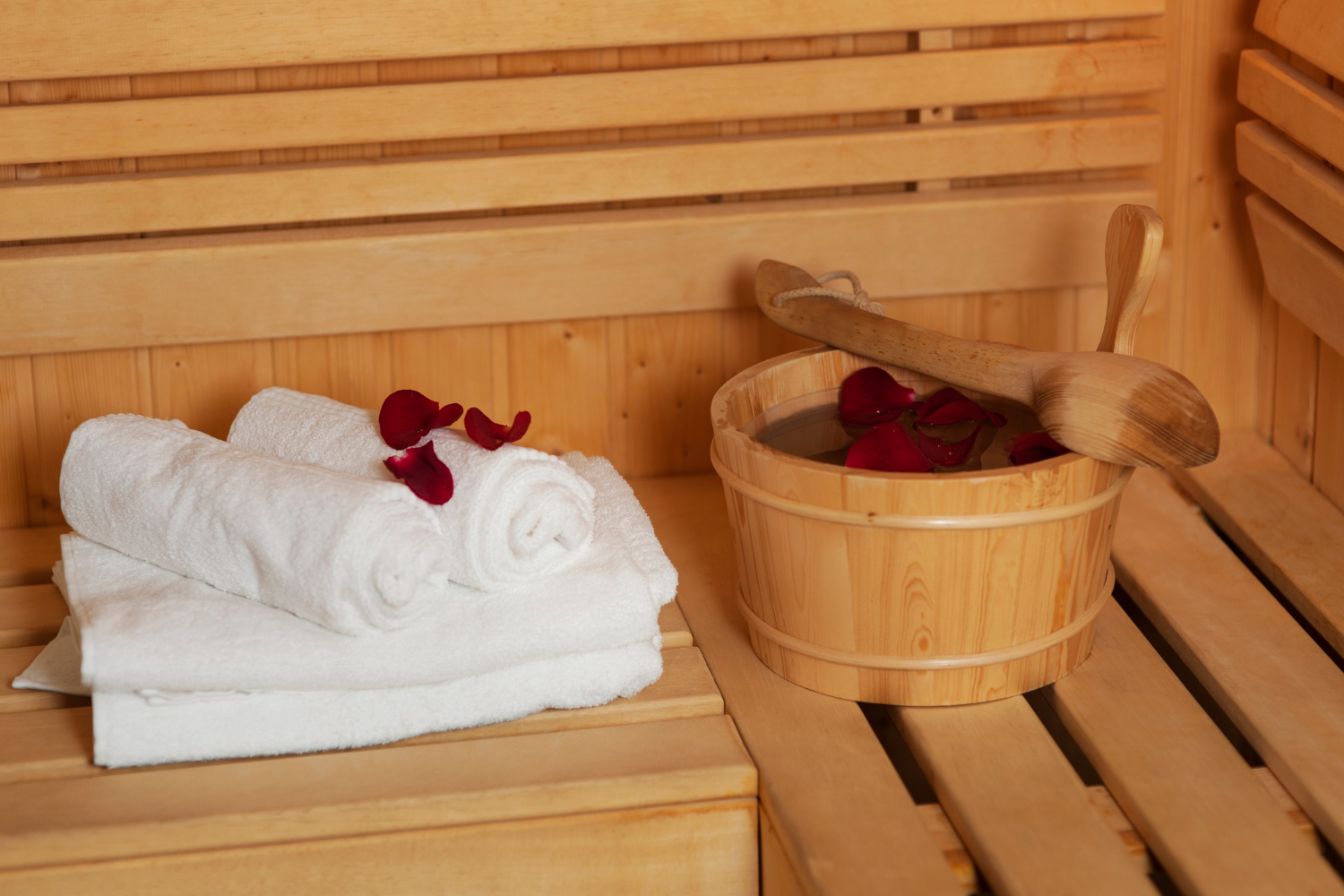
Authentic Finnish sauna follows specific procedures that differ substantially from spa adaptations. Participants enter the sauna naked (separated by gender in mixed company, family members together for family settings). Initial temperature is typically 70-90°C (158-194°F). Water is periodically thrown on hot stones to create löyly — the specific Finnish term for sauna steam. Sessions typically last 10-20 minutes, followed by cooling (cold shower, swimming, snow rolling, or simply sitting outside). Multiple sessions are standard — most Finnish sauna visits involve 2-4 cycles of heating and cooling over 1-2 hours. Conversation is typically quiet and reflective rather than loud and social.
The “Vihta” or “Vasta” Birch Whisk
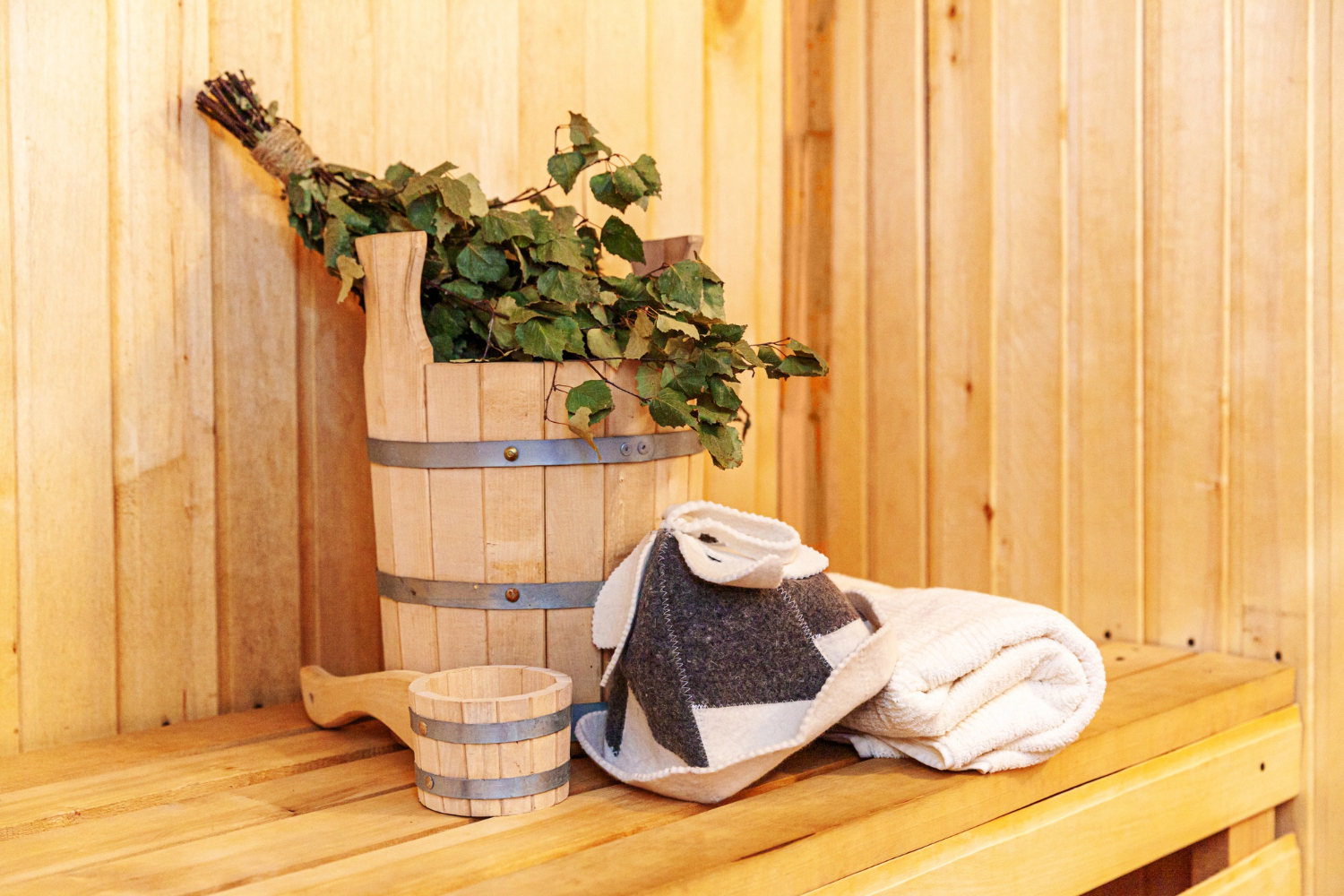
A distinctive Finnish sauna element is the vihta (in western Finland) or vasta (in eastern Finland) — a bundle of fresh birch branches used for gentle self-flagellation during sauna. The practice serves specific purposes: improving circulation through the gentle whipping motion, releasing the aromatic compounds in birch leaves, and providing a meditative physical activity. The vihta is typically prepared in summer when birch leaves are fresh, then frozen for use throughout the year. Modern Finnish saunas may or may not include vihta use — it varies by family tradition and region. Visitors can typically request to try it at public saunas.
The Ice Swimming Tradition
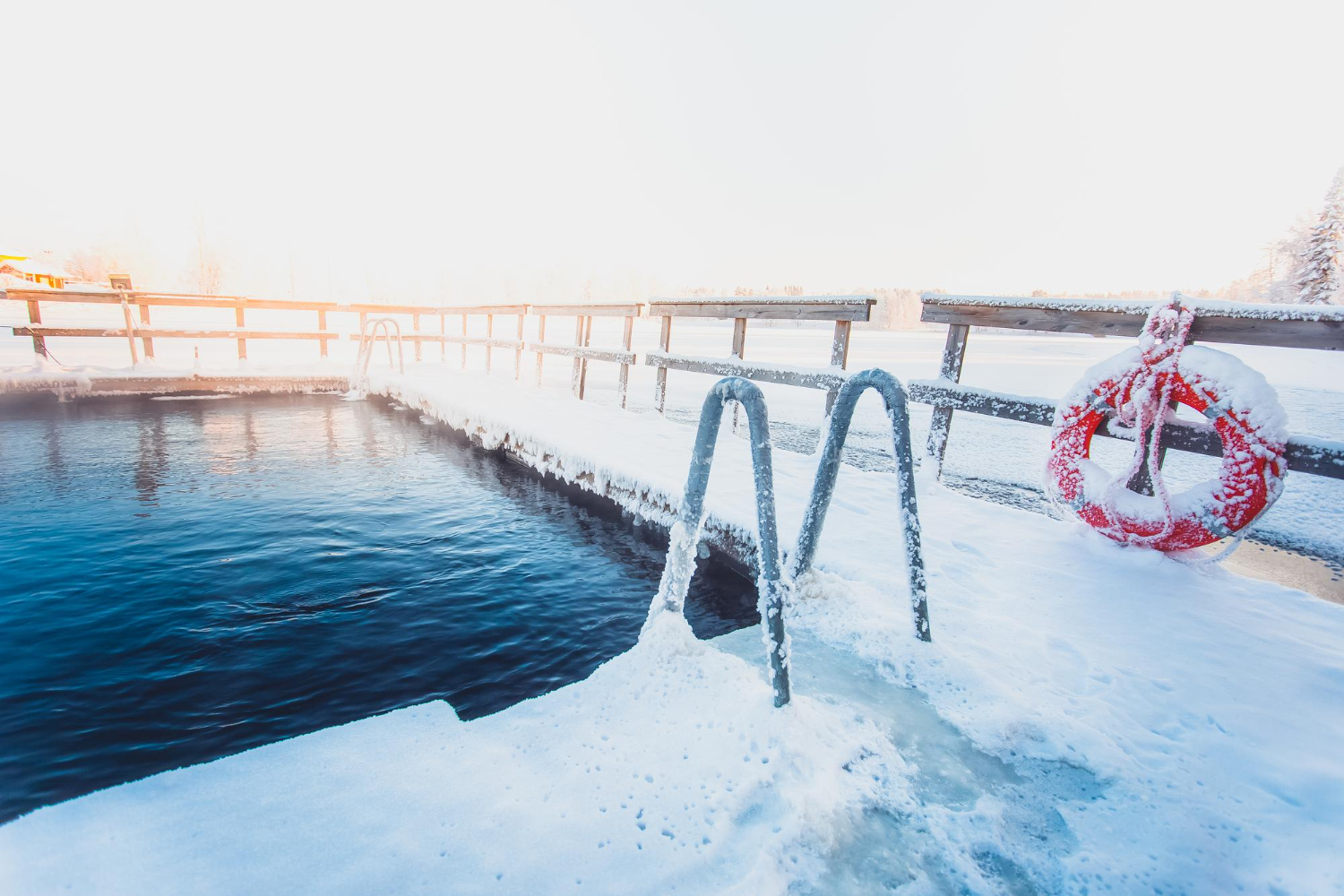
Many Finnish sauna sessions are paired with cold water immersion — ice swimming (avantouinti) in winter, lake swimming in summer, cold shower year-round. The specific physiological effect (sudden temperature change after extended heat exposure) produces what users describe as substantial mental and physical effects. Modern research has documented various health benefits including improved circulation, reduced inflammation, and improved mood regulation. Specific Finnish locations have ice swimming holes maintained throughout winter — the practice is genuinely popular among Finns rather than being a tourist novelty. First-time visitors should approach gradually, with clear physician approval if any cardiovascular concerns exist.
The Workplace Sauna Culture

Finnish workplace culture often includes sauna use as legitimate business activity. Companies maintain saunas at offices for client entertainment, team building, and informal meeting spaces. Business deals are sometimes negotiated in sauna settings. The expectation that visiting business contacts will participate in sauna activities is genuinely common in Finnish corporate culture. International visitors who decline workplace sauna invitations are sometimes perceived as unwilling to engage with Finnish culture appropriately. The practice is universally non-sexual — it’s treated as standard business hospitality rather than as personal interaction.
The Public Sauna Renaissance
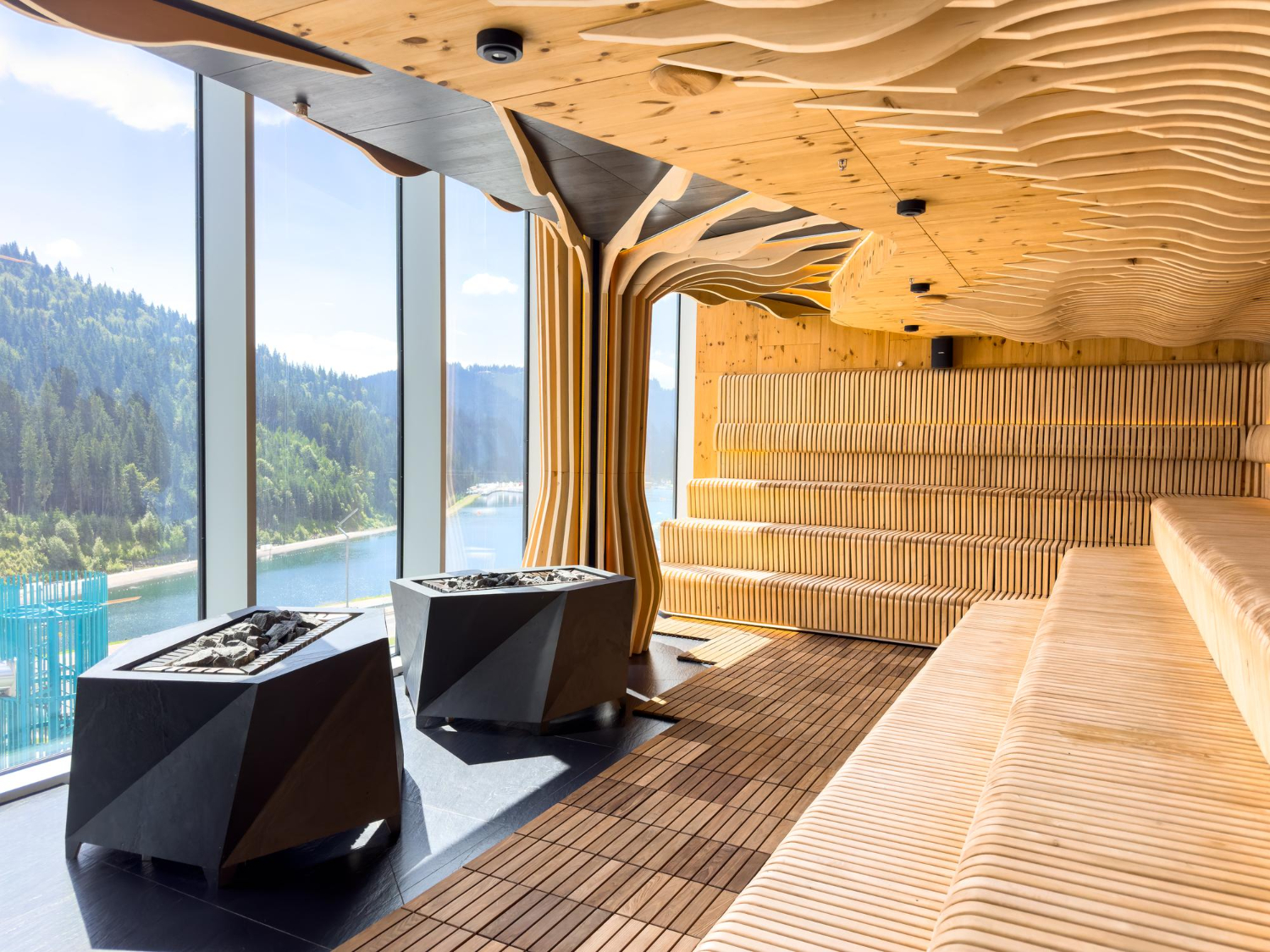
Public saunas — facilities where members of the public can enjoy traditional Finnish sauna experiences — have experienced substantial renewal in recent years. Helsinki’s Kulttuurisauna (Culture Sauna), Löyly, and various other modern public saunas have become popular destinations for both Finns and tourists. Traditional smoke saunas (savusauna) — the most ancient form of Finnish sauna, with no chimney and substantial smoke during heating — have experienced renaissance interest. The public sauna provides accessible authentic experience for visitors who don’t have access to private Finnish saunas through personal connections.
The Health and Research Documentation

Modern medical research has substantially documented health benefits of regular sauna use. Multiple studies from Finnish researchers have shown reduced cardiovascular disease risk, reduced dementia risk, improved respiratory health, reduced overall mortality among regular sauna users. The most-cited research is the Kuopio Ischemic Heart Disease Risk Factor Study, which followed over 2,300 Finnish men for 20+ years and found dramatic mortality reductions among frequent sauna users (4-7 times per week). The health benefits appear to require regular use rather than occasional sessions. The Finnish lifetime sauna culture may contribute meaningfully to specific health outcomes.
What Makes Finnish Saunas Different from Spas Elsewhere
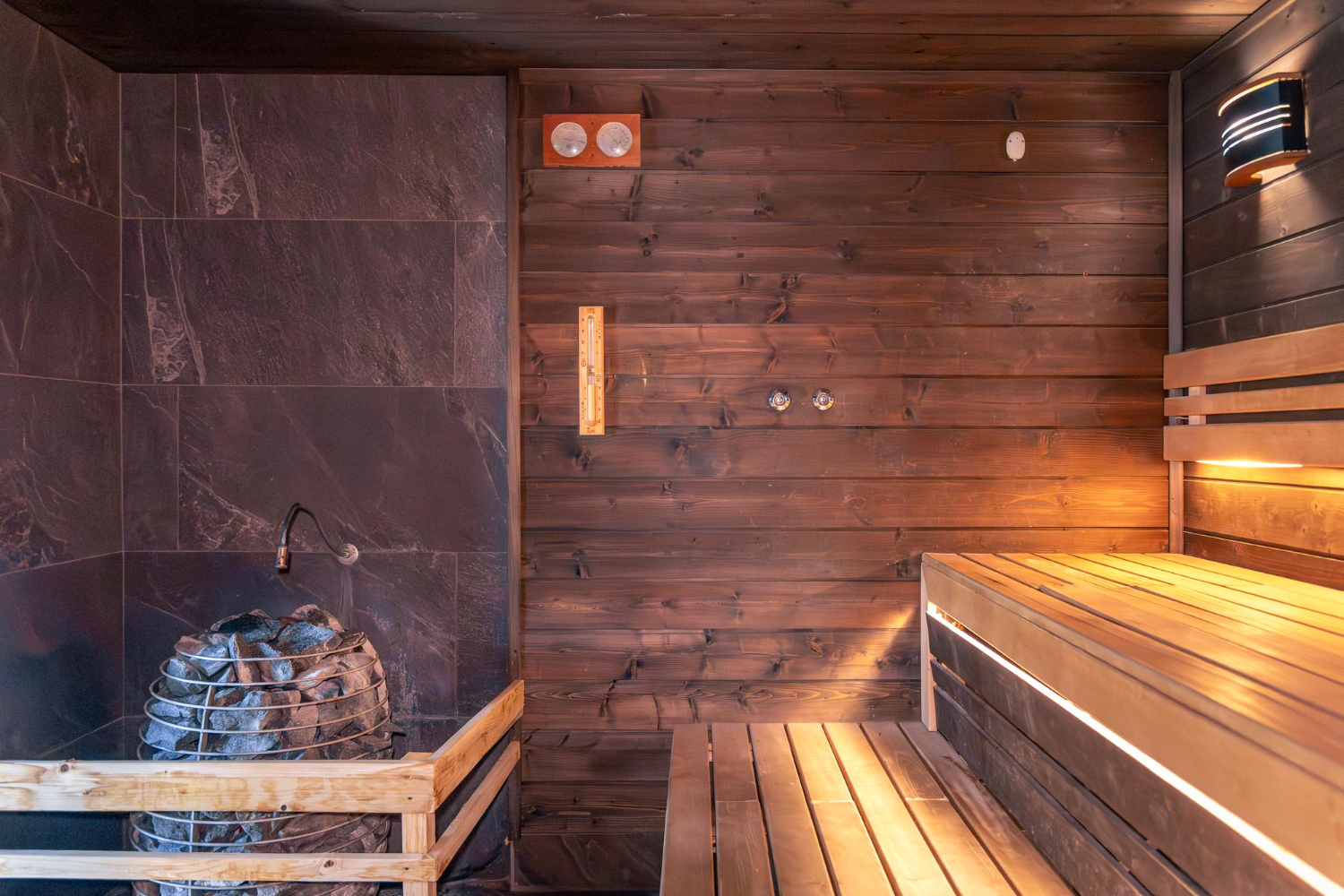
Many international “saunas” at hotels, gyms, and spas are substantially different from authentic Finnish saunas. Common differences include: lower temperatures (often 50-65°C rather than 80-90°C), no löyly water-on-stones (often electric heaters that prohibit water addition), shorter session expectations, mixed-gender practices that violate traditional rules, swimsuit requirements, structured time limits, and various other modifications. The fundamental Finnish sauna experience involves authentic temperatures, steam from water on stones, traditional ritual structure, and culturally appropriate practices. Visitors who only experience adapted versions miss substantial elements of what Finnish sauna actually involves.
How Visitors Should Approach Finnish Saunas
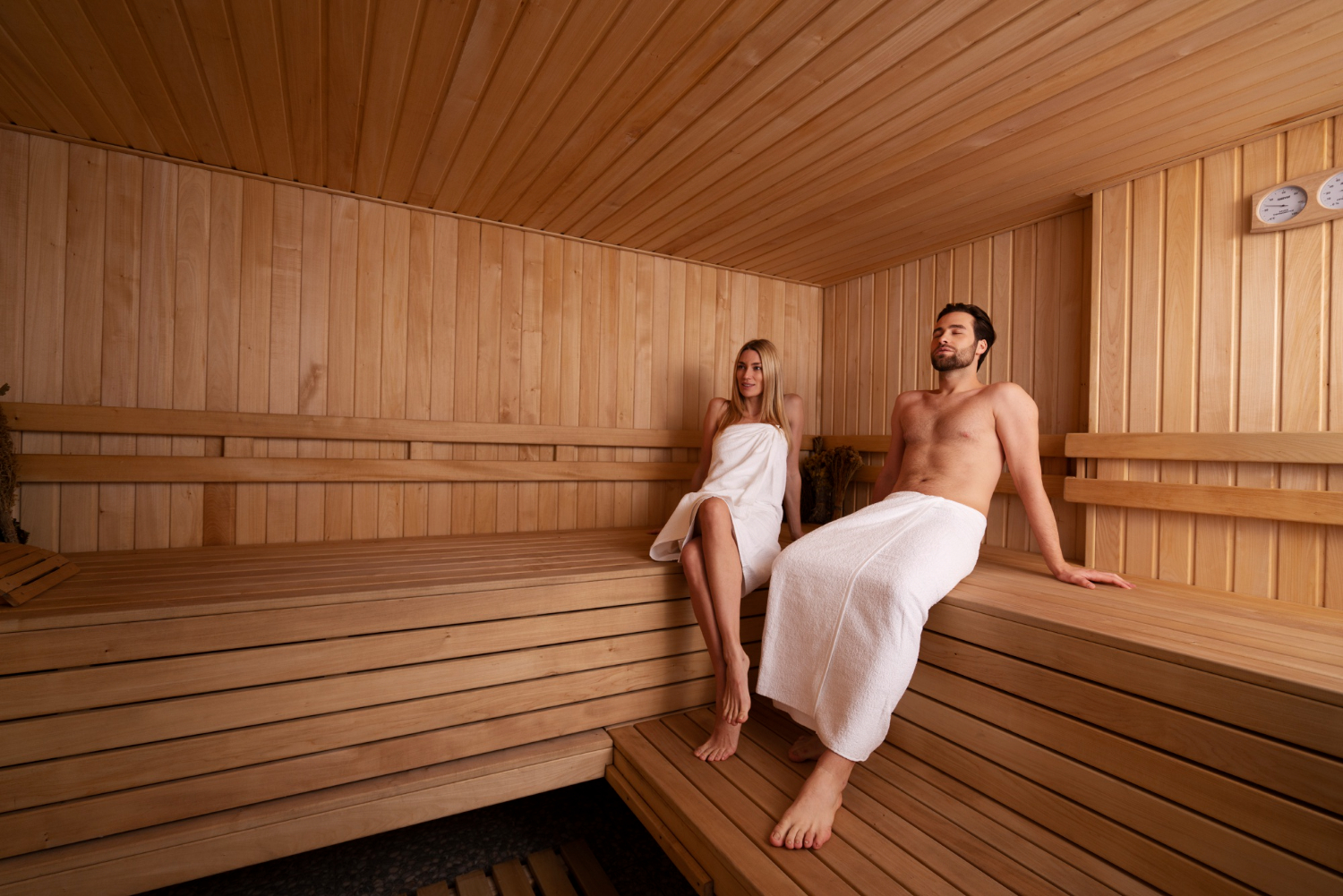
For tourists wanting authentic Finnish sauna experience: visit public saunas in major cities (Helsinki has multiple options), accept invitations from Finnish hosts to use private saunas, follow lead from Finnish participants regarding rituals and practices, accept the temperature as it’s intended (don’t request lower temperatures), drink water before and after sessions, plan substantial time (1-2 hours minimum), and approach the experience with patience rather than rushing through. Most Finns are happy to introduce visitors to sauna culture and explain practices. The specific cultural context substantially improves the experience compared to treating sauna as just hot room exposure.
What Finnish Sauna Culture Actually Represents
The Finnish sauna isn’t really about heat or relaxation in the way most non-Finns understand it. It’s about a specific cultural practice that integrates physical wellbeing, social interaction, mental reflection, and family tradition into a routine that has shaped Finnish life for over 2,000 years. The fact that 5.5 million Finns maintain 3 million saunas demonstrates a cultural commitment that no other country approaches. Visitors who experience authentic Finnish sauna often describe it as among the most meaningful aspects of Finnish travel — an entry point into understanding Finnish culture that sightseeing alone cannot provide. The experience exists exactly as it has for generations, and visitors who participate appropriately are welcomed into one of the world’s oldest continuous cultural traditions.