In the early 1930s, Joseph Stalin declared a project that would demonstrate the ultimate triumph of Soviet engineering: the White Sea-Baltic Canal (the Belomorkanal). It was designed to be a 141-mile strategic shortcut, connecting the White Sea to the Baltic, allowing the Soviet navy to bypass the long journey around Scandinavia.
But behind the propaganda posters and the “heroic” headlines lay a calculated, brutal reality. The project was never about efficient shipping; it was a 20-month experiment in “corrective labor” that traded tens of thousands of lives for a waterway that was fundamentally flawed before the first ship ever arrived.
1. The “20-Month” Death Sentence
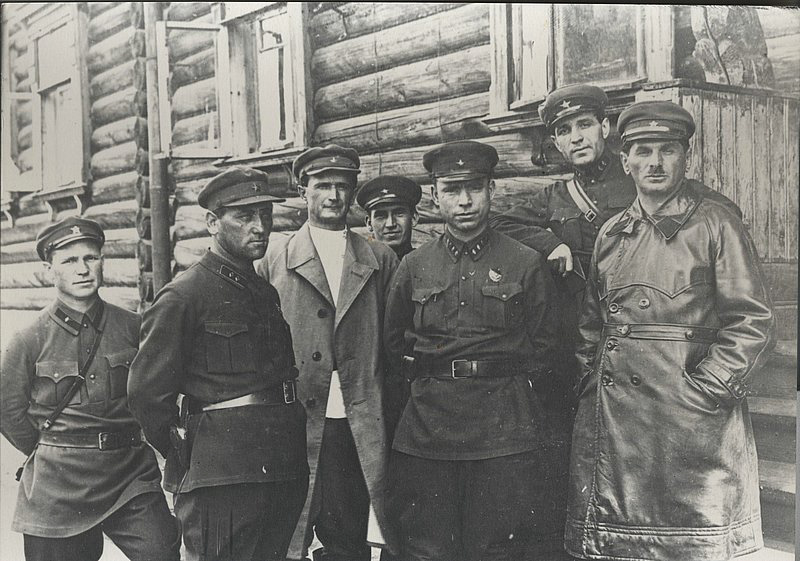
Stalin demanded the canal be completed in just 20 months—an impossible timeline for a project of this scale. To meet this deadline, the Soviet state used 126,000 prisoners from the Gulag system as a forced labor force.
There were no excavators, no bulldozers, and no cranes. Men and women were forced to dig through frozen Siberian granite using nothing but wooden shovels, pickaxes, and wheelbarrows. In a desperate bid to please Stalin, officials ignored basic safety and engineering standards. According to official Soviet archives opened decades later, at least 12,000 to 25,000 people died during construction from exhaustion, disease, and starvation. Independent historians, however, estimate the true death toll reached as high as 100,000.
2. The “Shortened” Engineering Standard
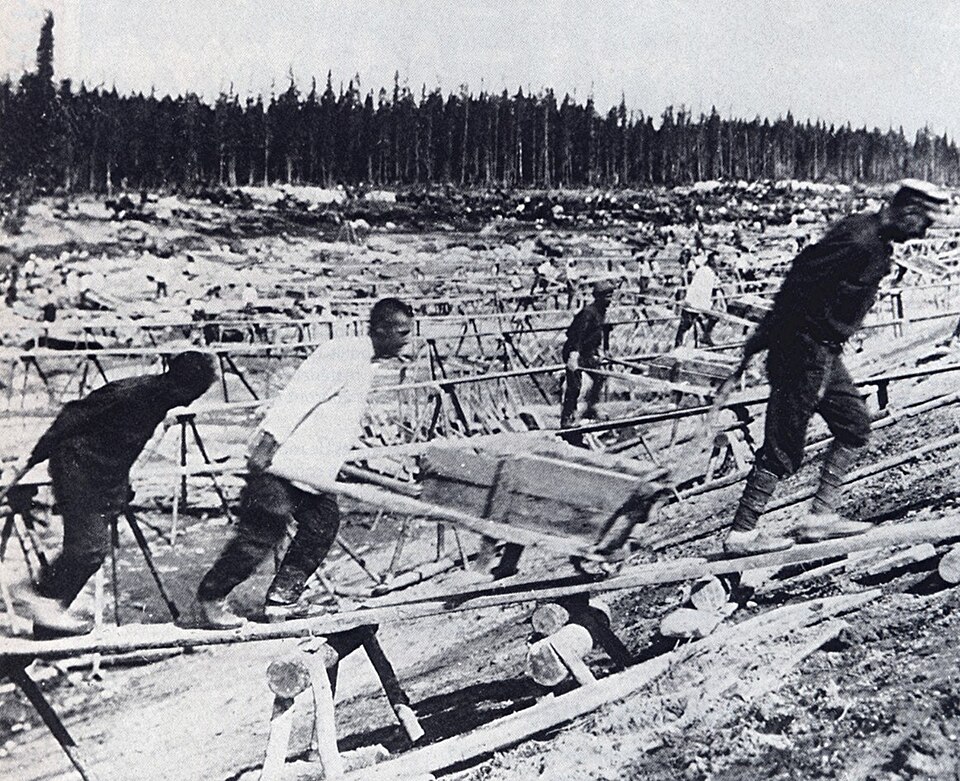
Because of the frantic pace and lack of machinery, the government made a critical, secret concession: they decided to build the canal much shallower than originally planned. While modern naval vessels and cargo ships required a depth of at least 25 to 30 feet to pass safely, the Belomorkanal was dug to a depth of only 12 feet.
Engineering records suggest that authorities were fully aware that this depth would render the canal useless for most of the Soviet Baltic Fleet and the heavy merchant ships of the era. They prioritized the appearance of a finished shortcut over the utility of the actual waterway.
3. A Masterclass in “Potemkin” Propaganda
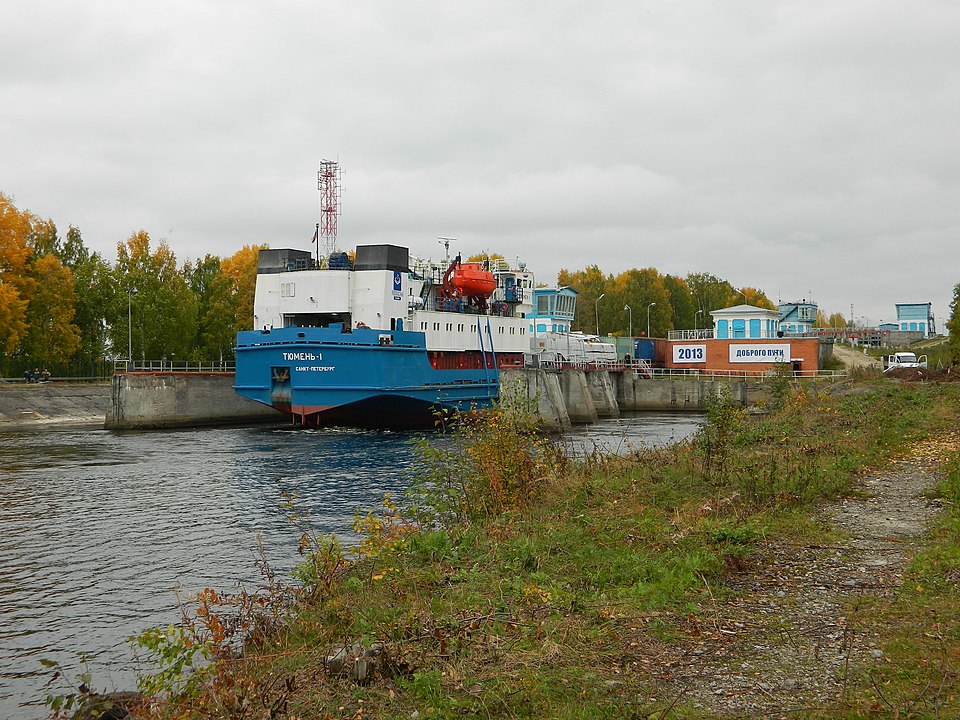
When the canal opened in 1933, Stalin was given a grand tour. The Soviet press hailed it as a miracle of the “New World.” They invited writers like Maxim Gorky to praise the project, claiming that the “labor” had reformed the criminals who built it.
In reality, the first time Stalin traveled the canal on a steamer, he was reportedly underwhelmed. He noted that it was “too narrow and too shallow.” The grand shortcut he had sacrificed thousands of lives for could barely handle a shallow-draft barge, let alone a battleship.
4. The Modern Reality: A Ghostly Waterway
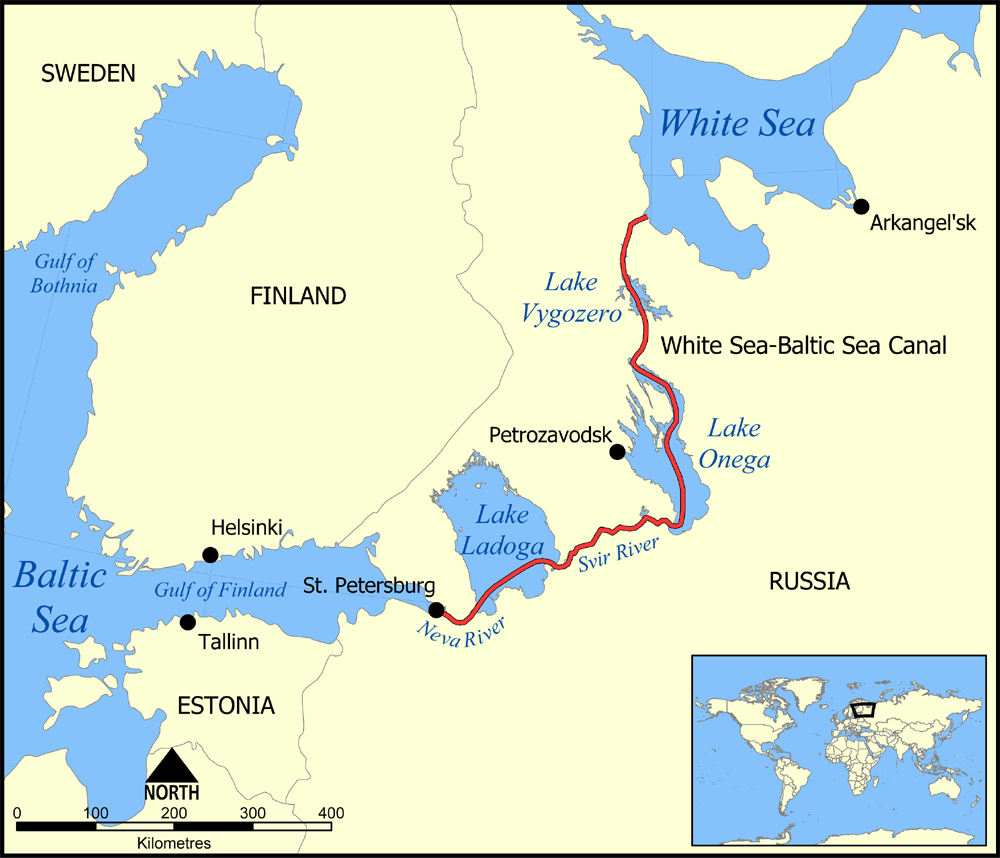
Today, the Belomorkanal remains in operation, but it is a shadow of what was promised. Because of its 12-foot depth (which has only been slightly improved in some sections), it cannot accommodate modern, high-tonnage ocean-going vessels.
According to shipping data, the canal carries only a fraction of the cargo originally projected. While it serves small local barges and occasional tourist boats, the massive “strategic” advantage it was meant to provide has never materialized. It remains one of the least-traveled major waterways in Europe, serving more as a memorial to the people buried in its embankments than as a pillar of global trade.
5. The “Bridge of Bones” Mentality
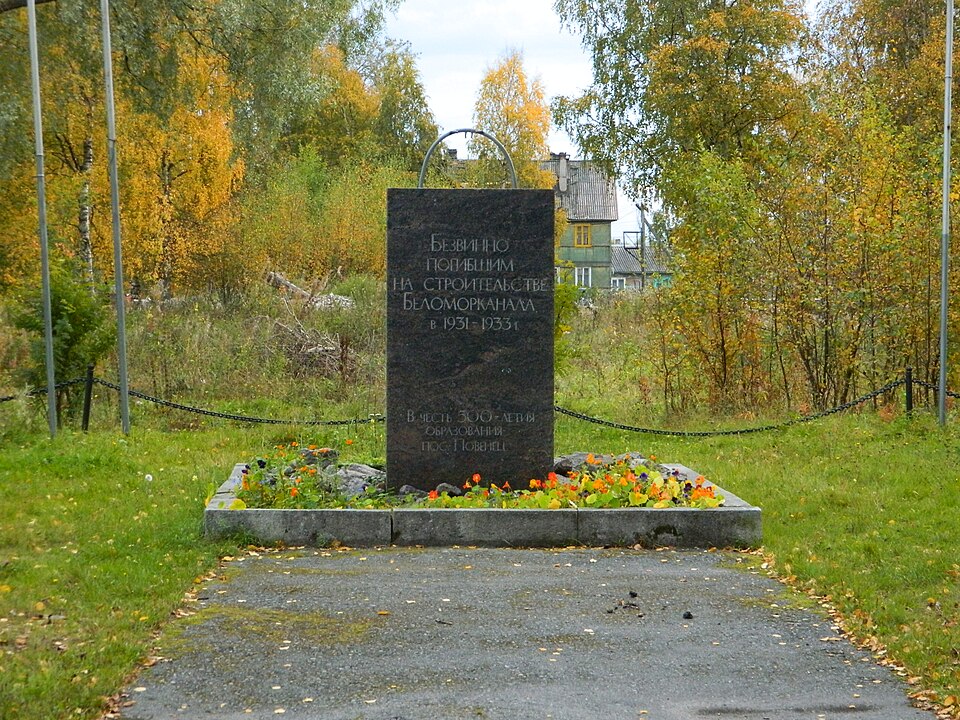
The true legacy of the White Sea-Baltic Canal is the “cost-per-mile” of human life. For every mile of the canal, approximately 700 people died. Historians now view the project as the blueprint for the “Great Purge” era—a system where the construction of the project was secondary to the destruction of the people building it. It remains a stark reminder that when a government values a deadline over human life, the result is often a monument to failure.