

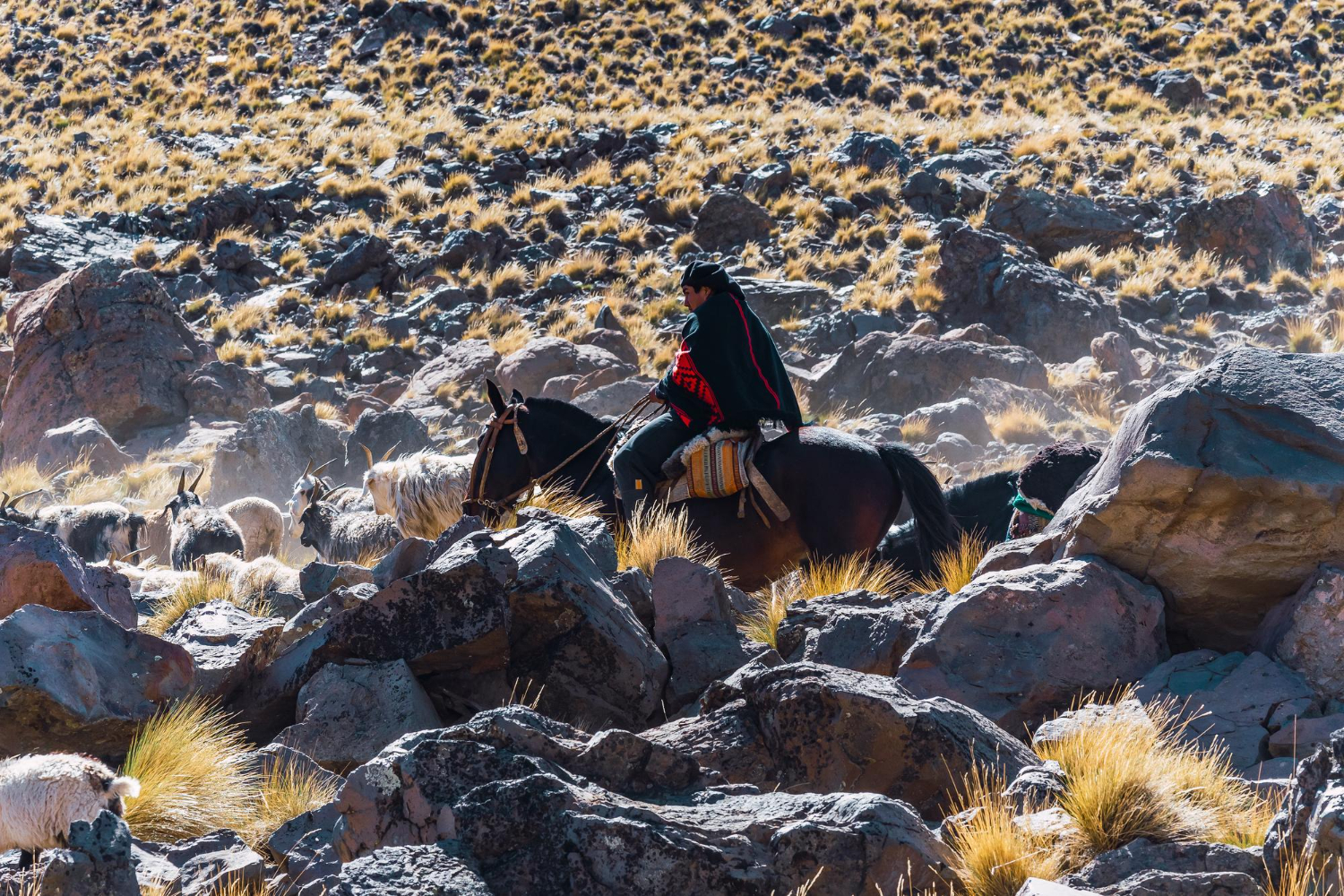
The Argentine pampas — vast grassland plains covering approximately 750,000 square kilometers across central Argentina — supported one of the world’s largest cattle-ranching cultures from the 18th century onward. The gaucho horsemen who worked these ranches developed distinctive culture, clothing, and skills that have substantially persisted across centuries despite enormous economic and social changes. Various traditional ranches (estancias) continue operating with substantial gaucho presence, and many specifically welcome international visitors for multi-day horseback riding experiences. Here’s how to actually visit working gaucho ranches — and what these experiences genuinely involve.
The Argentine gaucho tradition represents one of the most distinctive ranching cultures in world history — substantially more intact than the American cowboy culture that has been substantially commercialized despite limited continued working presence. The gaucho heritage continues operating on substantial number of working Argentine ranches across the pampas region. Various estancias specifically welcome international visitors for substantial riding experiences that provide authentic exposure to working ranch culture. Understanding what these experiences actually involve matters substantially for travelers planning specific Argentina trips.
The Geographic Reality of the Pampas
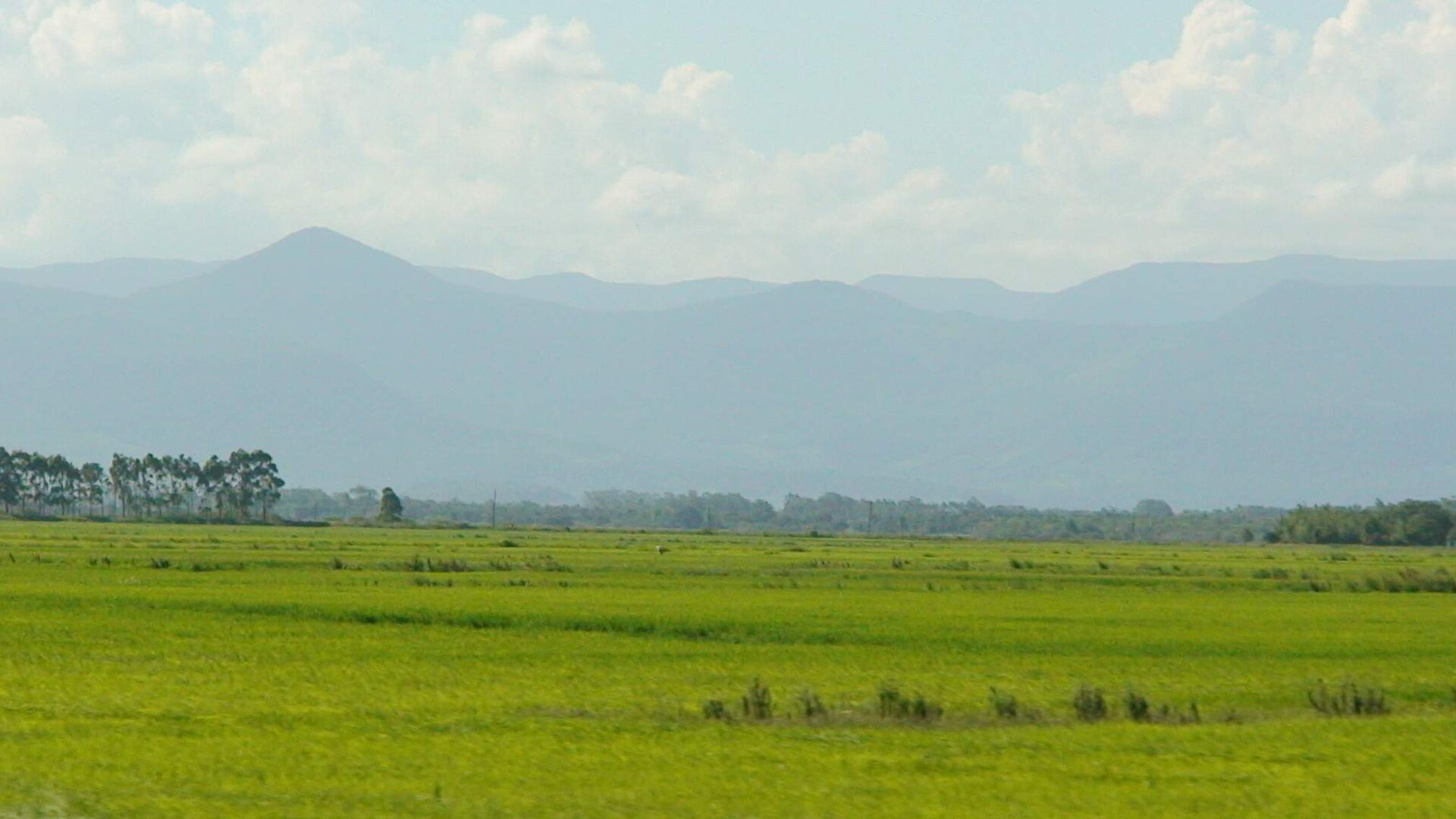
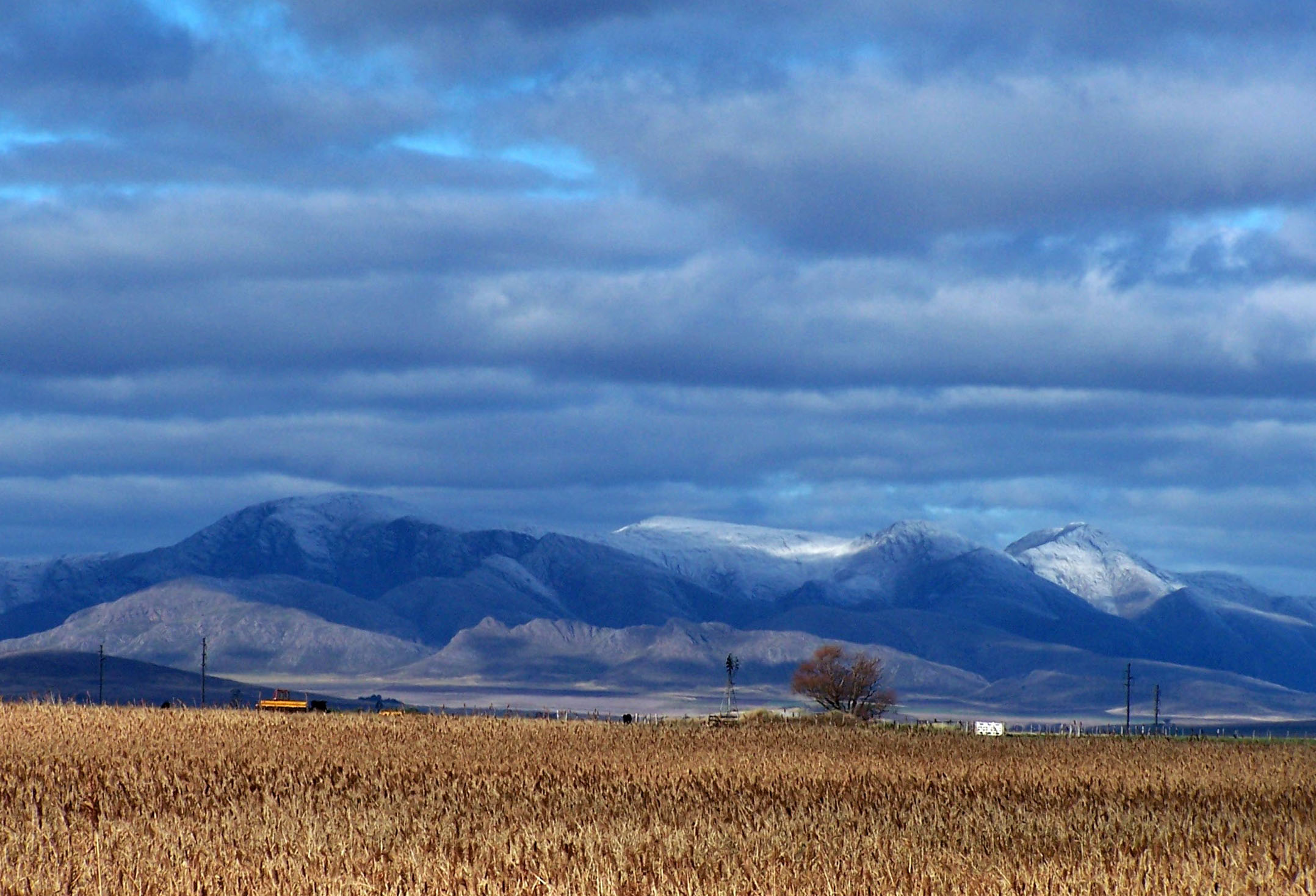
The Argentine pampas extend across approximately 750,000 square kilometers in central Argentina — a substantial portion of the country’s land area. The region includes parts of Buenos Aires province, La Pampa province, Córdoba province, Santa Fe province, and parts of Entre Ríos and various other provinces. The terrain is essentially flat grassland with substantial cattle and horse populations supporting traditional ranching operations.
The cumulative pampas environment has supported substantial cattle ranching since approximately the late 18th century when Spanish colonial authorities established large land grants for ranching purposes. The cumulative ranching culture developed across approximately 250 years has produced specific gaucho traditions that persist into 2026. Various social, economic, and political changes have substantially affected the broader Argentine economy, but specific elements of gaucho culture continue operating on traditional ranches.
The Gaucho Cultural Identity
Gauchos represent specific cultural identity that emerged from particular historical conditions. The original gauchos were typically of mixed Spanish-Indigenous heritage, working as horsemen on cattle operations starting in the 18th century. Specific cultural elements developed: distinctive clothing (the bombachas/loose pants, ponchos, specific boots, distinctive hats), specific skills (horsemanship, cattle handling, lasso work, traditional cooking), specific cultural practices (various forms of music, poetry, social activities), and various other distinctive elements.
Modern gaucho identity continues across various Argentine regions despite substantial economic changes. Various specific traditions have been substantially preserved through deliberate efforts. Annual gaucho festivals occur throughout the country. Specific cultural organizations preserve traditional knowledge. The cumulative cultural commitment has prevented complete disappearance of gaucho traditions despite various pressures that have substantially affected similar ranching cultures elsewhere globally. The cumulative result is substantial living tradition rather than purely museum culture.
The Estancia System
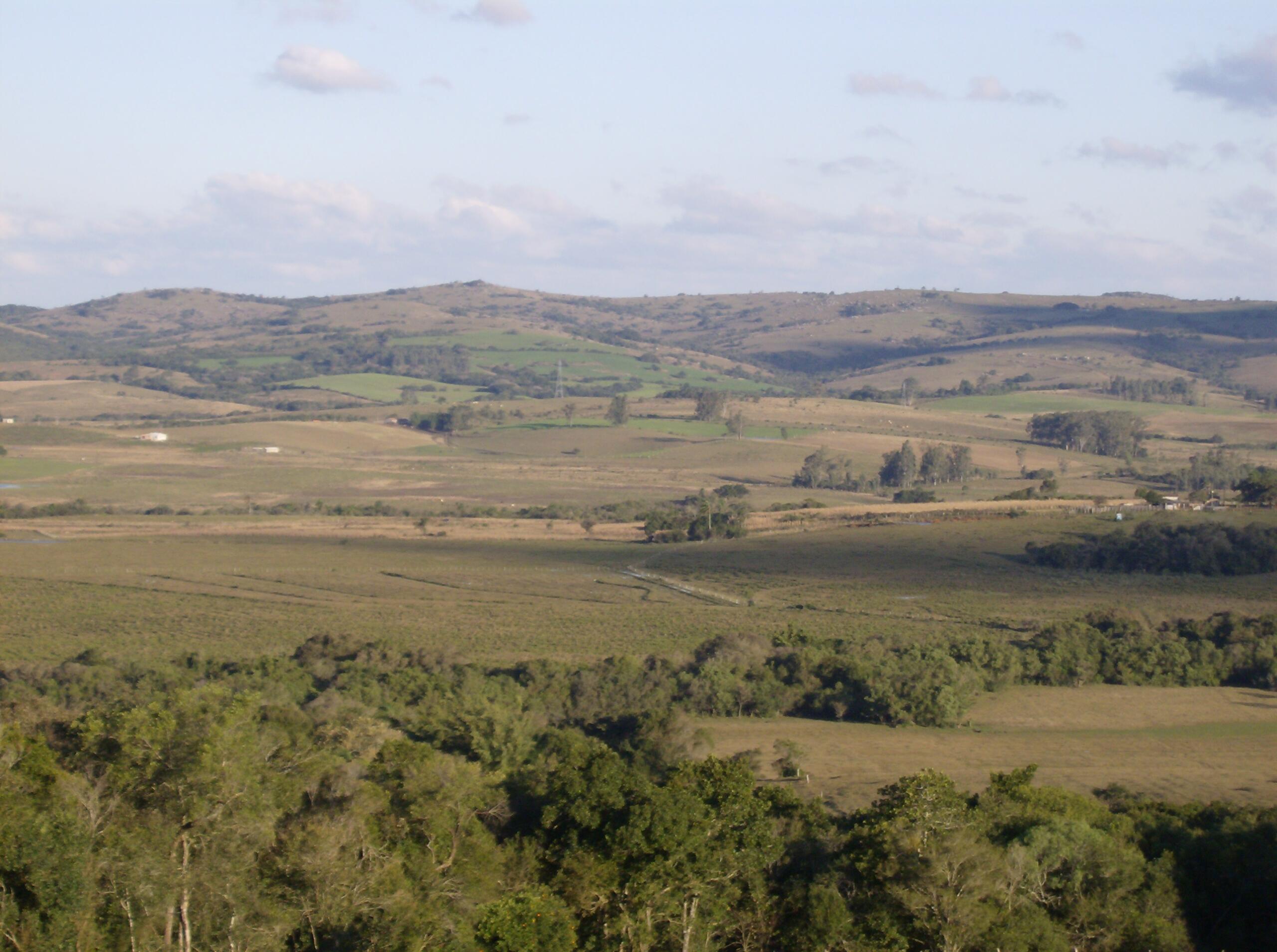
Estancias are large traditional Argentine ranches — typically extending across substantial land areas with cattle operations as primary business. The estancia system developed during Spanish colonial period and continued through Argentine independence and subsequent national development. Various specific estancias have remained in same family ownership across multiple generations, sometimes 5-7 generations or more.
Traditional estancia main houses (cascos) often feature substantial 19th-century architecture with specific Argentine ranch character. Various estancias have substantially diversified beyond pure cattle operations to include tourism, agriculture, breeding programs, and various other business activities. The cumulative estancia system continues operating across substantial portions of the pampas, with various specific properties offering substantial international tourism alongside traditional ranching operations.
How Tourist Estancias Actually Work

Various estancias specifically welcome international visitors for multi-day stays that combine accommodation, meals, riding, and various other activities. Typical structure: visitors stay in main house or specific guest quarters, eat meals with ranch family or in dedicated dining areas, participate in daily ranch activities including horseback riding, observe or participate in cattle handling, experience traditional gaucho culture through various activities.
Most tourist estancias operate “all-inclusive” packages covering accommodation, all meals (typically substantial Argentine cuisine featuring substantial beef), riding instruction and horse access, various other activities, and ground transportation from regional airports. Costs typically range $200-500+ per person per night depending on specific estancia, season, and accommodation level. Multi-day stays of 3-7 nights provide substantially better experience than single-night visits — the cumulative immersion requires time that brief visits don’t permit.
The Riding Experience
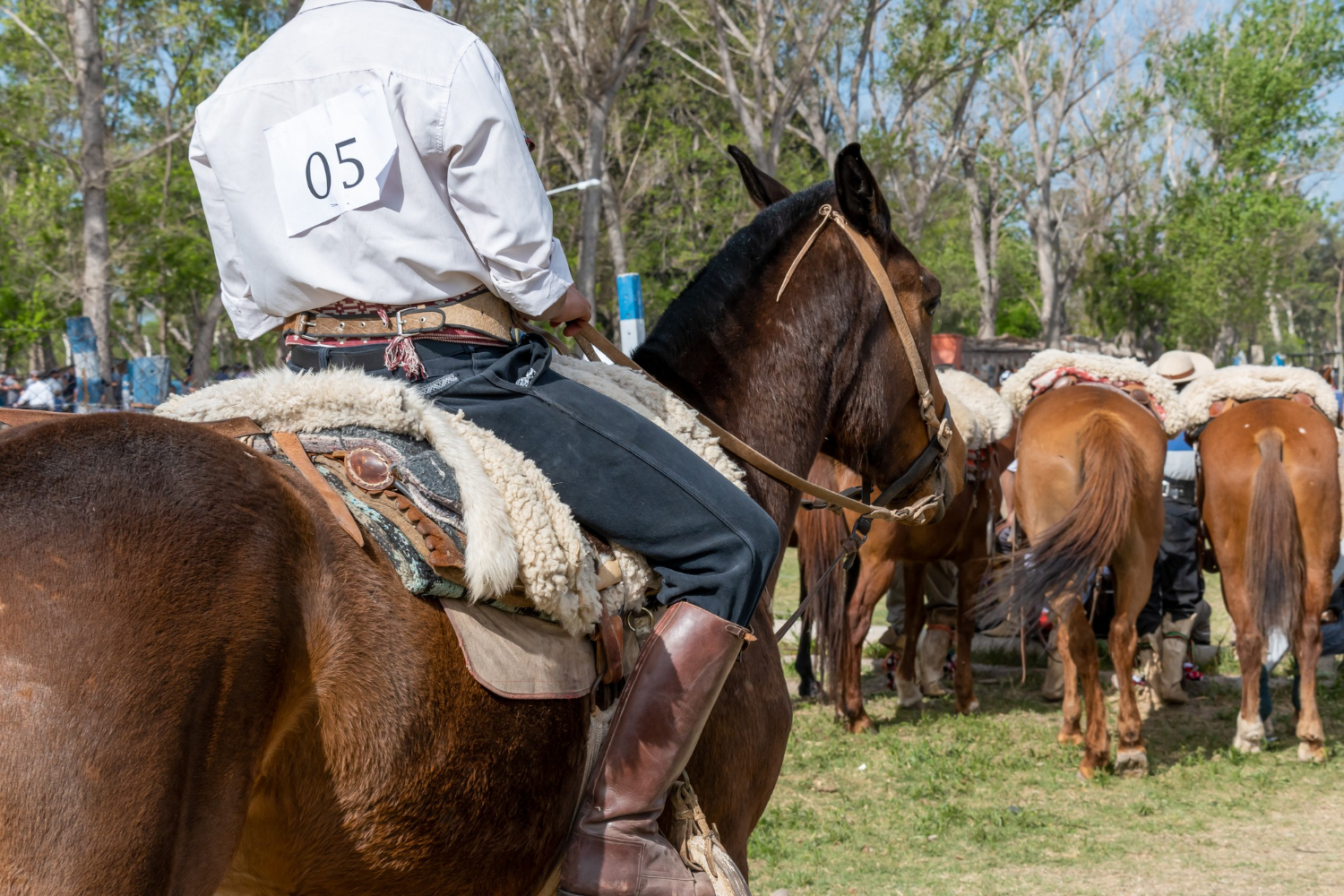
Estancia riding experiences vary substantially in intensity and authenticity. Some estancias offer beginner-friendly trail rides on calm horses through scenic terrain. Other estancias offer substantial multi-day rides through extended pampas terrain — sometimes covering 30-50 km daily across multiple consecutive days. Specific advanced experiences include actual cattle work participation, multi-day camping rides, and various other intensive horseback experiences.
Most estancias provide horses appropriate to rider experience levels. Beginners receive substantial instruction and calm horses. Experienced riders can request more challenging horses and substantial riding distances. Various specific safety considerations apply — riders should be honest about experience levels rather than overstating abilities. The cumulative riding experience can produce substantial physical demands — extended riding requires substantial preparation. Riders unaccustomed to substantial saddle time should expect specific physical adjustment periods during multi-day riding experiences.
The Asado Tradition
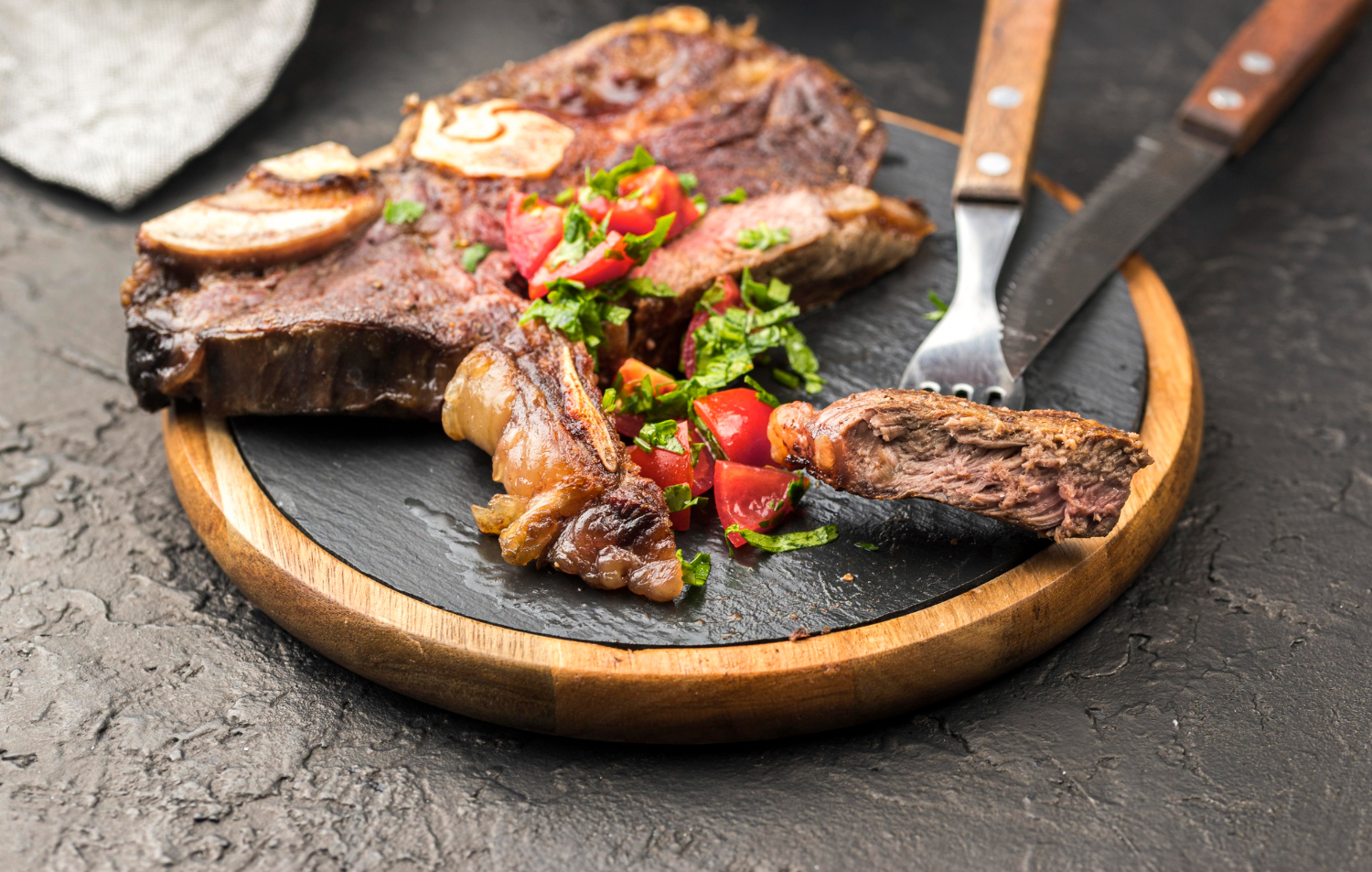
Argentine asado (traditional barbecue) represents central element of estancia experiences. Asado preparation involves specific techniques: substantial wood-fire grilling, specific cuts of beef (substantial Argentine specialty), traditional accompaniments (chimichurri sauce, various other condiments), specific cooking timing across hours rather than minutes. The cumulative asado experience represents substantial cultural element rather than just meal preparation.
Estancia asados typically involve substantial beef quantities — Argentina has among the highest per-capita beef consumption globally, and estancia meals reflect this dietary pattern. Various specific cuts feature in traditional asados (asado de tira, vacio, entraña, various others). The asado experience typically extends across multiple hours with substantial socializing, traditional music, and various other cultural activities accompanying the cooking and eating. International visitors typically describe asados as among the most distinctive aspects of estancia experiences.
The Polo Connection

Argentine polo represents specific aspect of broader gaucho horsemanship culture. Argentina is home to many of the world’s top polo players and produces substantial portion of polo horses sold globally. Various estancias specifically focus on polo operations including polo horse breeding, training, and tournament hosting. Specific estancias offer polo lesson experiences for international visitors interested in learning the sport.
The polo experience differs substantially from general estancia riding. Polo requires specific skills, specialized equipment, substantial fitness, and various other elements. Brief polo introductions can provide specific experience without requiring substantial commitment. Multi-day polo programs provide substantial skill development for visitors interested in actually learning the sport. Argentina represents arguably the world’s best location for polo learning and experience — the combination of substantial polo culture, available horses, qualified instructors, and various other elements creates specific opportunities that other countries don’t match.
The Specific Famous Estancias

Several specific estancias have substantial reputation for international tourism. La Bamba de Areco (San Antonio de Areco, Buenos Aires province) provides substantial luxury experience with specific gaucho traditions. Estancia Los Alamos (Mendoza province) offers wine country plus ranch experience. Estancia Cristina (Patagonia) provides distinctive ranch-plus-Patagonia experience. Various other specific properties offer substantial alternatives at various price points and experience levels.
The specific estancia selection should reflect traveler priorities. Pure horse experience vs. luxury accommodation vs. specific cultural emphasis vs. specific regional location vs. various other factors substantially affect which estancias work best for specific visitors. Various tour operators specialize in estancia tourism and can provide specific recommendations based on traveler interests. Independent booking is also possible through various estancia direct contacts. Specific advance research substantially improves estancia experience compared to relying on broad tourism packages.
The Practical Visit Logistics

Practical guidance for travelers planning estancia visits. Most estancias are accessible from Buenos Aires (Argentina’s capital) through 1-3 hour ground transportation. Various estancias in remote regions (Patagonia, Mendoza, Salta) require domestic flights plus ground transportation. Most international visitors include estancia experiences within broader Argentine travel programs that typically include Buenos Aires, possibly Patagonia, possibly wine country (Mendoza), and various other regions.
Best timing for estancia visits: spring (October-November) and autumn (March-April) provide most comfortable temperatures and substantial visual appeal. Summer (December-February) features substantial heat that can affect riding comfort. Winter (June-August) provides more moderate temperatures but less visual appeal in some regions. Most estancias operate year-round but specific activities may be limited during weather extremes. Booking 2-3 months in advance for peak periods provides best availability and pricing options.
What Estancias Actually Represent
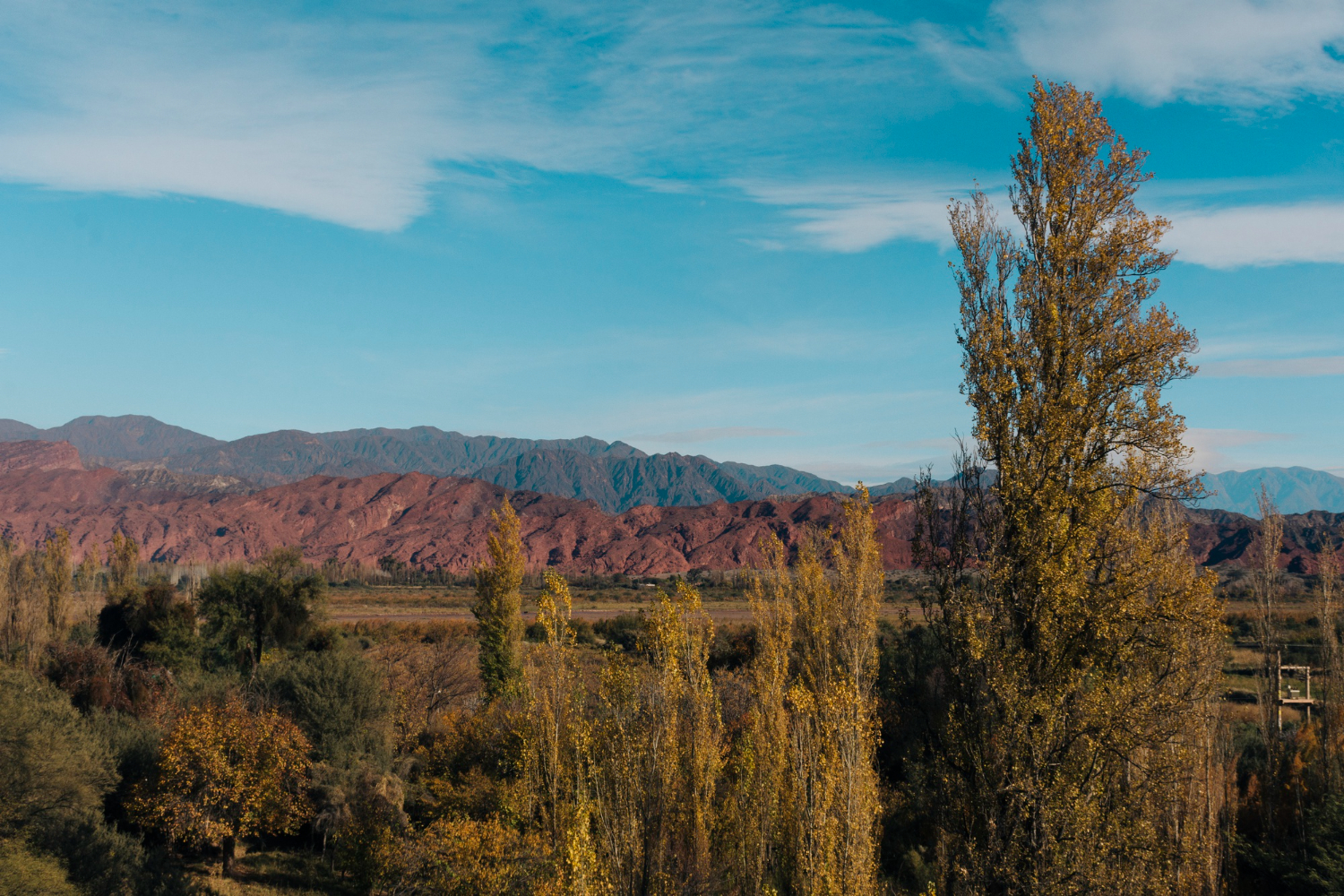
Argentine estancia experiences represent specific opportunity to experience working ranch culture that has substantially persisted despite enormous global changes affecting similar cultures elsewhere. The combination of authentic working operations, traditional gaucho heritage, substantial horsemanship culture, distinctive food traditions, dramatic landscapes, and various other specific elements produces something genuinely available nowhere else in quite the same way. Various American Western ranches offer comparable experiences in some respects but typically lack the same depth of continuous tradition. Various other ranching cultures globally have similarly been substantially affected by modernization in ways that Argentine gaucho culture has substantially resisted. For travelers genuinely interested in experiencing authentic working ranch culture combined with substantial physical activity, distinctive cuisine, and dramatic landscapes, Argentine estancias provide specific experience that mainstream tourism rarely matches. The cumulative experience requires substantial time and financial investment but produces specific cultural exposure that brief tourist activities cannot replicate. The estancia system continues operating across substantial Argentine territory and will likely continue providing similar experiences for decades to come — but specific properties continue evolving, and international travelers interested in specific estancia experiences should plan trips with appropriate research and timing.

