
Hotel housekeepers clean approximately 14-16 rooms per day during typical 8-hour shifts. They develop substantial expertise about how guests actually use hotel rooms — what they damage, what they steal, what they leave behind, what they’re hiding, and various other observations that mainstream hotel marketing doesn’t discuss. Understanding what housekeepers actually see provides specific insight into the realities of hotel stays — and the specific things travelers should know about how their behavior is observed and remembered. Here’s what’s actually happening behind the cleaning carts.
Hotel housekeeping operates as one of the most physically demanding and substantially undervalued positions in the hospitality industry. Workers clean substantial numbers of rooms daily — typically 14-16 rooms during 8-hour shifts at major chain hotels — encountering essentially every aspect of how guests actually use hotel rooms. The cumulative observations across years of work produce substantial expertise that most travelers don’t appreciate. Various specific things that guests do or don’t realize affect their relationships with housekeepers and ultimately their hotel experiences.
The Physical Reality of the Job
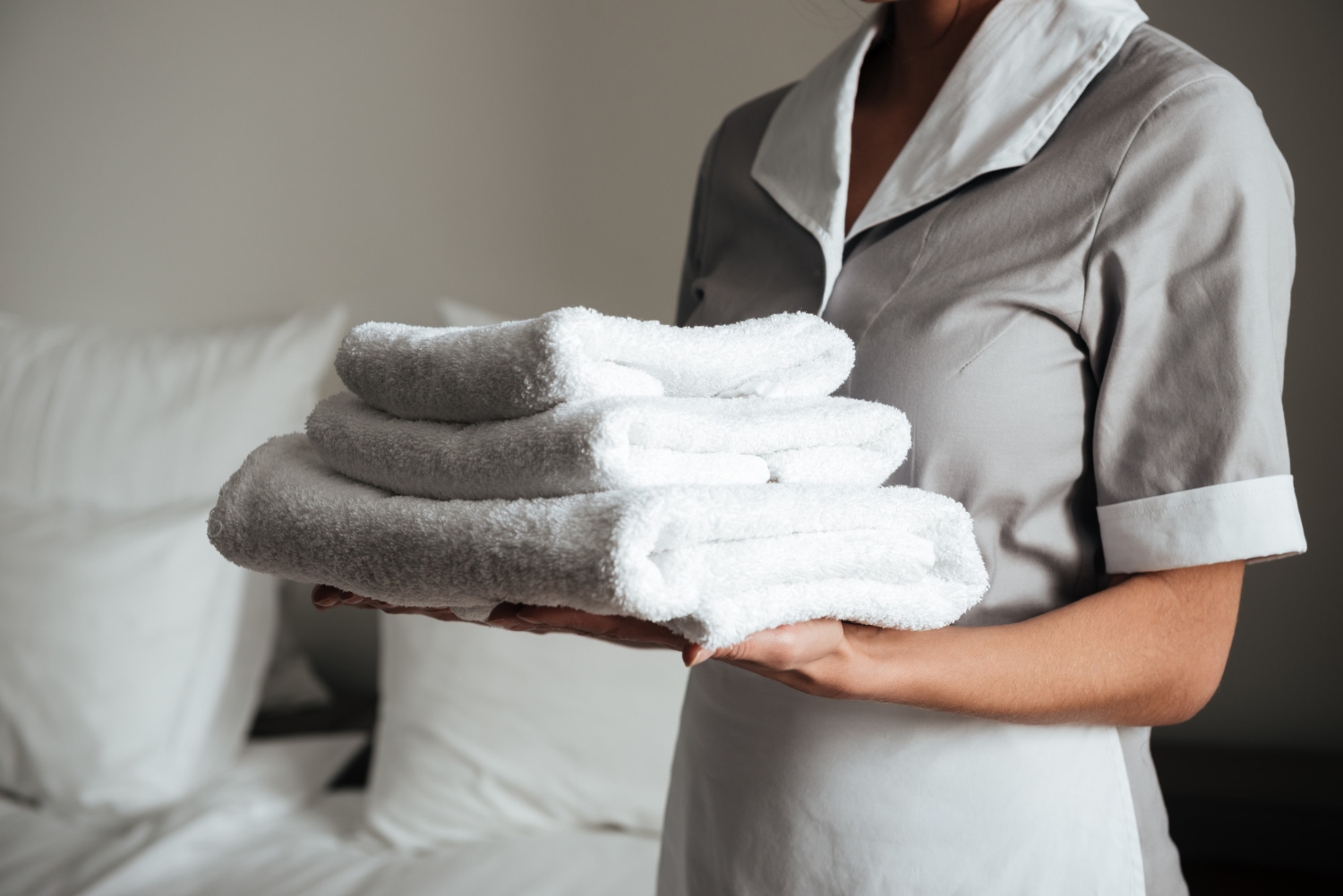
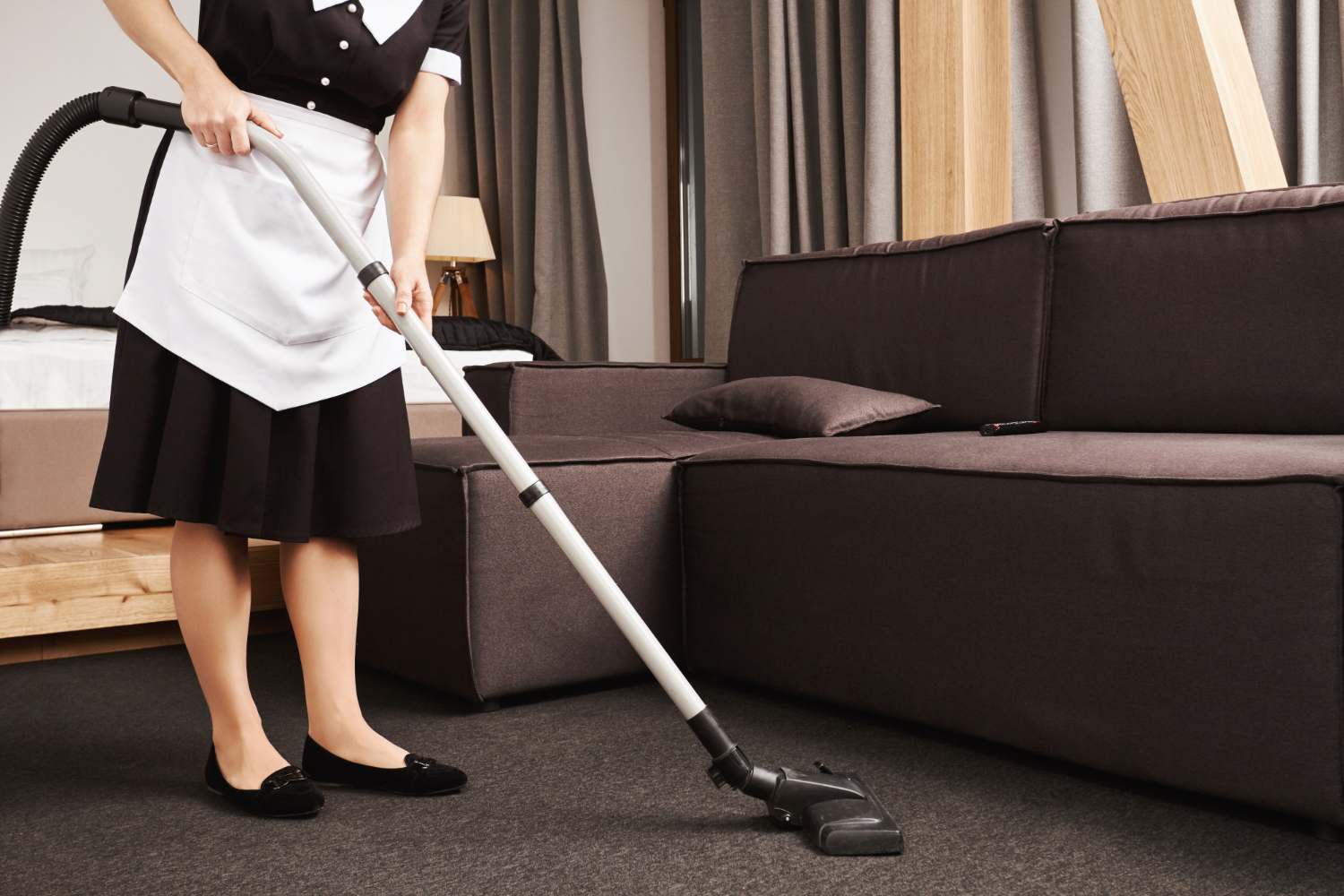
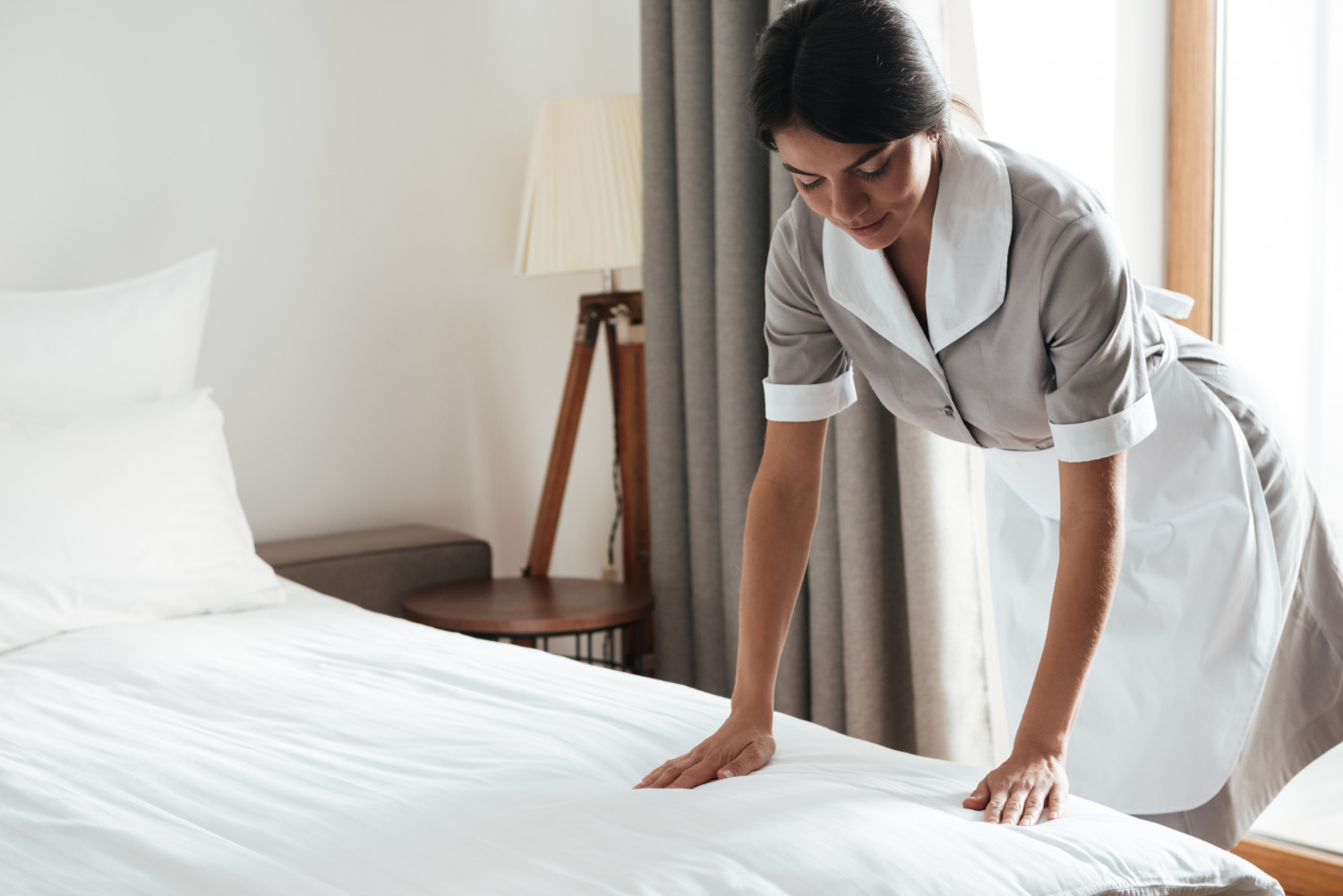
Modern hotel housekeeping is substantially demanding physical work. Workers typically clean rooms involving: bed making (with substantial weight changes for fitted sheets), bathroom cleaning (substantial chemical exposure), vacuuming (substantial repetitive motion), various other tasks that produce specific physical demands. The cumulative work conditions produce substantial occupational injury rates — back injuries, repetitive motion problems, chemical exposure issues, and various other specific health concerns.
Hotel housekeepers typically earn $14-22 per hour depending on location, experience, and specific employer. The work is substantially more demanding than typical service industry positions but compensation typically reflects industry-standard rather than premium rates. Tips substantially affect housekeeper income but tip rates have substantially declined in recent decades — many guests don’t tip housekeepers at all, despite tipping bartenders and servers consistently. The cumulative compensation reality means most hotel housekeepers are working substantial physical jobs at relatively modest pay rates.
What Housekeepers Notice About Guests
Specific things that housekeepers consistently notice about guests. How beds were used (single occupancy vs. multiple, nature of activities visible from sheet condition). What guests packed (visible items provide substantial information about guest characteristics). What guests consumed (visible food/beverage containers, room service consumption patterns). What guests damaged (any room damage requires reporting and documentation). What guests left behind (personal items inadvertently abandoned during checkout).
The cumulative observations produce substantial information about specific guests. Housekeepers typically don’t share this information broadly, but it’s collected nonetheless. Specific guests develop specific reputations based on how their rooms appear during stays and after checkout. Guests should generally assume that anything visible in their hotel rooms will be observed by housekeeping staff. Privacy doesn’t substantially exist within hotel rooms with respect to housekeeping observations.
The Specific Things Hotel Guests Steal
Hotel housekeepers track specific items that guests steal from rooms. Towels (substantial frequency — many hotels essentially expect some towel theft as cost of operations). Robes (specific items that hotels often charge for if missing). Coffee makers and various small appliances (less common but substantial when occurring). Bedding items (rare but occurs). Various other specific items including artwork, lamps, and decorative items.
Modern hotels increasingly track theft through specific inventory systems. RFID tags are sometimes used for substantial items. Various other tracking methods enable specific identification of which guests removed which items. Many hotels charge guests’ credit cards for stolen items when theft is documented. The cumulative system means that hotel theft increasingly produces actual consequences rather than just being absorbed by hotels as operational costs. Travelers should specifically not assume that hotel items are essentially “free” — substantial items that guests “borrow” often produce subsequent charges.
What’s Left Behind Most Often

Specific items that guests most frequently leave behind in hotel rooms. Phone chargers (genuinely the most common left-behind item — extremely high frequency). Toiletries (various personal care items). Clothing items (particularly underwear, socks, and various items that get separated during packing). Eyeglasses and reading glasses (substantial frequency). Books and magazines (various reading materials that don’t make it home). Various small electronic items (USB drives, small accessories, etc.).
Most major hotels operate substantial lost-and-found systems for left-behind items. Items are typically held for 30-90 days before being donated or discarded. Guests can typically recover items by contacting hotels with specific descriptions and arranging shipping (typically at guest expense). The cumulative left-behind system represents substantial operational reality for major hotels. Various items left behind reflect specific patterns of guest stress, distraction, and various other factors that affect end-of-trip packing behavior.
The Specific “Do Not Disturb” Reality
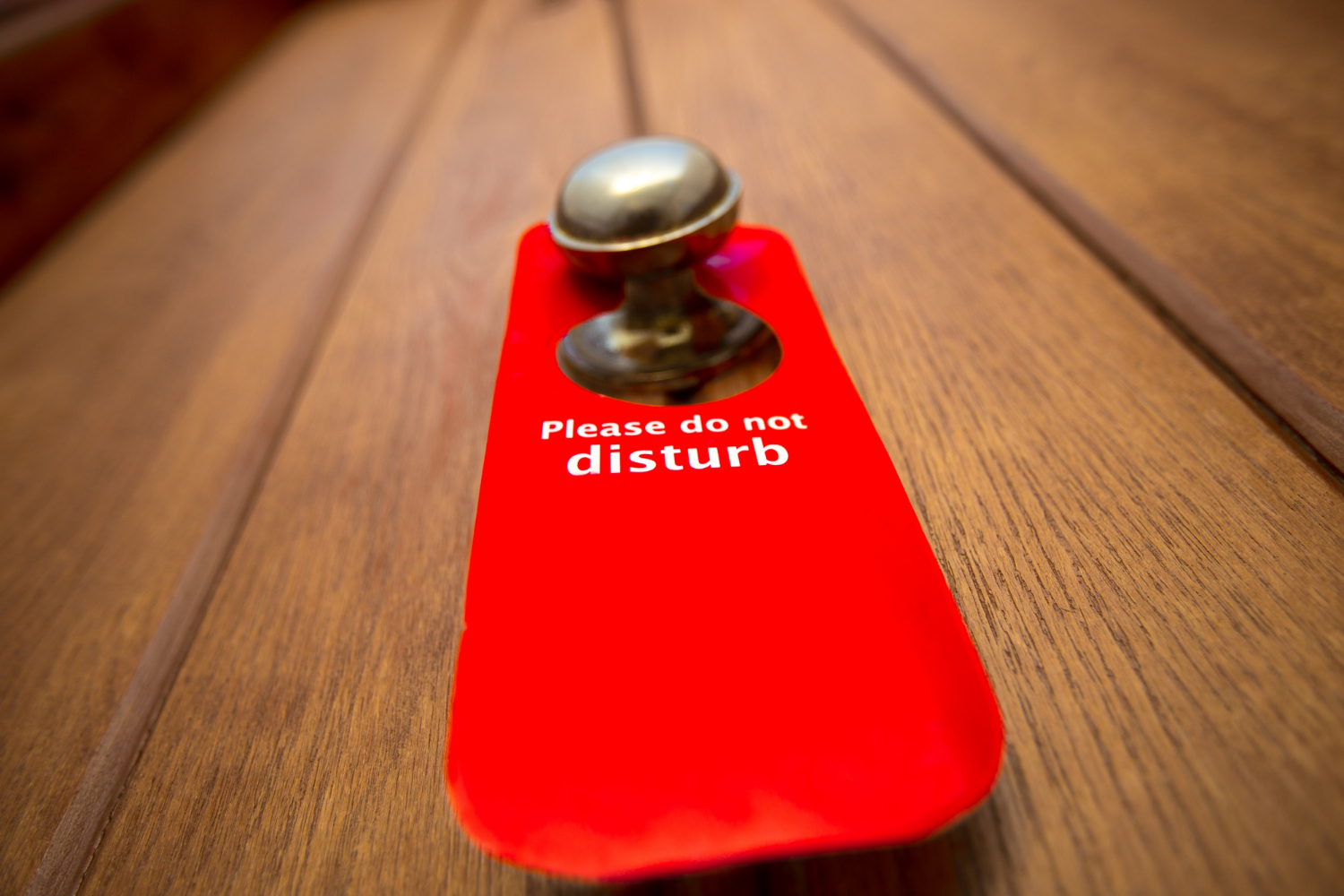
The “Do Not Disturb” door hanger creates specific situation that housekeepers must navigate carefully. Most hotels have specific policies about how long DND can remain on doors before management intervention. Common policy: 24-48 hours of consecutive DND triggers welfare checks. The cumulative system reflects specific concerns about guest medical emergencies, suicide risks, and various other situations where extended seclusion might indicate problems requiring intervention.
The DND policies have specific implications for guests. Extended privacy is generally available — most guests requesting privacy receive it. But absolute extended seclusion generally isn’t possible — most hotels will eventually check on guests who maintain DND beyond specific time periods. Various specific policies vary by hotel and chain. Guests should understand that hotel rooms aren’t entirely private spaces — hotel staff retain specific access rights and welfare check obligations regardless of DND requests.
What Affects Tip Decisions

Specific factors that affect how housekeepers feel about specific guests. Tipping consistency and amount substantially matters. Daily tipping (rather than only at checkout) is substantially preferred — different housekeepers may clean rooms across multi-day stays, and end-of-stay tips don’t fairly compensate all involved staff. Cleanliness of rooms during stays matters — guests who maintain reasonable order make cleaning substantially easier than those who create substantial mess.
Various other factors affect housekeeper attitudes. Polite interactions when meeting in hallways. Specific requests communicated clearly through standard channels (front desk requests reach housekeepers more reliably than scattered communication). Recognition of housekeepers as people rather than invisible service providers. The cumulative effect of guest behavior substantially affects how housekeepers feel about cleaning specific rooms. Better behavior toward housekeepers typically produces better hotel experiences through various mechanisms beyond just cleanliness — though the relationship is complex and often substantially invisible to guests.
The Tipping Reality

Tipping rates for hotel housekeepers have substantially varied across decades. Standard tip recommendations: $2-5 per night for budget hotels, $5-10 per night for substantial hotels, $10+ per night for luxury properties. Various sources recommend specific amounts based on hotel category. The cumulative tipping reality is substantially less consistent than other tipping situations (restaurant servers, taxi drivers, etc.).
Many guests don’t tip housekeepers at all. Various surveys suggest that 30-40% of American hotel guests don’t leave any tips for housekeepers. The cumulative tipping deficit substantially affects housekeeper income compared to other service industry positions. Various advocacy organizations have campaigned to improve housekeeper tipping practices but the cumulative behavior change has been substantially limited. Guests who specifically tip housekeepers consistently provide meaningful income difference for individual workers — the cumulative impact is substantial despite individual contributions being modest.
What Housekeepers Wish Guests Knew

Various housekeepers have shared specific things they wish guests understood. The work is substantially more physical and time-pressured than guests realize. Cleaning standards are essentially uniform across price points — luxury hotel rooms aren’t necessarily more thoroughly cleaned than budget hotel rooms despite price differences. Various specific behaviors substantially affect cleaning difficulty without affecting room functionality (excessive bathroom mess, leaving food waste, etc.).
The cumulative housekeeper perspective provides substantial information that hotel management typically doesn’t share with guests. Specific guidance: be reasonable about room condition during stays, tip consistently and adequately, communicate specific needs clearly, recognize housekeepers as workers performing demanding jobs rather than invisible service providers. The cumulative simple respect substantially improves housekeeping work conditions while typically improving guest experiences through better service relationships.
What This All Reveals About Hotels

The hotel housekeeping reality reveals specific aspects of hotel operations that mainstream hotel marketing doesn’t emphasize. Specific physical labor performs the cleaning that guests assume is essentially automatic. Specific workers earn modest wages performing demanding jobs. Specific patterns of guest behavior substantially affect both worker conditions and guest experiences in ways that aren’t typically discussed. Understanding the actual operational reality helps travelers make better decisions about their hotel behavior.
For travelers genuinely interested in being good hotel guests, specific guidance emerges. Tip housekeepers consistently and adequately. Maintain reasonable room conditions during stays. Communicate specific needs through proper channels. Treat housekeepers with same basic respect that all workers deserve. Recognize that hotel rooms aren’t private spaces with respect to housekeeping observations. The cumulative practices substantially improve both housekeeper work conditions and guest hotel experiences through various mechanisms that operate substantially beneath the surface of standard hotel transactions. Better treatment of housekeepers ultimately produces better treatment of guests through various indirect mechanisms — even though the relationship rarely operates through explicit reciprocity.