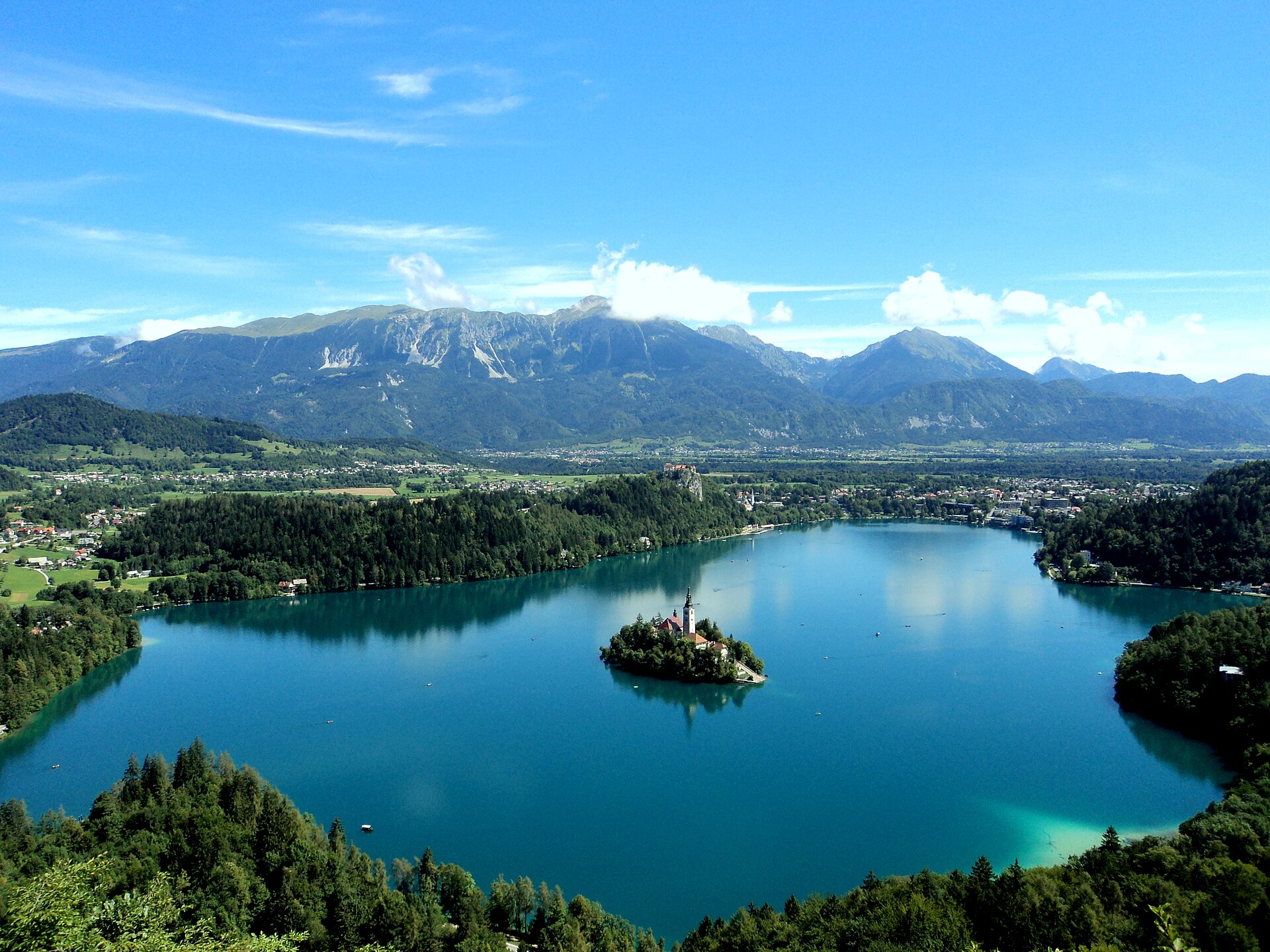
Lake Bled in northwestern Slovenia contains a small island — the only natural island in all of Slovenia — that has held a church on its surface for over 900 years. The current Church of the Assumption of Mary dates from the 17th century and sits atop earlier medieval and pre-Christian religious structures. Reaching the island requires either swimming the cold alpine lake or hiring a “pletna” — traditional flat-bottomed wooden rowing boat made by hand by approximately 23 designated boat owners whose families have maintained exclusive island transport rights since 1740. Here’s how it actually works.
Lake Bled occupies a specific position in modern European tourism — substantially photographed, internationally recognized, but somehow still maintaining specific traditional elements that mainstream tourism elsewhere has substantially eliminated. The combination of dramatic alpine scenery, historic island church, traditional boat transport, ancient castle, and various other specific elements creates one of the more distinctive small-scale destinations in Europe. Understanding the actual operation of the island access matters substantially for travelers planning visits — and reveals specific aspects of how traditional cultural practices can persist despite substantial modern tourism pressure.
The Specific Lake Geography
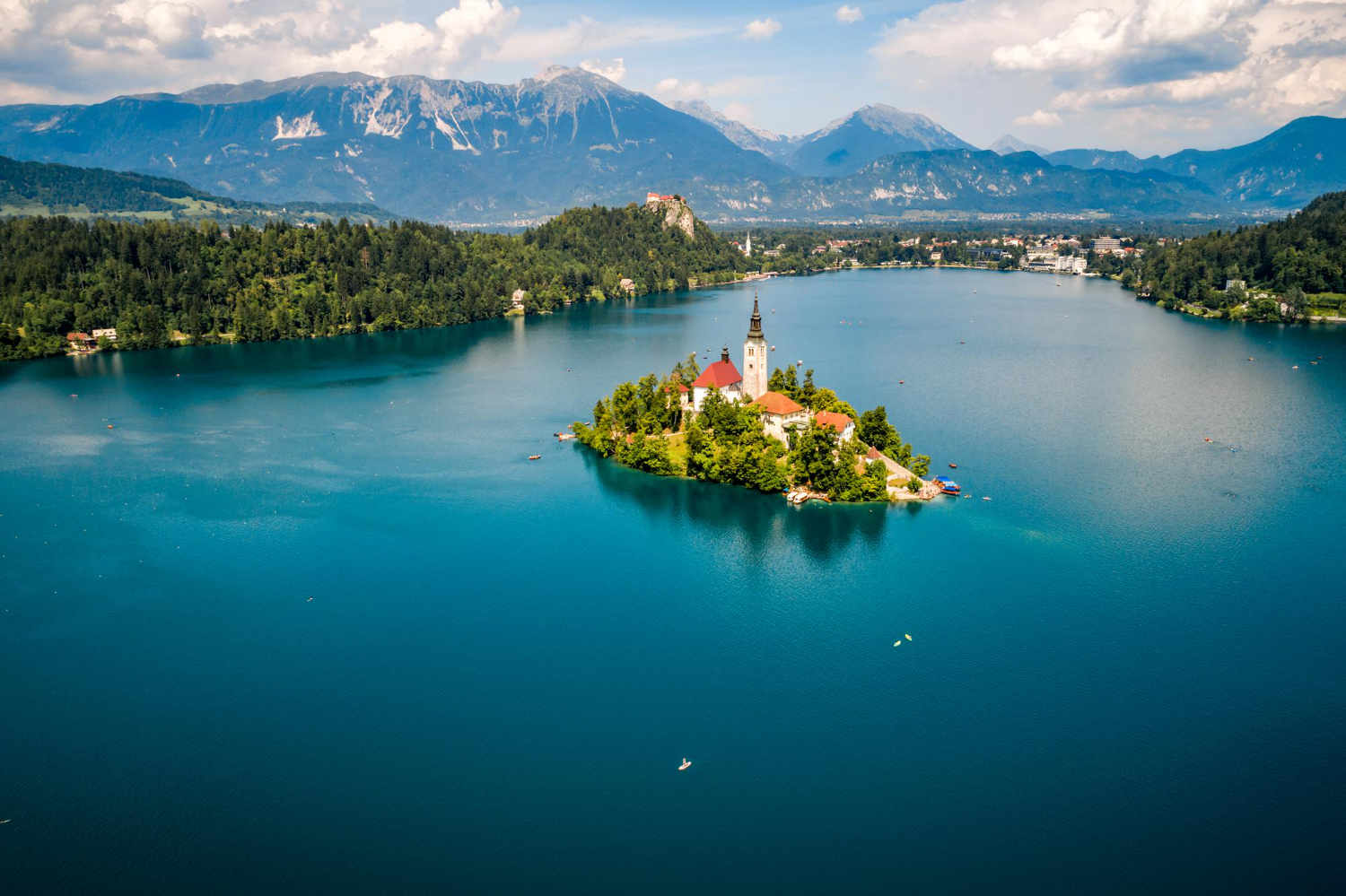
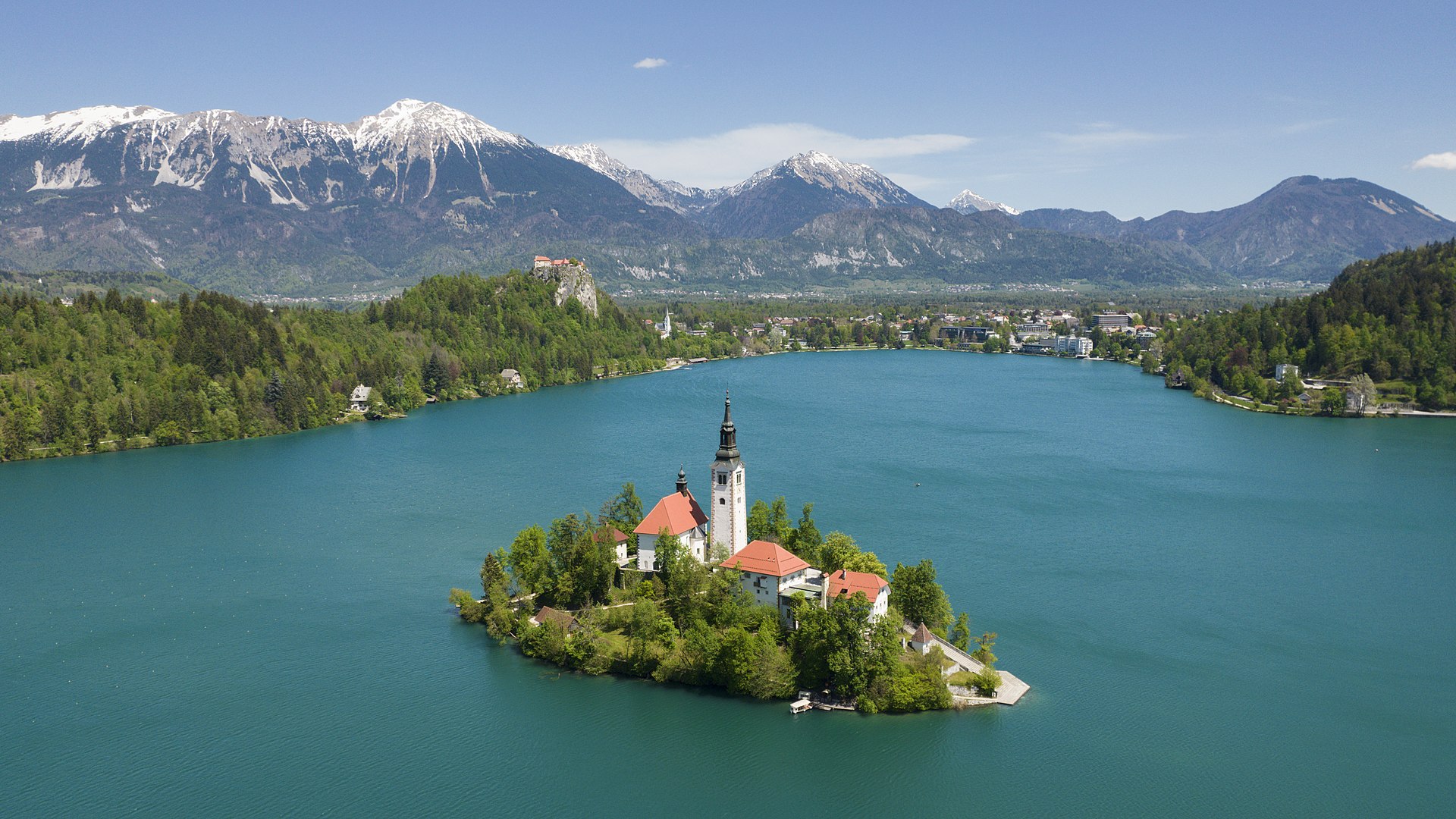
Lake Bled sits in the Julian Alps of northwestern Slovenia at 475 meters elevation, approximately 50 kilometers from Ljubljana (Slovenian capital) and approximately 30 kilometers from the Austrian border. The lake measures approximately 2.1 km long, 1.4 km wide, and reaches 30+ meter depth at deepest points. The water has substantial alpine character — substantially cold (rarely above 22°C even in summer), substantially clean, surrounded by dramatic mountain scenery.
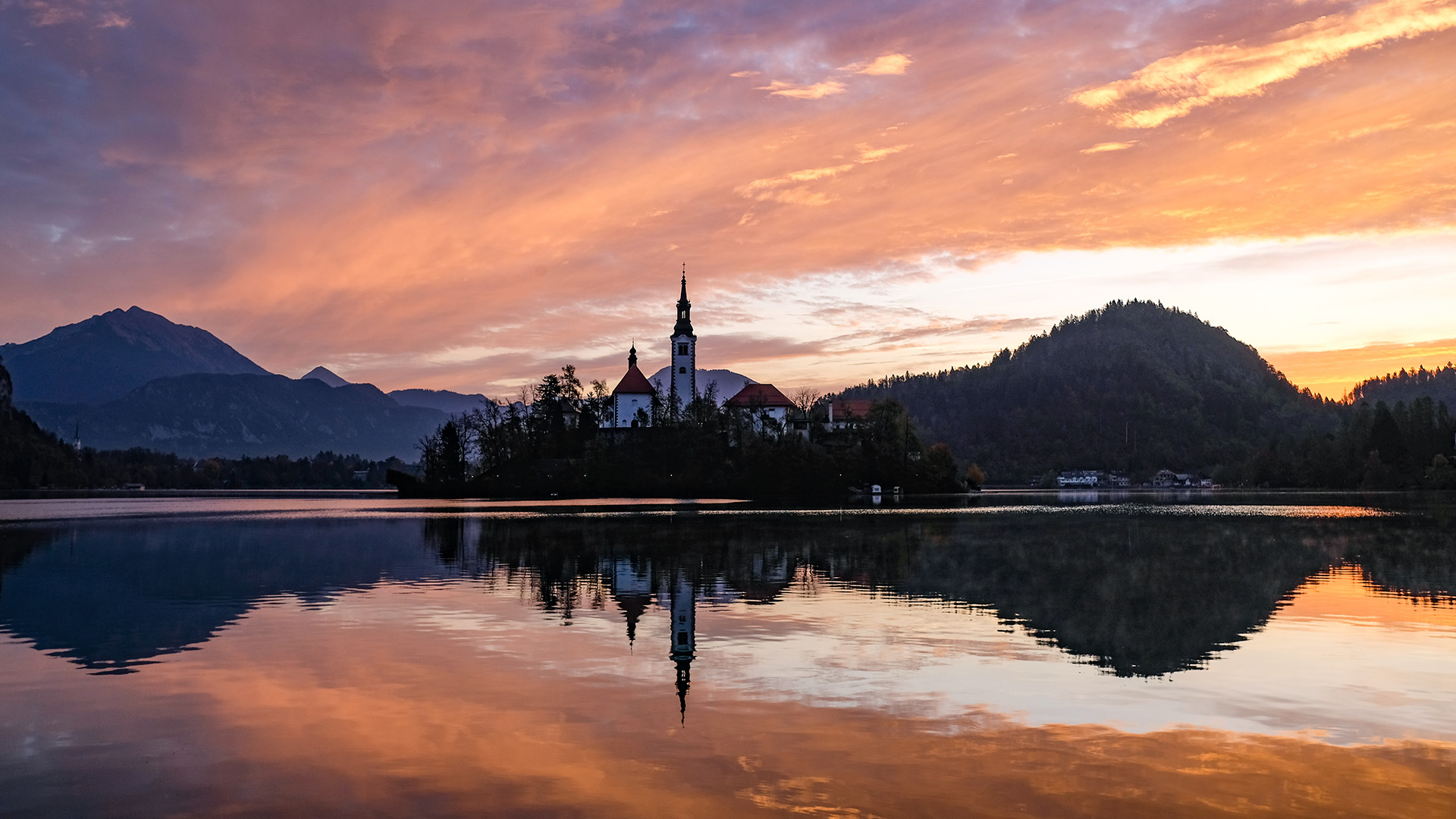
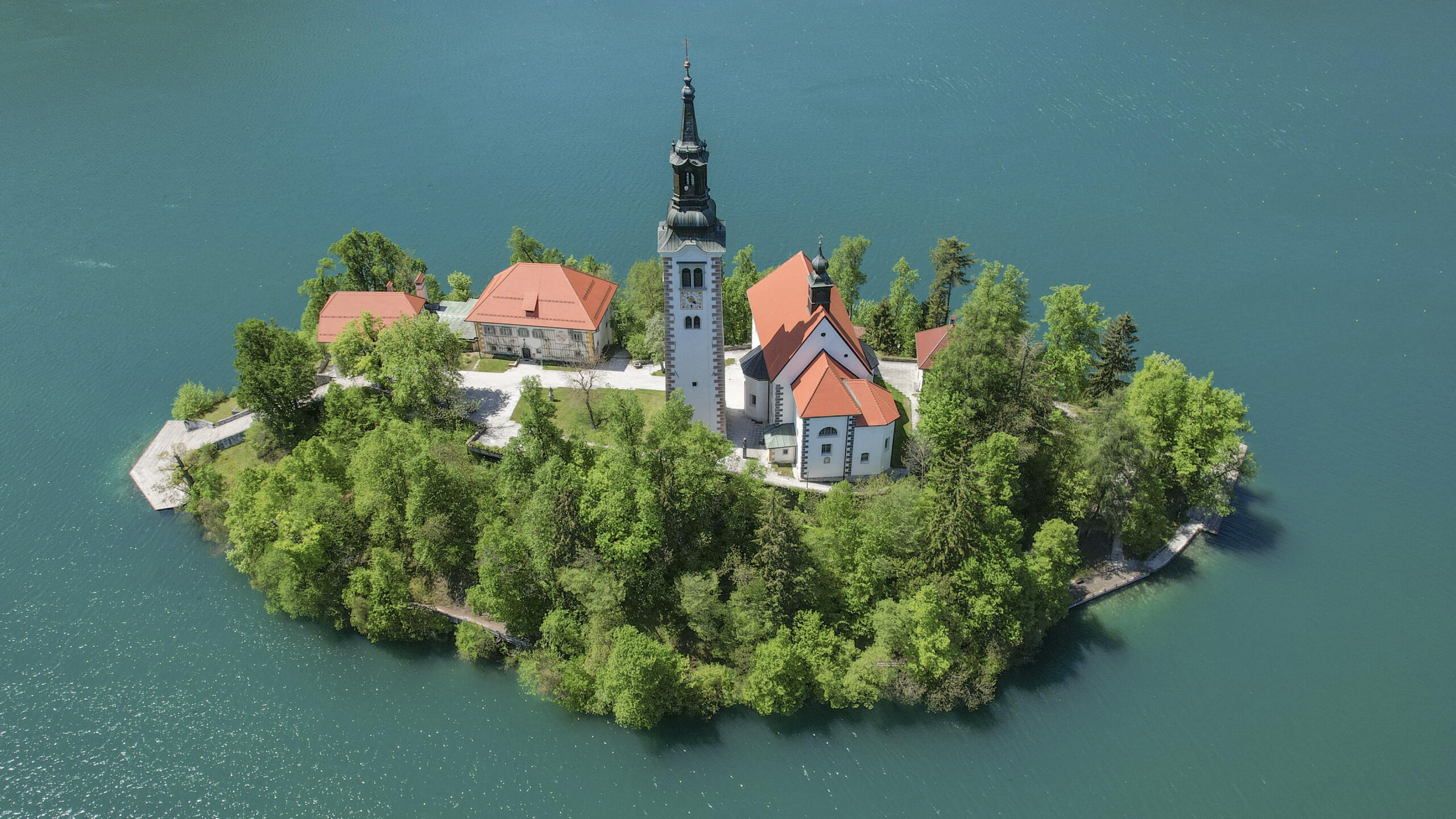
Lake Bled’s distinctive feature is its small island — Bled Island (Blejski otok) — measuring approximately 130 meters long and 100 meters wide. This is genuinely the only natural island in all of Slovenia, making it geographically unique within the country. The island sits approximately 250 meters from the closest shore, requiring either swimming or boat transport for access. The combination of distinctive island plus historic church plus traditional boat access has produced one of Slovenia’s most photographed destinations.
The Pre-Christian History
The Bled Island has substantial religious history that substantially predates Christianity. Archaeological evidence indicates that the island served as religious site for pre-Christian Slavic peoples — likely associated with the Slavic goddess Živa (sometimes spelled Ziva) who represented life, spring, and various other concepts. The cumulative pre-Christian religious use extended back to at least the 8th century CE based on archaeological dating of various artifacts found during excavations.
The Christian conversion of the island reflected broader pattern of medieval European religious transitions. Christian missionaries typically established Christian sites at locations with existing pre-Christian religious significance — substituting Christian veneration for pre-Christian practices while maintaining the location’s specific spiritual character. The Bled Island Christianization fits this pattern. The first Christian church on the island was likely built in approximately 9th century, with various subsequent reconstructions producing the current 17th-century structure.
The Current Church Structure
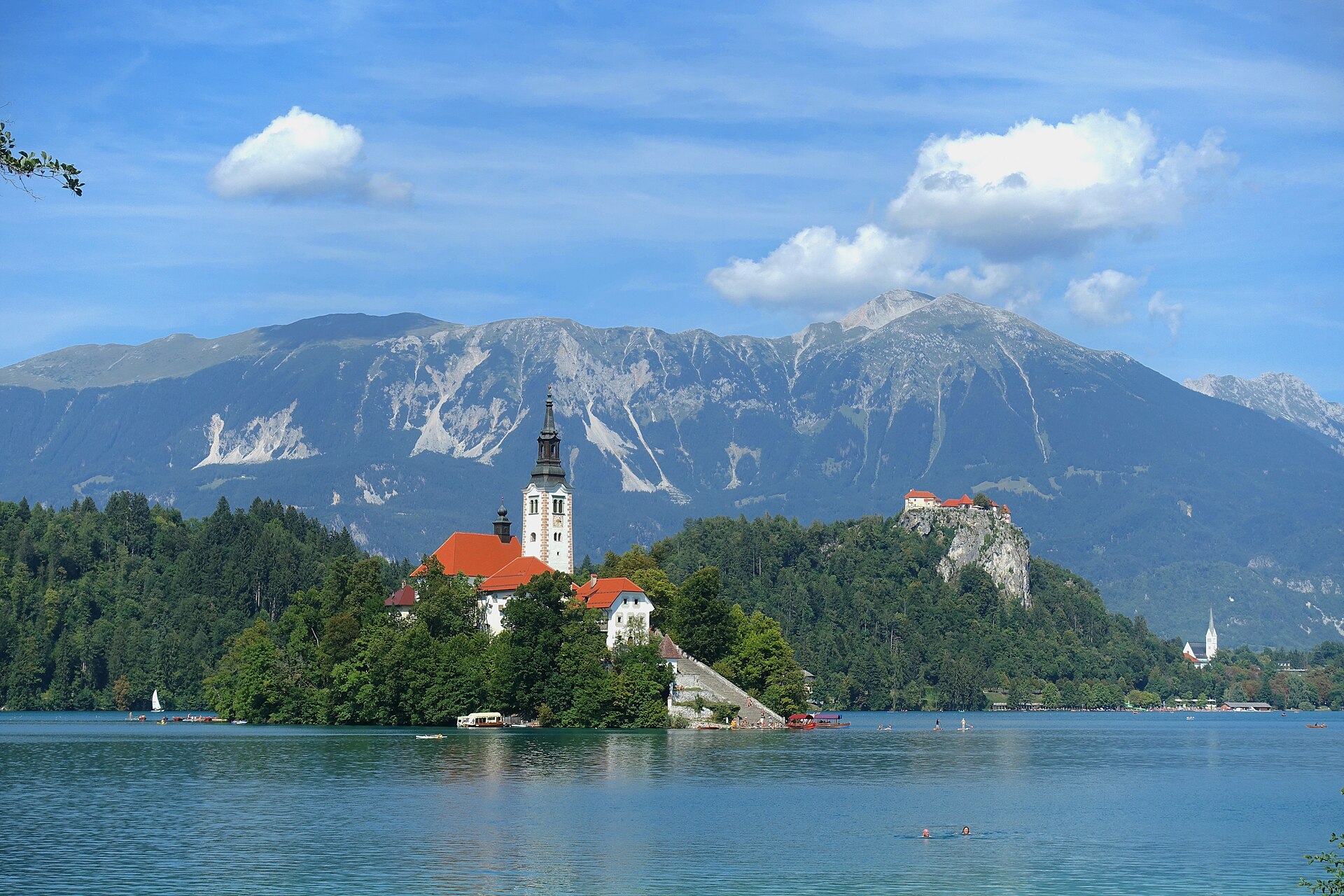
The current Church of the Assumption of Mary (Cerkev Marijinega vnebovzetja) on Bled Island dates primarily from the 17th century, with various subsequent modifications. The church features specific architectural elements: substantial baroque style, distinctive bell tower (52 meters tall), interior frescoes from various periods, and various other specific elements. The church is genuinely active religious site rather than purely museum — Catholic services continue being held at the church.
The famous “wishing bell” (zvon) of the church has specific tradition: visitors who climb the 99 steps from the boat dock to the church can ring the bell three times while making a wish. The cumulative tradition has substantial cultural significance for Slovenian visitors and has been adopted by international tourists. The 99 steps were donated by groom-to-be in 17th century according to local legend — adding specific romantic significance to the wedding ceremonies that occur regularly at the church.
The Pletna Boat Tradition
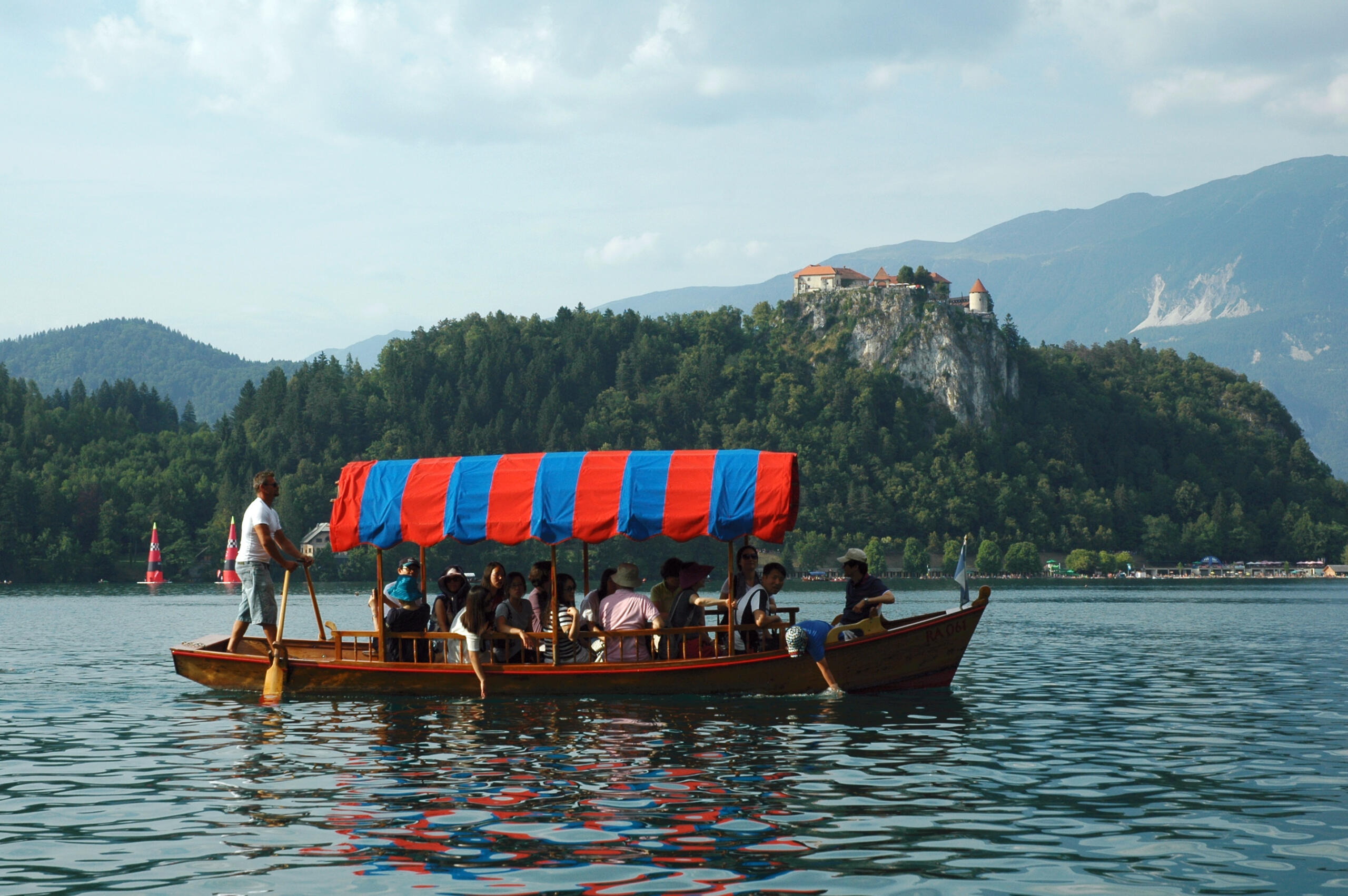
The traditional method of reaching Bled Island is via “pletna” — flat-bottomed wooden rowing boats specifically designed for the lake transport function. Each pletna can carry up to 20 passengers. The boats are propelled through specific stand-up rowing technique by skilled “pletnar” (boatmen) who use long oars with specific technique. The pletna tradition has continued essentially unchanged since approximately 1590.
Modern pletna operation is substantially regulated. Approximately 23 specific families hold designated pletna rights for Lake Bled island transport. The rights have been hereditary since 1740 when Empress Maria Theresa formally granted exclusive transport rights to specific families. The rights pass through generations within these specific families. New families essentially cannot enter the pletna business — the system maintains specific traditional structure that has persisted across approximately 285 years despite various modernization pressures.
The Pletna Boat Construction
Each pletna is hand-built using specific traditional methods. The boats measure approximately 7 meters long and 2 meters wide. Construction uses specific traditional materials and techniques — wooden construction with specific waterproofing methods, distinctive flat-bottom design, traditional decorative elements (typically including specific painted patterns and roof canopy). Each boat takes approximately one year to build using traditional methods.
The construction is performed by specific traditional builders — approximately 3-4 master craftsmen continue producing pletnas in 2026. Various other boat repair specialists maintain existing pletnas. The cumulative craft tradition continues essentially unchanged from earlier centuries despite various technological alternatives that could substantially modify production methods. The cumulative commitment to traditional construction reflects broader Slovenian commitment to maintaining specific traditional elements of Bled tourism rather than modernizing for efficiency alone.
How Pletna Trips Actually Work
Practical guidance for travelers planning pletna trips. Pletnas operate from multiple departure points around the lake — typically the Mlino harbor area provides most departures. Round-trip cost: approximately €18 per person. The total trip including transit each way plus 30-40 minutes on the island typically takes approximately 90 minutes. Larger groups may charter entire pletnas for private trips.
The trips typically operate from approximately 9 AM to 6 PM during summer season, with reduced winter schedules. Booking in advance isn’t typically required during shoulder seasons but may be advisable during peak summer periods. Most international tourists experience pletna trips as part of broader Lake Bled visits. The cumulative pletna experience provides specific traditional element that mainstream lake tourism elsewhere has substantially eliminated. Various lake tourism elsewhere has substantially shifted to motorized boats; the Bled commitment to traditional pletnas represents specific cultural choice rather than technological limitation.
Bled Castle on the Mainland
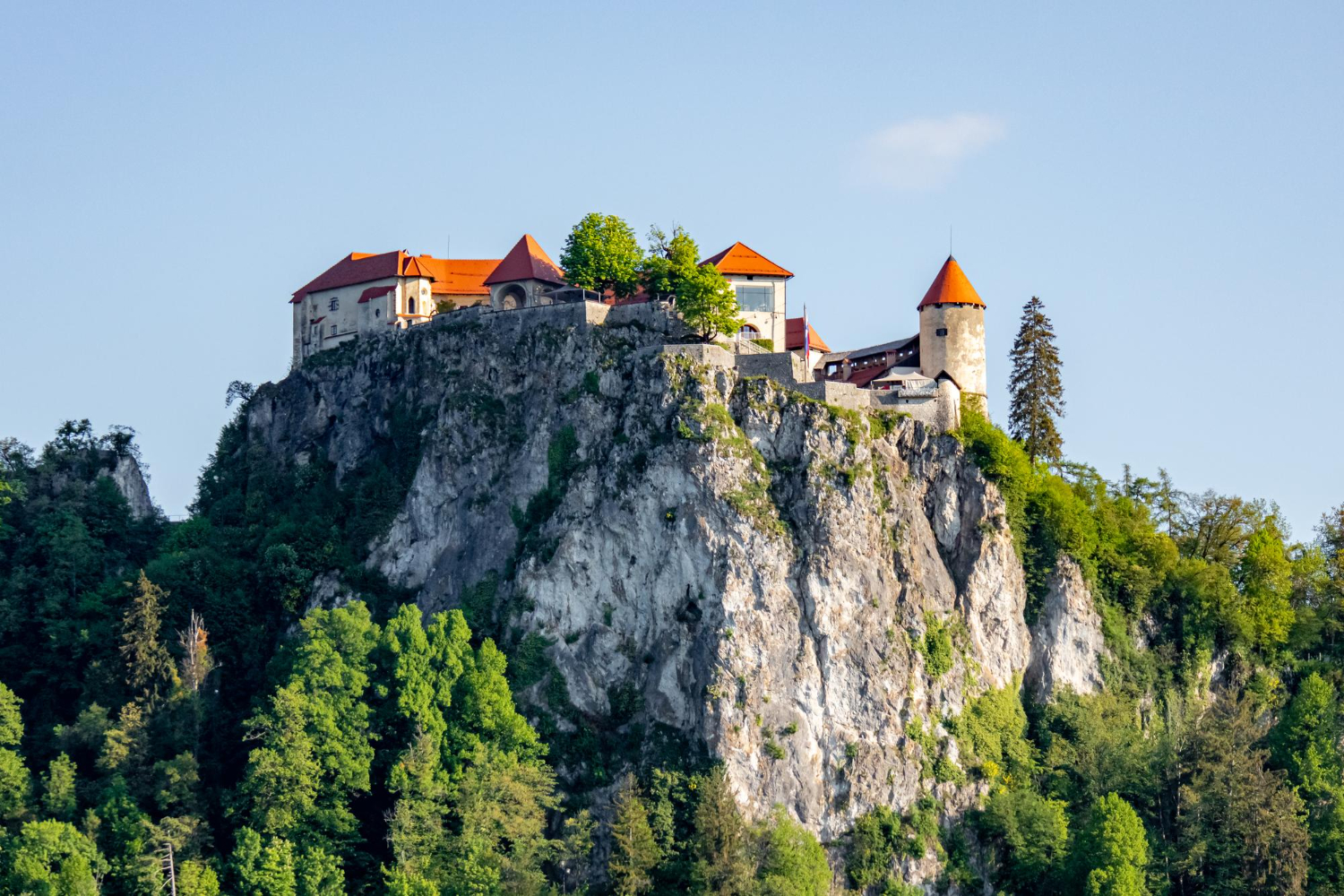
Beyond the island church, Lake Bled features substantial mainland tourism including Bled Castle (Blejski grad). The castle sits on a 130-meter cliff overlooking the lake, providing dramatic views of the entire lake basin including the island. The castle is one of the oldest in Slovenia — first mentioned in historical records in 1011 CE under the rule of Emperor Henry II. Various subsequent owners have modified the structure across approximately 1,000 years.
The castle currently functions as substantial museum complex with various exhibits covering local history, medieval life, traditional Slovenian crafts, and various other topics. The castle restaurant provides one of the most distinctive dining experiences in Slovenia, with substantial views and specific traditional Slovenian menu offerings. Most Lake Bled visitors include castle visits in their itineraries — the cumulative castle plus island plus lake walking tour requires approximately full day for substantial experience.
The Bled Cream Cake Tradition

A specific food tradition associated with Lake Bled: the Bled cream cake (kremšnita or kremna rezina). The cake originated at Hotel Park in Bled in 1953 and has become substantial local culinary specialty. The specific construction includes: layer of puff pastry, layer of vanilla custard cream, layer of whipped cream, top layer of puff pastry with powdered sugar dusting. The cumulative dimensions are specific — Bled cream cakes are essentially square (approximately 7×7 cm) rather than rectangular.
The original Hotel Park recipe is substantially protected. Various other establishments produce similar cakes but the original venue continues being substantial cumulative attraction. Annual production at Hotel Park reportedly exceeds 1.5 million cakes. The cumulative cream cake tradition provides specific food tourism element that complements the historical and natural attractions. Most Lake Bled visitors specifically seek out cream cake experience as part of their overall visit.
The Surrounding Region
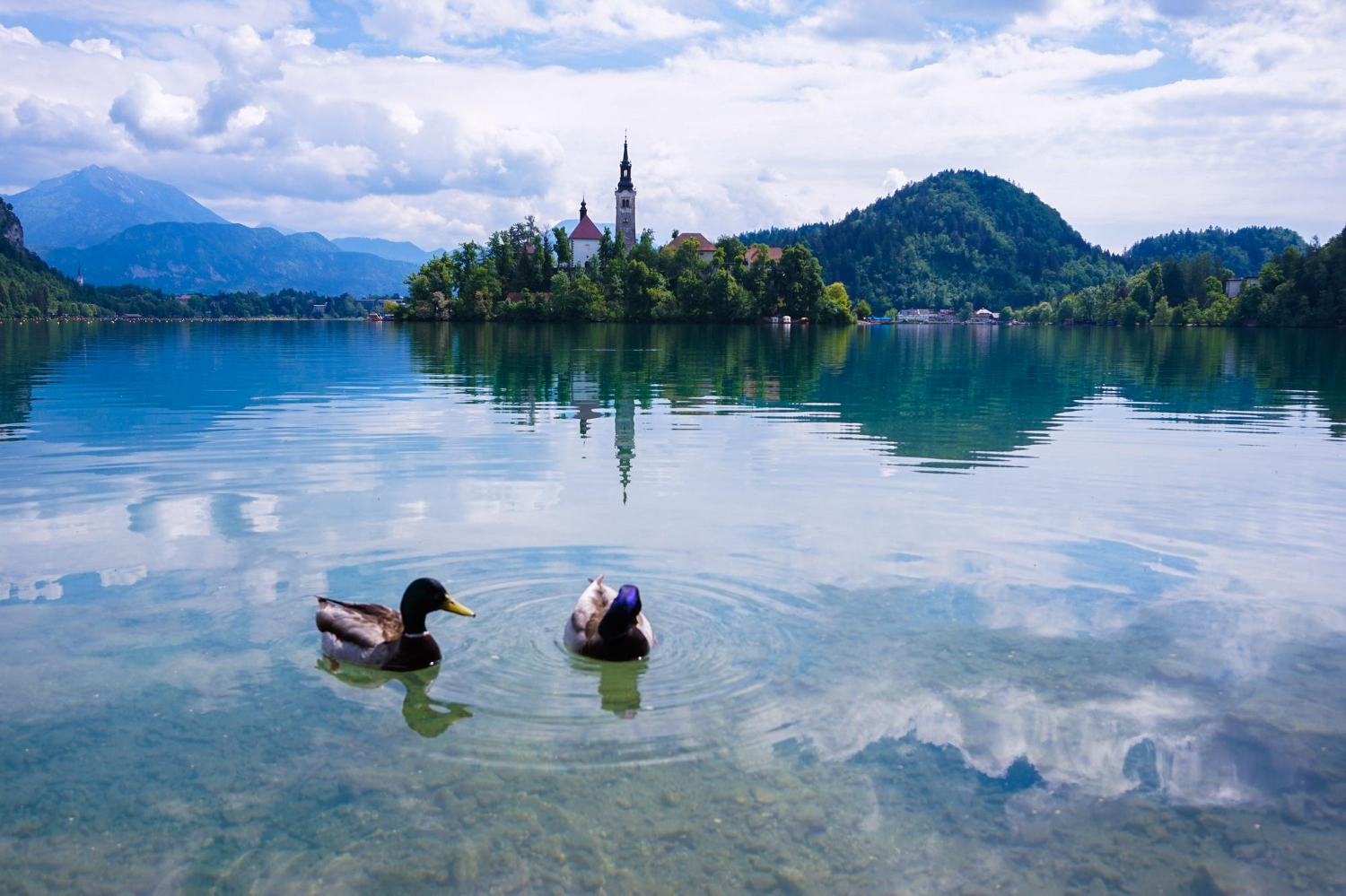
Beyond Lake Bled itself, the surrounding region offers substantial additional tourism opportunities. Lake Bohinj (Slovenia’s largest lake) sits approximately 30 km away — substantially less developed than Bled, providing more wilderness atmosphere. Vintgar Gorge offers spectacular hiking through narrow river gorge with waterfalls. Triglav National Park (Slovenia’s only national park) covers substantial portion of the surrounding Julian Alps with various hiking and outdoor activities. Various small villages throughout the region offer authentic Slovenian rural experience.
Most Lake Bled visitors include broader Slovenian Alpine region exploration in their travel plans. Multi-day trips of 3-7 days enable substantial regional experience beyond just Lake Bled itself. Slovenia is genuinely small (approximately 20,273 square kilometers) so substantial regional travel is logistically straightforward. The cumulative Slovenian Alpine experience provides one of the more distinctive small-country travel opportunities in Europe.
What Lake Bled Actually Represents
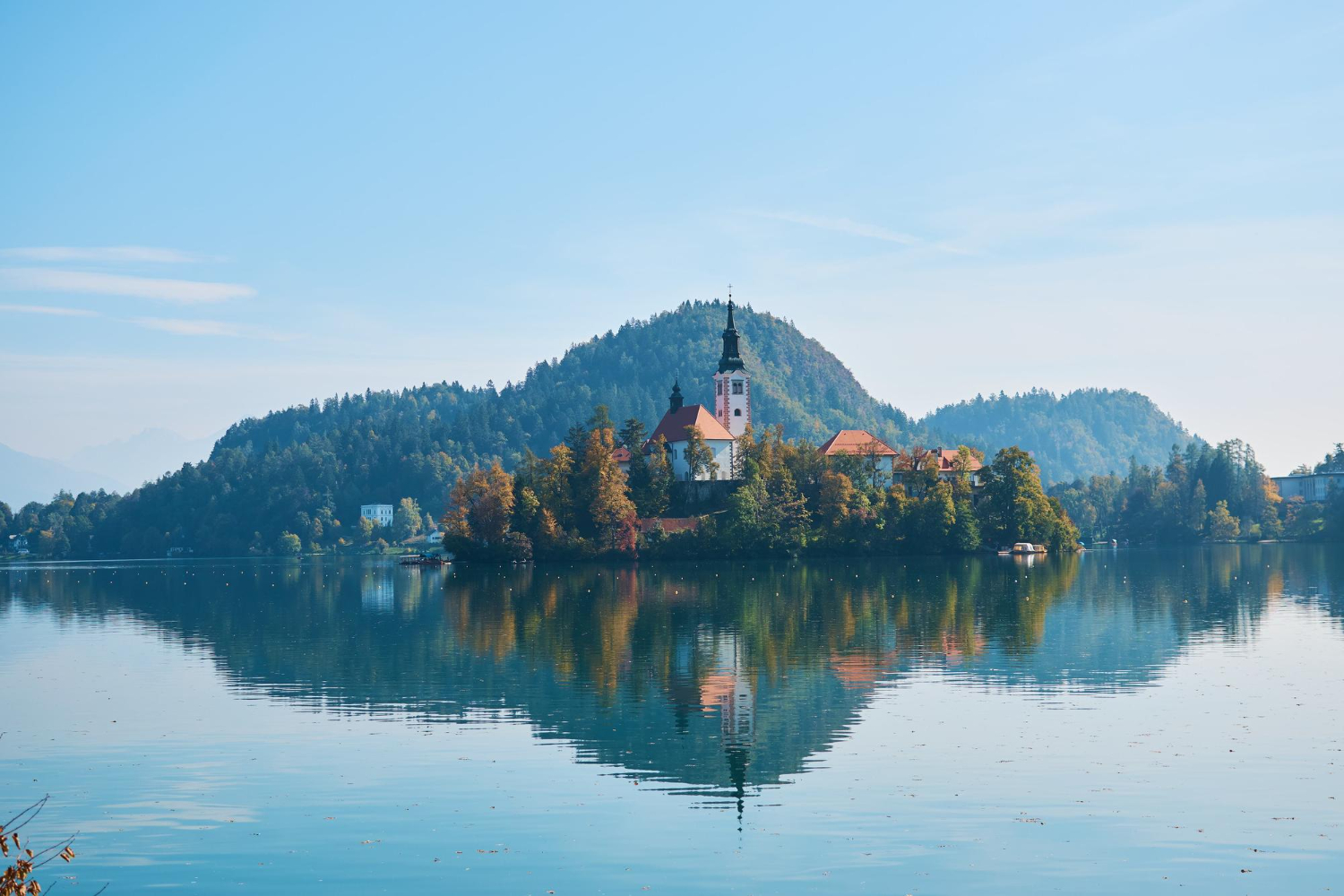
Lake Bled represents specific successful preservation of traditional cultural elements within substantial modern tourism context. The island church, the pletna boats, the traditional craftsmanship, the cream cake tradition, and various other specific elements continue essentially unchanged from earlier centuries despite enormous tourism growth that has occurred since Slovenian independence in 1991. The cumulative preservation isn’t accident — it reflects specific Slovenian cultural choices to maintain traditional elements rather than modernizing for efficiency alone. The 23 pletna families could be replaced by motorized boats that would carry more tourists more efficiently. The traditional church could be substantially modified for tourism convenience. Various other elements could be modernized. They haven’t been, and the cumulative result is a destination that offers specific traditional experience that comparable destinations elsewhere in Europe have substantially eliminated. For travelers willing to accept the substantial costs (€18 boat rides, somewhat slow access to island, various other traditional inconveniences) in exchange for genuinely distinctive experience, Lake Bled provides specific value that mainstream European tourism doesn’t typically offer. The cumulative commitment to traditional elements has produced exactly the destination character that draws international visitors — modernization would have made Lake Bled substantially less distinctive and less worth visiting.