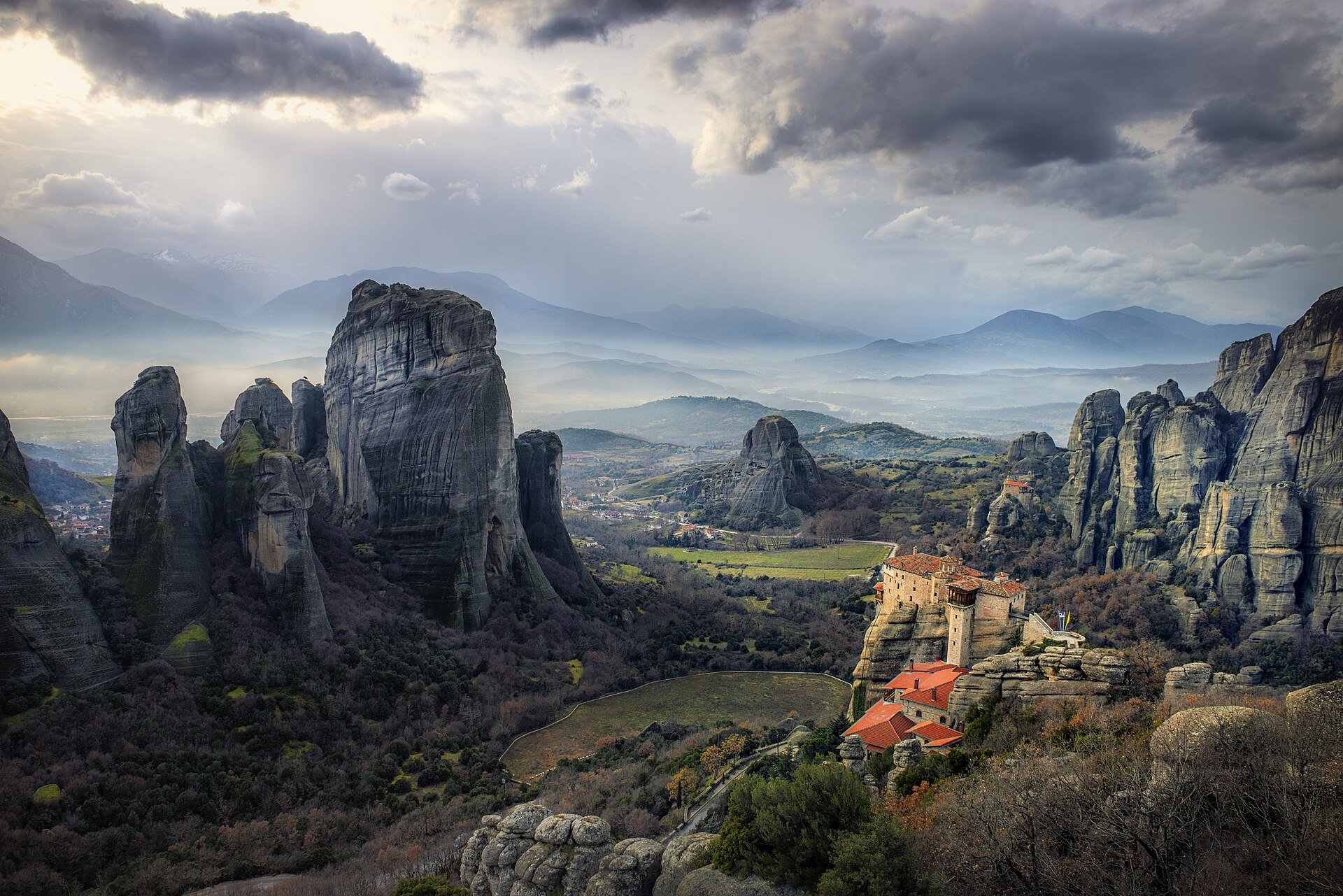
Meteora in central Greece features six functioning Greek Orthodox monasteries built atop dramatic sandstone rock pillars rising 400+ meters above the surrounding plain. From the 14th century until approximately the 1920s, the only way to reach the monasteries was via removable ladders or being hoisted up in nets and baskets by rope. The basket system specifically tested faith — ropes were reportedly only replaced “when the Lord let them break.” Stone stairs were carved into the rock during the 1920s, transforming access. The Meteora monasteries became UNESCO World Heritage site in 1988.
1: Rocks Suspended in the Air
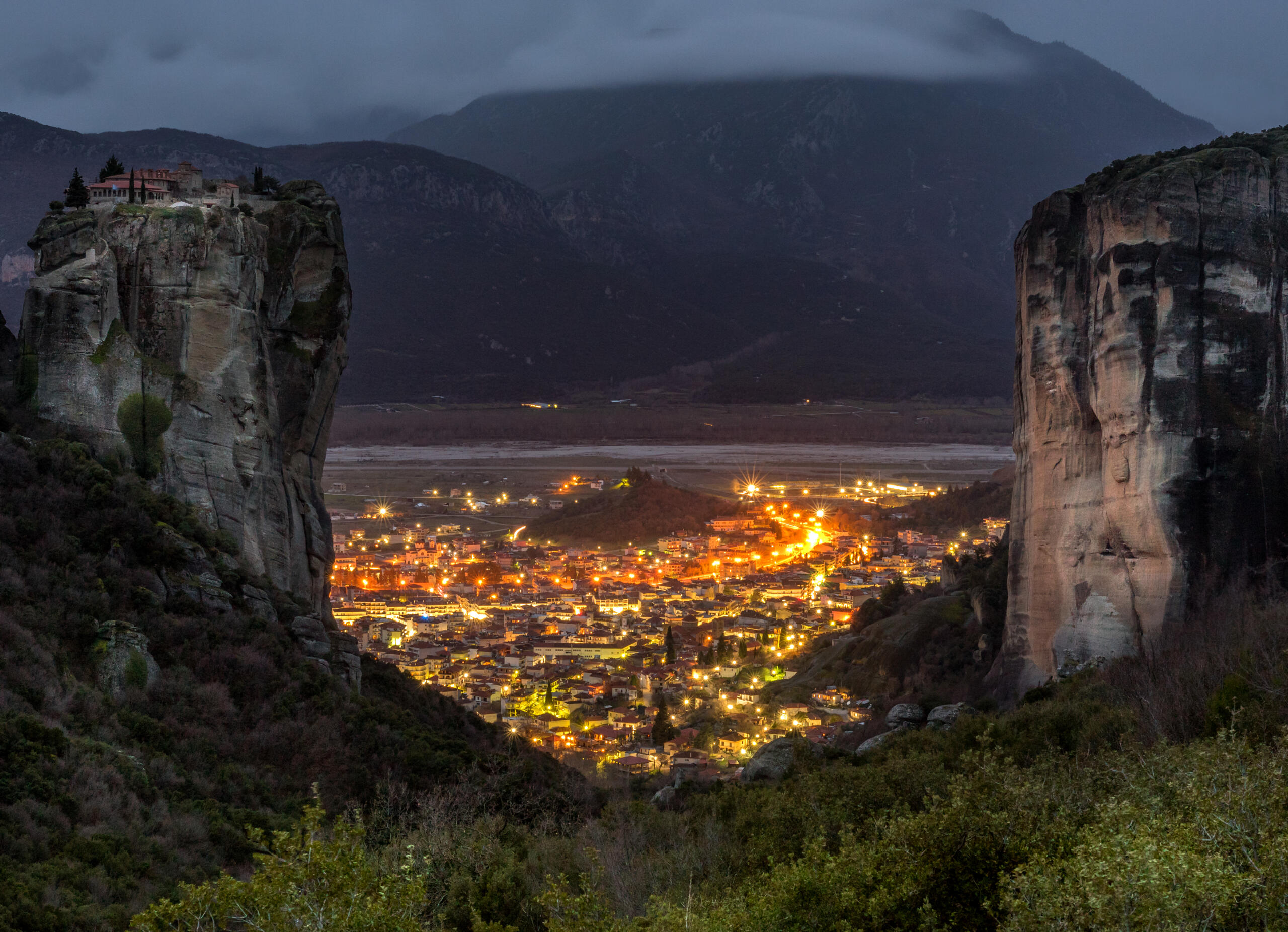
Meteora sits in central Greece’s Thessaly region, near the town of Kalambaka, approximately 350 km from Athens. The name “Meteora” derives from Greek and means “suspended in the air” — substantial geological description for the rock formations that rise dramatically 400+ meters above the surrounding plain. The sandstone and conglomerate rock pillars formed approximately 60 million years ago through tectonic activity and subsequent erosion.
2: The Hermit Origins
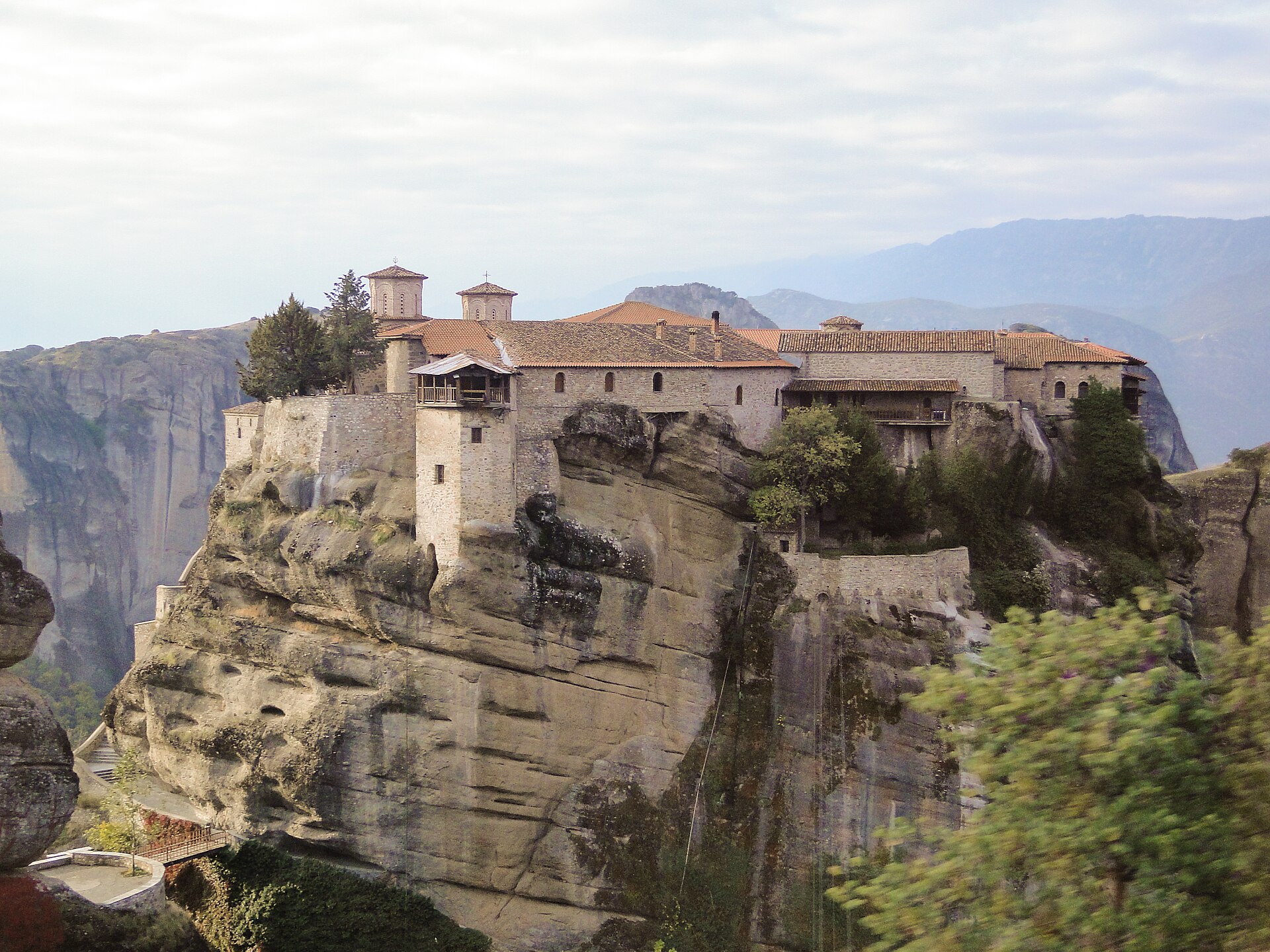
The cumulative monastic tradition began in the 11th century when hermit monks occupied caves in the Meteora rock formations seeking spiritual isolation. Various scattered hermits gathered weekly at the chapel of Doupiani for Sunday services before more organized monastic development began. The cumulative pattern of cave-based hermit life persisted approximately 300 years before substantial monastery construction.
3: The 14th-Century Construction
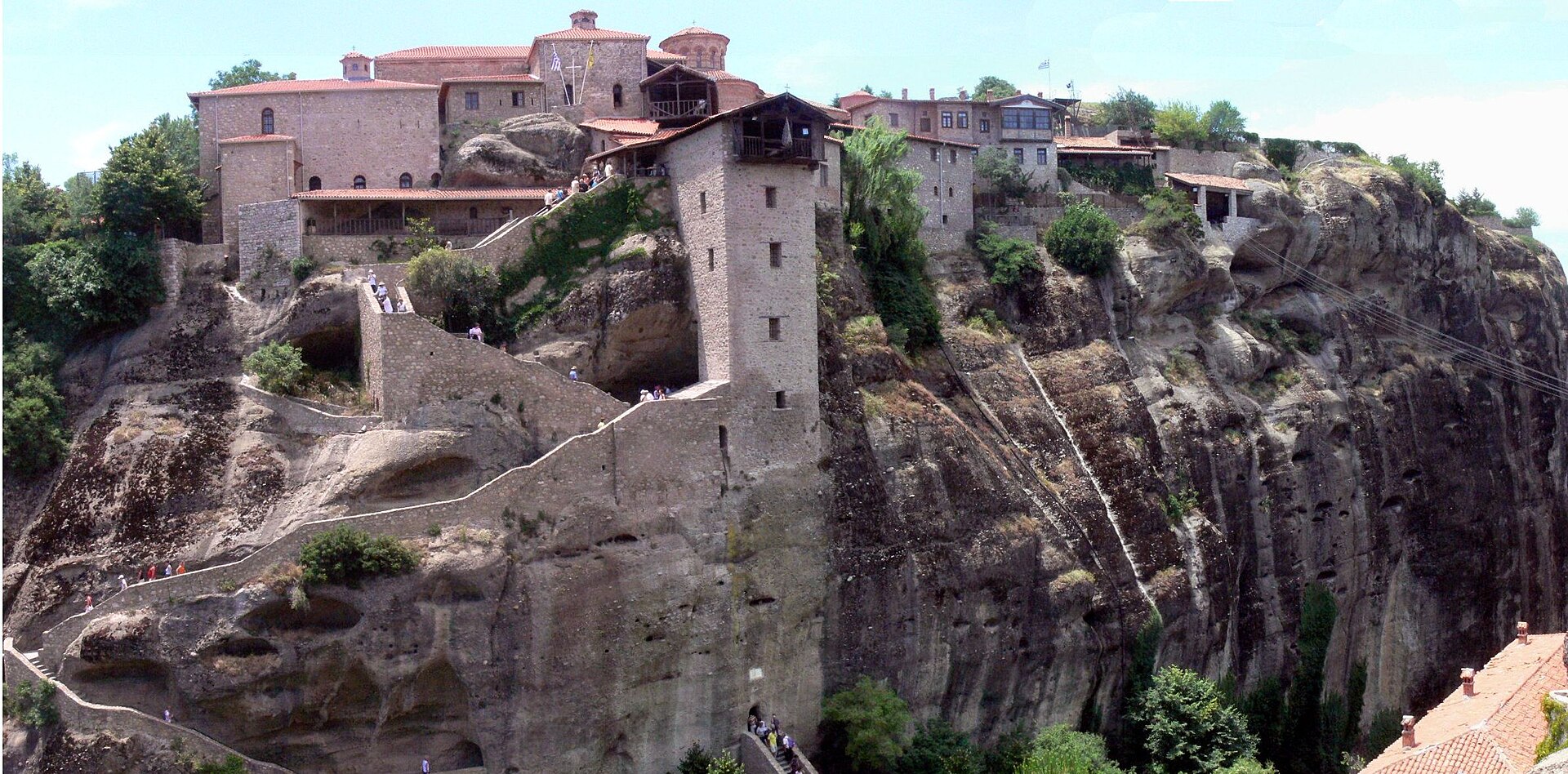
Monastery construction began substantially in the 14th century. Saint Athanasios established the Great Meteoron (the largest monastery) by climbing the second-highest rock and establishing the foundation. Various subsequent monasteries followed across the 14th-16th centuries during the cumulative Ottoman expansion threat. The cumulative monasteries served as refuge from Turkish raiders who substantially controlled surrounding regions.
4: The Peak of 24 Monasteries
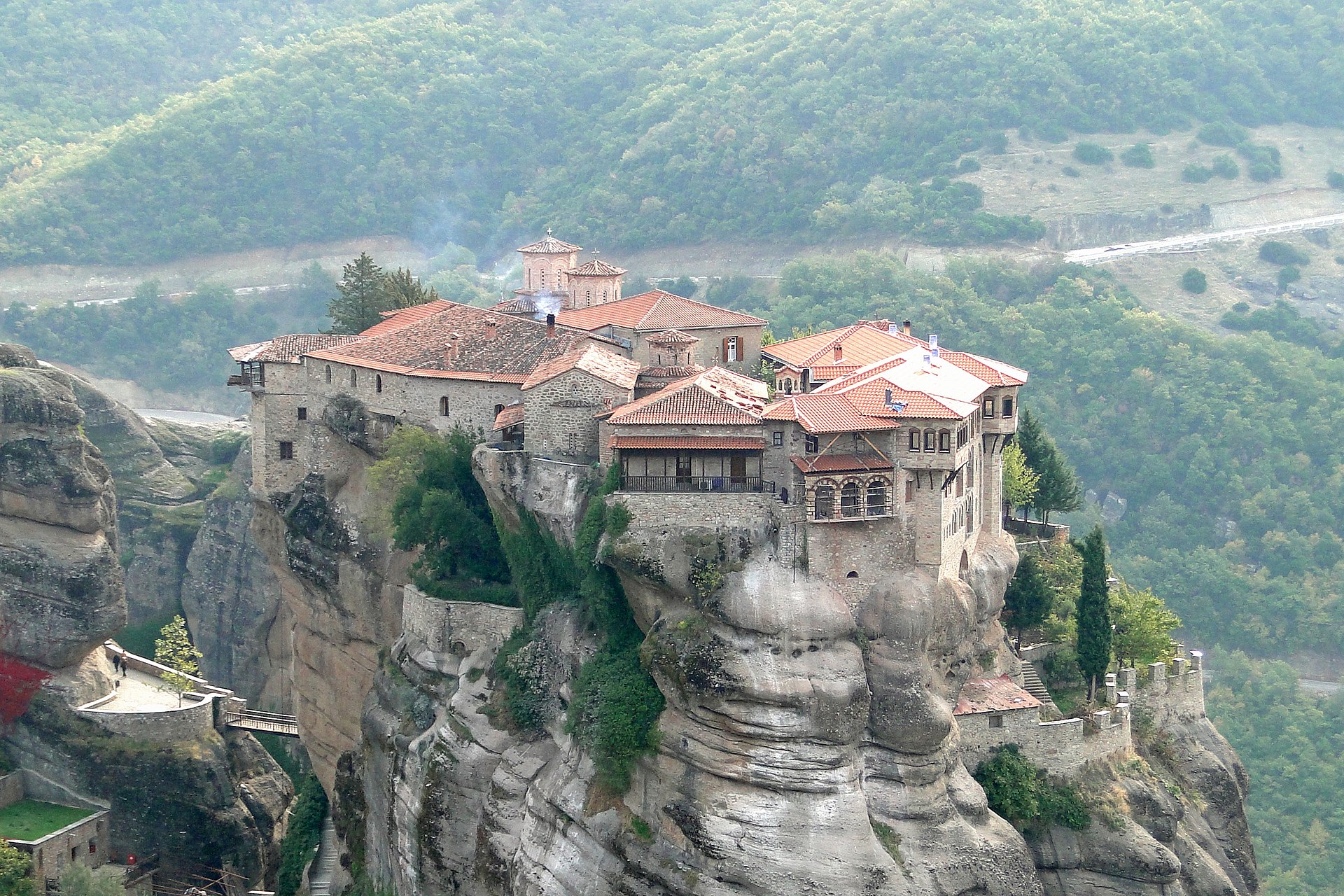
By the 16th century, 24 monasteries operated across the Meteora rocks. Various specific monasteries served different monastic communities with somewhat different theological emphases. The cumulative monastic population at peak included substantial numbers of monks and various nuns. Each monastery operated as essentially independent community with specific governance, traditions, and theological focus.
5: The Basket and Rope Access
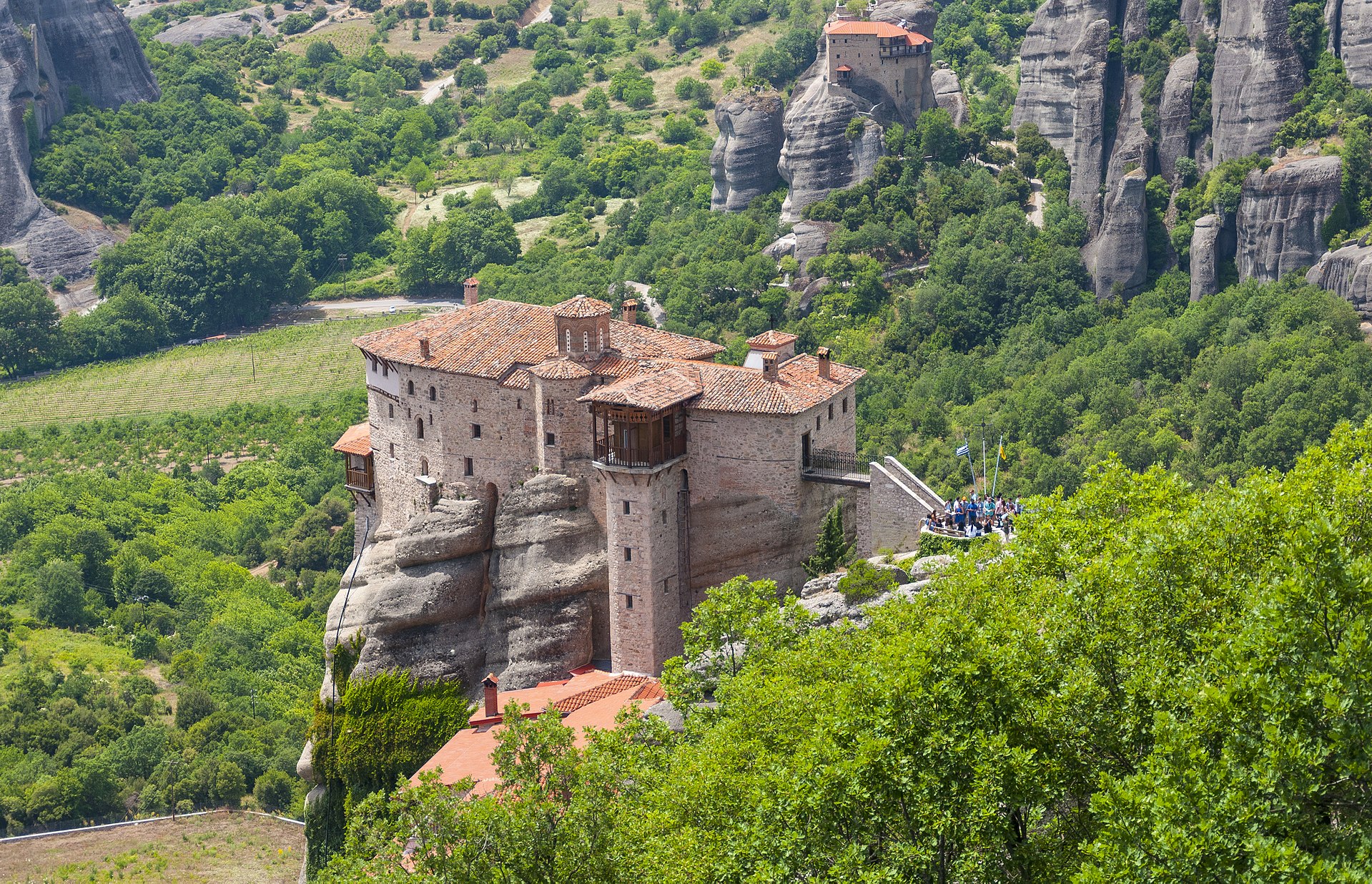
For approximately 600 years, access to the monasteries required substantial physical danger. Monks and visitors were hoisted up in nets or baskets attached to ropes, drawn up by monks at the top using winches. Wooden ladders up to 40 meters long provided alternative access for those willing to make the substantial climb. Various supplies, materials, and visitors all moved up via the cumulative rope-and-basket system.
6: The Faith-Testing Rope Tradition
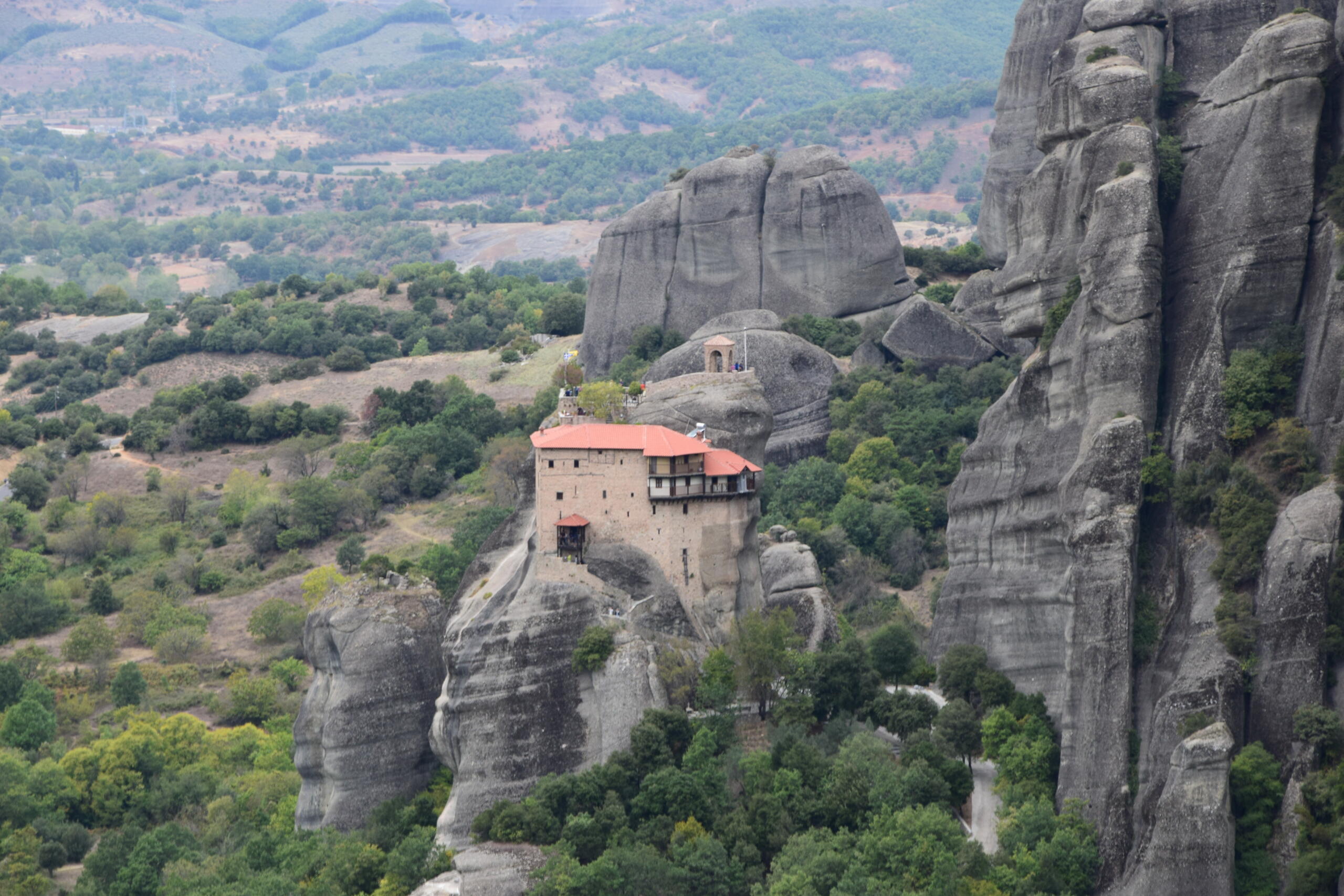
A specific cumulative tradition: monastery ropes were only replaced “when the Lord let them break.” Various visitors describe substantial anxiety during basket ascents knowing the cumulative rope policy. The cumulative faith requirement meant that visitors using the basket system substantially trusted divine protection for their safe transit. Various visitor accounts across centuries describe substantial spiritual experiences during the cumulative dangerous ascents.
7: The 1920s Stairs
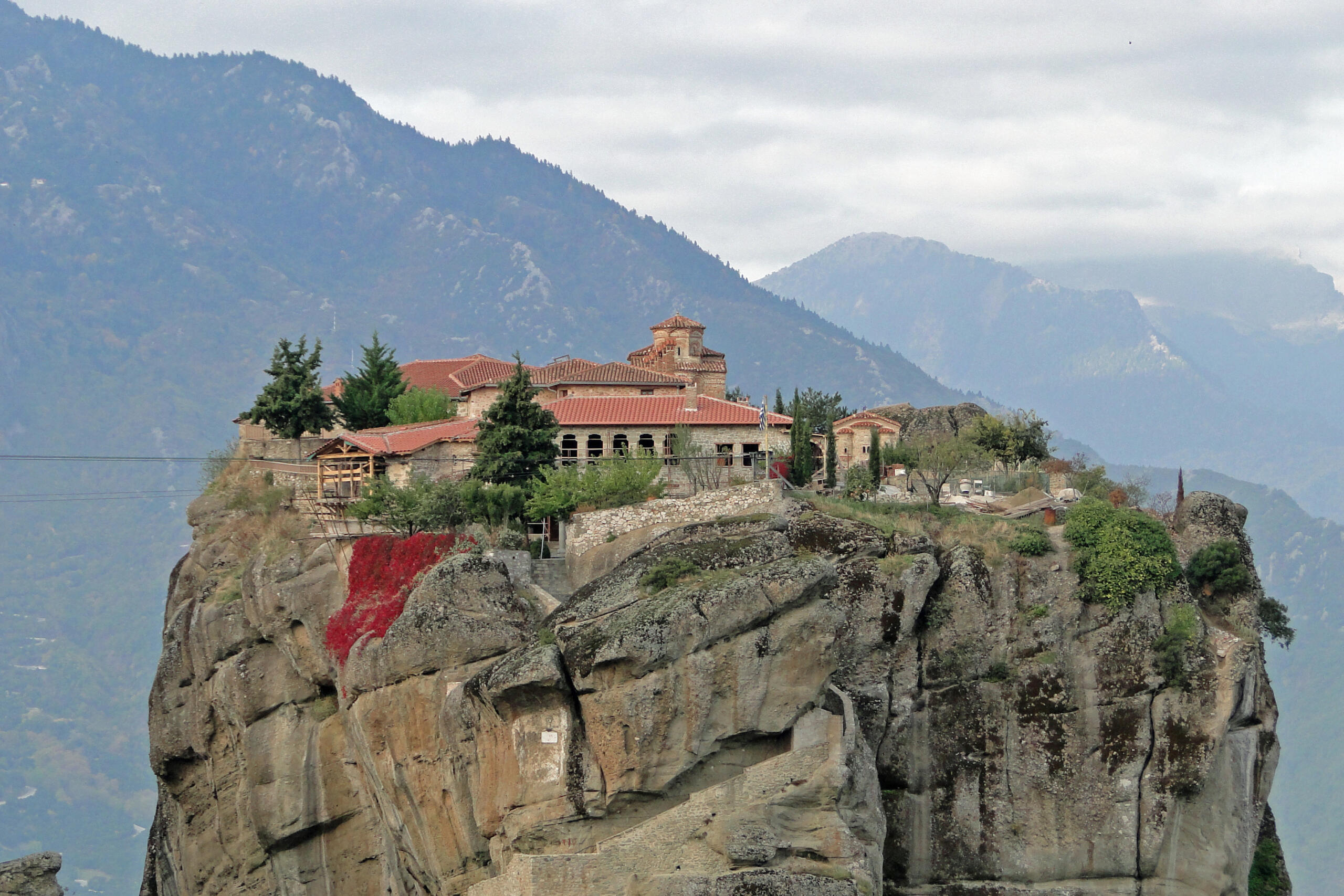
In the 1920s, substantial improvements transformed monastery access. Steps were carved directly into the rock, making access available via stairs and bridges from nearby plateaus. The cumulative transformation substantially democratized monastery access — previously restricted to those willing to use the basket system, the monasteries became accessible to substantial visitor numbers. Various other improvements (electricity, bridges, modest road access) followed across subsequent decades.
8: The Six Active Monasteries Today
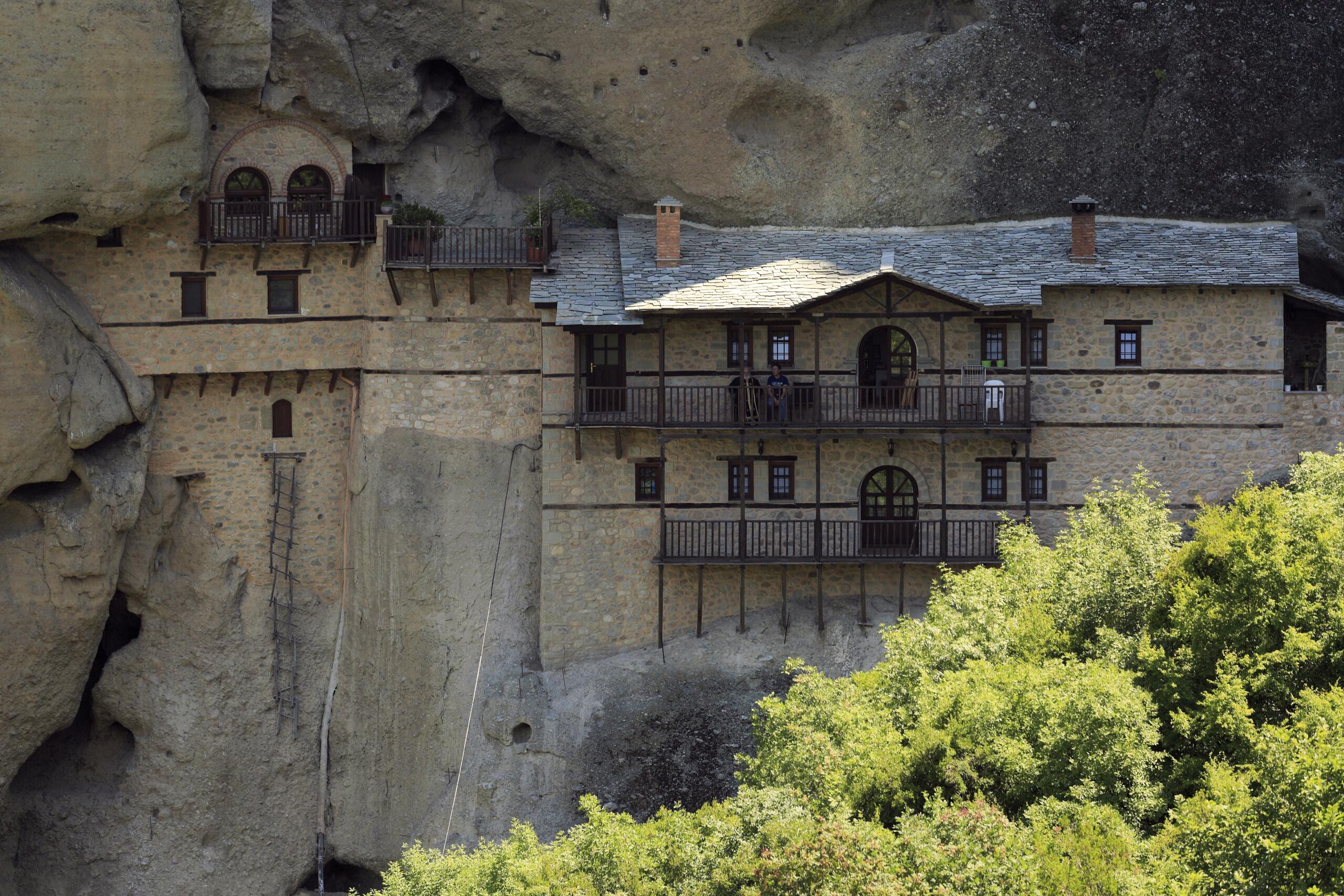
Of the original 24 monasteries, six remain active as of 2026: Great Meteoron, Varlaam, Rousanou, St. Nicholas Anapausas, St. Stephen, and Holy Trinity. Four house male monks; two (Rousanou and St. Stephen) house nuns. Total monastic population: approximately 50 nuns and 17 monks across all six monasteries. The cumulative reduced population reflects substantial decline from peak monastic communities of earlier centuries.
9: The Holy Trinity Movie Fame
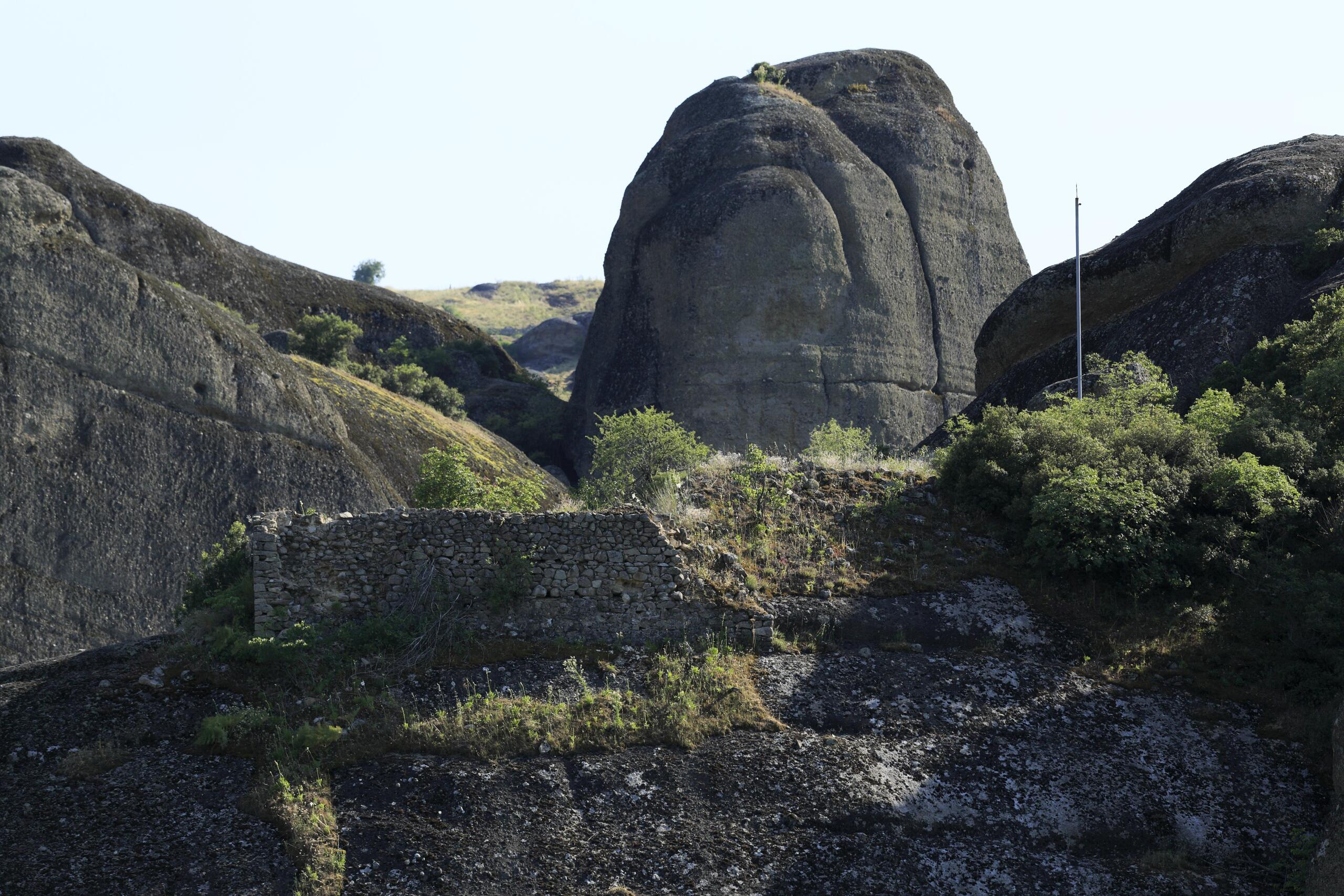
The Monastery of the Holy Trinity gained international fame through the 1981 James Bond film “For Your Eyes Only.” The climactic scene featured Bond ascending the cumulative 400-meter cliff and intruding upon the villain’s hideout. Various other films have featured Meteora monasteries including the 1957 “Boy on a Dolphin” and the 1961 “Tintin and the Golden Fleece.” The cumulative film exposure substantially increased international tourism awareness.
10: The Visiting Reality
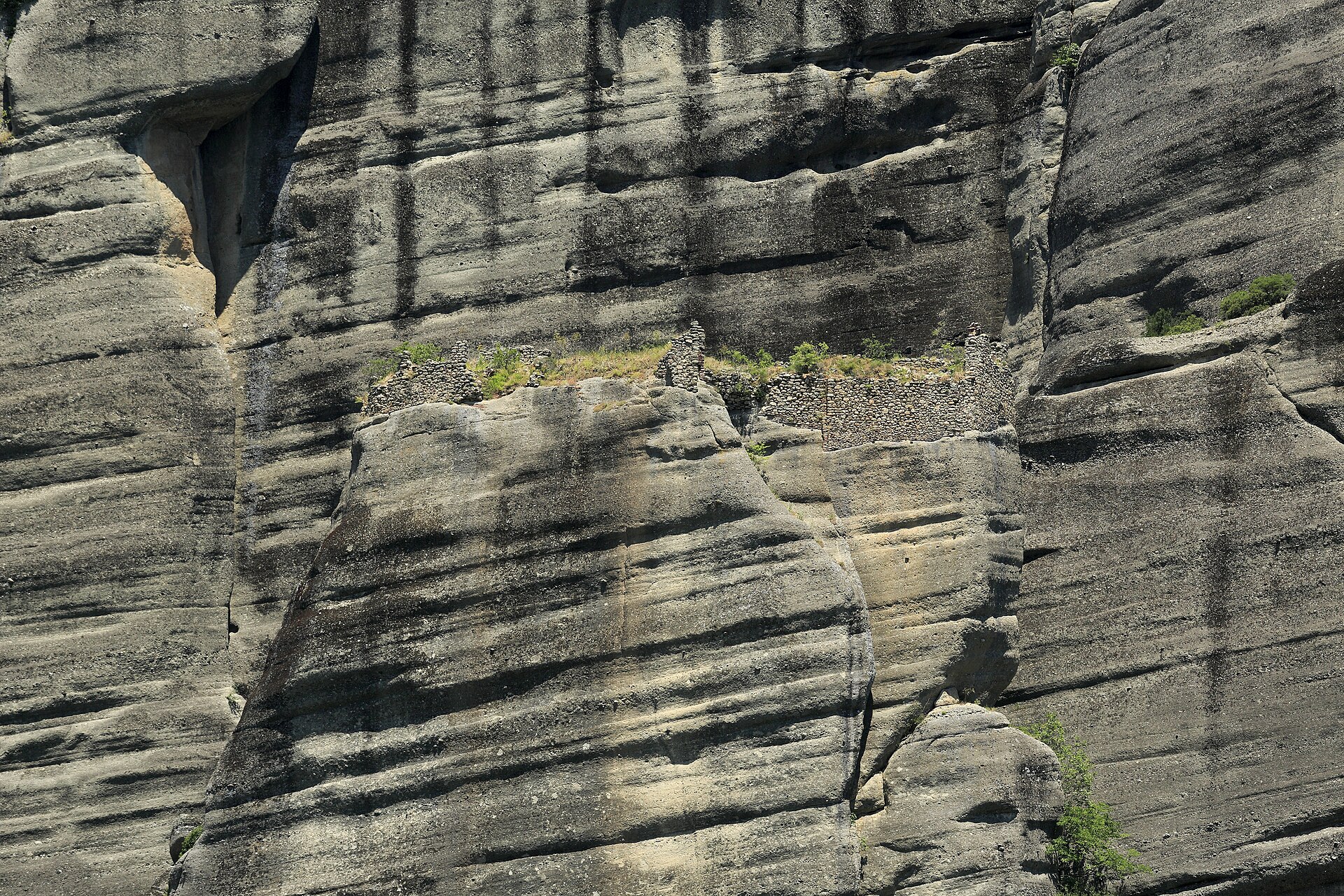
Modern visitors access monasteries via substantial stone stairways (typically 100-300 steps per monastery). Dress codes are strictly enforced: women must wear skirts (provided at entrance if needed), shoulders must be covered, modest clothing required. Photography rules vary by monastery — interior photography typically prohibited. Visiting all six monasteries requires substantial physical effort and typically requires 1-2 full days for complete tour.
11: The Cumulative Cultural Treasures
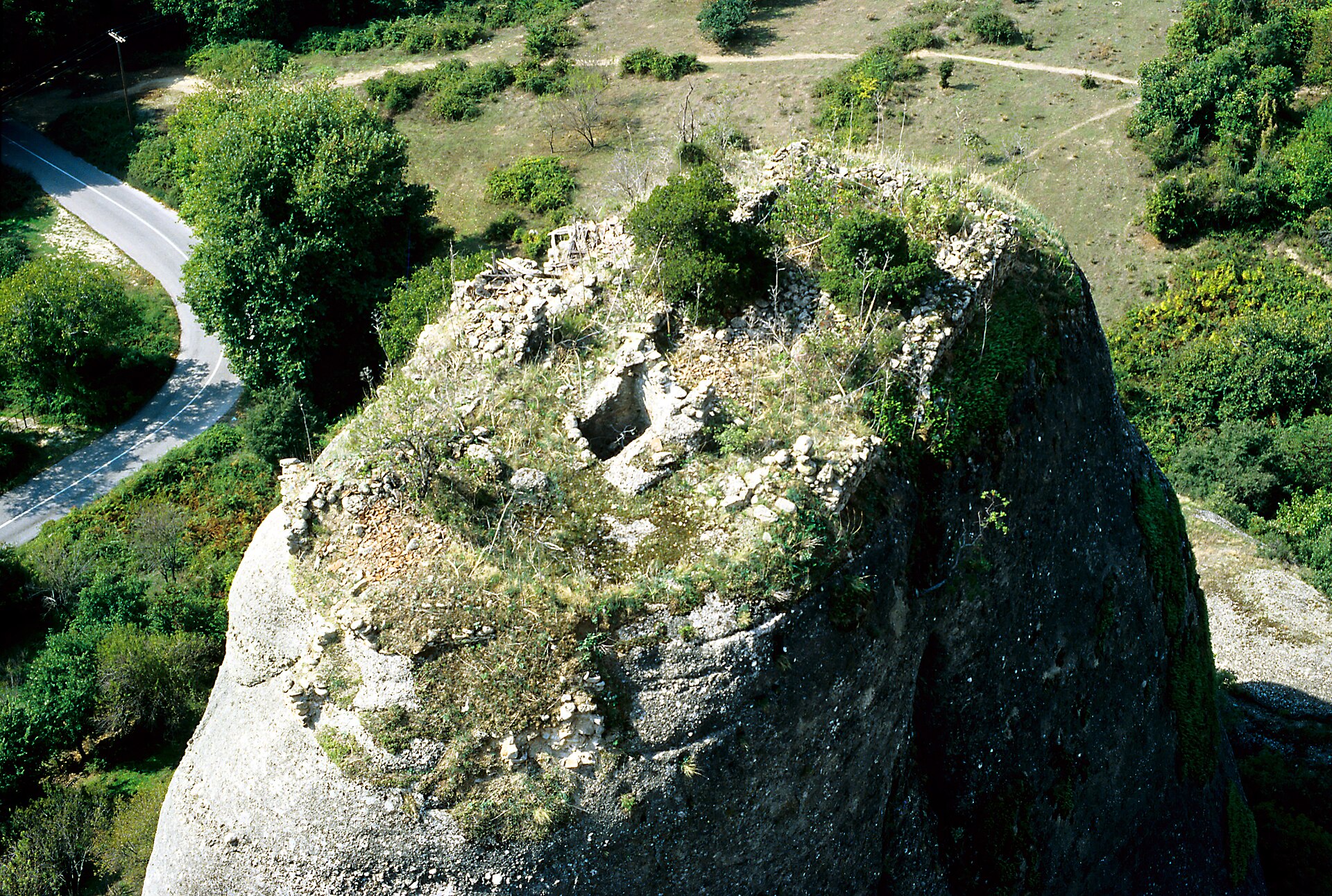
Each monastery houses substantial cultural treasures: Byzantine frescoes (Rousanou’s chapel features substantial 16th-century frescoes from walls to domed ceiling), illuminated manuscripts, religious icons, various sacred relics (Varlaam reportedly houses the finger of St. John and shoulder blade of St. Andrew). Great Meteoron displays skulls of former monastery residents — substantial memento mori tradition that international visitors find genuinely striking.
12: What Meteora Represents
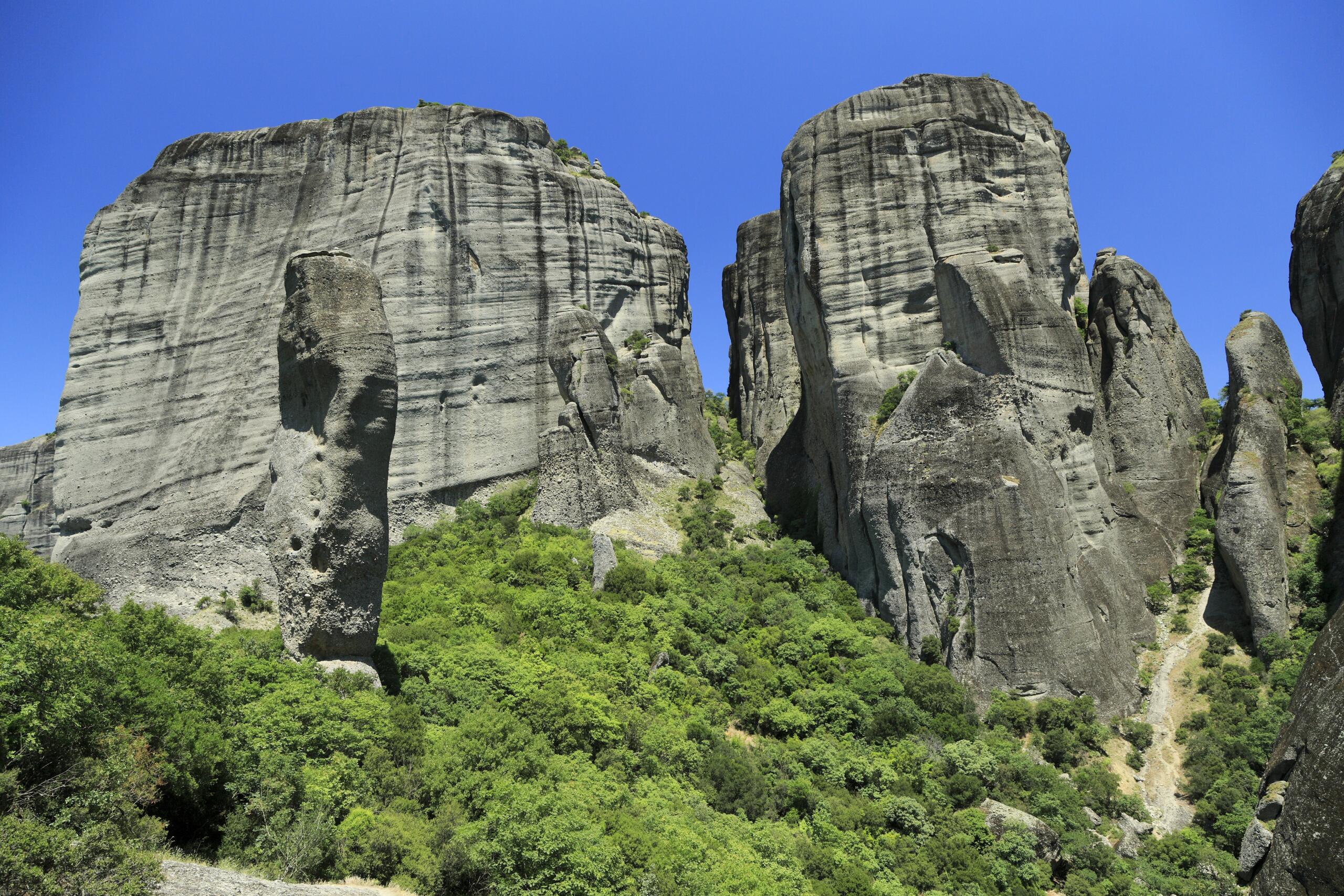
Meteora demonstrates how cumulative religious commitment combined with dramatic natural geography produces substantially distinctive cultural heritage. The cumulative monasteries have survived substantial Ottoman conquest, World War II bombing, modernization pressures, and various other challenges across approximately 700 years. UNESCO World Heritage status (1988) provides substantial preservation framework. The cumulative experience represents specific aspect of Greek Orthodox heritage that mainstream Mediterranean tourism rarely emphasizes despite substantial cultural significance.