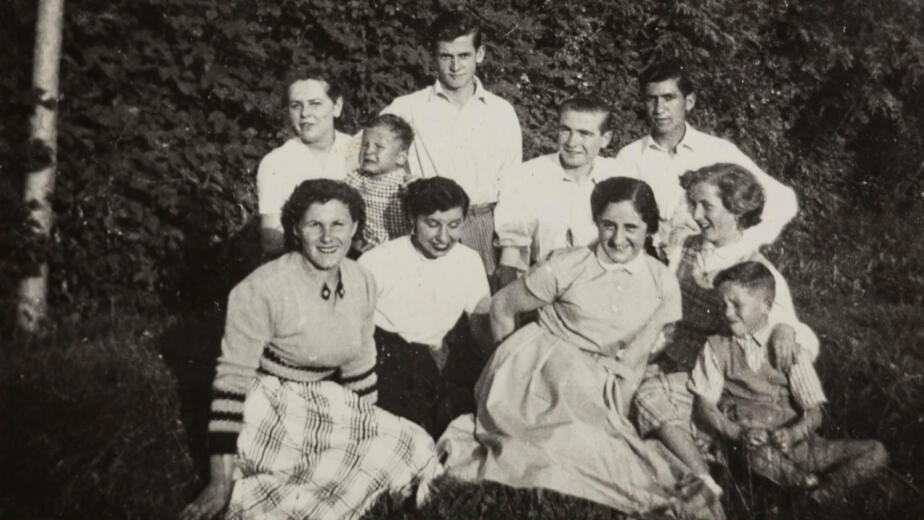
For anyone who grew up in the 1980s, the shopping mall was so much more than a place to buy things, it was the place to be. The enclosed, climate-controlled mall reached its cultural high point in the decade, serving as the social headquarters for a generation of teenagers who spent entire weekends wandering its corridors. You went to the mall to see friends, browse records, play arcade games, grab a snack, and simply hang out. With its fountains, glass elevators, food courts, and anchor department stores, the mall was a self-contained world. Here’s a nostalgic walk through the 1980s shopping mall, the sights, sounds, and rituals of a place that defined teenage culture and that lives on vividly in memory.
The Mall as Town Square
In the 1980s, the mall became the de facto town square for teenagers, a place to gather that was indoors, safe, and free to enter. “Mall rats” spent hours, even whole days, roaming the corridors with friends, with shopping often beside the point. The real purpose was social: to see and be seen, to run into classmates, to flirt, and to belong. Parents could drop kids off and pick them up later, giving teens a rare sense of independence within a controlled environment. The mall offered everything in one climate-controlled space, regardless of the weather outside. This role as a communal gathering place, more than its retail function, is what made the eighties mall such a central and beloved fixture of the decade’s youth culture.
Like our content? Follow us for more.
The Food Court
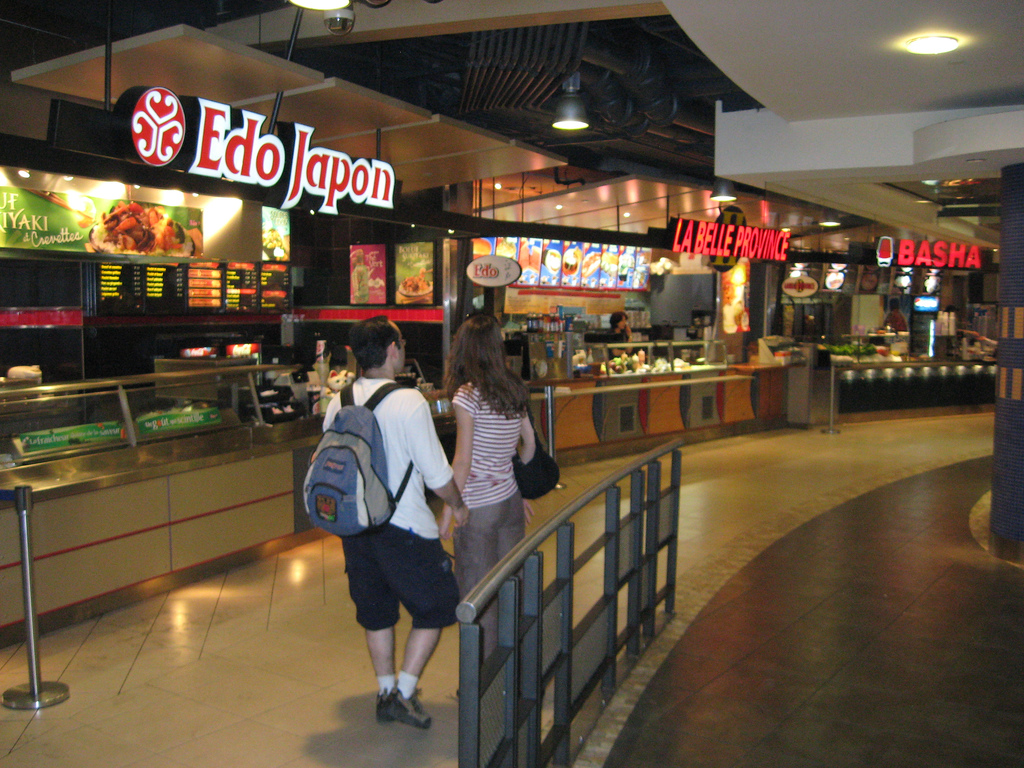
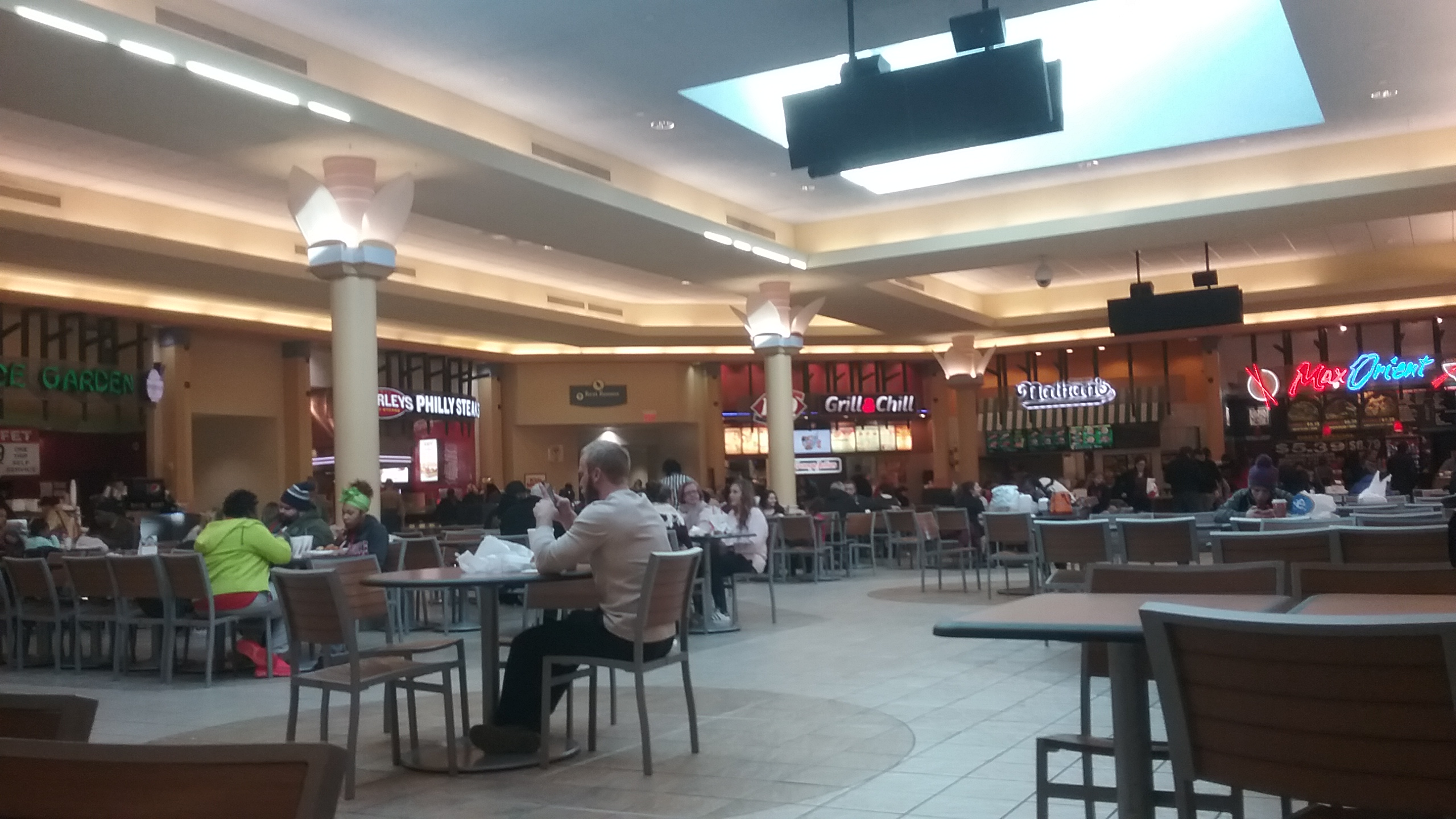
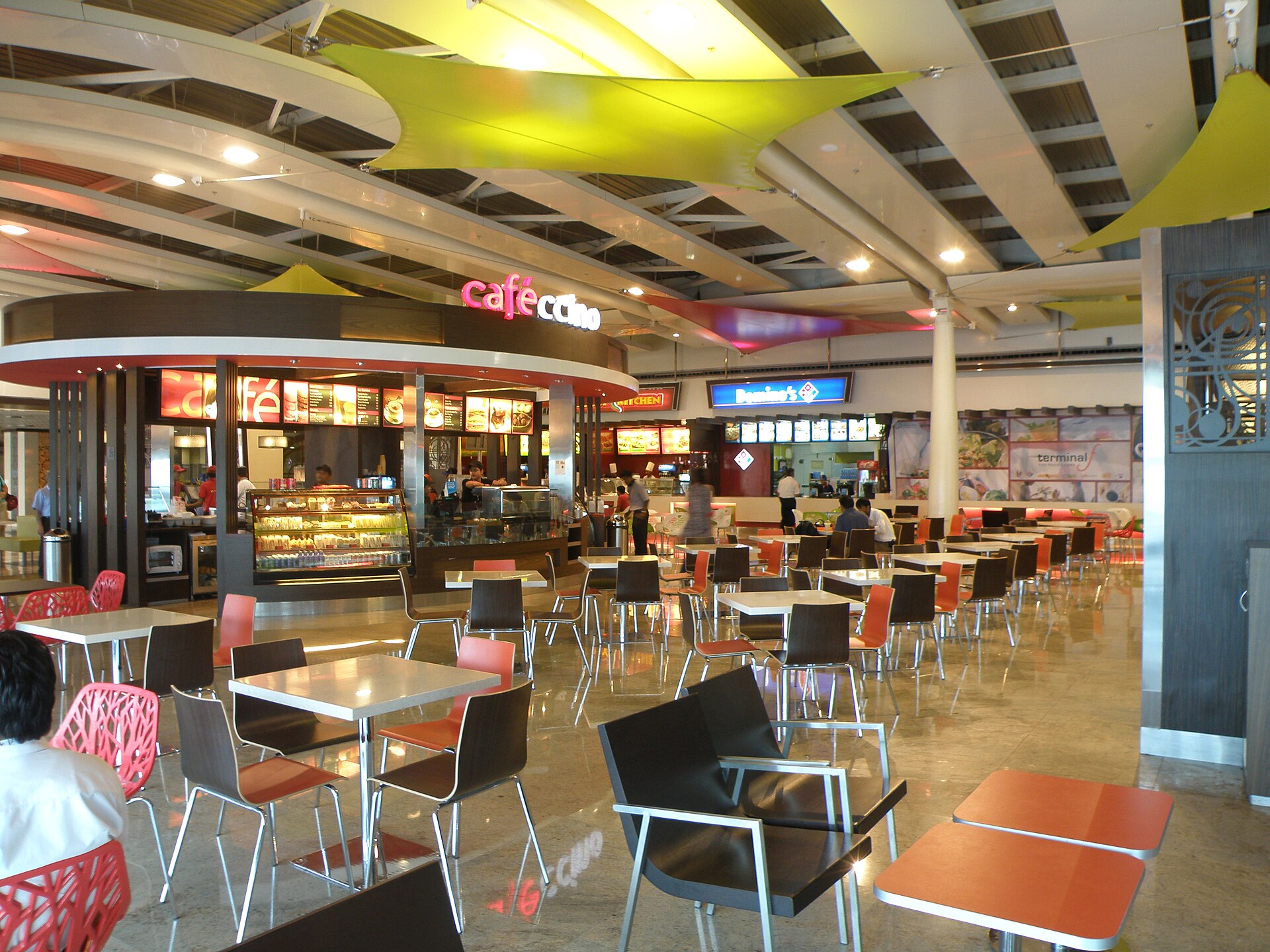
At the heart of the mall experience was the food court, a busy hub where hungry shoppers and hangout-seeking teens converged. Ringed by counters serving everything from pizza slices and burgers to Chinese food, pretzels, and cookies, the food court offered a world tour of casual eats under one roof. The legendary Orange Julius stand, with its frothy blended drinks, was a particular favorite, as were the giant cinnamon rolls and the soft pretzels. Plastic trays in hand, friends would claim a table and settle in to eat, talk, and watch the crowds go by. The food court was the social and culinary center of the mall, a place to refuel and regroup, and its particular mix of smells and sounds is etched into eighties memory.
The Arcade
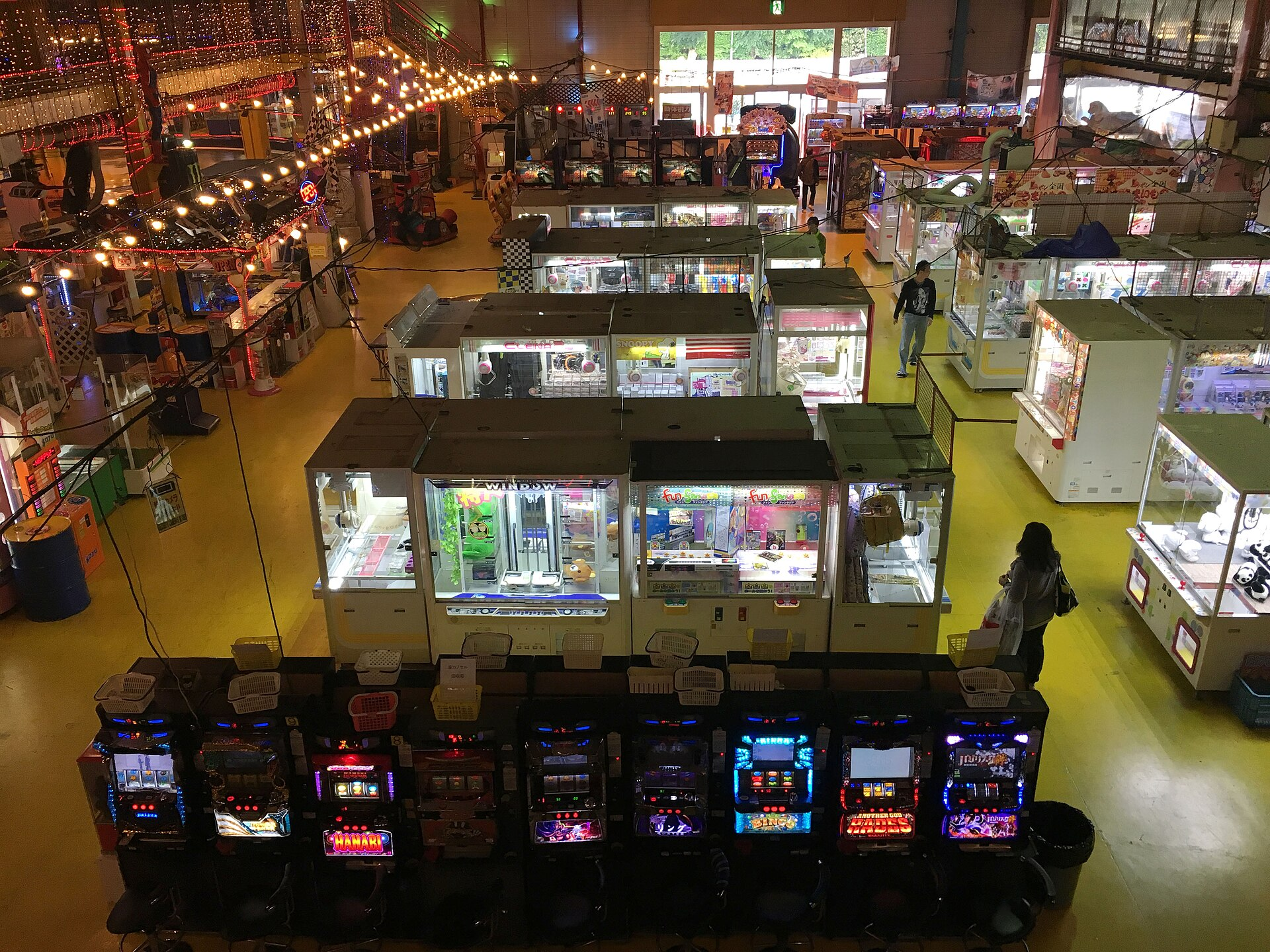
Tucked somewhere in nearly every eighties mall was a dark, neon-lit arcade, humming and beeping with the sounds of the era’s video games. For kids and teens, the arcade was a magnet, a place to feed quarters into cabinets, chase high scores, and show off your skills to a gathered crowd. The arcade boom of the early eighties made these spaces enormously popular, and the best players became local legends, their initials immortalized atop the high-score screens. Beyond the games, the arcade was a social hangout, a place to meet up and compete. The glow of the screens, the clatter of buttons, and the jingle of quarters defined the eighties arcade. It was an essential stop on any mall outing and a beloved corner of the decade’s youth culture.
Record and Music Stores
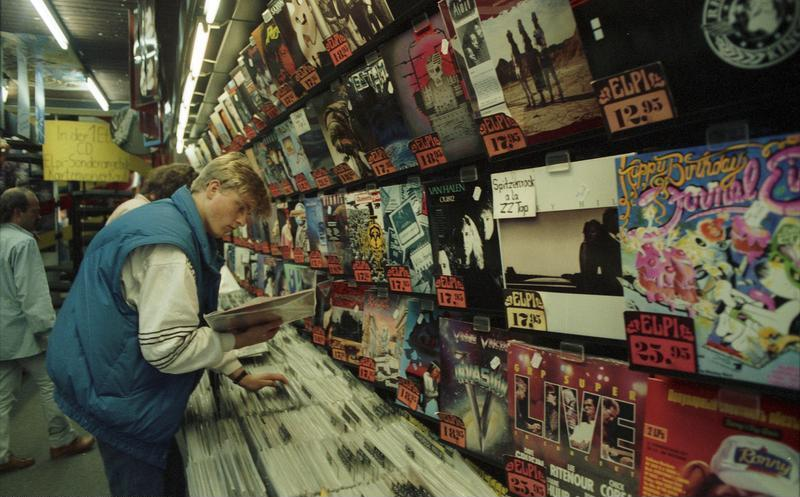
Before downloads and streaming, the mall record store was where music lovers got their fix, and it was a beloved destination throughout the eighties. Browsing the racks of vinyl records, cassette tapes, and increasingly compact discs, flipping through albums, reading liner notes, and discovering new music, was a cherished ritual. Stores had listening areas and walls plastered with posters, and the staff were often passionate music fans happy to make recommendations. Buying the latest album by a favorite artist was a small event, the culmination of saved-up allowance. The music store was a cultural hub within the mall, where teens absorbed the sounds of the decade and built their collections one cassette or CD at a time. It was an irreplaceable part of the mall experience.
Anchor Department Stores
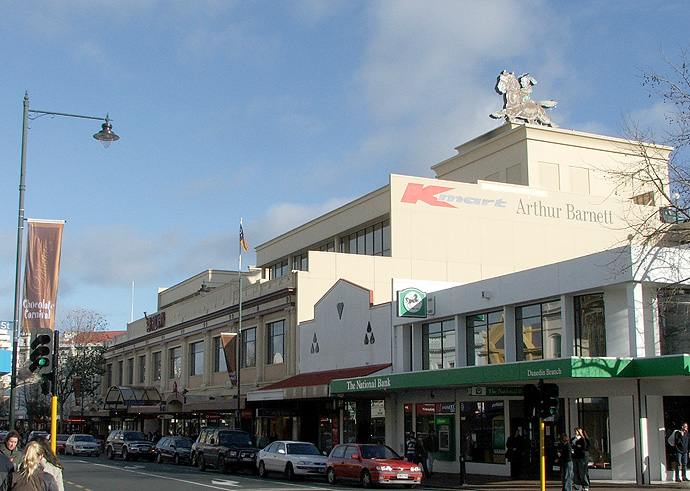
Holding the mall together, usually at each end, were the great anchor department stores, large, multi-floor retailers that drew shoppers in and gave the mall its structure. These stores sold everything from clothing and cosmetics to furniture and appliances, and a trip to the mall often began or ended with a wander through one. Their escalators, perfume counters, and seasonal displays, especially the elaborate holiday decorations, were part of the mall’s grandeur. For families, the department store was a one-stop shop; for teens, it was somewhere to try on the latest fashions. The anchor stores were the economic engine of the mall, the big names whose presence guaranteed foot traffic and lent the whole center its sense of importance and permanence.
Fountains and Glass Elevators
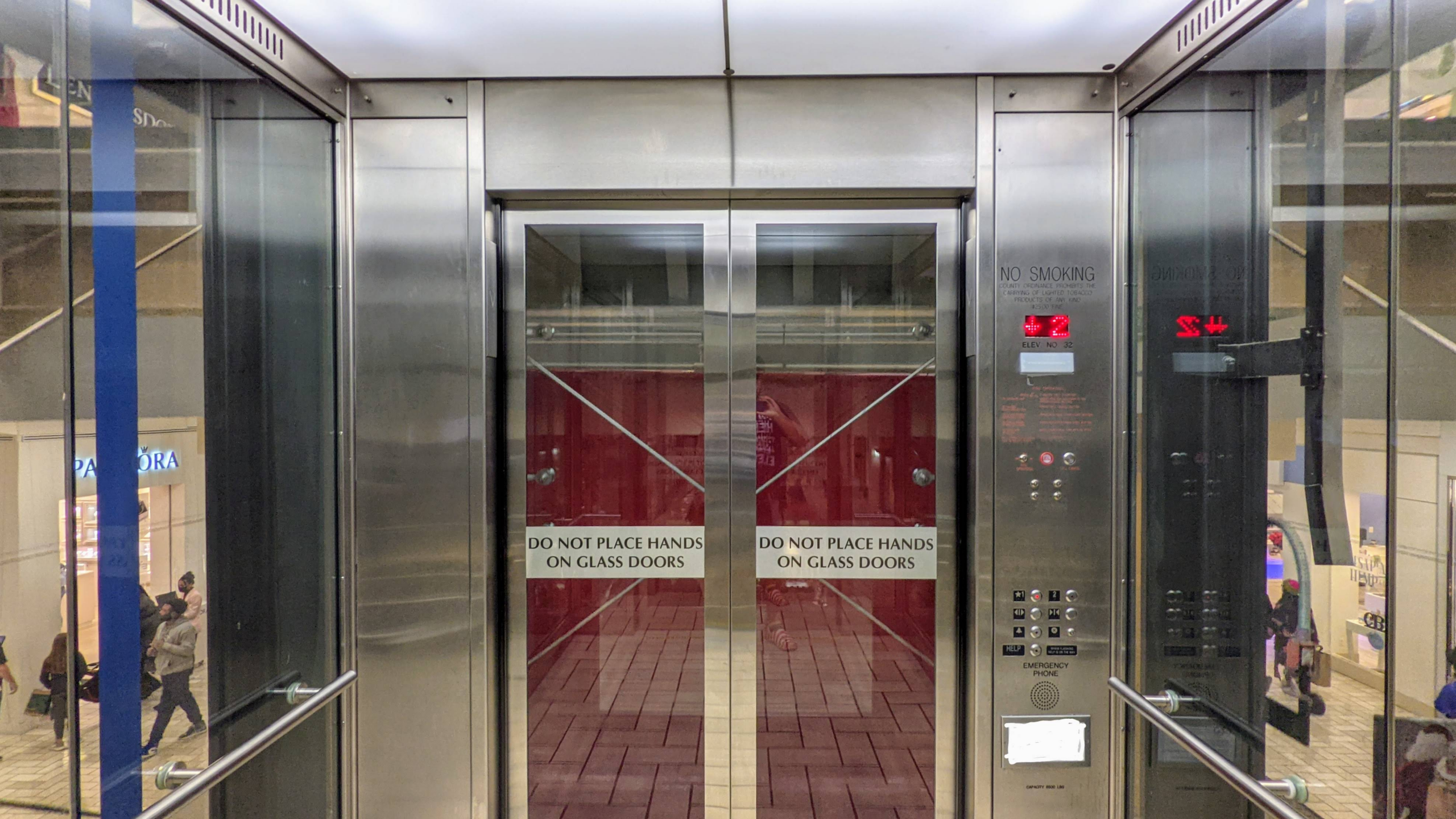
The eighties mall was designed to impress, and its architecture was part of the experience. Grand central fountains, often multi-tiered and surrounded by benches, were gathering spots and wishing wells where countless coins were tossed. Glass elevators glided up and down through open atriums, offering a fun ride and a view of the action below, while escalators carried shoppers between levels in a constant flow. Skylights flooded the corridors with natural light, and lush planters and indoor greenery softened the space. This soaring, open design made the mall feel like a special destination rather than just a row of shops. The fountains and glass elevators in particular were beloved features, lending the eighties mall a sense of spectacle that’s fondly remembered today.
Specialty Stores and Novelty Shops
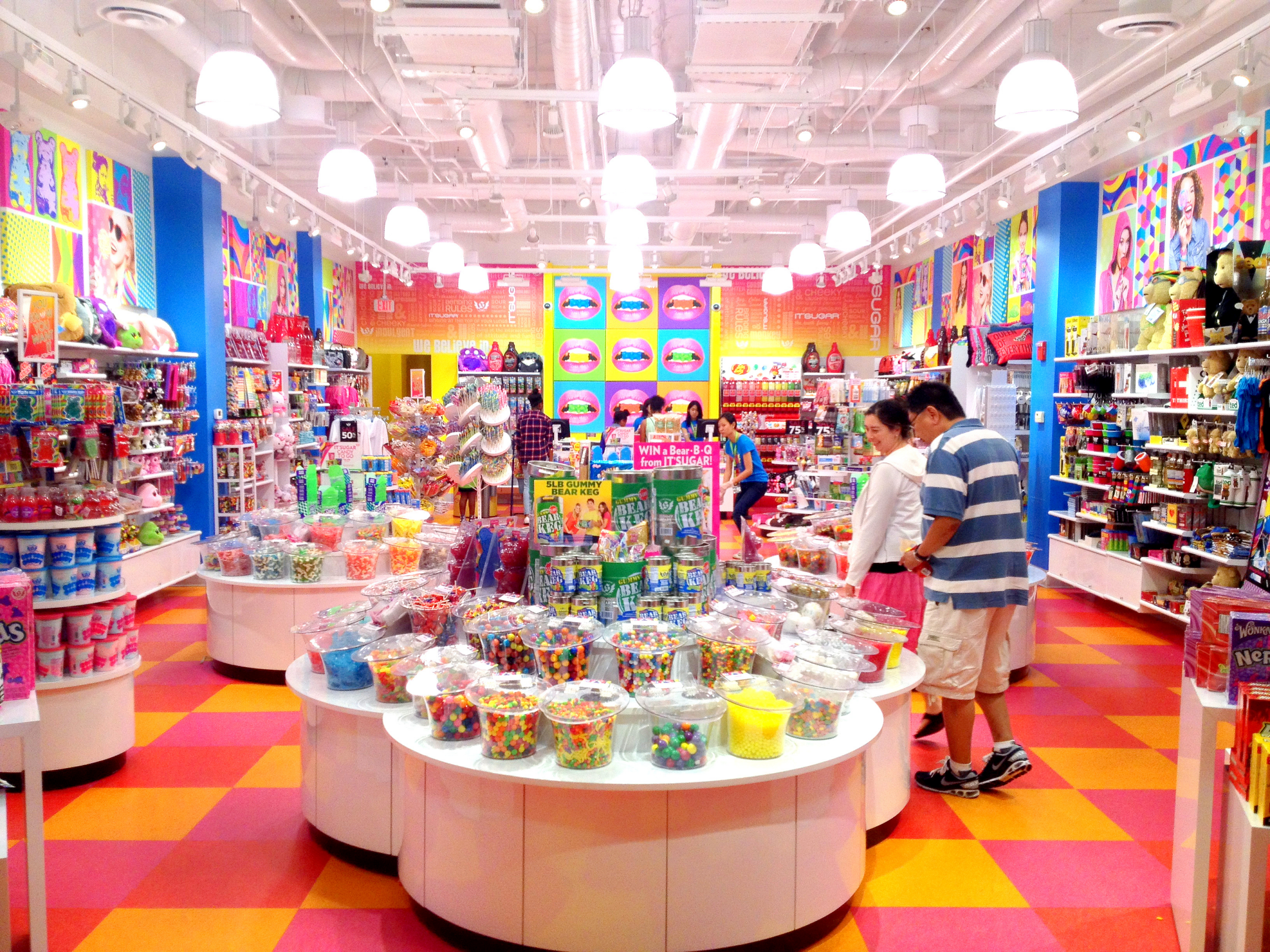
Between the anchors, the eighties mall was packed with specialty stores catering to every interest, and many were teenage favorites. Novelty and gift shops sold gag gifts, posters, and trinkets; stores devoted to a single category, like sunglasses, hats, or candy, lined the corridors. Spencer’s-style novelty stores, with their black-light posters and quirky merchandise, held a particular fascination for teens. Clothing boutiques showcased the latest neon and acid-wash trends, and bookstores invited browsing. The sheer variety meant there was always something new to discover, and window-shopping these specialty stores was an activity in itself. This abundance of small, focused shops gave the eighties mall its texture and endless appeal, ensuring that even a visit with no money to spend was full of things to look at.
Mall Fashion and the Photo Booth
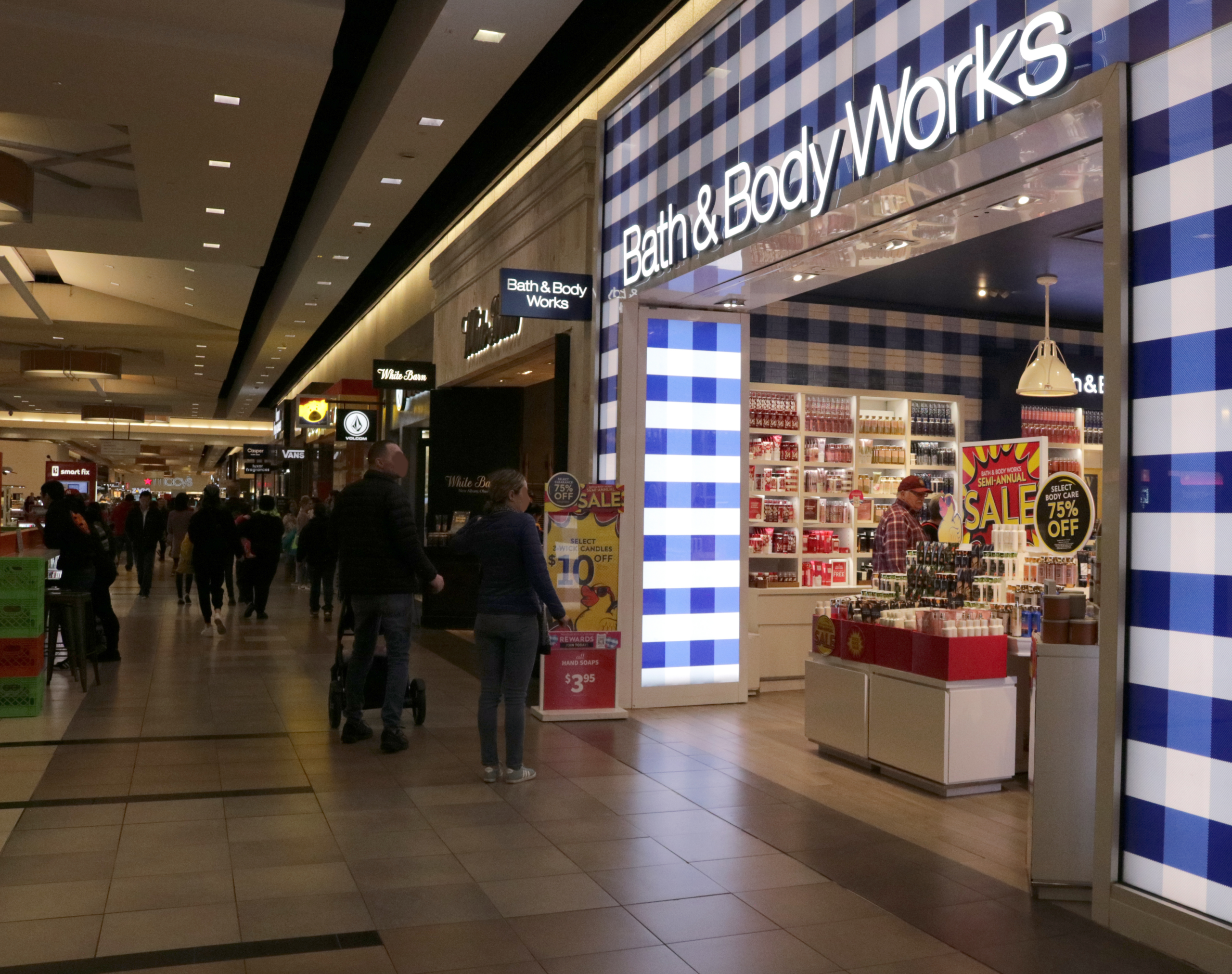
The mall was where eighties fashion came to life, both in the stores and on the shoppers themselves. Teens dressed to impress for a trip to the mall, sporting the era’s neon, denim, and big hair, and people-watching was half the fun. Clothing stores set the trends, and trying on outfits with friends was a social event. Tucked into corners were photo booths, where groups would cram in, pull faces, and emerge with a strip of black-and-white snapshots to commemorate the day, an analog selfie of its time. These strips of goofy photos became treasured keepsakes. The mall was a stage for self-expression and friendship, where the day’s outfit, the photo-booth strip, and the company you kept were all part of the memory.
The Decline and the Memory
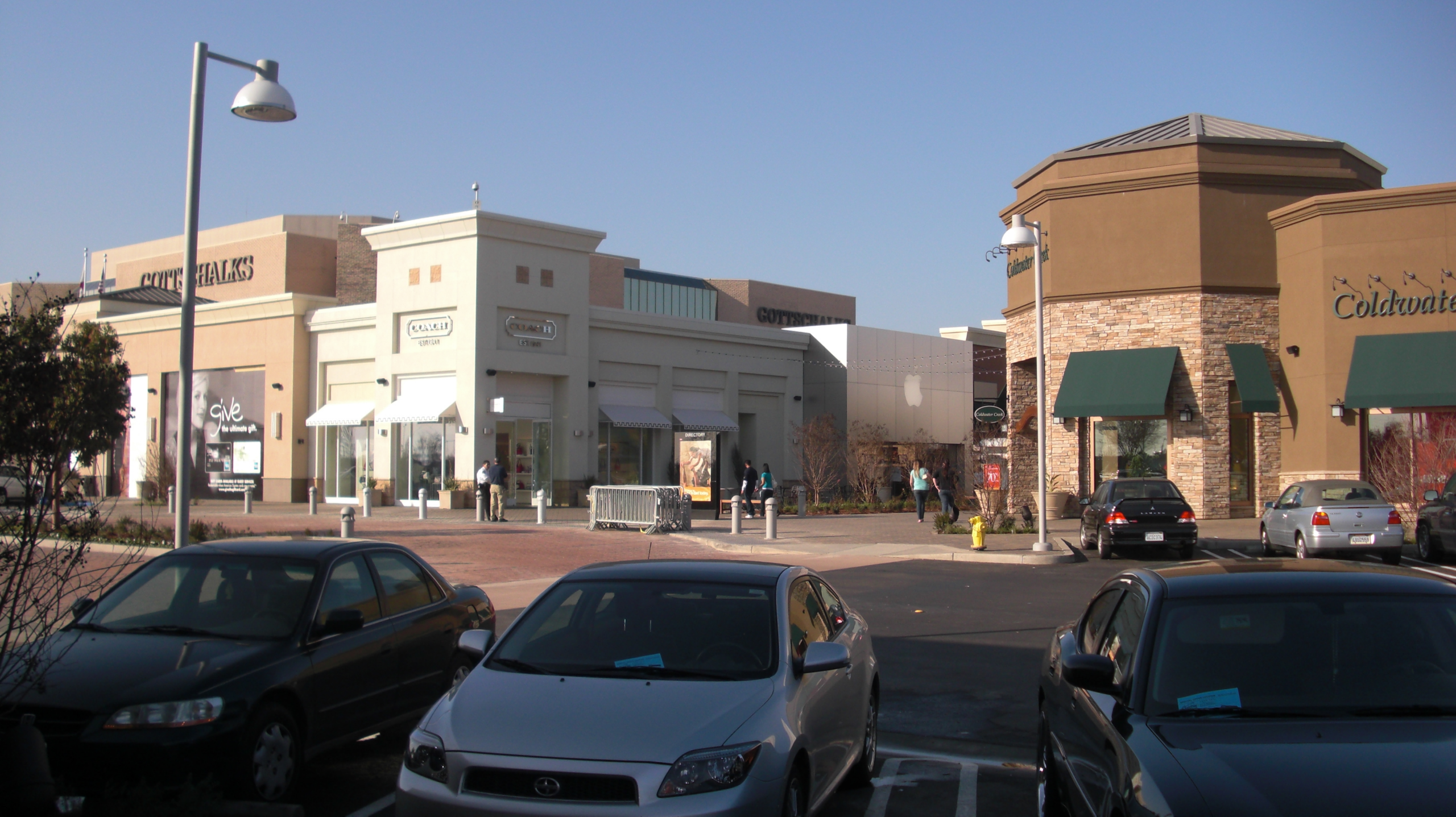
The eighties and into the nineties marked the golden age of the American shopping mall, but that dominance wouldn’t last forever. In the decades that followed, the rise of big-box stores, changing shopping habits, and eventually online shopping would erode the mall’s central role, and many once-thriving malls have since struggled or closed. That makes the eighties mall feel all the more like a specific moment in time, a place and a culture that has largely passed. For those who lived it, this only deepens the nostalgia. The busy, fountain-filled, arcade-humming mall of the eighties was the backdrop for countless first jobs, first dates, and weekend adventures, and its memory remains a powerful symbol of the decade.
Meet You at the Fountain
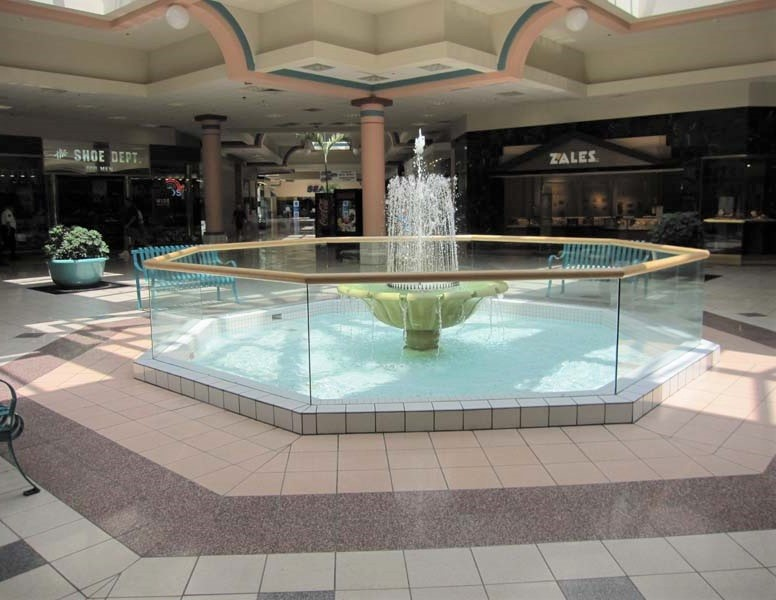
The 1980s shopping mall was the beating heart of teenage life, a lively, self-contained world where a generation gathered, socialized, and came of age. From the food court and the arcade to the record store, the anchor department stores, and the splashing central fountain, the mall offered everything a teenager could want in one climate-controlled space. It was less about shopping than about belonging, the place you went to see your friends and feel part of something. Though the era of the mall’s dominance has faded, its cultural significance to those who grew up in the eighties endures. “Meet you at the mall” was an invitation to the center of social life, and for an entire generation, those corridors hold some of the warmest memories of the decade.
Like our content? Follow us for more.