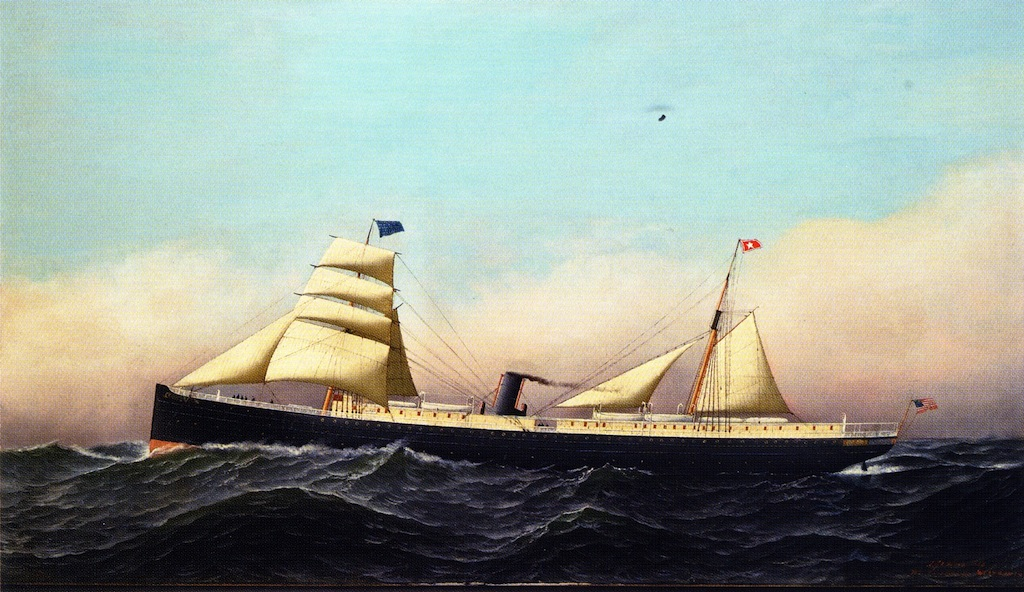
Some mysteries survive because the facts are murky. The Mary Celeste has survived for more than 150 years because the facts are unusually clear, and they make no sense. On December 5, 1872, the crew of a British ship crossing the Atlantic spotted a vessel behaving oddly — sailing erratically, with some of her canvas set and some missing. They watched her for two hours, could see nobody at the wheel, and eventually sent a boarding party across.
What they found has kept the story alive ever since. The ship was seaworthy. Her cargo sat undisturbed in the hold. The crew’s sea chests, oilskins, pipes, and personal possessions were still in their quarters. There was food and drinking water aboard. The captain’s belongings, including his wife’s and small daughter’s, were in place. There was no blood, no damage suggesting a fight, no evidence of fire or explosion, and no sign of the ten people who should have been aboard. The ship’s single lifeboat was missing, and so were they. It is the most famous ghost ship in maritime history, and unlike most such stories, essentially every strange detail of it is documented fact.
The Voyage
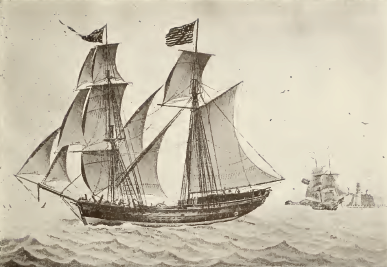
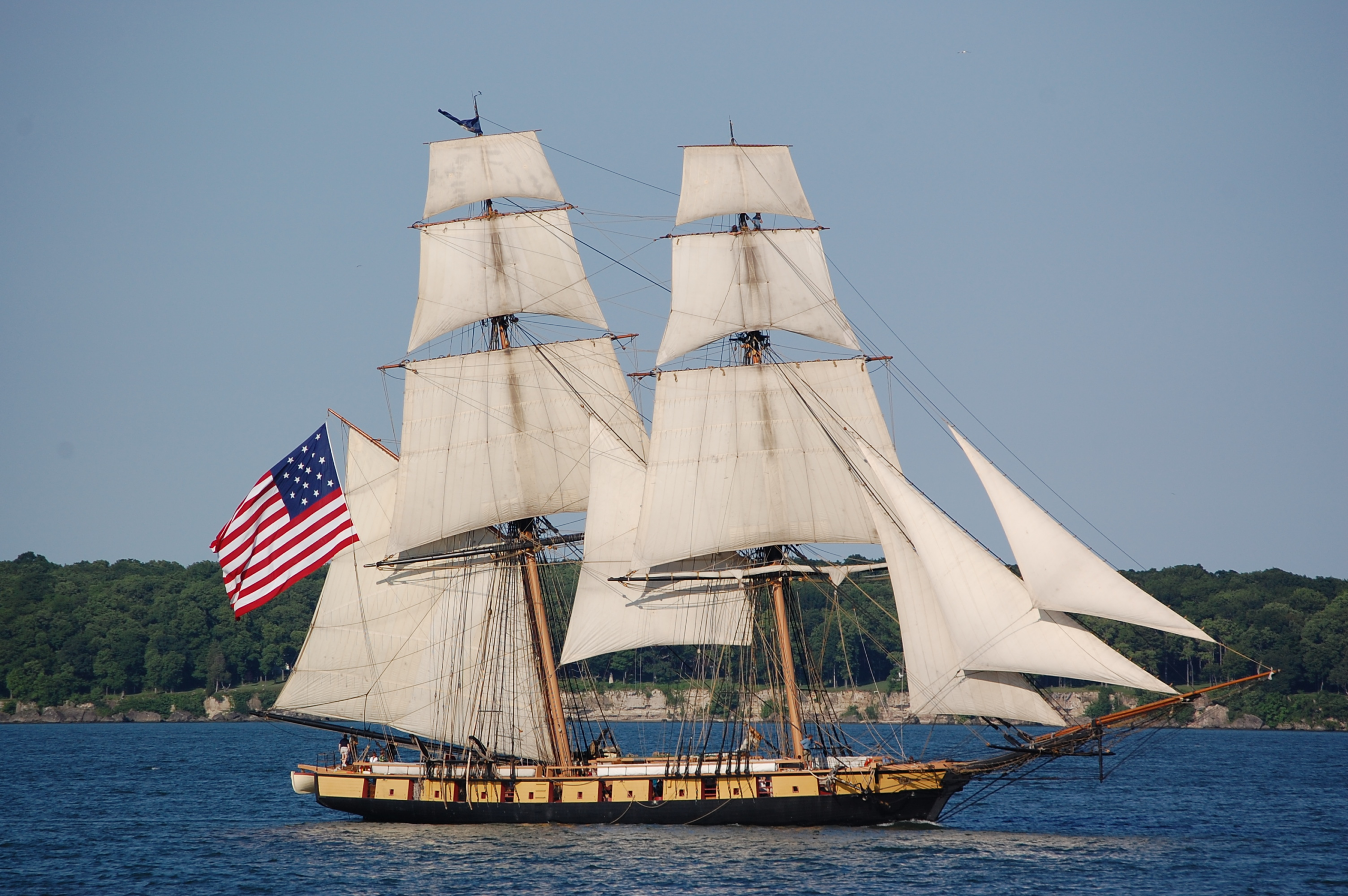
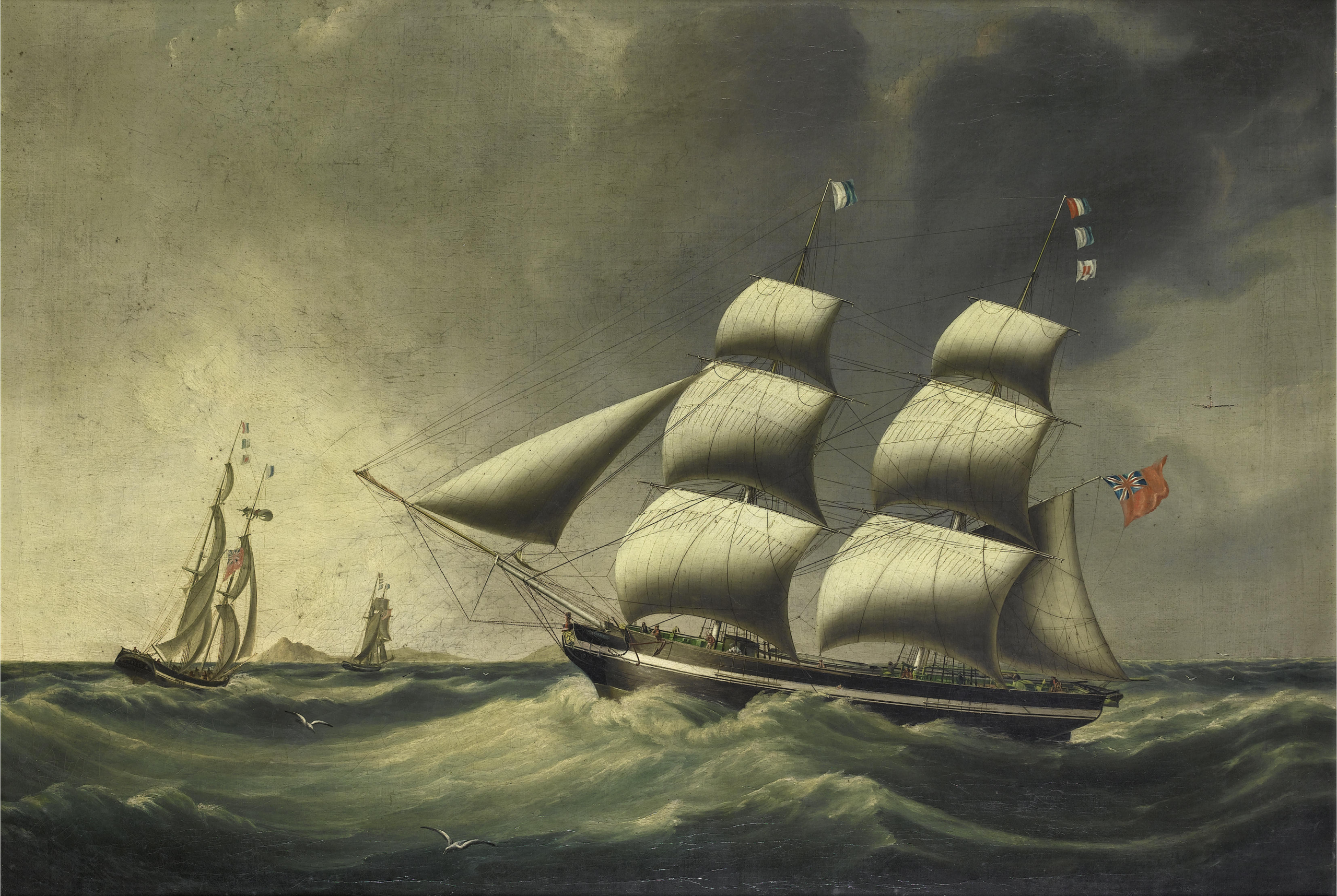
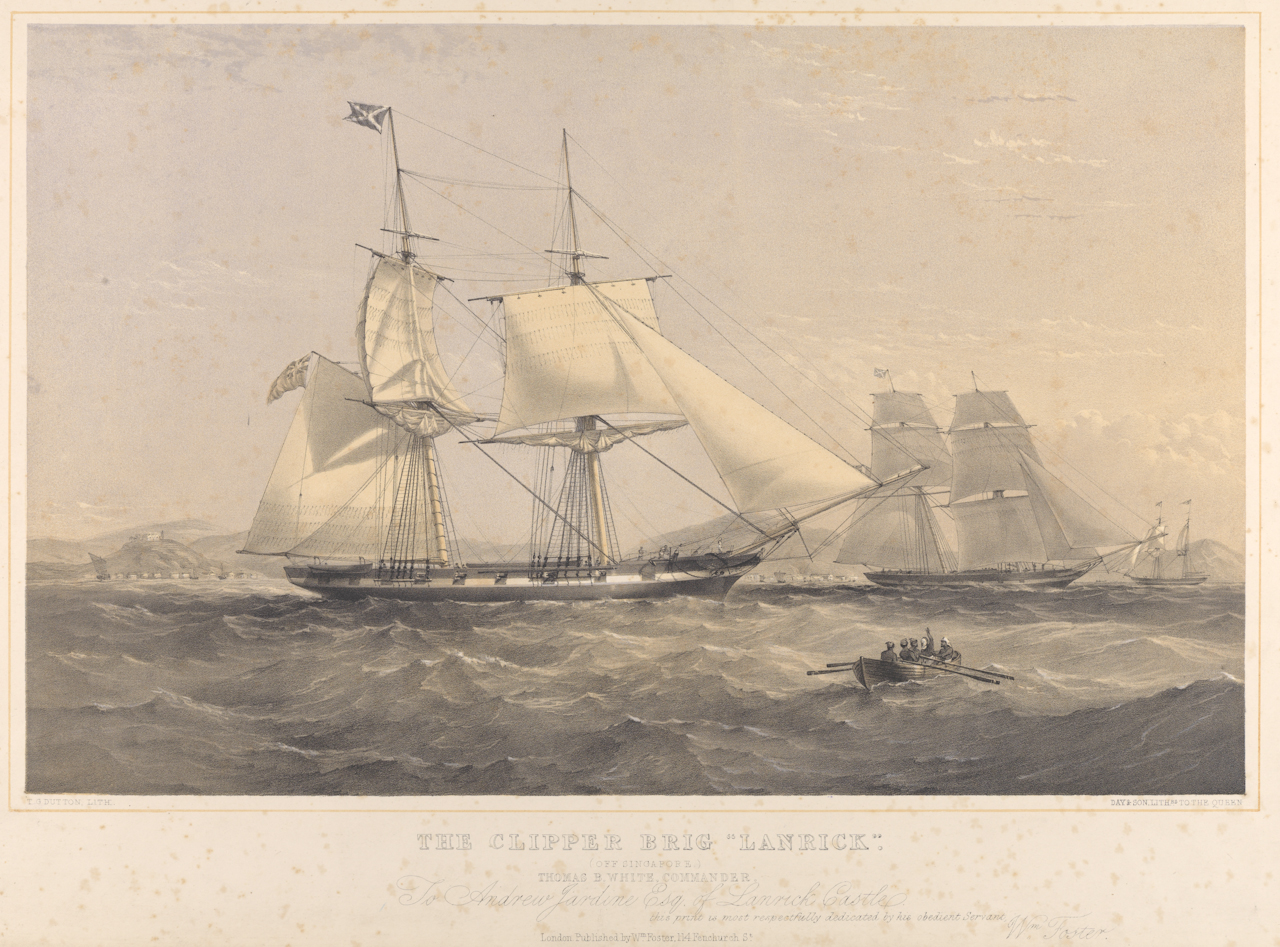
The Mary Celeste was an American merchant brigantine — a two-masted sailing vessel — that departed New York in early November 1872, bound for Genoa with a cargo of commercial alcohol in barrels. She carried a crew of seven, plus her captain, Benjamin Briggs, an experienced and by all accounts capable and sober master with a good reputation. Briggs had brought his wife, Sarah, and their young daughter, Sophia, aboard for the voyage, leaving an older son at home with relatives — an ordinary enough arrangement for a master of that era.
The ship had a somewhat unlucky history before this voyage, including earlier groundings and changes of ownership, and had been renamed at one point, which later fed the appetite for supernatural explanations. But there was nothing about the crossing itself that should have been remarkable. It was a routine commercial run across a well-traveled ocean, undertaken by a competent crew in a serviceable vessel at an ordinary time of year.
Like our content? Follow us for more.
The Discovery
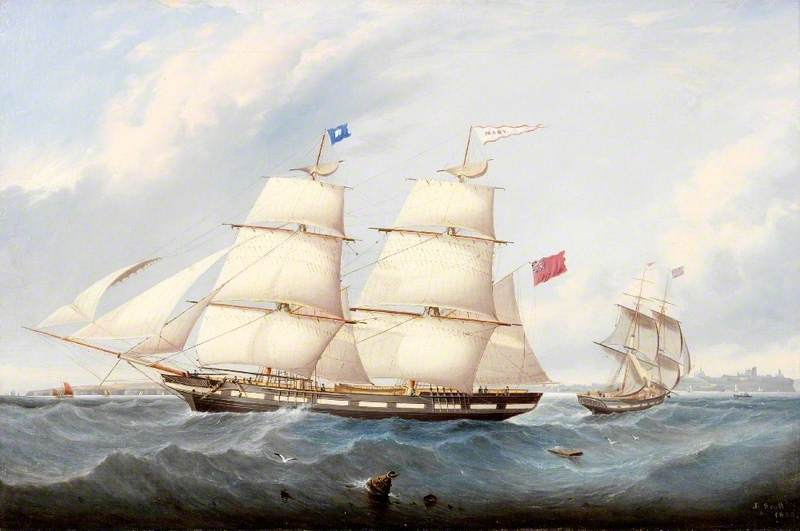
Roughly a month later, the crew of the Dei Gratia — another merchant ship, whose captain happened to be acquainted with Briggs — sighted the Mary Celeste a few hundred miles off the Azores, moving under reduced sail and yawing about in a way that suggested nobody was steering. After observing her long enough to be sure something was wrong, they put a boat across and boarded.
The inventory the boarders compiled is the heart of the mystery. The ship had taken on some water — a few feet in the hold, which was significant but not enough to sink her or to make her unsafe. One pump was found disassembled. Some sails were set, others were furled or missing, and a length of rope was found trailing behind the ship. The ship’s papers were missing apart from the log, and the navigational instruments were largely gone. The last log entry had been made some days earlier and recorded nothing alarming. Below decks, the picture was of a life interrupted rather than abandoned in terror: possessions in place, provisions aboard, no disorder suggesting violence. Nine or possibly ten barrels of the alcohol cargo were later found to be empty, out of a cargo of over 1,700.
The Dei Gratia’s crew sailed the Mary Celeste to Gibraltar to claim salvage, which is where the story’s second act took place.
The Inquiry That Made It Famous
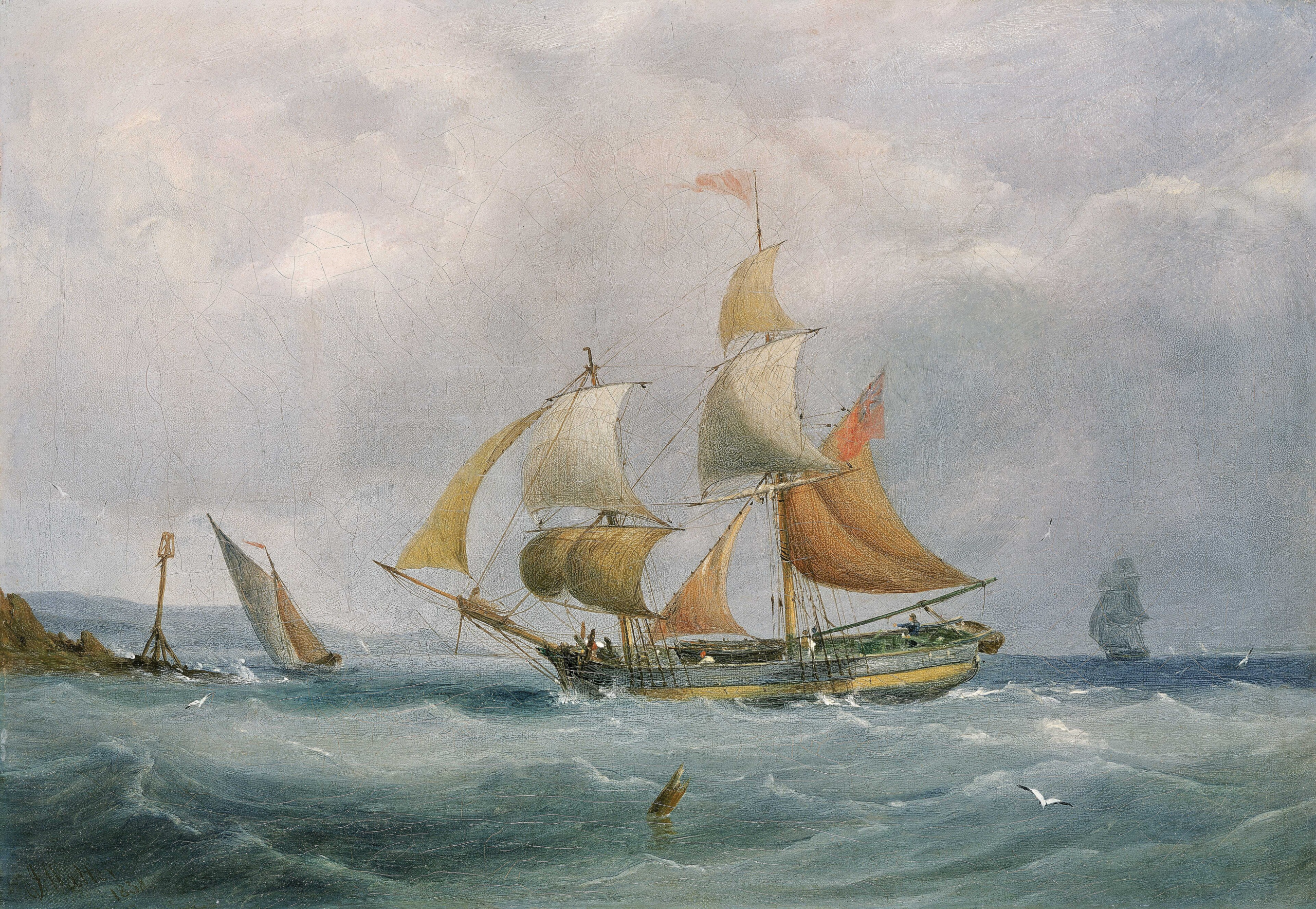
At Gibraltar, the salvage hearing turned into something closer to an investigation, and the official leading it grew deeply suspicious. He pursued theories involving foul play — proposing at various points that the crew had gotten into the alcohol and murdered the Briggs family, or that the Dei Gratia’s crew had attacked the Mary Celeste to claim the salvage, or that Briggs and the other captain had conspired in a fraud. Marks on the hull were examined as possible axe damage, and a stained sword found aboard was tested.
None of it held up. The stains were not established as blood, the hull marks were attributed to ordinary causes, no motive or evidence supported the conspiracy theories, and the Dei Gratia’s crew were eventually awarded salvage — though a notably reduced amount, which many read as a lingering shadow of suspicion rather than a finding of fact. The hearings established no explanation. What they did accomplish was to put the story into newspapers across the world, where it lodged permanently.
The Explanation That Probably Fits
Strip away the sea serpents, pirates, and supernatural theories that accumulated over the following century, and the surviving evidence points fairly consistently toward one type of answer: the ship was abandoned deliberately, in a hurry, by people who expected to survive and did not.
The most widely favored reconstruction runs roughly like this. The cargo was raw alcohol in wooden barrels, and some of those barrels leaked, releasing vapor into the hold. Something — a change in temperature, the pumping operation, the opening of a hatch — produced a frightening event or a strong smell of fumes that suggested an imminent explosion. Briggs, with his wife and small daughter aboard and reason to believe the ship might blow up under him, ordered everyone into the lifeboat, and the boat was towed behind on a line while they waited to see what happened. Then the line parted, or was cast off in a squall, and a small open boat full of people found itself separated from a ship that was still under sail and moving away from them. In the open Atlantic, that is fatal.
This account fits an unusual amount of the evidence: the missing boat, the trailing rope, the empty barrels, the disassembled pump, the fact that valuable belongings were left in place, and the absence of any sign of violence. Alternative sober theories have their advocates — a waterspout, a sudden fear of foundering after a navigational error, a rogue wave near the Azores — but the underlying shape is generally the same. Nobody attacked the Mary Celeste. Her people made a rational decision under pressure and were desperately unlucky.
What Didn’t Happen
It’s worth clearing away the theories that have attached themselves to the case over the years, because they crowd out the plausible ones. There is no evidence of piracy — pirates would have taken the cargo, which was valuable and untouched, along with the personal possessions left in the cabins. There is no evidence of mutiny, and the crew were not, as later embellishments suggested, a collection of desperate characters; contemporary assessments described them as capable and unremarkable men. Insurance fraud makes little sense given the ownership arrangements and the fact that nobody profited. And the supernatural explanations that flourished in the following century — sea monsters, mysterious vapors, abductions — are inventions with nothing behind them.
The most stubborn myth is the idea that the ship was found with meals laid out and still warm, tea in cups, and everything suspended mid-moment. That image comes from fiction rather than the boarding party’s account, which described a working ship with ordinary disorder, wet bedding, and a galley in the state a galley is normally in. The truth is stranger for being mundane: no theatrical tableau, just a competent vessel with nobody aboard and a missing boat.
Why It Never Dies
The Mary Celeste became the archetype of the ghost ship largely because of one man: a young Arthur Conan Doyle, who in 1884 published a short story loosely based on the incident. His fictional version — which changed the ship’s name slightly and invented a lurid tale of revenge — was so vivid that its details bled into public memory as fact. Many of the “known facts” people repeat about the ship, including warm meals still on the table and a still-burning stove, come from fiction rather than the record.
That’s the enduring irony of the case. The real story is strange enough without embellishment, but the embellishments proved irresistible, and the legend has been growing new details ever since — vanishing crews, cursed vessels, ships found with breakfast on the table. Meanwhile the documented version, in which ten people made a reasonable choice and paid for it with their lives, steadily persists underneath.
The Empty Ship
What keeps people coming back to the Mary Celeste, more than a century and a half later, is the specific horror of the image: a ship in good order, sailing herself across the ocean, with a child’s belongings still in the cabin and nobody at the wheel. It’s a scene that suggests an event so sudden that it emptied a small floating community without disturbing anything else.
The best available answer is not a monster or a conspiracy but something quieter and substantially sadder — a captain making a judgment call about his family’s safety, a rope parting, and a small boat watching a ship sail away from it into an empty ocean. The Mary Celeste herself sailed on for years afterward under other owners before ending her career in a deliberate wreck in the Caribbean. She carried her mystery with her the entire time, and she has never given it up.
Like our content? Follow us for more.