

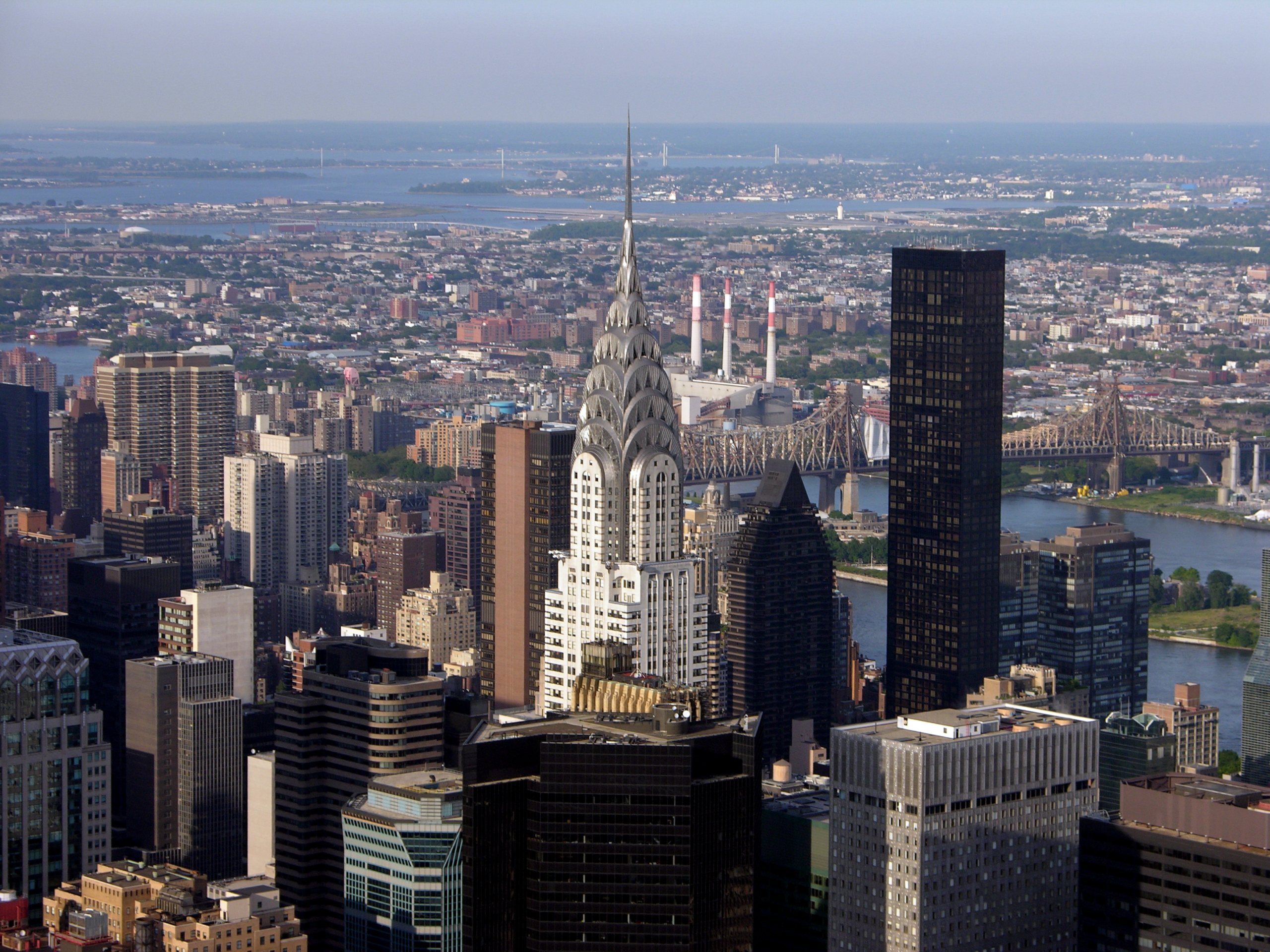
Manhattan in the late 1920s was a city building upward at a pace that now looks unhinged. Money was cheap, confidence was total, steel-frame construction had removed the old limits, and the reward for building the tallest structure on Earth was a kind of publicity that no advertising budget could buy. Into that environment came one of the most entertaining rivalries in the history of architecture: two men, once partners, racing each other to the top of the sky in the same city at the same time.
The story ends with a piece of theater so audacious that it still delights people nearly a century later — a secret spire, assembled in pieces inside the building it would crown, and raised into position in about an hour and a half to snatch the world record from a rival who had already declared victory. And then, in the final twist, the winner held the record for a matter of months before an even bigger tower took it away for good. The Chrysler Building is the most beloved skyscraper in New York, and the reason has as much to do with this story as with the architecture.
The Race Begins
The rivalry ran between William Van Alen, architect of the Chrysler Building, and H. Craig Severance, who was designing a tower at 40 Wall Street in the financial district. The two had previously been partners in an architectural practice, and the partnership had ended badly — leaving a professional grudge that gave the ensuing competition a personal edge it would not otherwise have had.
Both projects went up in the same frantic period, and both were chasing the same prize. The title of world’s tallest building carried enormous prestige and enormous commercial value; a record-holding tower rented its office space at a premium and put its owner’s name in every newspaper in the country. The contest was followed closely by the press, which reported each revised height announcement as a fresh development in a heavyweight bout. Complicating matters further, a third contender was on the horizon — a planned tower on Fifth Avenue that would eventually become the Empire State Building — though for most of 1929 the fight was between the downtown tower and the one rising at Lexington and 42nd Street.
Like our content? Follow us for more.
The Announcements and the Counter-Announcements
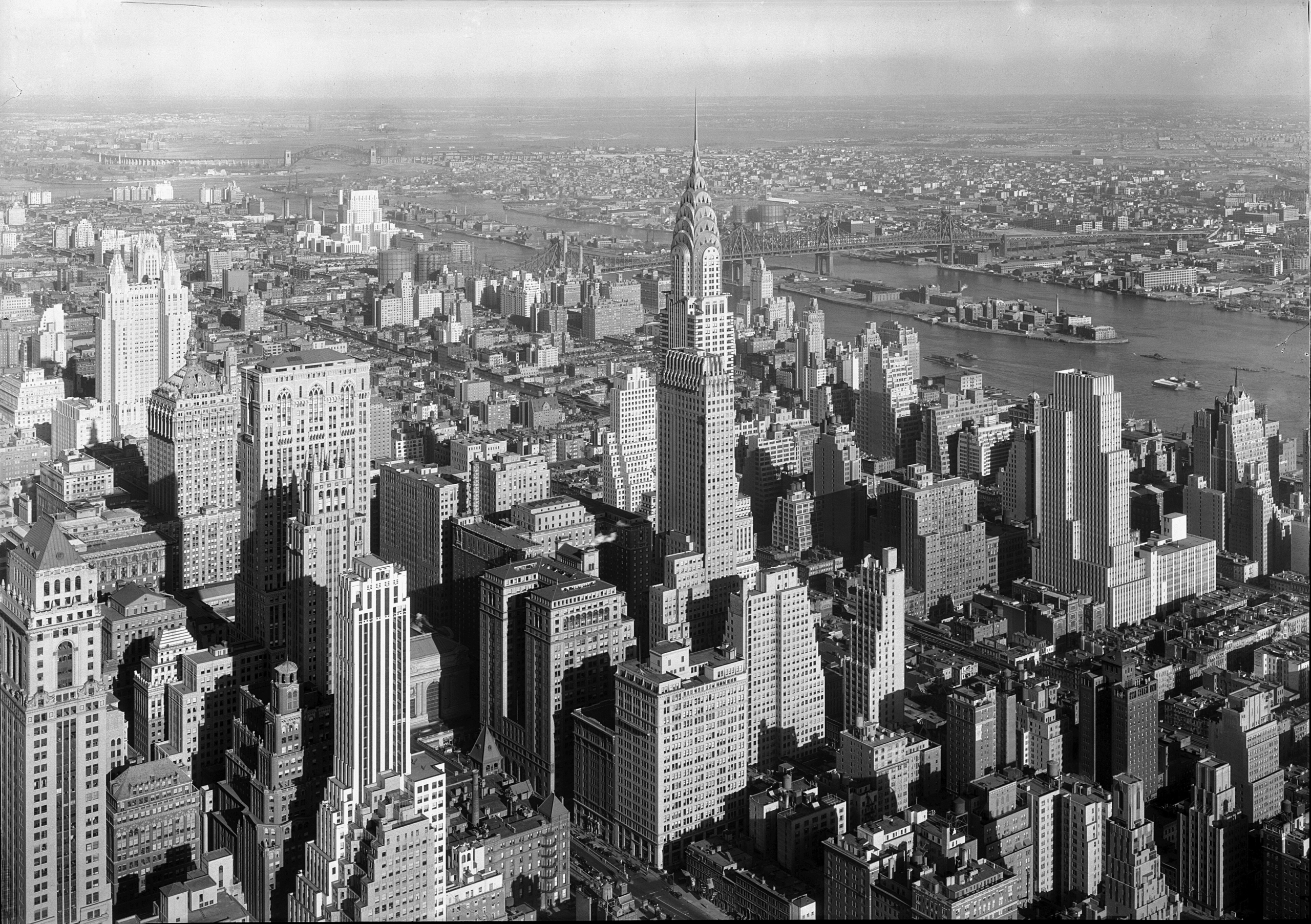
The competition was conducted partly in steel and partly in press releases. Each side revised its plans upward as the other’s intentions became clear, adding floors and reworking crowns to gain a few more feet. It was, in effect, a bidding war conducted in altitude, and it produced a series of public claims and counterclaims through 1929 as the buildings climbed.
The downtown team eventually appeared to settle the matter. Severance’s tower at 40 Wall Street topped out at a height that its backers announced as the tallest in the world, and there was a general sense that the contest had been decided — Van Alen’s building, by the publicly known plans, was going to come in shorter. The downtown side celebrated accordingly. What they did not know was that Van Alen had been building something they couldn’t see.
The Spire in the Shaft
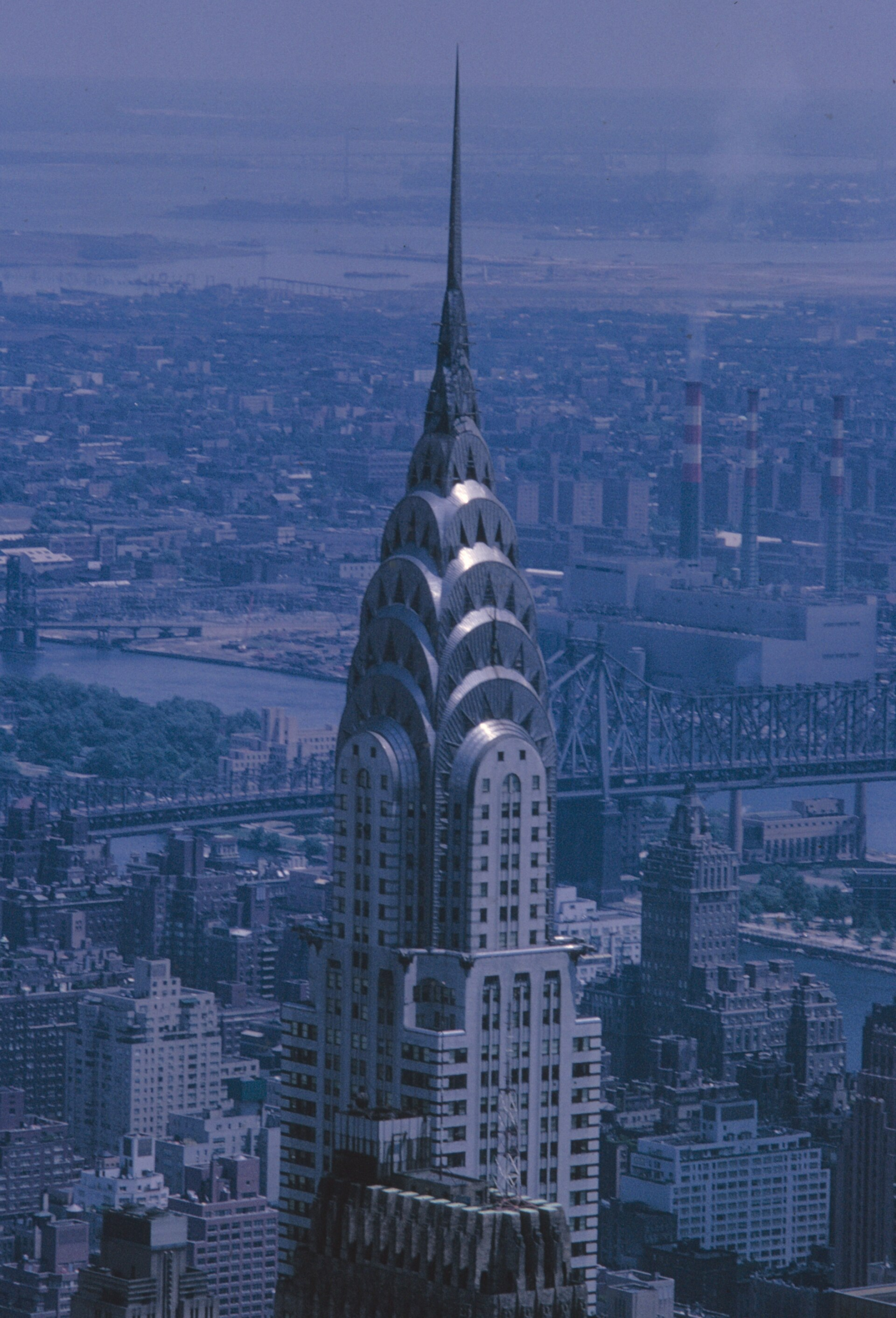
Van Alen’s answer was hidden in plain sight. Inside the top of the Chrysler Building, concealed within the structure’s fire shaft, workers had been secretly assembling a slender spire of stainless steel in four sections. The plan was kept quiet, and to the outside world — including the rival team and the press — the Chrysler Building simply appeared to be nearing completion at a height that would lose the race.
In October 1929, the trick was sprung. The assembled spire, standing roughly 125 feet, was raised through the top of the building and fixed into position, and by the accounts that have come down, the entire operation took only about an hour and a half. A structure that had appeared to be finished suddenly grew a great deal taller in the space of a single working morning. The Chrysler Building topped out at 1,046 feet, taking the title of the tallest building in the world and, in the process, surpassing not only its downtown rival but the Eiffel Tower, which had held the record for the world’s tallest structure since the 1880s. For the first time, a building — not a tower or a monument — was the tallest thing people had ever built.
The reaction was a mixture of delight and outrage. The downtown side objected on the grounds that a decorative spire was not the same as usable building height, an argument that skyscraper rivals have been making about one another ever since and that remains truly unresolved in the way heights are officially measured today. But the record went to the Chrysler Building, and the manner of the win — secret, sudden, and theatrical — turned a technical dispute into a permanent piece of New York folklore.
Less Than a Year at the Top
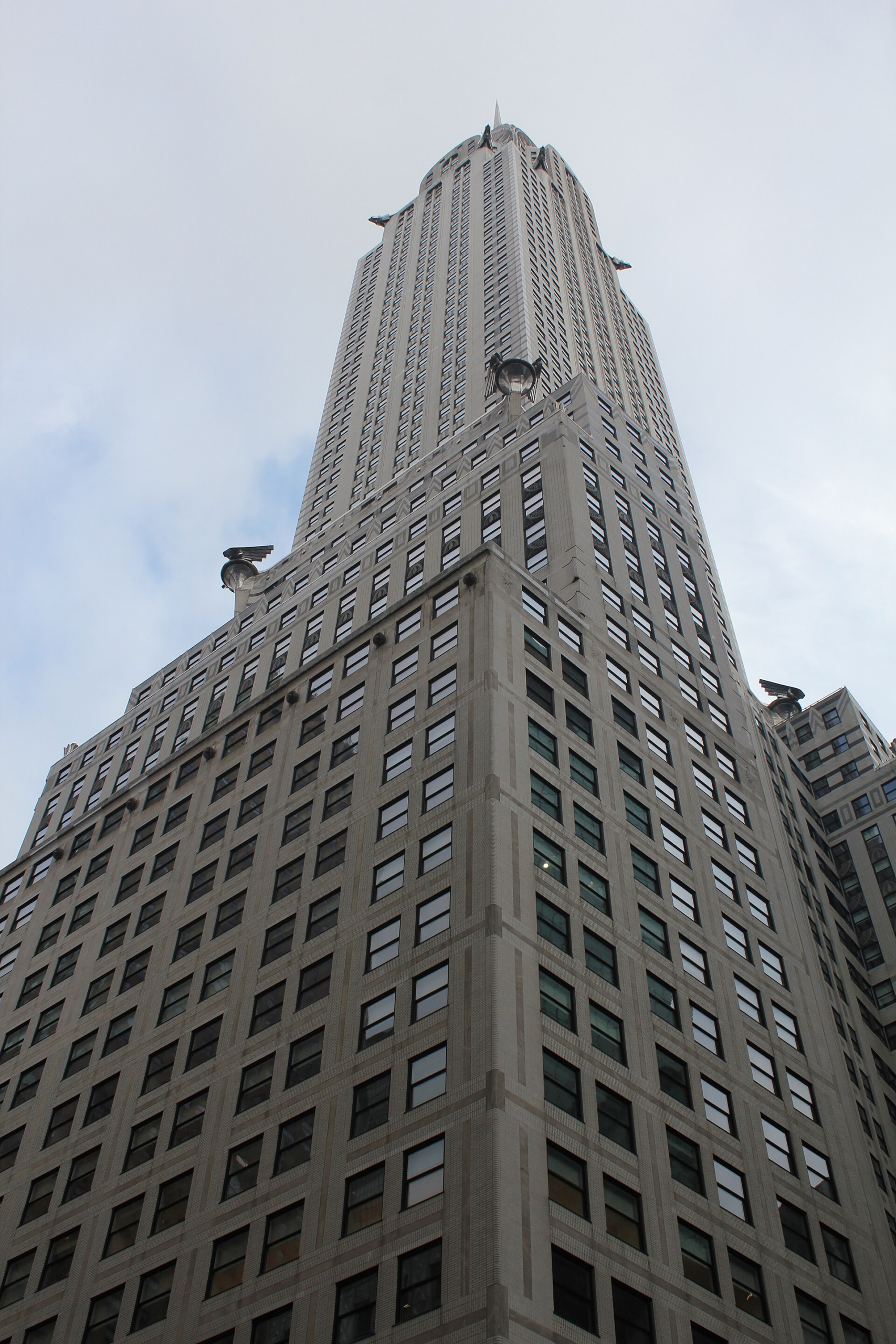
The victory was almost comically short-lived. The Empire State Building, already under construction, opened in 1931 and cleared the Chrysler Building by a wide margin, taking the record and holding it for decades. Van Alen’s tower had been the tallest building in the world for roughly eleven months.
There was an unhappy coda for the architect himself. Van Alen ended up in a dispute over his fee with his client and reportedly had to sue to be paid, and the litigation did lasting damage to his professional standing. The building that made him famous did not make his career; he never again designed anything approaching its prominence, and his later years were spent well outside the spotlight his masterpiece occupied. It is a strange fate for the man who designed what many consider the most beautiful skyscraper ever built.
The timing was cruel in a broader sense too. The Chrysler Building was conceived and financed in the exuberant final stretch of the 1920s and completed as the Great Depression took hold, meaning the crown of the boom era was finished just as the era ended. The building spent its early years struggling to fill its offices in an economy that had collapsed around it.
Why the Building Is Still the Favorite
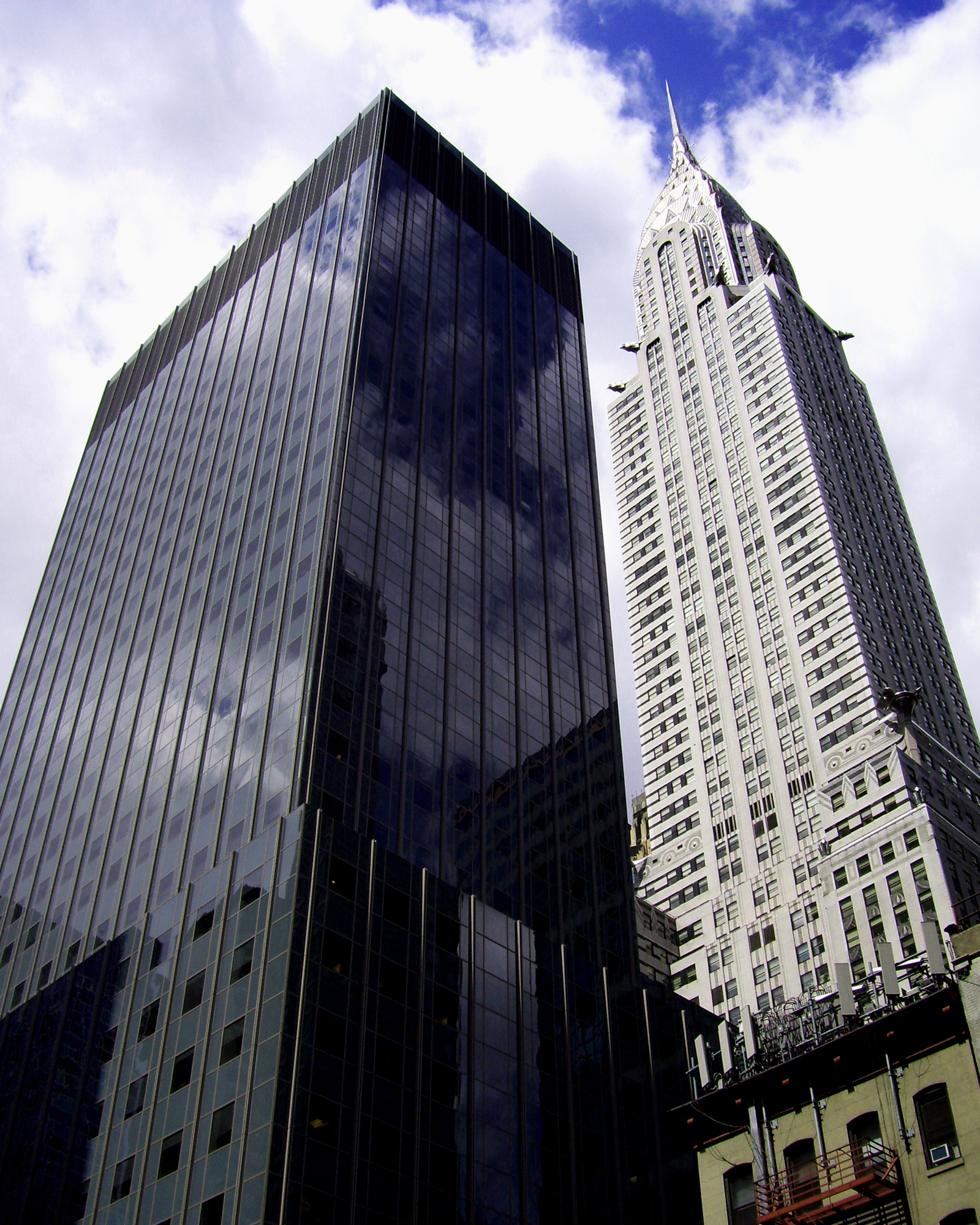
Height records get broken constantly, and almost nobody can name the current holder without checking. What has given the Chrysler Building its permanent hold on affection is the design, which has aged better than practically any other tall building of its century.
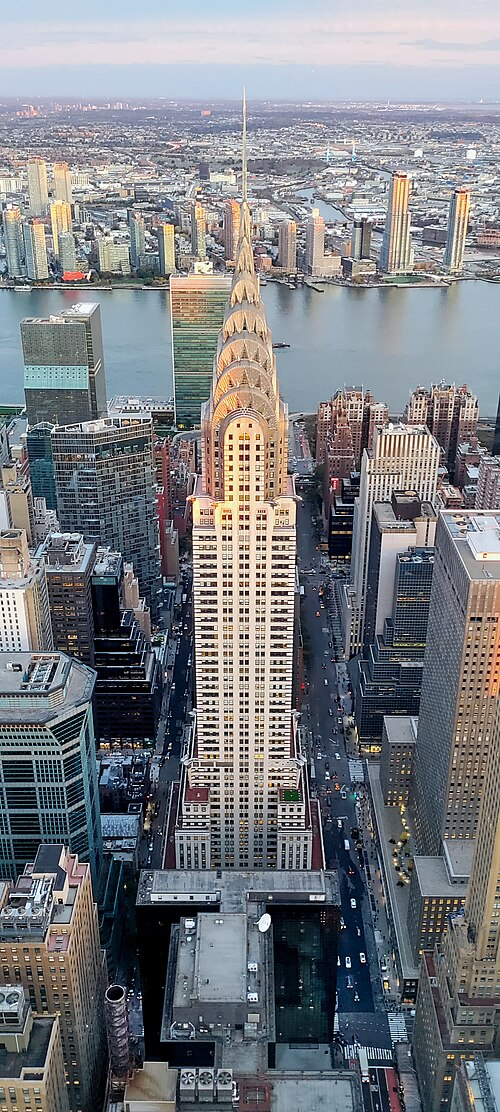
The crown is the reason. Van Alen finished the tower with a series of stainless steel arches, set in receding tiers and pierced with triangular windows, radiating outward like a sunburst — a form with no real precedent that has become one of the most recognizable shapes in the world. Lower down, the building carries automotive-inspired ornament that ought to be absurd and somehow isn’t: enormous stylized eagle heads projecting from the corners, and a band of decoration echoing hubcaps and radiator caps, a nod to the car company whose founder financed it. The lobby is a red-marble Art Deco interior of remarkable richness. The whole thing is confident, ornamental, and unmistakably of its moment, in a way that the glass towers that followed have never managed to replicate.
Seeing It Today
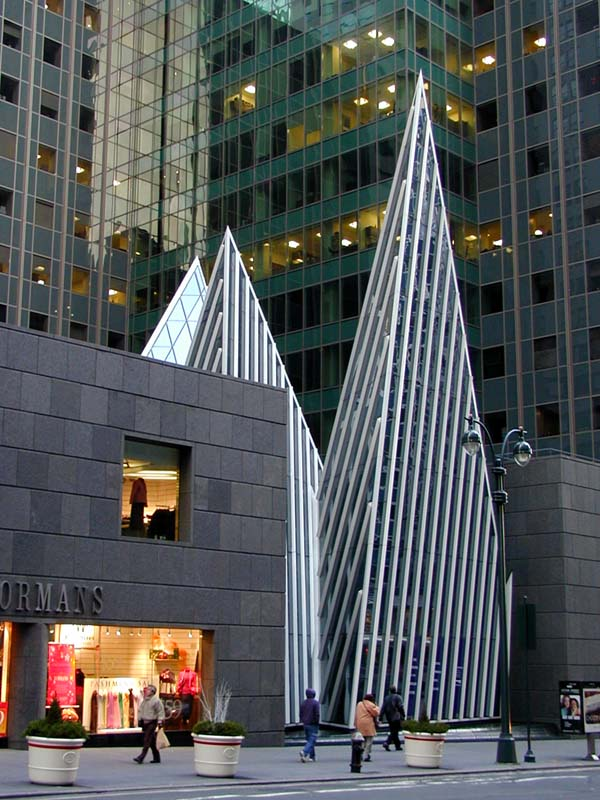
For visitors to New York, the Chrysler Building is a specific kind of pleasure, because it is best appreciated from a distance. There is no observation deck open to the public — the one that operated in the building’s early years closed decades ago — so the tower is a thing to look at rather than go up. The classic vantage points are from across the East River in Queens or Brooklyn, from the observation decks of other buildings, and from the streets of Midtown where the crown appears unexpectedly at the end of a block.
The lobby is generally accessible during business hours and is worth stepping into, an intact piece of 1930 interior design with its marble, metalwork, and ceiling mural. And the crown is at its best after dark, when the arches are lit and the sunburst pattern reads clearly against the sky — the single most photogenic few hundred feet of any skyline anywhere.
The Building That Won by Cheating a Little
The Chrysler Building endures as a monument to a very specific kind of ambition: the confidence of a city that assumed it would keep growing forever, the theatrical instinct of an architect willing to hide a spire in a shaft to win an argument, and the era’s real belief that being tallest mattered enough to justify the trick. The record lasted eleven months. The story has lasted nearly a century.
There’s a reason people love it more than the buildings that beat it. The Empire State Building is taller and more famous, and the towers that followed are taller still, but the Chrysler Building won its brief crown through pure audacity and then kept a different, more durable title — the most beautiful thing in the sky over New York. Van Alen was outmaneuvered on fees, outbuilt within a year, and largely forgotten in his own lifetime. His spire is still up there, catching the light over Midtown, a stainless steel punchline to a joke he told in 1929.
Like our content? Follow us for more.
