In 1974 an American family’s year had a gathering calendar in it that nobody had printed: greens in early spring, blackberries through July, grapes and elderberries in late summer, persimmons and pawpaws after the first frosts.
The containers were a lard bucket or a coffee can with a wire bail punched through it, because berry picking needs both hands and the can has to hang. The land belonged to somebody else and the arrangement was asking, kinship and long-standing tolerance. A day in a blackberry thicket left arms scratched from wrist to shoulder, and everybody accepted that.
And all of it depended on knowing which particular bank came in first. Here are sixteen things every American family gathered.
1. The Season Was a Calendar Nobody Printed
Gathering ran on a sequence that households carried in their heads: greens in early spring, berries from June through August, grapes and elderberries in late summer, persimmons and pawpaws after the first frosts.
Produce available in the same quantity every week of the year, with no seasonal sequence governing anything a household eats.
The sequence was local rather than regional, and that is the thing that made it knowledge rather than information. A family knew that a particular bank came in two weeks before another one, that the patch on the north side was later, and that one tree bore every other year – and none of that was written anywhere.
Like our content? Follow us for more.
2. Blackberries Were the Main Event and They Fought Back
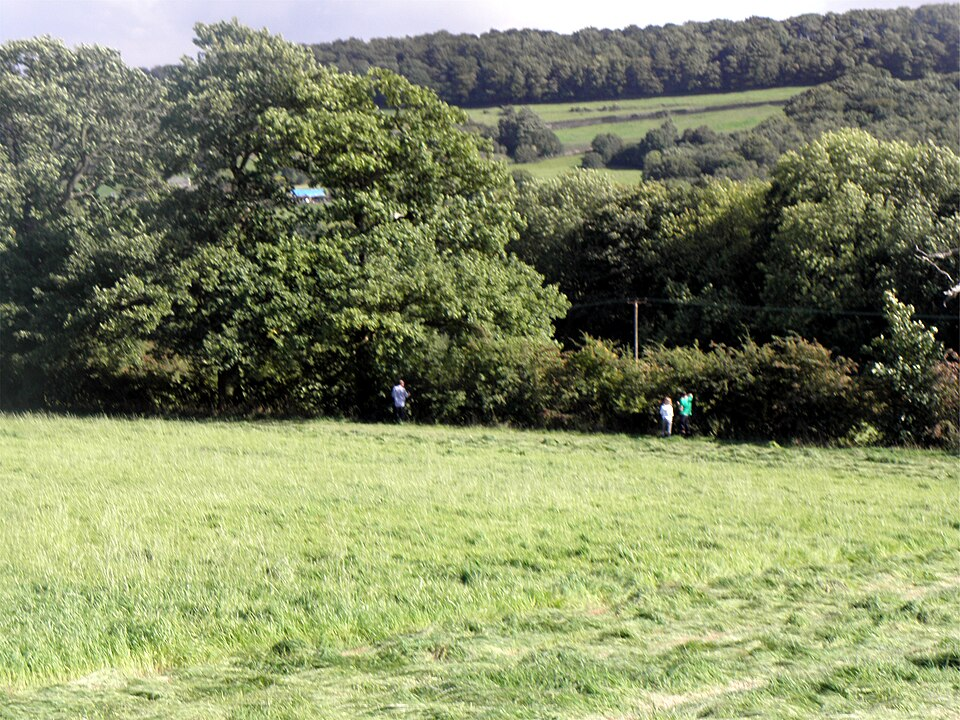
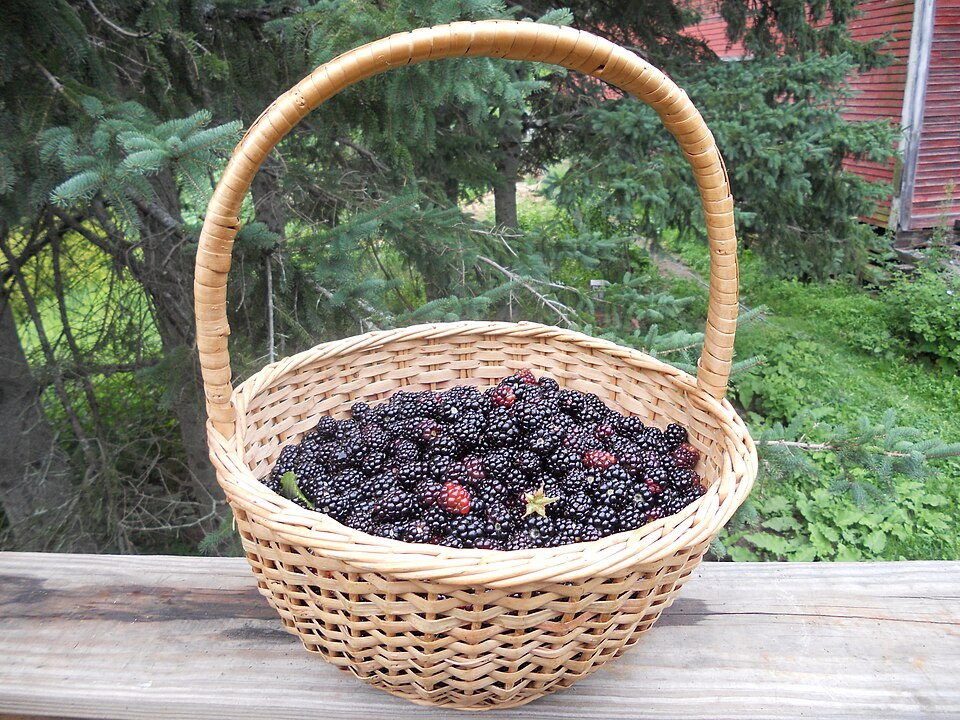
The big gather of the year was blackberries – whole families out with buckets for several days in July, in the heat, in brambles, filling containers that went straight to jelly, cobbler, canning and the freezer.
Cultivated thornless berries in plastic clamshells, available most of the year, at a price that makes a day in a bramble patch difficult to justify.
The physical cost is not exaggerated in anybody’s memory. Wild blackberry canes are armed along their whole length, they grow in dense thickets that have to be entered rather than reached into, and a day’s picking left arms and legs scratched from wrist to shoulder – which everybody accepted as the price.
3. The Chiggers and the Ticks Were Simply Part of It
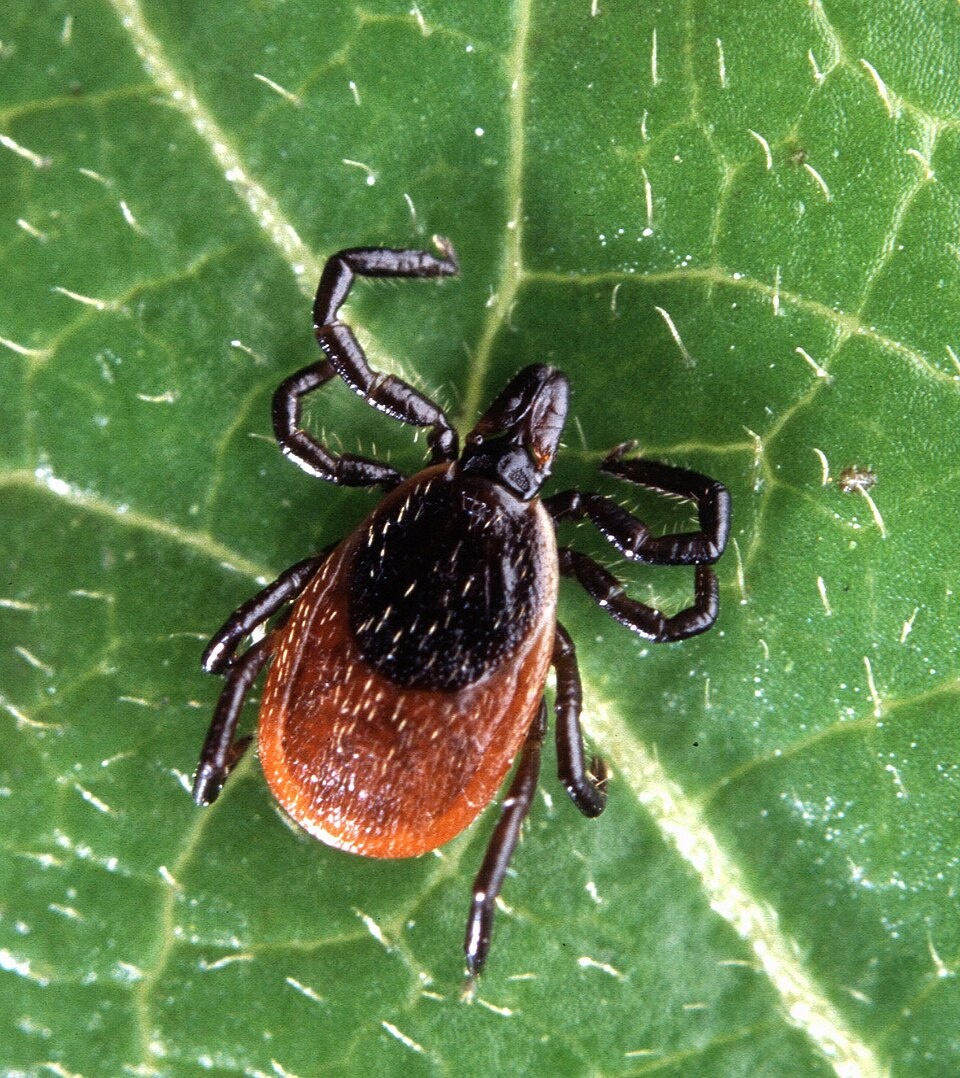
Berry patches and brushy ground meant chiggers, ticks, wasps, poison ivy and snakes, and the household response was long sleeves, tucked trousers, a check when everybody came in and a general acceptance that this was the cost of free fruit.
The same hazards, far better understood, with tick-borne illness now a serious and widely recognised concern and preventive guidance widely published and followed.
The change here is knowledge rather than caution. Nobody in 1974 was casual because they were tough; they were casual because the medical understanding of what ticks carry was thinner than it is now – and anybody going into that ground today should work from current public health guidance, which is considerably better than anything a 1974 household had.
4. Spring Greens Came Before Anything Was Planted
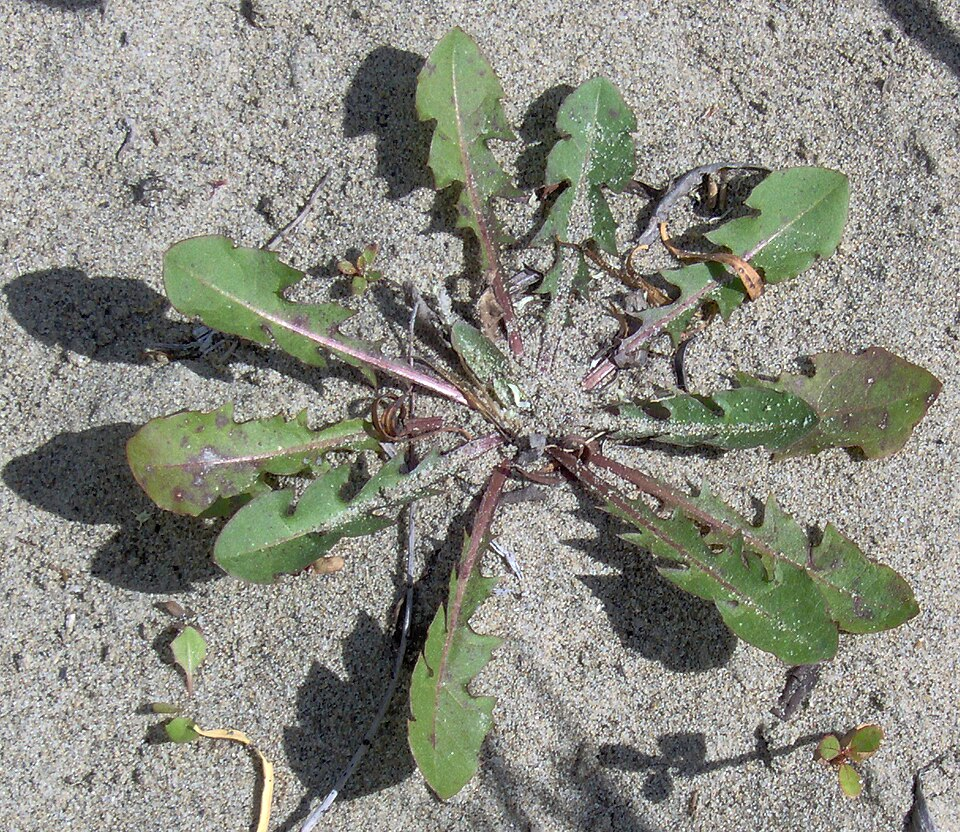
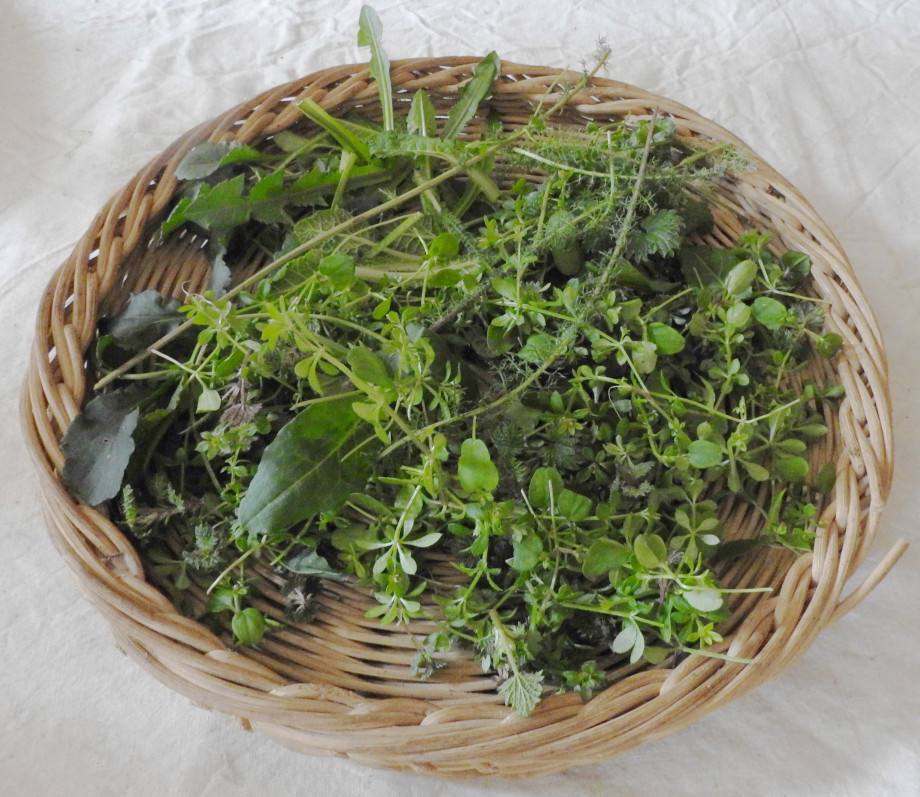
The first gathering of the year was wild greens, cut young in early spring from fields, fencerows and creek banks – dandelion, dock, lamb’s quarters, wild lettuce, cress and several others known by local names.
Salad and cooking greens year-round from a store, with the entire category of wild spring greens absent from most American diets.
The timing is the point and it is nutritional. Early spring is precisely when a household living on stored food had been eating preserved and root vegetables for five months, and the first fresh green growth arrived weeks before anything planted could be cut – which is why these were sought with real enthusiasm rather than tolerated.
5. Some of What Was Eaten Required Specific Treatment
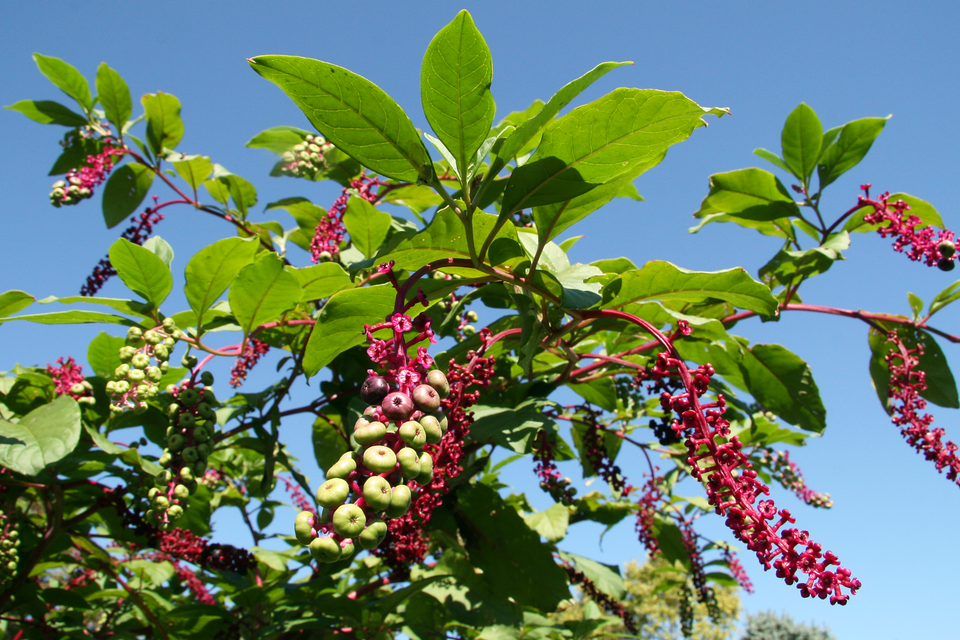
Several traditional wild foods – poke being the best known – were eaten only after particular handling, because the plant is harmful otherwise, and the treatment was taught directly by somebody who knew it.
The same plants still gathered by a small number of people from authoritative modern sources, with the traditional foods generally absent from ordinary diets.
This piece deliberately names no plant part, no stage, no method, no quantity and no treatment, because identification and preparation of wild plants are matters for current authoritative guidance and for people who know what they are doing – not for a nostalgia article. What is worth recording is the transmission: the knowledge existed only in people, was passed by demonstration, and was specific enough that getting it wrong was dangerous.
6. Elderberries Went Into Jelly and Into Bottles
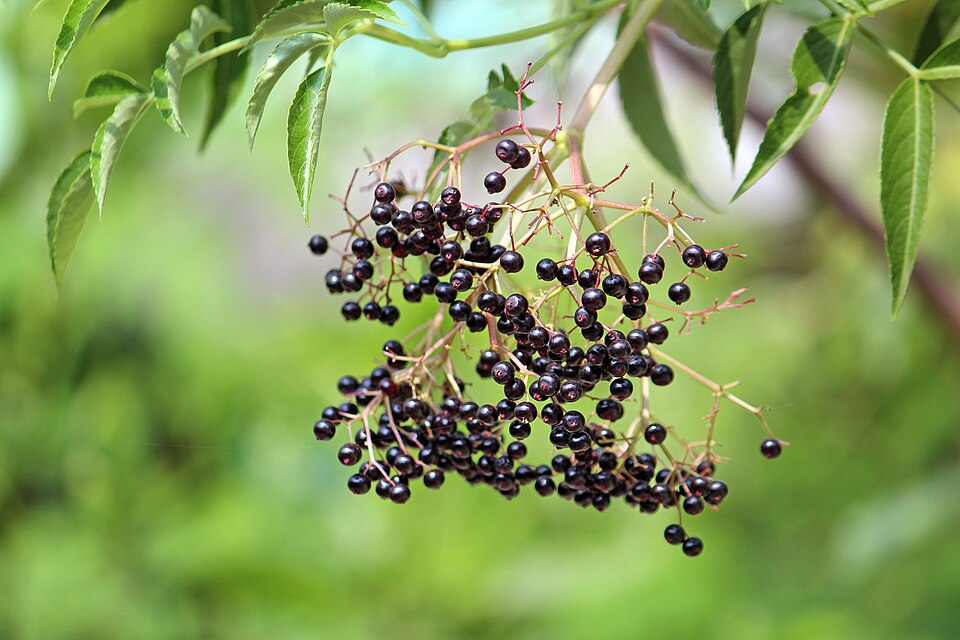
Flat clusters of small dark berries were stripped from bushes in late summer by the bucketful, and went into jelly, pies, syrup and – in a great many households – into wine made in a crock in the cellar.
Elderberry available as a commercial syrup and supplement, with the gathering, the jelly-making and the household wine all largely gone.
The stripping was the job. Elderberries come in umbels of hundreds of tiny fruit on fine green stems, and separating berry from stem is slow, staining work done sitting down with a bowl – which is why elderberry jelly was a mark of somebody’s patience rather than their luck.
7. Wild Grapes Were Everywhere and Nobody Planted Them
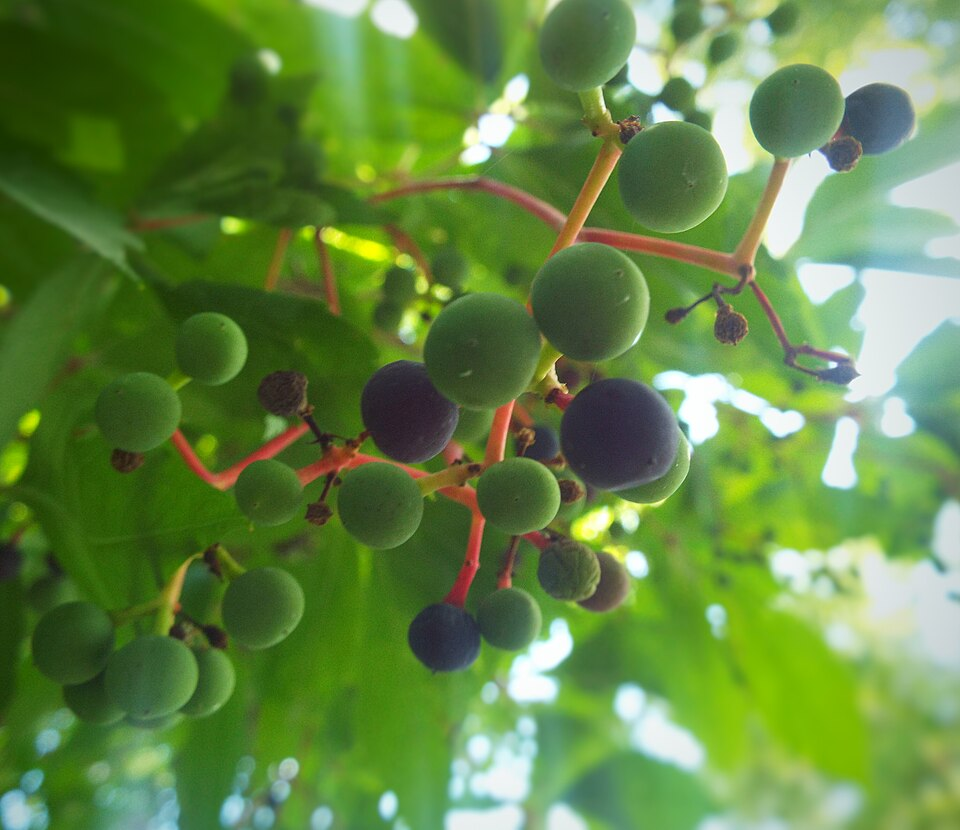
Native grapes climbed through fencerows and over trees across much of the country – small, thick-skinned, intensely flavoured and sharply acidic – and they were gathered for jelly, juice and wine.
Table grapes bred for size, sweetness, thin skins and shipping, with the wild species surviving in breeding programmes and in the fencerows where nobody has cleared them.
The flavour difference is enormous and it runs the other way from what people expect. Wild grapes are far more strongly flavoured than any table grape, which is exactly what makes them good for jelly and juice and difficult to eat by the handful – so a fruit that is unpleasant fresh produced the best jelly in the house.
8. Persimmons Were Not Edible Until They Were
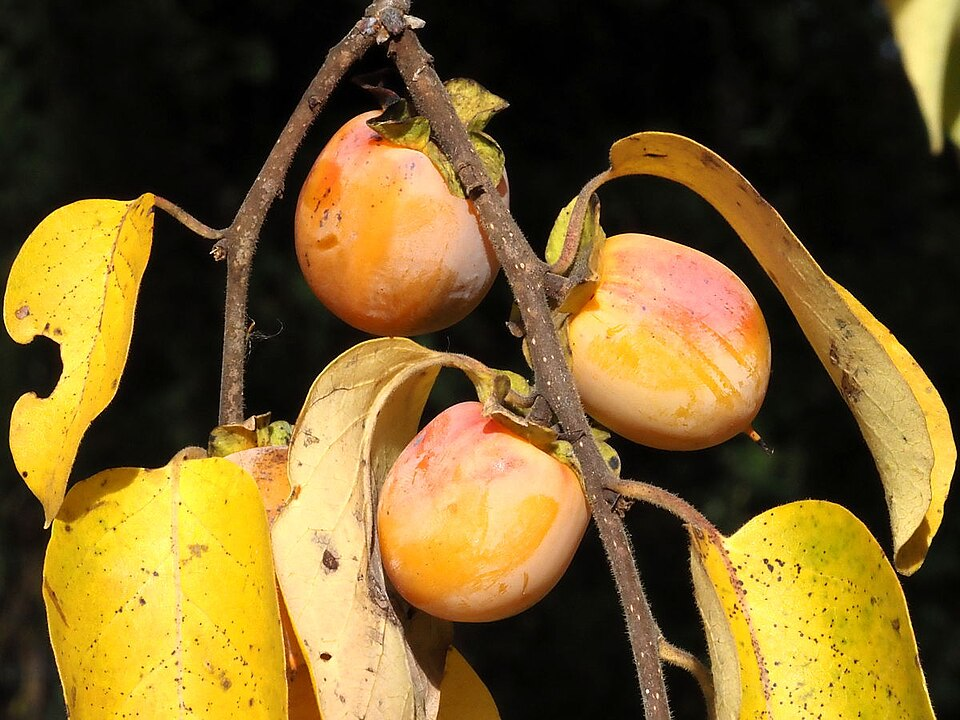
Native persimmons hung on the tree into late autumn and were gathered from the ground after frosts – and an unripe one is so astringent that it draws the entire mouth closed, which every child in the range learned exactly once.
An imported persimmon in stores, large and firm and sweet, which is a different species and gives no hint of the native fruit’s character.
The astringency has a mechanism and the folklore about frost is only half right. The fruit’s tannins bind the proteins in saliva, which is what produces the puckering; they become inactive as the fruit softens and over-ripens, and frost helps mainly by accelerating that softening – so the test was never the calendar, it was whether the fruit was soft enough to be nearly collapsing.
9. The Pawpaw Was the Biggest Native Fruit and Almost Nobody Had Heard of It
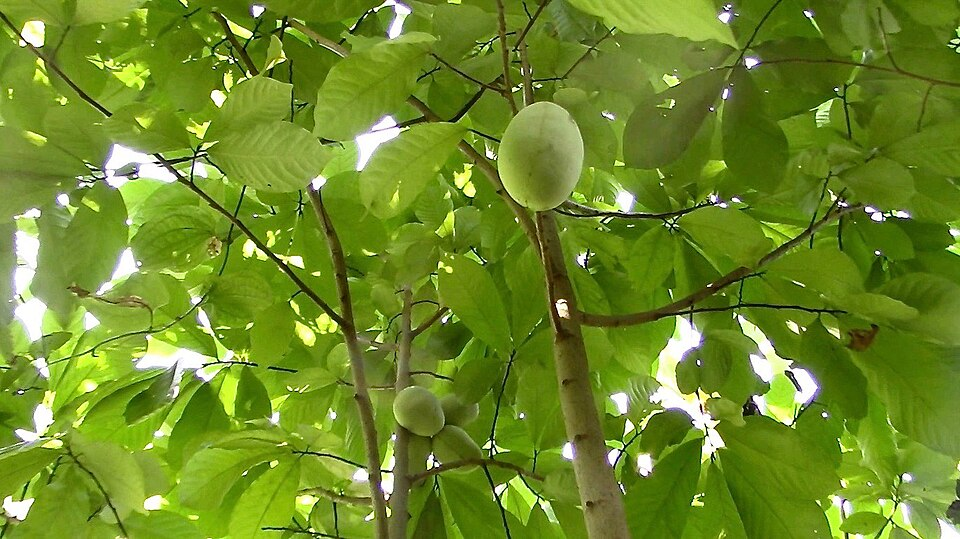
Growing in shady bottomland across a wide stretch of the eastern United States was a fruit the size of a large potato with custard-like flesh and a strong tropical flavour, gathered from the ground in September by people who knew where the patches were.
Very limited commercial availability, a small specialist market, farmers’ market appearances in season, and an active breeding and planting interest – alongside the same wild patches, still bearing, still unknown to nearly everybody.
It is worth sitting with how strange this is. The largest edible fruit native to North America, abundant across a huge range, excellent to eat and requiring no cultivation at all, has been effectively absent from American commerce for a century – and the reason is not rarity, protection or taste. It is in the last item on this list.
10. Watercress Grew Where the Spring Came Out
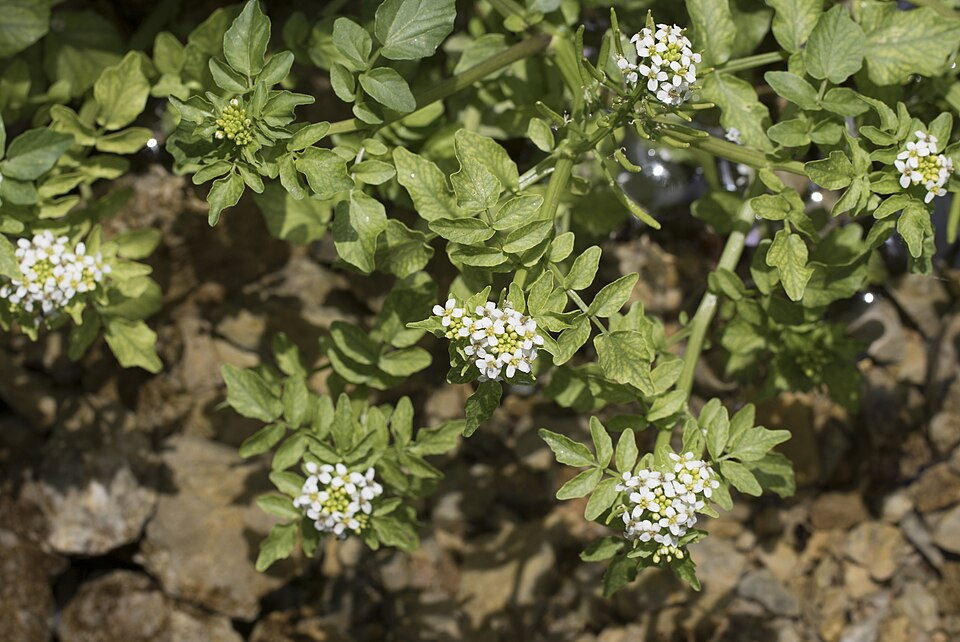
Cold clean flowing water supported beds of peppery green leaves that were cut through much of the year, and every community with a spring had a place where it was taken from.
Cultivated cress in bags, grown in controlled beds and washed, with wild gathering now inadvisable in most places for water-quality reasons.
The water quality point is the whole modern difference and it is not a small one. A plant growing in flowing water takes on whatever is upstream of it, which in 1974 was frequently a pasture and is now frequently several – so the sensible position today is that this is one wild food where the gathering has become genuinely unwise rather than merely unfashionable.
11. Sassafras Root Made the Spring Tonic
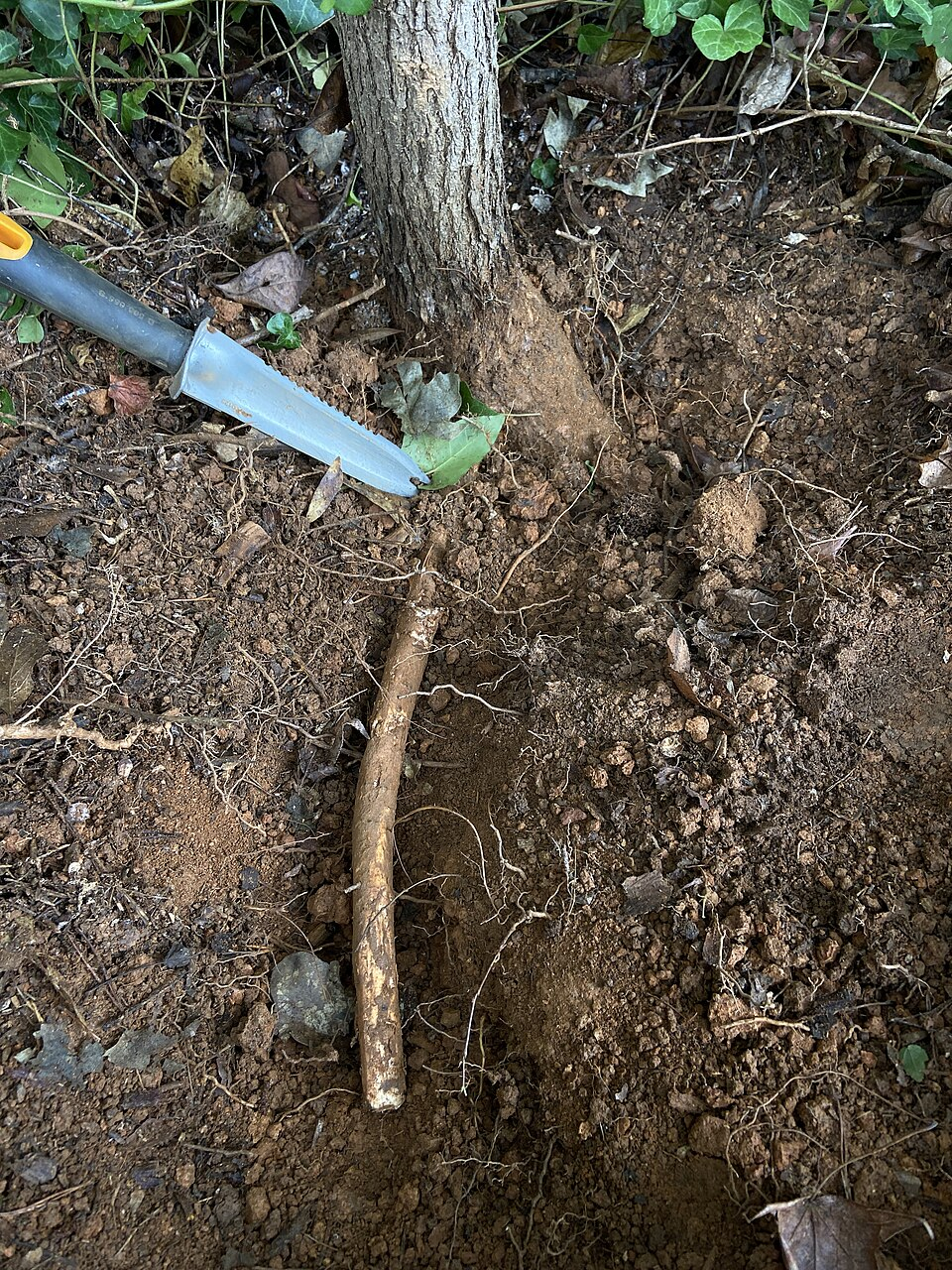
Digging sassafras roots in early spring and boiling them produced a strongly aromatic reddish tea that was drunk across a large part of the country as a seasonal tonic, and the flavour is the original one behind American root beer.
Sassafras-flavoured products made with the aromatic compound removed, following a regulatory restriction on the original extract, and the traditional root tea now a matter for current guidance rather than general practice.
The restriction is the reason this one deserves a flag rather than a recipe. A compound in the root was found to present a health concern and its use as a food flavouring was restricted decades ago, which is why commercial products taste the way they do – and this piece accordingly gives no preparation, no quantity and no advice, because that is properly a matter for current authoritative sources.
12. Ramps Came Up First and Everybody Knew
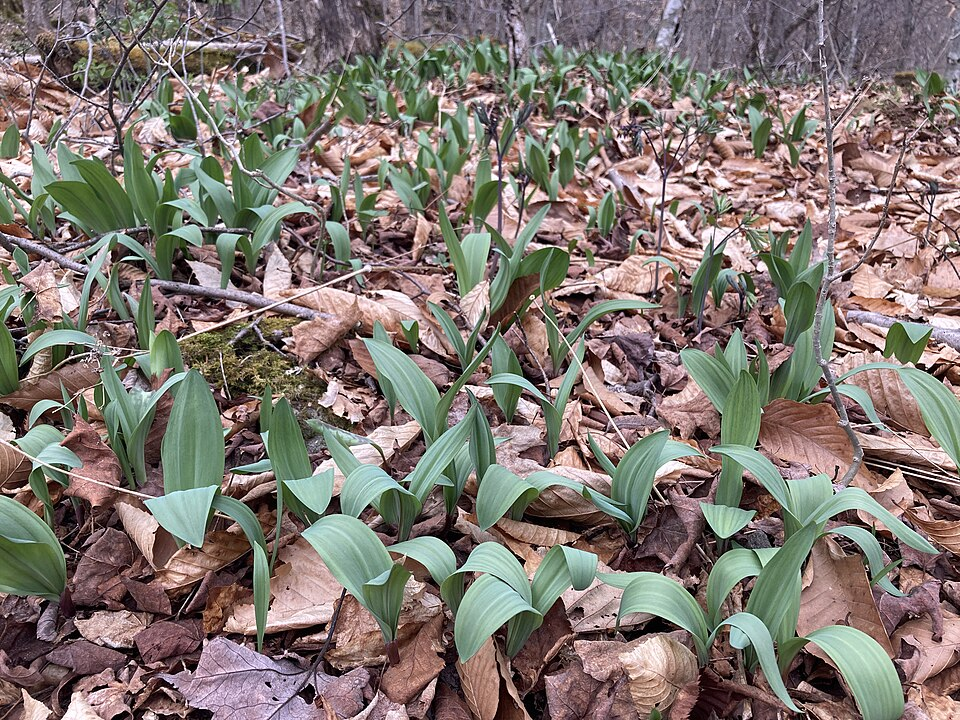
In the southern mountains the earliest gather of all was a broad-leaved wild onion with a powerful flavour, dug in early spring, cooked with potatoes and eggs and fat – and detectable on anybody who had eaten them for a day or two afterward.
A sought-after and expensive restaurant ingredient with a short season, commanding prices that would have astonished anybody digging them in 1974, and now a genuine conservation concern where demand has outrun the plant’s slow growth.
The reversal is the sharpest on this list. A food that was free, abundant, associated with poverty and openly joked about for its smell has become a premium seasonal delicacy shipped to cities – and the commercial demand is now heavy enough that the plant, which takes years to reach harvestable size, is being depleted in places where it was once simply everywhere.
13. The Containers Were Whatever Was Free
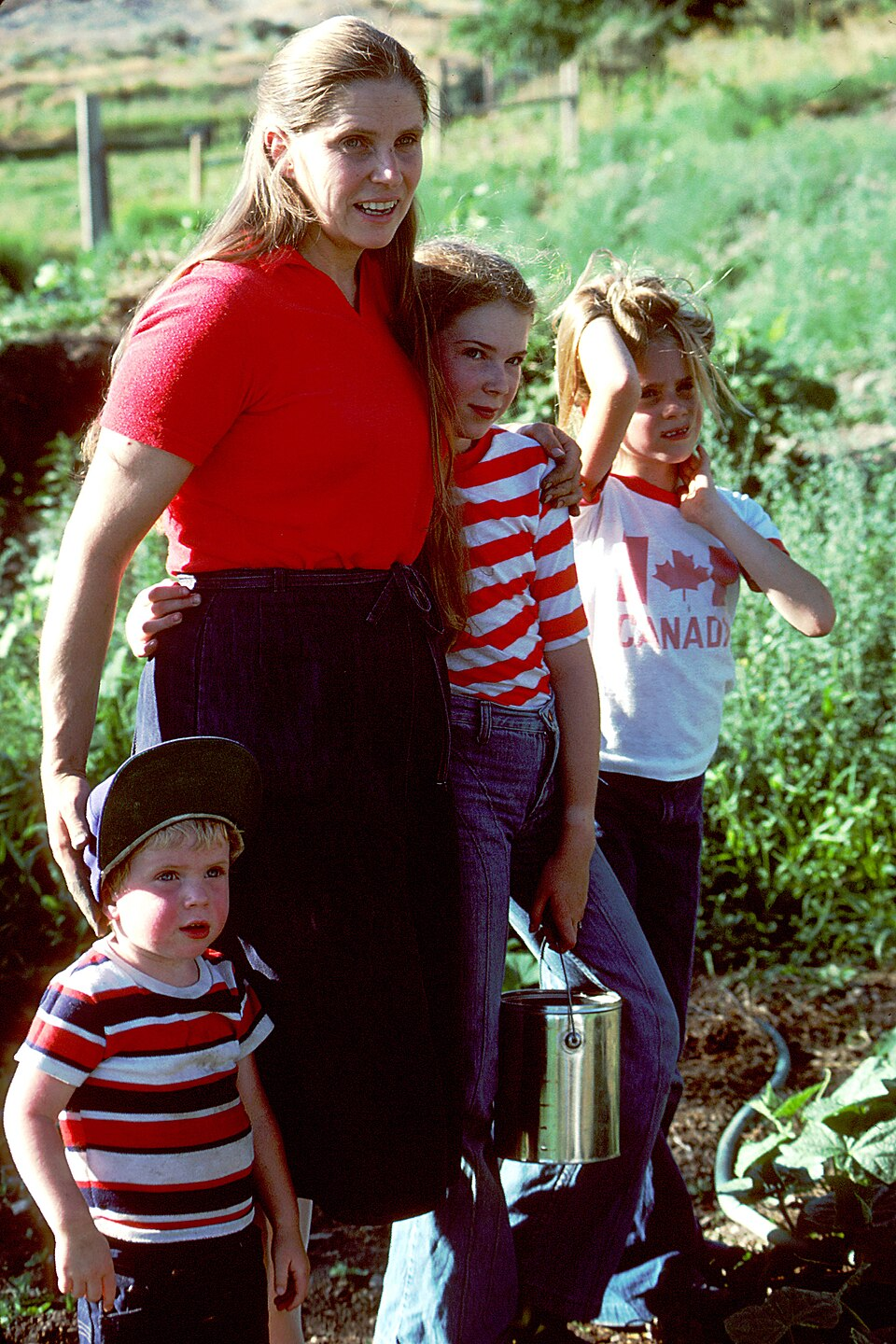
Nobody bought a picking container. A lard bucket, a coffee can with a wire bail punched through it, a syrup pail, a flour sack, a dishpan, a cardboard box, or a bucket on a belt to leave both hands free.
Purpose-made baskets and buckets sold for foraging, alongside the same improvisation by anybody who does it seriously.
The bail through a coffee can is the detail everybody from this period remembers, and it exists because of hands. Berry picking needs both of them, so the container has to hang – from a belt, from a neck, or from a branch – and a punched can with a wire handle is the cheapest possible solution to that.
14. You Had to Know Whose Land It Was
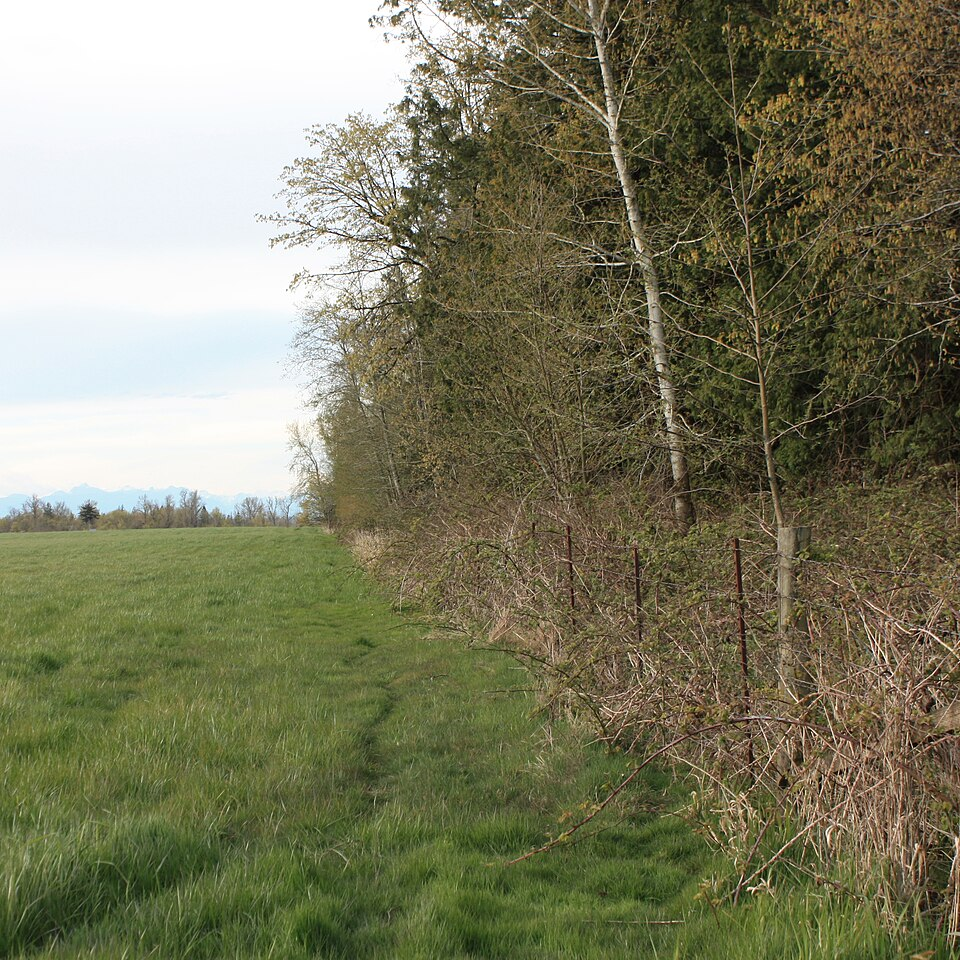
Gathering happened on other people’s property, and it operated on asking, on long-standing permission, on kinship, and on a general understanding that walking a fencerow for berries harmed nobody.
Posted land, liability concerns, absentee and corporate ownership, and a legal and social environment in which entering private property to gather food is not a casual matter.
The understanding was specific and local rather than general. A family knew which places they could go to, which required asking, which belonged to somebody who did not mind and which belonged to somebody who did – and all of that was held in the same place as the knowledge of where the berries actually were.
15. It Was Not Survival and It Was Not a Hobby
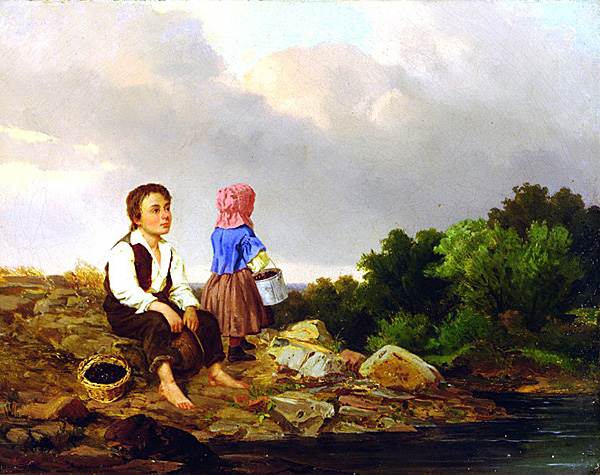
Gathering was a seasonal supplement. It did not feed a household and nobody pretended it did, and it was not undertaken for pleasure or authenticity – it was free food that happened to be available, gathered because there was no reason not to.
Foraging as a deliberate interest pursued by enthusiasts, with courses, books, applications and a substantial literature – undertaken as a choice rather than as an ordinary seasonal activity.
The distinction matters for understanding why it stopped. An activity undertaken because it is free stops the moment the food becomes cheap and the time becomes valuable, which is exactly what happened – and an activity undertaken because it is meaningful survives in a much smaller number of very committed hands, which is also exactly what happened.
16. Then the Knowledge Stopped Being Walked
Wild gathering rested on three things at once: land you could walk on, a season with nothing better to do in it, and knowledge of which specific bank, bend, fencerow and tree produced what, in which week, in your own locality.
Cheap year-round produce, posted and liability-conscious land, and a body of published information about wild food that is vastly better than anything that existed in 1974 – held by a small number of enthusiasts rather than by the general population.
And the thing that actually ended it is the third one, which is also the only one that cannot be fixed by a book. Identification can be learned from a field guide; an application can tell you what a leaf is. What cannot be learned that way is where – the particular patch behind the barn that comes in first, the bend where the grapes are, the three pawpaw trees in the bottom that nobody else has found, the bank that bears every other year. That information is site-specific, it has no general form, and it was transmitted only by one generation walking a piece of ground with another and pointing. When the walking stopped, the knowledge did not get written down because it could not be. And the pawpaw proves the whole case: the largest native fruit on the continent, delicious, abundant across a huge range, and absent from American commerce for a hundred years – not because it is rare or protected, but because it bruises within a few days and cannot be shipped or stored, which means it is unsellable and therefore unavailable to anybody who does not already know where a tree is. The wild food never went anywhere. It simply became impossible to buy, at the same moment it became impossible to inherit.
The Knowledge Had No Written Form
Three things held wild gathering up, and they went in a particular order.
The first was land. Gathering happened on other people’s property under an arrangement of asking, kinship and long tolerance – and posted land, absentee and corporate ownership and a sharper legal environment around entering property have made that casual arrangement largely impossible.
The second was the economics. This was never survival food and nobody pretended it was. It was a seasonal supplement gathered because it was free and because there was nothing better to do in May – and an activity undertaken because it costs nothing ends the moment the food gets cheap and the time gets valuable. Both happened.
The third is the one that actually settled it, and it is the only one that no book can repair.
A field guide can tell you what a plant is. An application on a telephone can identify a leaf from a photograph in two seconds, with a confidence no 1974 household could have dreamed of, and the published literature on wild food is now vastly better than anything that existed then. Identification has been comprehensively solved.
What has not been solved, and cannot be, is where.
That is the knowledge these households actually held, and it was entirely local. The patch behind the barn that comes in two weeks before the one on the ridge. The bend where the grapes climb the sycamores. The three pawpaw trees down in the bottom that nobody else has found. The bank that bears heavily every other year and sparsely in between. The spring where the cress is. The particular tree whose persimmons are worth walking for.
None of that has a general form. It cannot be written in a guide, because it is not true anywhere except in one place. It cannot be derived from a map. And it was transmitted by exactly one method: an older person walking a specific piece of ground with a younger one, in the right week, and pointing.
When that walking stopped – because families moved to town, because the land got posted, because the time stopped being free – the knowledge did not get recorded. It simply ended, patch by patch, in thousands of separate places, with nobody noticing that anything had been lost because what was lost was never general enough to notice.
And the pawpaw is the proof of the whole argument, which is why it has the last word.
It is the largest edible fruit native to North America. It grows wild across an enormous stretch of the eastern United States, in shady bottomland, requiring no cultivation, bearing reliably. It is excellent – custard-textured, strongly tropical, unlike anything else that grows on the continent.
And it has been effectively absent from American commerce for a century. Not because it is rare: it is abundant. Not because it is protected: it is not. Not because people dislike it: nearly everybody who tries one is astonished by it.
It is absent because it bruises within a few days of ripening and cannot be shipped or stored, which makes it unsellable. A fruit that cannot be sold is available only to people who know where a tree is.
So the whole category of wild food turns out to be in the same position. It never disappeared, it is not endangered, and most of it is still out there in the quantities it always was. It simply cannot be bought – which means that at the precise moment the knowledge of where it grows stopped being passed down, the food stopped being reachable by any other route.
If your family did this, you know which week the blackberries came in, and you know whose fence you went through.
And somebody walked you out there and pointed at things, and you were not paying attention, and now nobody knows where any of it is.
Like our content? Follow us for more.