In 1974 a broken window in an American house was an errand, not a project. You measured the opening, wrote it on a scrap of paper, drove into town, and a man in a shop with a stack of glass in it handed you a pane a few minutes later for the price of lunch.
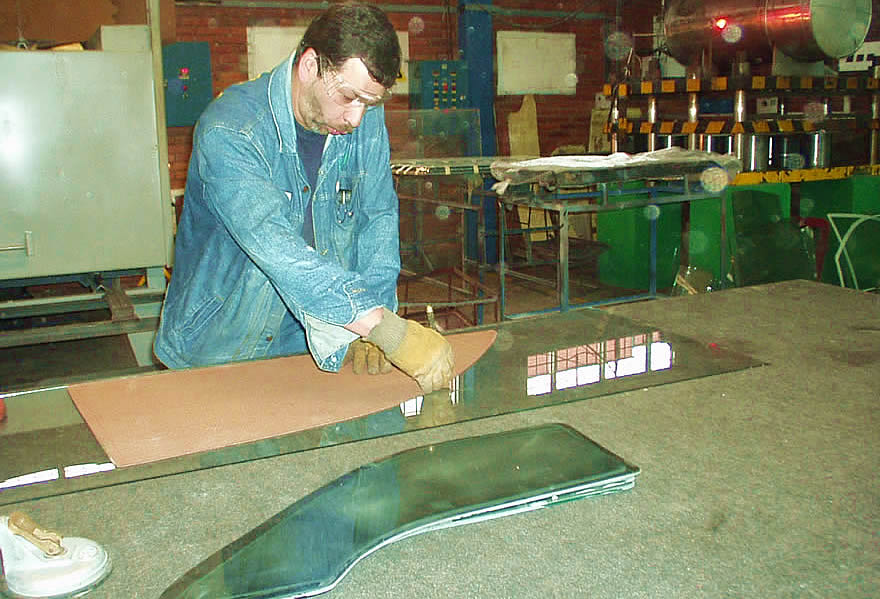
He did not cut it. He ran a small hardened wheel across the surface to open a shallow controlled fracture, and then snapped the sheet along it – within seconds, because a score left standing breaks badly. Then the pane went into the wooden sash held by little metal points, and a bead of putty was worked round it with a knife.
The same shop ground mirror edges, cut a dresser top to a paper template and replaced your windshield. Here are fourteen things every town’s glass shop did.
1. Glass Was Cut to Size While You Waited
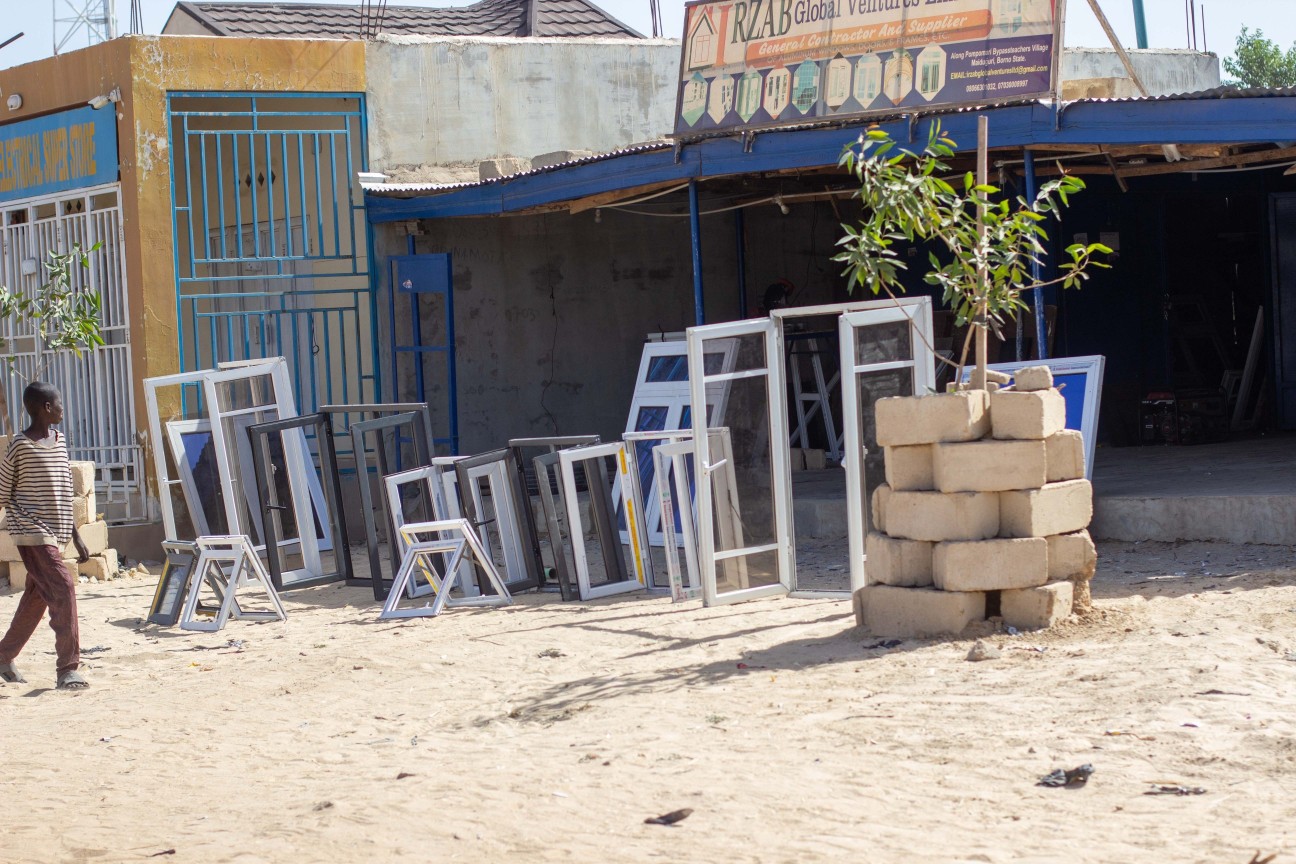
You walked in with a measurement written on a scrap of paper, or with the sash itself, and a man took a sheet off a rack, cut it, and handed it over in a few minutes for very little money.
Glass merchants who cut to order for trade and retail customers, in fewer locations, serving a market that is largely commercial rather than a householder with a broken window.
The speed is what made it a householder’s errand rather than a project. A broken pane was a trip into town and a few dollars, not a quotation and a wait – which is why a shop on a main street with a stack of glass in it was a viable business in a town of a few thousand people.
Like our content? Follow us for more.
2. The Cutting Is a Score and a Break, Not a Cut
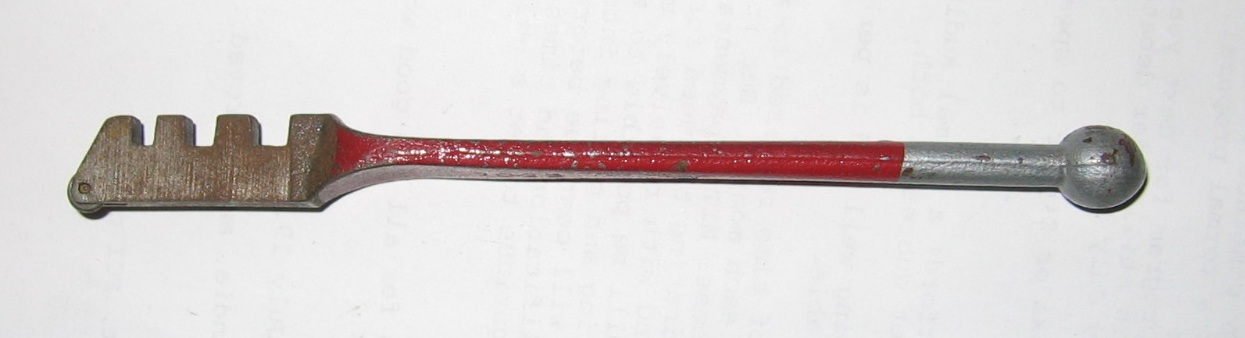
The tool does not cut through. A small hardened wheel run across the surface under pressure opens a shallow controlled fracture a fraction of a millimetre deep, and the sheet is then snapped along it.
The identical technique, unchanged, performed by hand for one-offs and by machine at volume.
Understanding that it is a fracture rather than a cut explains everything about how the trade worked. The glass is not being removed anywhere – it is being persuaded to break along a line somebody has chosen – which is why a single pass with a light steady hand works and why going over the same line twice ruins it.
3. The Score Had a Time Limit
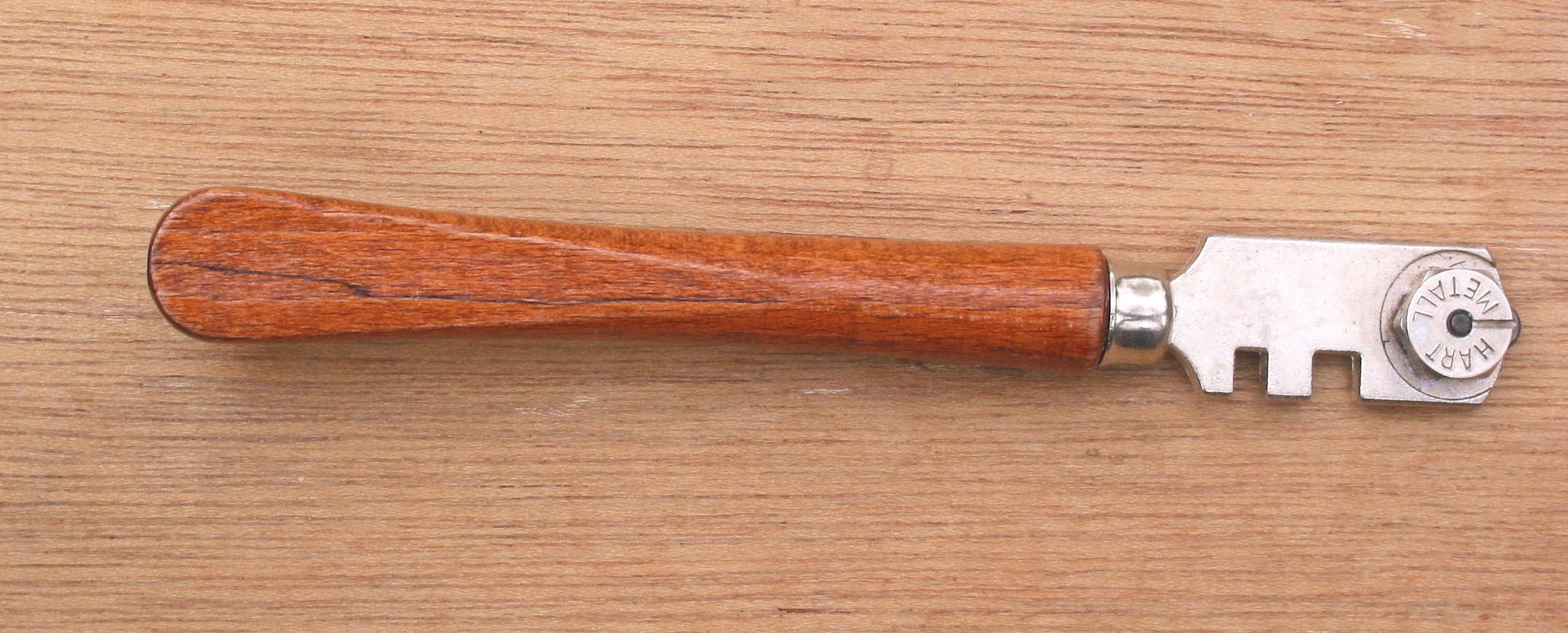
A scored sheet was broken immediately, within seconds. A score left standing for minutes breaks badly, wanders off the line and produces a ragged edge.
The same constraint, well understood, and the reason automated cutting equipment scores and breaks in one continuous operation.
The reason is that the fracture starts healing in a sense – the stresses at the tip of the score relax as the glass relieves itself, so the crack no longer has an easy path to follow. Which is why a glazier scored and broke in one fluid movement, and why watching somebody competent do it looks like a single action rather than two.
4. A Broken Window Was a Repair, Not a Replacement
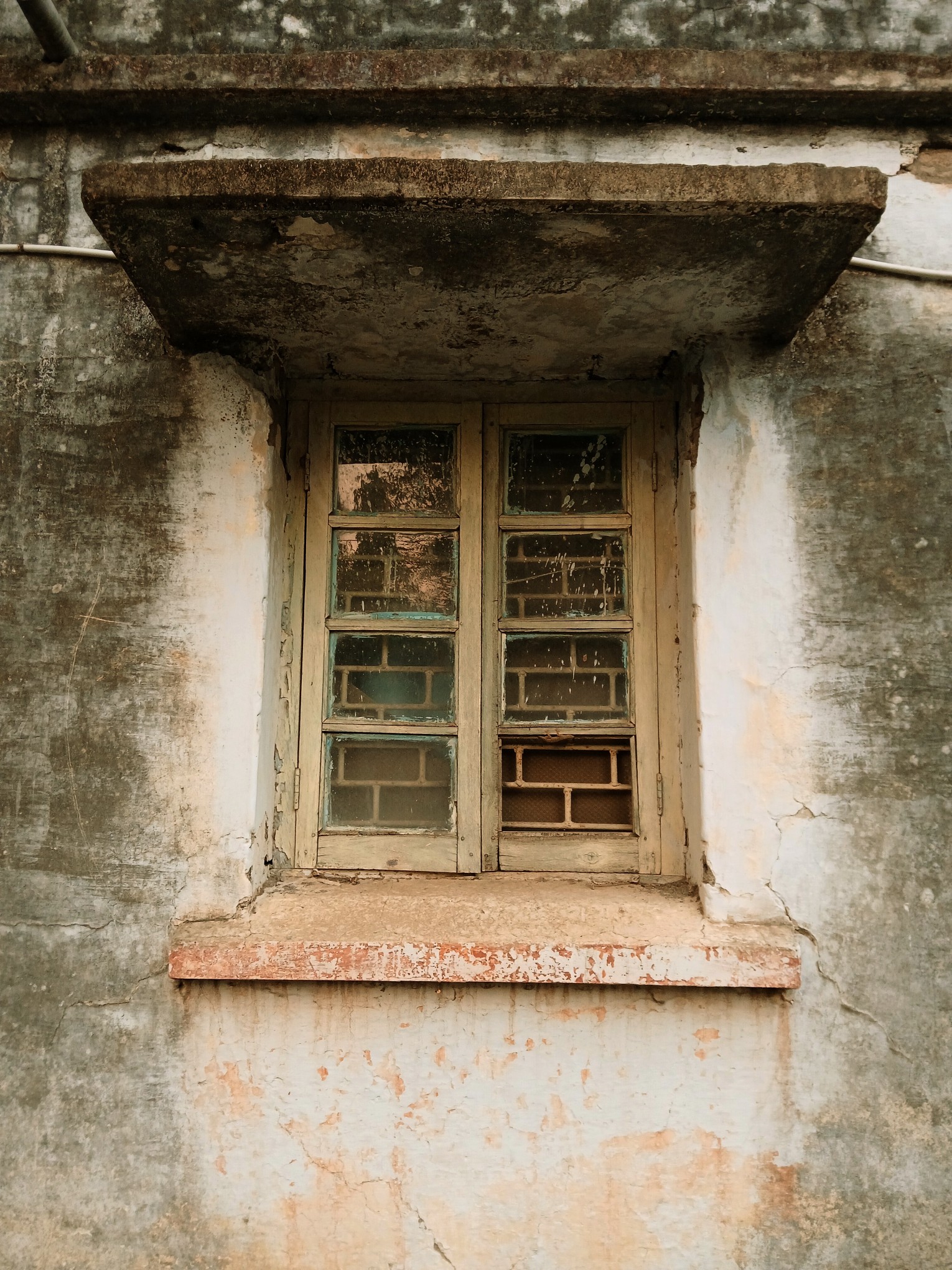
One pane in a multi-pane wooden sash could be removed and renewed on its own, leaving the sash, the frame, the hardware and every other pane in place.
Replacement of a complete sealed unit, and in many cases of the entire sash or window, because the failed component is not separable from the assembly.
This is the fact the whole trade rested on. A window was an assembly of separable parts – frame, sash, panes, points, putty – so a failure was always one part, and the part was cheap and locally obtainable. The repair cost a fraction of the window because it was a repair.
5. Glazing Points and Putty Held the Pane In
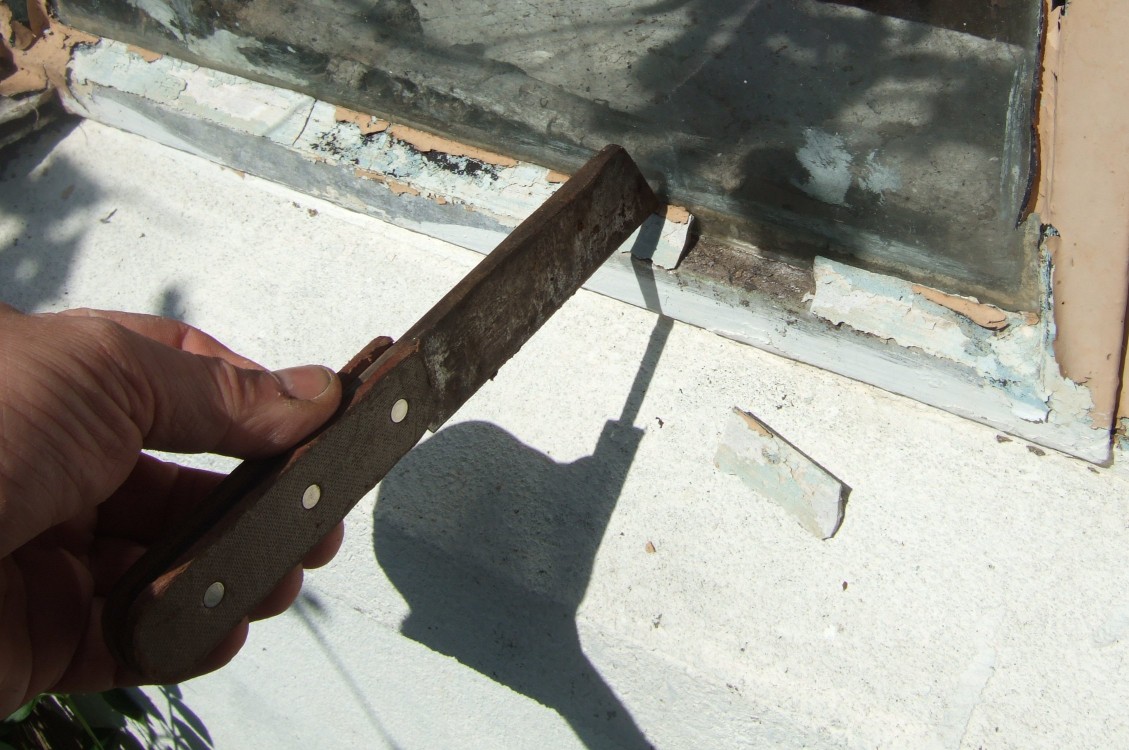
The pane sat in a rebate in the wooden sash, held mechanically by small triangular or diamond-shaped metal points pushed into the wood, and then sealed with a bead of putty worked to a neat angle with a knife.
Factory-set units bedded in gaskets, tapes and structural sealants, with no field-applied putty and no mechanical points.
The two components did two different jobs and both were necessary. The points carry the pane’s weight and hold it against the rebate; the putty keeps water out and cushions the glass against the wood. A pane held only by putty eventually slides, and a pane with no putty eventually rots the sash.
6. The Putty Had a Working Life and a Schedule
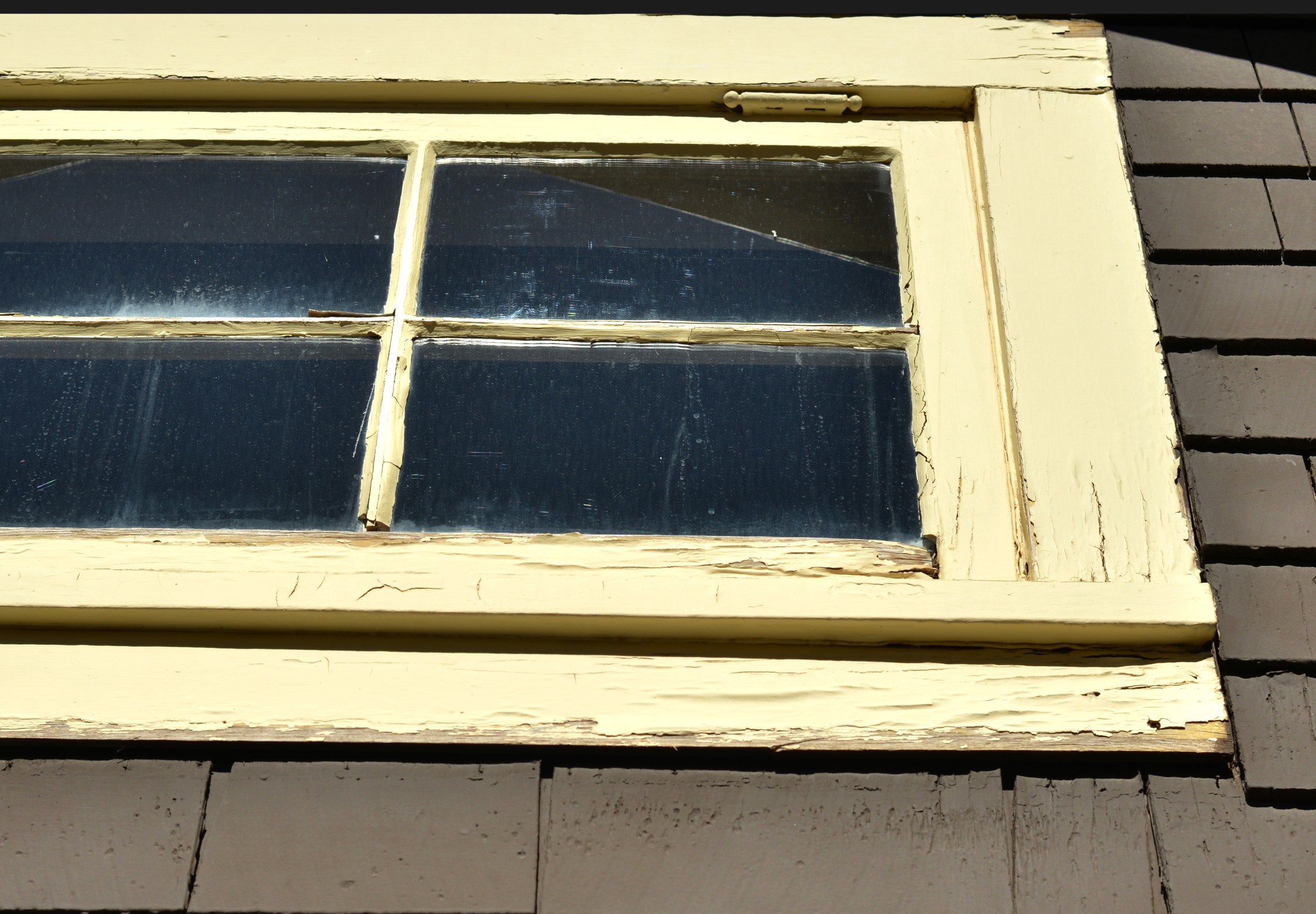
Linseed oil putty cures slowly from the outside in, remains workable for a long time, eventually hardens, and after some years cracks, shrinks and falls out – at which point it has to be raked out and renewed.
Sealant systems with far longer service lives, and sealed units whose edge seal is a factory product with no field maintenance expected or possible.
Puttying was therefore a recurring household and trade job rather than a one-off, and the painting over it was part of the system – paint carried over the putty and onto the glass by a sixteenth of an inch seals the joint and slows the drying out, which is why old window paint always overlaps the pane slightly.
7. Mirrors Were Cut and Their Edges Were Ground
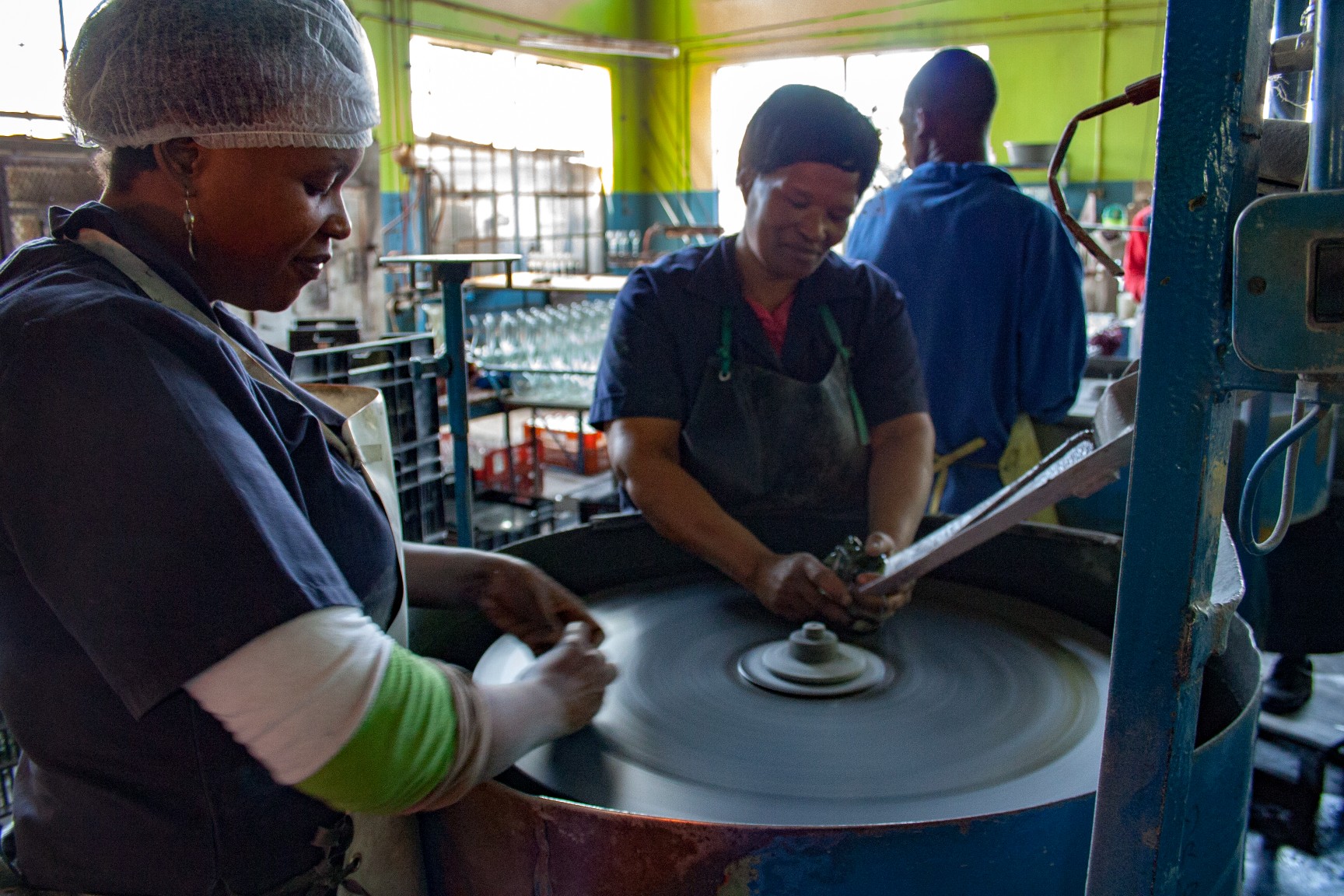
The same shop cut mirror to size, and because a mirror’s edges are exposed it also ground and polished them – a wet grinding wheel, then a finer one, producing a smooth bevelled or seamed edge safe to handle.
Mirror still cut and edged to order by glass merchants, now mostly for trade customers and installers rather than householders.
Edge work is the part of glass cutting that requires equipment rather than skill with a hand tool, and it is why the shop had a back room. A cut edge straight off the break is sharp and fragile; a ground edge is neither – so anything that would be handled got its edges worked, and anything hidden in a frame did not.
8. Table Tops and Shelves Came From the Same Counter
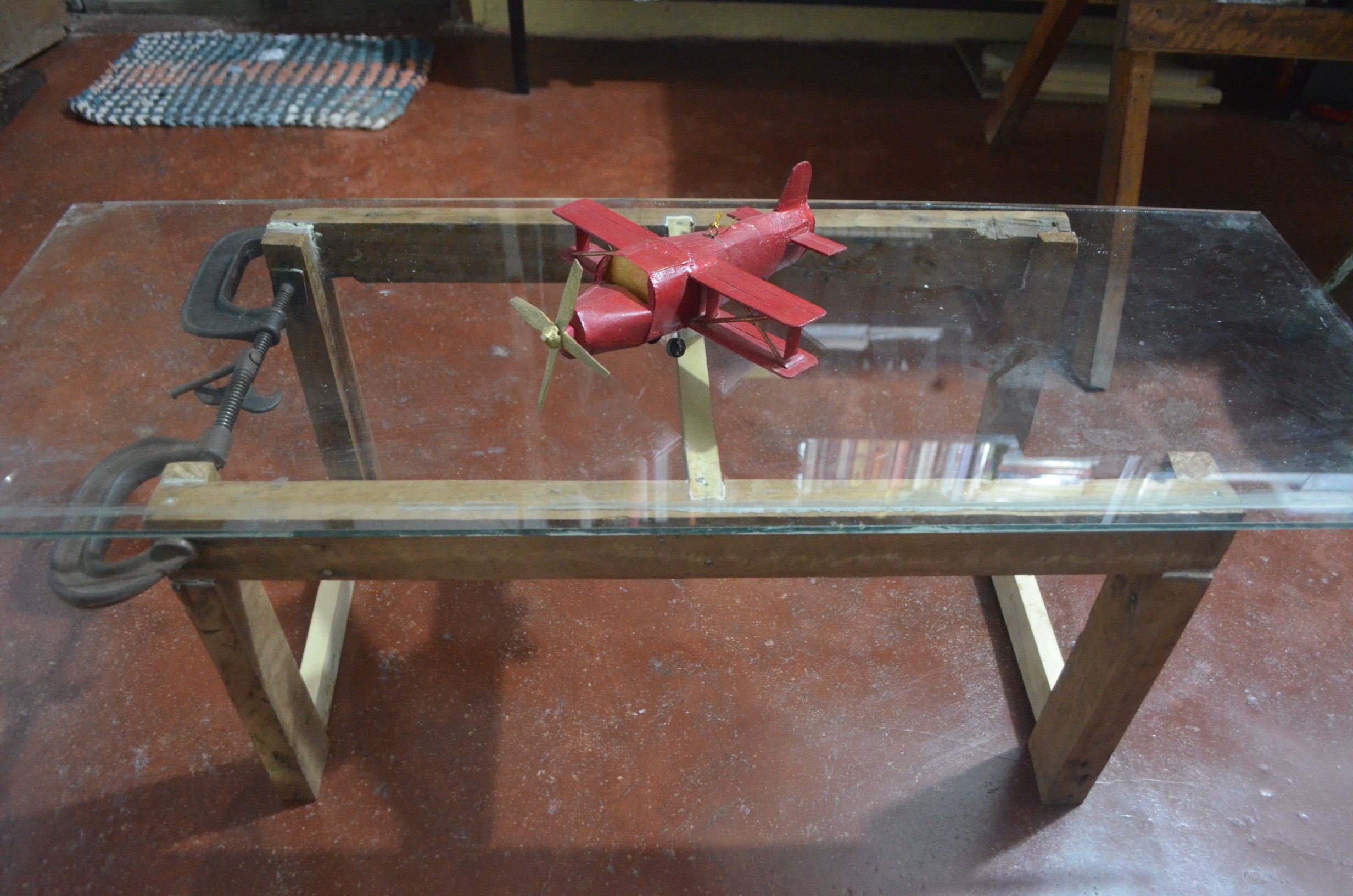
Households ordered glass for furniture: a protective top cut to the shape of a dresser or a dining table, shelves for a cabinet, a panel for a coffee table, each cut to a traced pattern with polished edges.
Available on order from merchants and specialists, and much more commonly bought as a stock item in standard sizes.
Cutting to a traced pattern is what the shop did best and it is what has become hardest to obtain. A householder brought in a paper template of an oddly shaped dresser top, and the shop cut the glass to it, ground the edges and handed it over – which is a made-to-order manufacturing service delivered over a counter in an afternoon.
9. Windshields Were Replaced There and They Were Laminated
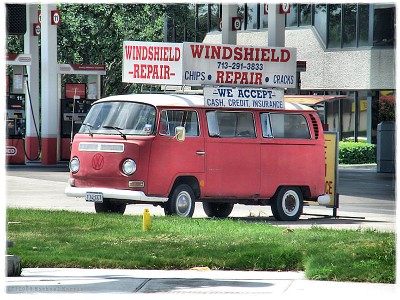
Vehicle glass was the same trade. A cracked windshield went to the glass shop, and the replacement was laminated – two sheets with a tough plastic interlayer bonded between them, which is why a damaged one holds together instead of coming apart.
A large specialised national industry with mobile fitting, which replaces the same laminated construction and is now entangled with camera and sensor recalibration.
Laminated construction is one of the clearest safety successes in the history of the car and the principle has not changed. The interlayer holds the fragments and keeps the sheet in place, which is why a windshield crazes into a sheet of cracks rather than disappearing – and the local glass shop was where that work was done for decades.
10. Storm Windows and Screens Were Rebuilt, Not Replaced
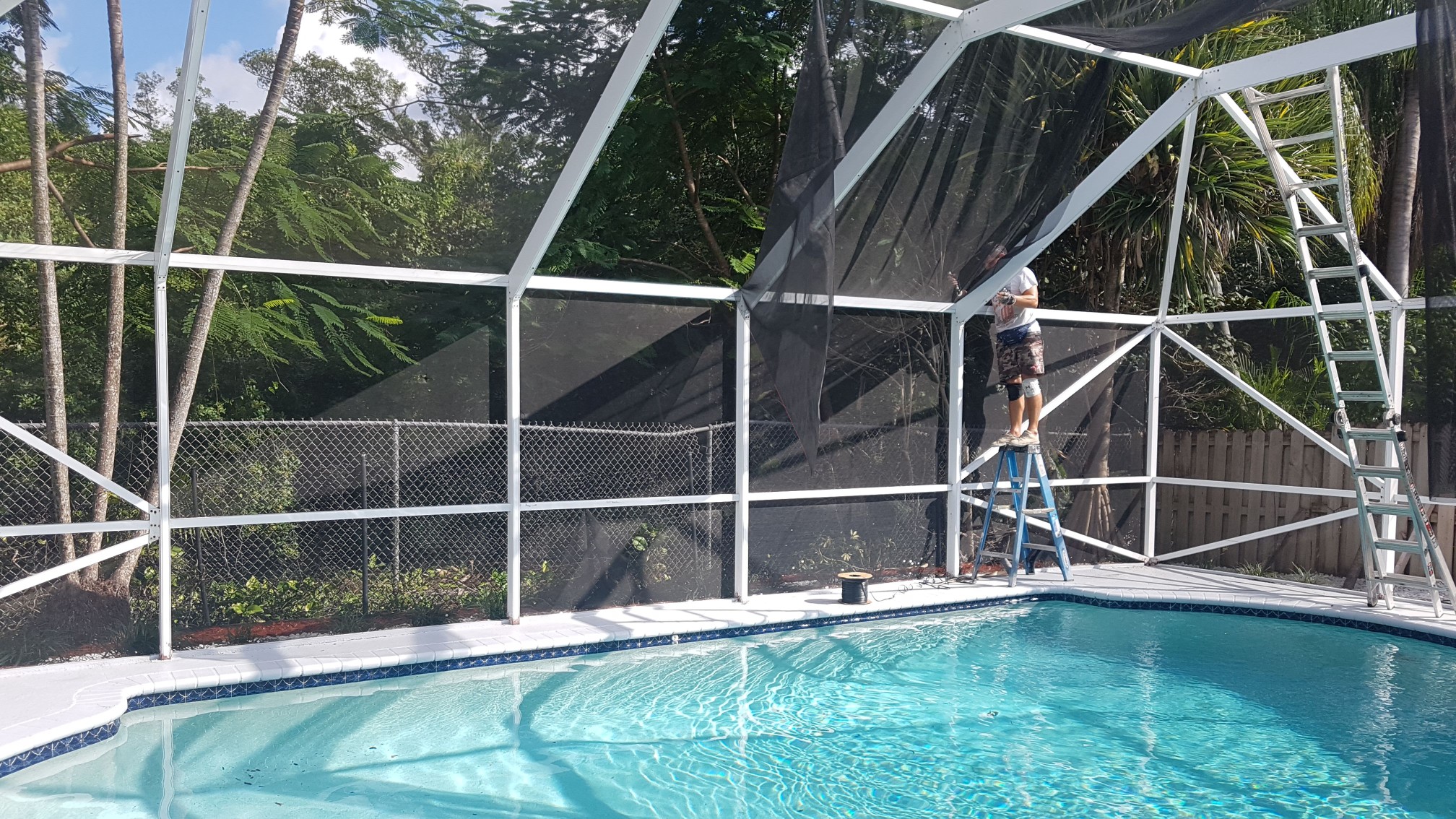
The shop reglazed storm sashes, re-screened frames with new mesh and spline, replaced corner keys and squared up bent aluminium – small repairs on seasonal components that every house had a stack of.
Screen repair still available in hardware stores and from specialists, with storm window rebuilding largely obsolete because replacement windows have absorbed the function.
Rebuilding was worth doing because the frames outlasted their contents by decades. An aluminium storm sash is essentially permanent; the glass in it breaks and the mesh in it tears, and both were a few dollars and ten minutes – so the economically obvious thing was to keep the frame forever.
11. The Truck Had a Rack on the Side and a Suction Cup
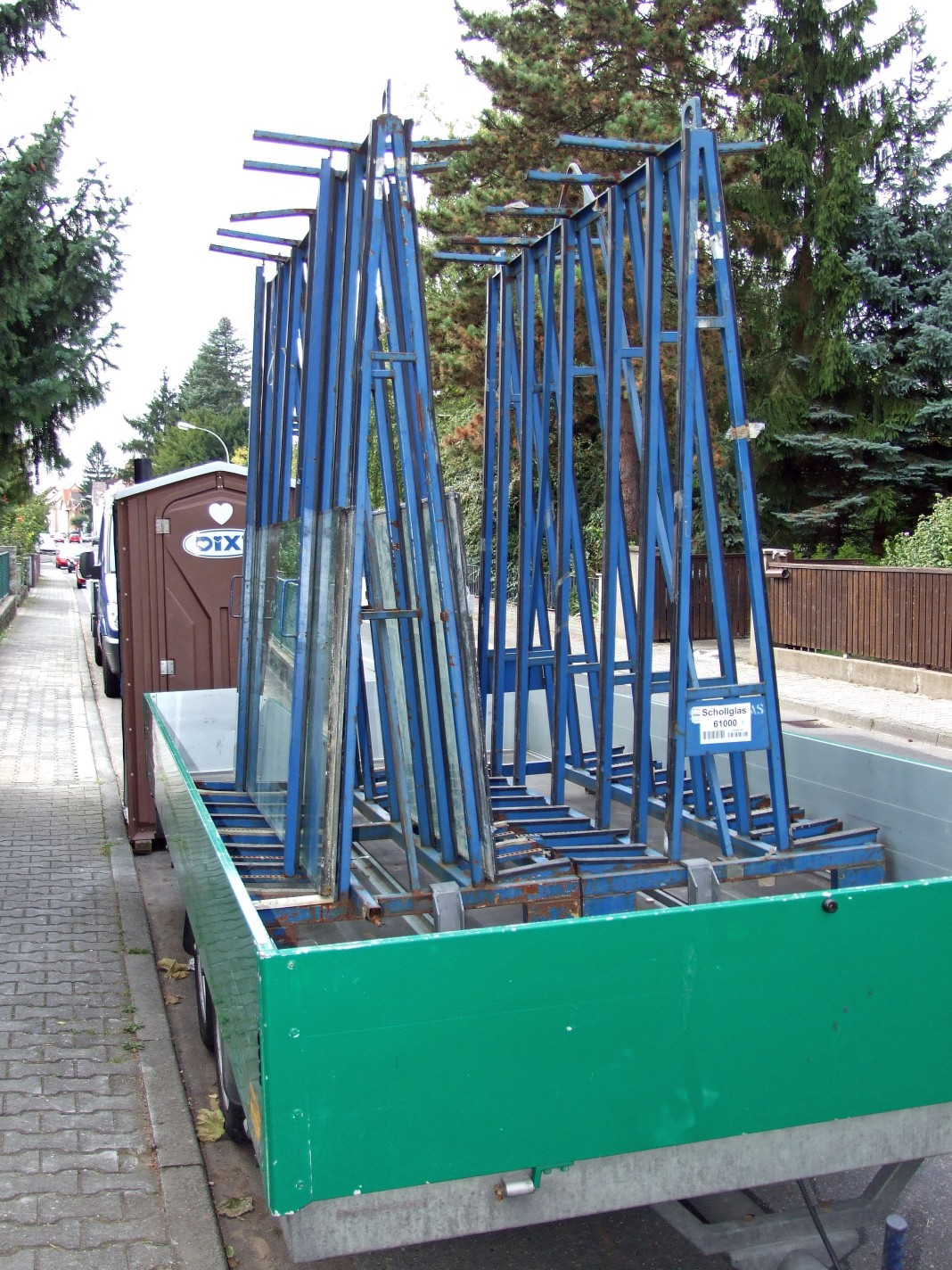
Delivery and site work used a pickup or van with an external padded A-frame rack carrying sheets on edge, and the glass was handled with large rubber suction cups and heavy gloves.
The same rack, the same cups, the same gloves – this is one element of the trade that has not changed at all.
Carrying glass on edge rather than flat is the non-obvious part and it is not about space. A sheet supported on edge is enormously stronger than the same sheet lying flat, where its own weight flexes it over any irregularity – so the rack is a structural decision rather than a packing one.
12. Single Pane Was Standard and Insulated Units Were New
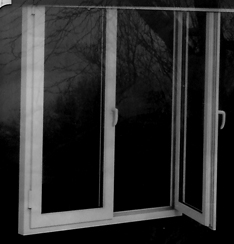
The ordinary window in 1974 was one sheet of glass. Double-glazed sealed units existed, were available, cost substantially more, and were specified in cold regions and for new construction rather than for repairs.
Insulated units as the universal standard, in two or three panes, with coatings and gas fills, and single glazing essentially unavailable for a habitable room.
The performance difference is enormous and entirely real. A single pane is a hole in a building’s insulation, and sealed units with modern coatings cut that loss dramatically – which is the main reason the modern window exists in the form it does and is a genuine improvement nobody should argue with.
13. Then the Safety Rules Arrived and Changed What Could Be Cut

Requirements began specifying toughened or laminated glass in locations where people might walk into it or fall against it – doors, sidelights, panels near the floor, shower enclosures, large low panes.
The same requirements, considerably more comprehensive, with permanent marking on compliant panes and ordinary annealed glass prohibited in those positions.
And this is the point at which the counter service began to narrow, for entirely sound reasons. Toughened glass cannot be cut at all after treatment – it is heat-treated under tension and scoring it makes the whole sheet disintegrate – so a shop can no longer simply cut a sheet for a door. It must be ordered, made to size and then toughened, which turns a five-minute counter job into a factory order.
14. Then the Window Stopped Being Made of Parts
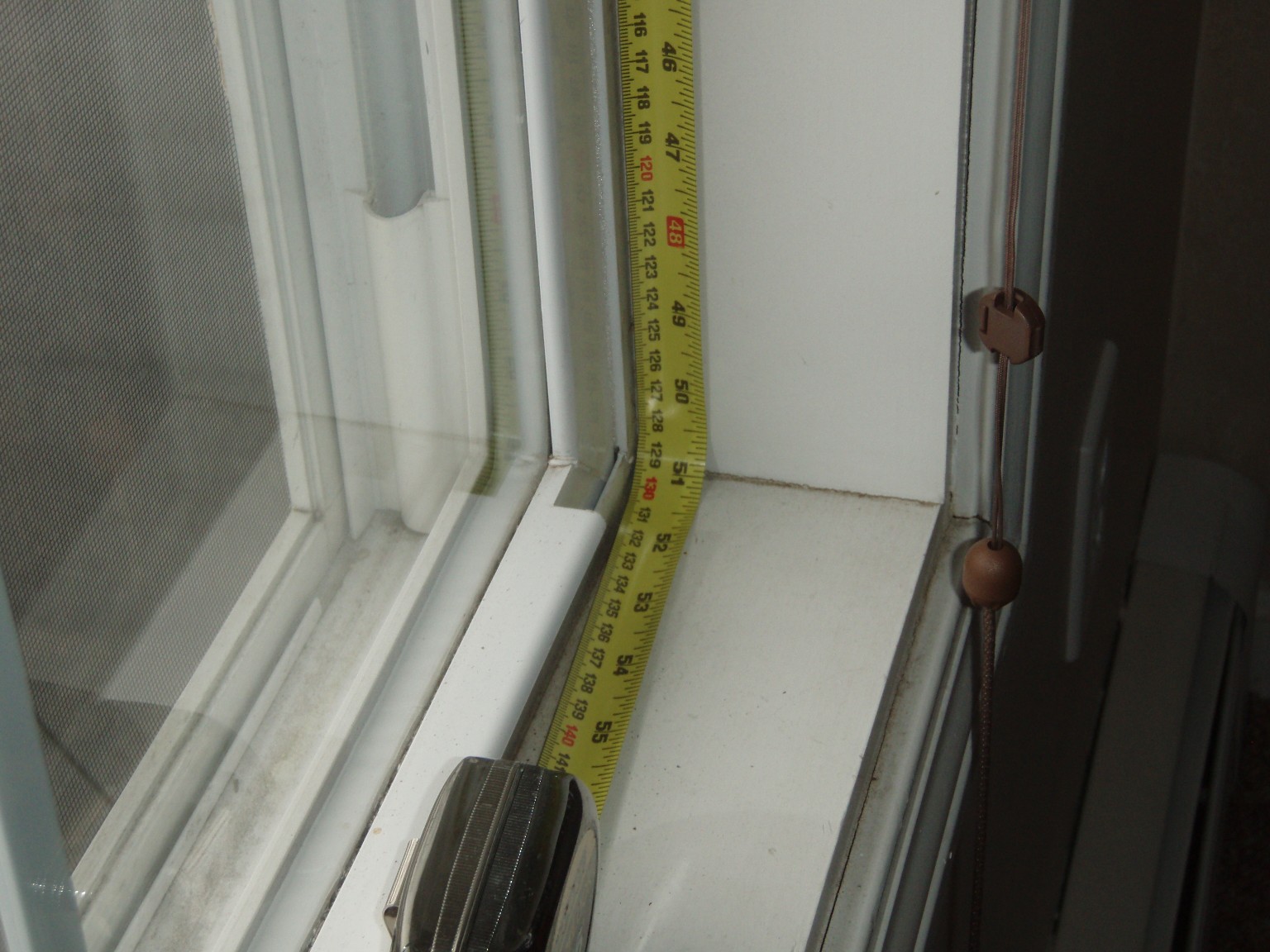
A window was separable components: a frame, a sash, individual panes, metal points and a bead of putty – every one of which could be renewed on its own by a local shop in an afternoon for very little money.
A factory-assembled sealed unit of two or three panes with a spacer, a desiccant and a hermetic edge seal, fitted into a frame as one indivisible item and replaced the same way.
And the thing worth understanding is that there is no villain in this story, which is unusual. The sealed unit is a genuinely superior product: the insulation is vastly better, the coatings reflect heat where it is wanted, the gas fill works, and condensation between the panes does not happen because the cavity is sealed and dried. But the hermetic seal is not an optional refinement – it is the entire basis of how the unit works, and a seal that can be opened is a seal that has failed. Which means the very feature that makes a modern window good is the feature that makes it impossible to repair one pane of it, impossible to cut it down, and impossible to service at a counter. So the trade did not lose to indifference or to cheap imports. It lost because the component it existed to supply was absorbed into an assembly that cannot have components – and a householder who used to drive into town with a measurement on a scrap of paper and come home with a pane for the price of lunch now orders a unit, waits a fortnight, and pays for a window.
The Seal That Makes It Good Is the Seal That Makes It Unfixable
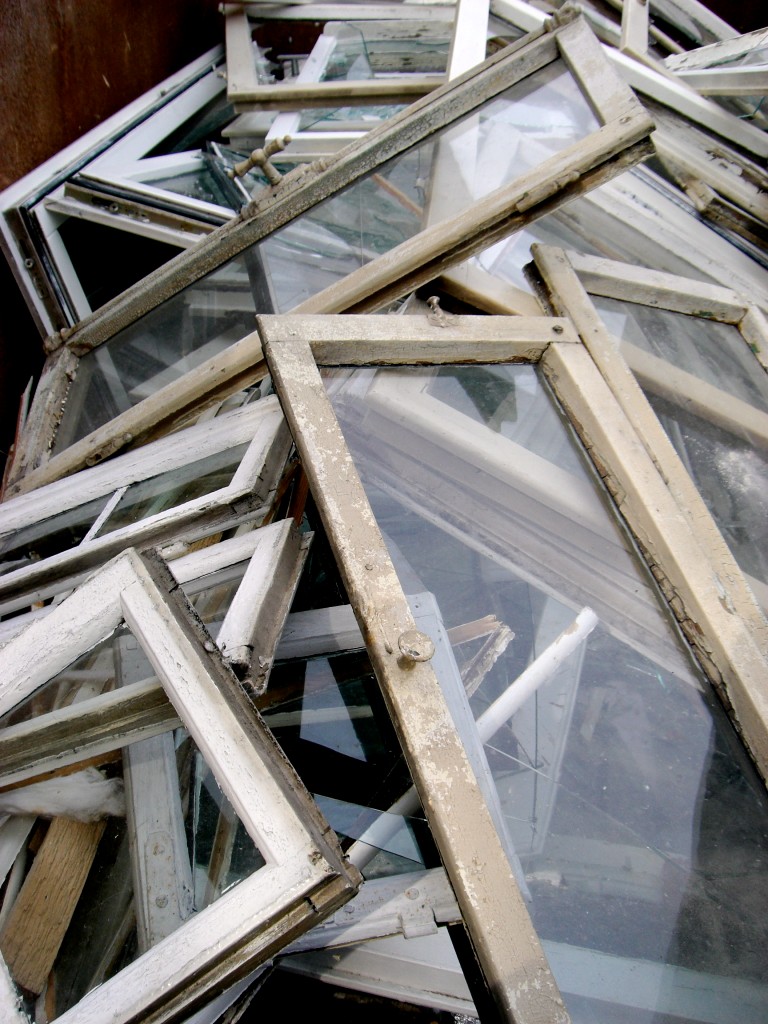
Most stories about a vanished local trade have somebody to blame – cheap imports, a chain store, a regulation, indifference. The glass shop does not, and that is what makes it worth examining.
The trade existed because of one structural fact about old windows: they were made of separable parts. A frame, a sash, individual panes, small metal points to hold each pane, and a bead of putty to seal it. Five components, all independent. Which meant that when a window failed, it failed in one part – and that part could be renewed on its own, cheaply, locally, in an afternoon, by somebody with a stack of glass and a hand tool.
The economics followed directly. A pane cost very little, the labour was a two-minute score-and-break, and the rest of the window stayed where it was. That is the entire business model of every glass shop on every main street in the country.
Now look at what replaced it, and look at it fairly.
A modern window is a sealed insulated unit: two or three panes held apart by a spacer, with a desiccant inside the spacer to absorb any trapped moisture, and a hermetic seal round the whole edge. In the better ones there is a low-emissivity coating on one surface and an inert gas fill in the cavity.
That product is enormously better than a single pane. The heat loss through a window was always the weakest point in a building’s envelope, and the sealed unit addresses it properly – the cavity insulates, the coating reflects heat back where it is wanted, the gas fill works, and the inner surface stays warm enough that condensation largely stops. These are not marketing claims; they are measurable and large.
And every one of those benefits depends on the edge seal.
The cavity has to be sealed, and it has to stay sealed, because the moment it is not, moisture gets in, the desiccant saturates, and the unit fogs permanently between the panes. There is no version of this product with a serviceable seal, because a seal that can be opened is a seal that leaks. The permanence is not a design choice somebody made to prevent repair. It is the mechanism.
So the consequences are unavoidable rather than imposed. You cannot replace one pane of a sealed unit, because the panes are not separate items. You cannot cut a sealed unit down to fit a different opening, because cutting it destroys the seal. You cannot service it at a counter, because there is nothing inside it that a person can reach. And when it fails, the whole unit is replaced.
Which removed the component the entire trade was built on. Not the skill – the skill is intact, and glass is still scored and snapped by hand exactly as it was in 1974, by people who are very good at it. What went was the demand: a householder with a broken window no longer needs a pane, because their window does not have panes in it.
The honest summary is that the glass got substantially better and the repairability went to zero, and that both of those are the same fact.
A man in a shop used to hand you a piece of glass for the price of lunch. He is still there in a few towns, cutting mirror and table tops. Nobody brings him a window any more, because a window is not a thing you can bring.
If you ever did this, you remember the sound of the score and the snap, and how fast it happened.
And somebody in your family puttied a window, badly, and the paint overlapped the glass by a sixteenth of an inch, which is exactly right.
Like our content? Follow us for more.