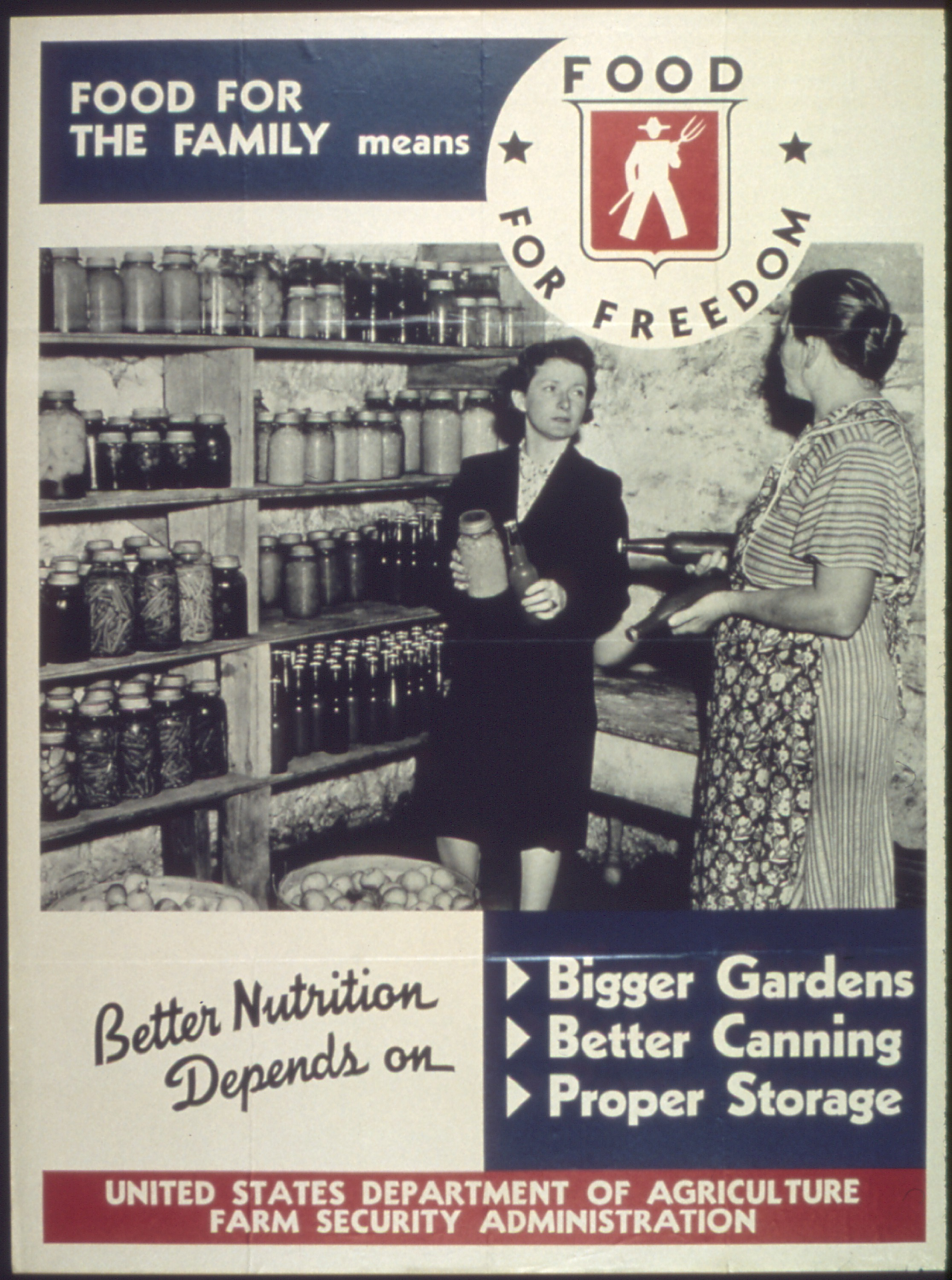
The instant food cupboard is the part of mid-century American eating that gets the most ridicule and it deserves a more careful look. These products were not foisted on anybody. They were bought enthusiastically by households where somebody was cooking three meals a day without a dishwasher, a microwave or much money, and they did the thing they promised, which was to take twenty minutes off a task.
What they did not do was tell anybody what was in them. The great majority of the items below were changed not by a prohibition on the product but by a requirement to declare something: an ingredient, an allergen, a nutrient, a flavour enhancer, an origin. Four of them lost an ingredient outright. One of them is included because nothing was ever wrong with it. Here are sixteen things from that cupboard, and what happened to each.
1. Nonfat dry milk, the cupboard staple nobody chose
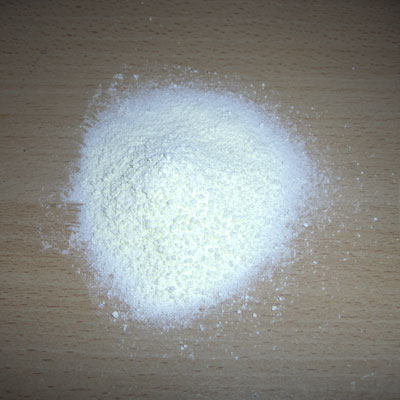
Powdered skim milk was in American cupboards everywhere, bought because it was cheap and because it kept, mixed in a jug and drunk by children who could tell the difference immediately. It was also distributed through federal commodity programmes in very large quantities.
The product is unchanged and entirely legitimate. What has changed is the label: there was no nutrition panel, no allergen declaration and no indication of whether vitamins A and D had been added, which for a product bought specifically as a milk substitute for children is the information that matters most.
Instant agglomerated versions, which actually dissolve rather than forming lumps, were a genuine technical advance of the 1950s. Anybody who remembers it as undrinkable may be remembering the pre-instant kind, and the difference was substantial.
Like our content? Follow us for more.
2. Instant mashed potato, and the question of what else was in it

Dehydrated potato flakes and granules were among the most successful convenience products ever sold in the United States, reconstituted with water or milk in under a minute and used in households, schools and institutions on an enormous scale.
The potato is the easy part. The formulations carried emulsifiers, preservatives and antioxidants, commonly including the synthetic antioxidants that have since been the subject of repeated review, and none of it was declared on a 1965 package because ingredient listing was not yet required in the form it later took.
This product is the clearest example of the whole category’s logic. It was not sold as better than the original; it was sold as faster, and the thing it competed against was twenty minutes of peeling and boiling for somebody who had four other things to do.
3. Dehydrated soup mix, built on an enhancer nobody declared
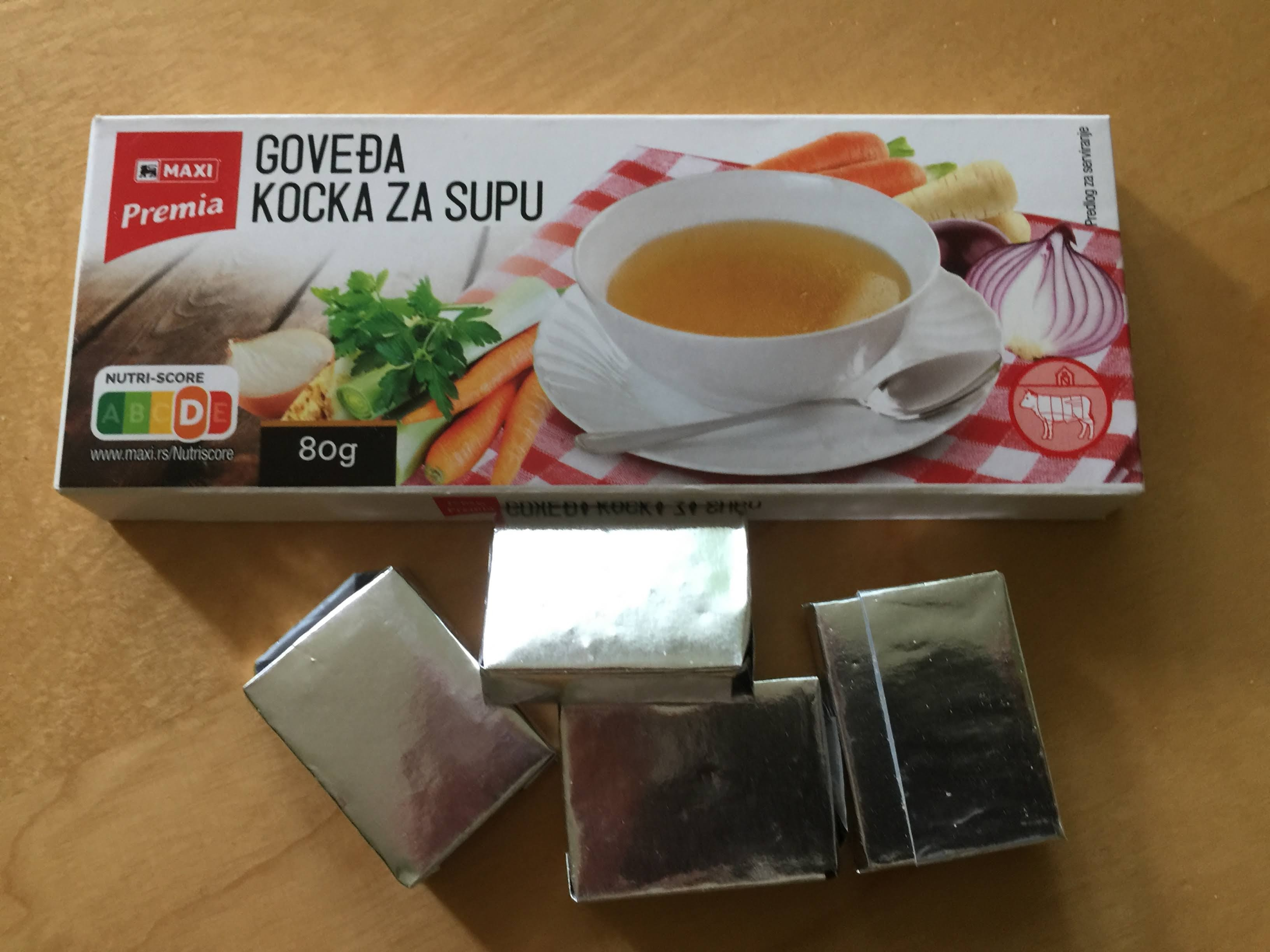
Packet soups were a staple, and their savoury depth came substantially from monosodium glutamate and from hydrolysed vegetable protein, with the balance made up by dried vegetables, starch and salt.
Those ingredients remain permitted. What has changed is that American labelling now requires monosodium glutamate to be declared by name when added, and requires hydrolysed protein sources to be identified, which closed a route by which free glutamate could be present without the familiar name appearing anywhere.
The soup itself was and is a reasonable product. The declaration question matters because a shopper who wanted to avoid the ingredient had no way of doing so in 1965, which is the recurring theme of this entire cupboard.
4. Monosodium glutamate sold plainly, in a shaker, for the table
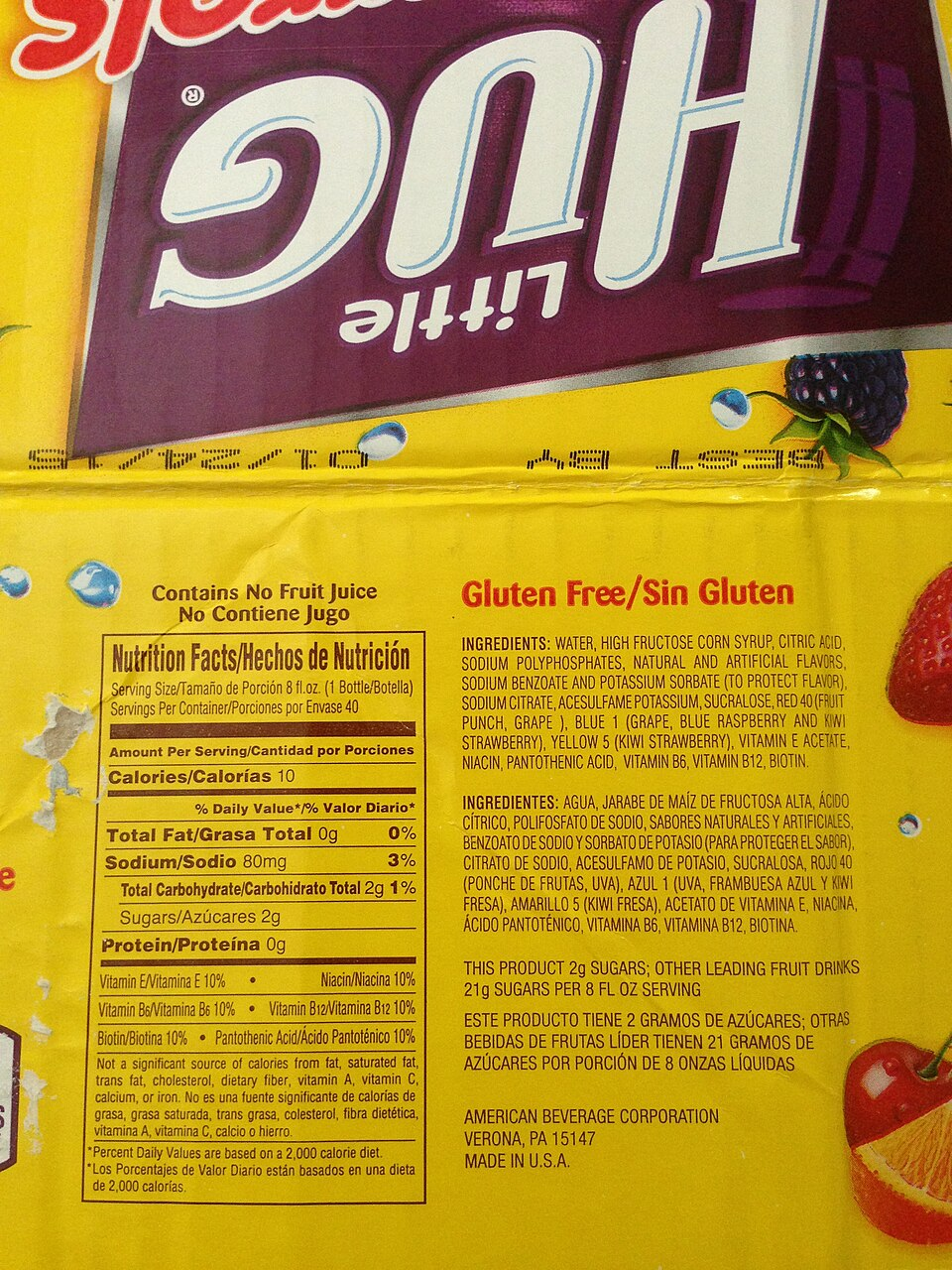
It was on American tables and in American cupboards as an ordinary seasoning, marketed as a flavour enhancer and used like salt. There was nothing covert about it and no controversy attached.
That changed after a letter published in a medical journal in 1968 described a cluster of symptoms the author associated with a meal, and the term that attached itself to it named a national cuisine, which is a framing now generally avoided and was always a poor description of the evidence. Decades of subsequent work, including a major American scientific review in the mid-1990s, did not establish the broad effect the popular account claimed, while identifying that a small number of people report short-lived symptoms after large doses taken without food.
The product is still sold and the labelling requirement is the substantive change. The episode is worth knowing as a case study in how a single anecdotal report, amplified, can reshape a food category for fifty years and outlast the evidence that failed to support it.
5. Coffee whitener made of coconut oil and hydrogenated fat
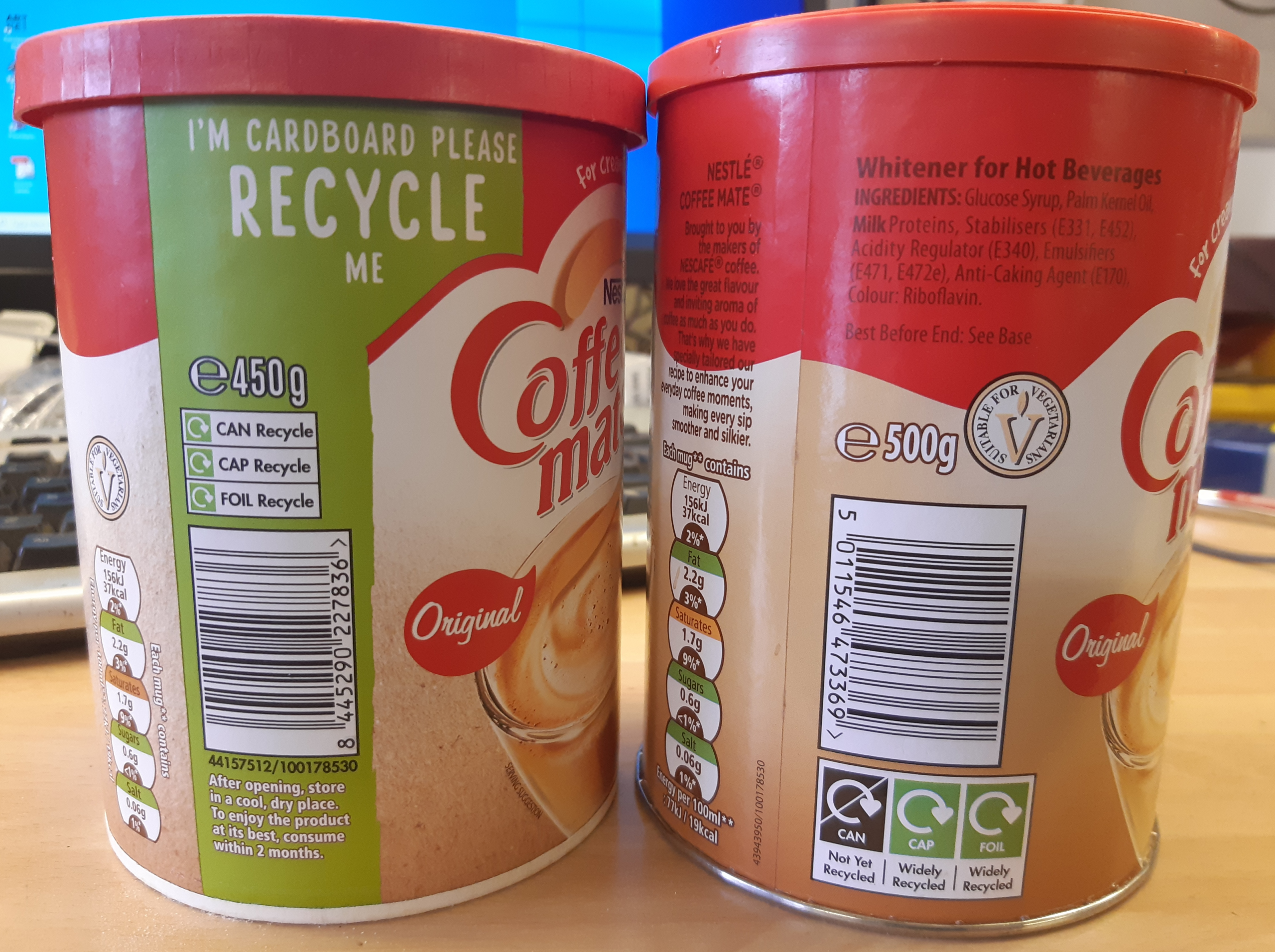
Powdered non-dairy creamer arrived in American kitchens and offices and stayed, built on corn syrup solids and a vegetable fat that gave it body in hot liquid. The fat was commonly coconut oil or partially hydrogenated vegetable oil.
The Food and Drug Administration determined in 2015 that partially hydrogenated oils were no longer generally recognised as safe, and they left the American food supply by the end of that decade, so the versions formulated that way cannot be made. The product was also sold as non-dairy while containing a milk-derived protein, which is now covered by mandatory allergen declaration.
That second point is the sharper one. A product labelled non-dairy that contains a milk protein is exactly the situation allergen labelling exists to address, and it persisted for decades because the word non-dairy was a standards-of-identity term rather than a promise to anybody with an allergy.
6. Instant breakfast drink, sold as a meal
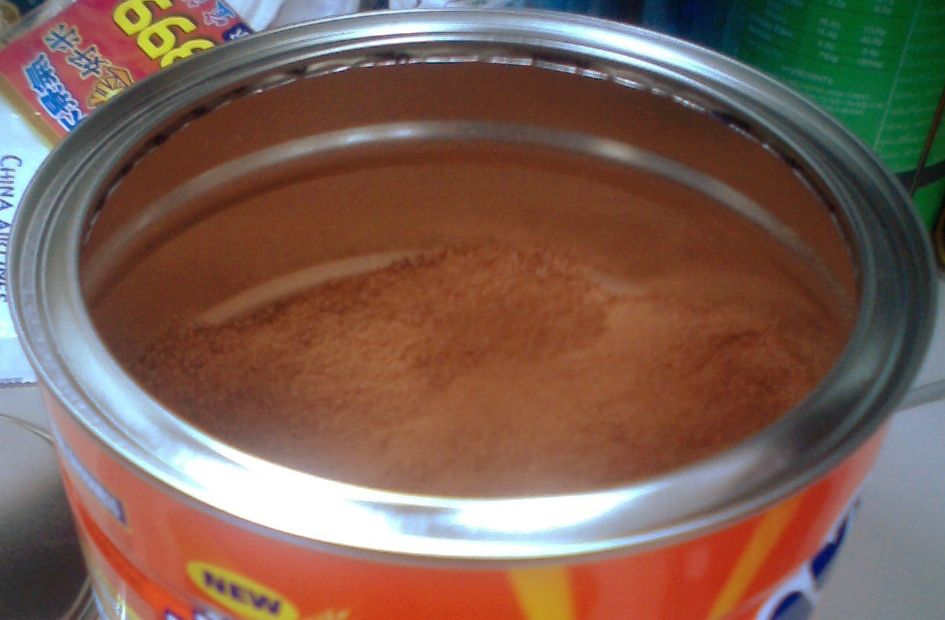
Powdered breakfast drinks were marketed as a complete substitute for a morning meal, mixed with milk, aimed at families in a hurry and at children who would not eat breakfast. The claims made for them were broad and confident.
Health claims connecting a food to a disease or health condition now require authorisation in the United States with specified wording, and a manufacturer cannot assert a benefit in its own words. The nutrient content claim, which states how much of something a product contains with the panel beside it, is the narrower permitted alternative.
The product survives in a reformulated and far more carefully worded form. What a 1965 package could say about what it would do for a child is the part that has gone, and the panel on the back is what replaced it.
7. Powdered orange drink and the vitamin claim
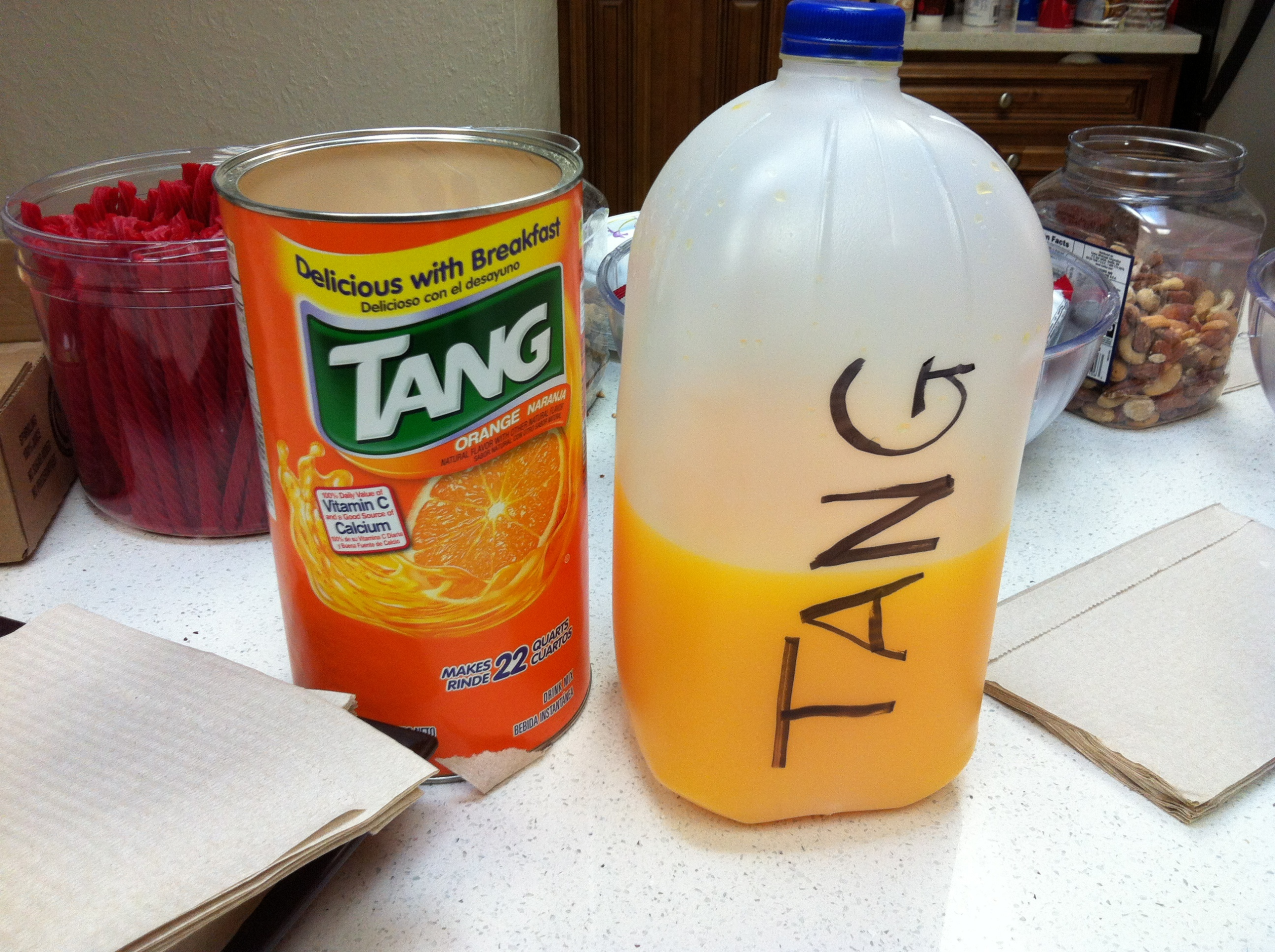
The orange-flavoured breakfast drink powder is one of the most recognisable American products of the period, and the pitch rested on added vitamin C: a glass delivered more than an orange, which was true and was also the whole of the nutritional argument.
Fortification remains permitted and uncontroversial. What is no longer available is the framing, because a percentage of a vitamin requirement says nothing about the sugar, and the panel now puts both on the same label. The colour additives used in the early formulations have also been pruned from the permitted list.
This is the clearest case in the cupboard of disclosure doing the regulatory work. Nobody banned the vitamin claim. They required the rest of the information next to it, and the claim lost most of its force on its own.
8. Instant pudding, in colours that are now illegal
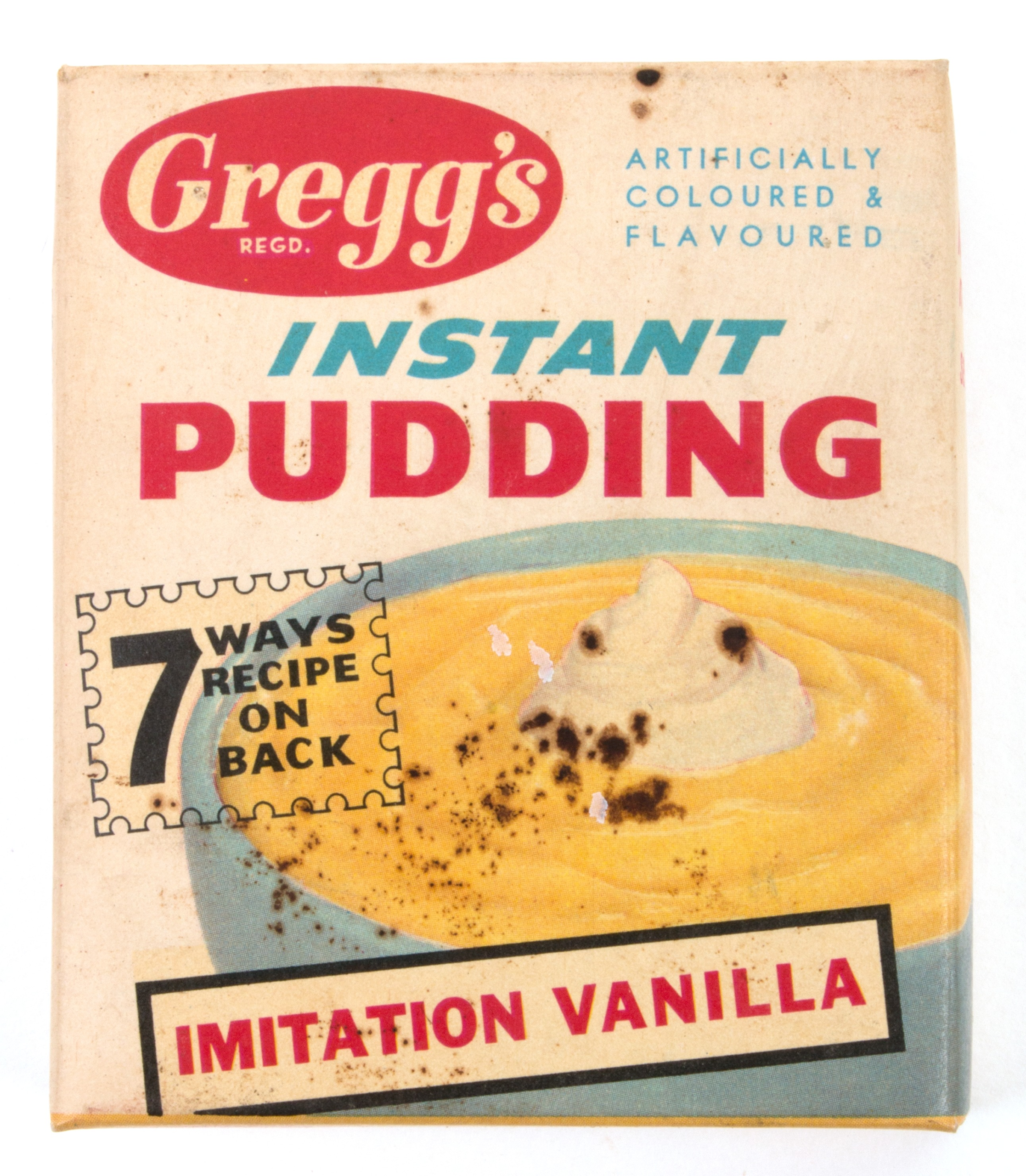
Instant pudding and pie filling mixes set without cooking, which was a real piece of food chemistry, and the fruit-flavoured varieties depended on colour additives to look like what they claimed to be.
Red No. 2, in very wide use across the American food supply, was banned by the Food and Drug Administration in 1976, and other additives permitted in 1965 have been delisted before and since. A mix made to a 1965 formulation would in several cases be illegal on colour grounds alone.
There has been a second and voluntary wave recently, with manufacturers removing synthetic dyes from products aimed at children under consumer pressure. The pastel colours in period advertising are not a printing artefact; they are what the product actually looked like and cannot now be reproduced.
9. Dried egg powder, in the cupboard and in everything else
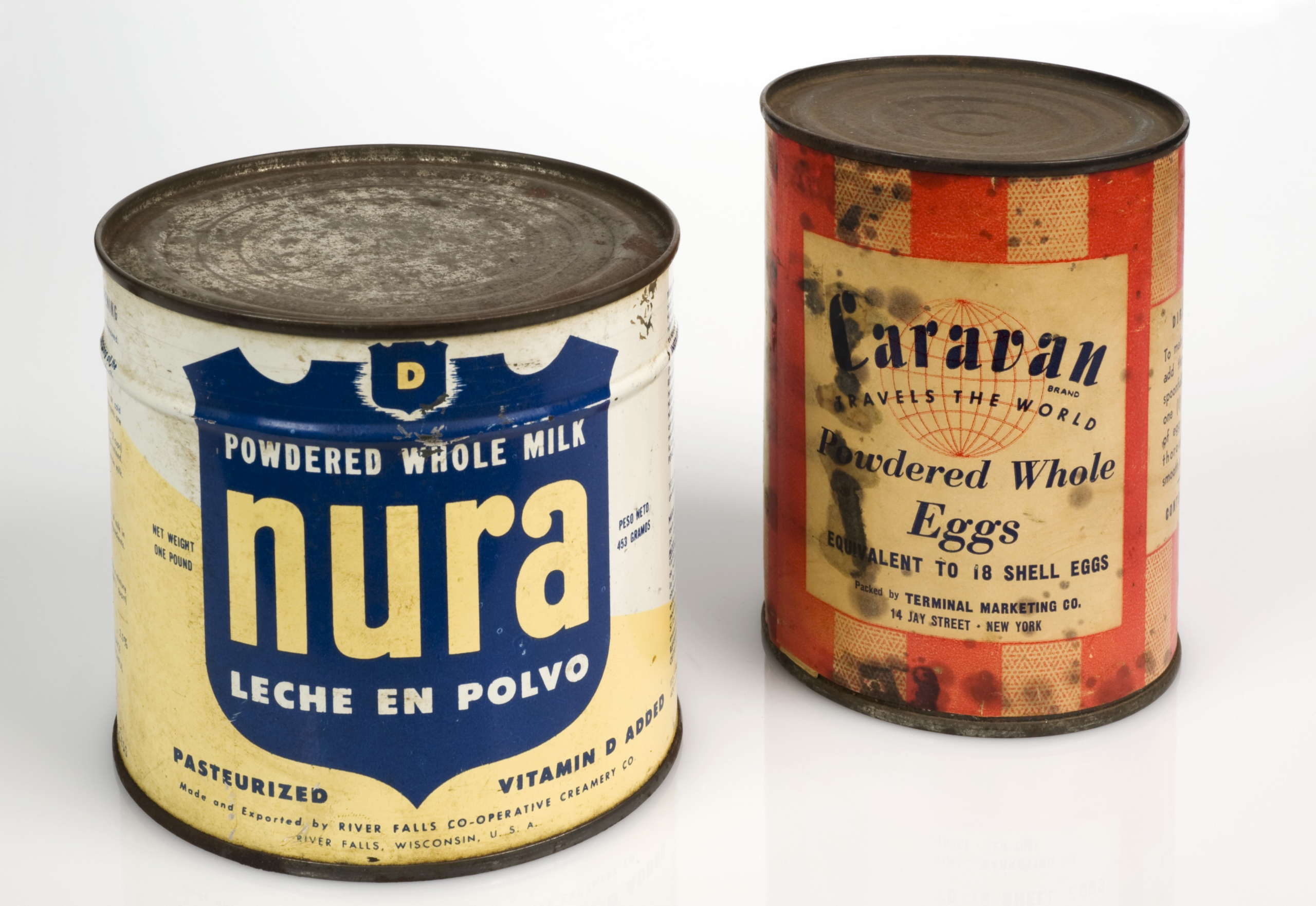
Dried whole egg and dried albumen were cupboard items and were also ingredients in a great many of the other products on this list, where they provided structure and emulsification in a dry mix.
Egg products in the United States are now processed under mandatory inspection with pasteurisation requirements, following legislation of the 1970s that brought egg products under a federal inspection regime. The quality and the microbiological standard of dried egg in 1965 were considerably more variable.
The variability is the reason cake mixes moved away from dried egg and asked the baker to add a fresh one, which is covered separately in this batch. A dry mix is only as reliable as its least reliable component, and in 1965 that was frequently the egg.
10. Non-dairy whipped topping powder

Powdered topping that whipped up with cold milk or water was a mainstay of American desserts, and it worked: it held its shape for hours in a way whipped cream does not, which is exactly why it was used.
It depended on partially hydrogenated oil for that stability, and reformulation followed the 2015 determination. The same standards-of-identity and imitation labelling questions apply as with the coffee whitener, and allergen declaration now covers the milk-derived components.
The functional property that made the product useful was the one that had to be replaced, which is why the modern version behaves differently. People who say desserts do not hold the way they used to are describing a real change with a specific date on it.
11. Instant tea, sweetened with a compound that was about to be banned
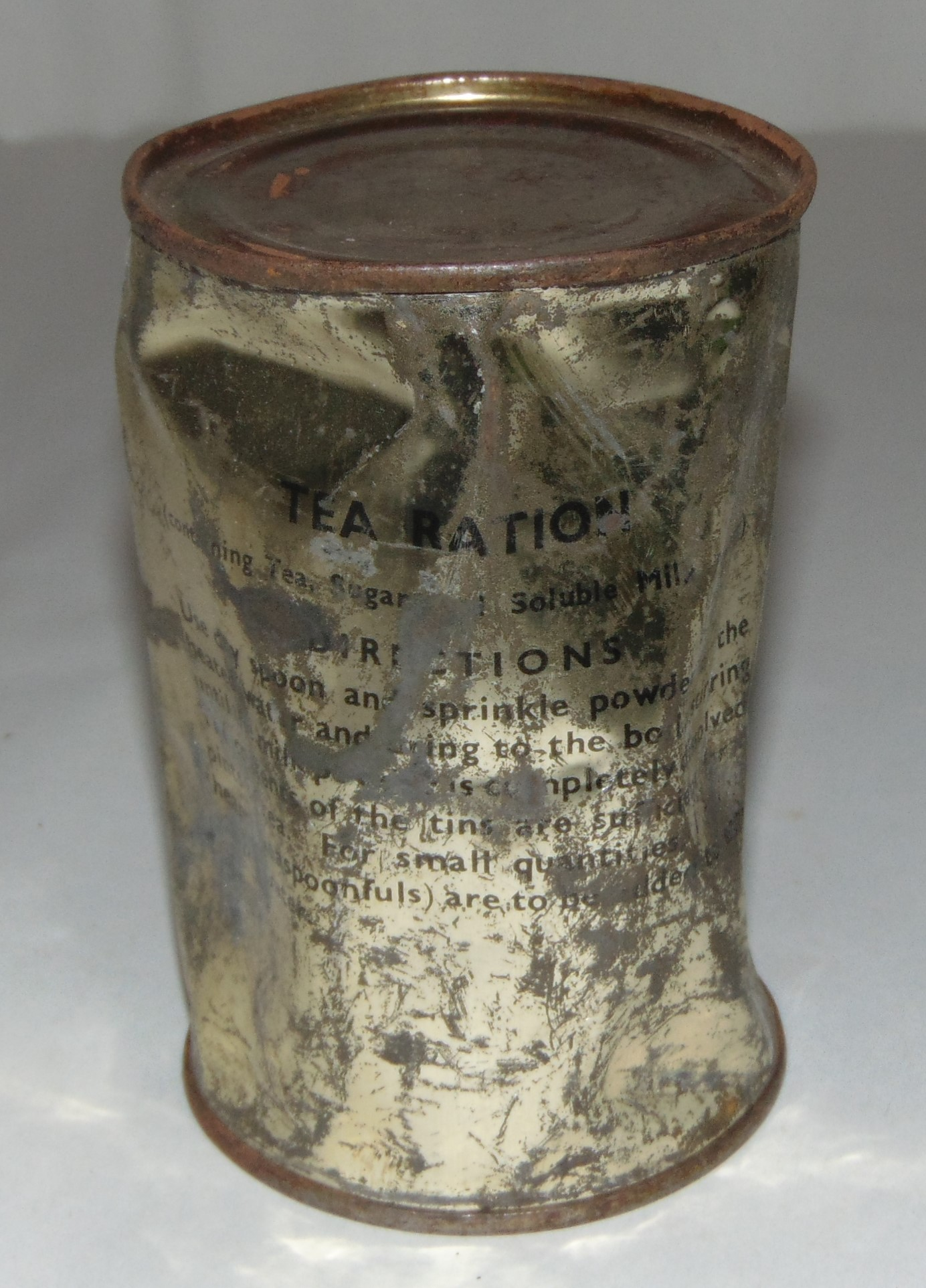
Pre-sweetened instant tea powders were sold across the United States, and the diet versions were sweetened with cyclamate, frequently blended with saccharin because the combination tasted better than either alone.
The Food and Drug Administration banned cyclamate at the end of the 1960s following animal study findings. The petition to reinstate it has been pending for decades and it remains unapproved in the United States while being permitted in a number of other countries.
This is the only item in the cupboard where the American and international positions still diverge sharply, which makes it a useful reminder that a prohibition is a regulatory judgement rather than a fact of nature.
12. Table sweetener tablets, and then the warning label
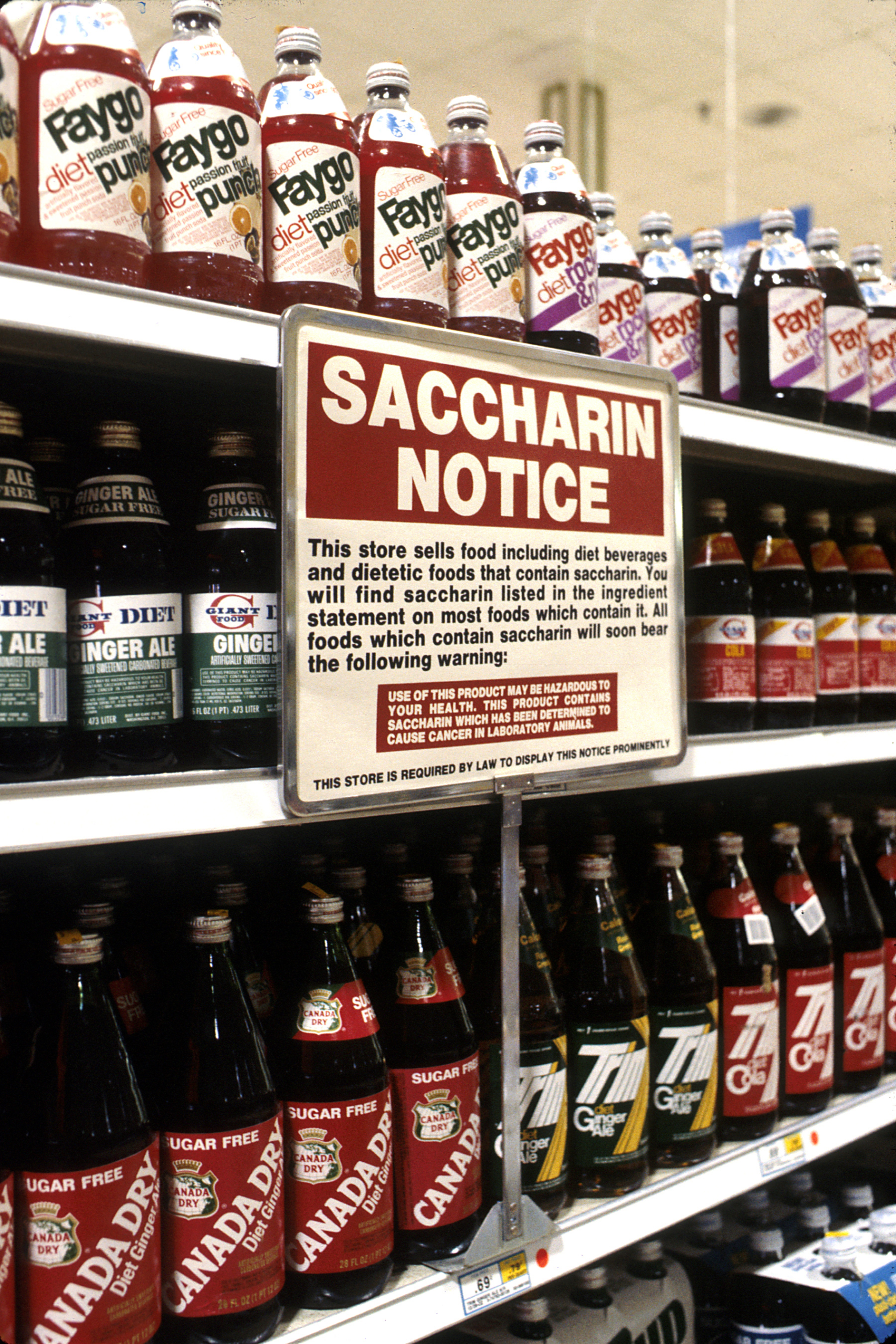
Sweetener tablets and powders for coffee and tea sat on American tables, used by diabetics and by anybody avoiding sugar, and after cyclamate went the category rested entirely on saccharin.
The agency proposed banning saccharin in 1977 on the basis of animal findings. Congress intervened with a moratorium and required a warning label instead, which appeared on American products for over twenty years and was removed in 2000 once the human evidence had not borne the finding out.
A sweetener packet from the late 1970s therefore carries a federally mandated cancer warning that the federal government later concluded was unwarranted. There is no cleaner illustration anywhere of regulation being provisional.
13. Instant cocoa, with nothing on the packet about milk or nuts
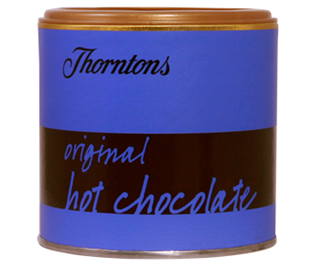
Cocoa mixes with milk solids already in them, requiring only hot water, were a staple of American kitchens and of school and office machines. They contained dairy and in some cases were produced on lines handling nuts.
The Food Allergen Labeling and Consumer Protection Act took effect in 2006 and requires plain-language declaration of the major allergens, and the advisory statements about shared equipment that now appear on such products are a later industry practice on the same logic.
A hot drink mix is an unusually poor place for an undeclared allergen, because it is reconstituted by whoever is thirsty rather than by whoever bought it — in a school, an office or a church hall, often by somebody who never saw the packet.
14. Filled and imitation milk products, and the odd statute behind them
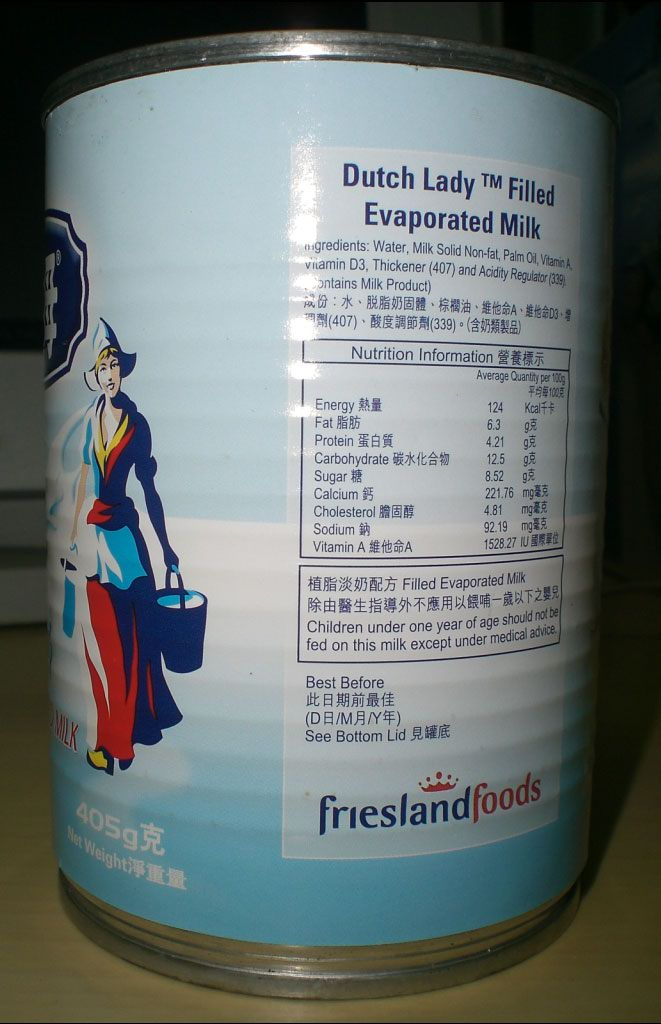
Products made by combining skimmed milk with a vegetable fat were a recurring American commercial proposition, because they were cheap and they behaved like whole milk. They were also the subject of a federal prohibition dating to 1923, which barred such products from interstate commerce.
That statute was upheld in a famous Supreme Court decision in 1938 that is now studied for its constitutional reasoning rather than its dairy policy. The broader framework of standards of identity and imitation labelling was subsequently tightened and enforced, which is why modern packaging must be explicit about whether a product is dairy and what it is made of instead.
The point for a 1965 cupboard is that this category sat in a strange legal space: some forms prohibited outright, some permitted under a different name, and almost nothing on the package making clear to a shopper which was which.
15. Dehydrated onion and garlic, from nobody knew where
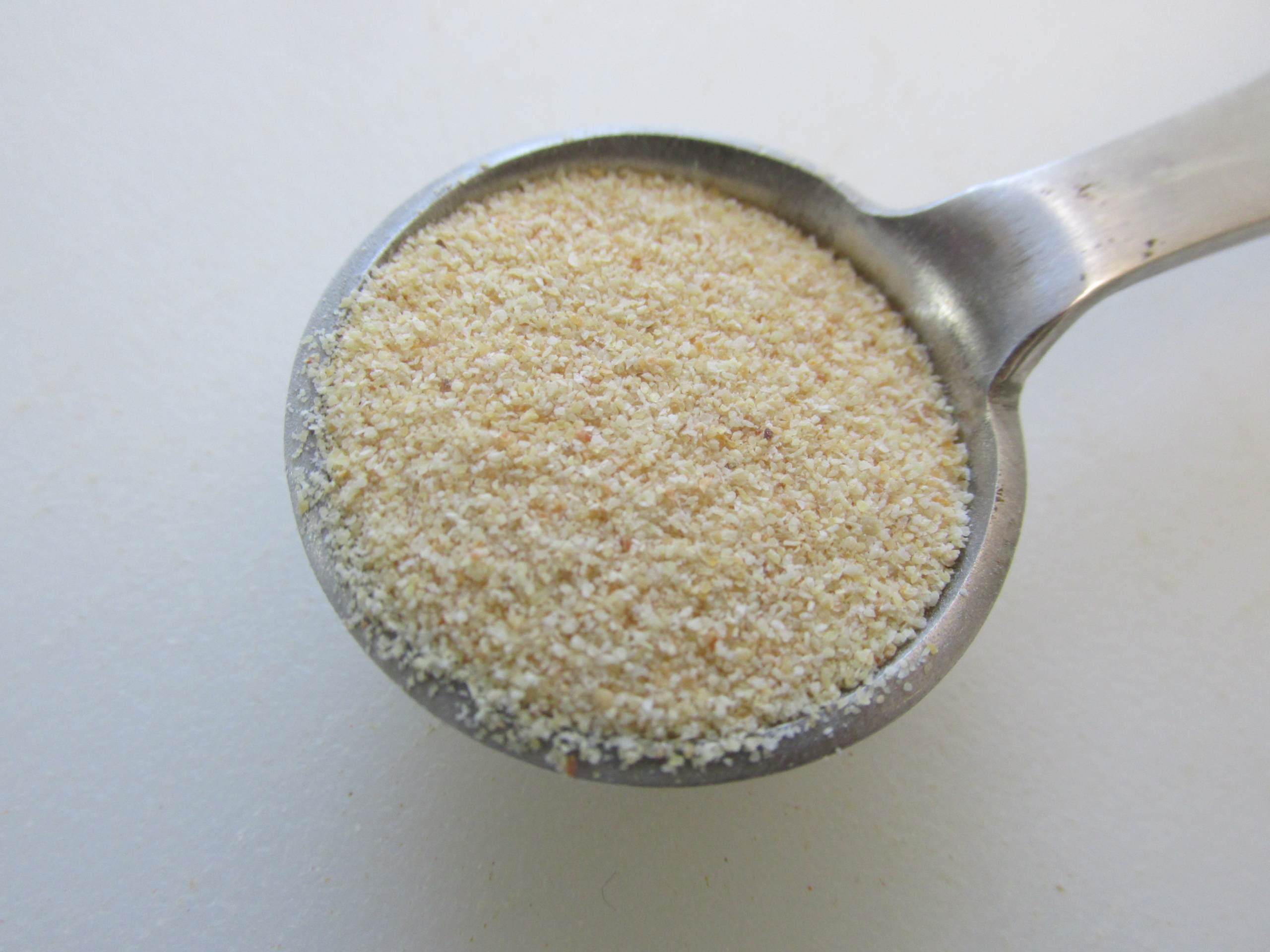
Dried onion flakes, granulated garlic and the other dehydrated aromatics were imported at scale by 1965 and nothing on the container said from where. They were also the products most often found to be adulterated or substituted.
Country-of-origin labelling requirements introduced by legislation of the 2000s cover a defined commodity list and spice and dehydrated vegetable products largely fall outside them, so this is the item on the list where the least has changed. What has changed is import testing, including for heavy metal contamination, which has repeatedly found problems in imported spice products.
This is the honest counterexample in the cupboard. Most items here moved decisively toward disclosure. The dried onion is still largely anonymous, and the protection that exists operates at the border rather than on the label.
16. Instant rice, and what the category actually did
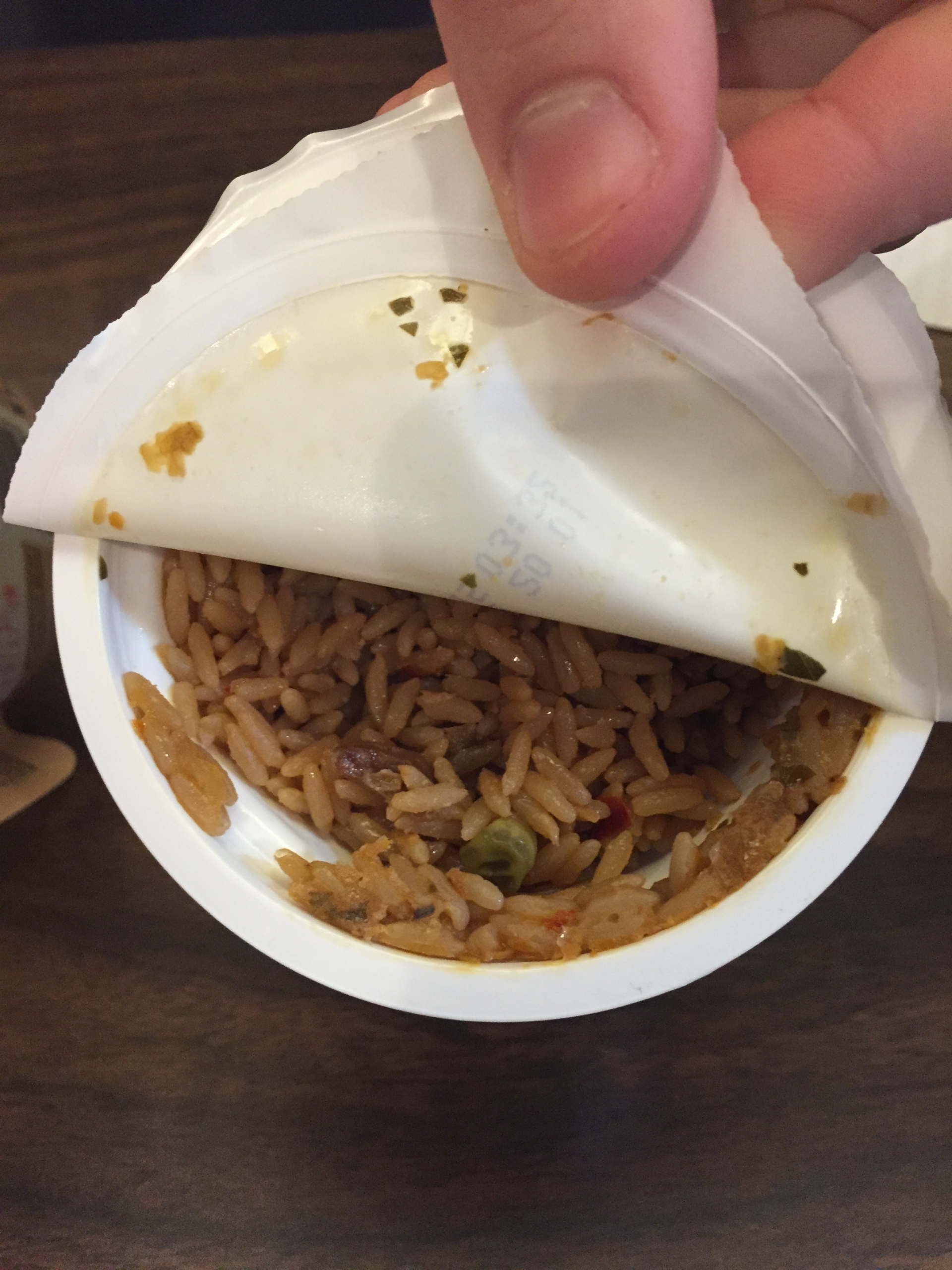
Pre-cooked dehydrated rice reduced a twenty-minute operation to five, and it sold enormously. It is also the mildest product on this list: rice, cooked, dried, with very little added.
The relevant modern change is nutritional rather than regulatory. Enrichment requirements for American milled rice mean that the standard product carries added iron and B vitamins, which addressed a real deficiency problem in the populations that ate the most of it.
It is included as the control case. A list of sixteen convenience products suggests the whole cupboard was a chemistry set, and it was not. Instant rice, instant coffee, powdered milk and dried beans were most of it, and they were fine.
Disclosure did almost all the work
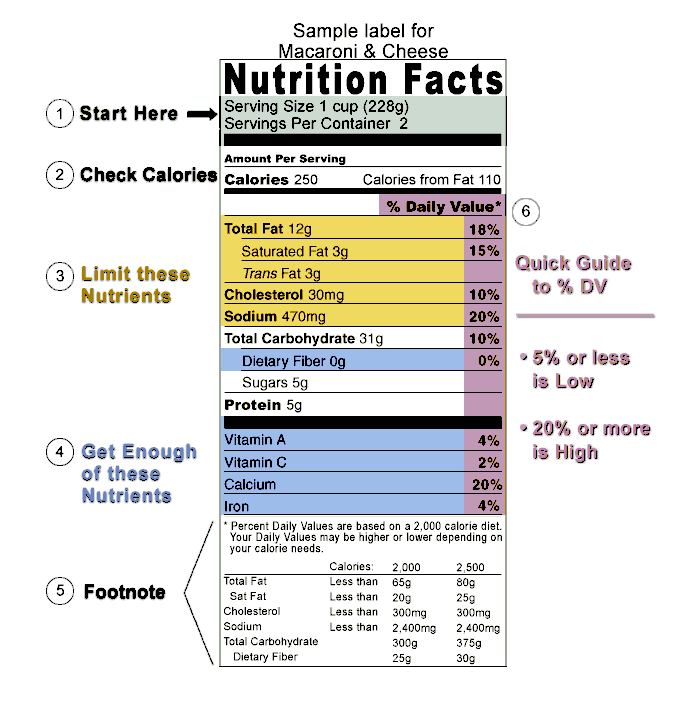
Count the mechanisms and the pattern is unmistakable. Four items lost a specific ingredient to prohibition: cyclamate, partially hydrogenated oil in two products, and a colour additive. One, saccharin, acquired a warning label and then lost it again. The other eleven changed because somebody was eventually required to say something on the package — the nutrition panel in 1994, allergens in 2006, monosodium glutamate by name, hydrolysed protein sources identified, health claims restricted to authorised wording, standards of identity enforced on imitation products.
That is a quieter kind of regulation than a ban and it turned out to be far more powerful. A prohibition removes one compound. A requirement to declare changes the incentive on every formulation decision a manufacturer makes afterwards, because the consequence of an ingredient is now a line on the label that a shopper can read. The cupboard looks similar and the packaging is unrecognisable, and the packaging is where the change happened.
The item worth arguing with is the monosodium glutamate one, and it is in the list for that reason. It is the only case here where the popular story is the opposite of the evidence: the product was not found to be harmful, the label requirement is the real change, and the name that attached to the alleged syndrome was both inaccurate and worth retiring.
The other one to notice is the dried onion. Nearly everything in this cupboard is now disclosed. That one still is not.
Like our content? Follow us for more.