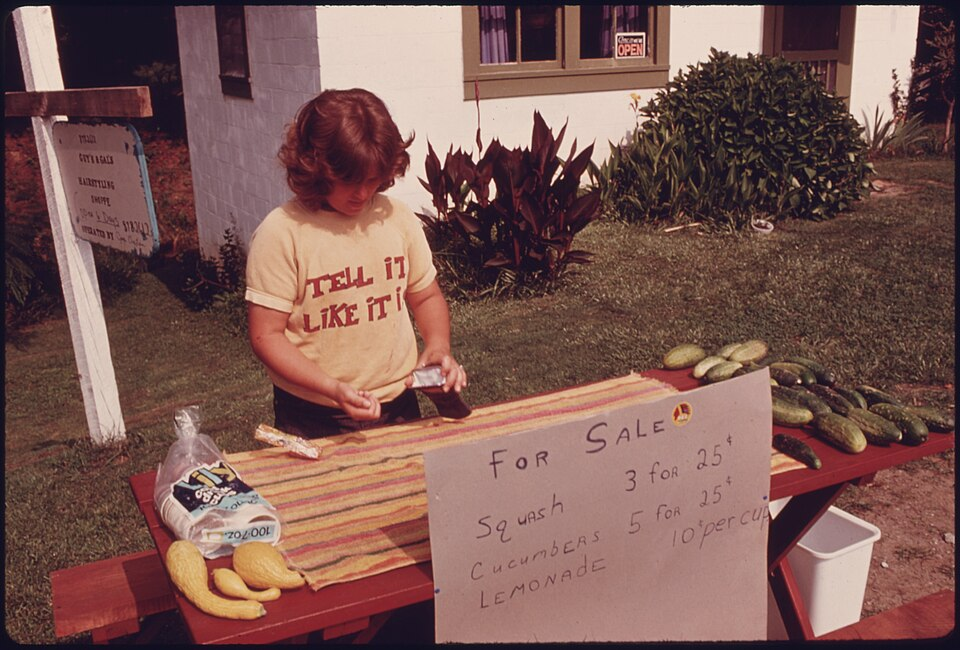
The produce stand is the part of the old food system that modern shoppers are most inclined to idealise, and some of that is earned. The fruit was local in season, it was picked closer to ripeness than a long supply chain allows, and the person selling it frequently knew the person who grew it.
What the stand did not have was any of the apparatus that now stands behind a produce department: a cold chain, potable water with backflow protection, inspected scales, residue tolerances, origin labelling, allergen declaration, covered bulk dispensing, cleanable containers and traceability records. Most of the items below are not about the fruit at all. They are about the water, the scale, the crate and the paperwork. Here are sixteen things that stand did, and what each of them ran into.
1. Everything stood outside, unrefrigerated, all day
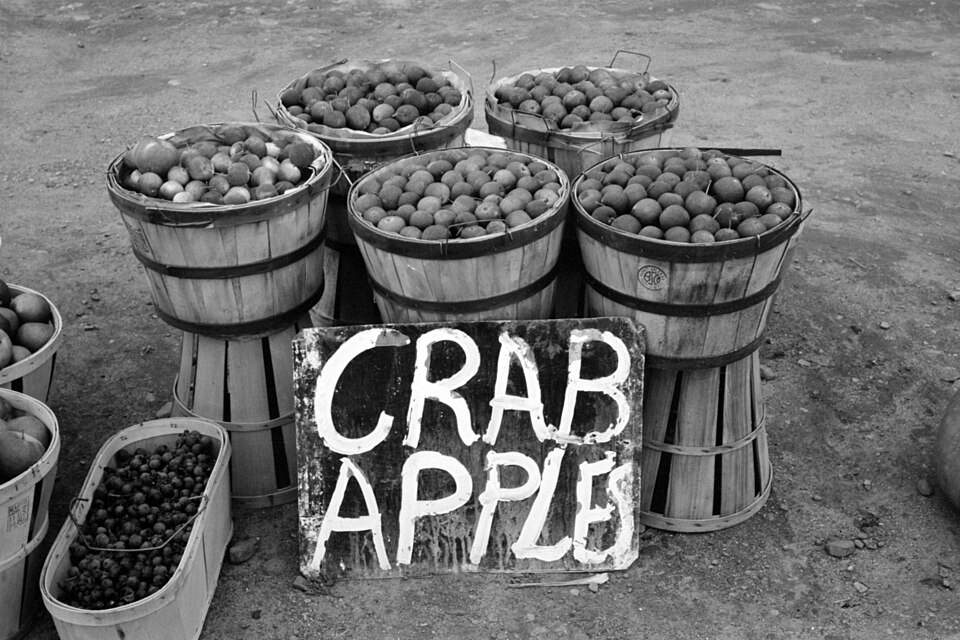
The produce was on trestles under an awning, on the sidewalk, from early morning until the stand closed. In July that meant a full day at ambient temperature, in the sun for part of it, with nothing but a canvas shade and a sprinkle of water.
Fresh produce is not required to be refrigerated across the board, but American food codes now require cut produce, sprouts and a defined list of items to be held under temperature control with recorded checks, and the modern store runs a cold chain from the field onward as a matter of course.
The quality consequence was more obvious than the safety one. A 1962 shopper bought produce that had been warm for a day and expected it to be eaten that evening, which is also why marketing lists of the period assume daily shopping.
Like our content? Follow us for more.
2. Customers handled every single item
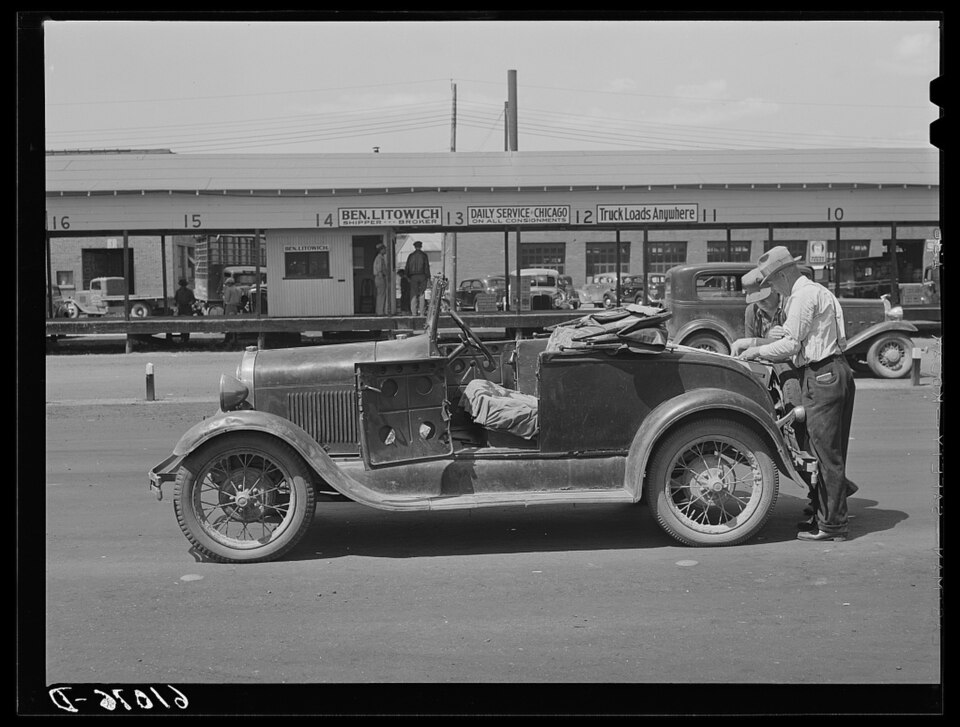
Shoppers picked up, squeezed, sniffed and put back. There were no sneeze guards, no tongs, no bags at the display and no expectation that anybody would do anything differently. A tomato might be handled by a dozen people before it was bought.
This has not been prohibited and it has been engineered around. Modern displays use misting, shallow stacking and frequent rotation, loose bags are provided at the display, and the whole category of pre-bagged and pre-washed produce exists partly because a sealed bag answers the question entirely.
It is worth being honest that the hazard here is modest and the change was driven as much by shopper preference as by any finding. The item earns its place because it is the single most visible difference between a 1962 stand and a modern produce department.
3. Freshened up with water straight from a garden hose
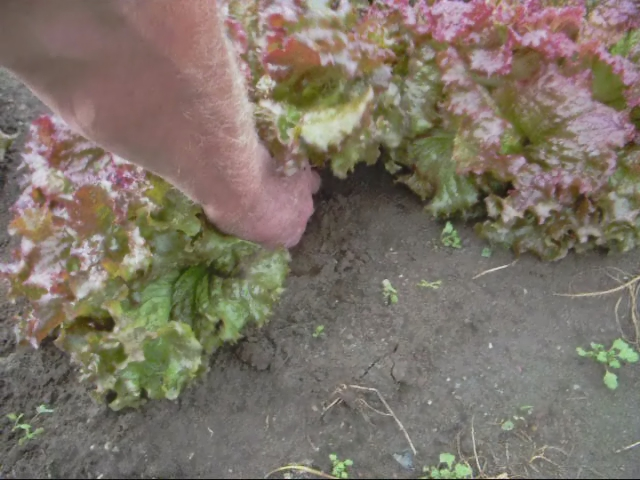
Keeping greens looking alive meant wetting them, and the water came from whatever tap was nearest, through whatever hose was to hand, into a watering can or sprayed directly over the display.
American food codes now require water contacting food to be potable and delivered through an approved system, with backflow prevention on the supply so that a hose left in a bucket cannot siphon back into the building’s drinking water. A garden hose is specifically not an approved food-contact water source.
The backflow problem is the one nobody at the time knew about and it is the reason for the fitting on every modern outside tap. The water going onto the lettuce was the smaller issue; the water potentially coming back out of the hose into the main was the larger one.
4. Weighed on a scale nobody had inspected

The scale was a spring balance or a beam scale on the counter, and its accuracy was a matter of the proprietor’s honesty and the state of the mechanism. A worn spring reads light or heavy and gives no indication which.
American weights and measures enforcement operates through state and county inspection, with devices sealed and certified at defined intervals and the certification visible to the customer. A commercial scale that is out of tolerance cannot be used and the inspection regime is the whole of the protection.
The inspection system existed in 1962 and was patchy, particularly at small and seasonal operations. Anybody who remembers an older relative watching the scale and the vendor’s hands was watching a real problem being managed by vigilance.
5. Sold by the basket, the peck and the heaping measure
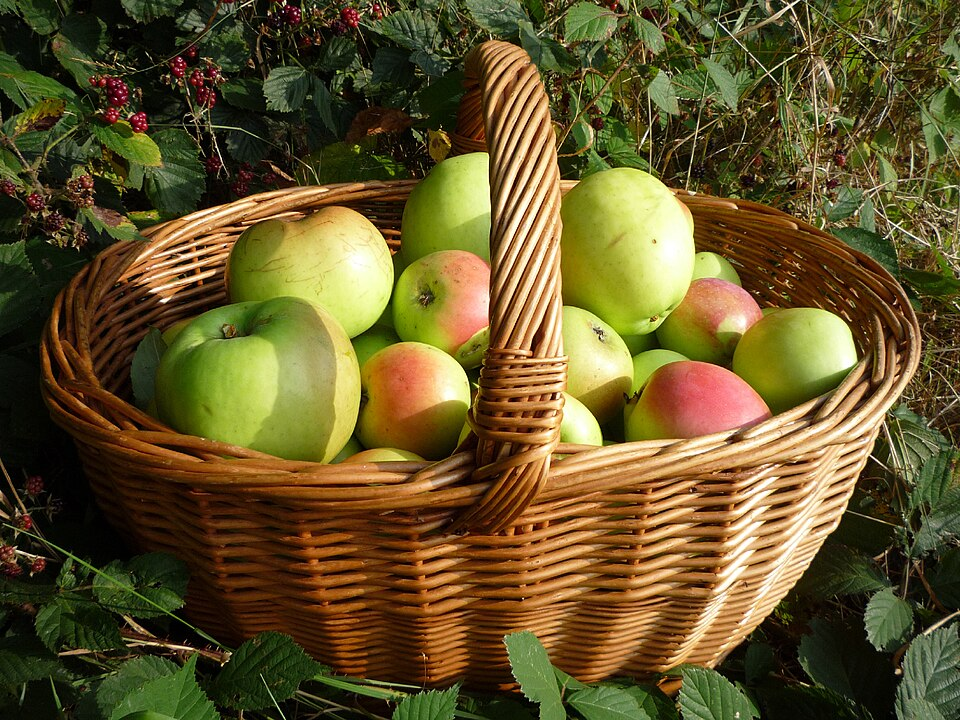
Produce went by volume as often as by weight: a peck of apples, a basket of peaches, a bushel of beans, and the quantity depended on whether the vendor filled level or heaping. The customer had no way to compare one stand against another.
American pricing rules now require unit pricing on a consistent basis, so that a shopper can compare price per pound across products and vendors, and dry measures survive in agriculture rather than in retail.
The volume measures are the part of the old trade that reads as charming and were the part most open to abuse. A heaping basket and a level one differ by a meaningful fraction, and the word heaping was doing commercial work.
6. Grown with pesticides that have since been cancelled outright
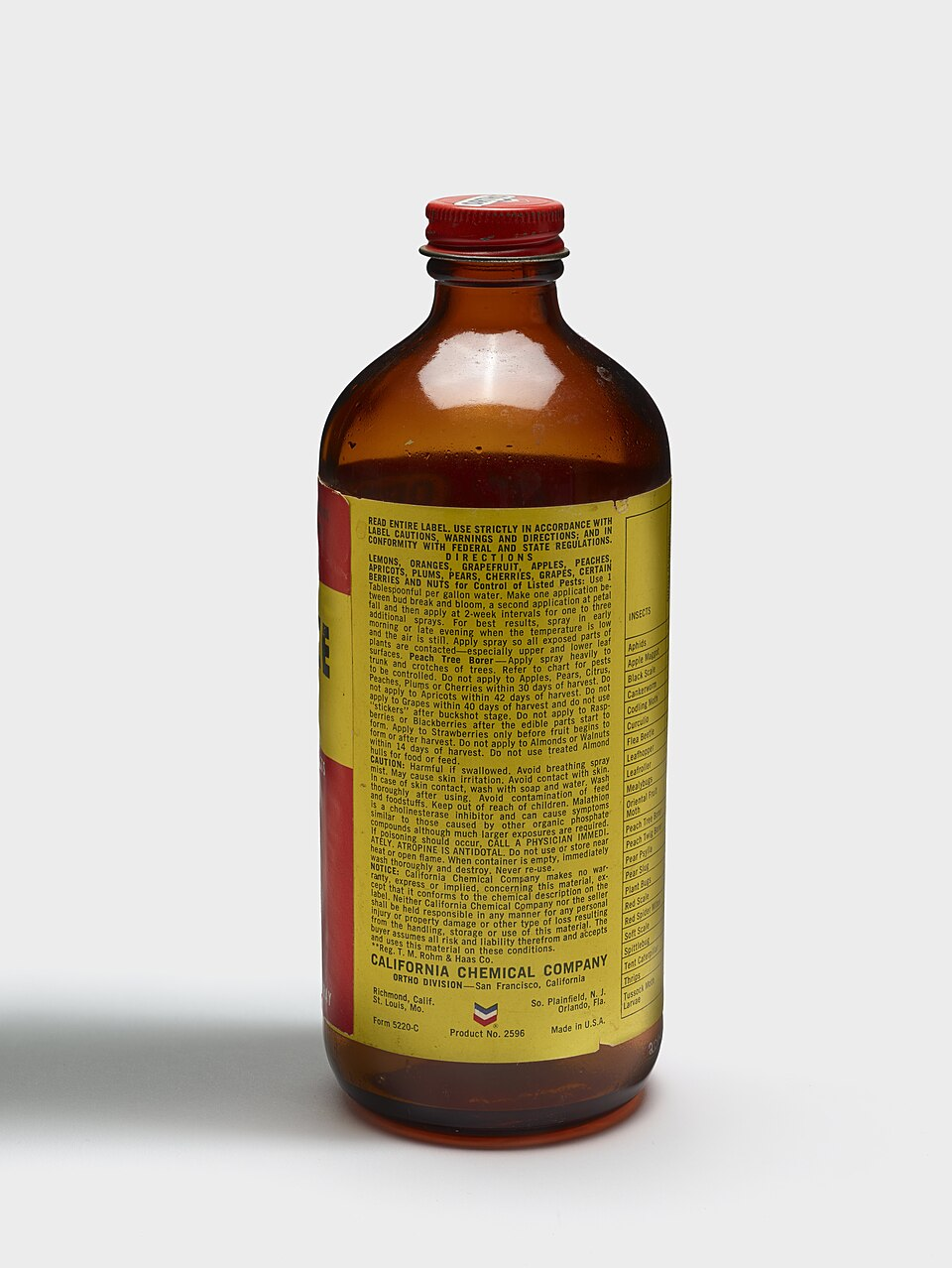
The produce of 1962 came out of orchards and fields treated with compounds that have since been withdrawn from American agriculture, including persistent organochlorines and arsenical compounds used on fruit for decades.
DDT’s major American agricultural uses were cancelled by the Environmental Protection Agency in 1972, lead arsenate had been phased out earlier, and a long sequence of further cancellations followed. The Food Quality Protection Act of 1996 rewrote the whole residue tolerance framework with an explicit requirement to consider children’s exposure.
The residue question is the one item on this list where a modern shopper is unambiguously better protected, and the protection is invisible: it consists of tolerances, monitoring programmes and cancellations rather than anything printed on a label.
7. Nothing said where any of it came from
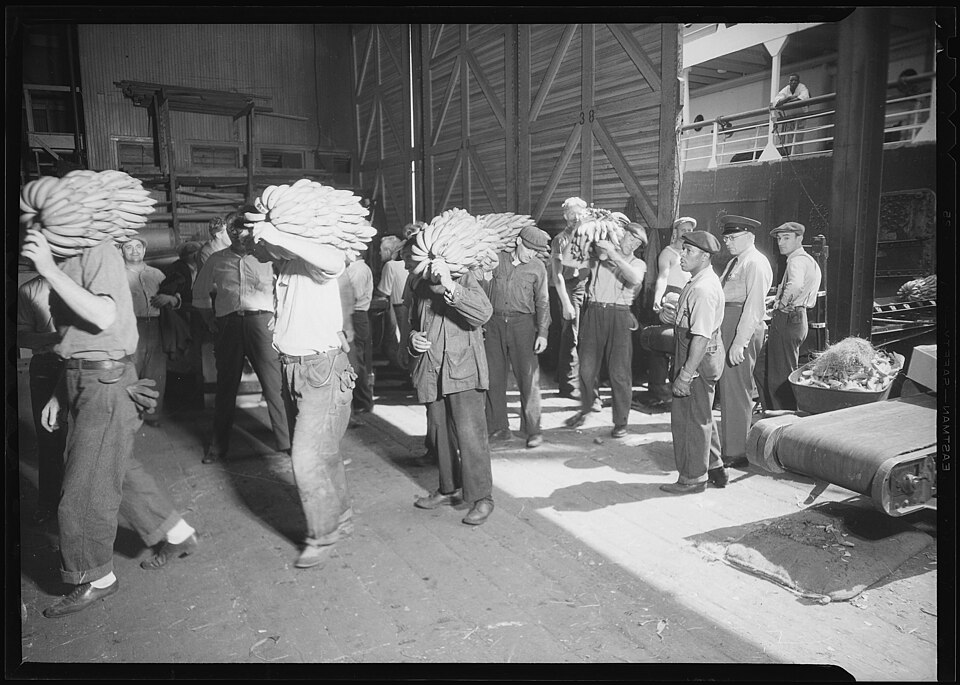
Imported produce was already common in 1962 and nothing on the stand indicated origin. Out-of-season fruit arrived from Central and South America and from southern Europe, and the shopper’s only clue was the time of year.
Country-of-origin labelling requirements were introduced for a defined list of American commodities by legislation of the 2000s, with implementation running to 2009 and subsequent amendment. Coverage for fresh fruit and vegetables is the clearest part of that regime.
This is the disclosure that most changed how American shoppers think about produce, and it arrived almost fifty years after the stand described here. Before it, seasonality was the only information available and most people read it correctly.
8. Waxed with whatever gave the best shine
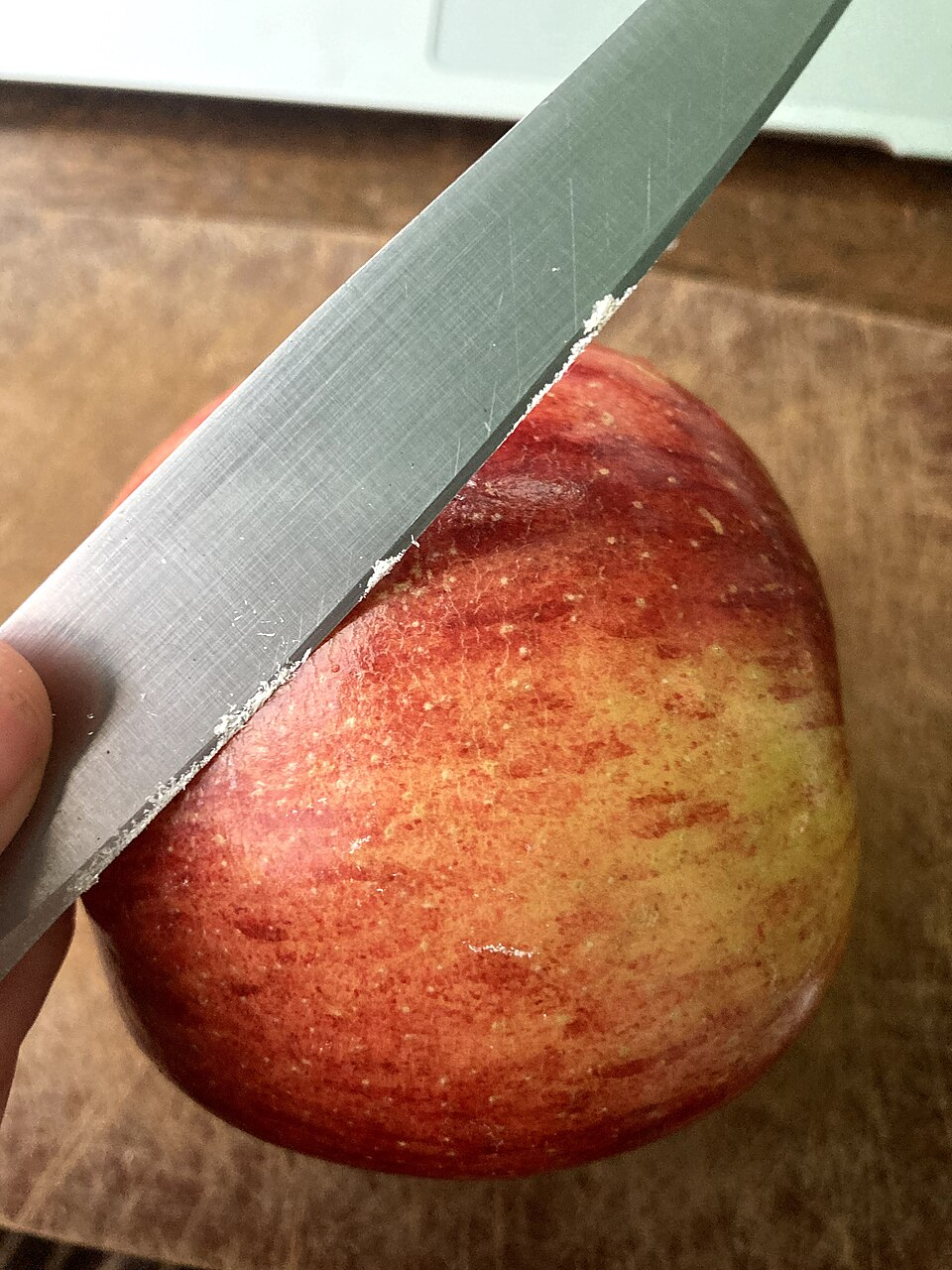
Apples, cucumbers, peppers and citrus were coated to reduce moisture loss and to look better, using shellac, carnauba, paraffin and petroleum-based waxes. The practice is old and entirely functional.
The waxes themselves remain permitted. What changed is disclosure: American rules have required retailers to declare the presence of wax coatings on produce since the mid-1990s, which is why a sign or a label now says so, and the permitted coating materials are specified.
The declaration matters for a narrower reason than most people assume. It is not principally a safety question; it is that some coatings are derived from animal or insect sources, which is directly relevant to shoppers who need to know.
9. Ripened in a back room with gas
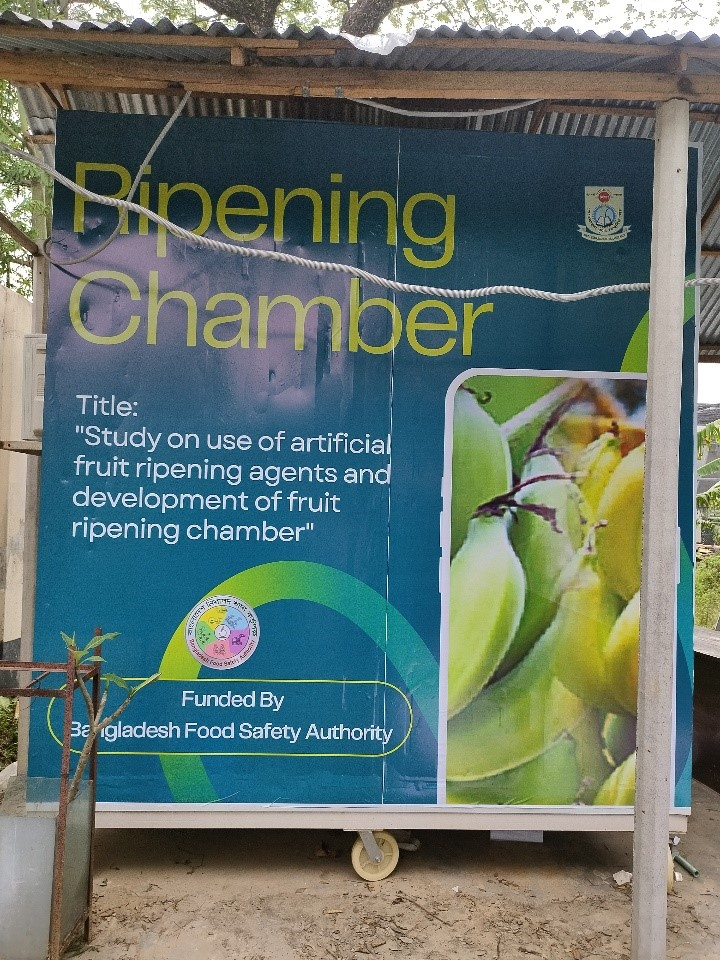
Bananas, tomatoes and pears arrived unripe and were brought on in a closed room with ethylene, a plant hormone, introduced from a cylinder or produced by a generator. The practice is as old as the banana trade.
It is still standard and is entirely legitimate. What has changed is the engineering around it: modern ripening rooms are controlled and monitored, and the specific hazard in the old arrangement was that ethylene is flammable in air above a low concentration in an enclosed space with ignition sources present.
This item is included because it is the clearest case on the list of a practice that was and remains correct, done in 1962 in a room that would now require ventilation, monitoring and electrical classification. The process was never the problem.
10. Apples out of cold store, treated to stop them scalding
Long-stored apples develop a surface browning called scald, and the standard treatment was and is a post-harvest chemical dip applied before the fruit goes into cold storage for months.
The compound most used for this is now prohibited in the European Union and remains permitted in the United States under residue tolerances, which means an American apple in February and a European one may have been treated differently. It is one of several cases where the two regimes diverge.
The relevant point for a 1962 stand is that the shopper had no way of knowing an apple in February had been in store since September, let alone what had been done to it. Storage dating is still not disclosed, which makes this the item on the list that has changed least.
11. Oranges with the colour added
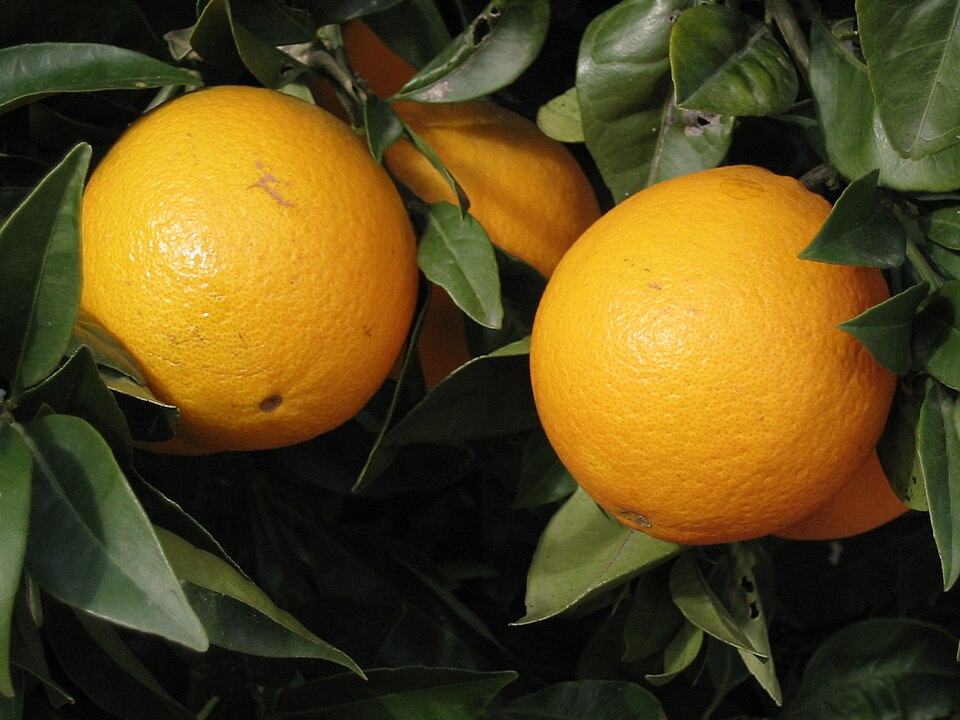
Citrus that is fully ripe inside is frequently green or patchy outside, which does not sell. The American solution was and is a permitted colour additive applied to the skin of oranges that meet maturity standards.
The additive is specifically restricted: it may be applied only to the skin, only on oranges not intended for processing, and at a specified maximum. It is also one of the colour additives whose continued approval has been repeatedly questioned, and several states and countries do not allow it.
Almost nobody knows this is done, which is why it belongs here. A 1962 orange and a 2026 orange may both have been coloured, under the same basic permission, and the difference is that the modern one is subject to a limit and a labelling requirement at the point of sale.
12. Dried fruit treated with sulfites, and nothing said so
The dried apricots, apples and raisins on the stand were treated with sulfiting agents to preserve colour, which is why they were orange rather than brown. Nobody was told, because nothing required it.
The Food and Drug Administration required sulfite declaration on American labels from 1986, after reactions in sensitive people including severe reactions in people with asthma were identified, and separately prohibited sulfite use on fresh produce intended to be sold or served raw.
That second prohibition is the one aimed squarely at a produce operation. Sulfites had been used on fresh-cut produce to keep it looking fresh, and that practice is now specifically barred, which is a rare case of an outright ban rather than a labelling requirement.
13. Unpasteurised cider, by the jug
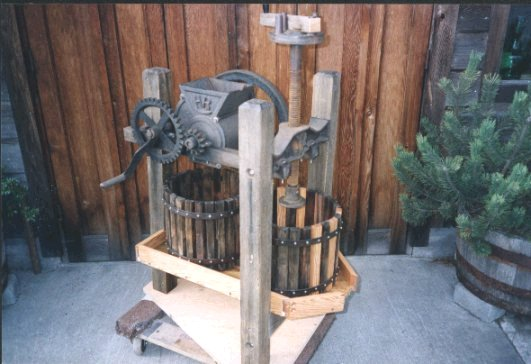
The autumn stand sold fresh-pressed apple cider, unpasteurised, ladled or poured into whatever container the customer brought. It was a seasonal highlight and it still is where it is permitted.
American rules changed after outbreaks traced to unpasteurised juice. A warning label requirement for untreated juice came in at the end of the 1990s, and juice processors were brought under a hazard analysis and preventive control regime shortly after. Several states restrict retail sale of untreated cider further.
This is the most serious food safety item on the list and the change is recent. The sale has not been prohibited nationally; it has been labelled, and the labelling exists because the people most affected by the outbreaks were children and older customers.
14. Open bins of loose beans, nuts and dried goods
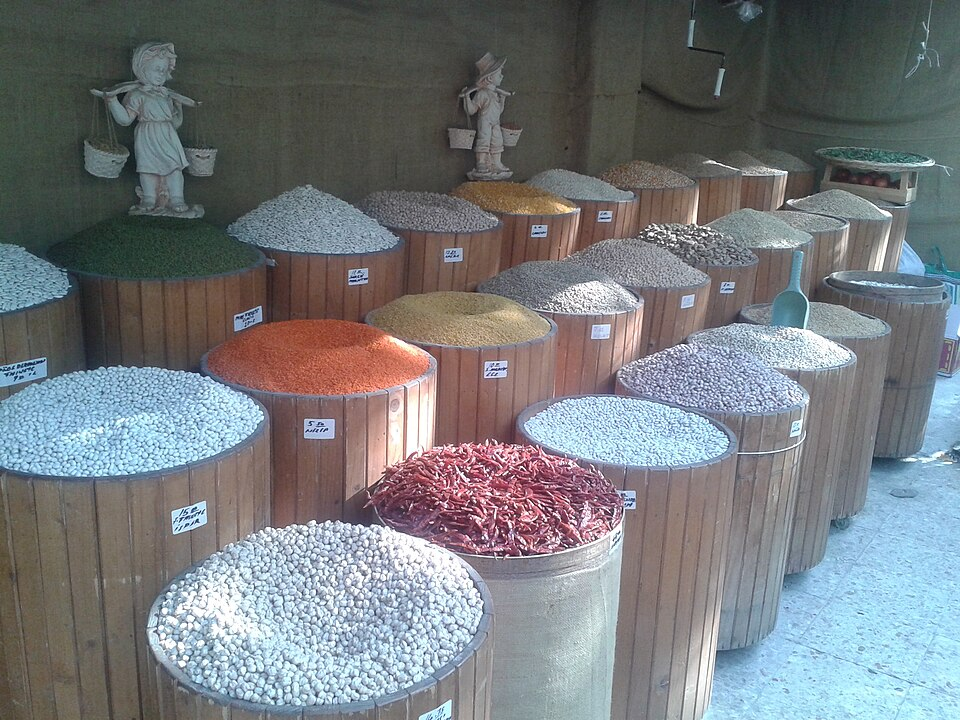
Alongside the produce were bins of dried beans, peas, rice and shelled nuts, scooped by hand into a paper bag by the customer or the vendor, standing open to the air and to whatever was in it.
Bulk food dispensing in the United States now requires covered containers with dispensing utensils or self-closing gravity dispensers, protected from customer contact, with recorded cleaning. Allergen declaration requirements, in force from 2006, apply to the bulk nut bin in particular.
The nut bin is the one that matters most. An open bin of shelled nuts beside an open bin of beans, with one scoop between them, is precisely the cross-contact situation that allergen labelling and bulk dispensing rules were written to address.
15. Reused wooden crates and baskets that were never cleaned
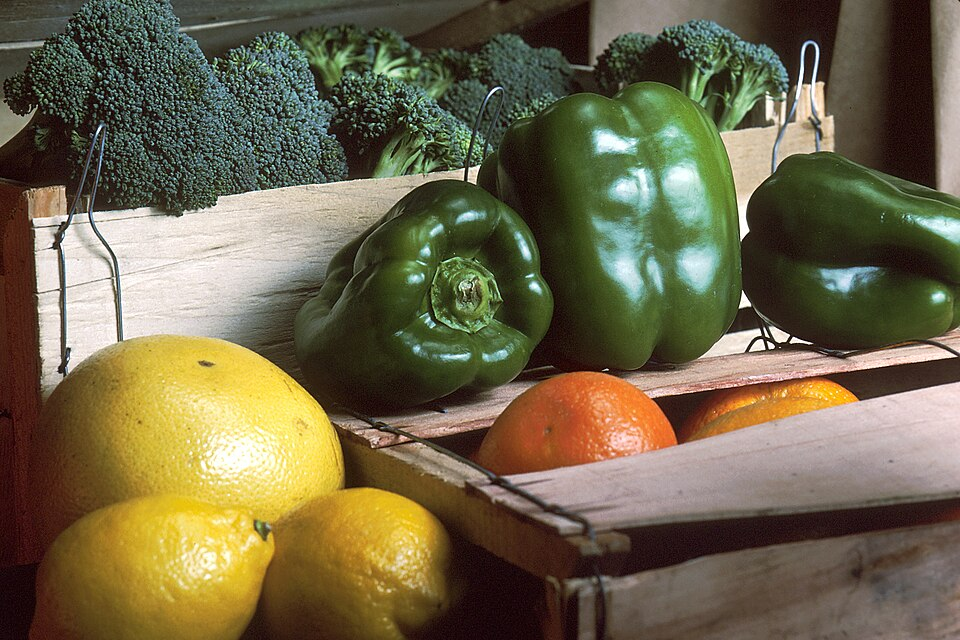
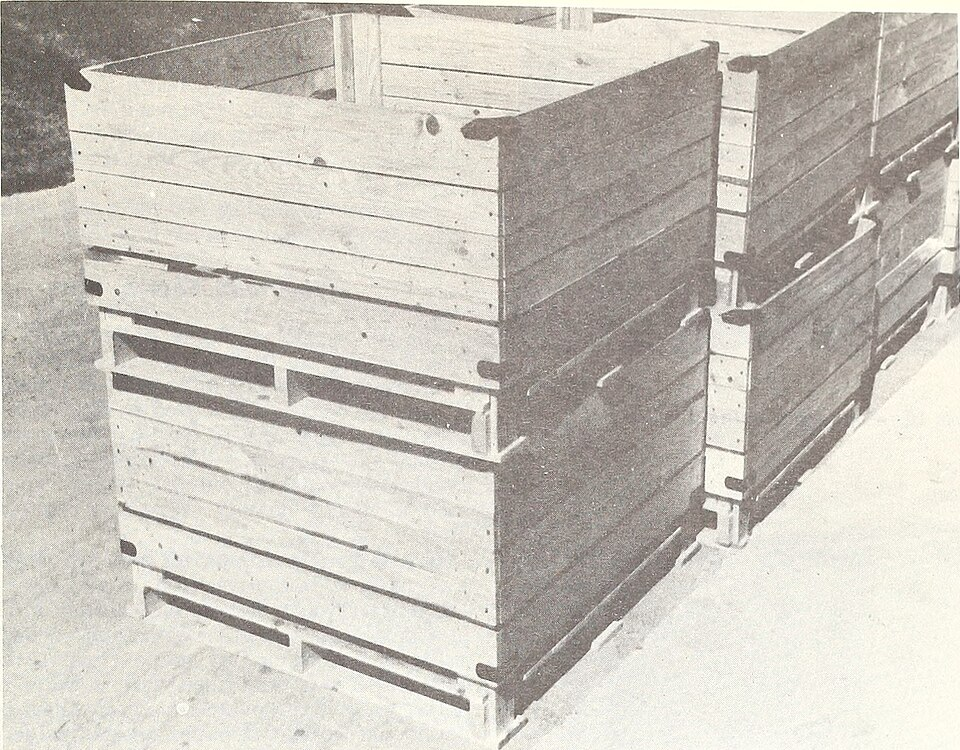
Produce arrived in wooden lugs, bushel baskets and slatted crates that went back to the grower and came again, season after season, without being washed. Wood absorbs, splinters and holds whatever was in it last.
Food contact surfaces in American handling are required to be cleanable, and single-use or cleanable reusable containers have displaced raw wood almost entirely. Reusable plastic crates are washed in dedicated systems between uses, with the washing documented.
The wooden crate is one of the most photographed objects of the period and it was a genuinely poor food contact material. The plastic crate that replaced it is uglier, cleanable, trackable and the right answer.
16. No date on anything, and no record of where it had been
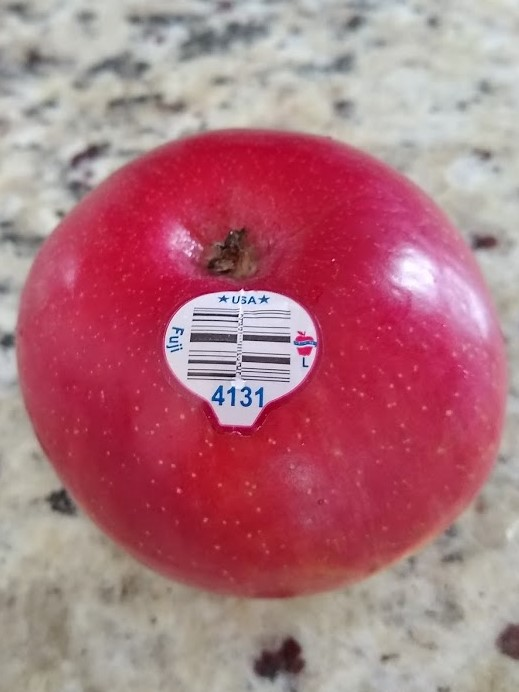
There was no date marking, no lot identification and no record connecting a crate on the stand to the farm it came from. If something went wrong, there was no way to find out where it had come from.
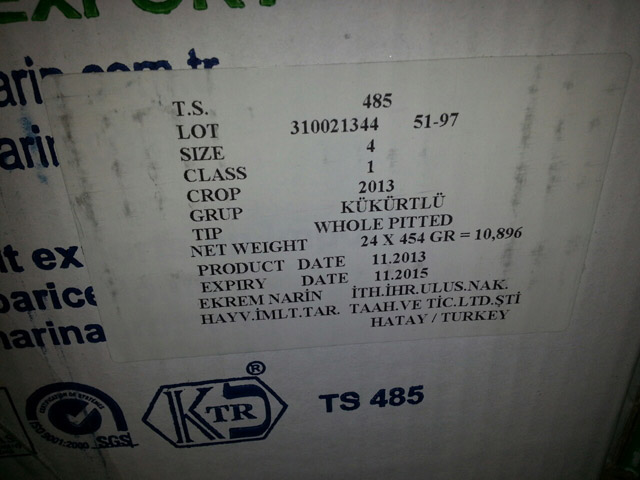
Traceability is now the backbone of American produce safety. The Food Safety Modernization Act of 2011 and the traceability rule made under it require records that allow a product to be traced through the supply chain, which is what makes a targeted recall possible instead of a blanket one.
This is the least visible and most consequential change on the whole list. A 1962 contamination event could only be addressed by withdrawing a whole category and warning the public. A modern one can be narrowed to a grower, a field and a date, which is the difference between an advisory and an actual remedy.
What a produce department actually is now
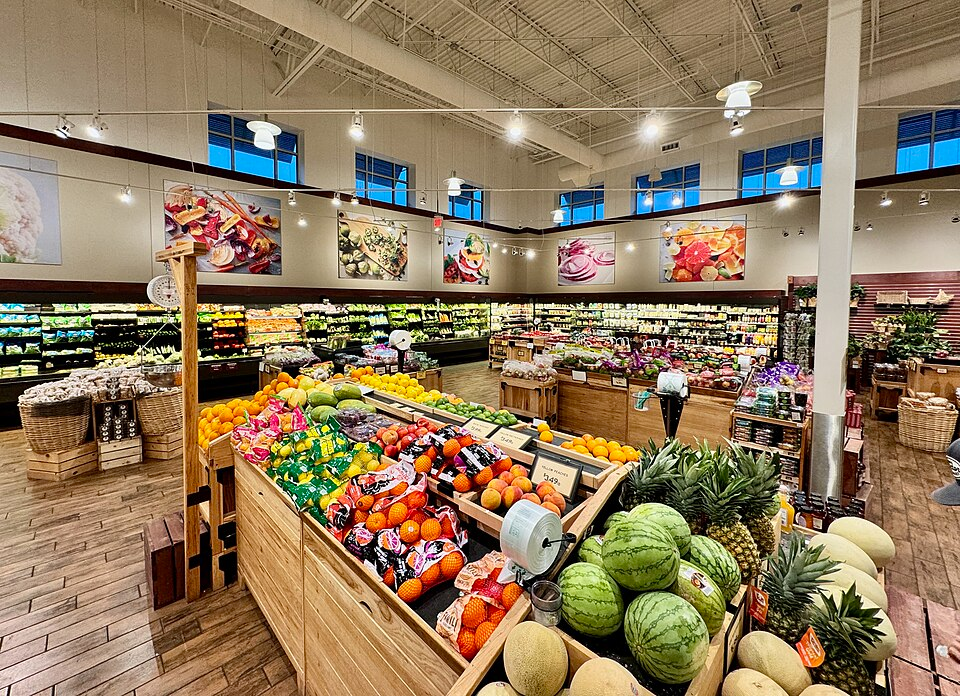
Lined up, the list divides into three. Four items concern handling and temperature. Six concern what was done to the produce before it arrived — pesticides, waxes, ripening gas, scald treatment, colour on citrus, sulfites on dried fruit — and in most of those cases the practice continues under a limit and a disclosure rather than having been stopped. Six concern information: origin, dates, unit pricing, allergens, scale certification and traceability.
That ratio is the honest summary. Very little was banned. What happened instead is that a trade conducted entirely on the proprietor’s judgement was progressively required to be documented, and a shopper who had no way to check anything was given several ways to check some things. The fruit in 1962 was not dangerous and it was unknowable, and the modern produce aisle is a less romantic place that can answer questions.
Two things on this list are genuinely better now and worth naming. Traceability, because it turns a national warning into a specific recall. And the sulfite rules, because the people they protect previously had no way at all of avoiding the thing that affected them.
The one that has changed least is the apple in February. It was in cold storage for months in 1962, it is in cold storage for months now, and in neither case does anything on the display tell you how long.
Like our content? Follow us for more.