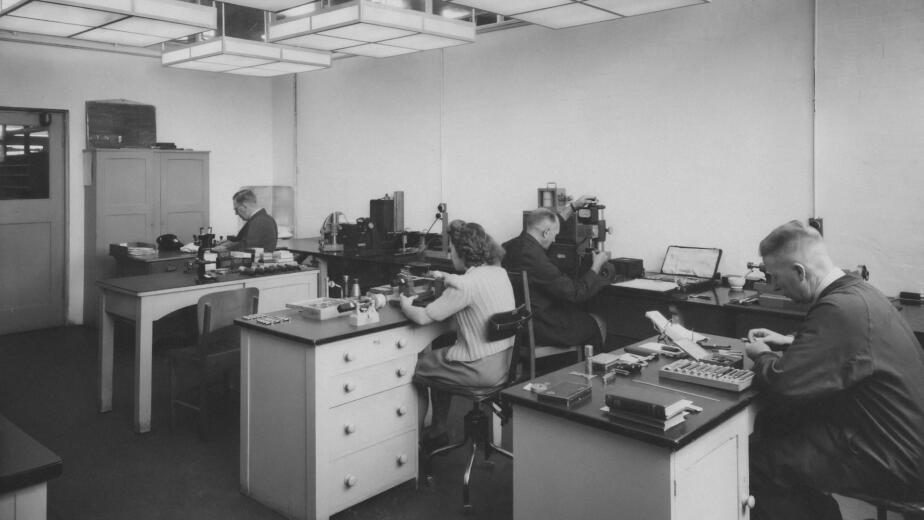
Every American kitchen had one drawer that belonged to no category at all, the junk drawer, a sliding museum of string, spare parts, and just-in-case items that somehow contained exactly what the family needed at least once a week. Here are twelve things in every American kitchen junk drawer decades ago, counted down one by one.
1. A Ball of Rubber Bands Saved From the Newspaper
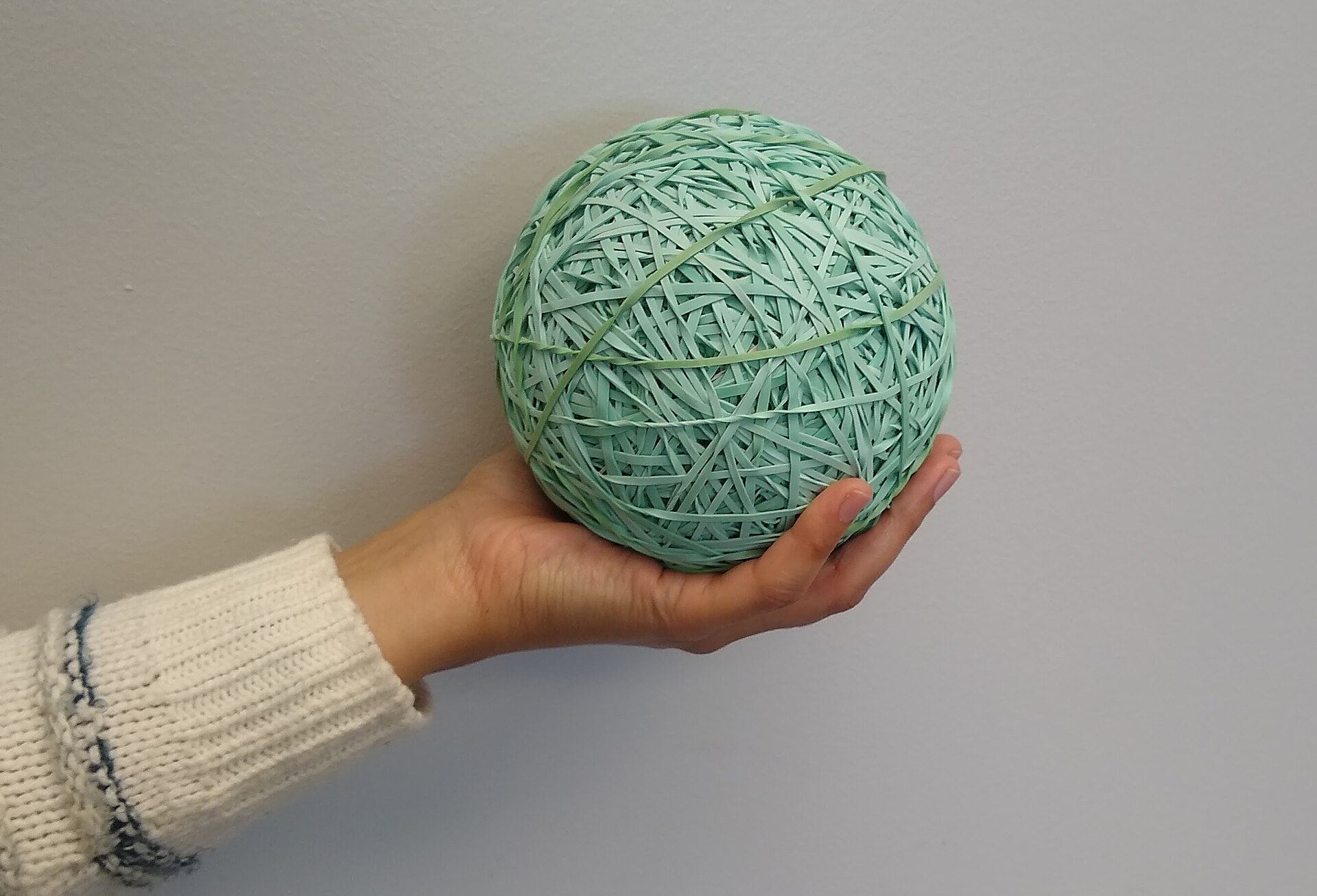
Rubber bands arrived daily around the rolled newspaper. Saving them into a growing ball was practically automatic.
The morning paper arrived rolled in a rubber band, and in millions of households that band went straight into the junk drawer, often onto a growing ball that expanded year after year without anyone ever deciding to build it. A ball of rubber bands saved from the newspaper reflects the automatic thrift of the era’s households, a save-everything instinct that turned a daily throwaway into one of the drawer’s permanent residents.
Like our content? Follow us for more.
2. A Church Key Bottle and Can Opener
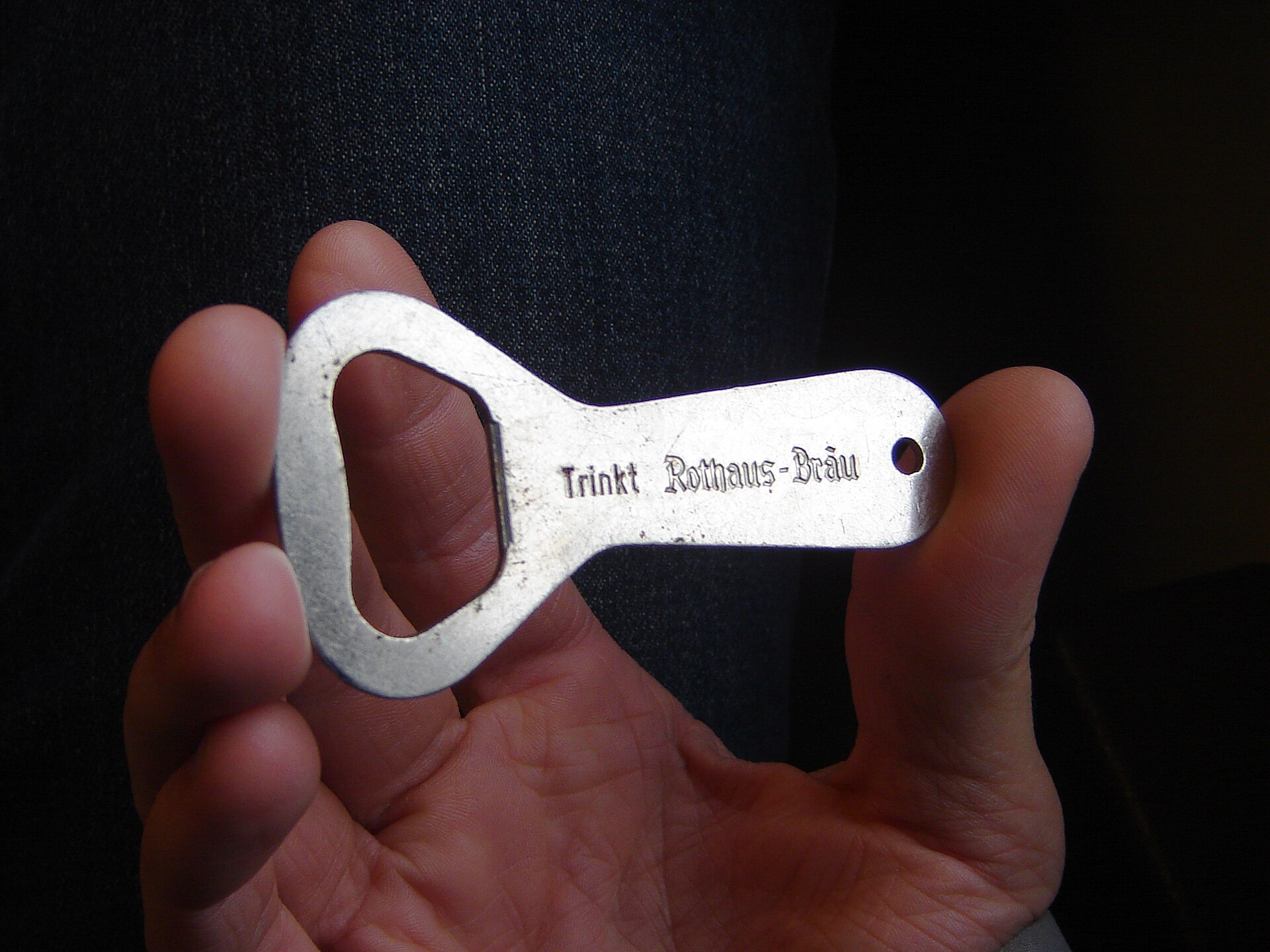
The flat metal opener punched triangles into can tops. Every drawer had at least two, usually from filling stations.
Before pull tabs and twist-offs took over, the flat steel church key, pointed on one end for punching triangular holes in cans and curved on the other for prying bottle caps, was essential kitchen equipment, and most junk drawers held two or three, often stamped with the name of a local business. A church key bottle and can opener reflects the everyday hardware of the era’s kitchen, a once-universal tool that changing packaging gradually retired to the back of the drawer for good.
3. A Flashlight With Batteries That Might Still Work

The family flashlight lived in the junk drawer. Whether it would actually turn on was always an open question.
The household flashlight, a heavy chrome or painted-steel model, lived in the junk drawer between emergencies, and the first flicker of a summer storm sent someone digging for it with the same question every time, whether the batteries inside had survived since the last power outage. A flashlight with batteries that might still work reflects the drawer’s role as the family’s emergency kit, a just-in-case station that every household maintained with more hope than maintenance.
4. A Coil of String and a Ball of Twine
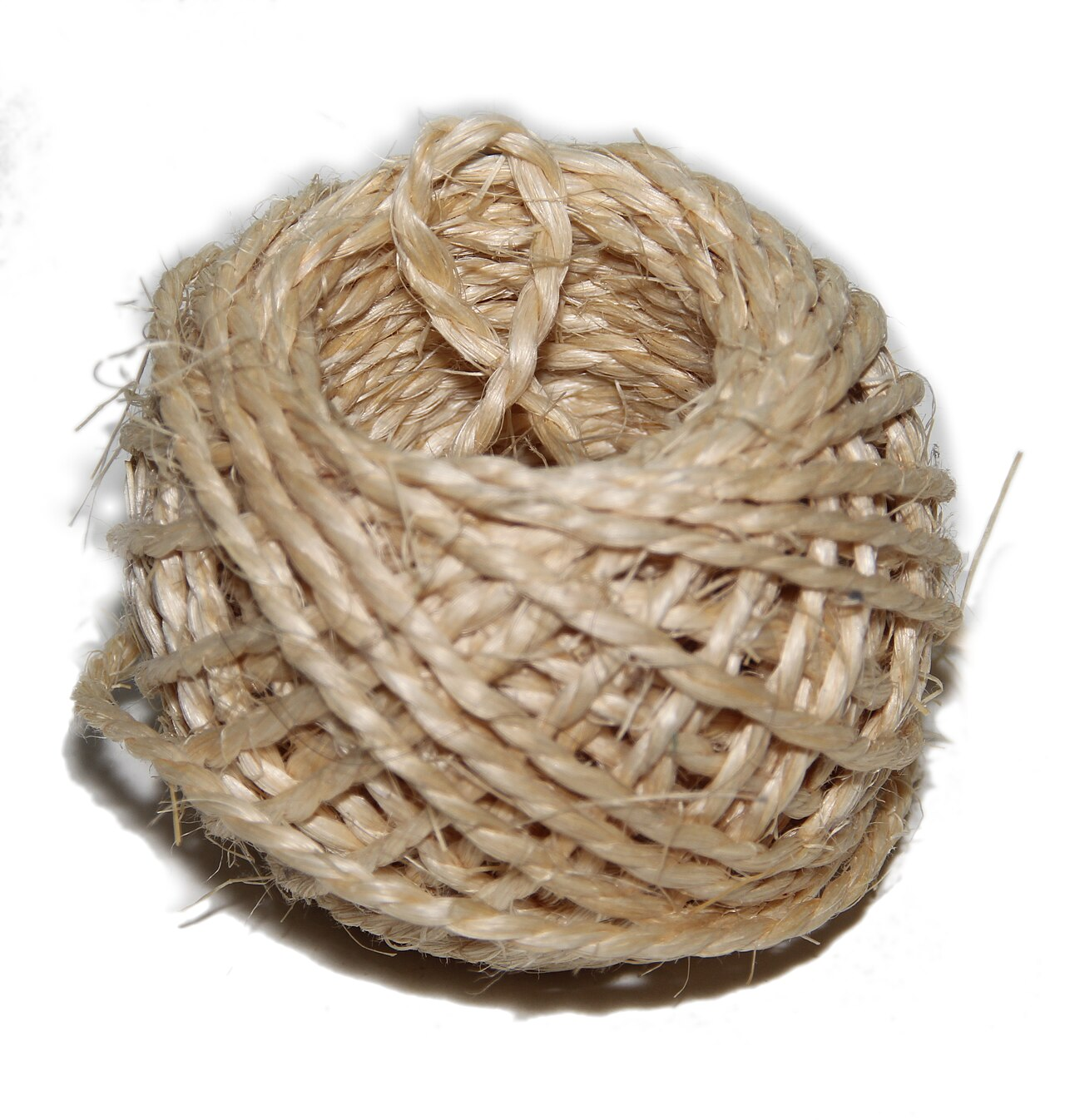
String was saved from packages and butcher bundles. Cutting a fresh piece required navigating the whole tangle.
Packages arrived tied in string and the butcher wrapped meat in paper and twine, so every junk drawer accumulated a coil of saved string wound onto itself, tangled with the scissors and ready for tying tomato plants, packages, or a roast. A coil of string and a ball of twine reflects the reuse-everything economy of the era’s kitchens, saved materials that families kept because throwing away something useful simply wasn’t done.
5. The One Pair of Scissors the Whole House Fought Over
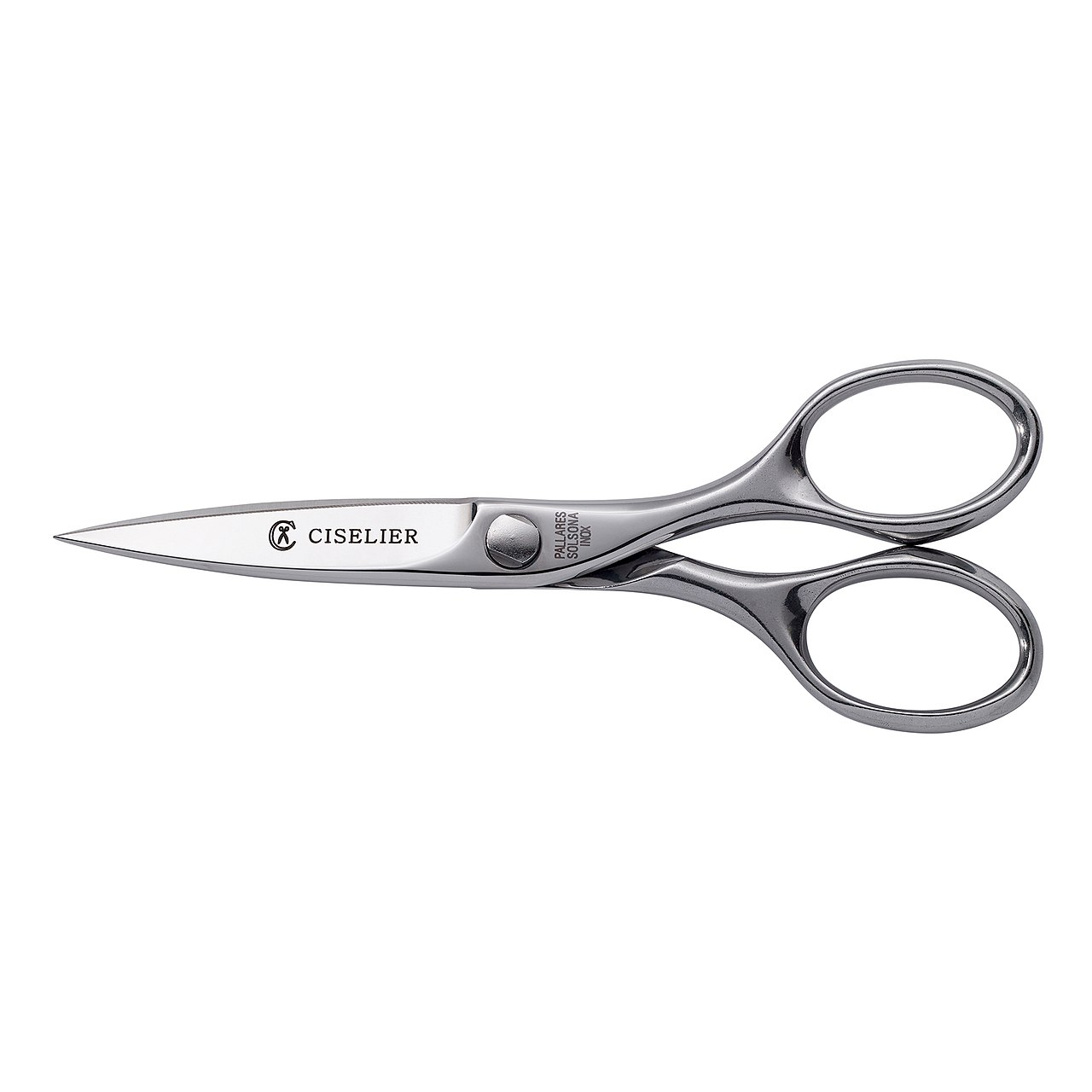
A single pair of household scissors served everyone. Returning them to the drawer was a rule constantly broken.
Most households owned exactly one pair of general-purpose scissors, and the junk drawer was their official home, though half the family drama of any given week involved discovering they weren’t there because someone had carried them off to wrap a present or cut a school project. The one pair of scissors the whole house fought over reflects the shared-resource reality of the era’s homes, a single tool whose disappearance could halt four people’s plans at once.
6. A Handful of Loose Keys Nobody Could Identify
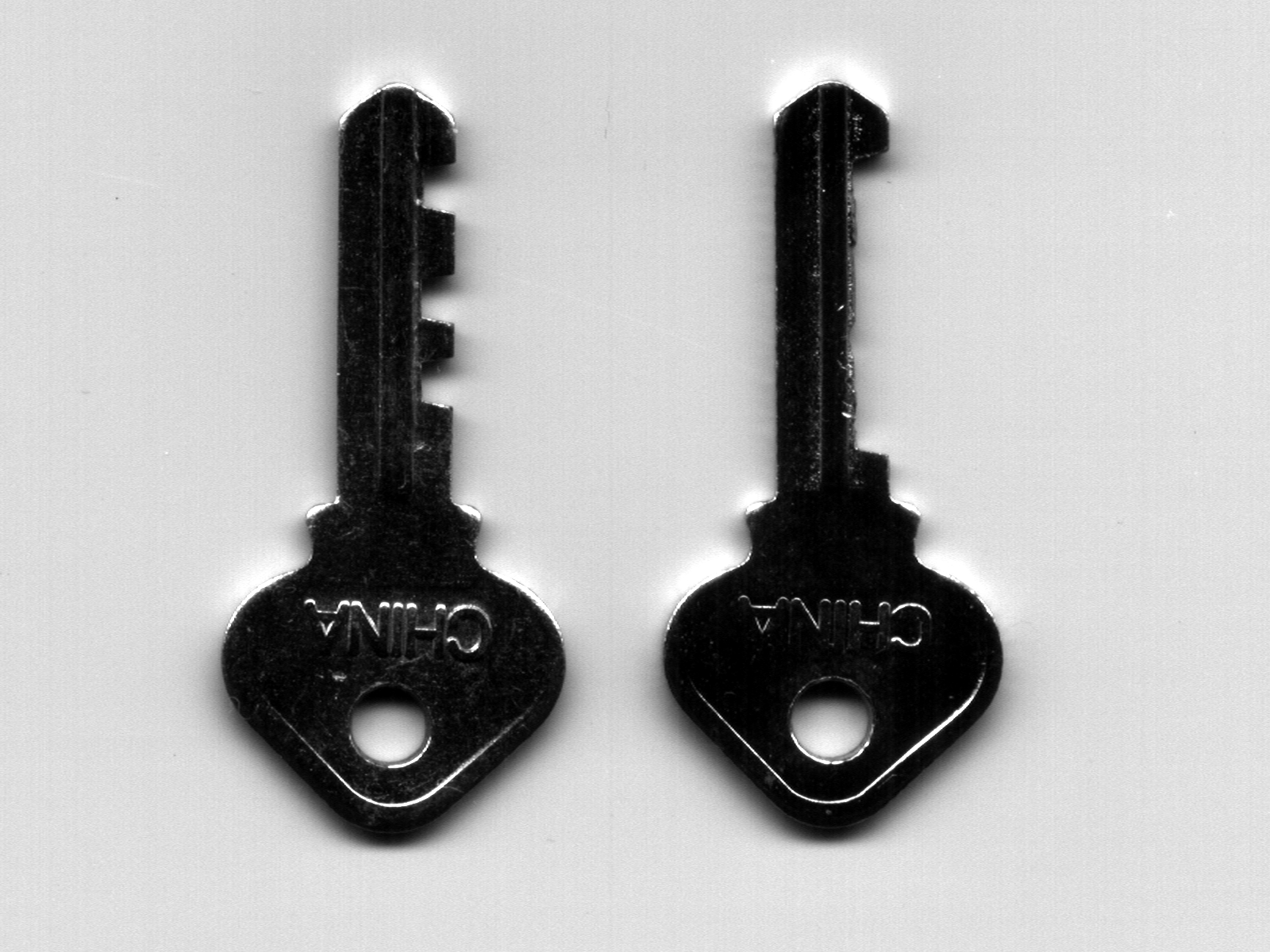
Mystery keys accumulated for years in the drawer. Nobody knew what they opened and nobody dared throw them out.
Every junk drawer held a small collection of orphaned keys, to old padlocks, previous houses, cars long since sold, and locks nobody could name, kept year after year on the ironclad household logic that the day after you threw one away, you’d discover what it opened. A handful of loose keys nobody could identify reflects the drawer’s role as the home’s institutional memory, a metal archive of every lock the family had ever owned.
7. A Book of Matches From a Local Restaurant
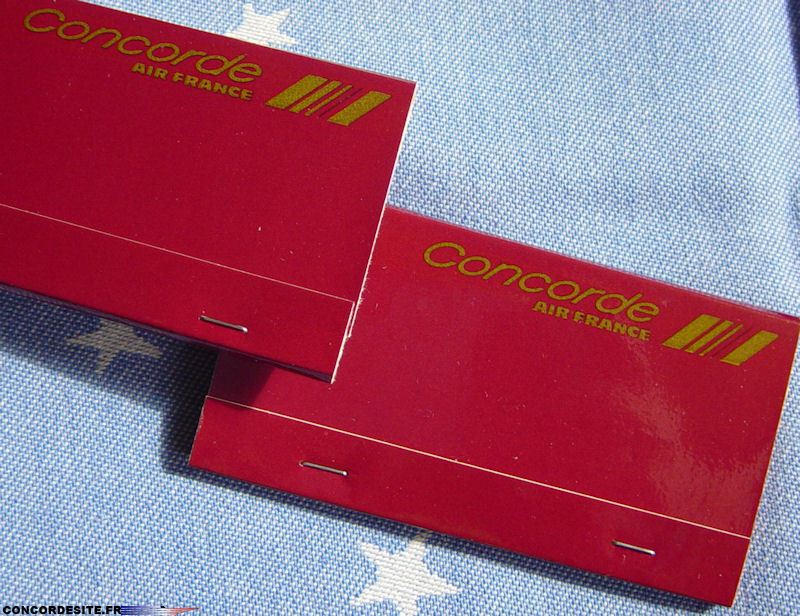
Free matchbooks came from every restaurant and motel. The drawer’s collection doubled as a family travel diary.
Restaurants, motels, and bowling alleys of the era gave away matchbooks printed with their names, and the junk drawer’s accumulated collection, needed for birthday candles and pilot lights, doubled as an accidental scrapbook of every place the family had eaten or stayed. A book of matches from a local restaurant reflects the small free souvenirs of the era’s everyday life, giveaway advertising that unintentionally recorded a family’s history one cover at a time.
8. A Roll of Masking Tape With a Lost Starting Edge
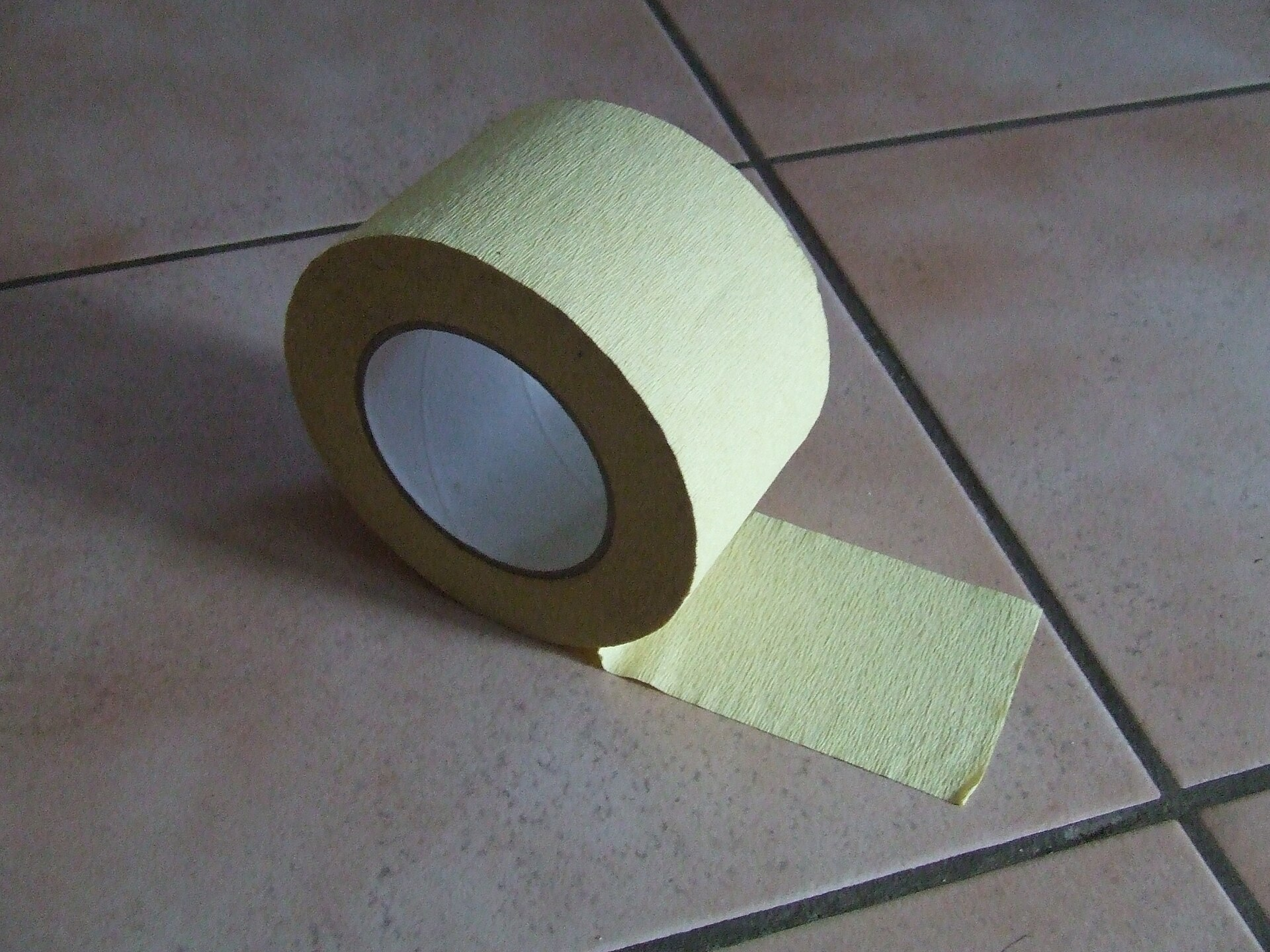
Tape was essential and the edge was never findable. Fingernails scraped around the roll in search of the seam.
The drawer’s roll of masking or cellophane tape solved a hundred small household problems, provided you could first win the universal battle of scraping a fingernail around the roll to find where the edge had fused itself flat against the layer beneath. A roll of masking tape with a lost starting edge reflects the small, shared frustrations of the era’s household supplies, a tiny daily puzzle that every member of every family solved a thousand times.
9. A Pencil Stub and a Notepad From the Bank
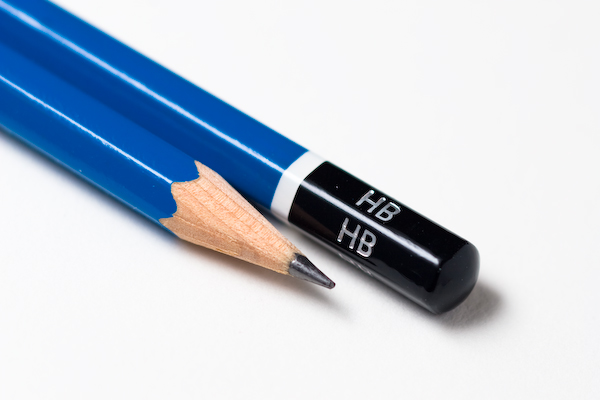
Half-length pencils were sharpened down to stubs. Free notepads from the bank recorded phone messages and lists.
Beside the kitchen phone, the junk drawer supplied the writing equipment of family life, pencils sharpened down to stubs too short for school but too useful to discard, and free notepads from the bank or insurance agent that recorded phone messages, grocery lists, and homework reminders. A pencil stub and a notepad from the bank reflect the drawer’s role as the household’s message center, modest supplies that carried the family’s entire written communication.
10. Spare Buttons in a Small Jar or Envelope

Every new garment came with extra buttons. They went into the drawer against the day one popped off.
New shirts and coats came with spare buttons attached to the tag, and those buttons went into a small jar or envelope in the junk drawer, joining decades of predecessors in a rattling assortment that could re-button nearly anything the family owned. Spare buttons in a small jar or envelope reflect the repair-minded households of the era, a tiny archive maintained because clothes were mended, not replaced, when a button let go.
11. A Deck of Cards With a Rubber Band Around It
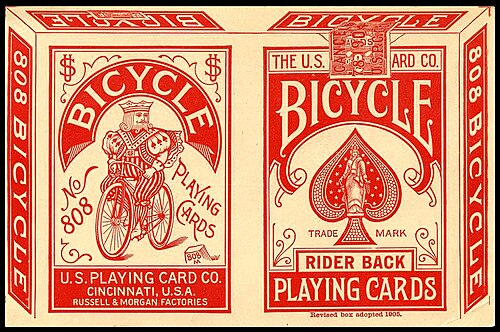
The family card deck lived among the clutter. Rainy afternoons started with a dig through the drawer to find it.
Somewhere in the drawer sat the family deck of playing cards, held together by a rubber band after the box gave out, missing the two of clubs but pressed into service anyway for rainy-afternoon games of war, rummy, and go fish at the kitchen table. A deck of cards with a rubber band around it reflects the drawer’s quiet role in family entertainment, standby fun that predated screens and never needed batteries.
12. A Genuine Confidence That the Drawer Held the Answer
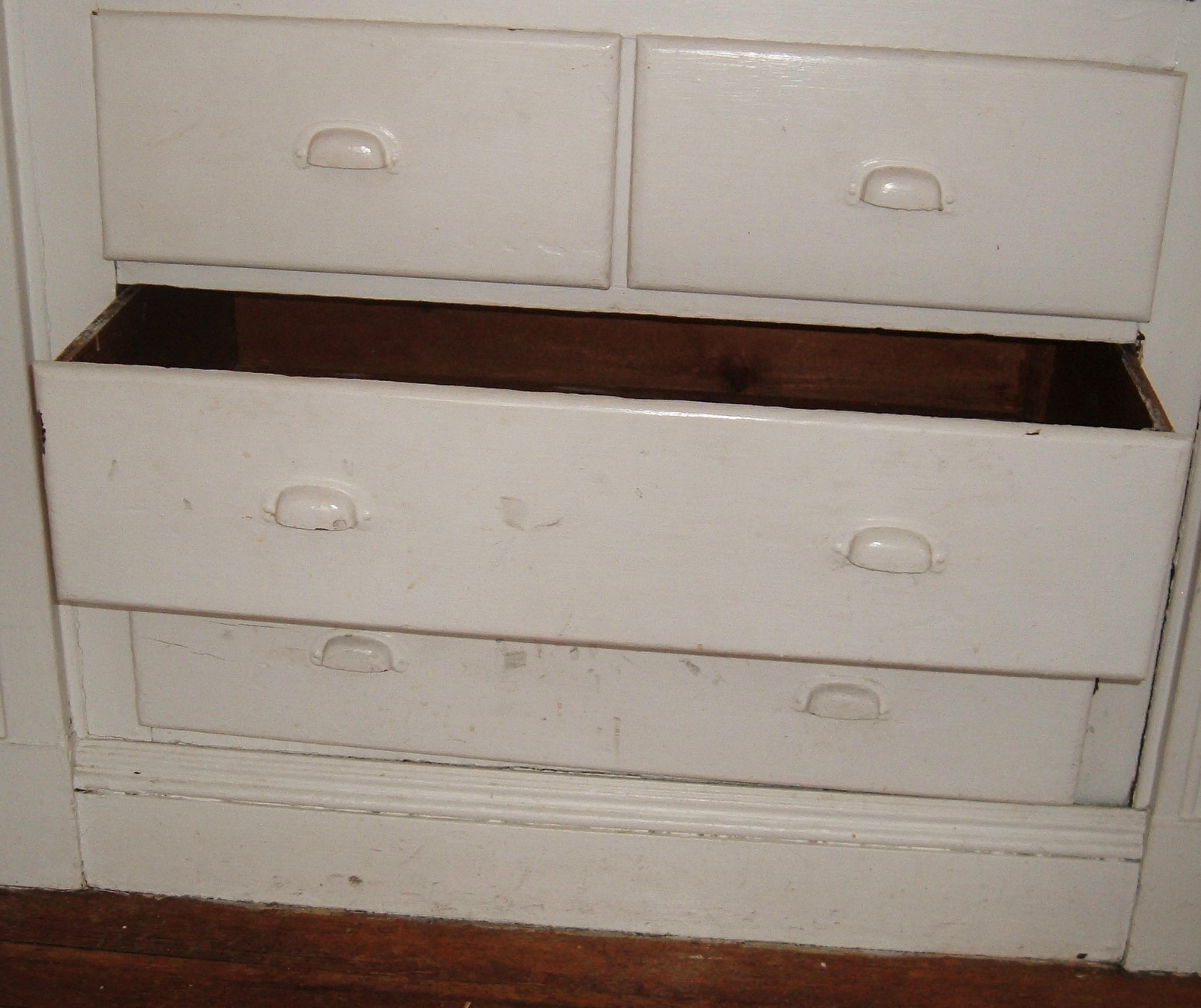
Whatever the problem, the drawer was checked first. Somehow, it delivered often enough to keep its reputation.
The junk drawer’s real contents were not string and keys but a genuine household confidence, the shared certainty that whatever broke, tore, loosened, or went dark, the drawer was the first place to look, and somehow it delivered often enough to keep that reputation for generations. A genuine confidence that the drawer held the answer reflects what the junk drawer truly was in the American home, less a storage space than a family institution built one saved rubber band at a time.
The Drawer That Held the Whole House Together

Taken together, these twelve things capture what the kitchen junk drawer meant in American homes decades ago, from the church key and the mystery keys to the fought-over scissors and the rubber-banded deck of cards. It was the one drawer with no assigned purpose, which is exactly why it served every purpose at once.
The junk drawer never disappeared the way wringer washers and church keys did, but its contents transformed as pull tabs replaced punch-top cans, phones replaced notepads, and inexpensive replacements replaced repair, leaving today’s version filled with charging cables and takeout menus instead of twine and bluing. The change reflects how thoroughly daily life has been reinvented, even inside a single kitchen drawer. Yet for those who grew up rummaging through the original, these details bring it all back: the rattle of loose keys, the smell of pencil shavings and rubber, the triumphant snap of finding exactly the right thing. Looking back at the kitchen junk drawer of decades ago is a warm tribute to the small, saved, and endlessly useful pieces of American family life.
Like our content? Follow us for more.