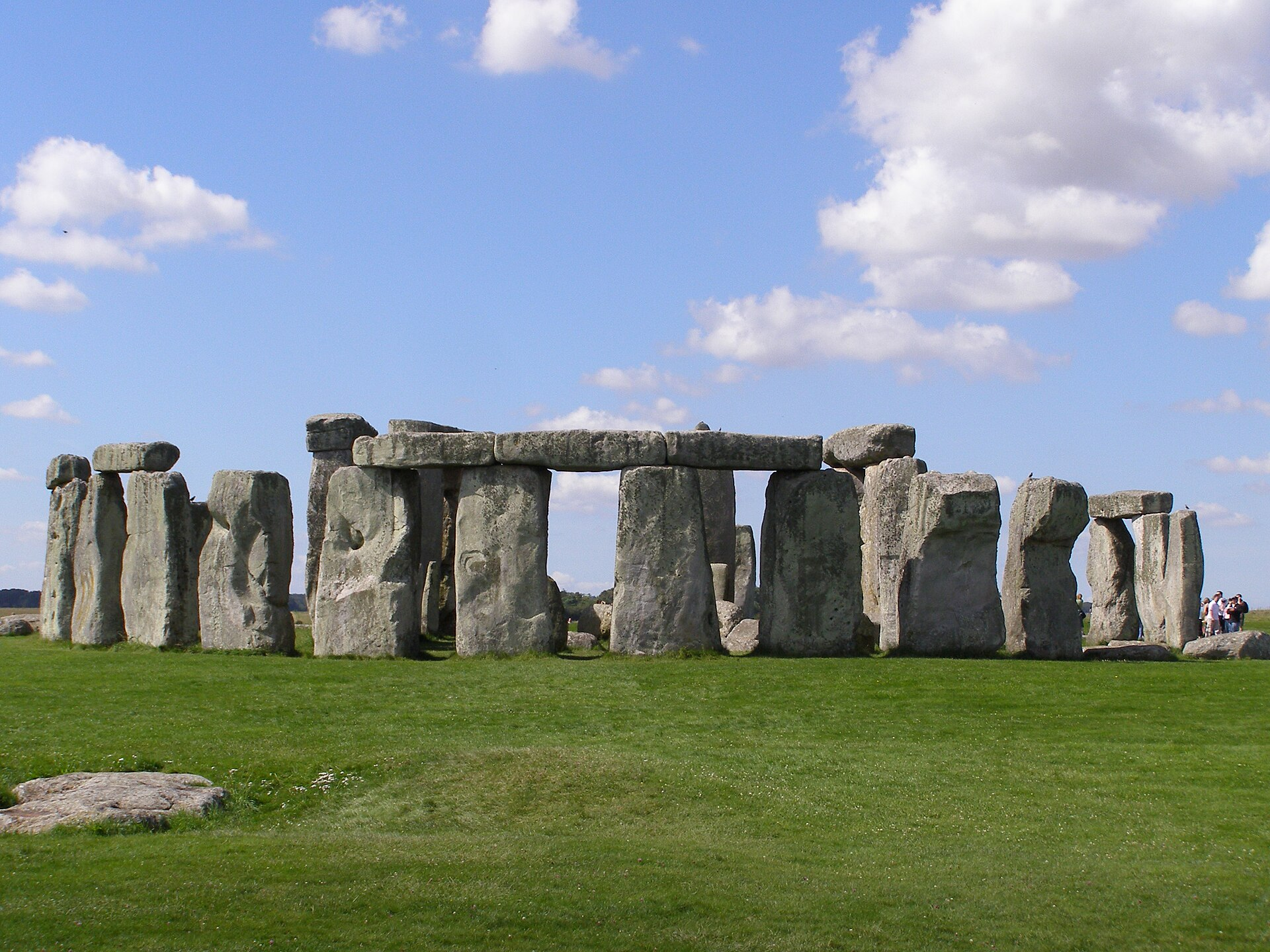
Stonehenge is among the most studied structures on the planet. Construction began around 3000 BCE and continued in phases across roughly two millennia, and the monument has been surveyed, excavated, dated, and argued over for generations.
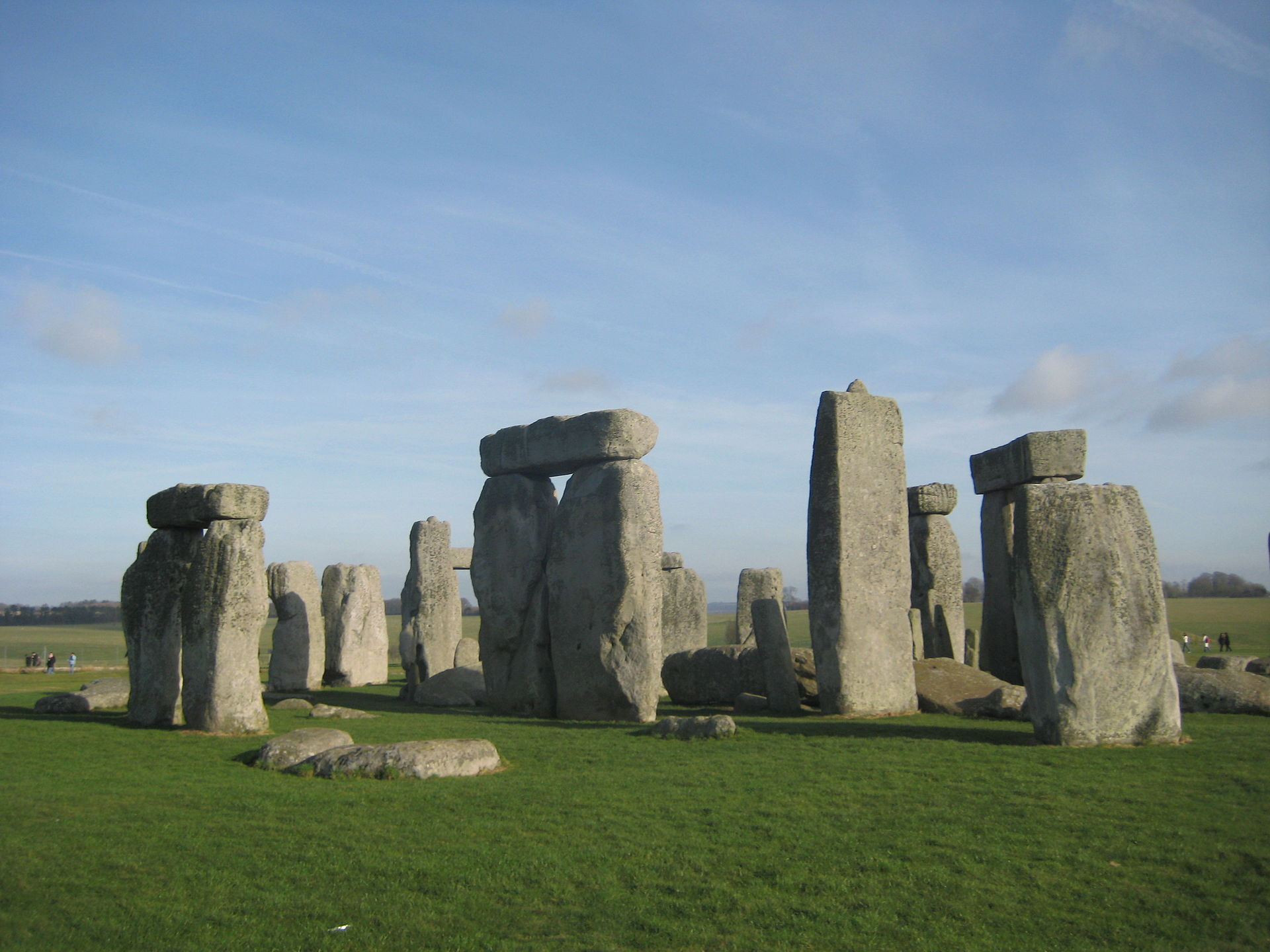
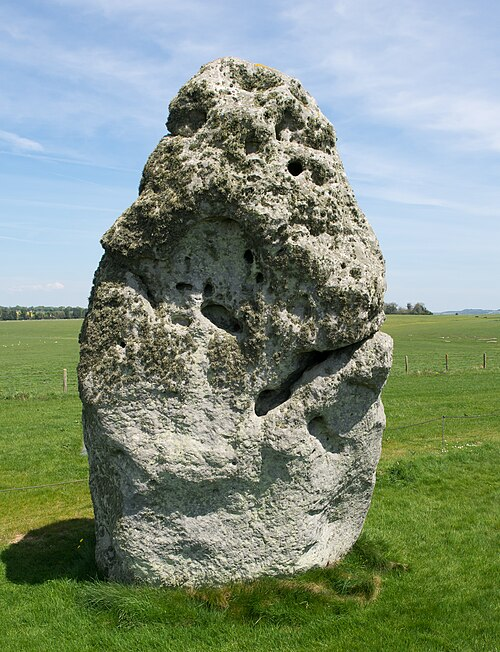
Its stones fall into two categories. The enormous uprights, the sarsens, are local sandstone, sourced from Marlborough about 25 kilometers away. The smaller bluestones arranged nearer the center came from much farther: the Preseli hills of west Wales, some 200 kilometers off, a distance that has generated decades of argument about whether people hauled them or glaciers delivered them.
Then there is the Altar Stone. It lies flat at the heart of the monument, partly buried beneath two fallen sarsens, a rectangular sandstone slab about five meters long and weighing six tons. It is the largest of the so-called bluestones, and its origin was long assumed to be Wales along with the rest.
In 2024 that assumption collapsed, and the replacement answer is substantially stranger. Here is what the analysis found.
Eliminating Wales
The first step was negative. Researchers, including several who would go on to produce the 2024 result, spent years testing the Altar Stone against Welsh sandstone formations, working on the reasonable assumption that it came from the Anglo-Welsh Basin like the other bluestones.
Those tests, as one of the researchers put it, repeatedly drew a blank. The stone’s composition did not match. Work published shortly before the breakthrough had already discounted an Anglo-Welsh origin, which left the field in an awkward position: the central stone of the most famous prehistoric monument in Britain had no known source at all.
That is what prompted the team to widen the search dramatically, from a regional question to a search across the whole of Britain and Ireland.
Like our content? Follow us for more.
Reading the Grains
The method is elegant, and worth understanding because it is what makes the conclusion robust.
Sandstone is a sedimentary rock, built from grains eroded out of older rocks and deposited elsewhere. Among those grains are durable minerals — zircon, apatite, rutile — that survive the process intact and carry a chemical and age signature from the original source rock. Analyze enough of them and you get a fingerprint of where the sediment came from, which can be matched against known formations.
The researchers were not permitted to chip samples from the monument itself, which is a protected site. Instead they worked with fragments collected during previous excavations, some dating back to the 1840s and held in collections since.
The results were distinctive. The zircon grains were mostly between one and two billion years old, while the rutile and apatite grains clustered around 450 million years, indicating a source region overprinted by a mountain-building episode about 460 million years ago. Compared against sedimentary packages throughout Britain and Ireland, the pattern matched one place with remarkable closeness: the Old Red Sandstone of the Orcadian Basin in northeast Scotland.
The team ruled out other formations across the UK and Ireland using the same measures. The work was led by geoscientist Anthony Clarke of Curtin University in Australia, with British collaborators, and published in Nature in August 2024.
Seven Hundred and Fifty Kilometers
The Orcadian Basin lies at the far northeast of Scotland, a region taking in parts of the Scottish mainland tip and the Orkney Islands. From there to Salisbury Plain is at least 750 kilometers, roughly 460 miles, across nearly the full length of the island of Britain.
The reactions from the research team were unusually candid for scientific communication. One co-author from University College London described it as a shocking result. Another, from Aberystwyth University, called the distance astonishing and noted it was the longest recorded journey for any stone at the time. An archaeologist not involved in the study simply said it was a surprise that it had come from so far away.
The reason for the reaction is that this was already a contested area. Whether people around 2500 BCE were capable of moving huge stones even the 200 kilometers from Wales had been the subject of heated argument for decades. Extending that to 750 kilometers does not settle the debate; it makes it substantially harder.
So How Did It Get There?
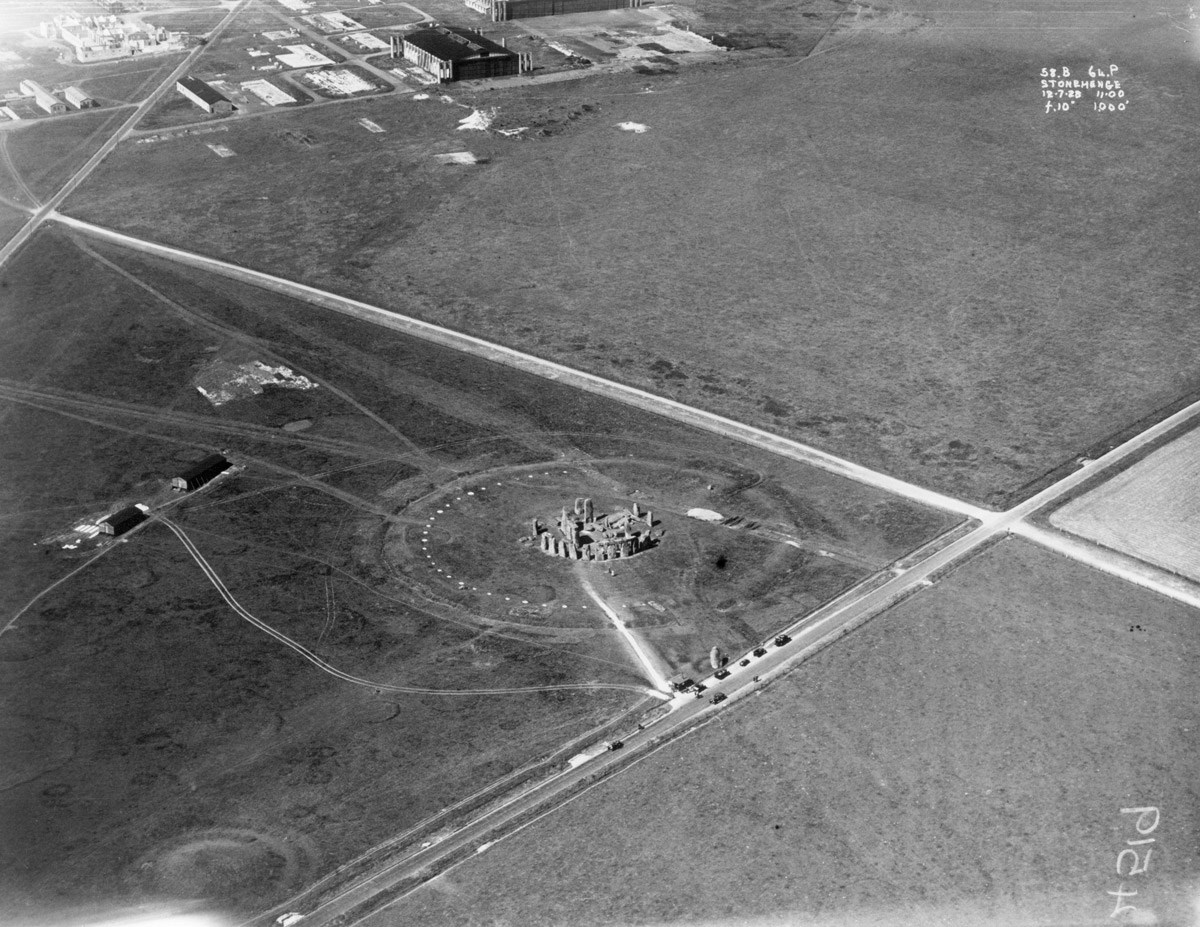
This is where the story becomes truly open, and it is worth being clear that nobody knows.
The Nature paper suggested transport was probably by sea, which makes a certain sense. Moving six tons overland across 750 kilometers of Neolithic Britain, over rivers, hills, forest, and bog, is an enormous undertaking. A coastal route by boat, following the seaboard south, is more plausible in engineering terms, though it demands seagoing capability and organization that would itself be a major finding about the period.
If people did move it, the implication is significant. The researchers noted that a stone travelling most of the length of Britain suggests the islands hosted a highly organized and well-connected society at the time, with communication and coordination across distances far greater than usually assumed for the period.
There is a competing explanation, and it has been gaining attention. Some researchers argue the stone may have been carried south by glaciers during an earlier ice age, deposited somewhere closer to Salisbury Plain, and collected by the monument’s builders from where it lay. Recent work by an international team, including one of the geochemists behind the provenance study, has been examining exactly this possibility. The same glacial argument has long been made about the Welsh bluestones and remains contested there too.
The distinction matters enormously. If humans moved the Altar Stone, it is evidence of extraordinary Neolithic organization and maritime capability. If a glacier moved it, the achievement is real but much smaller, and the interesting question becomes why the builders valued that particular slab enough to place it at the center.
At present the provenance is established and the transport mechanism is not. Both explanations are live.
What Else the Stones Have Told Us
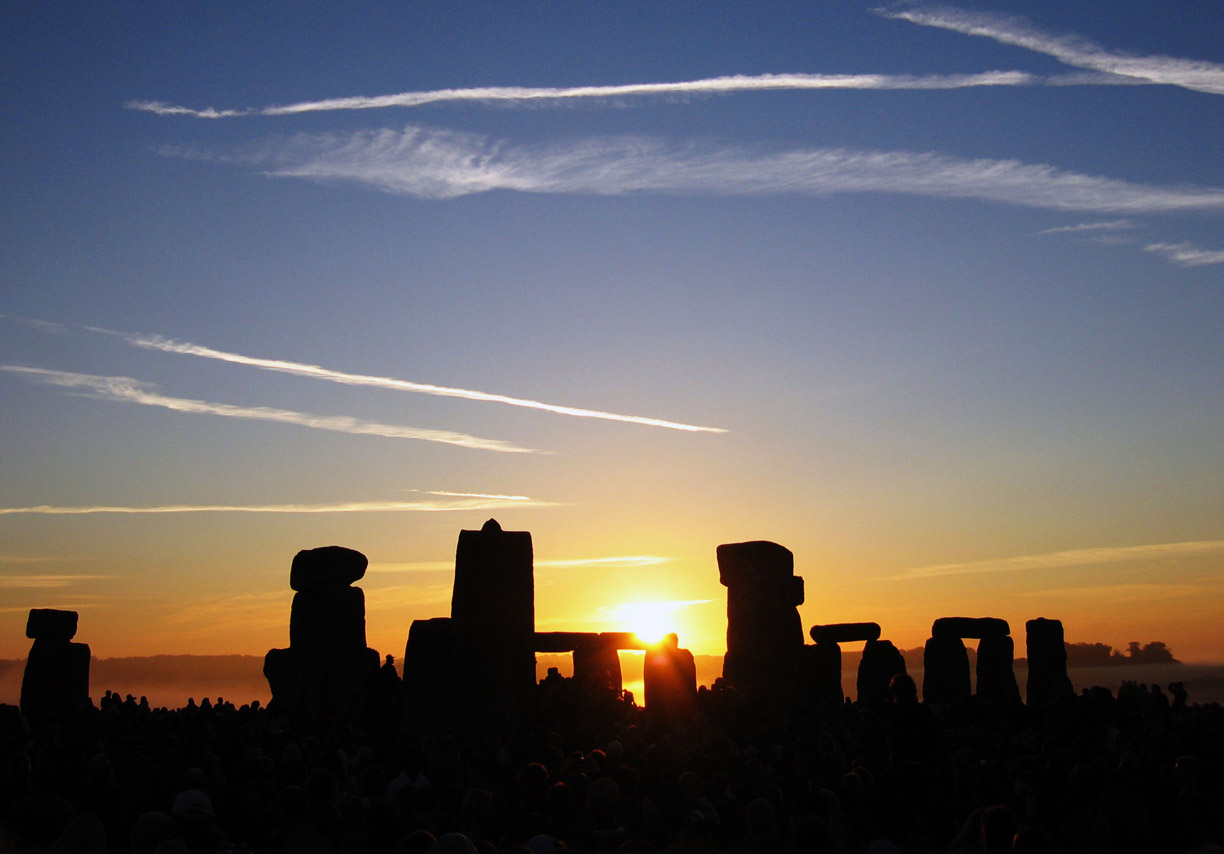
The Altar Stone result did not arrive from nowhere. It is the latest step in a long programme of provenance work that has steadily rewritten a good deal of what is known about the monument.
The sarsens, the enormous uprights that give Stonehenge its silhouette, were sourced to West Woods near Marlborough in 2020, using a similar geochemical fingerprinting approach applied to a core that had been removed during 1950s repairs and then sat in a private collection in the United States for decades before being returned. That answered a question that had been open since the seventeenth century.
The Welsh bluestones have been traced with increasing precision to specific outcrops in the Preseli hills, and excavations at those outcrops have found evidence of quarrying activity at roughly the right period, which strengthens the human-transport case for those particular stones substantially.
Taken as a body of work, this represents a shift in how the monument is studied. Stonehenge has always attracted interpretation, much of it unfalsifiable. Provenance analysis produces answers that are testable, reproducible, and occasionally inconvenient, as the Altar Stone result demonstrates. Each answer narrows the space of things the builders could plausibly have been doing.
A Monument Built Over Centuries
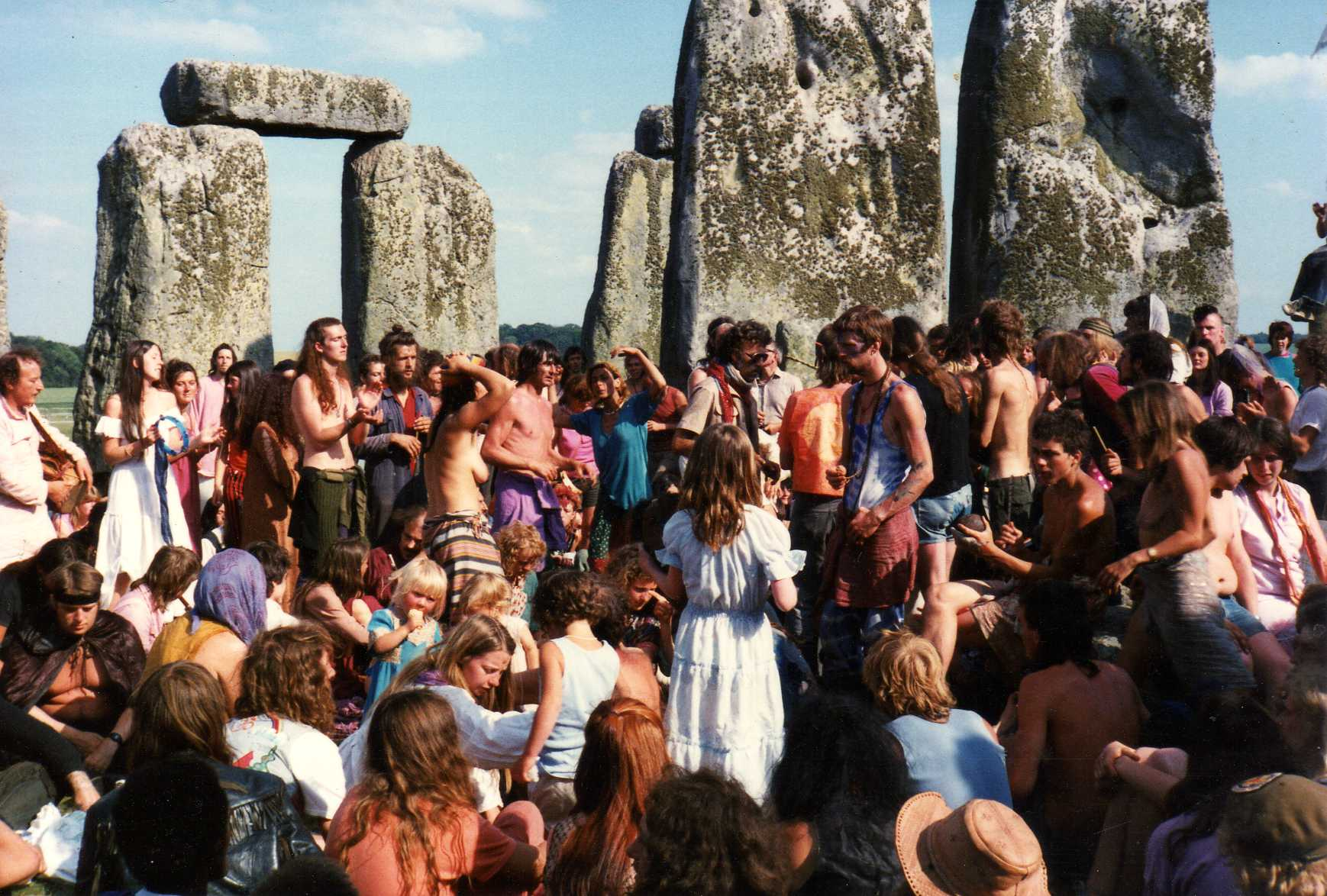
One thing the provenance work reinforces is that Stonehenge was never a single project. It was assembled, altered, and rearranged across roughly two thousand years, by many generations who did not necessarily share the same intentions.
The stones arrived in phases. Earthworks came first, then timber settings, then the bluestones, then the great sarsens, then further rearrangements of the bluestones within the sarsen setting. The Altar Stone’s position at the centre reflects one of those later arrangements, not an original plan.
That makes the transport question harder rather than easier, because the people who brought a stone to the site may not be the people who ultimately placed it where it now lies. A slab could have been at Salisbury Plain for generations before ending up in its final position.
Why a Rock’s Address Matters
It is fair to ask why the geological source of one slab justifies this much attention.
The answer is that provenance is one of the few things about Stonehenge that can be established with hard evidence. The monument’s purpose remains truly unknown, and claims about ritual meaning are interpretation. But where the stones came from is a chemical question with a chemical answer, and each answer constrains what the builders must have been capable of.
If the Altar Stone was deliberately transported from northeast Scotland, then Neolithic Britain had connections spanning the entire island: knowledge of distant places, reasons to value material from them, and the organizational capacity to act on that. That is a substantial claim about a society that left no writing, derived from mineral grains in a slab of sandstone.
The researchers have called for further work to pin down exactly where in Scotland the stone originated and how it made the journey. Given that the question was considered settled in favor of Wales for over a hundred years, a certain humility about the current answer seems appropriate.
For now, the situation is this: the most famous stone circle in the world has, at its center, a six-ton slab that began life as sediment in a Scottish lake basin, ended up on Salisbury Plain, and got there by means nobody can yet demonstrate.
Like our content? Follow us for more.