

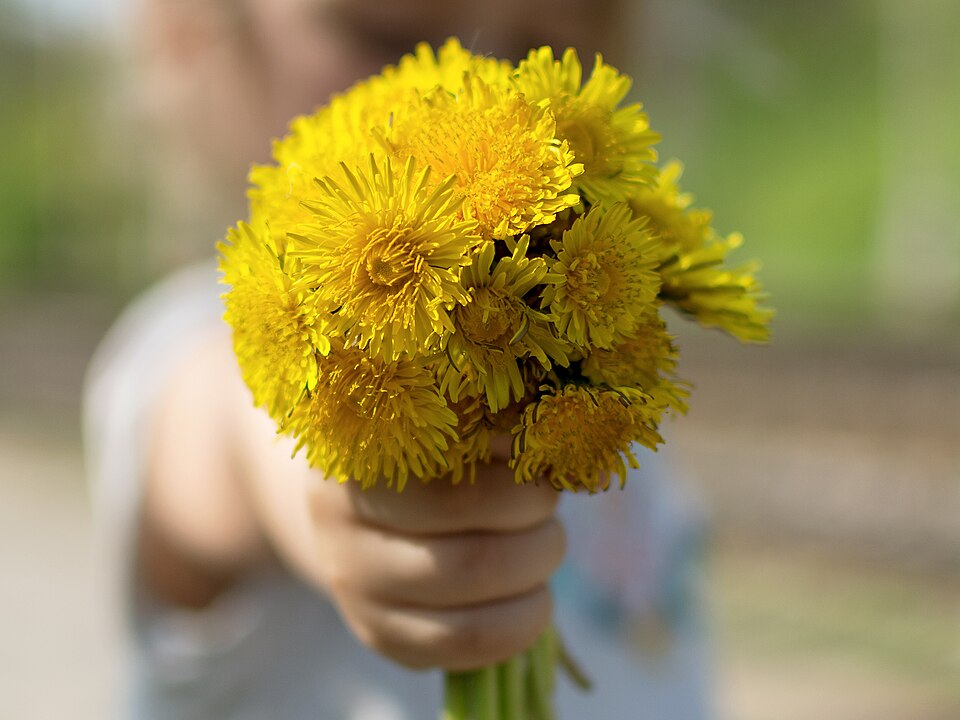
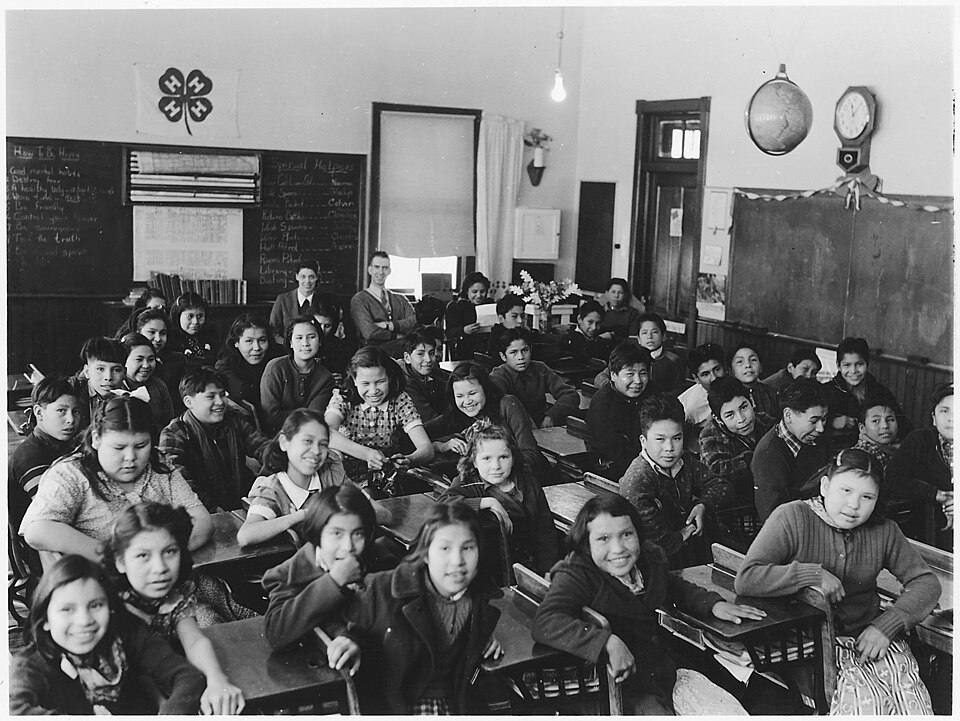
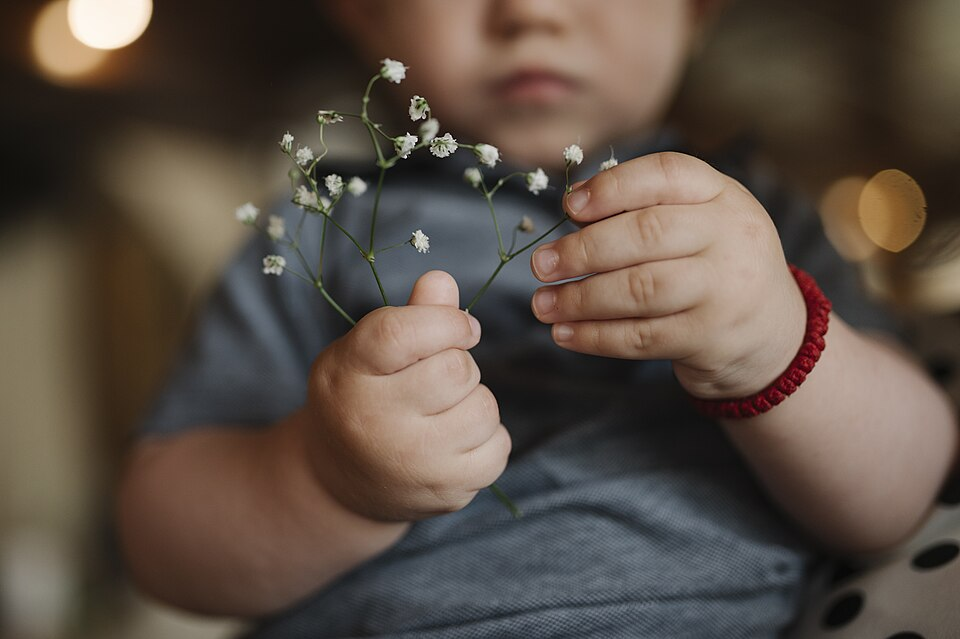
In 1962 children brought their teacher flowers, and the flowers had almost always been picked on the way to school, by the child, from somewhere they had no particular right to be picking anything.
The Supply Was Entirely Opportunistic
Nobody bought these. They came from verges, vacant ground, the edges of other people’s gardens and whatever was growing between the house and the school, which meant the gift was determined by the route rather than by any intention.
That is why they arrived in the state they did. A handful of stems carried half a mile in a warm hand, in a bag, against a coat, is not in good condition by the time it reaches a classroom.
Like our content? Follow us for more.
The Picking Was Not Always Authorised
A considerable proportion of these flowers were taken from places where they belonged to somebody. Children understood this imperfectly, adults mostly chose not to pursue it, and present-day thinking about other people’s property and about what grows where is better than the casual approach of the period.
Nothing Here Is a Recommendation
It is worth saying plainly. Current attitudes to picking what is growing – whether it belongs to a neighbour, a municipality or nobody – are better informed than they were in 1962, and nothing in this piece should be read as describing what anybody ought to pick or from where.
They Had to Survive the Whole Journey
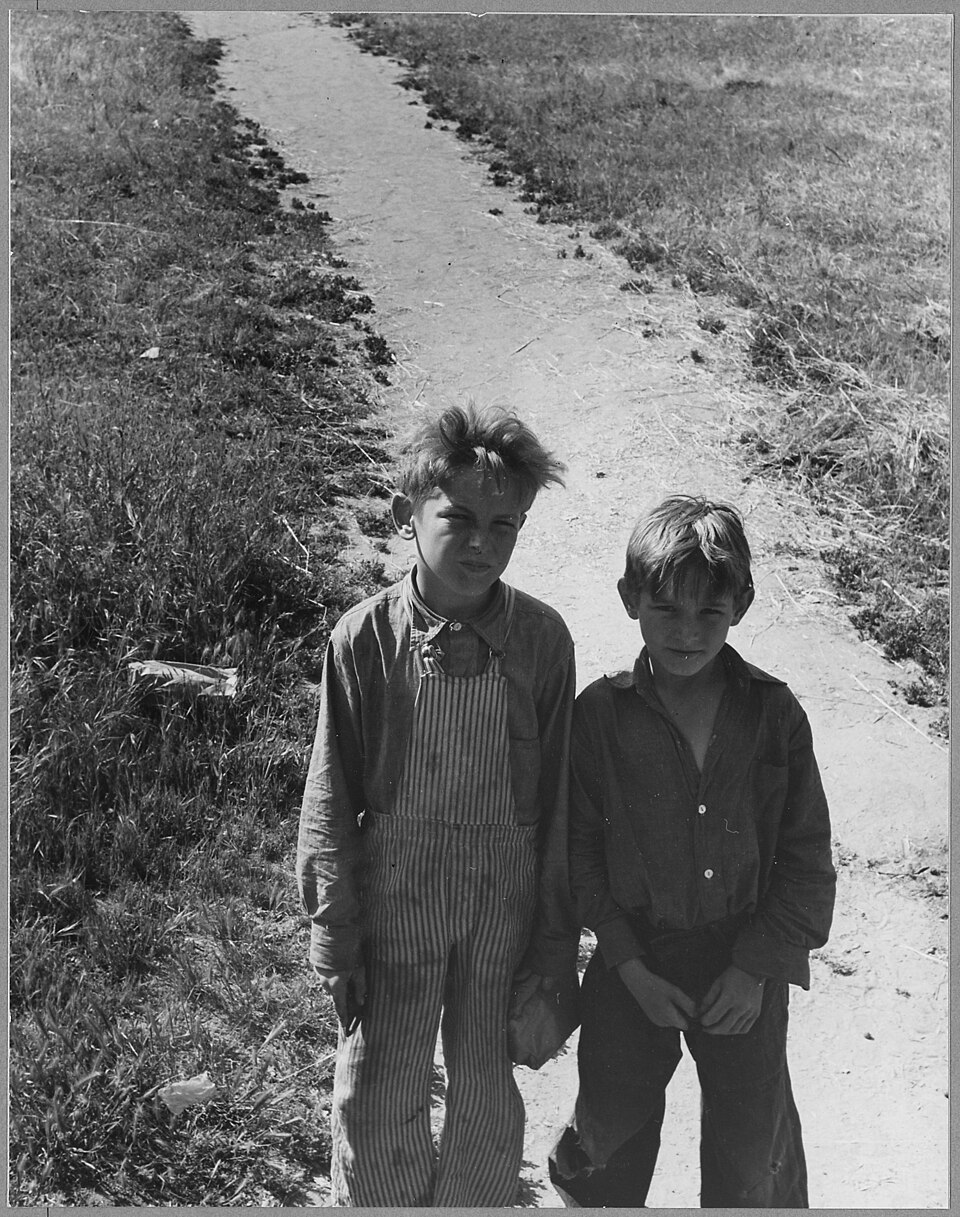
Having been picked at the start of a walk, the flowers then had to get to a classroom, which they were not built to do. A child carrying them had no container, no water and nowhere to put them down, and the standard solution was to hold them in one hand for the entire distance.
The condition on arrival was therefore a function of the distance. Children who lived close by delivered something recognisable, and children who walked a mile delivered something that had plainly been through an ordeal, which nobody ever commented on.
The Stems Were Always Too Short
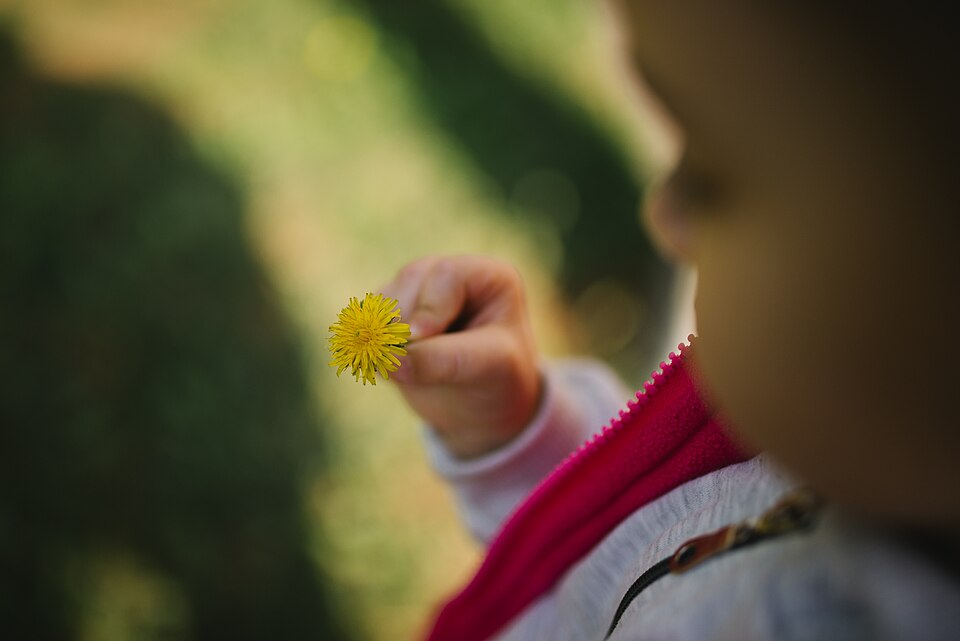
Children pick by pulling rather than cutting, which produces a short stem and frequently a root. The result could not be put in anything, which created an immediate problem for the recipient that the child had not anticipated.
The Teacher Had No Vase and Improvised Every Time
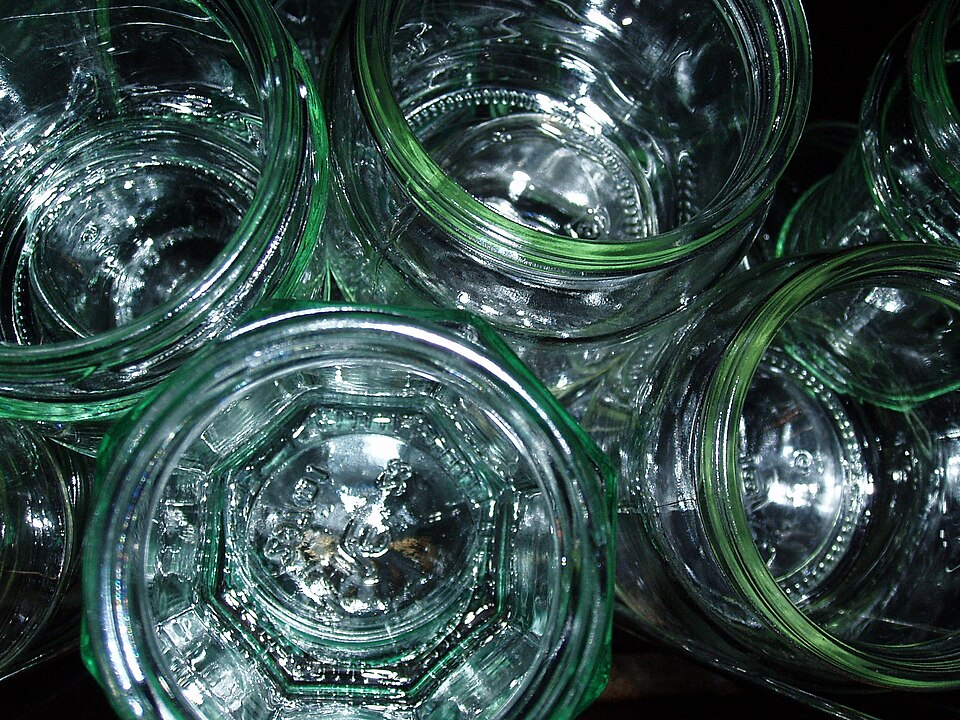
Classrooms contained no provision for this. A jar, a bottle, a beaker from somewhere else in the building or a cup from the staff room was found, filled and used, and the improvisation was performed several times a week for years.
The Handover Itself Was Badly Managed Every Time
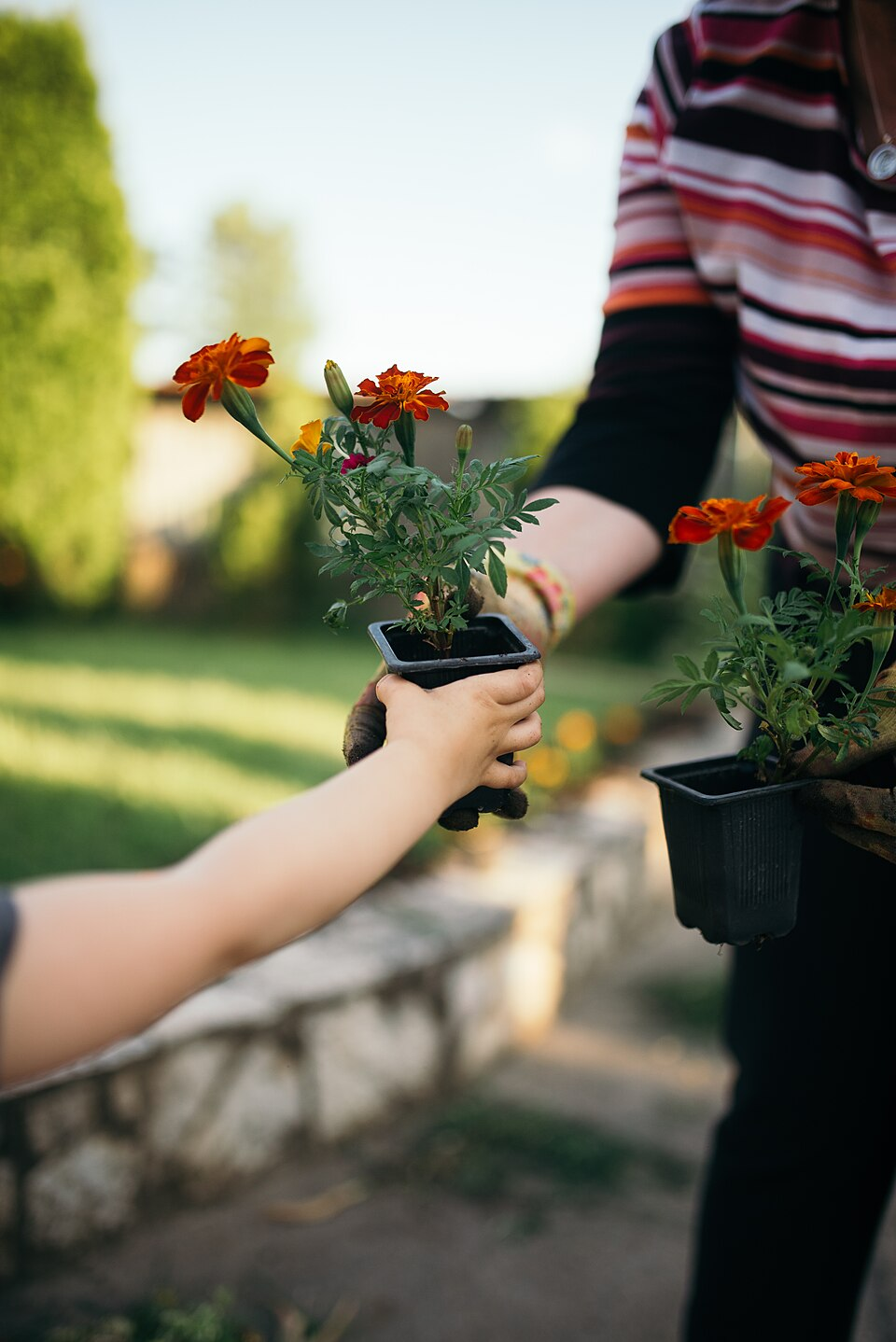
There was no good moment to do it. A child arriving with flowers had to either wait for the teacher to be free, interrupt them, or leave the things on the desk and say nothing, and all three options were awkward in different ways.
Most children chose the third. A handful of stems found on a desk by a teacher who had not seen who put them there was an extremely common delivery method, and a proportion of those gifts were never attributed to anybody at all.
It Was Always Put on the Desk and Always Seen
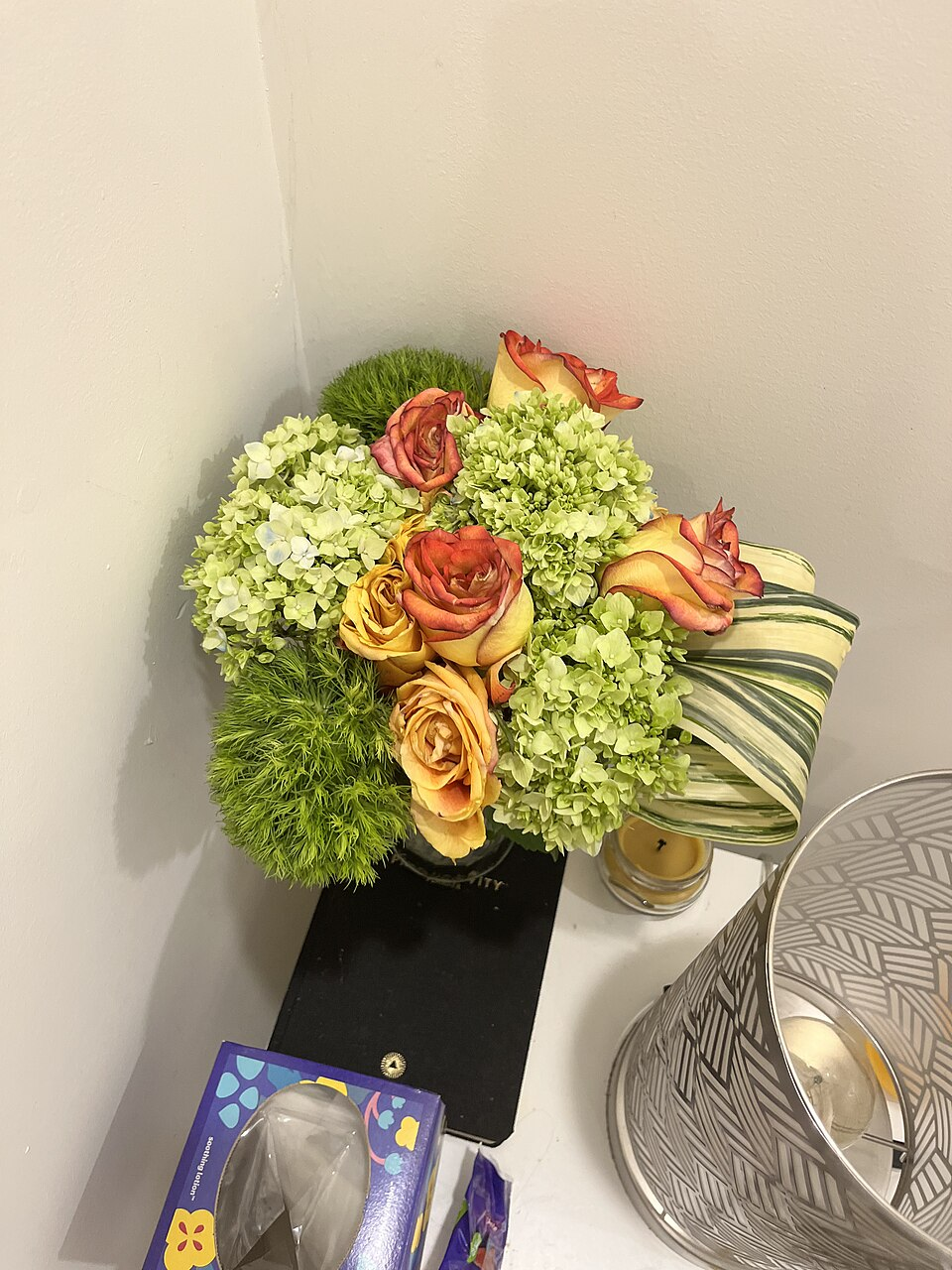
Wherever the arrangement ended up, it was visible to the whole class, which was the actual point. A child who had brought flowers had made a public statement about their relationship with the teacher and everybody in the room registered it.
The Thanks Were Disproportionate and Deliberate
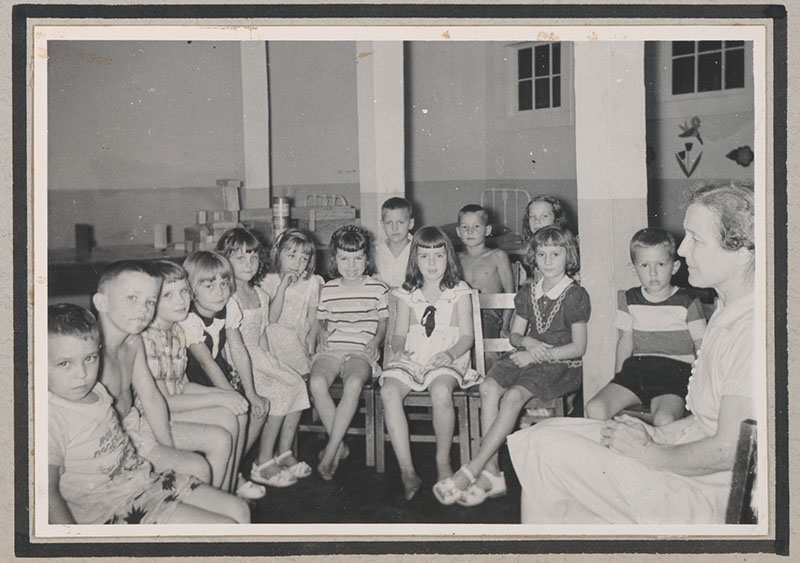
Teachers of that period responded to a handful of crushed stems with a performance of real gratitude, which they repeated for every child who did it. The response was out of proportion to the gift and entirely intentional, and almost nobody saw through it at the time.
Several people describe working that out much later. The realisation that a teacher had done this forty times a term, convincingly, for forty different children, is remembered as a particular kind of retrospective respect.
Everybody Did It and the Competition Was Quiet
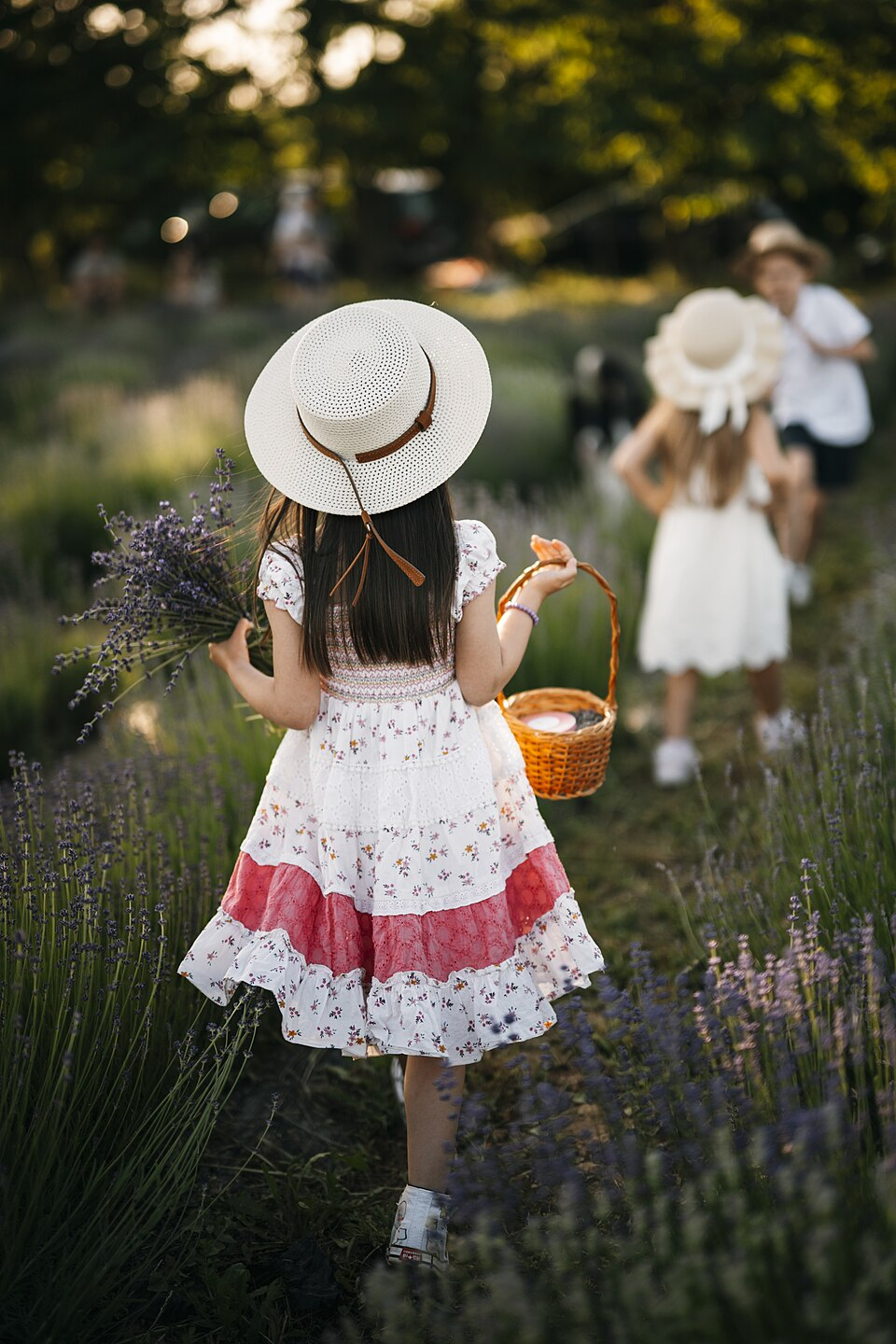
Once one child had started, several others followed within a week, and the whole thing became an unspoken contest about quantity, rarity and who had thought of it first. The contest was never acknowledged by anybody.
The Child Who Brought Them Every Day Was a Recognised Type
Each class had one, their arrival with flowers became routine, and the diminishing returns were visible to everybody including them. A gift repeated daily stops being a gift, which is a lesson a number of children learned the hard way at seven.
Something Was Always Brought That Was Not a Flower
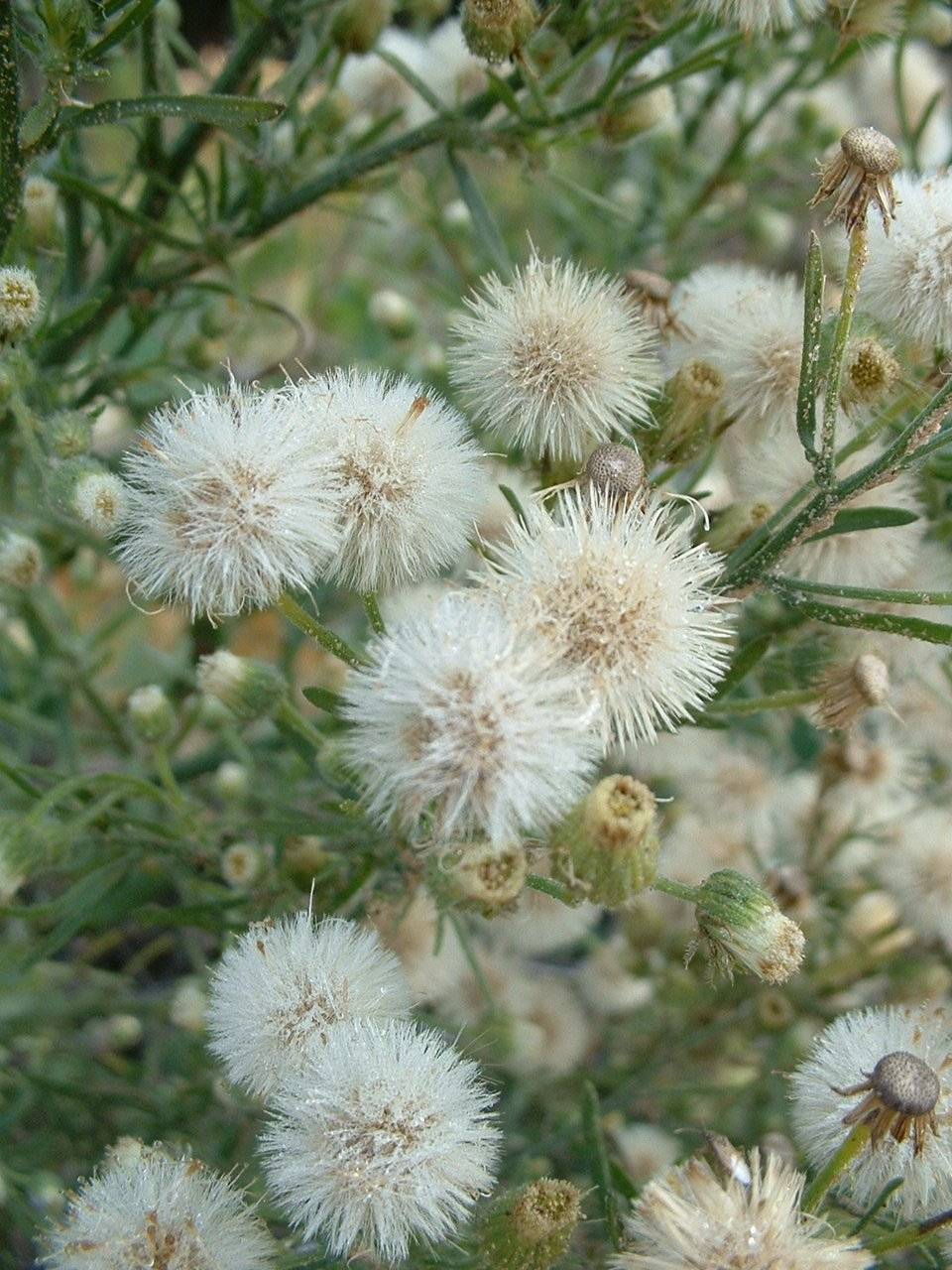
The category expanded. Leaves, seed heads, an interesting weed, something found rather than grown – all of it got handed over, and teachers accepted the lot with the same expression, which is a considerable act of professional discipline.
The Hay Fever Question Existed and Nobody Asked It
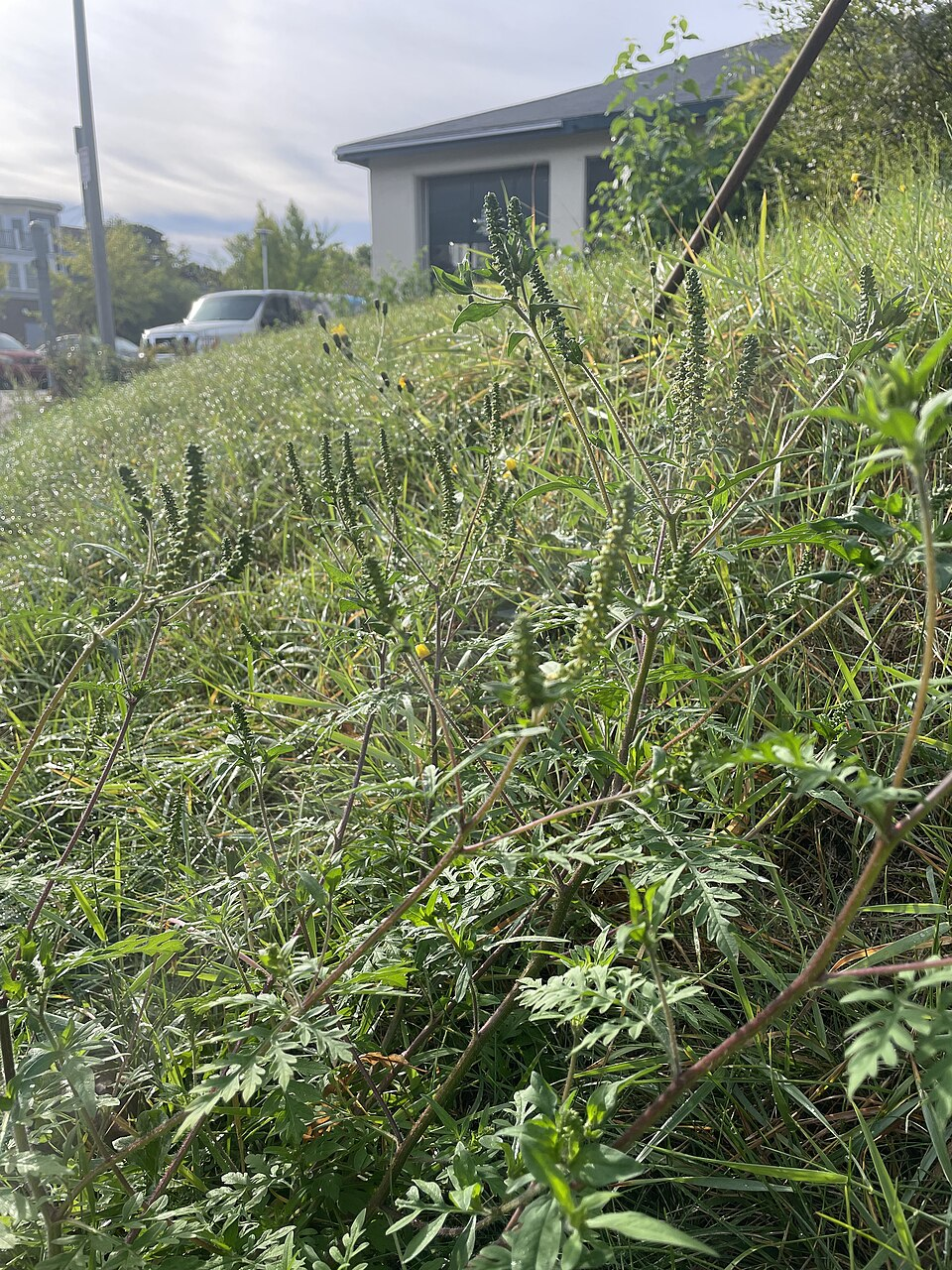
A teacher who could not be in a room with cut flowers had no way of saying so without disappointing a child, and some of them simply endured it. Modern classrooms handle this sensibly, and the fact that nobody of that period thought to ask is an example of how much less was considered.
Boys Did It Too and Then Stopped
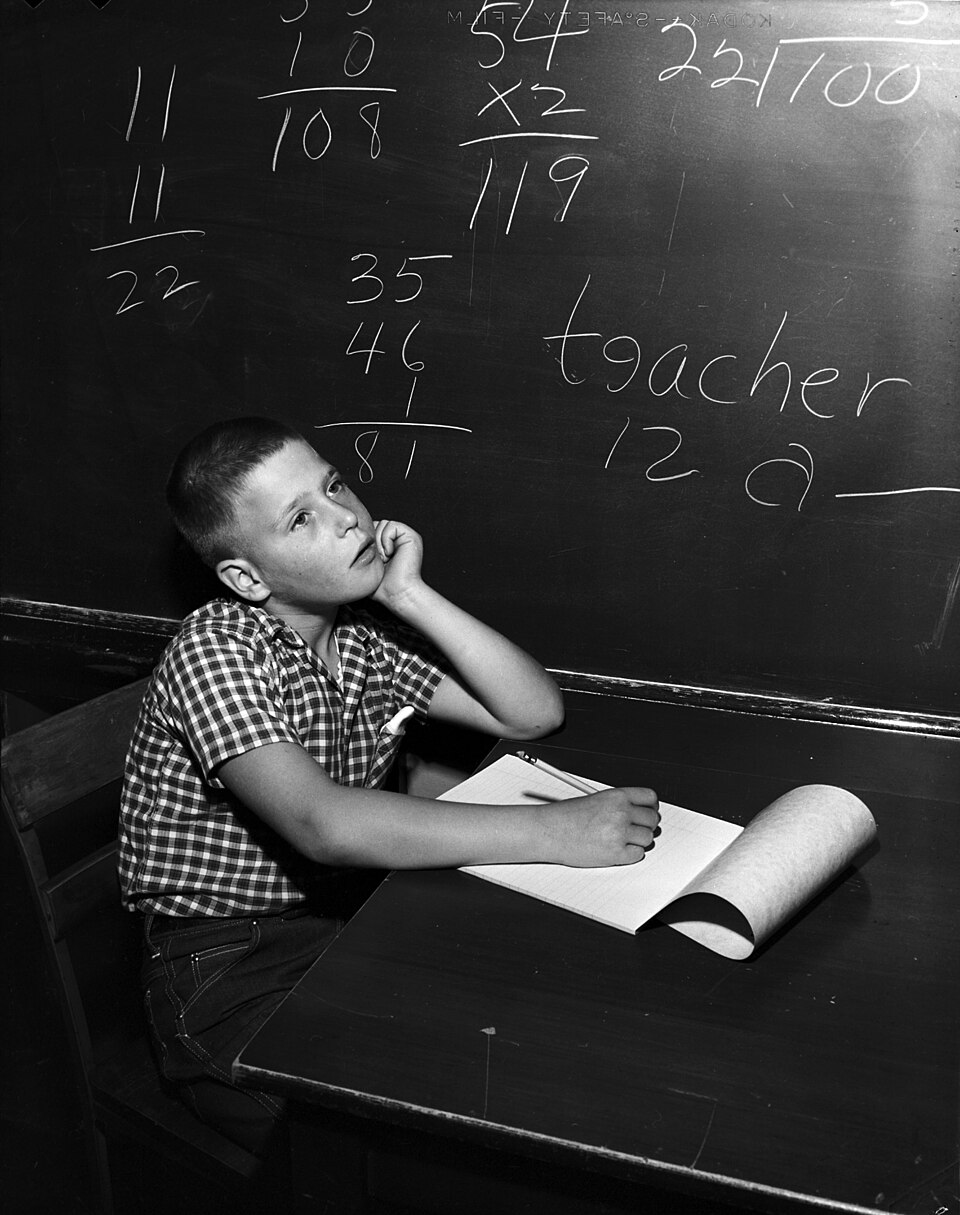
Flower-bringing was general among the youngest children and dropped away sharply for boys at a particular age, for reasons nobody stated and everybody understood. The age at which it stopped was consistent enough across the country to be remarkable.
The Last Day of Term Was the Peak
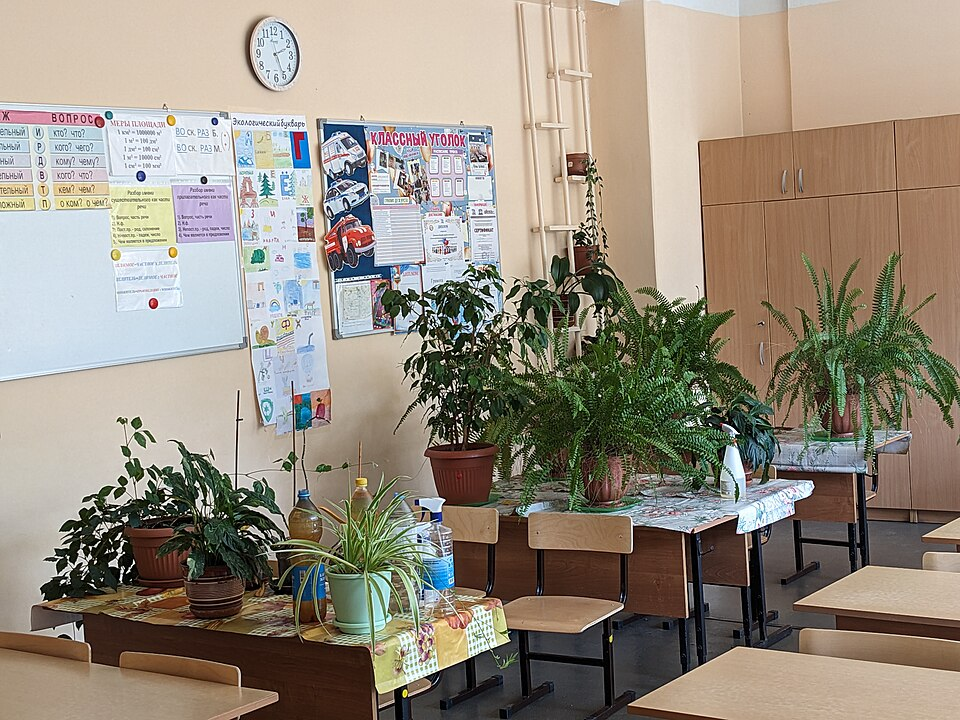
Volume rose dramatically at the end of a school year, when a substantial proportion of the class brought something and the classroom filled with jars. Teachers took them all home or left them behind, and either outcome was invisible to the children.
What Happened to Them Afterwards Was Never Witnessed
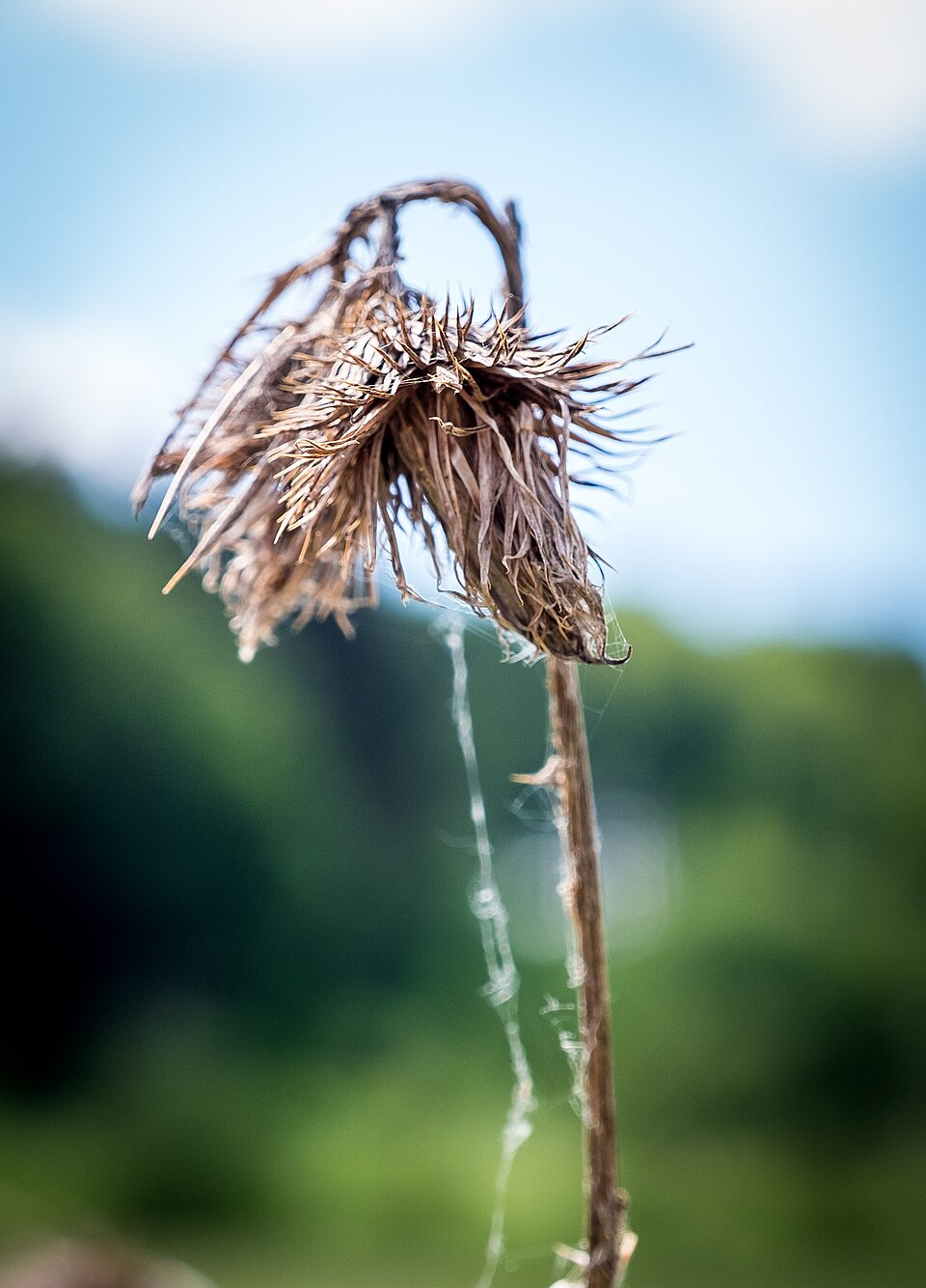
No child ever saw the flowers discarded, which is because no teacher ever did it in front of them. The arrangement sat on a desk for as long as it lasted and was gone the next morning without explanation, every single time.
It Was One of the Few Gifts a Child Could Give Without Money
A child of that period had nothing to give anybody. This cost nothing, required no permission and could be produced on any morning, which made it the only present most children were in a position to offer.
That is the real significance of it. Not affection exactly, but the discovery that it was possible to give something at all, by a child who had no other means of doing so.
The Teacher Was the Only Adult Outside the Family Worth Giving Anything To
Children of that period knew very few adults well. A teacher was the single non-relative who saw them every day, which made them the obvious and almost the only recipient for any gesture a child wanted to make.
It Was Also a Way of Arriving Late Without Trouble
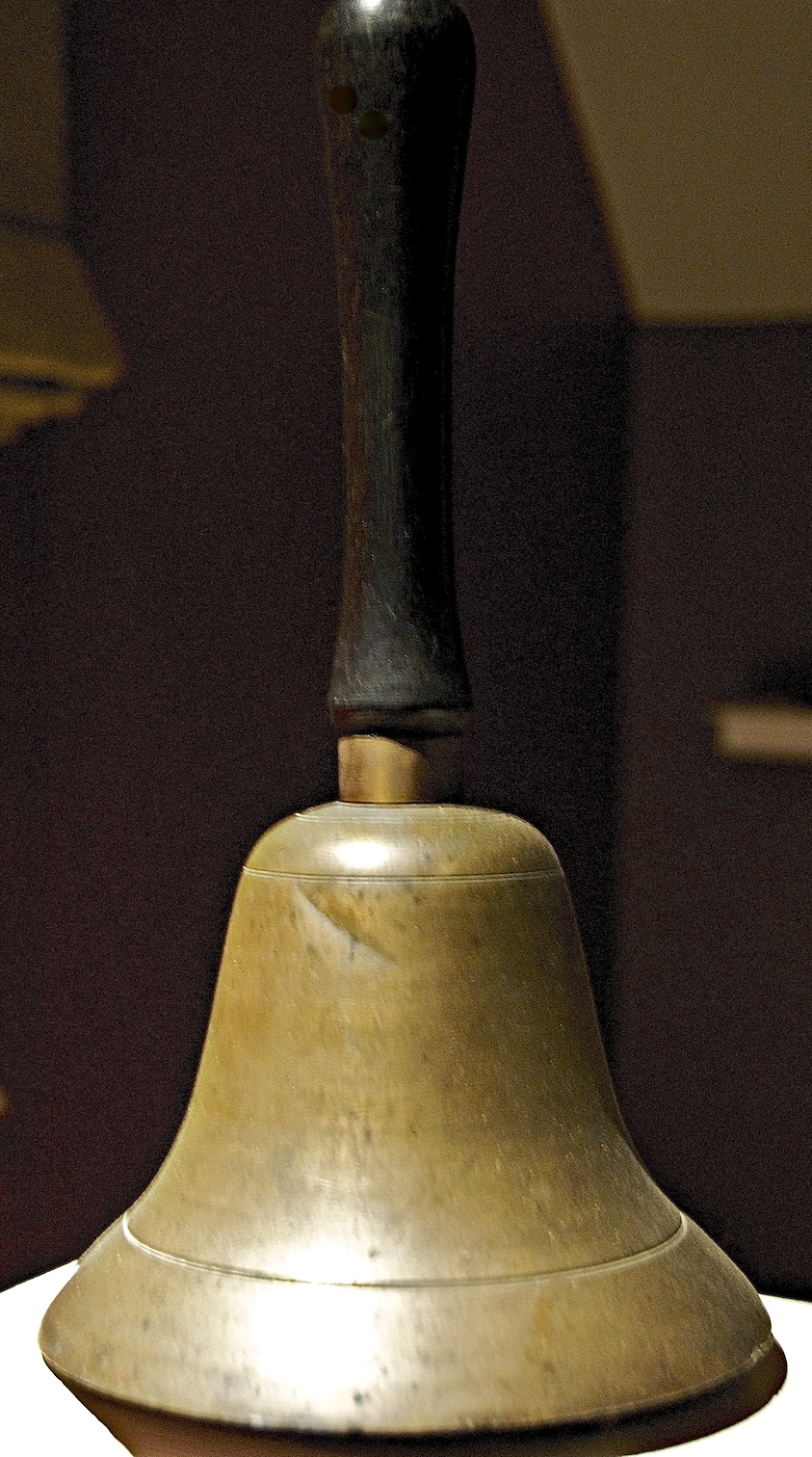
A child who turned up after the bell holding flowers was in a measurably better position than one who turned up empty-handed, and a number of children worked this out and used it. The gesture functioned as an excuse as well as a present.
Teachers almost certainly knew. The pattern of flowers appearing disproportionately on mornings when a particular child was late is not subtle, and the fact that it kept working says more about the teachers than about the children.
Nobody Was Taught to Do This
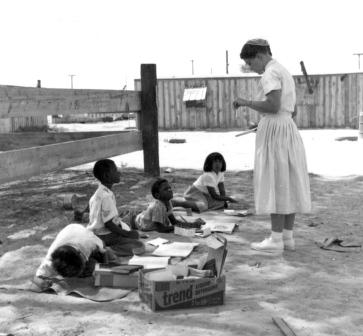
No household suggested it, no teacher requested it and no school mentioned it. The practice was transmitted entirely between children, replicated across the country and sustained for decades without any adult input whatever.
The Route to School Was Surveyed Accordingly
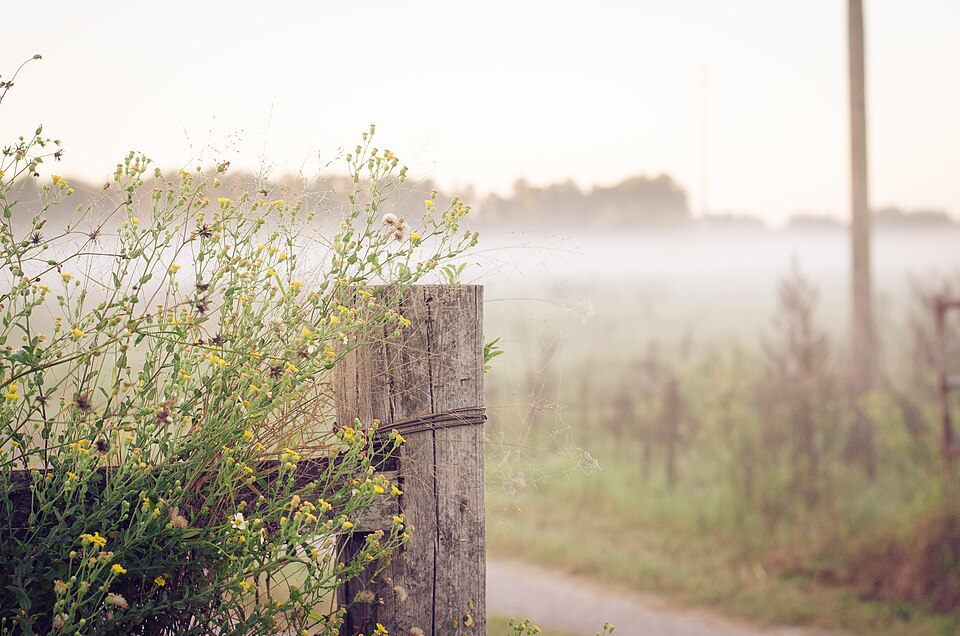
A child who intended to bring flowers walked to school looking at the ground and the verges, which changed their relationship with the journey. People who did this remember the specific places things grew along a route they otherwise recall very little about.
Seasonality Governed Everything
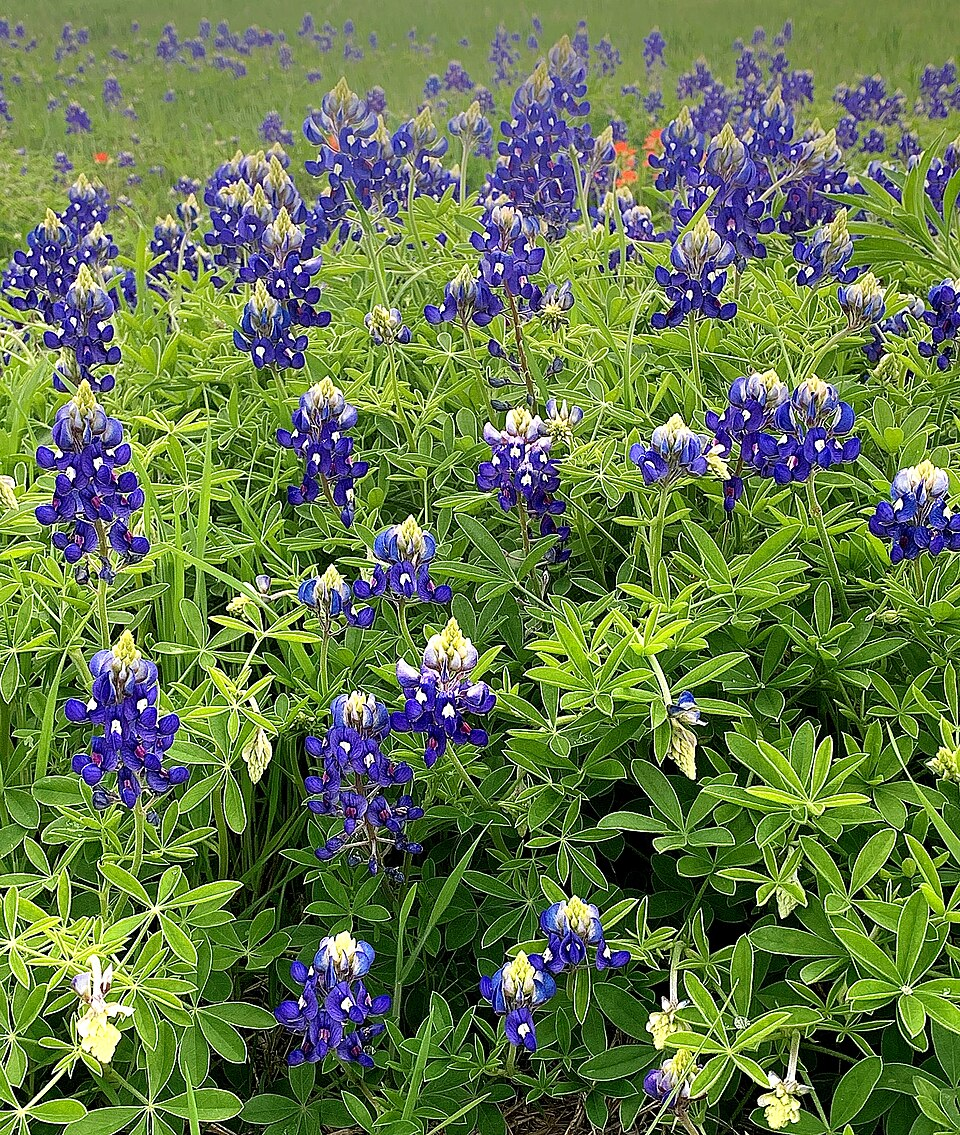
The practice was impossible for months at a time and overwhelming for a few weeks, which meant the whole business had a rhythm nobody controlled. A child who wanted to bring something in February had to find a substitute, and did.
Rain Ended It for the Day
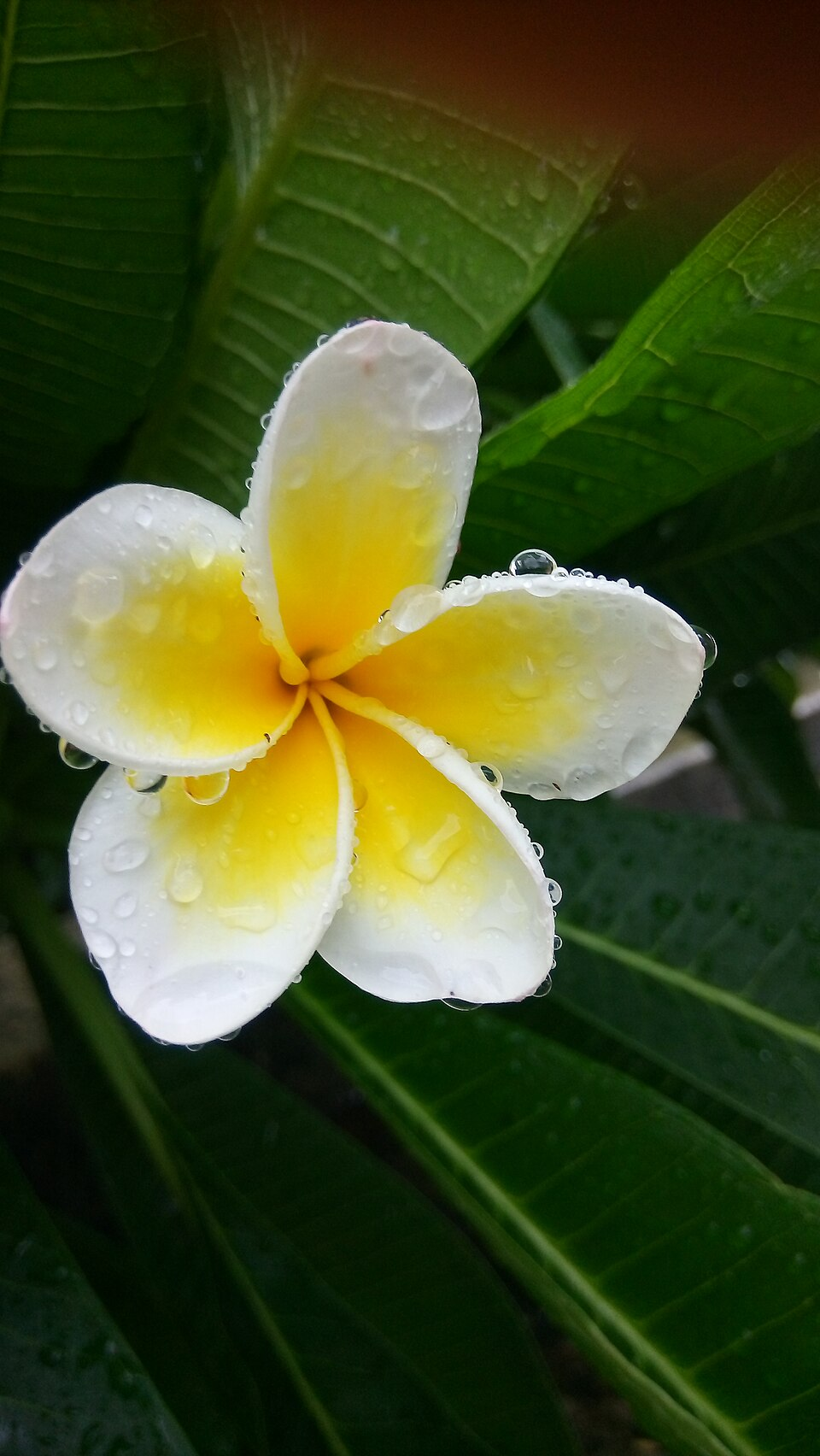
Nobody picked anything in bad weather, which meant the gesture was available only on the mornings a child was already in the best position to be cheerful about going to school. The correlation was never noticed by anybody.
Then Children Stopped Bringing Things
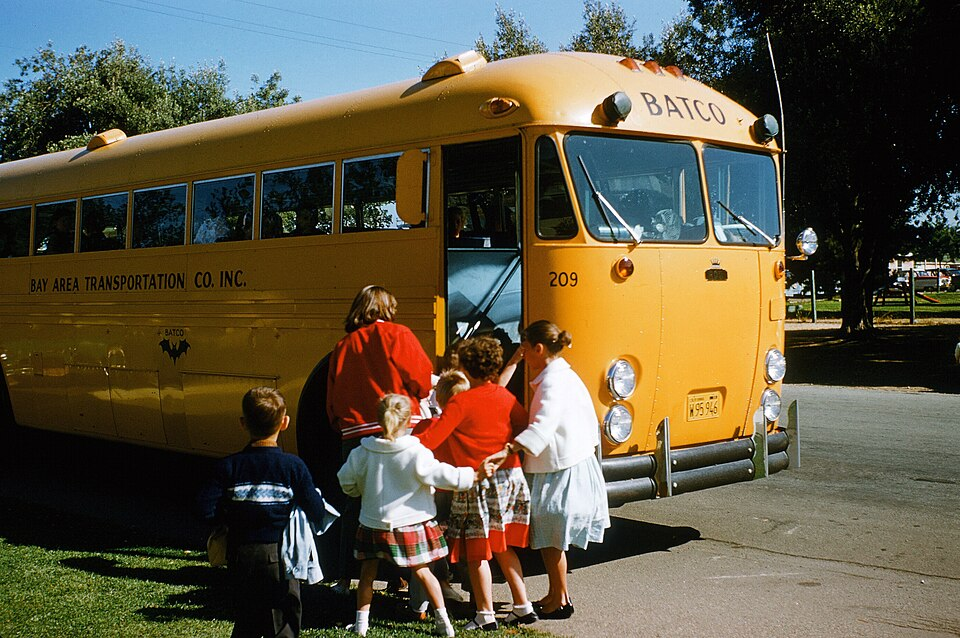
Changed attitudes to picking, better awareness of allergies, policies about gifts to staff, less walking to school and the simple fact that children are driven now removed both the supply and the occasion. None of that is a loss.
What Actually Went
A handful of short-stemmed stems pulled from a verge on the way to school, carried half a mile in a warm hand, received with a performance of gratitude that was repeated forty times a term for forty different children, and never once seen being thrown away.
Like our content? Follow us for more.

