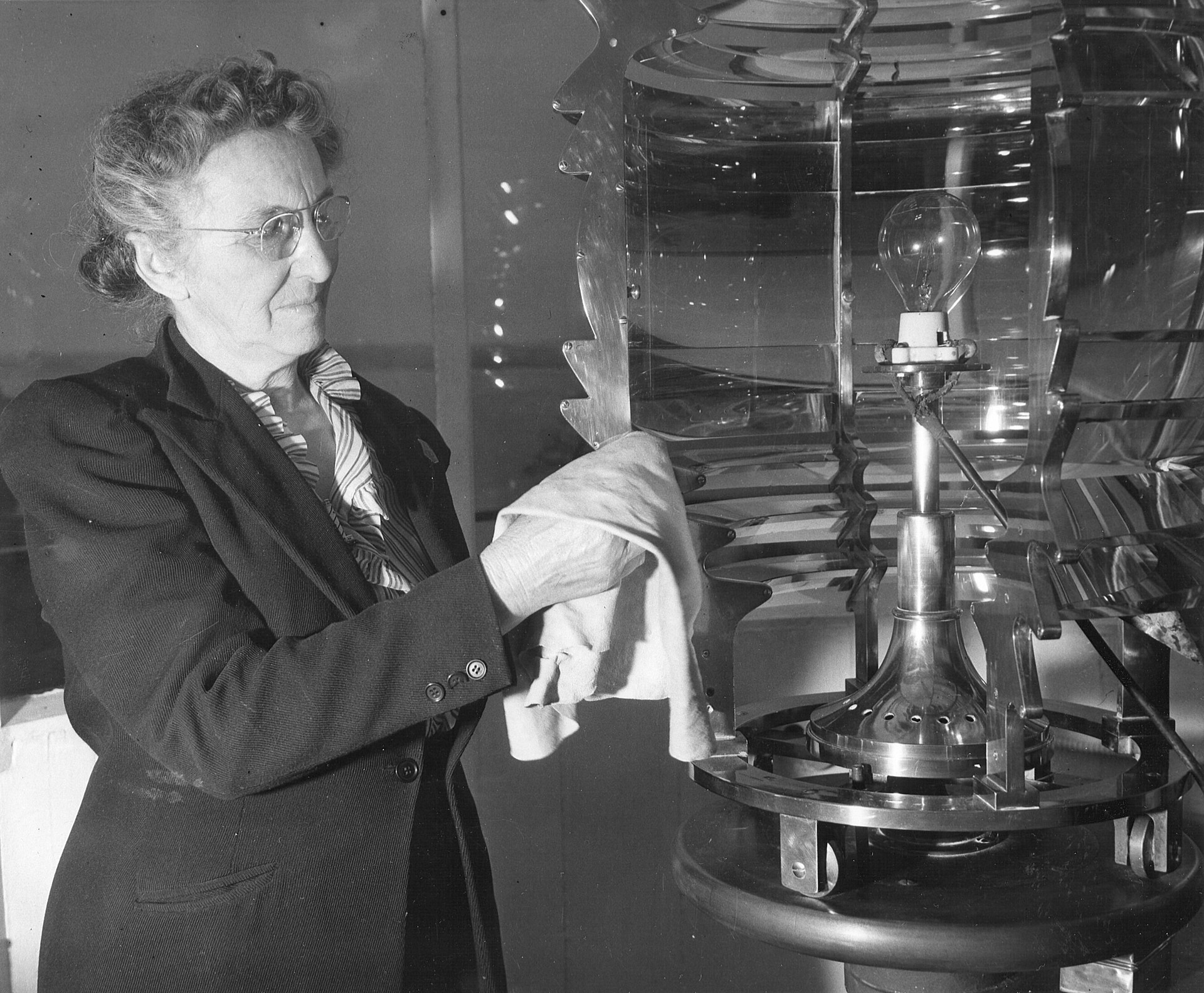
For generations, America’s coastlines were watched over by lighthouse keepers, dedicated individuals and families who lived in remote, often isolated stations, responsible for keeping the light burning every single night regardless of weather, illness, or personal hardship. It was a job defined by solitude, precision, and an unshakable sense of duty to sailors who might never know the keeper’s name. Here are twelve things every American lighthouse keeper did before automation, counted down one by one.
1. Climbed the Tower Stairs Multiple Times a Day
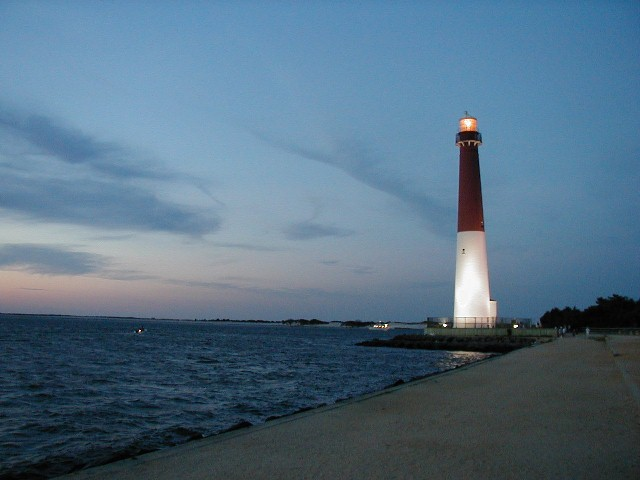
Reaching the lamp room required repeated climbs. Spiral staircases connected the base to the light itself.
A lighthouse keeper climbed the tower’s often narrow, winding spiral staircase multiple times throughout the day and night, carrying fuel, tools, or simply making regular inspection trips to the lamp room at the very top. Climbing the tower stairs multiple times a day was a genuine physical demand of the job, the repeated ascent that kept the keeper in constant, direct contact with the light itself, day after day, regardless of the weather outside.
Like our content? Follow us for more.
2. Trimmed and Cleaned the Lamp Wick Daily
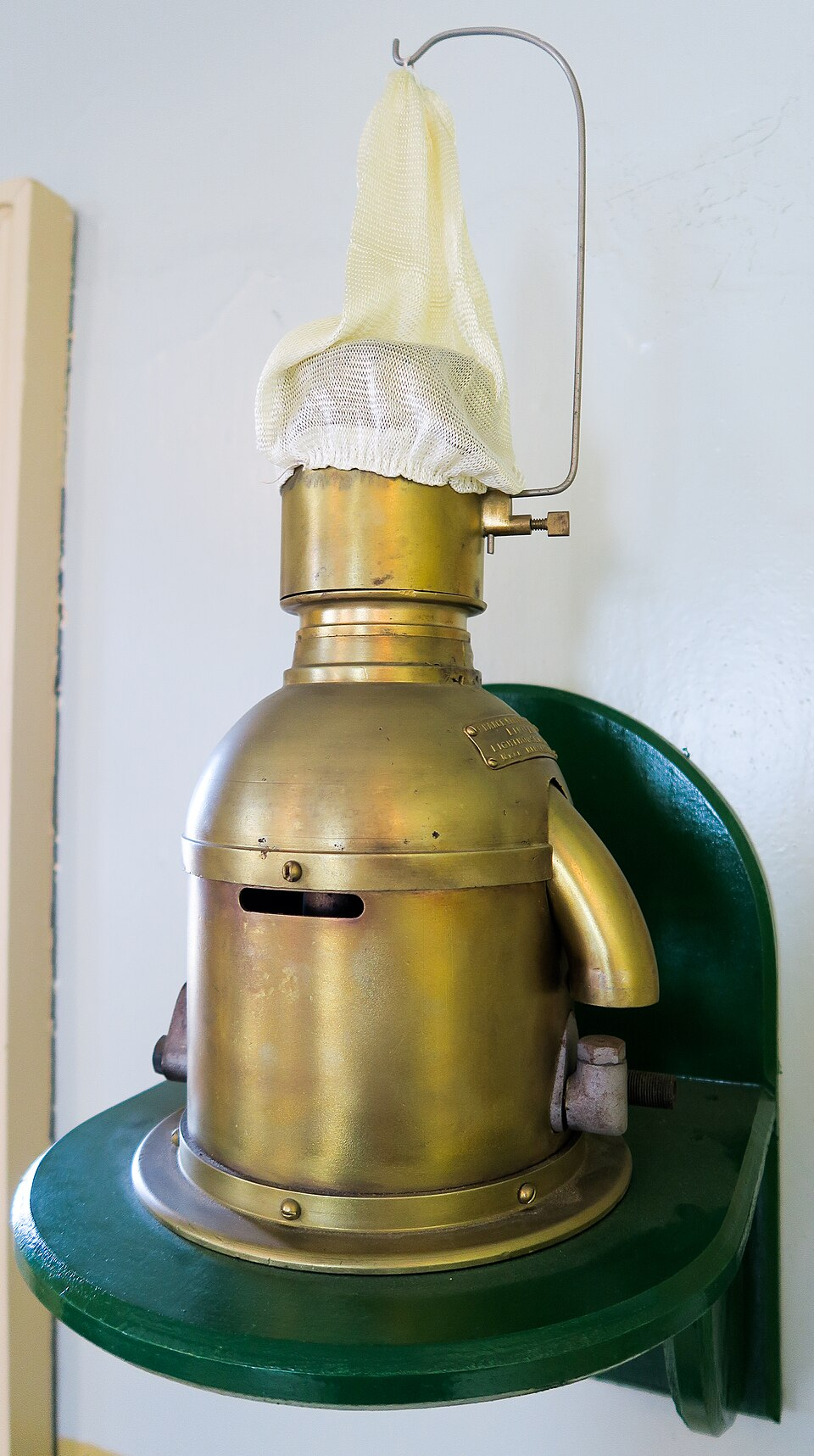
Early lighthouse lamps burned oil through a wick. Careful daily maintenance kept the flame burning brightly.
Before electrification, lighthouse lamps burned oil through a wick that required careful daily trimming and cleaning to maintain a bright, steady flame, a task demanding real precision since an poorly maintained flame could mean a dangerously dim light for passing ships. Trimming and cleaning the lamp wick daily was essential, meticulous work, the kind of small but genuinely critical maintenance task that directly determined whether the light was actually doing its job of guiding sailors safely.
3. Polished the Massive Fresnel Lens
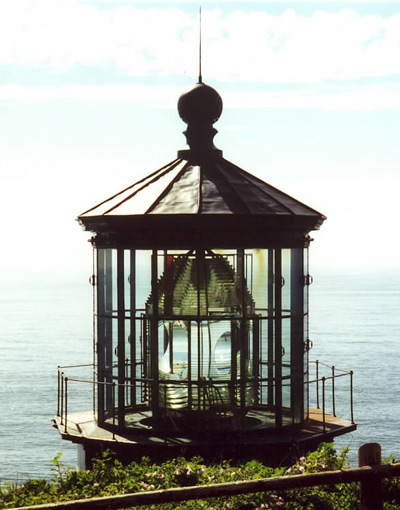
Lighthouse lenses required constant cleaning. Salt spray and grime could dim the light’s reach.
The lighthouse’s large, intricate Fresnel lens, a marvel of optical engineering that magnified and focused the lamp’s light for miles out to sea, required constant, careful polishing to remove salt spray, soot, and grime that could otherwise dim its effectiveness. Polishing the massive Fresnel lens was a genuinely delicate task, the careful maintenance that ensured the light’s beam reached as far out over the water as its design intended, protecting ships that might be miles from shore.
4. Kept a Detailed Logbook of Weather and Ships
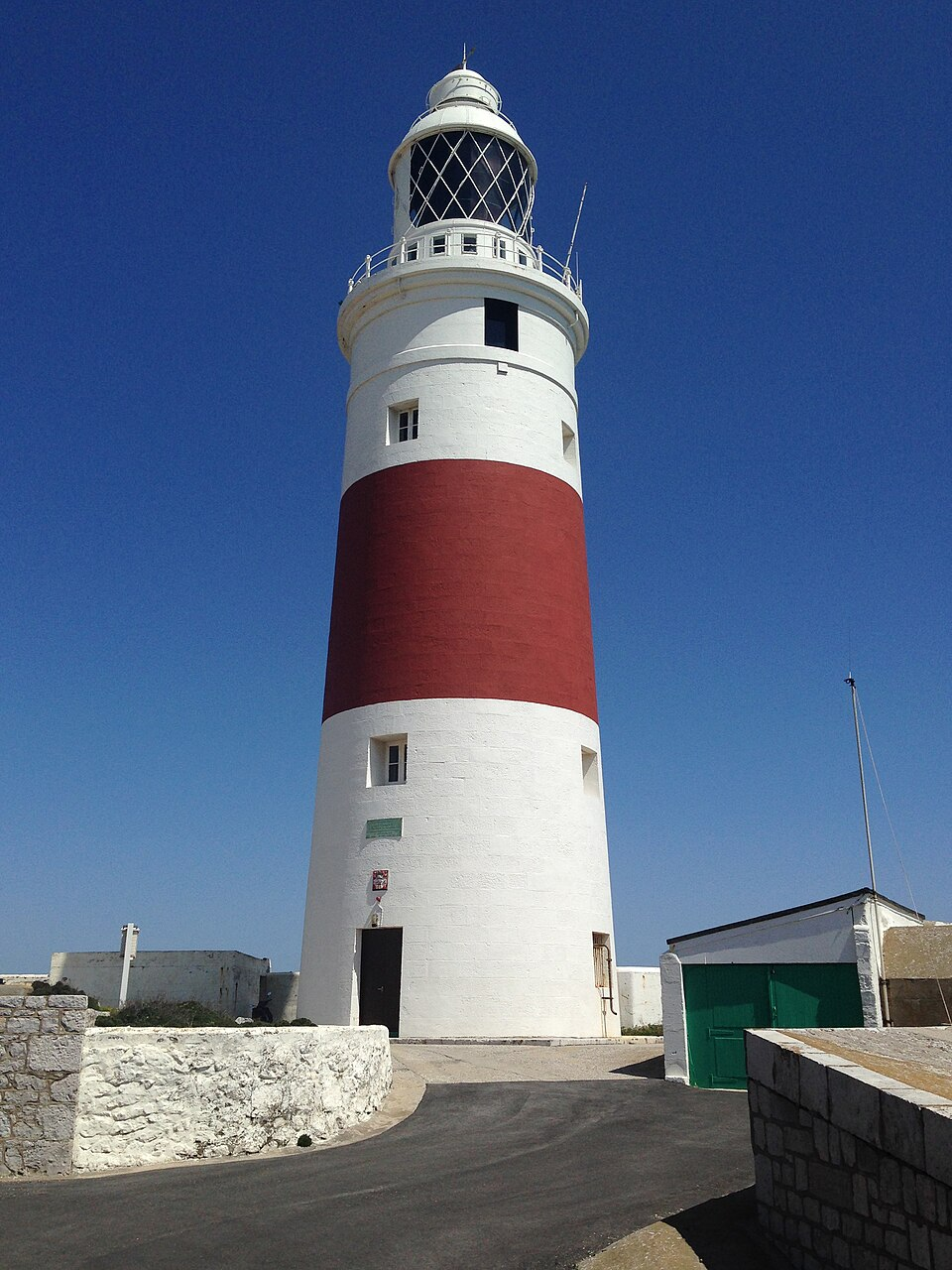
Keepers documented conditions and passing vessels. This record served both practical and historical purposes.
A lighthouse keeper maintained a detailed daily logbook, recording weather conditions, passing ships, and any notable events at the station, a record that served both practical purposes for maritime authorities and, over time, became a genuine historical document. Keeping a detailed logbook of weather and ships added a meaningful clerical responsibility to the job, the careful daily record-keeping that captured decades of coastal history one entry at a time.
5. Sounded the Foghorn During Poor Visibility
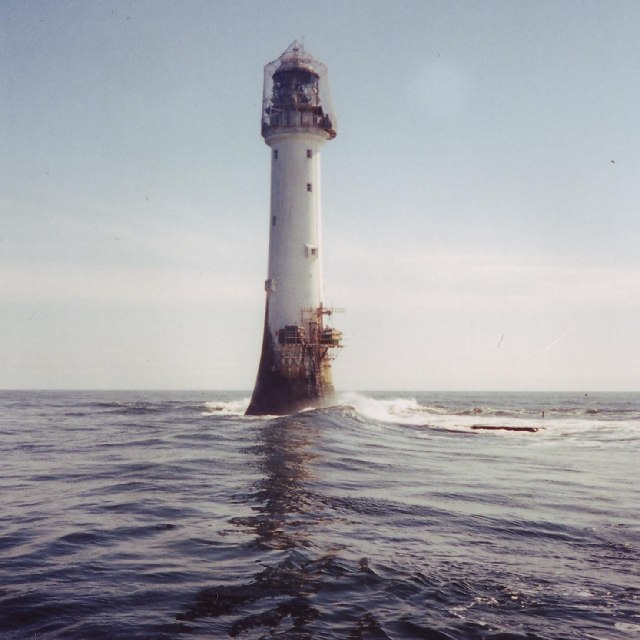
Dense fog required an audible warning system. Keepers operated the foghorn to guide ships by sound alone.
When dense fog rolled in and reduced the light’s visibility to nearly nothing, keepers activated the station’s foghorn, a loud, distinctive sound signal that let nearby ships navigate safely by ear when sight alone couldn’t be relied upon. Sounding the foghorn during poor visibility was a critical backup responsibility, the audible safeguard that kept sailors informed of a dangerous coastline even when the light itself couldn’t be seen through the mist.
6. Lived in Genuine Isolation for Long Stretches
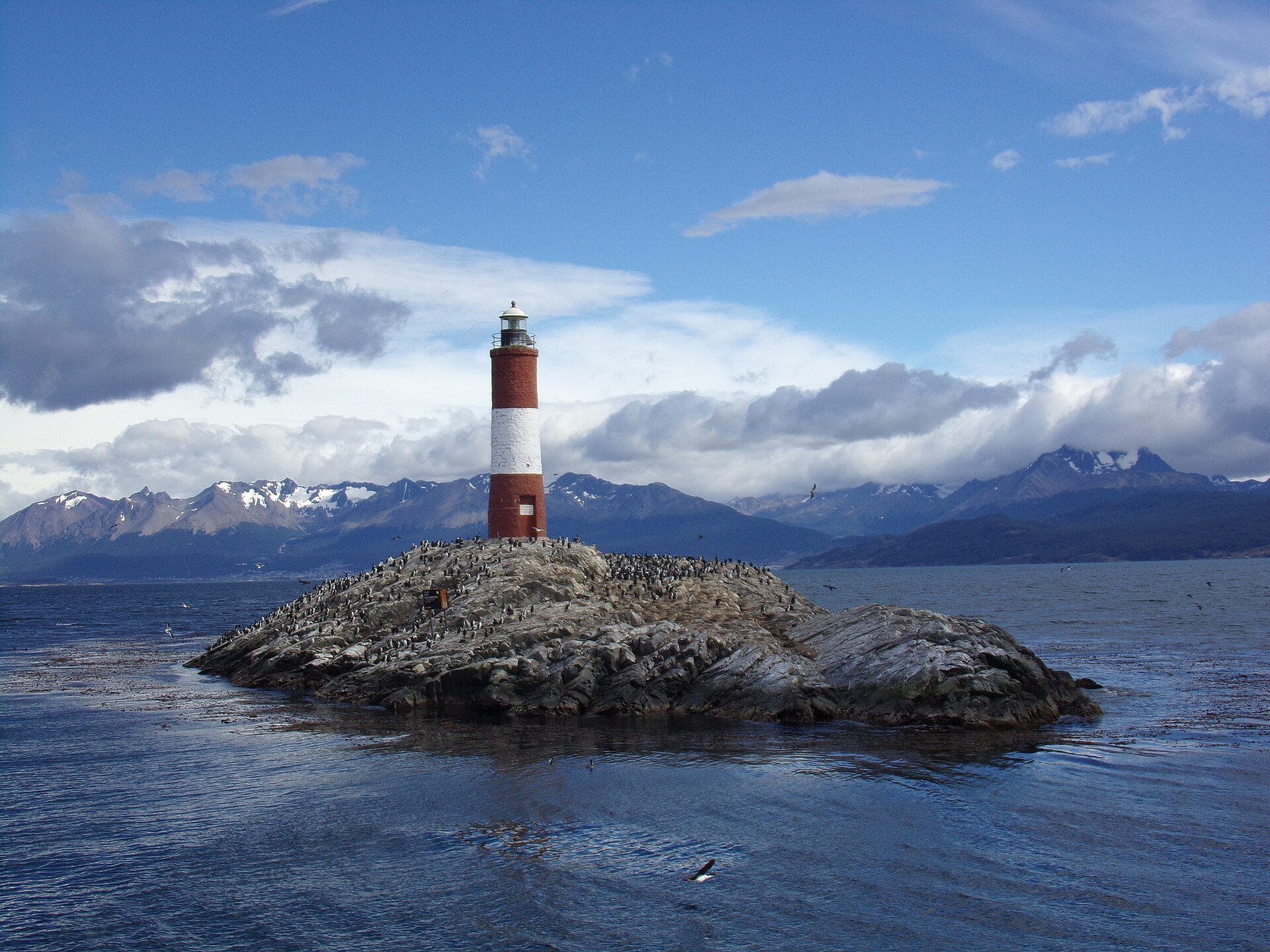
Many stations were remote and hard to reach. Keepers and their families endured real solitude.
Many lighthouse stations sat on remote, isolated stretches of coastline or offshore rocks, accessible only by boat and sometimes cut off entirely during severe weather, meaning keepers and their families endured genuine solitude for weeks or months at a stretch. Living in genuine isolation for long stretches reflects one of the most demanding aspects of the job, a level of remoteness that required real resilience and self-sufficiency from anyone who took on the responsibility of tending a lighthouse.
7. Maintained Backup Systems for Emergencies
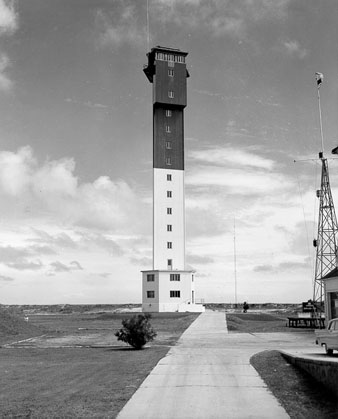
Redundant equipment ensured the light never fully failed. Keepers were trained to handle equipment breakdowns.
Given how critical an uninterrupted light was to maritime safety, keepers maintained backup fuel supplies and equipment, and were trained to quickly diagnose and repair mechanical problems themselves rather than waiting for outside help that might be days away. Maintaining backup systems for emergencies reflects the genuine self-sufficiency required of the job, the practical mechanical know-how that ensured the light could keep functioning even when something inevitably went wrong.
8. Raised and Lowered Storm Warning Flags
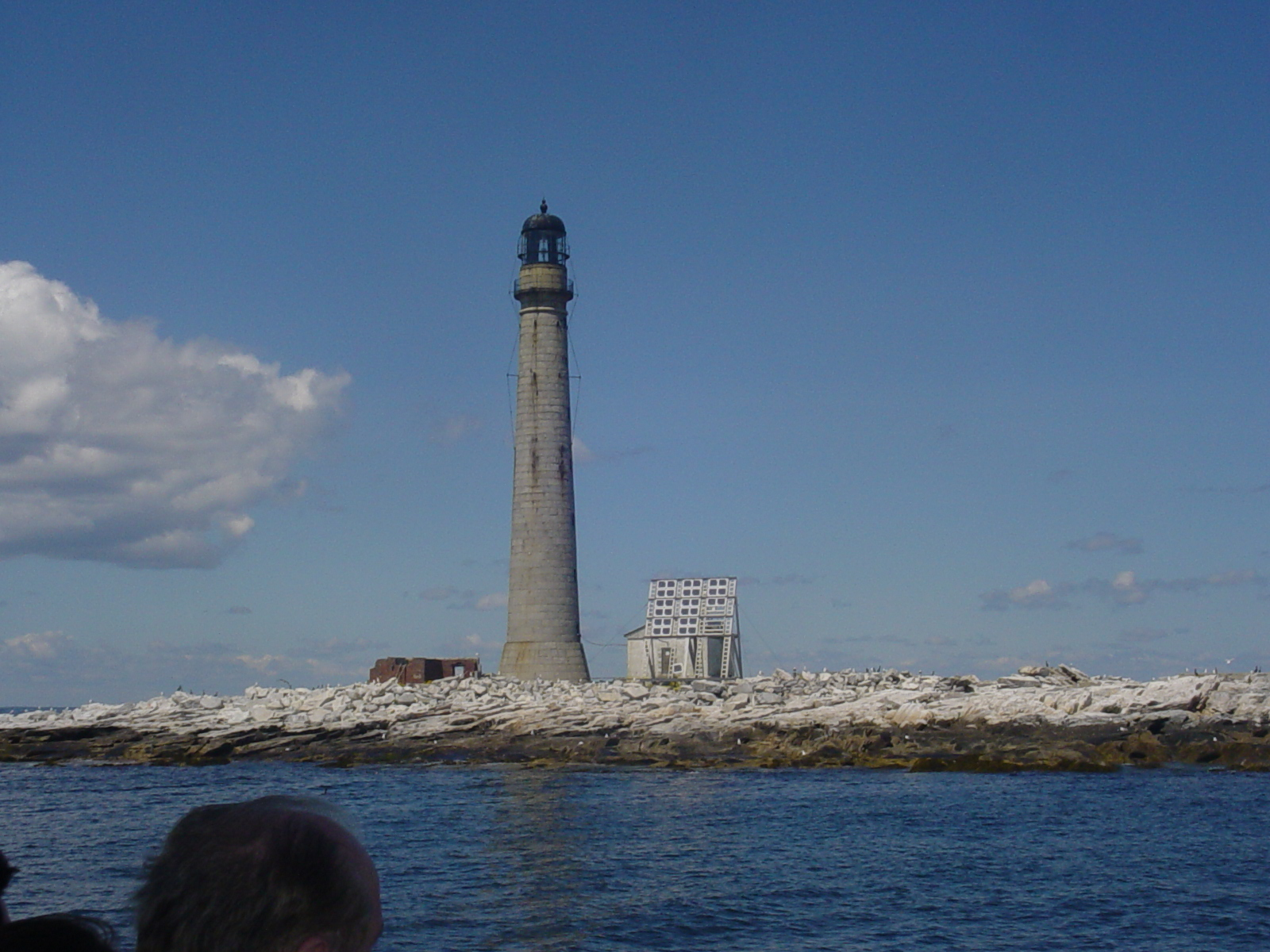
Visual signals warned ships of approaching severe weather. Flag systems supplemented the light itself.
Many stations used a system of flags to visually signal approaching storms or hazardous conditions to ships and nearby coastal communities, a responsibility keepers monitored closely alongside their primary duty of tending the light itself. Raising and lowering storm warning flags added a further layer of maritime safety responsibility, extending the keeper’s role well beyond the light alone into broader coastal weather communication for everyone within sight of the station.
9. Grew Their Own Food at Remote Stations
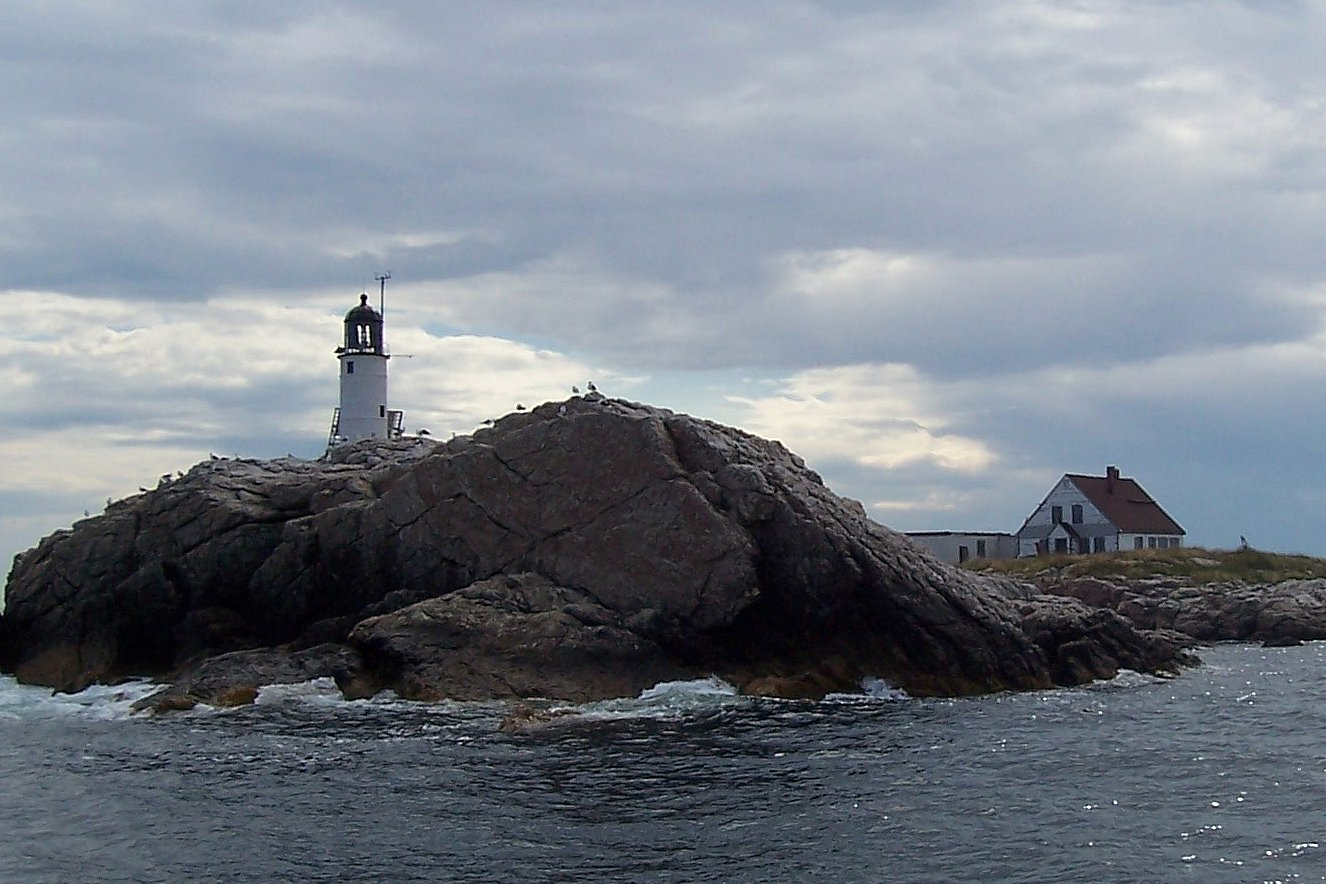
Isolated locations required real self-sufficiency. Keepers often maintained gardens and livestock.
At particularly remote stations, keepers and their families often grew their own vegetables and kept small livestock like chickens, since regular supply deliveries could be unreliable, especially during rough weather that made boat travel dangerous. Growing their own food at remote stations reflects the genuine self-sufficiency demanded by the job’s isolation, a practical necessity that turned many lighthouse families into skilled small-scale farmers out of pure survival necessity.
10. Rescued Sailors From Nearby Shipwrecks
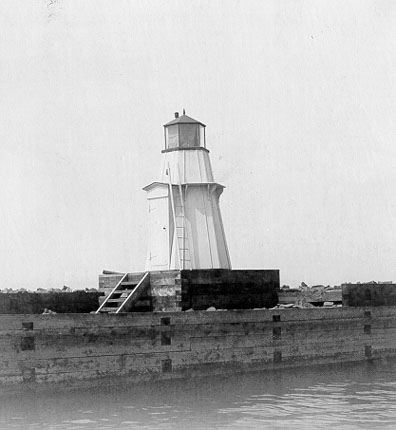
Keepers sometimes became first responders. Their location near dangerous waters meant genuine life-saving responsibility.
Given their position on some of the most treacherous stretches of coastline, lighthouse keepers occasionally found themselves the first, and sometimes only, responders to a nearby shipwreck, braving dangerous conditions to help rescue stranded sailors. Rescuing sailors from nearby shipwrecks represents the most dramatic and genuinely heroic responsibility some keepers faced, a life-or-death duty that went far beyond the routine maintenance work that filled most of their days.
11. Passed the Job Down Through Generations
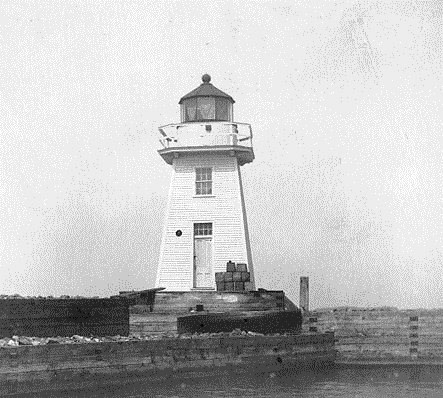
Lighthouse keeping often ran in families. Children grew up learning the trade firsthand.
At many stations, the role of lighthouse keeper passed down through generations of the same family, children growing up helping with daily tasks and eventually taking over the position themselves as adults. Passing the job down through generations reflects the genuinely familial nature of the profession at many stations, a tradition that turned lighthouse keeping into something closer to a family calling than simply a job, carried forward across decades.
12. Watched Automation Replace the Job Entirely
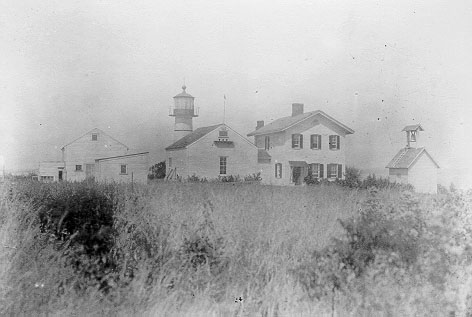
Modern technology eliminated the need for resident keepers. A once-essential profession disappeared almost completely.
Beginning in the mid-20th century and accelerating through subsequent decades, automated lighting systems and remote monitoring technology gradually eliminated the need for a resident keeper at nearly every American lighthouse. Watching automation replace the job entirely is the definitive final chapter of this once-essential profession, a role that technology has now almost completely eliminated, leaving most lighthouses unmanned but still faithfully guiding ships along the coast.
Guardians of the Coast
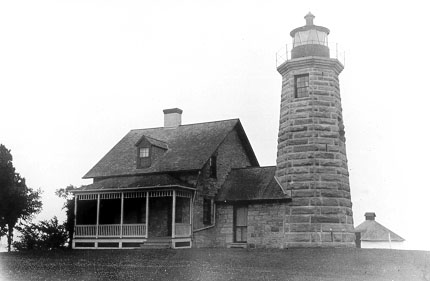
Taken together, these twelve things capture the world of the American lighthouse keeper, from the daily climb up the tower stairs and the careful lens polishing to the genuine isolation and the occasional dramatic rescue. It was a job built on duty, precision, and quiet resilience, performed by individuals and families who dedicated their lives to a light that kept countless sailors safe.
Automation has transformed lighthouse operation almost entirely, replacing the resident keeper with remote monitoring and automated systems that require little to no on-site staff. The change reflects genuine advances in technology and maritime safety, even as it eliminated a uniquely demanding and dedicated profession. Yet for those who remember visiting a staffed lighthouse, or descend from a family of keepers themselves, these details bring it all back: the climb up the tower, the polished lens, the foghorn cutting through the mist. Looking back at the work of the lighthouse keeper is a nostalgic tribute to a genuinely dedicated profession that technology has since made almost entirely obsolete.
Like our content? Follow us for more.