For generations of American teenagers, junior high and high school shop class meant a room full of genuinely powerful, genuinely dangerous machinery, table saws, drill presses, and welding torches, operated by fourteen-year-olds under supervision that today’s safety standards would consider shockingly minimal. It was hands-on, practical education unlike anything else in the school day. Of the twelve things every shop classroom had in 1975, five are now banned outright from American schools. Here are twelve things every American shop class had in 1975, counted down one by one.
1. A Full-Size Table Saw Used by Students Directly (Now Banned)
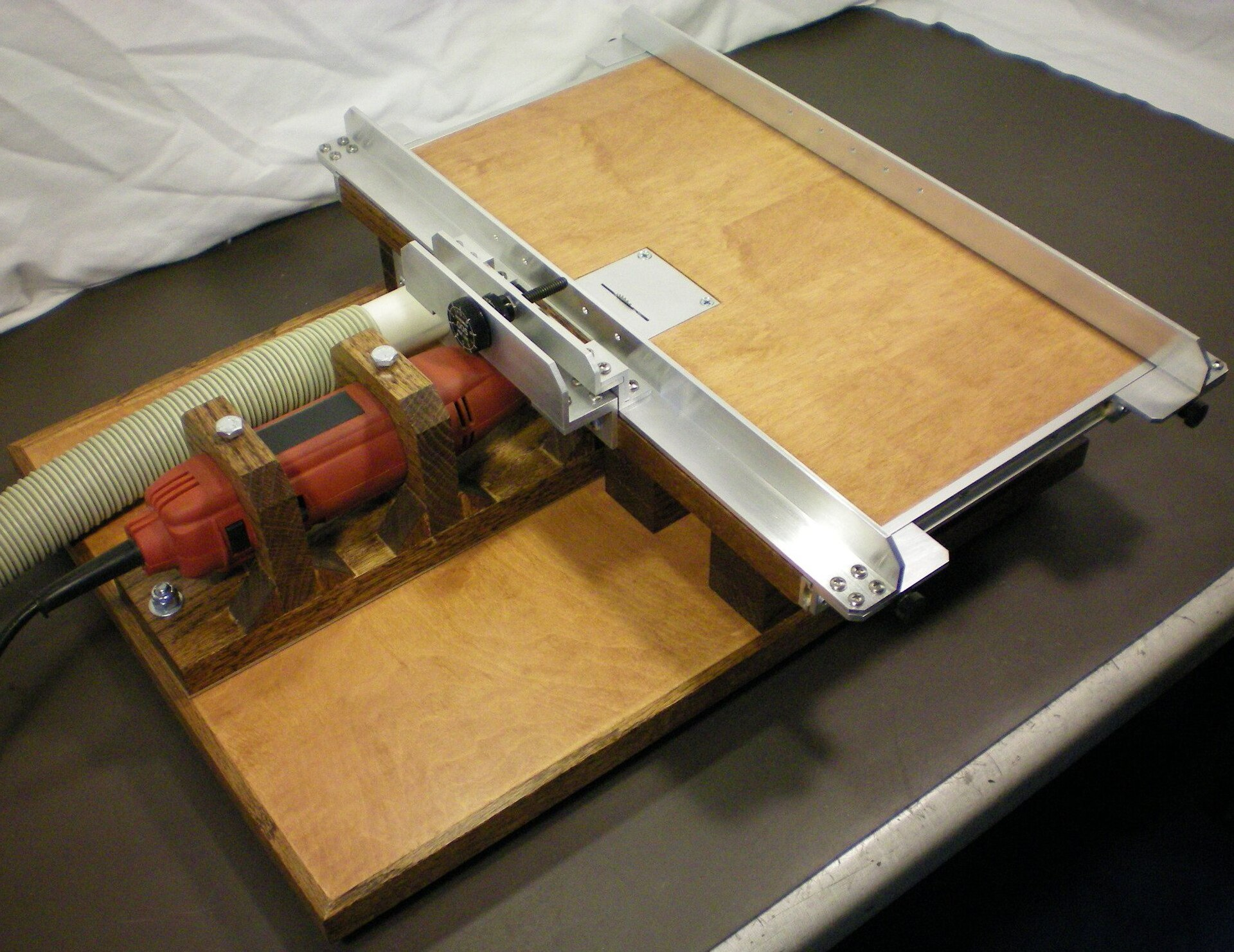
Teenagers operated genuine, full-power table saws. Modern school safety codes prohibit unsupervised student use entirely.
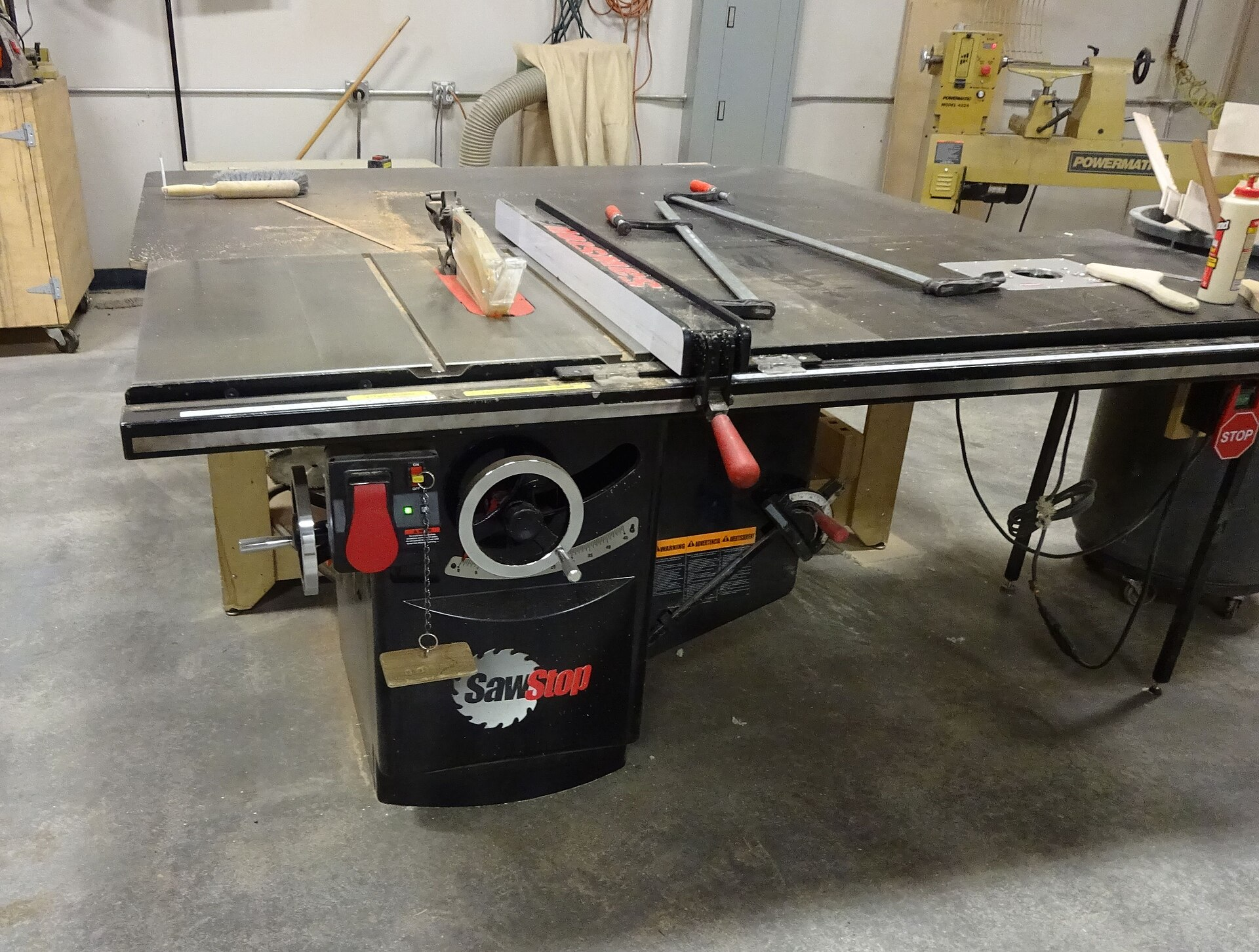
Shop classrooms in 1975 featured a genuine, full-size table saw that students themselves operated directly, cutting their own project lumber under a teacher’s general supervision rather than hands-on, one-on-one guidance for every single cut. Serious injuries did occasionally happen, an accepted, if regrettable, risk of the class. Today, most school districts prohibit unsupervised student use of full-power table saws entirely, requiring specialized safety guards, blade-brake technology, or teacher-only operation. A full-size table saw used by students directly is a defining shop-class memory now firmly banned, a hands-on risk that modern safety standards have since eliminated from the American classroom.
Like our content? Follow us for more.
2. An Open-Flame Welding and Soldering Station (Now Banned)
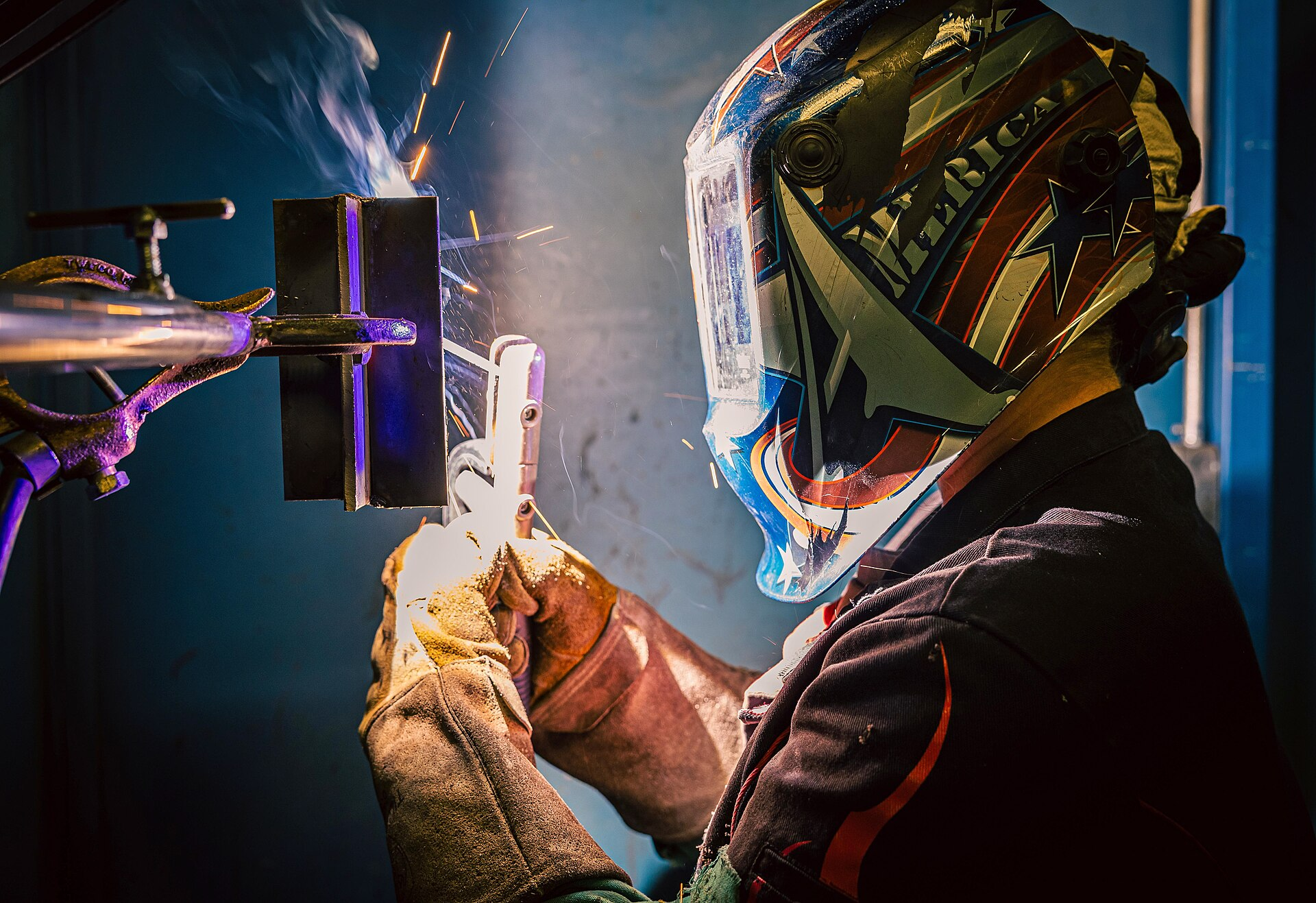
Students learned basic welding with real torches. Open-flame equipment is no longer permitted in most school shop programs.
Many shop programs included a genuine welding station, where students learned basic torch welding and soldering techniques using real open-flame equipment, complete with the intense heat, sparks, and fumes that came with it. Eye protection was often the only safety gear provided. Open-flame welding equipment has since been banned from the vast majority of general middle and high school shop programs, restricted now to specialized vocational-technical schools with dedicated safety infrastructure. An open-flame welding and soldering station is a genuinely intense shop-class memory now firmly banned from general school settings, a hands-on skill that liability concerns have since confined to specialized programs alone.
3. A Wall of Real Hand Tools Available for Checkout
Chisels, hammers, and hand saws hung on a labeled wall. Students checked tools out and returned them after use.
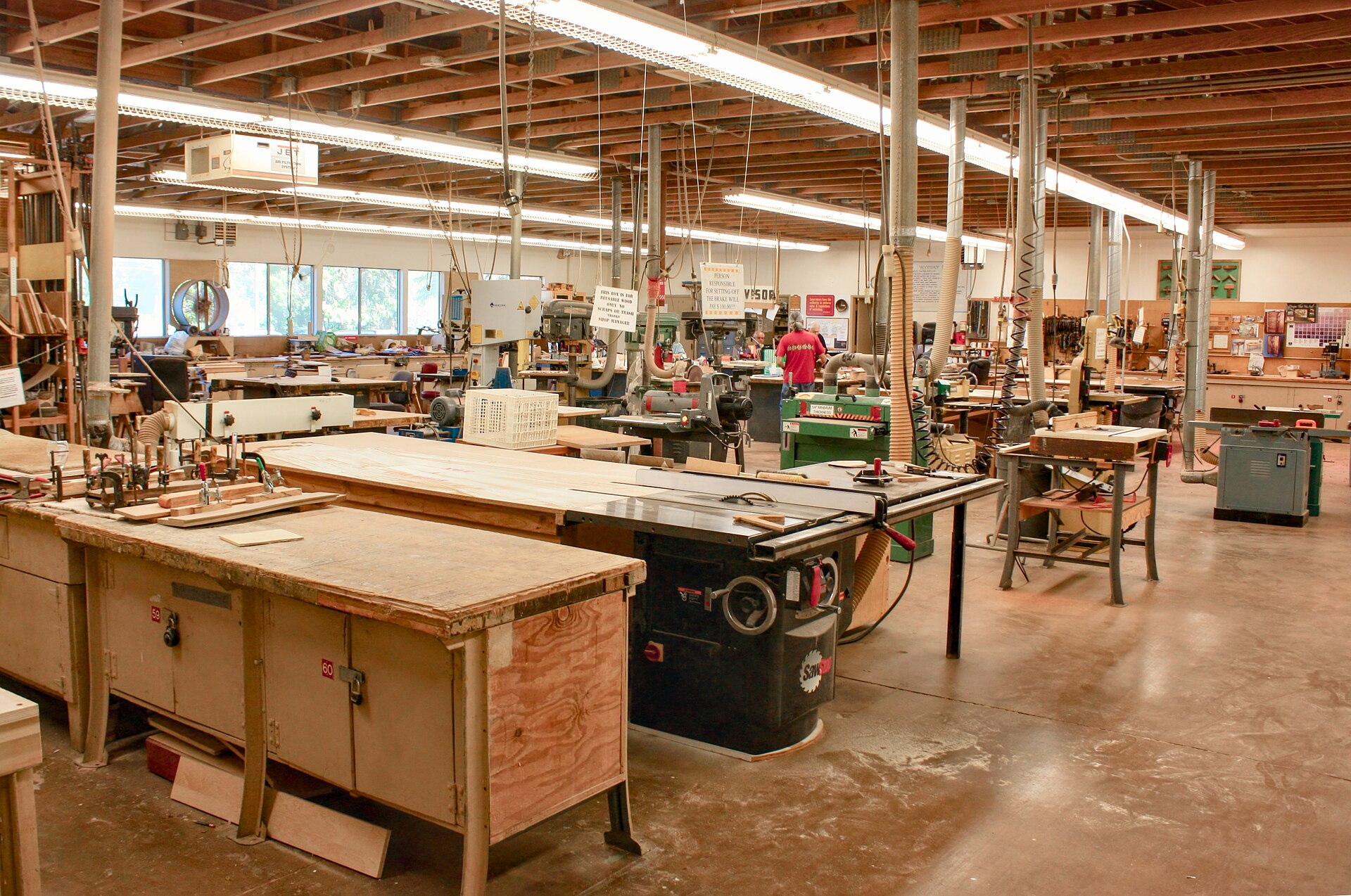
An entire wall of the shop classroom displayed real hand tools, chisels, hammers, hand saws, and planes, each outlined on a pegboard so a missing tool was immediately obvious, and students checked them out for a project before returning them at the bell. Learning to properly use and respect real tools was a core part of the curriculum. A wall of real hand tools available for checkout is a practical shop-class fixture, the organized inventory system that gave students hands-on access to genuine tools while keeping careful track of every single one.
4. A Drill Press Students Learned to Operate Solo
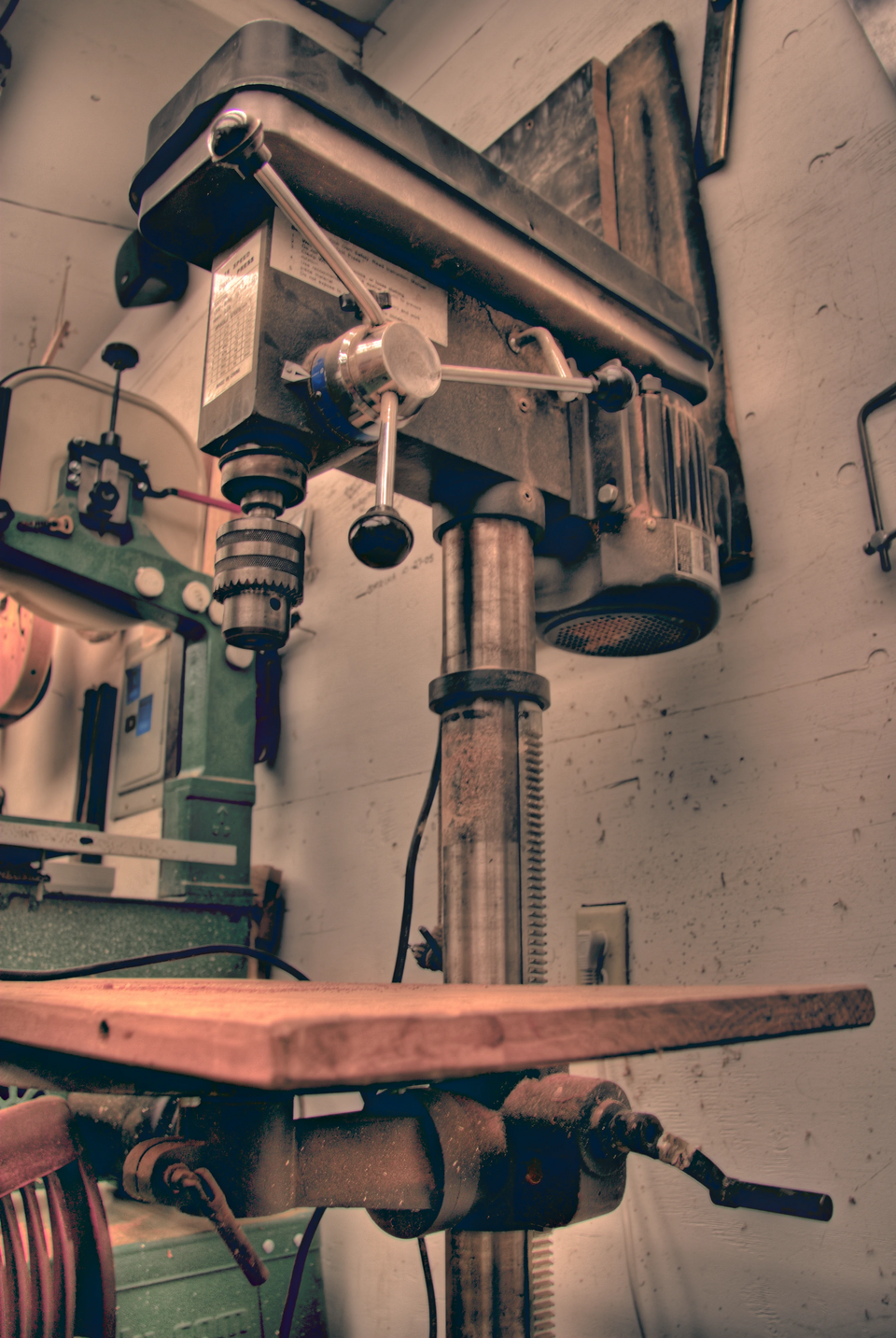
A stationary power drill let students bore precise holes. Independent operation was standard practice after basic instruction.
A stationary drill press let students bore precise, consistent holes into wood or metal for their projects, and after a brief demonstration, students typically operated the machine independently for the rest of the semester. It was one of the first genuinely powerful machines many teenagers ever used unsupervised. A drill press students learned to operate solo reflects the hands-on, trust-based teaching philosophy of the era, equipment that gave young students real, independent responsibility for operating genuinely powerful machinery.
5. A Metal Lathe for Advanced Projects (Now Restricted)
Advanced students turned metal on a working lathe. Modern schools now heavily restrict or eliminate this equipment.
More advanced shop programs featured a genuine metal lathe, letting students shape metal stock into precise, rotating projects, complex machinery that required real skill and carried genuine risk of serious injury if handled carelessly. Only students who’d proven themselves on simpler equipment typically graduated to the lathe. Metal lathes have since been heavily restricted or eliminated entirely from most general school shop programs, considered too high-risk for standard classroom supervision ratios. A metal lathe for advanced projects is an impressive but genuinely risky shop-class memory now firmly restricted, a piece of equipment modern liability standards have since removed from most schools.
6. A Finished Project Every Student Took Home
The semester ended with a tangible, completed item. Birdhouses, cutting boards, and toolboxes were common projects.
Every shop class semester culminated in a finished, tangible project, a wooden birdhouse, a cutting board, a small toolbox, that students proudly carried home to show off to their families. Seeing a raw piece of lumber transformed into something genuinely useful was the whole point of the class. A finished project every student took home is the rewarding payoff of shop class, the tangible proof of skill and effort that gave students a genuine sense of accomplishment beyond any test score or letter grade.
7. Sawdust Covering Every Surface in the Room
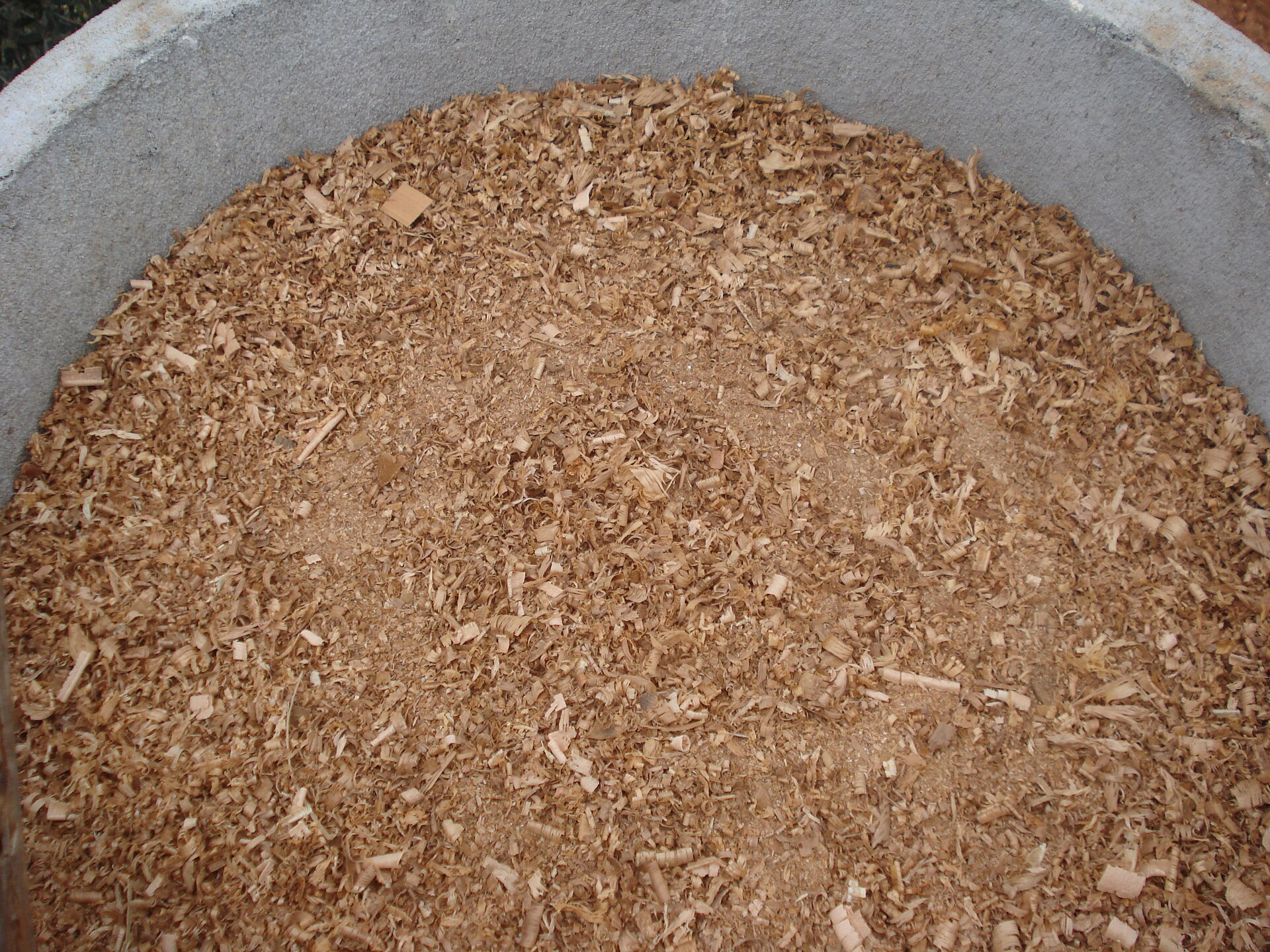
Wood shavings and dust accumulated constantly during class. The distinctive smell filled the entire classroom.
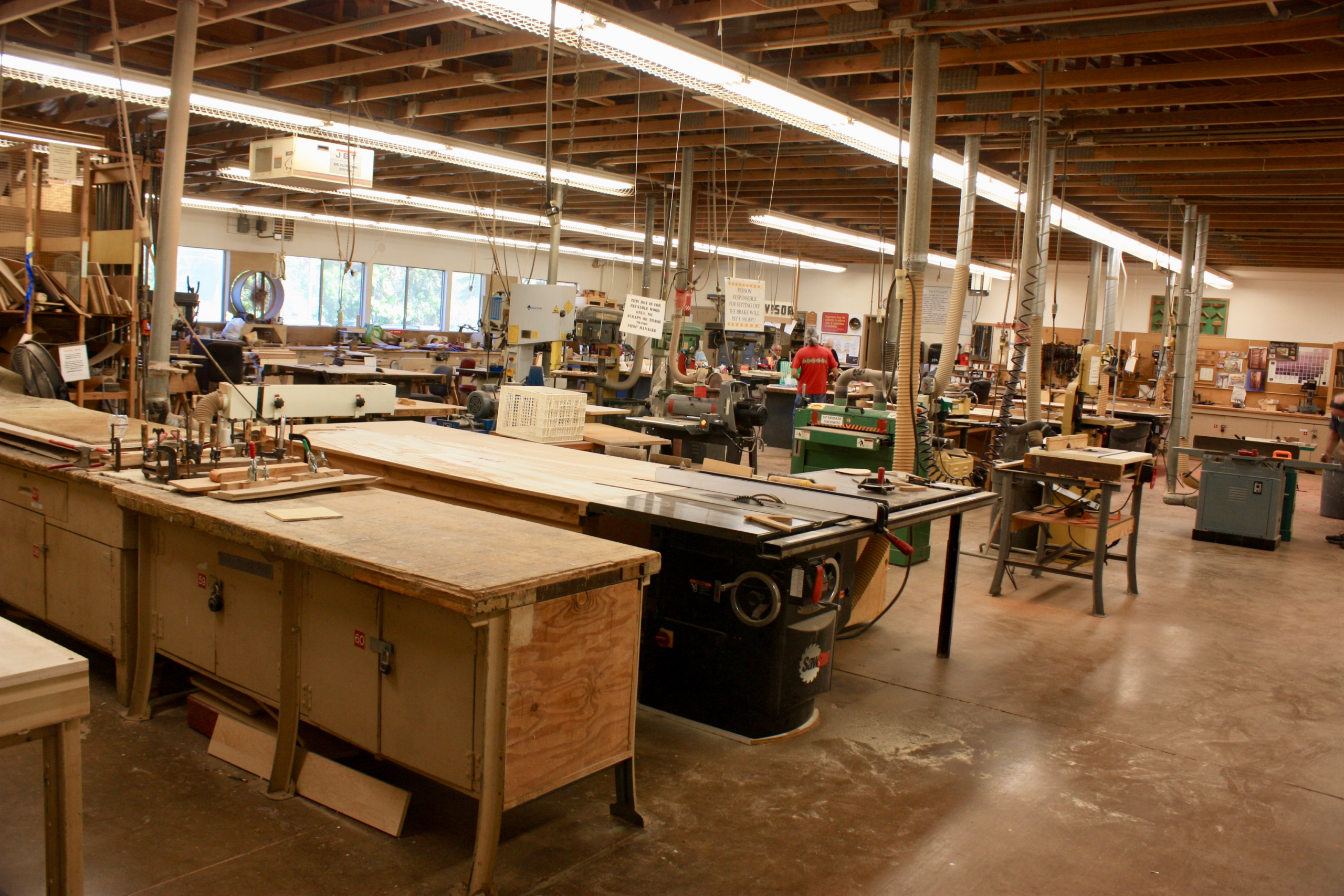
By the end of any given class period, a fine layer of sawdust covered nearly every surface in the room, workbenches, floors, and student clothing alike, along with the distinctive, unmistakable smell of fresh-cut wood that permeated the entire space. Cleanup at the end of class was a genuine team effort. Sawdust covering every surface in the room is an evocative sensory shop-class memory, the visible, fragrant byproduct of an entire classroom full of students actively building something real with their own two hands.
8. A Blowtorch Used for Basic Metalwork (Now Banned)
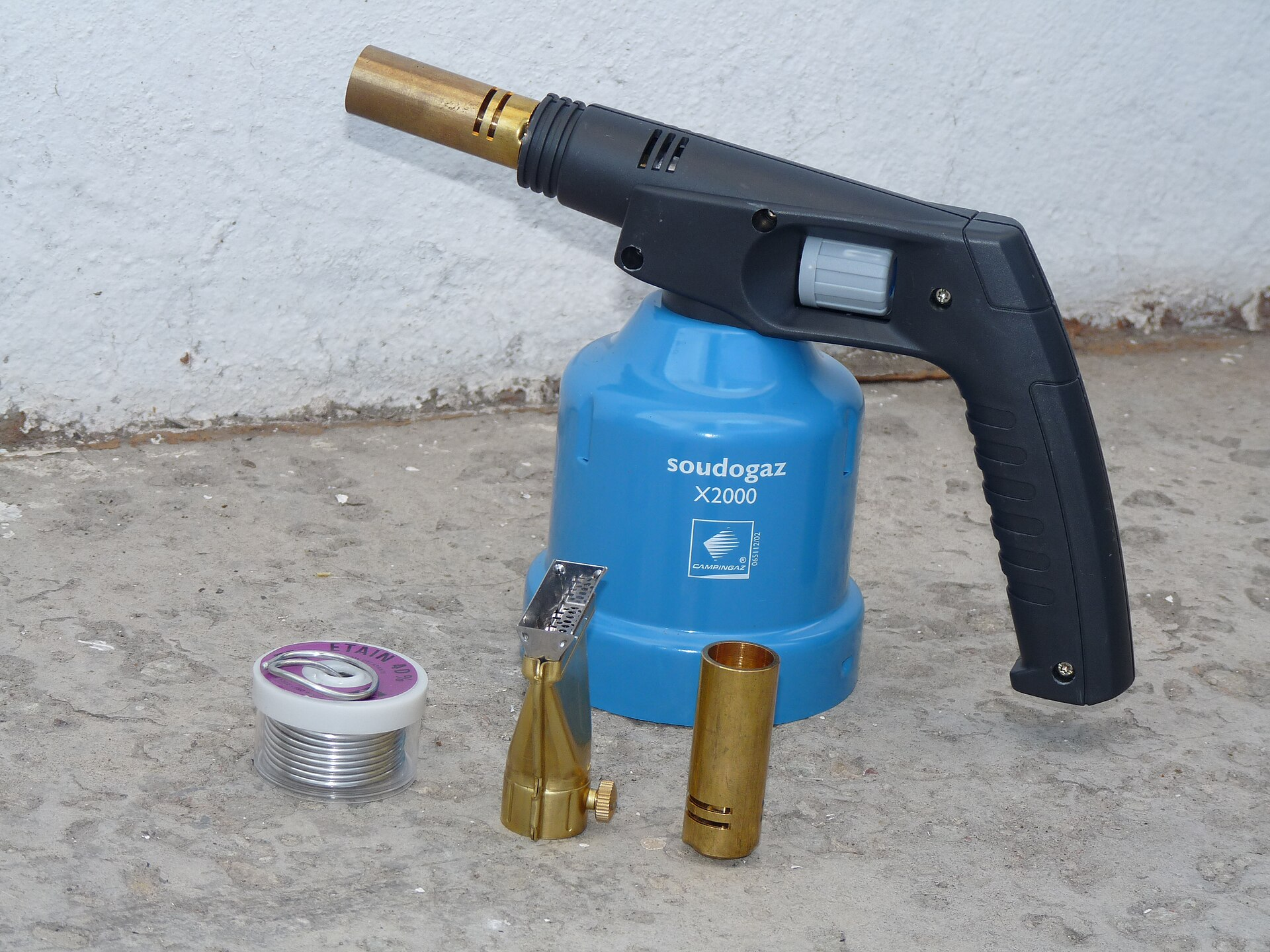
Students used handheld torches for small metal projects. Open handheld flame tools are now largely prohibited in schools.
Beyond formal welding stations, students sometimes used a simple handheld blowtorch for smaller metalworking tasks, bending or shaping thin metal stock with an open flame under only general classroom supervision. It was treated as a routine tool rather than anything requiring special caution. Handheld open-flame tools of this kind are now largely prohibited from general school shop settings entirely, considered an unacceptable fire and injury risk under current safety codes. A blowtorch used for basic metalwork is a genuinely intense shop-class memory now firmly banned, a routine classroom tool that safety regulation has since eliminated from standard school shop equipment.
9. A Teacher Who Doubled as the School’s Handyman

Shop teachers often maintained school equipment too. Their practical skills extended well beyond the classroom itself.
The shop teacher was frequently the same person who handled minor building repairs around the school, a genuinely practical handyman whose real-world skills extended well beyond the classroom into keeping the entire building running smoothly. Students respected a teacher who could clearly build and fix things himself. A teacher who doubled as the school’s handyman reflects the genuinely practical expertise these instructors brought to the role, real-world craftsmanship that gave shop class instruction an authenticity textbook-based subjects couldn’t match.
10. Safety Goggles That Were Optional More Often Than Not (Now Mandatory)
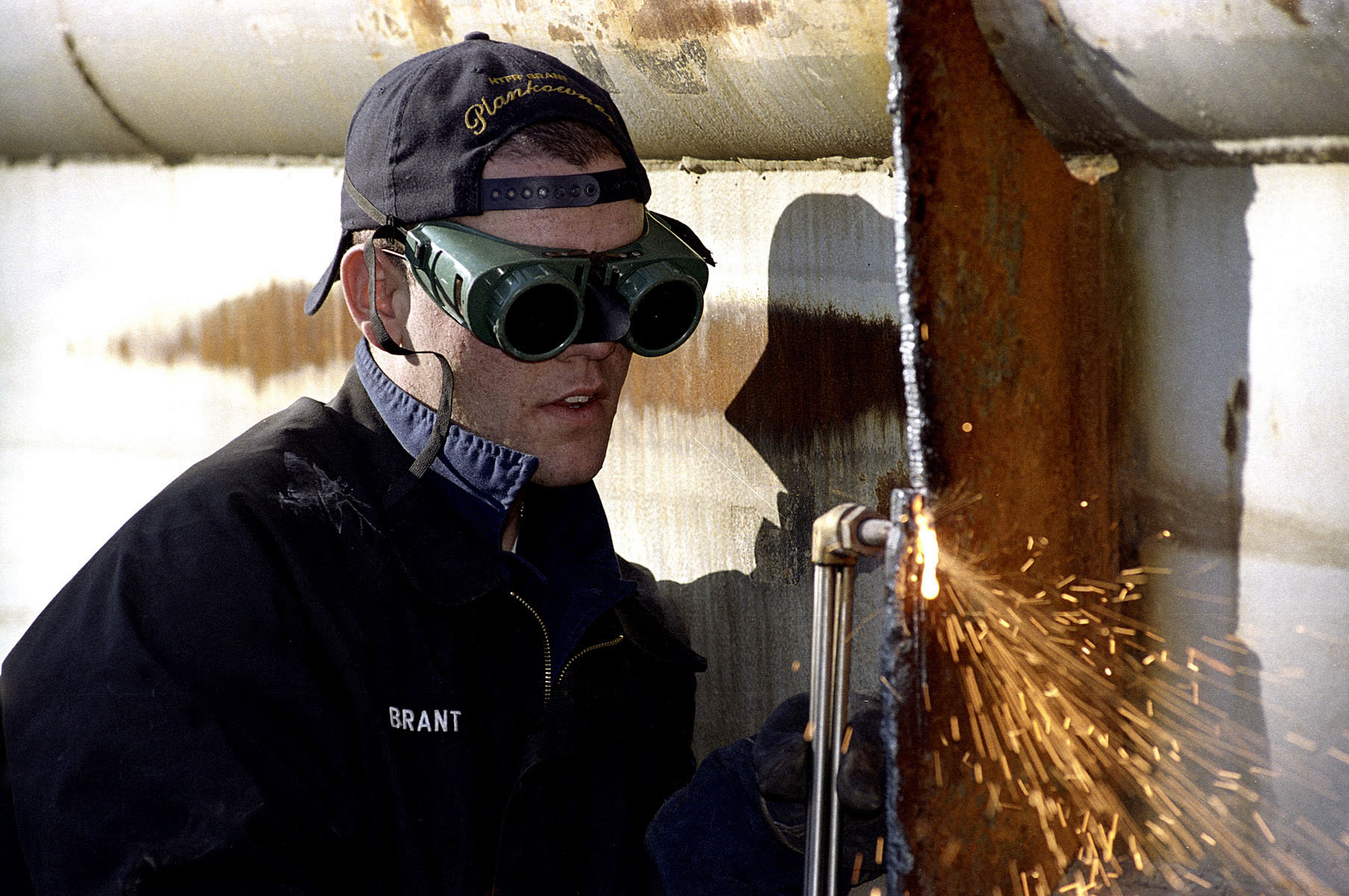
Protective eyewear existed but wasn’t consistently enforced. Modern schools require it without exception.
Safety goggles were generally available in the shop classroom, but their actual use was often left to a student’s own judgment rather than strictly and consistently enforced, a genuine gap by today’s standards. Many students simply skipped them for quick, seemingly low-risk tasks. Safety goggles that were optional more often than not reflects the era’s more relaxed approach to safety compliance, an inconsistency that current school liability standards would never permit under any circumstances today.
11. A Genuine Rivalry With the Home Economics Class
Shop class and home economics were often gendered counterparts. A friendly, if occasionally pointed, rivalry existed between them.
Shop class and home economics were frequently offered as gendered counterparts in the same school schedule, and a friendly, sometimes pointed rivalry existed between the two groups of students, each convinced their own class taught more genuinely useful skills. Occasional good-natured trading of finished projects happened between the two rooms. A genuine rivalry with the home economics class reflects the broader social dynamics of 1970s school culture, a lighthearted competition between two hands-on classes that, decades later, both eras’ students often remember with real fondness.
12. A Sense That Real Skills Were Being Taught
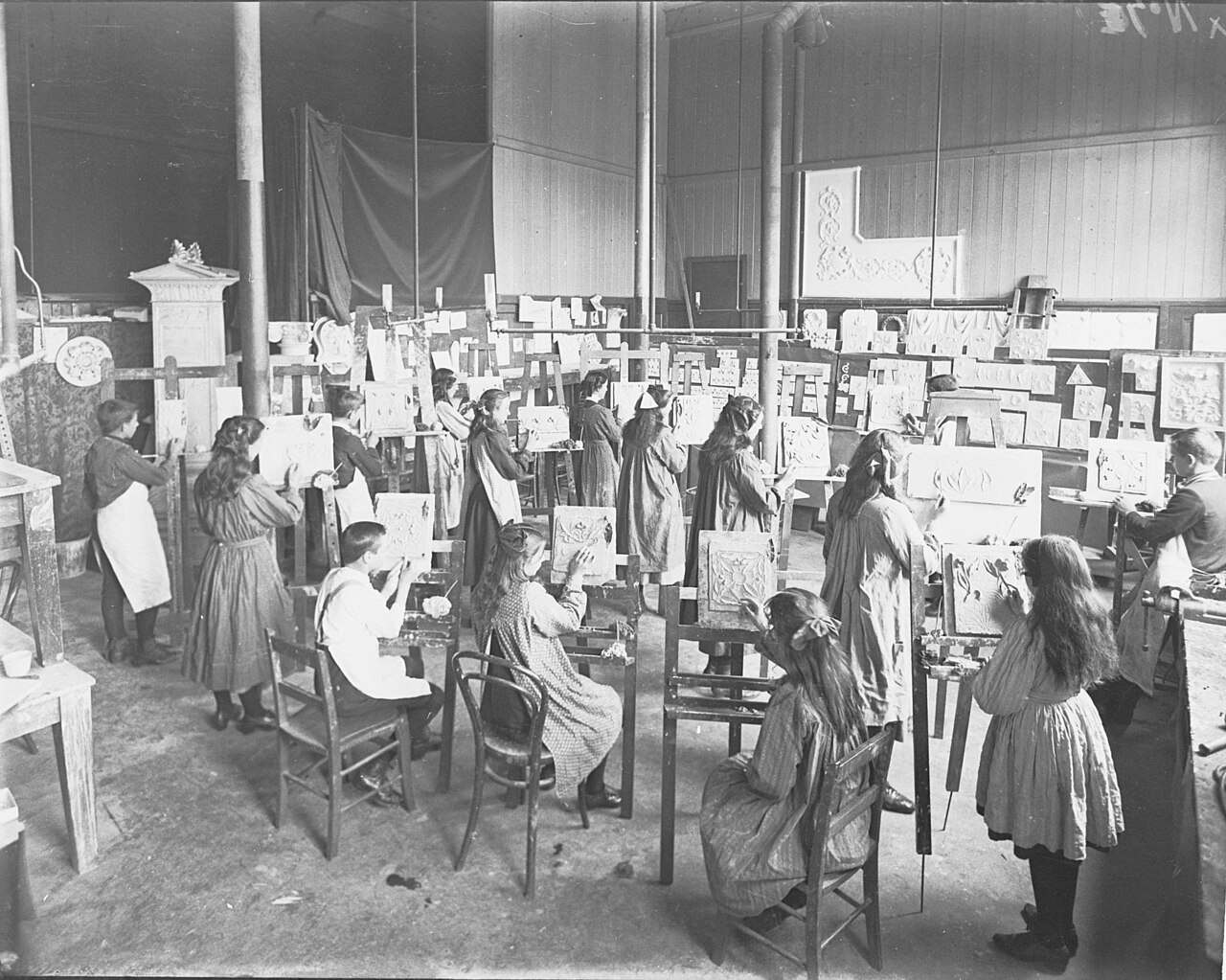
Students felt genuinely prepared for practical adult life. Shop class carried a distinct sense of tangible purpose.
Beyond any single project, shop class left students with a genuine sense that they were learning real, practical skills, how to use tools, how to build things, how to fix problems, that felt distinctly more tangible than much of the rest of the school day. A sense that real skills were being taught is the lasting legacy of the shop-class experience, the practical confidence that many former students credit with real, lifelong usefulness well beyond their years in the classroom.
Five Now Banned, Seven Still Cherished Memories
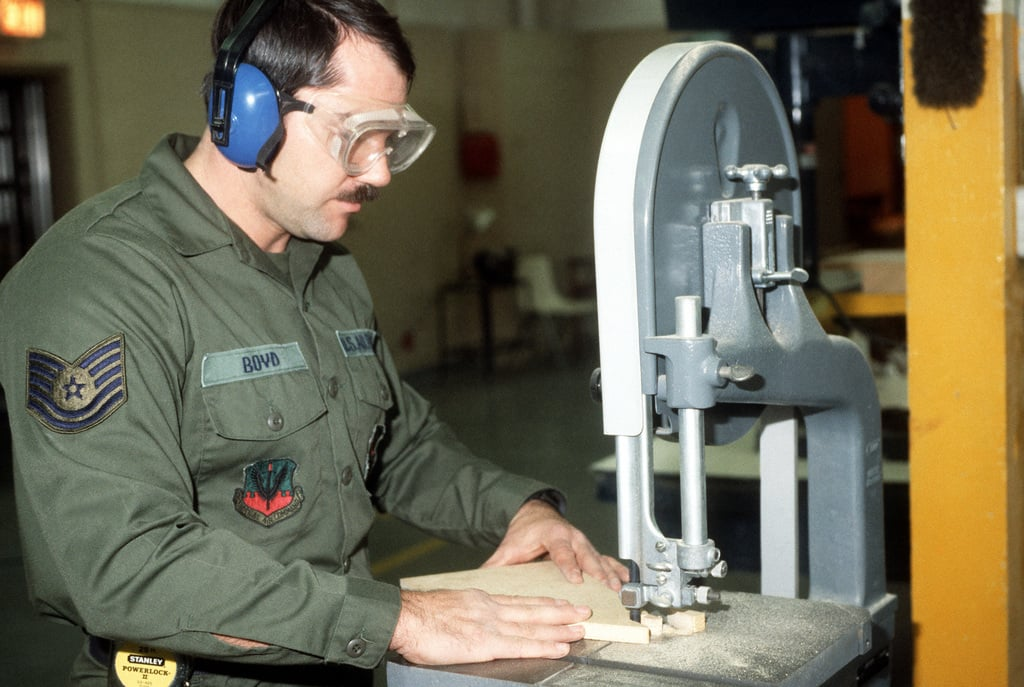
Taken together, these twelve things capture exactly what shop class was like in 1975, from the full-size table saw and the open-flame welding station to the sawdust-covered floors and the pride of a finished project carried home. Five of them, the unsupervised table saw use, the open-flame welding and blowtorch equipment, the restricted metal lathe, and the once-optional safety goggles, are now banned, restricted, or mandated under modern school safety standards, while the rest remain a cherished part of the shop-class experience wherever the program still exists.
School safety and liability standards have transformed dramatically since 1975, driven by decades of injury data and evolving legal expectations that led many districts to scale back or eliminate hands-on shop programs entirely. The changes reflect genuine safety lessons learned, even as many educators and former students lament the loss of this kind of practical, tactile education. Yet for those who remember building something real with their own hands in that classroom, these details bring it all back: the sawdust, the smell of fresh-cut wood, the pride of carrying home a finished project. Looking back at shop class in 1975 is a nostalgic tribute to a genuinely hands-on education that safety regulation has since transformed considerably.
Like our content? Follow us for more.