From Crystal Pepsi to original 3D Doritos to Hostess Suzy Q’s, these foods defined snacks for an entire generation. Most are gone permanently. A few have come back in altered forms that fans don’t quite accept. Here’s what happened to each one.
The American snack food industry has produced thousands of products over the past 60 years. Most lasted a few years, generated some sales, then quietly disappeared. But a specific subset of discontinued snacks have produced disproportionate cultural memory — products that defined childhoods, that produced specific sensory associations, that fans continue to discuss decades after disappearance.
The pattern often follows a similar trajectory. The product launches with significant marketing investment. Initial sales are strong. Cultural moment captures a generation. Then sales decline (sometimes for marketing reasons, sometimes for production cost reasons, sometimes for shifting consumer preferences). The product is discontinued. Fan campaigns develop on social media. The manufacturer occasionally announces a “comeback.” The comeback fails to capture the original magic. The product disappears again.
For consumers who grew up with these snacks, the absence is genuinely felt. The specific texture, flavor, packaging, and cultural moment of these products can’t be replicated by current alternatives. Here are 15 of the most-missed American snacks and drinks, with the actual story of what happened to each.
1. Crystal Pepsi (1992-1994, briefly back 2015-2017)
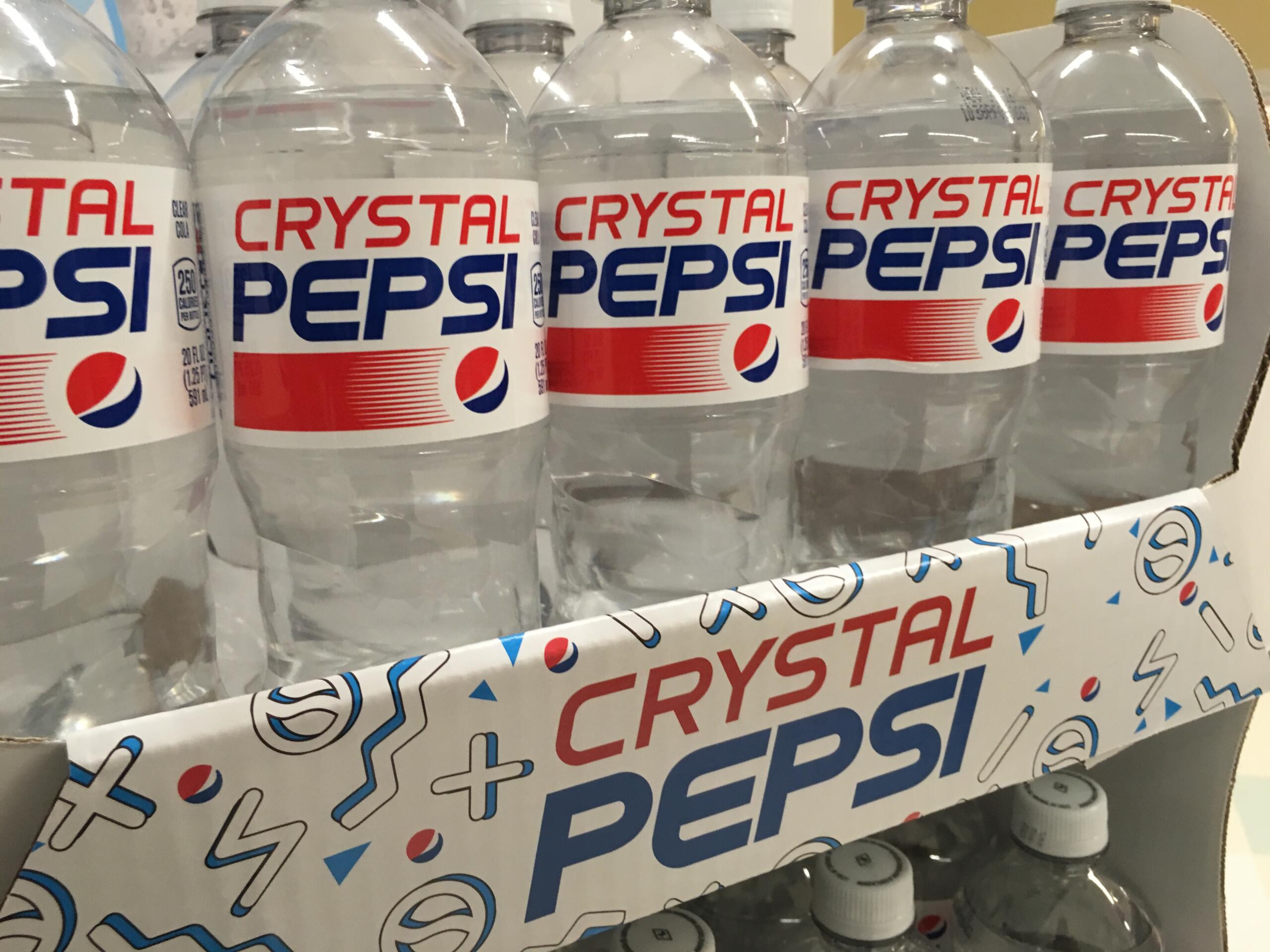
Crystal Pepsi launched in 1992 as a clear cola variant — same Pepsi flavor (theoretically) but without the brown color. The “purity” marketing emphasized that consumers could see through their cola. The launch was supported by a famous Super Bowl commercial featuring Van Halen’s “Right Now.”
Initial sales were strong. Crystal Pepsi reached approximately 1% of the U.S. soft drink market in its first year — about $474 million in sales. The product was discontinued in 1994 due to declining sales. Industry observers cited a combination of factors: the actual taste differed slightly from regular Pepsi (consumers found it confusing), competitive pressure from Coca-Cola’s Tab Clear (released as a counter), and limited durability of the novelty.
Crystal Pepsi was briefly revived in 2015-2017 in response to social media campaigns. Sales were modest. The 2015-2017 version was discontinued. Periodic limited-edition releases have continued (with the most recent in 2022), but no permanent return has occurred.
2. Original 3D Doritos (late 1990s-early 2000s)
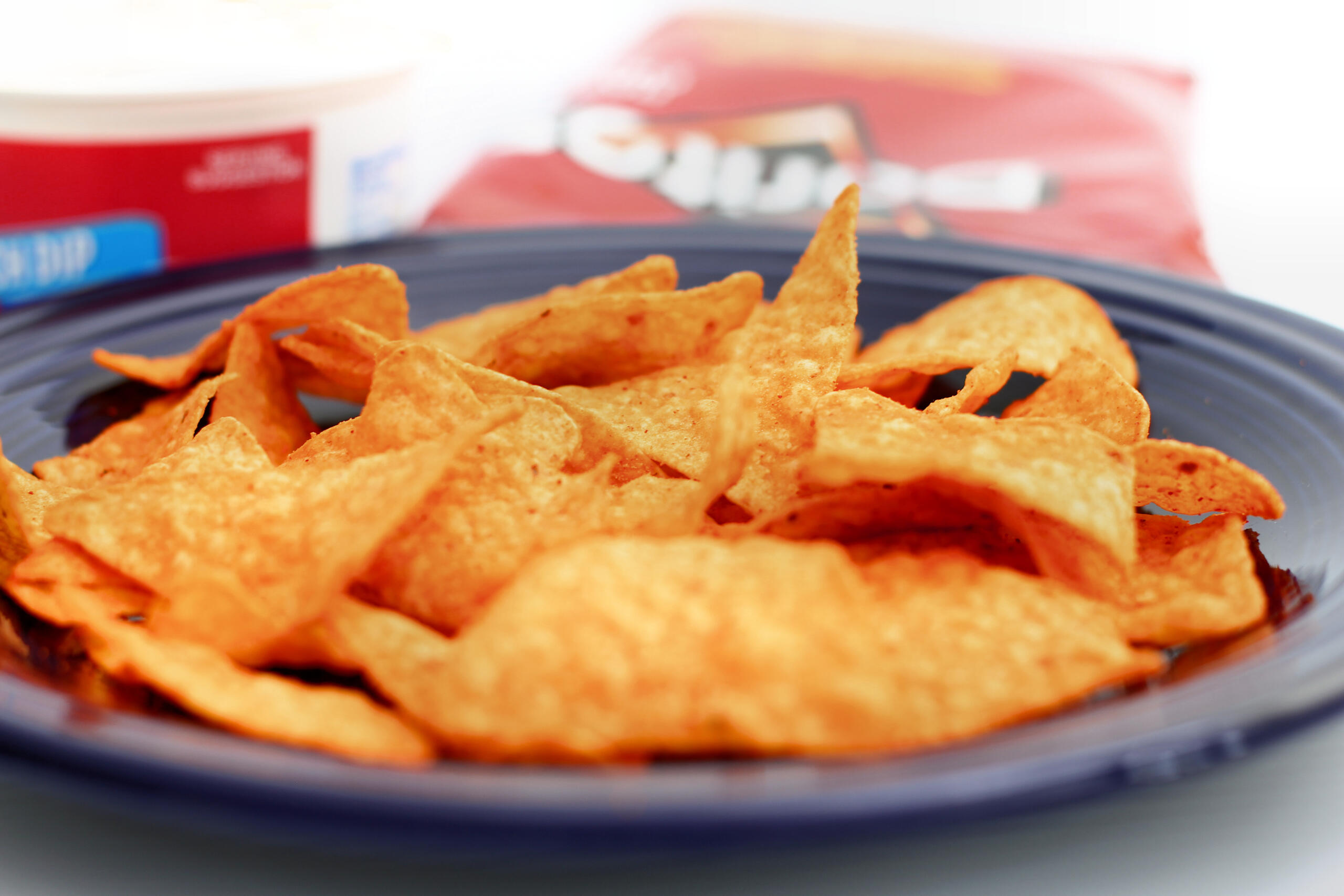
Frito-Lay introduced 3D Doritos in the late 1990s as puffed, air-filled triangular snacks — significantly different from traditional flat tortilla chips. Three flavors were released: jalapeño cheddar, nacho cheese, and zesty ranch. The unique 3D shape and texture made the product distinctive in a competitive snack market.
The product was discontinued in the early 2000s. Frito-Lay has not officially explained the decision, but industry analysts cite a combination of: declining sales after initial novelty, manufacturing complexity (the 3D puffed shape was harder to produce consistently than flat chips), and decision to focus on more profitable lines.
A relaunch as “Doritos 3D Crunch” appeared in December 2020. Reviews described the new product as different from the original — the new version is denser, smaller, and lacks the air-filled puffy quality of the original. The 2020 reformulation also disappeared from shelves by 2023. The original 3D Doritos remain among the most-requested discontinued products in fan campaigns.
3. Hostess Suzy Q’s (1961-2012, periodic returns, currently back)
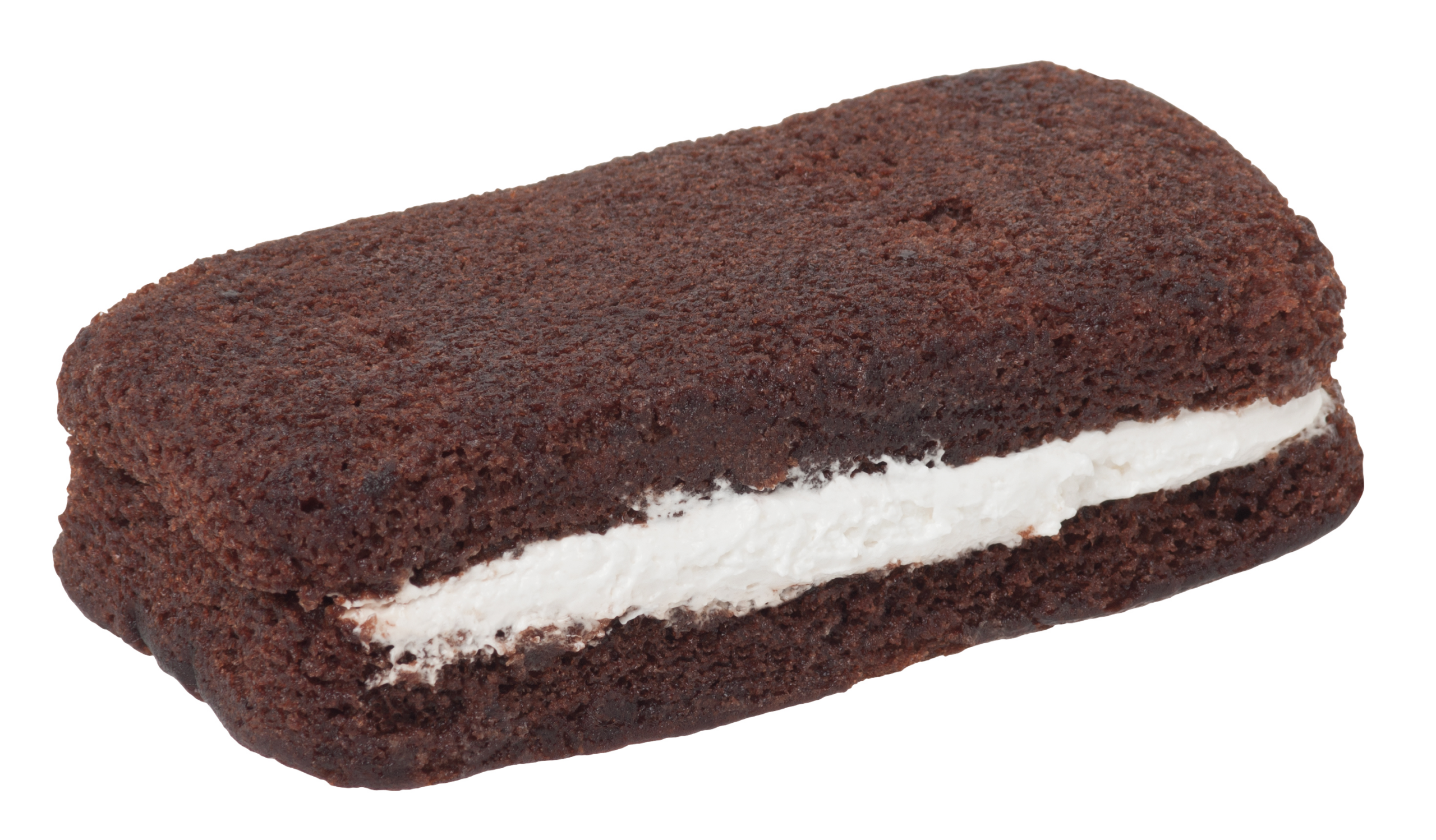
The Suzy Q is a oblong cake snack filled with white cream — first introduced in 1961 by Hostess parent Continental Baking Company. The name came from Cliff Isaacson’s daughter (Continental Baking VP). The product was available in either devil’s food cake or banana cake variants.
The product had multiple disappearances and returns. Hostess discontinued Suzy Q’s during their 2012 bankruptcy. The 2015 return after Hostess’ restructuring used a different recipe with squared edges that fans rejected. The 2018 return restored 50% more cake and crème plus rounded edges — but was discontinued again in 2020 during pandemic. According to February 2025 reporting, Suzy Q’s are back again. Whether this return is permanent remains uncertain.
4. Crystal Pepsi (separate entry — see above)
Already covered. Worth noting: the persistence of Crystal Pepsi fan campaigns over 30+ years demonstrates how deeply specific 1990s products imprinted on Gen X consumers.
5. SURGE (1996-2002, brought back 2014)

SURGE was Coca-Cola’s response to Mountain Dew’s market dominance — a fluorescent green citrus soda introduced in 1996. The product was marketed aggressively to teenage males with extreme-sports advertising. Initial sales were strong.
Sales declined through the late 1990s and early 2000s. Coca-Cola discontinued SURGE in 2002. A devoted fan campaign developed on Facebook, eventually pushing Coca-Cola to bring SURGE back in 2014 (initially Amazon-only, eventually expanded to convenience stores).
The 2014 return has been more durable than other comeback products. SURGE remains available in 2026, primarily through Coca-Cola Freestyle machines and at select convenience stores. The current SURGE is reportedly close to the original recipe but uses different sweeteners.
6. Altoids Sours (early 2000s-2010, partially returned 2023)
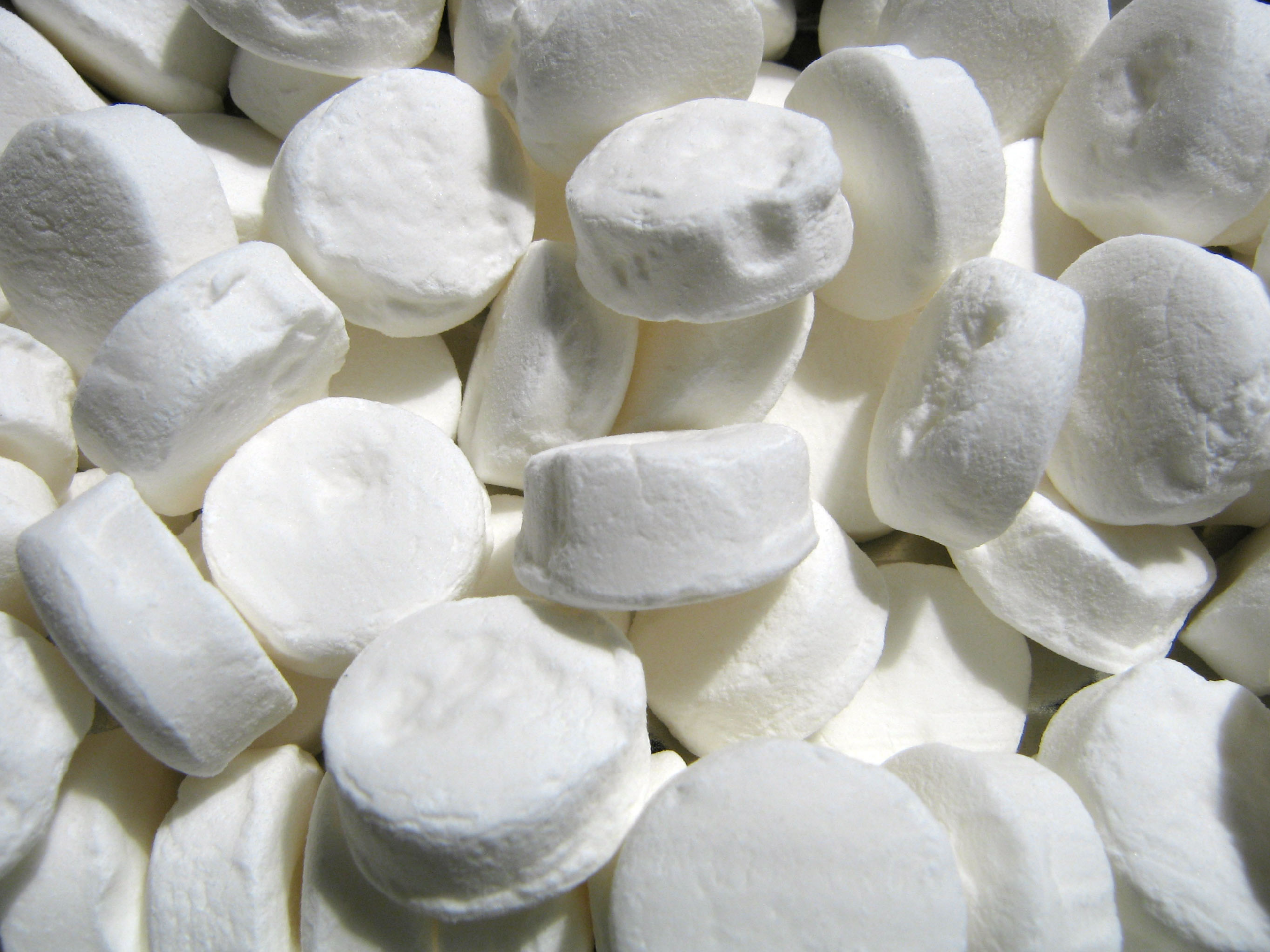
Altoids Sours were a Wrigley product launched in the early 2000s — sour candy in the same metal tins that defined the Altoids mint brand. Flavors included Tangerine, Mango, and Citrus. The combination of sour candy with the Altoids tin format was distinctive.
The product was discontinued around 2010 due to declining sales. A robust resale market developed on eBay, with single tins selling for $20-50+. Iconic Candy released “Retro Sours” in 2023, recreating the original recipe and tin format. The new product is available primarily on Amazon. Whether the recreation matches the original is debated by fans, but the product fills the gap that existed for over a decade.
7. Trix Yogurt (1992-2016, back 2021)
Trix Yogurt was a children-targeted yogurt product launched by Yoplait in 1992. The yogurt featured bright colors and flavors marketed to kids. Original ingredients included high-fructose corn syrup and various artificial colors.
Yoplait discontinued Trix Yogurt in 2016 due to declining sales. The 2021 return reformulated the recipe to remove high-fructose corn syrup and reduce artificial colors. The 8-count variety packs are sold primarily at Walmart. The product exists in 2026 but with significantly different ingredient composition than the original 1990s version.
8. Planters PB Crisps (1992-1995)
Planters PB Crisps were peanut-shaped cookies with a crunchy outer shell and peanut butter filling. Launched in 1992, the product had strong initial sales. The product was discontinued in 1995 — a relatively short three-year run.
Despite the brief commercial life, PB Crisps remain among the most-requested discontinued snacks online. Multiple Facebook fan groups continue to advocate for return. Planters has not commented on potential revival. Various copycat recipes exist.
9. Burger King Satisfries (2013-2014)
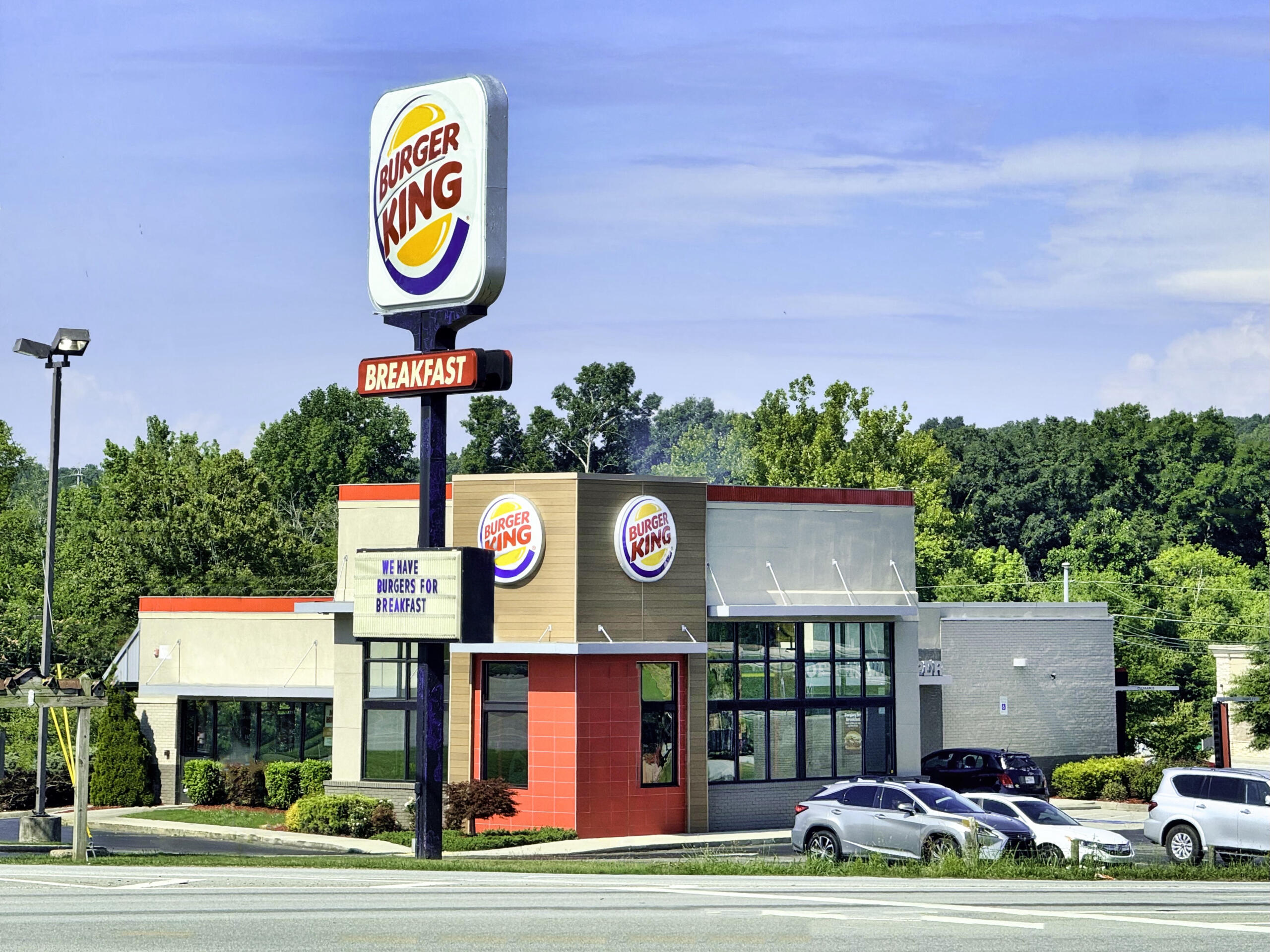
Satisfries were Burger King’s attempt to sell lower-calorie French fries — the same shape as regular fries but with a different batter formulation that absorbed less oil. Approximately 30% fewer calories than regular Burger King fries.
The product launched with significant marketing in late 2013. Sales were disappointing. Burger King discontinued Satisfries in August 2014 after only 10 months of national availability. The product remains an example of a major fast food chain failure to introduce a “healthier” option.
10. McDonald’s Snack Wraps (2006-2016, returned 2025)
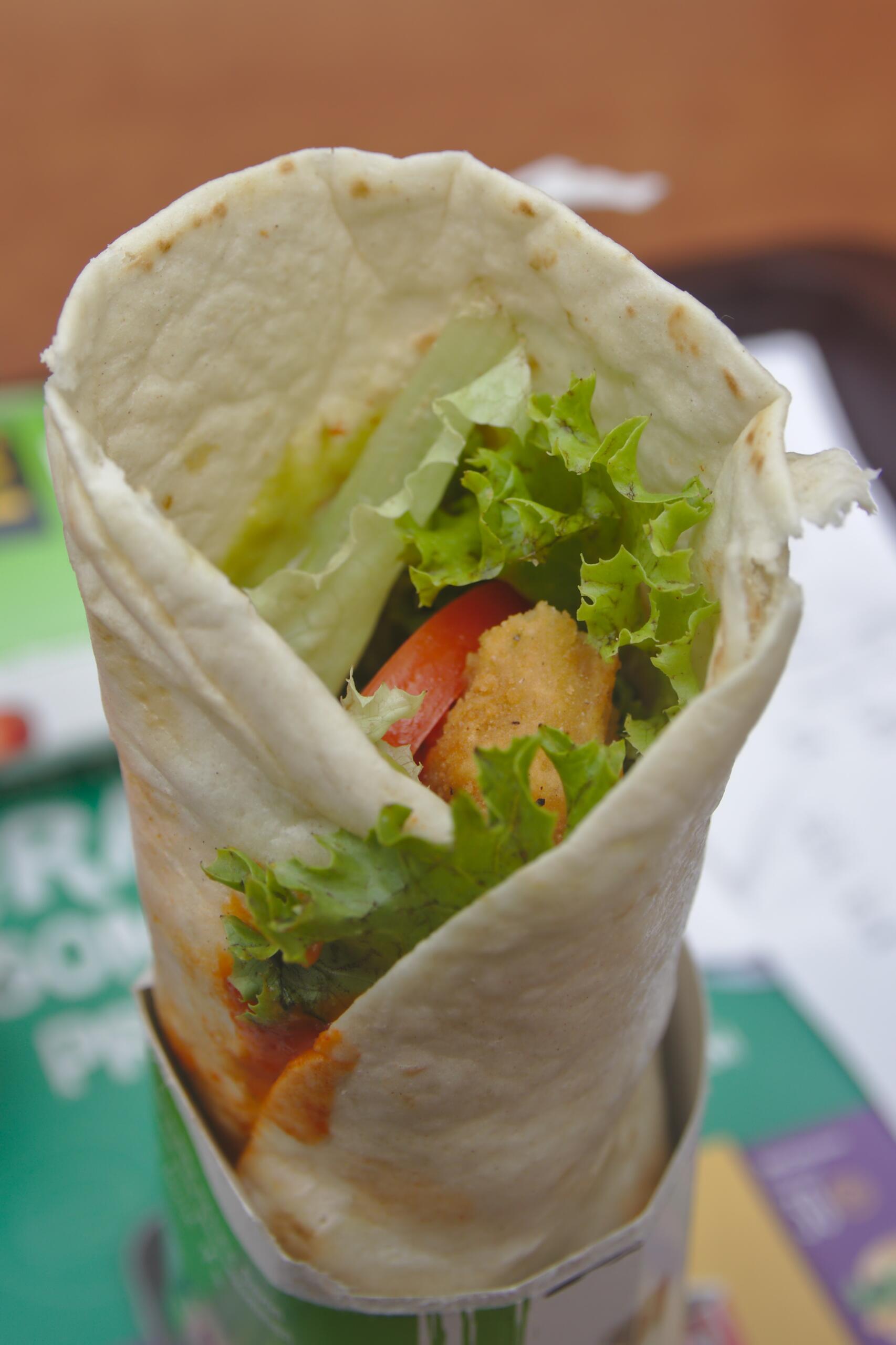
The Snack Wrap was a McDonald’s product — chicken (crispy or grilled) wrapped in a tortilla with various toppings. Sold for $1-1.50 throughout most of its existence. The product was particularly popular among value-focused customers.
McDonald’s discontinued Snack Wraps in 2016, citing operational complexity and slow service times. Sustained fan campaigns followed for nearly a decade. McDonald’s announced the return of Snack Wraps in 2025, with a national rollout beginning that year. Initial reviews of the 2025 return have been generally positive, though some longtime fans report differences from the original recipe.
11. Original Doritos flavors (multiple discontinuations)
Doritos has cycled through dozens of flavor variations over decades. Several have produced strong fan loyalty before discontinuation:
- Doritos Salsa Rio (mid-1990s) — Salsa-flavored chips that fans still discuss
- Cool Original (the original UK formula, never available in US in pure form)
- Black Pepper Jack (2003-2008) — Strong fan following
- Jumpin’ Jack Cheese (1990-early 1990s) — Briefly returned in 2013 as limited edition
- Fiery Habanero (2005-2009) — Spicy variant with strong loyalty
Frito-Lay’s pattern has been to launch limited-edition flavors, build sales, then rotate to new flavors. The discontinued flavors typically remain unavailable, with periodic limited reissues.
12. Carnation Breakfast Bars (1980s)
Carnation Breakfast Bars were chewy meal-replacement bars marketed in the 1980s as a quick breakfast option. The bars contained substantial calories, added vitamins, and a distinctive chewy texture. They were widely consumed by busy adults and as school lunch additions.
Discontinued in the late 1980s. Fan campaigns started in 2010 (Facebook page with about 7,000 followers) and a 2013 Change.org petition (~300 supporters). Neither effort produced a return. Nestle (which acquired Carnation) released “Carnation Breakfast Essentials Nutrition Bars” — a different product with related branding. Multiple copycat recipes exist online.
13. Original Chocodiles (briefly returned 2014, gone again)
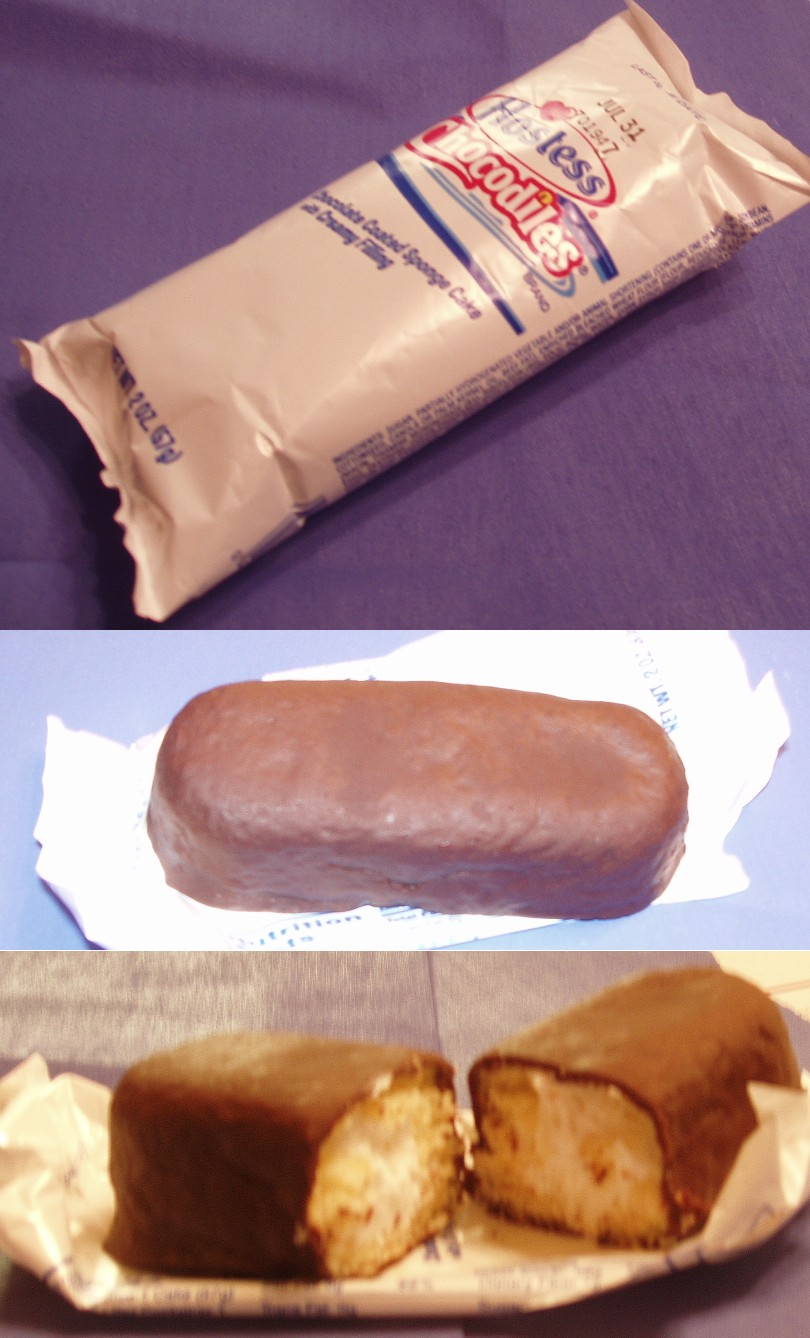
Chocodiles were chocolate-covered Twinkies, named after the original mascot Chauncey Crocodile. The product had strong fan following through the 1980s and 1990s. Discontinued during Hostess’s 2012 bankruptcy. Briefly returned in 2014 in fun-size form. Discontinued again. Periodic limited-edition releases have occurred since 2014.
The combination of chocolate-coating with the cream-filled cake produces a flavor profile that has not been replicated by competing products. Fan loyalty remains strong.
14. Original Choco Bliss (1986-early 1990s)
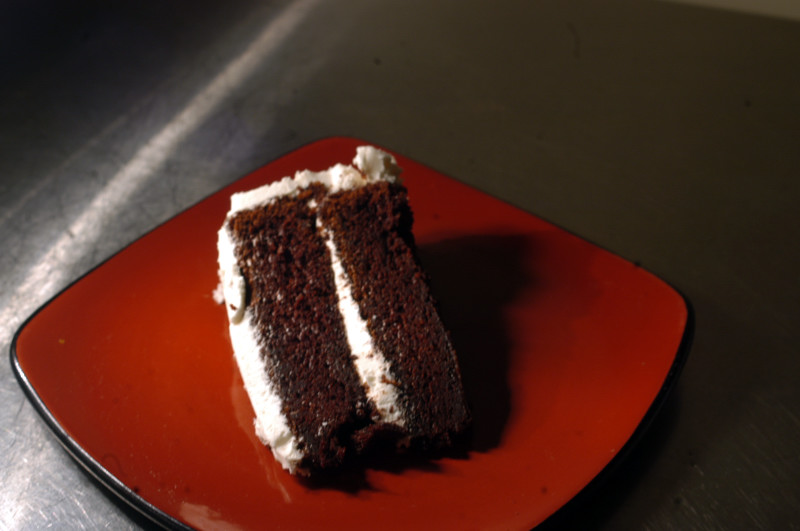
Hostess Choco Bliss was the brand’s first all-chocolate treat — devil’s food cake layered with chocolate crème and chocolate icing. Launched in 1986, the product was reportedly a best-seller by 1988. Discontinued sometime in the early 1990s.
Choco Bliss has become almost legendary among Hostess fans, with descriptions emphasizing the “chocolate lover’s dream” intensity that the product delivered. Hostess has not announced any plans for revival. A separate “Choco Bliss” product was briefly available from Kosher snack maker Paskesz, though this was a different formulation.
15. Discontinued cereals (various)
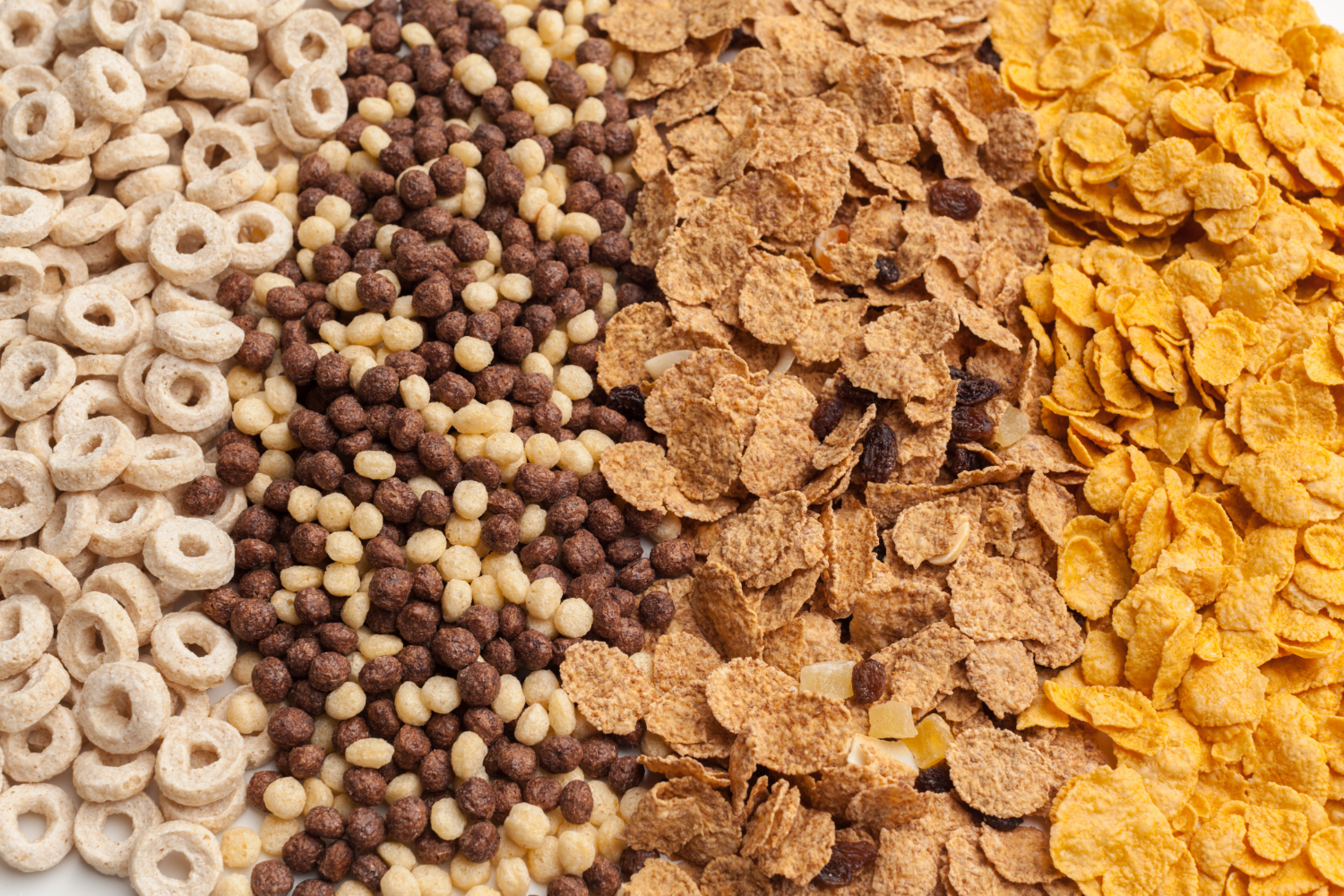
Several discontinued American cereals deserve grouping:
- French Toast Crunch (General Mills, discontinued 2006, returned 2015) — Successfully revived after fan campaigns
- Mr. T Cereal (Quaker Oats, mid-1980s) — A-Team character licensing, never returned
- C-3PO’s Cereal (Star Wars licensing, 1984) — Limited edition, never returned
- Quisp (1965-mostly discontinued, online-only since) — Available online at quaker-direct stores
- Croonchy Stars (1987-1989, Muppet-themed) — Never returned
- Hidden Treasures (1993-1995) — Cereal with hidden filled centers, never returned
- Buc Wheats (1980s, Quaker Oats) — Briefly available, never sustained
The cereal aisle in 2026 is significantly less diverse than in 1995 — partly due to consolidation among major cereal manufacturers, partly due to declining cereal consumption overall (the category has shrunk substantially since 2000).
What this disappearance pattern actually shows
The vanishing of these snacks reflects specific economic and cultural dynamics:
Manufacturing innovations have costs. Products with unique production requirements (3D Doritos puffing, Suzy Q’s specific cake-and-cream structure, Snack Wraps requiring extra prep steps) face higher costs that compress margins. When a product loses popularity, the manufacturing complexity makes it harder to maintain than simpler products.
Marketing windows are brief. Most discontinued products had strong initial launches but couldn’t sustain sales beyond 2-5 years. The specific cultural moment that captures a generation’s attention rarely persists. Once a product loses cultural momentum, recovering is genuinely difficult.
Health concerns shifted regulations and consumer preferences. Products with high sugar content, artificial colors, partially hydrogenated oils, or other ingredients that became increasingly regulated have faced both regulatory pressure and consumer rejection. The original Trix Yogurt, original cereal formulations, and various 1990s-era products often fail current ingredient standards.
Consolidation reduced product variety. The major snack food companies (Frito-Lay/PepsiCo, Mondelez, Hostess, Mars, Hershey, etc.) have consolidated dramatically since 2000. Each consolidation typically results in product line rationalization — keeping the highest-margin products and discontinuing weaker performers. The snack aisle of 2026 represents the consolidated remains of dozens of discontinued products.
Internet fan campaigns produce occasional returns. Social media has changed how discontinued products can attempt comebacks. SURGE, Trix Yogurt, French Toast Crunch, and McDonald’s Snack Wraps all returned partly due to sustained online fan campaigns. The mechanism produces some genuine successes but more frequent disappointments — many fan campaigns generate publicity without producing returns, and many returns disappoint fans by not matching the original.
Generational nostalgia is significant marketing leverage. As Gen X and Millennials reach the consumer purchasing decisions that drive snack food markets, demand for products that defined their childhood has produced a meaningful resurrection market. The current 2026 nostalgia wave (covered in earlier articles in this content series) extends to specific products beyond just general categories.
For consumers wanting to track potentially returning products, several resources are worth following:
Yahoo Lifestyle maintains regular coverage of returning discontinued snacks. The Daily Meal, Eat This Not That, and 24/7 Wall St also regularly cover the discontinued snack ecosystem. Specific brand fan pages (Crystal Pepsi, 3D Doritos, Hostess products) sometimes produce credible information about potential returns.
For consumers interested in the specific products on this list, the practical reality is that most are gone permanently. The exceptions (Suzy Q’s currently returning, SURGE durably back, Snack Wraps recently returning) are minority cases. The cultural memory of specific snacks remains real even when the products themselves are unavailable.
The American snack landscape of 2026 differs substantially from that of 1995 or 2005. Some changes have been improvements (less BVO, less trans fat, less Red Dye 3 — all covered in the earlier “American foods banned abroad” article in this content series). Other changes have been losses — products that defined specific cultural moments and that newer alternatives haven’t quite replaced. The 15 products on this list each represent both — sometimes the same product simultaneously. The Crystal Pepsi we remember was never as good as we remember it, but the cultural moment it embodied was real, and that moment isn’t coming back regardless of how many limited-edition revivals occur.