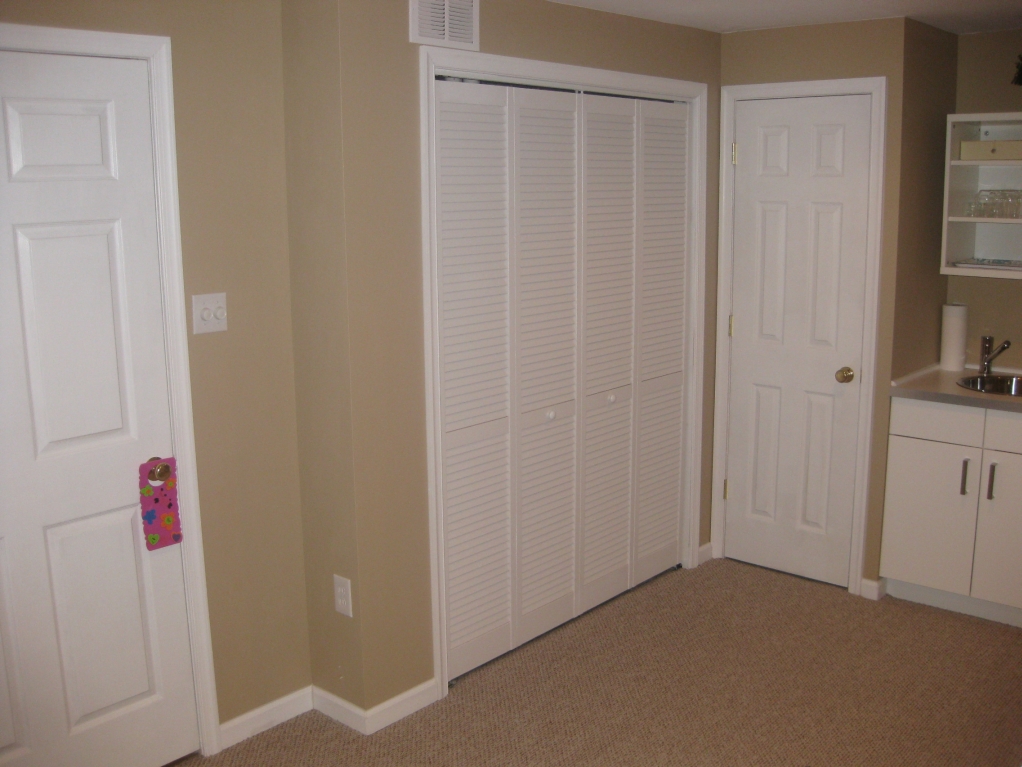
The 1994 American basement was substantially distinct family space — typically featuring specific furniture, entertainment equipment, storage systems, and various other elements that defined American suburban basement culture. The pool table or ping pong table. The old furniture deemed unworthy of upstairs but too good to discard. The substantial holiday decoration storage. Various other specific elements. Walking through what was actually in that 1994 basement reveals substantial transformation in American home culture across approximately one generation.
The 1994 American basement represented specific household space with distinctive functions that have substantially evolved across approximately 32 years. Adults who experienced 1994 basements can readily identify the specific items that defined these spaces; current young adults often find descriptions genuinely incomprehensible despite the basic basement function remaining substantially consistent. The cumulative changes reflect broader transformations in American home design, family activities, technology, and various other elements.
The Wood Paneling Reality
1994 American basements typically featured substantial wood paneling — specific decorative wall treatment that was substantially popular in American basements from approximately 1960 through 1990s. The cumulative paneling came in various wood-grain patterns and colors. The cumulative installation produced specific aesthetic that mainstream interior design now generally considers dated, but represented substantial popular treatment during multiple decades.
Modern American basements have substantially moved away from wood paneling toward various alternatives — drywall with paint, exposed brick or stone, various contemporary wall treatments. Various 1994 basements still feature original wood paneling because basement renovation typically occurs less frequently than upper-floor renovations. The cumulative aesthetic shift represents specific aspect of American interior design evolution that has substantially affected basement appearance across one generation. Some specific retro-aesthetic preferences have produced occasional wood paneling revival, but the universal 1994 standard has substantially declined.
The Substantial Pool Table or Ping Pong Table
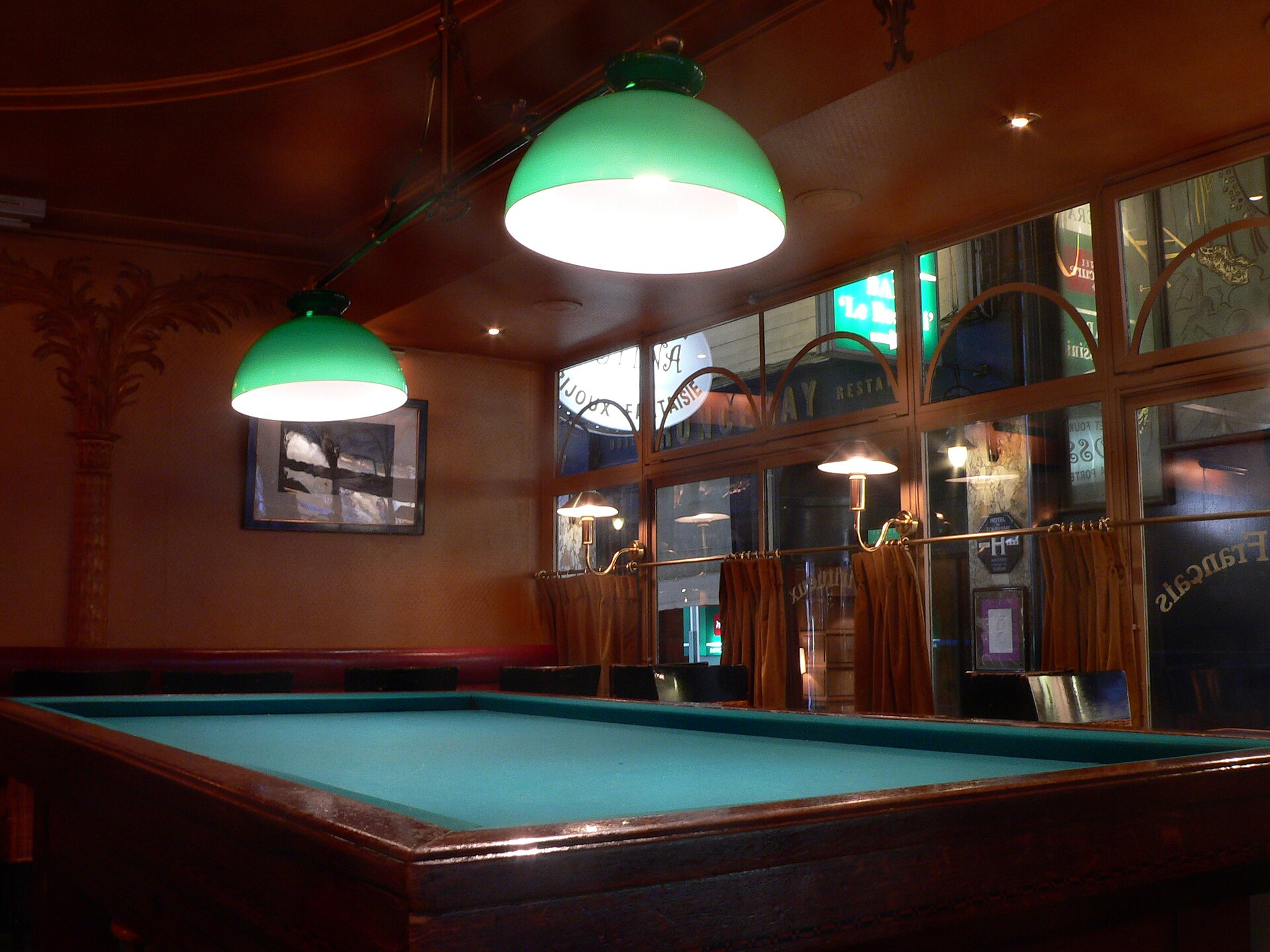
A specific feature of 1994 American basements involved substantial recreational equipment — most commonly pool tables (typical 7-foot home models) or ping pong tables. The cumulative equipment occupied substantial basement space and represented substantial financial investment ($300-1,500+ in 1994 dollars). The cumulative table provided substantial family entertainment function across multiple years.
Modern American basements feature substantially varied recreational equipment approaches. Some homes maintain traditional pool/ping pong tables. Others have substantially shifted to various other entertainment options including home theaters, gaming setups, exercise equipment, and various other alternatives. The cumulative 1994 standardization around pool/ping pong has been replaced by substantial diversification. Various specific recreational items reflect different family preferences and modern entertainment options that didn’t exist in 1994.
The Old TV with Cable Box

1994 American basements often featured second household television — typically substantial CRT TVs that had been replaced upstairs but remained functional. The cumulative basement TVs typically connected to substantial cable systems through specific cable boxes. Various game systems (Nintendo, Sega Genesis, various others) typically connected to basement TVs rather than upstairs family room TVs. The cumulative basement gaming reflected specific cultural patterns where parents preferred gaming equipment in less-visible spaces.
Modern American basements feature substantially different TV setups. Wall-mounted flat-screens have replaced bulky CRT TVs. Streaming services have substantially replaced cable subscriptions. Various gaming systems continue being basement features but with substantially different technical specifications. The cumulative basement entertainment infrastructure has substantially modernized while maintaining basic function. Various specific 1994 cable TV elements (specific channels, channel surfing patterns, MTV importance for teen culture, various others) have substantially shifted to streaming alternatives.
The Substantial Storage Reality

1994 American basements served substantial storage function for various household items. Holiday decorations (Christmas decorations were particularly substantial across multiple boxes). Old furniture that had been replaced upstairs but wasn’t discarded. Children’s toys from earlier life stages. Various seasonal items (winter clothes during summer, summer items during winter). Old appliances replaced but kept “just in case.” Various tax records and important documents. Numerous other items.
The cumulative storage function has substantially continued in modern American basements but with specific evolution. Some items have substantially declined in storage importance — VHS tape collections eliminated, various other physical media reduced. Other items have continued being substantially basement-stored — holiday decorations remain substantial basement items in essentially all American homes. Various items have shifted out of basement storage to other locations — paper records have substantially digitized, reducing physical storage needs. The cumulative basement storage culture continues but with specific evolutionary changes.
The Specific Workshop Area
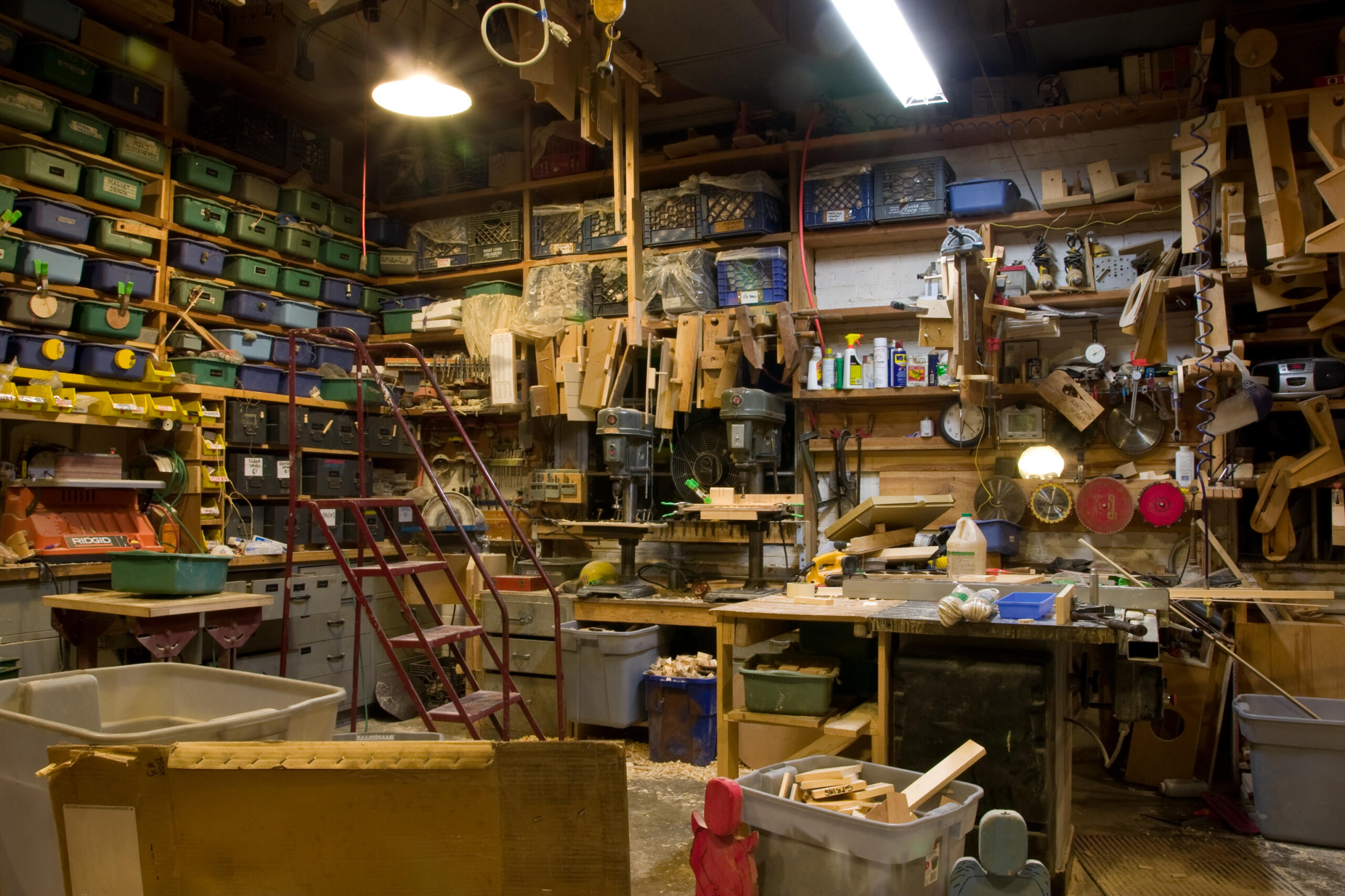
Many 1994 American basements featured specific workshop areas with tools, workbench, and various other equipment for home repairs and projects. The cumulative workshop typically belonged primarily to the household’s adult male (substantially gendered cultural pattern of the era), though various family members might use specific equipment. Various tools (drills, saws, hammers, screwdrivers, various others) represented substantial accumulated household investment across years.
Modern American basement workshops vary substantially by household. Some maintain substantial workshop traditions; others have essentially eliminated specific workshop spaces. Various reasons contribute: home repair has substantially shifted toward professional services rather than DIY work, specific tool availability through home improvement stores has reduced need for substantial home tool collections, various other factors. The cumulative workshop function has substantially declined as cultural priority while specific households continue maintaining substantial workshop traditions. Generations have substantially diverged in basement workshop participation.
The Laundry Area
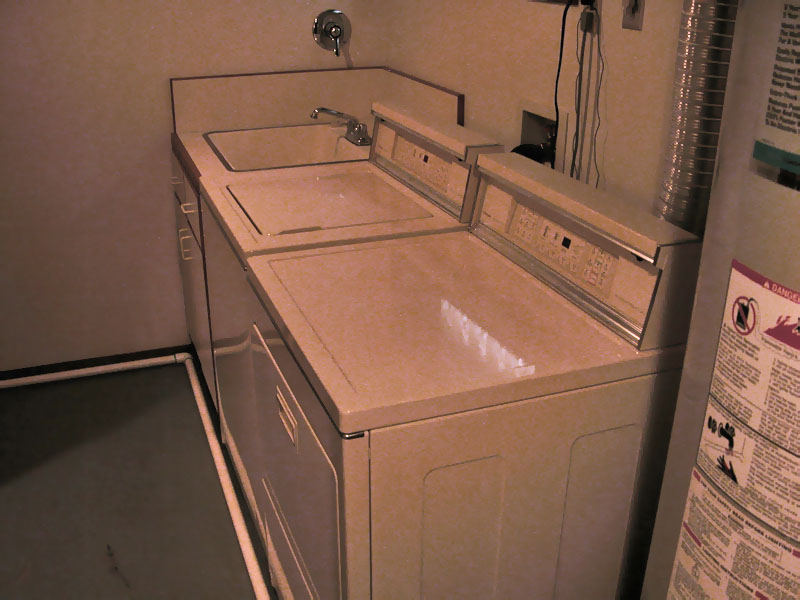
1994 American basements typically contained the laundry area — washing machine, dryer, ironing board, and various other laundry-related equipment and supplies. The cumulative basement laundry was substantial portion of household activity, typically requiring multiple trips between upstairs bedrooms and basement laundry across each week. Various clothesline systems sometimes occupied basement space for delicate items requiring air drying.
Modern American homes vary substantially in laundry placement. Some maintain traditional basement laundry. Others have moved laundry to specific main-floor laundry rooms (substantial 2000s-2010s renovation trend). The cumulative basement laundry tradition continues in many American homes but has substantially declined as universal pattern. Various specific 1994 laundry elements (specific detergent brands, fabric softener sheets, various ironing practices) have substantially evolved across the period.
The Substantial Holiday Storage
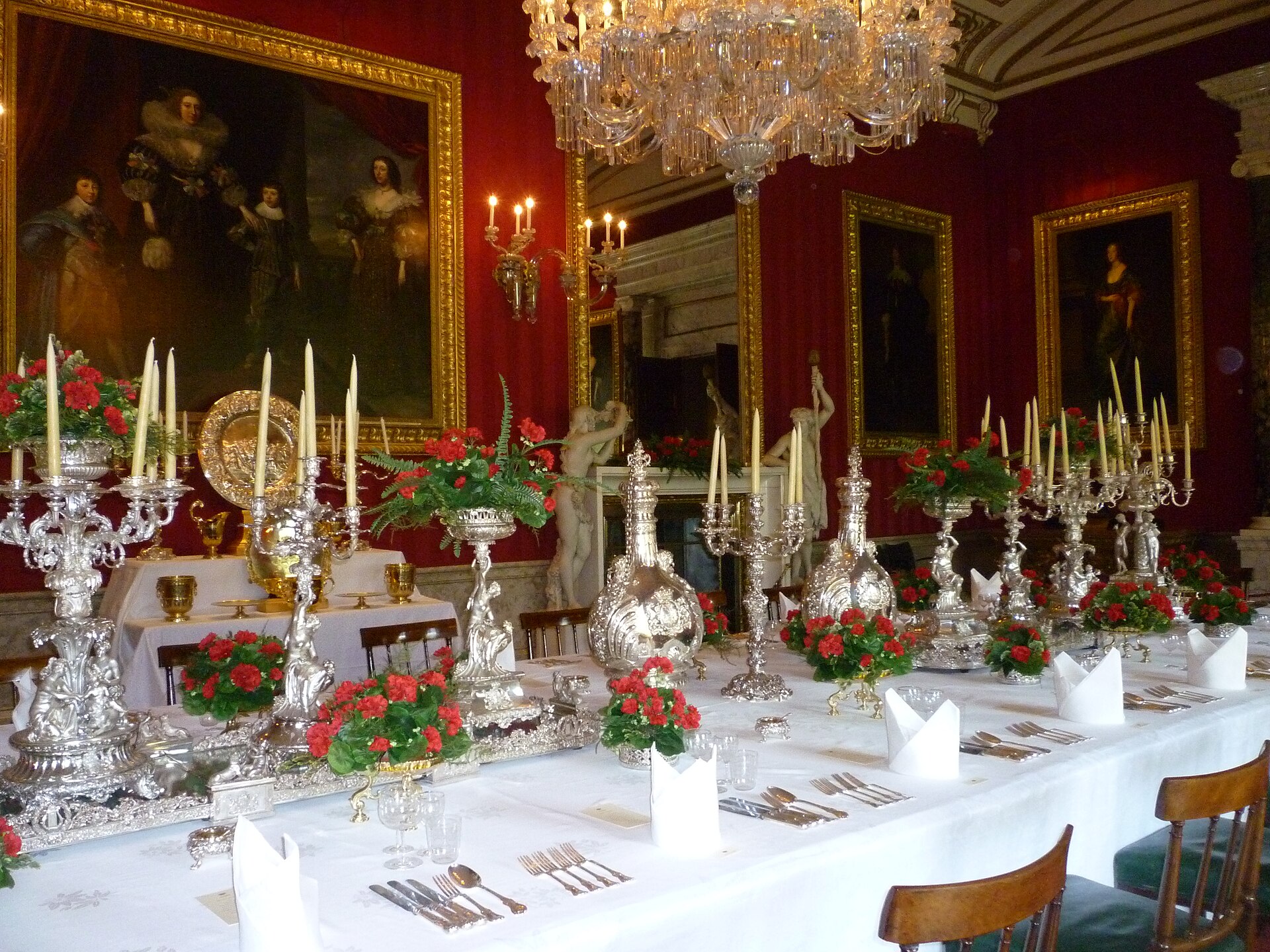
A specific feature of 1994 American basements involved substantial holiday decoration storage. Christmas typically required multiple substantial boxes containing tree ornaments, lights, garlands, special tableware, gift wrap supplies, and various other elements. Halloween required substantial decoration storage. Easter, Thanksgiving, July 4, and various other holidays required additional specific storage. The cumulative holiday storage typically occupied substantial basement portion across the year.
Modern American basement holiday storage has substantially continued. Various households have actually expanded holiday decoration collections compared to 1994 levels — particularly Christmas decoration culture has substantially expanded across recent decades. Other households have reduced holiday decoration substantially. The cumulative pattern varies substantially by family rather than maintaining 1994 standardization. Some specific 1994 holiday decoration elements (specific design aesthetics, particular brands, certain decoration styles) have substantially evolved while basic holiday storage function continues.
The Cedar Closet or Wardrobe
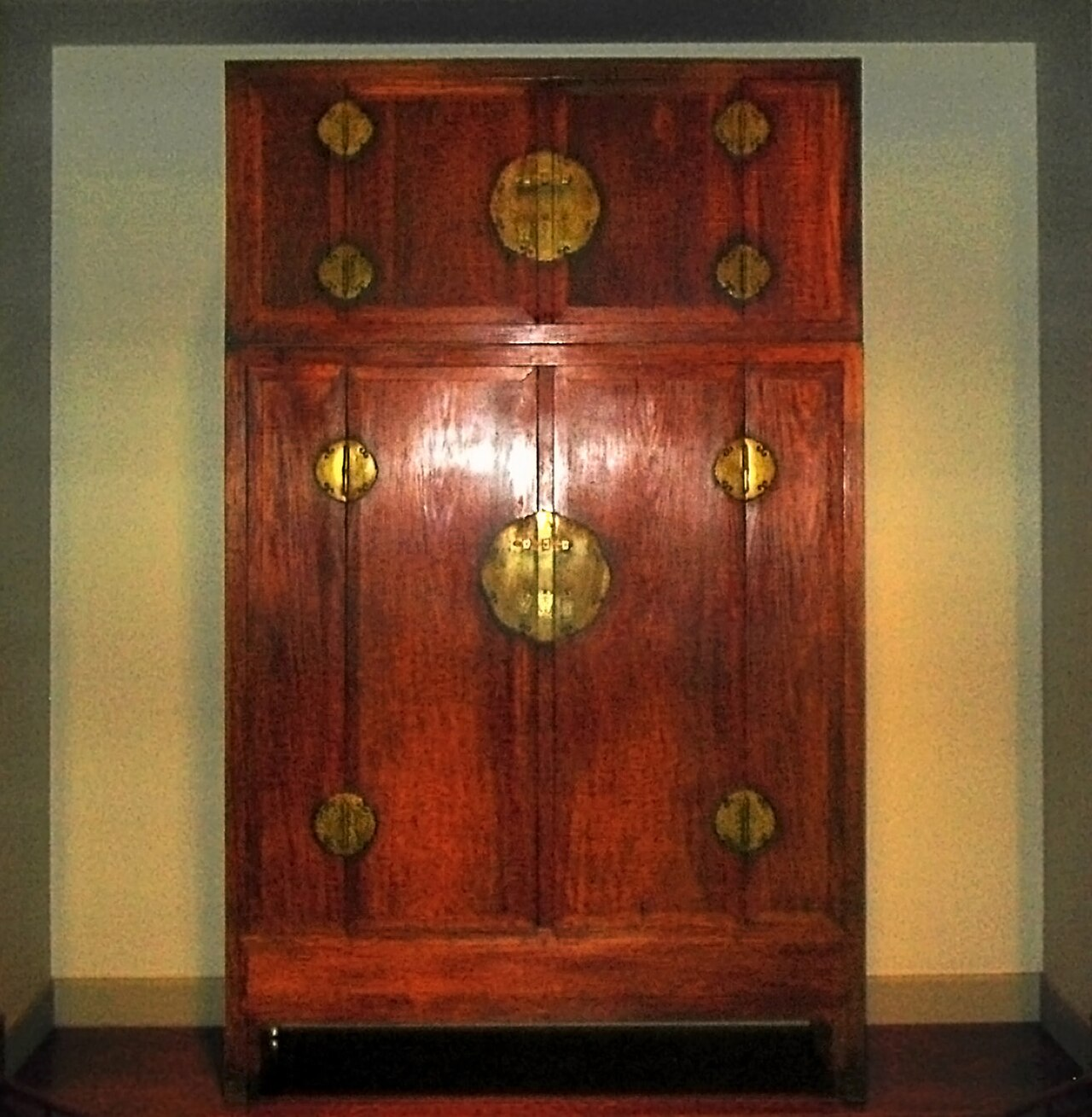
1994 American basements often featured specific cedar closet or wardrobe for seasonal clothing storage — winter clothes during summer, summer clothes during winter, and various other clothing rotation patterns. Cedar wood provided substantial moth deterrence for wool clothing without requiring chemical treatments. The cumulative cedar storage represented substantial accumulated investment in household clothing maintenance.
Modern American homes vary substantially in clothing rotation practices. Some maintain traditional cedar storage. Others have substantially eliminated seasonal clothing rotation in favor of year-round wardrobe accessibility. Various climate-controlled storage alternatives have substantially replaced traditional cedar storage approaches. The cumulative cedar closet tradition continues in many homes but has substantially declined as universal pattern. Various specific clothing care practices (mothball usage, specific brushing routines, various others) have substantially evolved across the period.
The Substantial Christmas Village
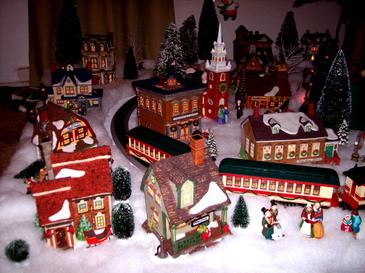
A specific 1994 basement element involved substantial Christmas village displays. Many American families collected ceramic Christmas village pieces (Department 56, Lemax, various other brands) that were substantially displayed during holiday seasons. The cumulative village pieces required substantial year-round storage during non-display months — typically basement-located storage in specific boxes preserving each piece individually.
Modern American Christmas village collecting has substantially continued. Department 56 continues operating despite various corporate transitions. Various collectors maintain substantial multi-decade collections. The cumulative tradition has substantially continued while gaining and losing specific aspects. Some specific 1994 village elements (specific buildings, particular themes, certain accessories) have substantially evolved or been discontinued. The cumulative tradition continues but with specific evolutionary changes that reflect changing American holiday decoration preferences.
What This Transformation Reveals
The 1994 American basement represents specific cultural moment when various items, activities, and storage patterns defined American basement function. The cumulative transformation across approximately 32 years has substantially evolved while basic basement function has continued. Some elements have substantially disappeared — VHS tape collections, specific wood paneling aesthetics, various other elements. Other elements have continued — holiday decoration storage, various recreational functions, substantial multi-purpose space utilization. Various new elements have emerged — home theater rooms, exercise equipment, various other modern basement uses. The cumulative result is basement spaces that look and function substantially differently from 1994 versions despite serving similar basic functions. Whether the changes represent progress or loss depends on specific values about what basement spaces should provide. What’s clear: the 1994 American basement has substantially evolved across one generation, with specific items disappearing and various other elements emerging. American children growing up with current basements experience substantially different home environments than American children who grew up with 1994 basements. The cumulative transformation continues — current basements will likely look substantially different in another 30 years from how they currently appear, just as current spaces differ substantially from their 1994 versions. The basic basement function (storage plus multi-purpose family space) persists across these transformations, but specific implementations continue evolving substantially.