

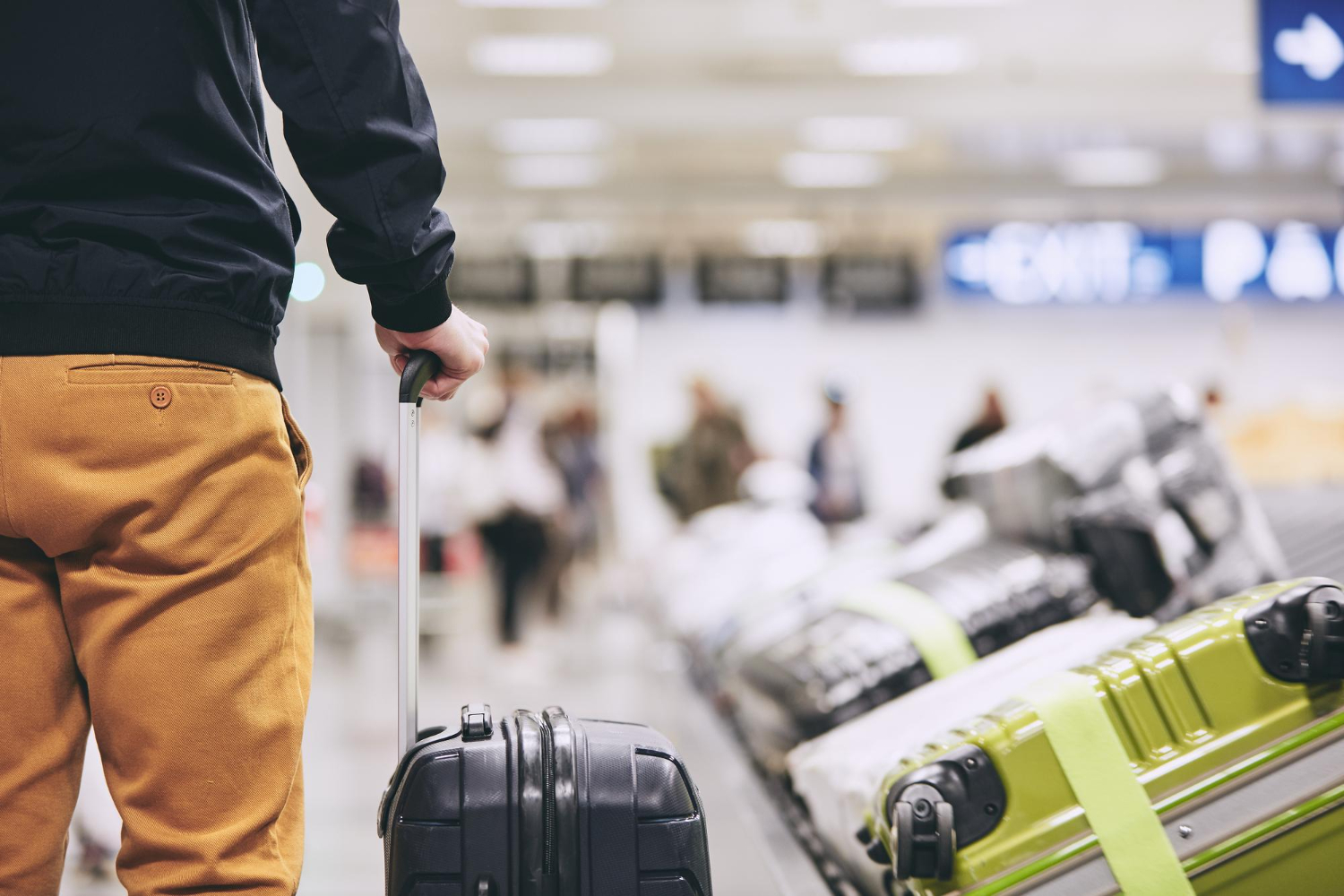
International customs officers process millions of travelers annually at borders, airports, and various other entry points. The cumulative inspections aren’t random — officers operate through specific behavioral profiling, risk indicators, and item-based screening criteria that determine which luggage receives additional examination. Understanding what customs actually looks for helps travelers prepare appropriately — and avoid the specific actions that trigger additional scrutiny. Here’s what’s actually happening at customs checkpoints beyond the surface security messaging.
The international customs system represents specific intersection of border security, trade regulation, public health protection, and various other governmental functions. Customs officers operate substantially more complex screening than just looking for obvious contraband. Various specific behavioral indicators, item categories, declaration patterns, and various other factors substantially determine which travelers receive additional examination. Understanding these realities helps travelers navigate international travel more effectively while avoiding common mistakes that produce unnecessary complications.
The Behavioral Profiling Reality

Customs officers receive substantial training in behavioral observation that affects screening decisions. Specific behavioral indicators that trigger additional scrutiny include: substantial nervousness disproportionate to the situation, avoiding eye contact with officers, providing inconsistent responses to questions, expressing unusual interest in specific officer activities, attempting to position oneself behind other travelers in lines, and various other specific behaviors. The cumulative behavioral profiling supplements item-based screening with substantial additional information about which travelers warrant additional examination.
The cumulative behavioral observation isn’t always accurate — various legitimate travelers face additional screening based on behavioral indicators that don’t actually indicate problems. Various studies have questioned whether specific behavioral indicators reliably distinguish actual smugglers or criminals from various other causes of unusual behavior. Most legitimate travelers experience normal screening regardless of behavioral patterns. But travelers who appear specifically calm, cooperative, and prepared typically experience smoother screening than those who appear nervous or evasive. The cumulative pattern affects screening outcomes substantially.
The Specific Items That Trigger Scrutiny
Various specific item categories routinely trigger customs scrutiny. Substantial currency amounts (over $10,000 for U.S. entry/exit must be declared — exceeding without declaration produces substantial penalties). Substantial food items (various specific food categories prohibited or restricted depending on destination country). Plant materials (essentially universally restricted to prevent introduction of agricultural pests). Animal products (essentially universally restricted for similar reasons). Pharmaceuticals (various restrictions vary by country and substance). Cultural artifacts (substantial restrictions on antiquities export and import). Substantial alcohol or tobacco amounts (exceeding duty-free limits requires declaration).
The cumulative restricted categories vary substantially by country. United States customs prohibits specific items that other countries permit; various other countries prohibit items that U.S. customs permits. International travelers must research specific destination country restrictions rather than relying on general assumptions. Various specific items routinely produce unexpected customs complications because travelers didn’t realize they were restricted. Specific country customs websites typically provide detailed information about prohibited items that travelers should review before travel.
The Declaration Reality
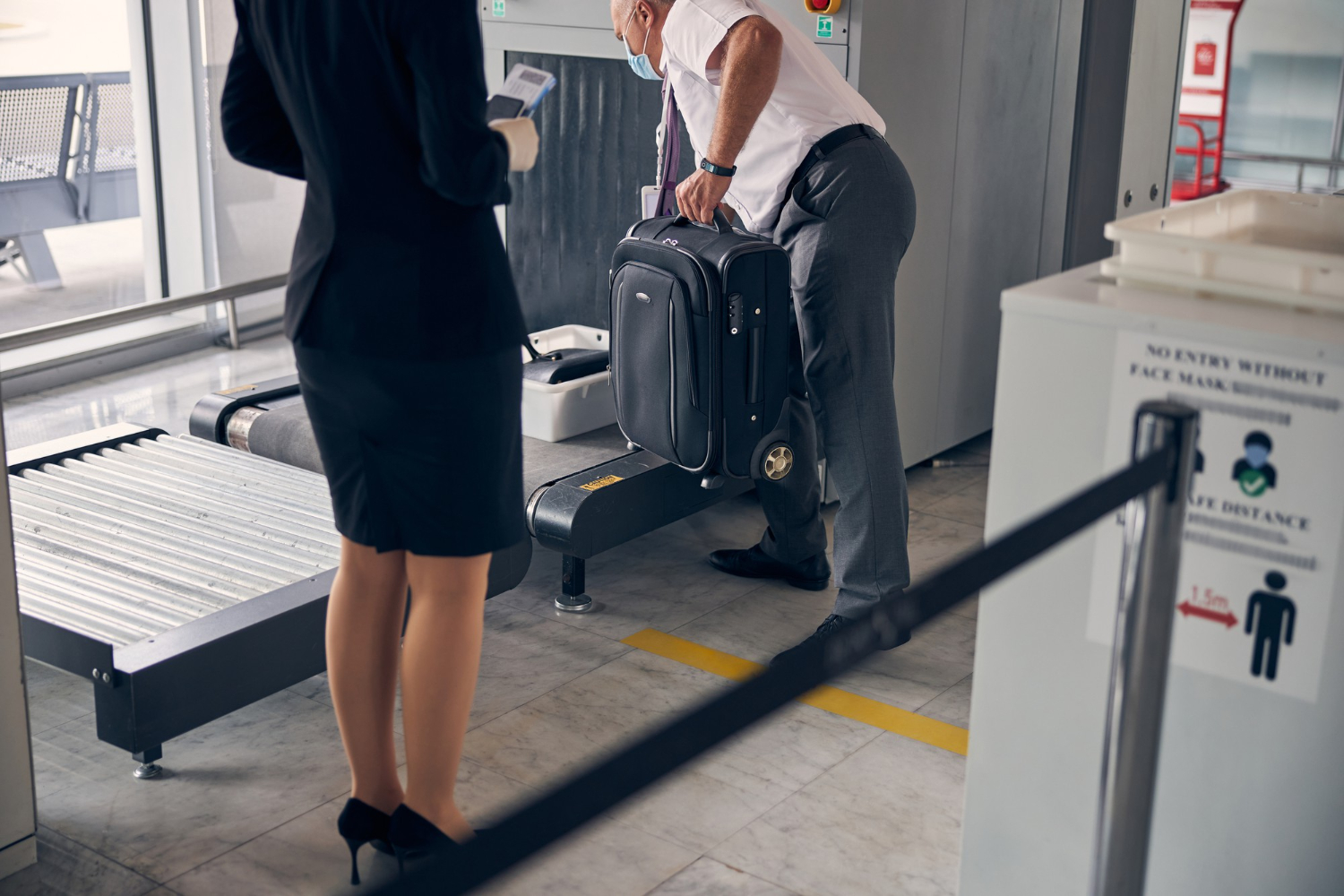
Customs declarations require honest reporting of various specific items and quantities. The declaration forms vary by country but typically include questions about food, plants, animals, currency amounts, gifts being brought, items purchased abroad, business items, and various other categories. The cumulative declaration system depends on honest reporting — false declarations typically produce substantially more severe consequences than honest declarations of items requiring inspection.
The cumulative declaration honesty matters substantially. Customs officers can typically detect false declarations through various means — physical inspection, behavioral indicators, intelligence about specific travelers, various other techniques. Detected false declarations typically result in: substantial fines (often thousands of dollars), confiscation of undeclared items, potential criminal charges for substantial violations, ineligibility for trusted traveler programs, additional scrutiny on future travel, and various other specific consequences. Most travelers should specifically declare any uncertain items rather than risk false-declaration consequences.
The Risk Profiling
Beyond individual behavioral indicators, customs officers operate through substantial risk profiling that affects screening decisions. Specific risk factors include: country of origin or recent travel history, age and demographic factors, specific trip duration, ticket type and booking patterns, baggage characteristics, travel companion patterns, and various other factors. The cumulative risk profiling produces specific differential screening rates across various traveler categories.
The cumulative profiling has been substantially controversial. Various civil liberties organizations have argued that specific profiling produces discriminatory outcomes against various ethnic, religious, or national-origin groups. Various government responses have argued that profiling represents legitimate risk-based resource allocation. The cumulative debates continue across various countries. What’s clear: customs officers do use specific profiling factors that produce different screening rates for different traveler categories. Individual travelers typically can’t substantially affect these risk factors but can specifically prepare for additional screening when risk factors apply.
The Drug Detection Reality
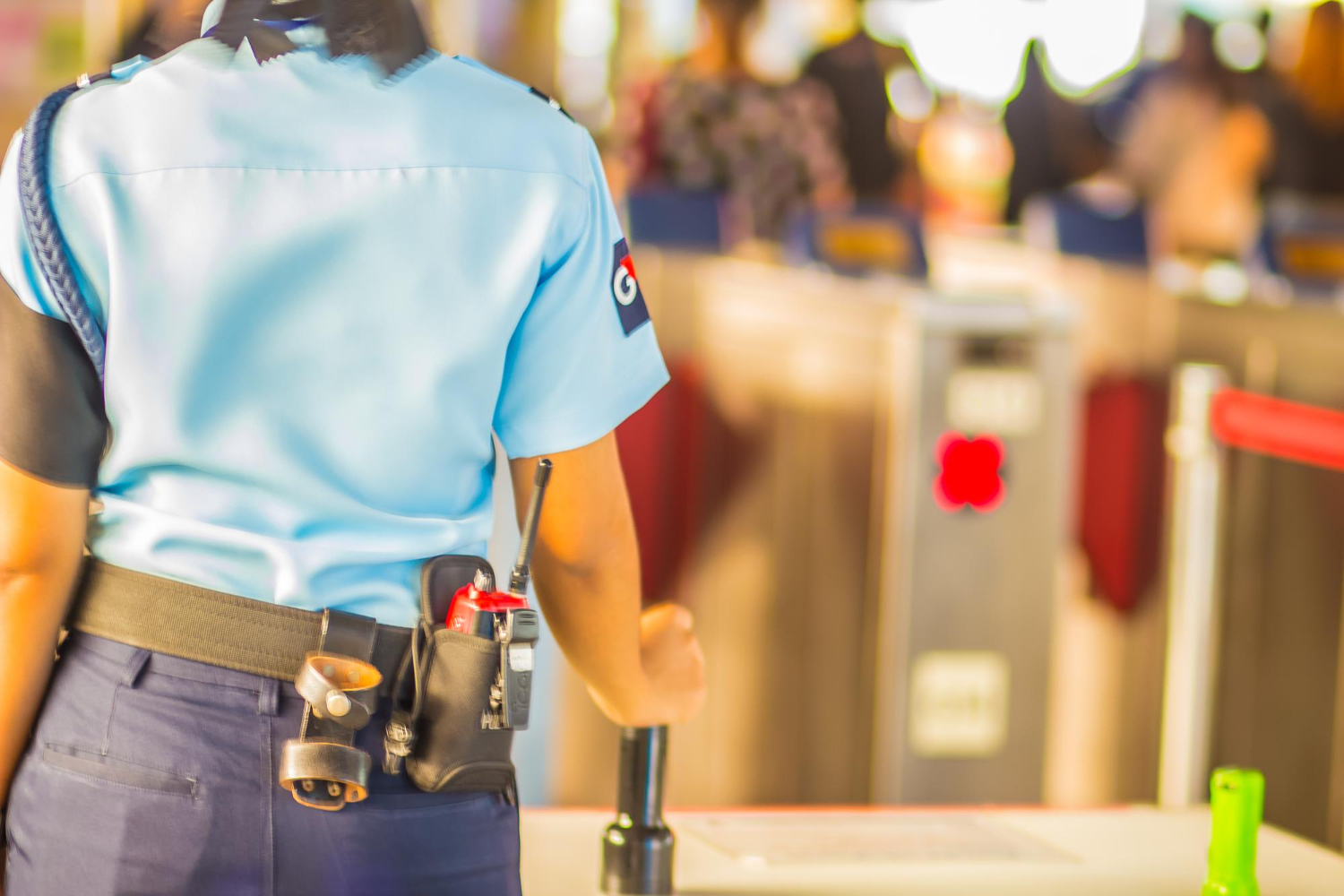
A specific customs function involves drug detection. Officers use various techniques including: trained detection dogs (substantially effective for specific drugs), X-ray and CT scanning equipment, chemical detection swabs that detect drug residue, manual inspection of specific items and packaging, and various other techniques. The cumulative detection capabilities are substantially extensive — international drug smuggling faces substantial detection risks despite continued substantial activity.
The cumulative drug detection affects general traveler experience in specific ways. Travelers with prescription medications should specifically carry original prescription containers and documentation when possible. Specific medications that are legal in origin countries may be controlled or prohibited in destination countries — travelers should specifically research destination requirements before traveling with substantial medication amounts. Various specific medications that are over-the-counter in some countries are prescription-only or prohibited in others. The cumulative situation requires substantial advance preparation for international travelers with specific medication needs.
The Counterfeit Goods Issue

A specific customs concern involves counterfeit goods. Substantial international counterfeiting affects various products — luxury goods, electronics, pharmaceuticals, and various other categories. The cumulative counterfeit trade produces substantial economic harm to legitimate manufacturers. Customs officers actively look for counterfeit goods in traveler baggage, particularly substantial quantities that suggest commercial rather than personal use.
Various international travelers purchase items in foreign countries that they don’t realize are counterfeit. The cumulative purchases may face confiscation at customs entry, with various consequences including substantial fines in some cases. Specific counterfeit categories that routinely produce customs problems include: luxury handbags and accessories (substantial counterfeit market), counterfeit electronics, counterfeit pharmaceuticals, counterfeit DVDs and software, and various other categories. Travelers should specifically purchase substantial-value items from legitimate sources rather than discount markets where counterfeit risk is substantial.
The Specific Food Restrictions

Customs food restrictions are substantial and vary significantly by country. Most countries prohibit: fresh meat products, fresh dairy products (specific exceptions), fresh fruits and vegetables, various seeds and plant materials, certain processed foods with restricted ingredients, and various other specific categories. The cumulative restrictions exist primarily to prevent introduction of agricultural pests and diseases that could devastate destination country agriculture.
The cumulative food restrictions catch many international travelers who don’t realize specific items are restricted. Travelers should generally not bring food items in luggage when crossing international borders. Various specific exceptions exist — commercially packaged shelf-stable items are typically permitted, various specific items have specific tolerances. But the general principle: declare any food items being carried, expect that fresh items will be confiscated, plan to acquire food at destination rather than transporting it. The cumulative approach substantially reduces customs complications related to food carrying.
What Travelers Should Actually Do

Practical guidance for managing customs effectively. Research specific destination country customs requirements before traveling. Declare all items truthfully on customs forms — false declarations produce substantially more consequences than honest declarations. Carry documentation for medications and any unusual items. Avoid purchasing items that might be considered counterfeit or restricted. Limit alcohol and tobacco to duty-free allowances unless prepared to pay duties. Don’t carry items for others without specifically knowing contents. Allow extra time at customs in case additional screening occurs.
The cumulative preparation substantially reduces customs complications. Various traveler problems at customs result from inadequate preparation rather than actual smuggling intent. Most legitimate travelers can navigate customs smoothly through specific preparation. Cumulative customs experience varies substantially by country — some customs operations are substantially efficient and traveler-friendly; others are slow and substantially formal. Travelers should specifically allow time for customs processing based on specific destination country patterns rather than assuming universal efficiency standards apply.
What This All Reveals About Customs
The customs system represents specific accumulated governmental response to various security, trade, public health, and economic concerns that affect international travel. The cumulative system isn’t designed to inconvenience legitimate travelers — but specific necessary functions do produce inconvenience as side effect. Various specific complaints about customs procedures reflect legitimate frustrations with implementation; various others reflect inadequate traveler preparation that produces avoidable problems. For travelers, the cumulative reality requires substantial advance preparation plus appropriate patience during processing. Most legitimate travelers experience routine customs without significant complications. The various specific complications that do occur typically reflect either substantial violations (smuggling attempts) or inadequate preparation (failed to research specific destination requirements). The cumulative system will continue evolving as international travel patterns, security concerns, trade relationships, and various other factors continue changing. Specific procedures will likely evolve substantially across coming decades — but the basic customs function (border-based screening of incoming travelers and items) will likely persist regardless of specific procedural changes. Travelers who maintain appropriate awareness of cumulative customs realities typically experience substantially smoother international travel than those who treat customs as unexpected obstacle rather than expected part of international travel logistics.
