Italy has approximately 350+ documented pasta shapes — substantially more variety than any other pasta tradition globally. The shapes aren’t random regional variations. Each pasta shape developed specifically to match local cuisine, available ingredients, regional sauces, and various other specific factors. The cumulative Italian pasta tradition reflects centuries of localized food culture development where specific pasta shapes specifically optimize for specific regional dishes. Walking through the actual reasoning reveals substantial complexity in what visitors often assume is just decorative variation across Italian cuisine.
The Italian pasta tradition represents one of the most documented and substantially distinctive food cultures globally. The cumulative 350+ documented pasta shapes aren’t random variations — they reflect specific regional optimization across approximately 500-700 years of pasta development. Each shape pairs specifically with specific sauces, cooking techniques, and regional culinary traditions. Walking through the actual reasoning reveals substantial complexity that mainstream Italian food appreciation rarely emphasizes despite its substantial significance to authentic Italian cuisine.
The Specific Sauce-Shape Pairing Logic
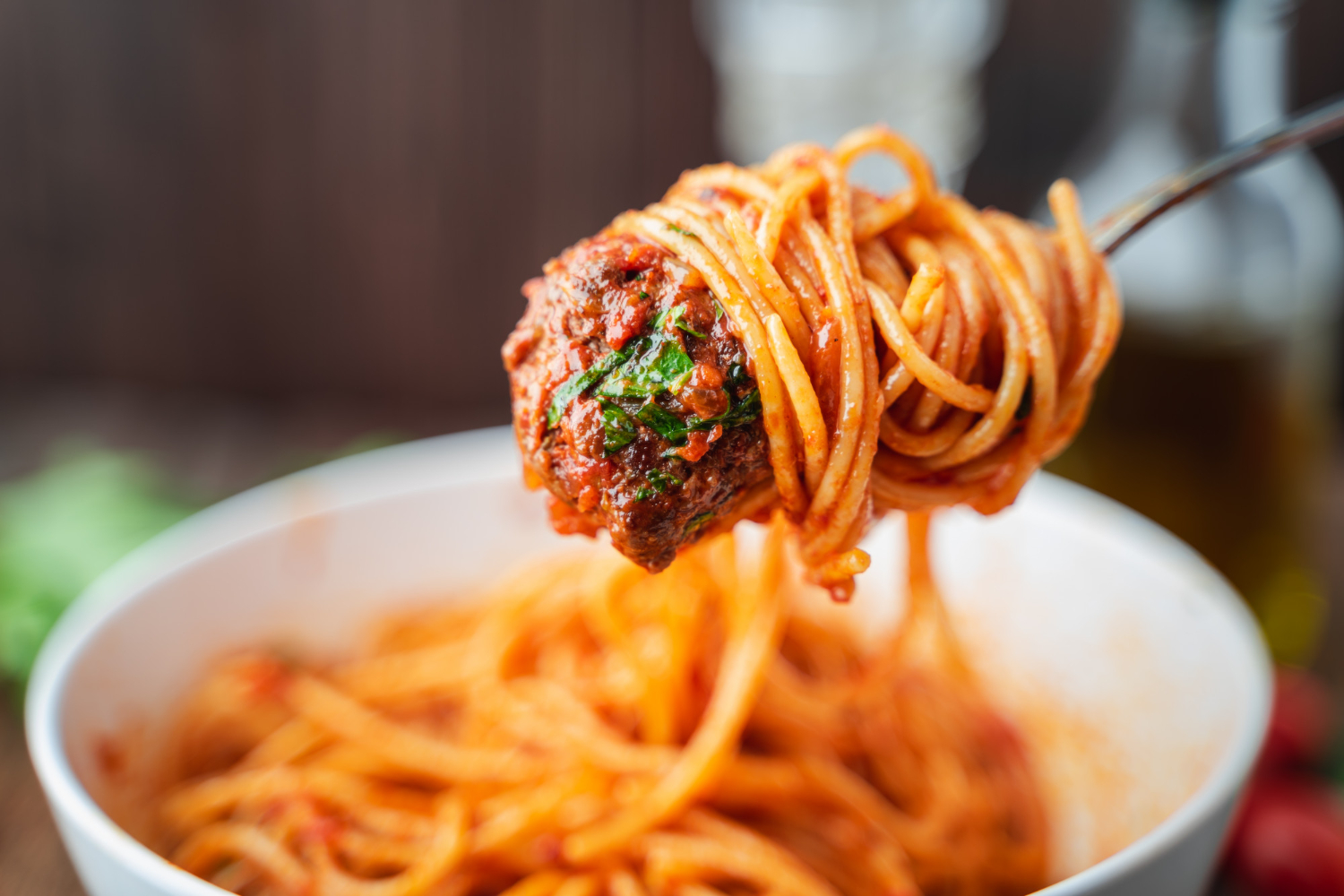
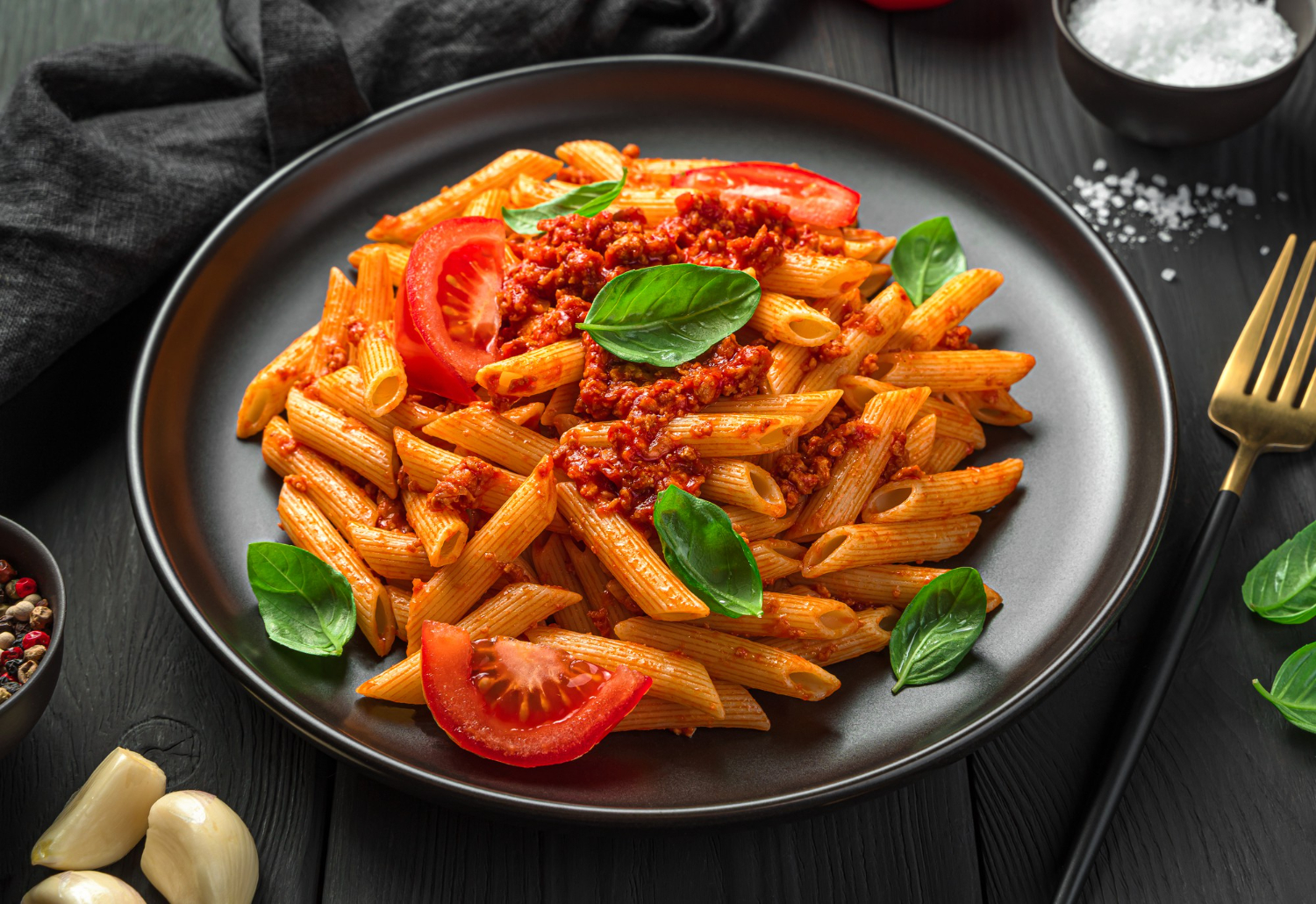
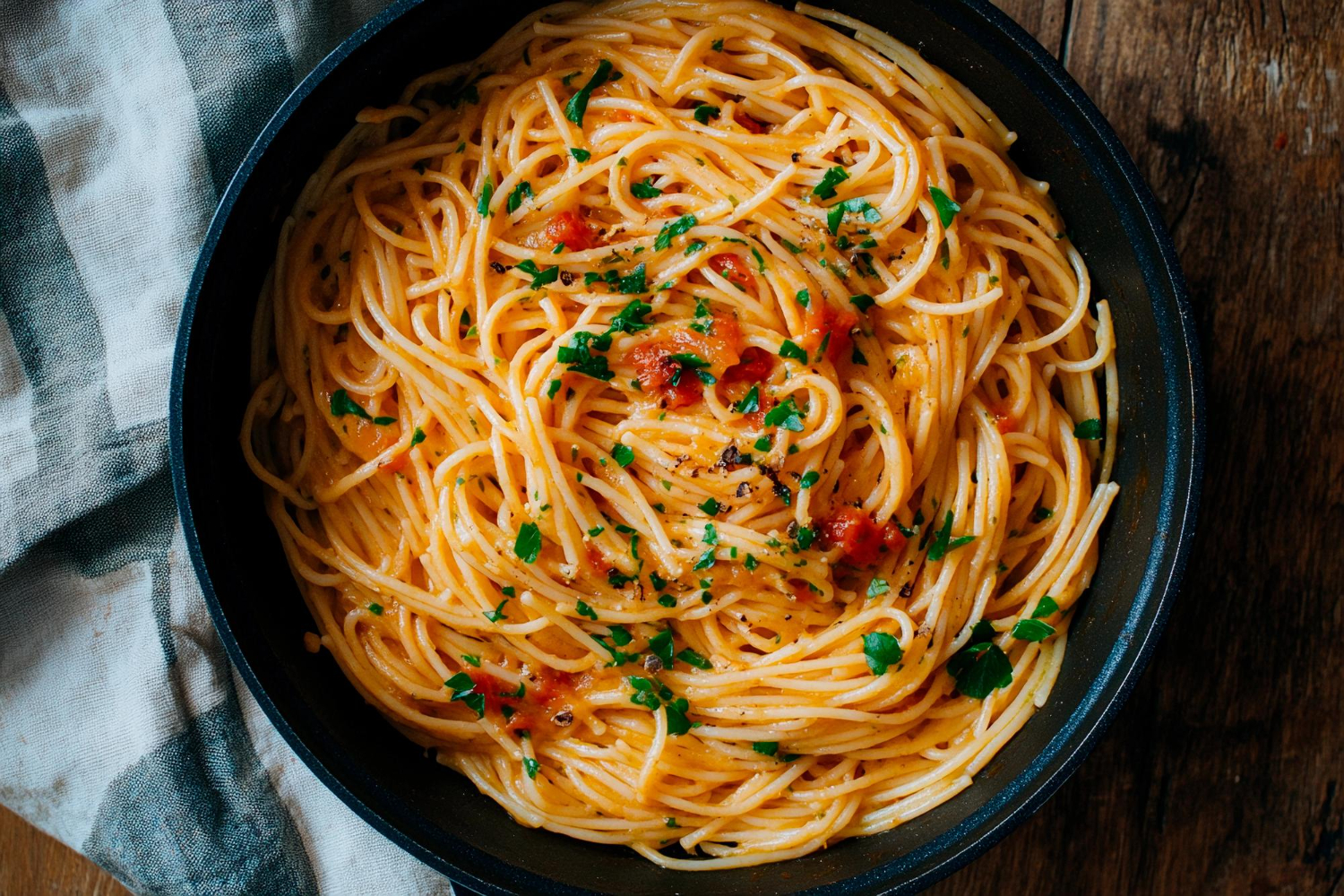
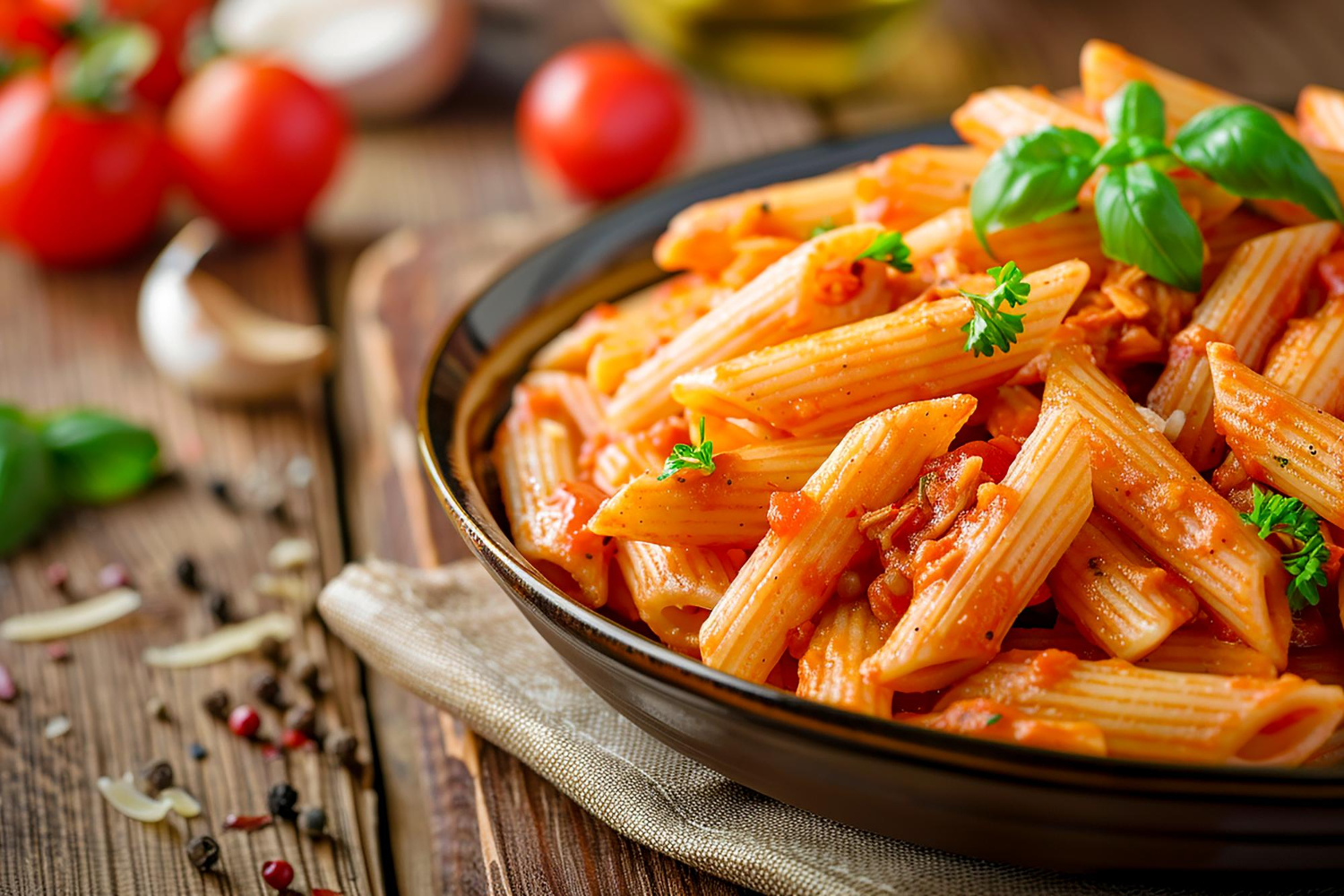
Italian pasta shape selection follows specific principles that determine which shapes work best with which sauces. Long thin pastas (spaghetti, linguine, angel hair) pair specifically with oil-based or light sauces that coat strands evenly. Short tubular pastas (penne, rigatoni, ziti) pair with thicker sauces that can fill the tubes. Ribbon pastas (fettuccine, tagliatelle, pappardelle) pair with substantial cream-based or meat sauces that adhere to broad ribbons. Specific small pastas (orzo, ditalini, pastina) work in soups where they integrate with broth.
The cumulative logic isn’t arbitrary — specific physics determine how sauces interact with specific pasta surfaces. Smooth pastas vs. ridged pastas hold sauces differently. Thin vs. thick pastas have different sauce-absorption characteristics. Various specific shape elements (curves, ridges, holes, twists) have specific functional purposes that affect cooking and eating experience. Italian cooks understand these relationships intuitively from cumulative cultural knowledge developed across generations. The cumulative knowledge guides specific shape choices that mainstream international cooking often ignores.
The Northern Italian Tradition
Northern Italian pasta tradition substantially differs from southern Italian patterns. Northern regions (Piedmont, Lombardy, Veneto, Emilia-Romagna, various others) typically feature fresh pasta made with eggs and substantial wheat flour. The cumulative ingredient choice reflects northern agricultural reality — substantial dairy production supports egg-rich pasta, and northern climate supports soft wheat varieties that work with fresh pasta methods.
Specific northern shapes include: tagliatelle (broad ribbons typical of Emilia-Romagna), tortellini (small filled rings from Bologna tradition), agnolotti (filled pasta from Piedmont), pappardelle (broad ribbons across various northern regions), various other specific shapes. The cumulative northern pasta tradition pairs specifically with northern sauces — meat-heavy ragù, butter and sage, cream-based preparations, and various other specifically northern Italian preparations. The cumulative regional combination produces distinctively northern Italian cuisine that southern Italian pasta traditions don’t replicate.
The Southern Italian Tradition
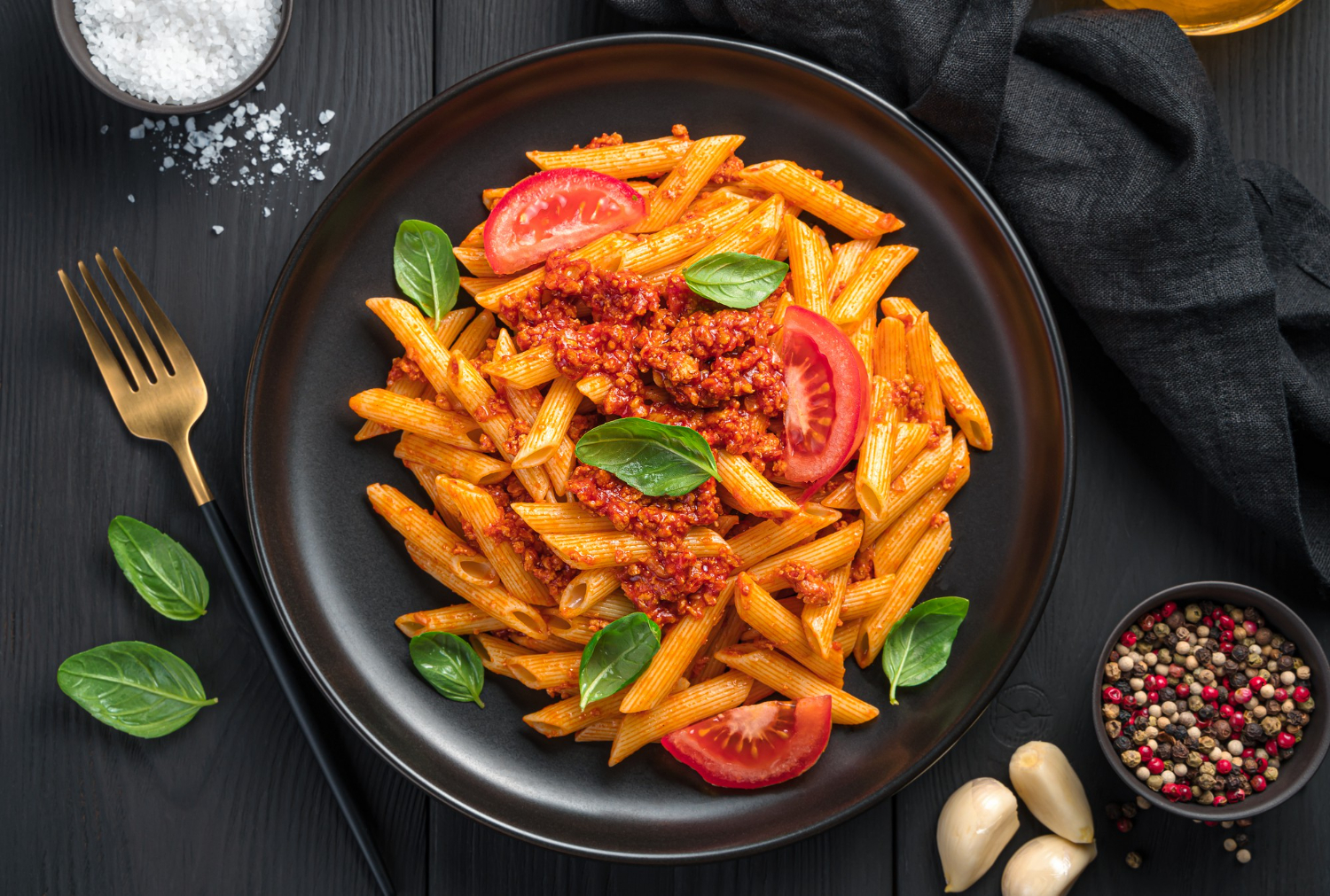
Southern Italian pasta tradition reflects substantially different cultural and agricultural conditions. Southern regions (Campania, Apulia, Sicily, Calabria, various others) typically feature dried pasta made primarily from durum wheat semolina without eggs. The cumulative ingredient choice reflects southern agricultural reality — durum wheat thrives in southern Mediterranean climate, and dried pasta storage works better in warmer climates where fresh pasta wouldn’t keep adequately.
Specific southern shapes include: spaghetti (originally Neapolitan), penne (various southern regions), rigatoni (various southern regions), orecchiette (“little ears” specifically from Apulia), bucatini (hollow long pasta from Lazio/southern central regions), various other specific shapes. The cumulative southern pasta tradition pairs specifically with southern sauces — tomato-based preparations, seafood sauces, vegetable preparations, and various other specifically southern Italian preparations. The cumulative regional combination produces distinctively southern Italian cuisine that northern Italian pasta traditions don’t typically include.
The Apulia Orecchiette Tradition
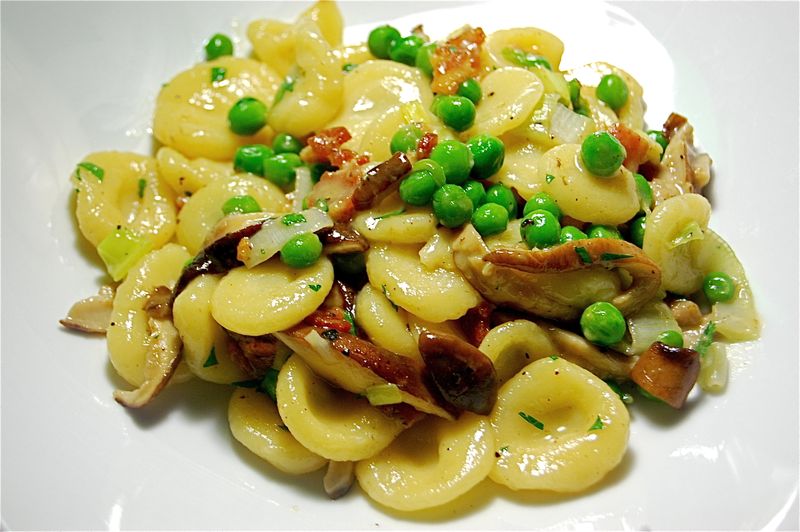
A specific example of regional pasta tradition involves Apulia (Puglia in Italian) and its iconic orecchiette. The “little ears” pasta shape is essentially specific to Apulian regional cuisine — made through specific hand-forming technique that produces distinctive cupped shape. Local women in various Apulian towns (most famously Bari Vecchia neighborhood) traditionally make orecchiette by hand on home doorsteps, with substantial commercial production also occurring through various local producers.
The orecchiette shape specifically pairs with Apulian regional preparations — most famously “orecchiette con cime di rapa” (with broccoli rabe), but also various other specific regional dishes. The cumulative pairing reflects specific functional logic — the cupped shape captures the broccoli rabe leaves and sauce elements effectively. Various international restaurants attempting orecchiette preparations often miss the specific Apulian preparation methods that make the dish authentically work. The cumulative regional tradition continues despite various commercialization pressures because specific Apulian families maintain traditional production methods.
The Bologna Tortellini Tradition
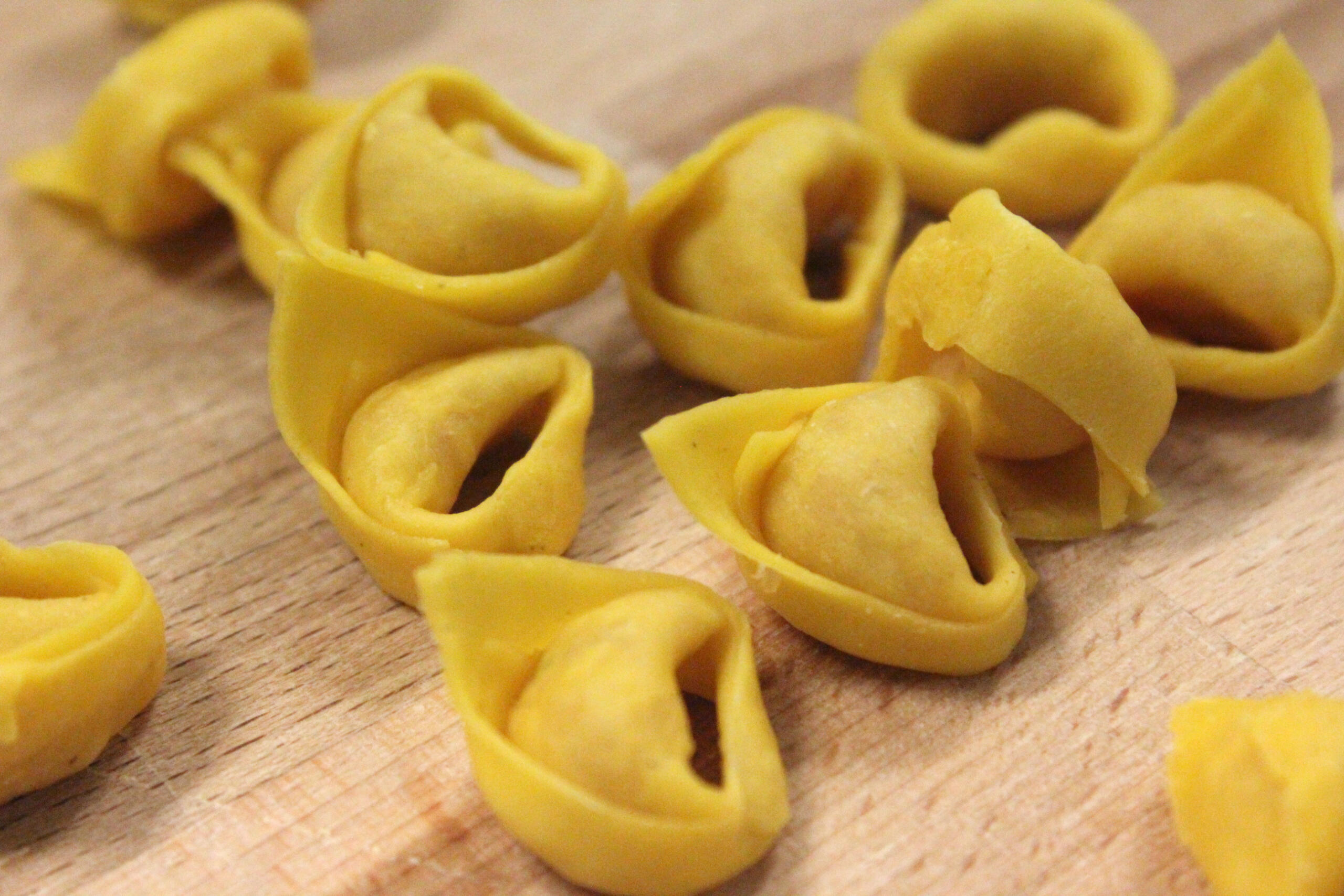
Bologna’s tortellini tradition represents another specific regional example. The tiny filled pasta rings have substantial mythology — local legend involves a Bolognese innkeeper creating the shape inspired by glimpsing Venus’s navel through a keyhole. The cumulative legend explains the shape’s resemblance to navel/ring form. Whether or not the legend is historically accurate, tortellini have been documented as Bolognese tradition for centuries.
The specific tortellini preparation involves substantial labor. Pasta dough is rolled extremely thin, cut into small squares, filled with specific meat-based filling (typically prosciutto, mortadella, pork loin, Parmesan cheese, eggs, and various spices), then folded into the distinctive ring shape. The cumulative production is substantially time-intensive. Tortellini are traditionally served in capon broth — specific consommé that complements the rich filling. Various restaurants in Bologna serve traditional tortellini in capon broth using methods essentially unchanged for centuries.
The Sicilian Pasta Specificities
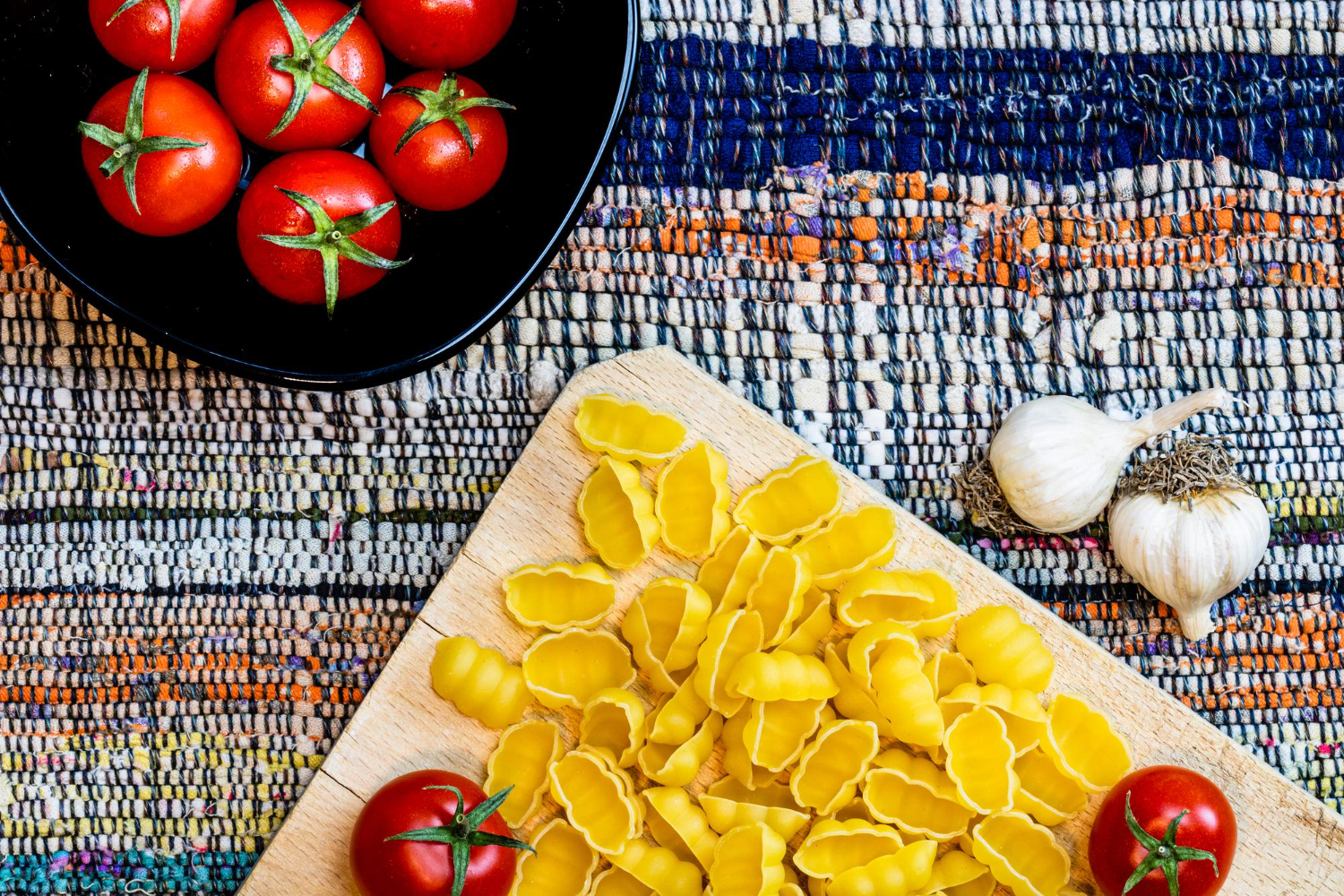
Sicily has developed substantial specific pasta tradition that reflects the island’s complex cultural history. Sicilian pasta traditions incorporate influences from Greek, Arab, Norman, Spanish, and various other historical occupations of the island. The cumulative cultural mixing produced specific pasta dishes substantially different from mainland Italian patterns.
Specific Sicilian pasta preparations include: pasta alla Norma (with eggplant, tomato, ricotta salata cheese — substantial Catania tradition), pasta con le sarde (with sardines and wild fennel — reflects Arab influence), pasta alla Trapanese (with raw tomato sauce — substantial Trapani tradition), and various other specific dishes. The cumulative Sicilian pasta tradition incorporates ingredients (sardines, eggplant, capers, various Mediterranean seafood) that northern Italian traditions don’t typically emphasize. The cumulative regional distinctiveness reflects Sicily’s specific cultural and agricultural reality.
The Roman Tradition Specifically

Rome and the broader Lazio region have substantial specific pasta tradition with several famous preparations. Carbonara (egg, guanciale, pecorino cheese, black pepper — substantially modern Roman dish dating to mid-20th century rather than ancient tradition). Cacio e pepe (cheese and pepper — substantially ancient Roman preparation). Amatriciana (tomato, guanciale, pecorino — originated in nearby Amatrice town). Gricia (essentially Amatriciana without tomato). The cumulative “quattro grandi” (four great) Roman pasta dishes use substantially similar ingredient base with specific variations.
The cumulative Roman pasta tradition specifically pairs preparations with specific pasta shapes. Bucatini (long hollow pasta) traditionally pairs with Amatriciana. Tonnarelli or spaghetti work with cacio e pepe. Rigatoni typically pairs with carbonara. Various specific pairings reflect cumulative Roman culinary tradition. International restaurants frequently substitute pasta shapes in ways that authentic Roman cooks would consider substantially incorrect. The cumulative shape-preparation specificity matters for authentic Roman cuisine.
The Genoese Pesto Tradition
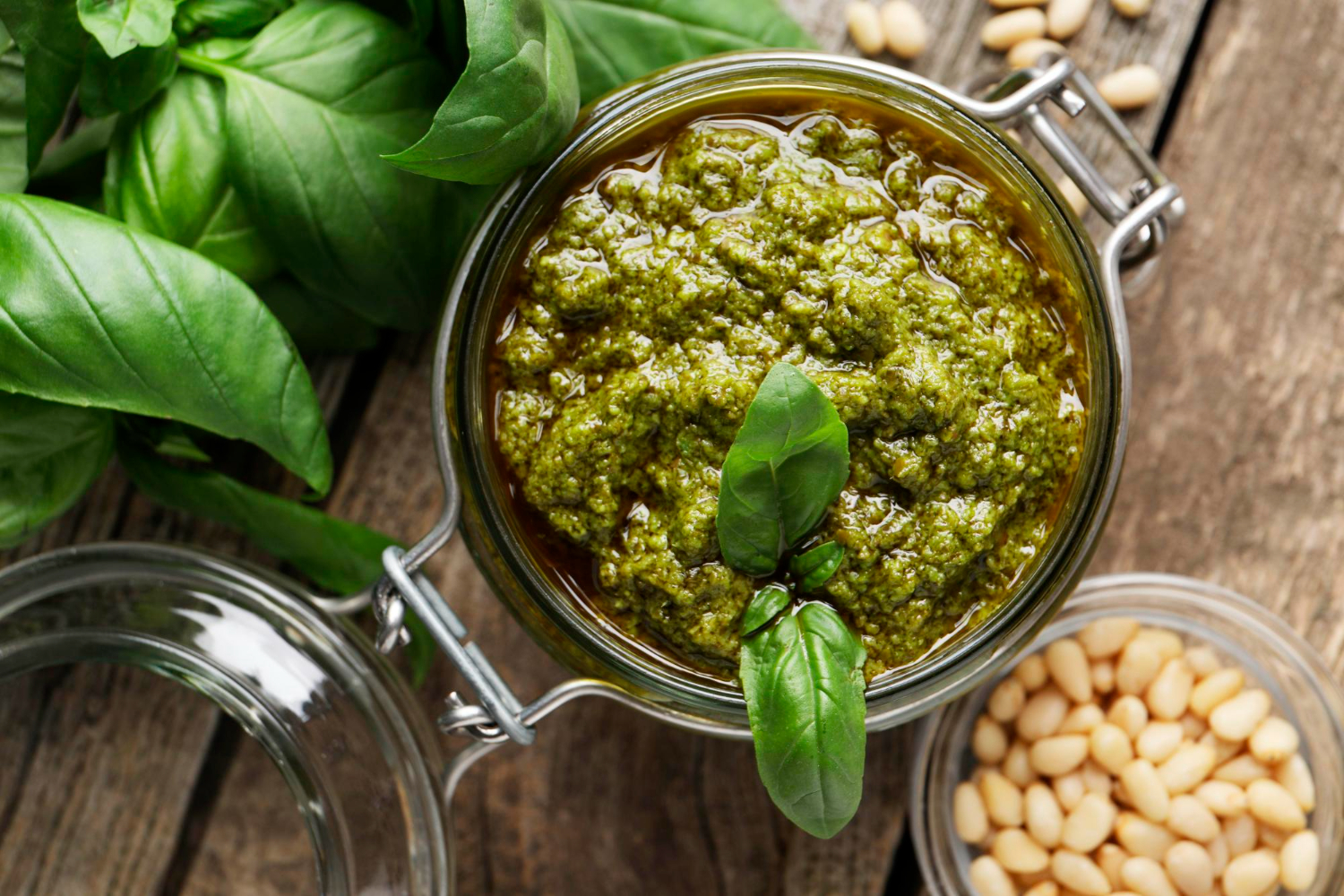
Genoa and the broader Liguria region have developed substantial specific pasta tradition centered on pesto (basil, pine nuts, garlic, Parmesan, olive oil sauce). The cumulative pesto preparation specifically pairs with several specific pasta shapes. Trofie (small twisted pasta from Liguria) is the traditional pesto pasta. Trenette (long flat pasta) works as alternative. Linguine sometimes substitutes. Each pairing reflects specific historical preference for shapes that adhere appropriately to the pesto’s specific characteristics.
The cumulative Genoese tradition often pairs pesto pasta with potatoes and green beans — substantial regional preparation that international versions typically omit. The cumulative addition reflects Genoese agricultural reality and specific cultural development. Various international pesto preparations focus only on pasta plus sauce while authentic Ligurian preparations include the potato and bean elements. The cumulative regional authenticity matters for understanding what Ligurian pasta tradition actually represents beyond just the sauce ingredients themselves.
The Stuffed Pasta Variations
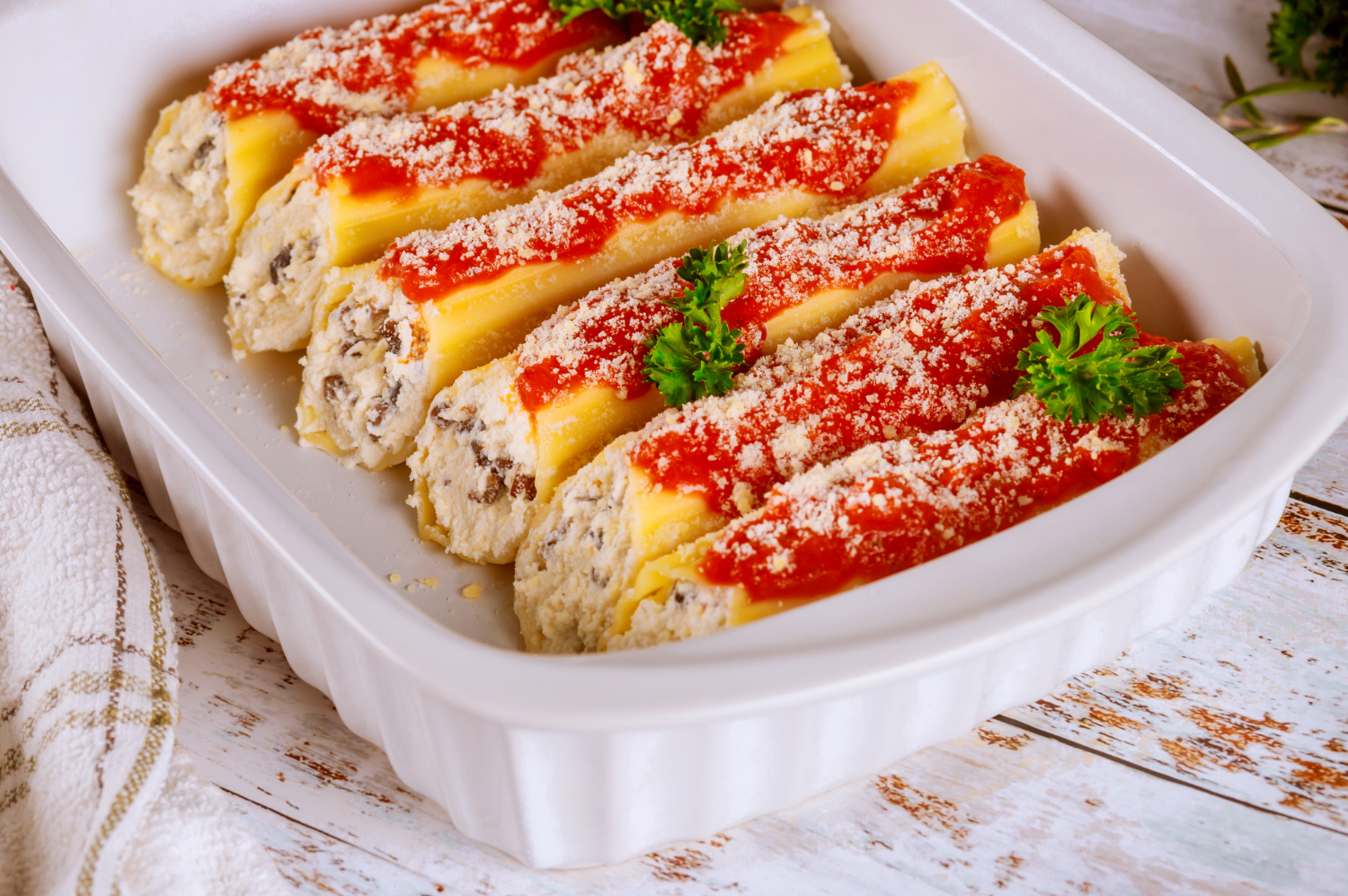
Beyond filled pastas like tortellini, Italian regional traditions include various specific stuffed pasta varieties. Ravioli appears in essentially every Italian region with substantially different specific characteristics. Northern ravioli typically feature meat fillings. Central Italian ravioli often feature ricotta and spinach. Southern variations include various specific regional fillings. The cumulative ravioli variety reflects how essentially every Italian region adapted the basic stuffed pasta concept to specific local ingredients and preferences.
Various other specific stuffed pasta forms include: agnolotti (Piedmont, typically meat-filled), cappelletti (Romagna, similar to tortellini), mezzelune (half-moon shapes from various regions), pansoti (Liguria, typically herb-filled), various others. The cumulative regional diversity in stuffed pasta substantially exceeds what international Italian restaurants typically include. Each specific form pairs with specific traditional preparations that international restaurants often homogenize into generic ravioli treatment.
What This Pasta Diversity Actually Reveals
The Italian pasta tradition represents specific aspect of how regional culinary cultures develop optimization over generations. Italy’s unification in 1861 occurred relatively recently in historical terms — the modern Italian nation contains substantial cultural diversity that developed during centuries of regional separation. The cumulative regional pasta traditions reflect this pre-unification diversity rather than national-level standardization. Each region developed pasta optimized for local agricultural conditions, available ingredients, climatic factors, cultural preferences, and various other specifically regional factors.
For travelers interested in authentic Italian cuisine, the cumulative regional pasta diversity provides substantial opportunity to experience genuinely different food traditions across various Italian regions. Visiting Italy without exploring regional pasta diversity provides substantially incomplete Italian food experience. The cumulative differences between Bolognese tortellini and Sicilian pasta alla Norma and Apulian orecchiette and Genoese pesto trofie represent substantially different culinary traditions despite their shared “Italian pasta” classification. Mainstream international “Italian” restaurants typically homogenize this diversity into substantially simplified menus that don’t reflect authentic regional traditions. Visitors specifically seeking authentic experience should research regional pasta traditions before traveling to specific Italian regions, and seek out restaurants that maintain authentic traditional preparations rather than tourist-oriented homogenized versions. The cumulative authentic experience substantially differs from what mainstream international Italian cuisine typically provides.