Italian coffee culture operates through specific unwritten rules that mainstream international tourists routinely violate without realizing. The cappuccino-after-noon rule. The standing-at-the-bar pricing structure. The specific times for specific drinks. The single shot of espresso called “un caffè” rather than “espresso.” Various other elements that Italian baristas notice immediately. Understanding what Italians actually order — and when, and how — reveals substantial coffee culture depth that mainstream international Italian restaurants substantially abbreviate.
Italian coffee culture represents one of the most documented food traditions globally, with specific rules that essentially every Italian follows automatically but that mainstream international visitors substantially fail to understand. Walking into an Italian coffee bar without understanding the basic conventions immediately marks visitors as tourists — and produces interactions that differ substantially from authentic Italian coffee experience.
The “Un Caffè” Default

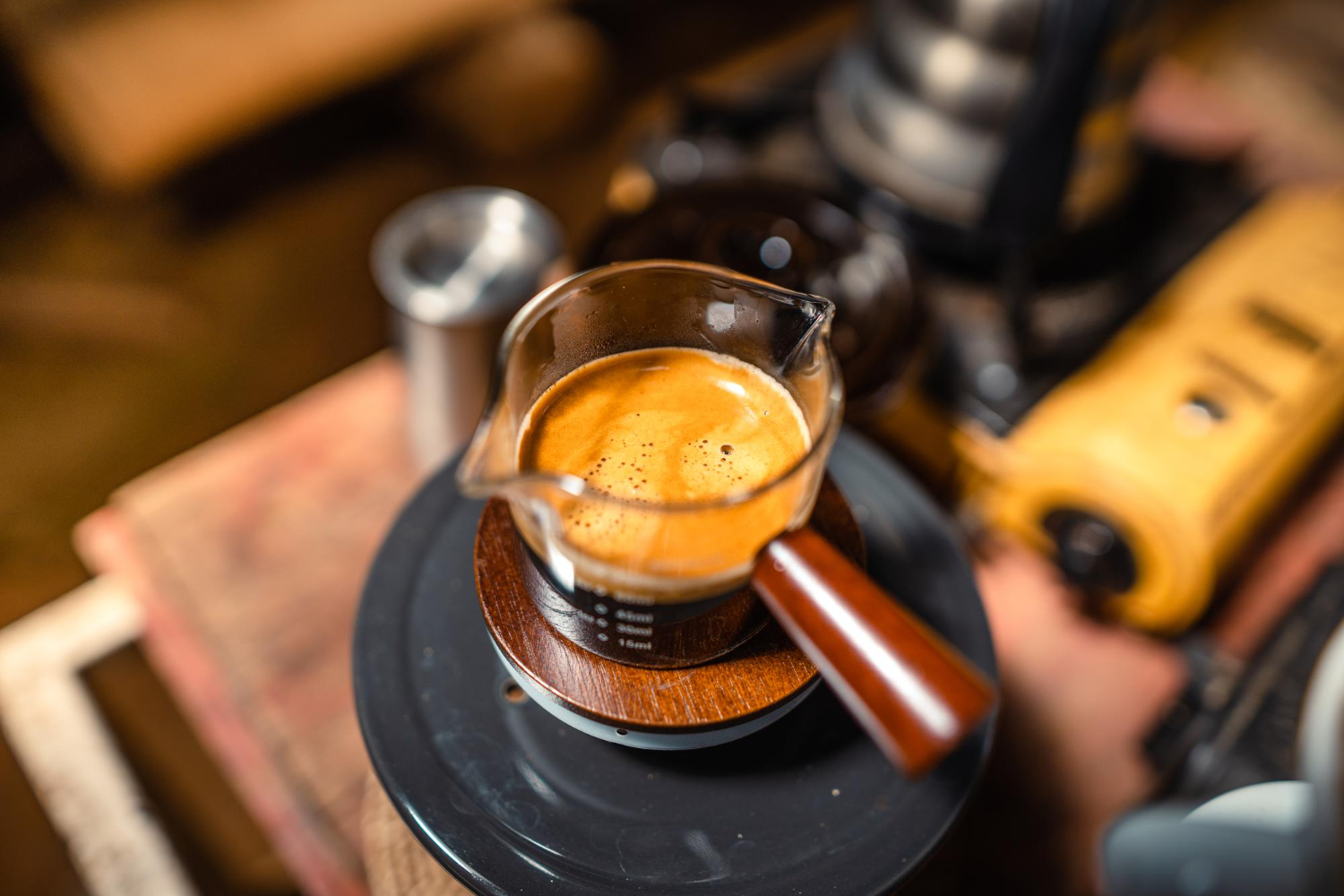
When Italians order coffee, they typically say “un caffè” — which means single shot of espresso. The word “espresso” itself isn’t typically used in Italian ordering despite international assumptions. Asking for “an espresso” works but immediately marks the speaker as foreign. The proper Italian default is “un caffè, per favore” — which the barista understands as standard single espresso shot.
This default reflects Italian coffee culture where espresso is the foundation. Various other drinks have specific names — cappuccino, macchiato, latte (which means “milk” in Italian, so ordering “a latte” actually requests a glass of milk rather than the milk-coffee drink Americans expect). Visitors specifically seeking authentic experience should learn the Italian terminology rather than using international substitutes that produce confusion or marked-tourist responses from baristas.
The Cappuccino-Before-Noon Rule
Italians strictly observe specific timing for milk-based coffee drinks. Cappuccino is morning drink only — typically consumed between approximately 7 AM and 11 AM. Ordering cappuccino after noon, particularly after meals, marks visitors as tourists immediately. The cultural reasoning involves Italian understanding of milk-based drinks as breakfast items that interfere with digestion when consumed after substantial meals.
Various Italians substantially maintain this rule across generations. Modern Italian coffee bars will serve cappuccino at any time but baristas recognize the timing pattern instantly. Visitors specifically seeking authentic experience should observe the cappuccino-before-noon convention. After lunch or dinner, espresso (un caffè) is the proper Italian default. Various Italians find international post-meal cappuccino orders genuinely surprising despite serving them without comment.
The Standing-vs-Sitting Pricing
Italian coffee bars typically maintain dual pricing structures based on consumption location. Standing at the bar (“al banco”): typical espresso costs €1.00-1.50. Sitting at table service (“al tavolo”): same drink costs €2.50-5.00 or more. The pricing differential reflects substantial service difference — standing service is essentially self-service at counter, while table service requires substantial additional staff time.
The pricing system catches international visitors who instinctively sit at tables without understanding the cost implications. Italians typically stand at the bar for quick coffee consumption, treating it as brief social pause rather than extended sitting. Sitting at tables is reserved for substantial social occasions, longer meetings, or specific situations where comfort matters more than efficiency. Visitors specifically seeking authentic experience should stand at the bar for typical coffee consumption while reserving table service for specific situations justifying the substantial price premium.
The Specific Order of Operations
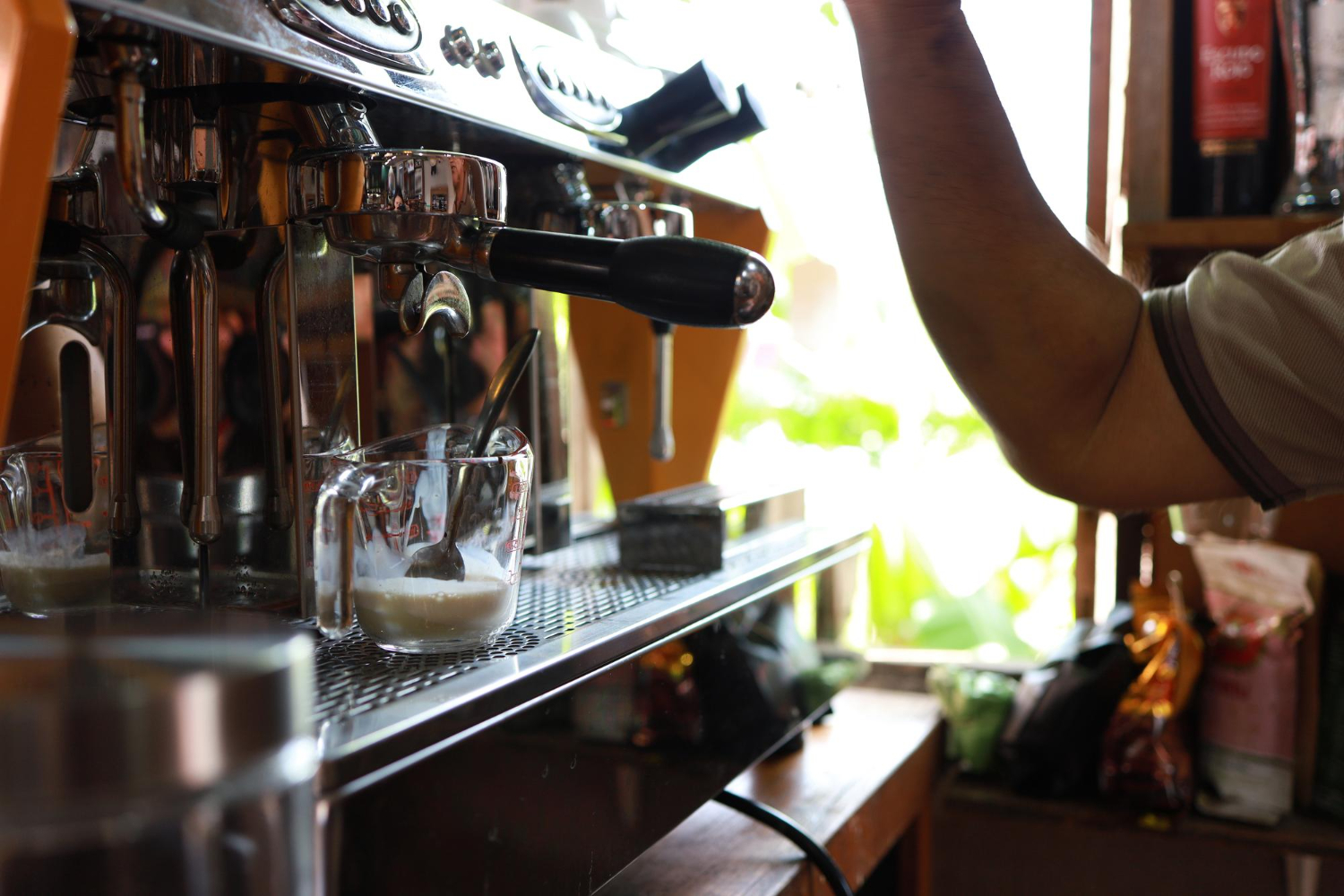
Italian coffee bars typically operate through specific ordering sequence that mainstream international cafés don’t replicate. The standard Italian pattern: pay first at cash register, receive receipt, present receipt at bar counter, baristas prepare drink, consume standing at bar, leave when finished. The cumulative system separates payment from service, allowing baristas to focus exclusively on preparation rather than handling money.
Various Italian coffee bars have modified this pattern in recent decades — some operations allow ordering and paying at the bar directly. But the traditional pattern continues at substantial portion of authentic Italian establishments. International visitors who don’t understand the pattern often stand confused at the bar counter while Italians efficiently move through the ordering sequence. Watching Italian customers operate provides substantial guidance for proper ordering procedure at specific establishments.
The Specific Drink Vocabulary
Italian coffee drinks have specific names that don’t translate directly to international café terminology. Caffè: single espresso shot (standard default). Caffè doppio: double espresso. Cappuccino: espresso with substantial steamed milk and milk foam. Caffè latte: espresso with substantial steamed milk (less foam than cappuccino). Macchiato: espresso “marked” with small amount of milk. Caffè marocchino: espresso with chocolate and milk foam. Caffè corretto: espresso “corrected” with addition of grappa or sambuca.
The specific vocabulary substantially exceeds what international café menus typically include. Various Italian drinks have no direct international equivalents. Visitors specifically seeking authentic experience should learn the Italian vocabulary rather than using international terminology that may produce different results than expected. Italian baristas typically don’t suggest international substitutions — they prepare whatever drink the Italian terminology actually requests.
The After-Meal Coffee Reality

Italians typically conclude substantial meals with espresso (un caffè) at the table or, more commonly, by walking to nearby coffee bar after restaurant meal. The post-meal coffee serves specific digestive function in Italian culinary tradition. The drink is consumed quickly rather than lingered over — typical post-meal espresso consumption takes 2-5 minutes total.
The post-meal coffee culture differs substantially from international café visiting patterns. Americans typically expect substantial extended café visits with substantial conversation and various beverages. Italians treat coffee bar visits as brief, efficient interactions punctuating other activities. The cultural difference affects various aspects of café operation — Italian coffee bars typically don’t feature substantial seating or atmosphere conducive to extended visits because they’re not designed for that purpose. Visitors expecting Starbucks-style café experience face substantial disappointment at authentic Italian operations.
The Pastry Pairing Tradition
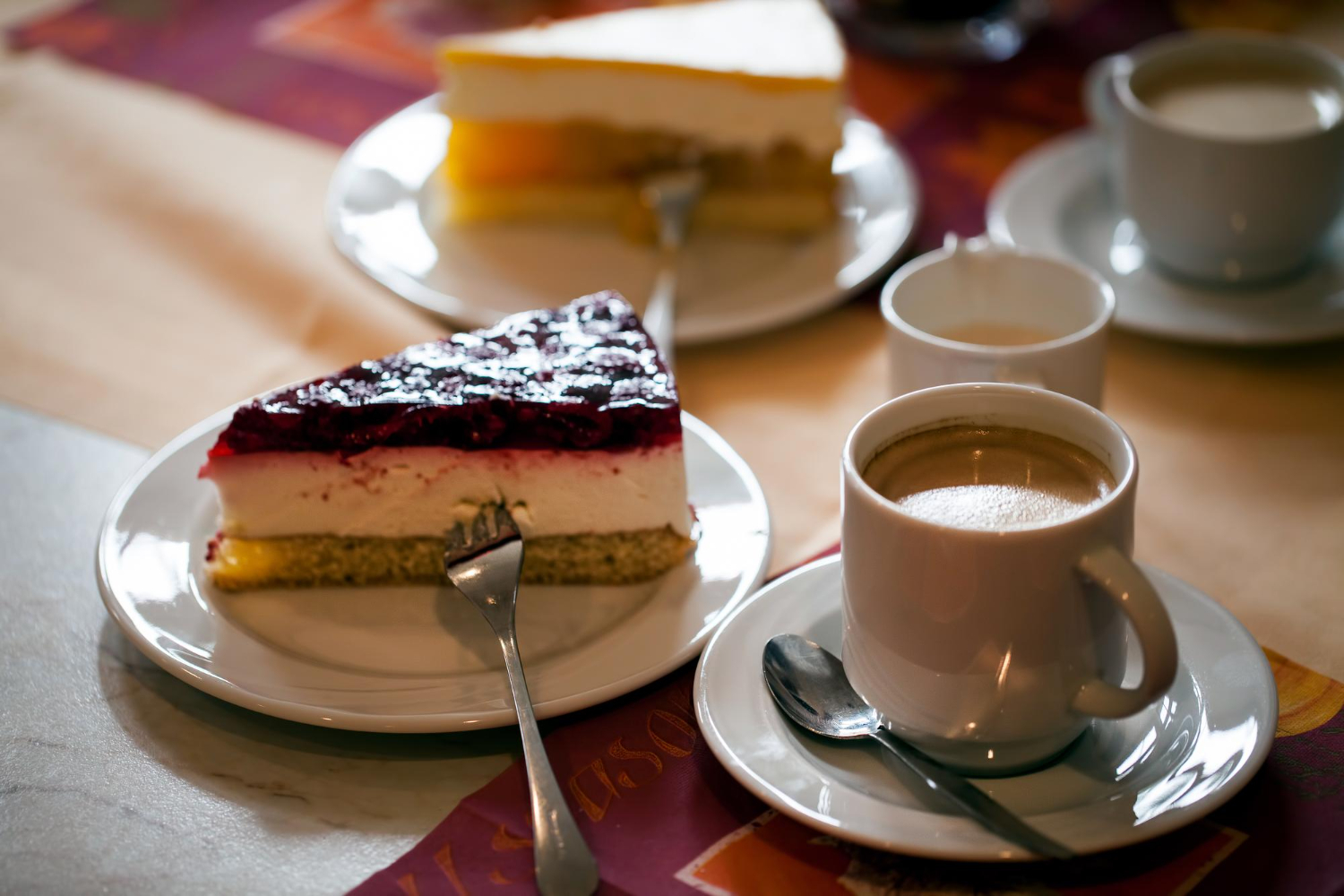
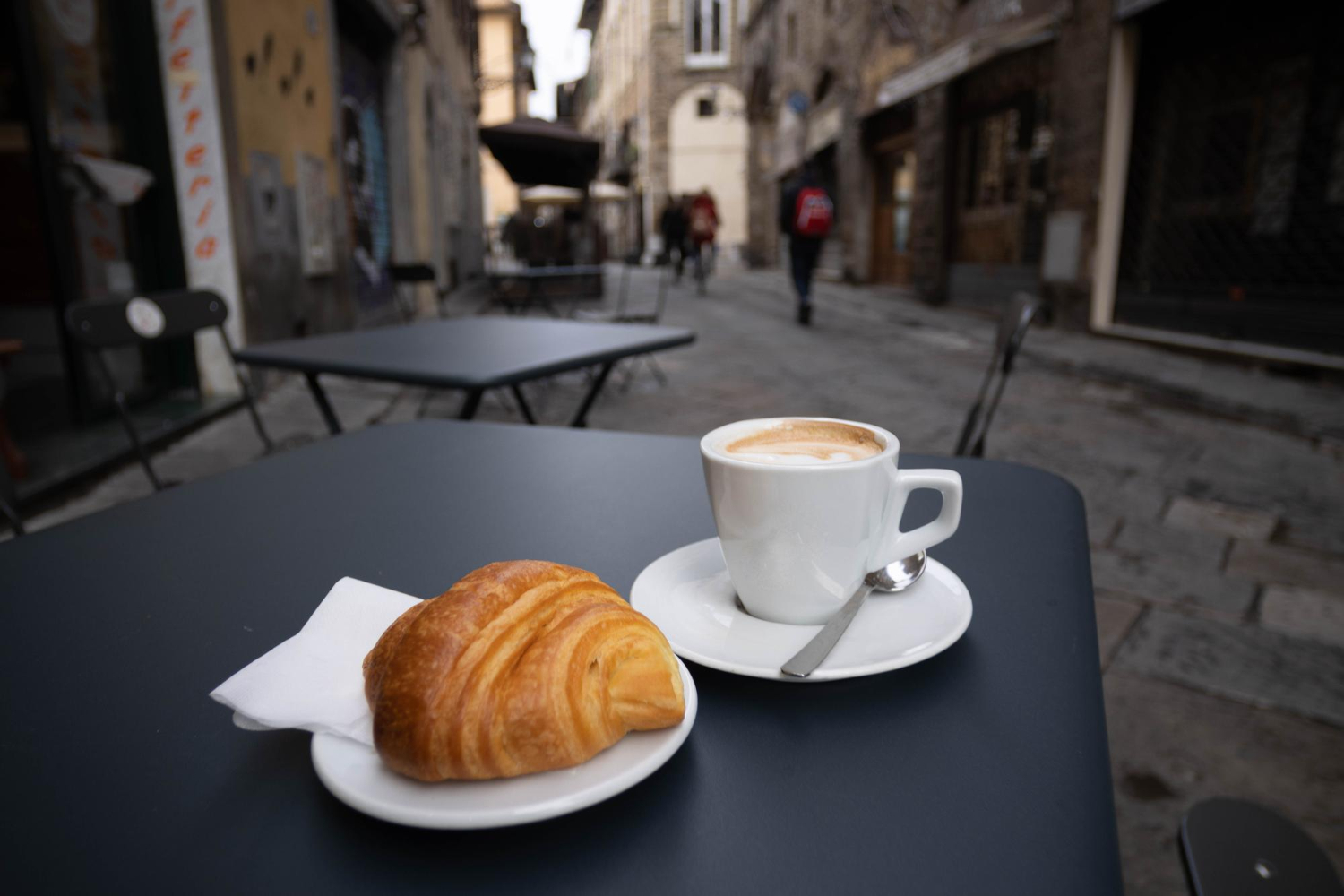
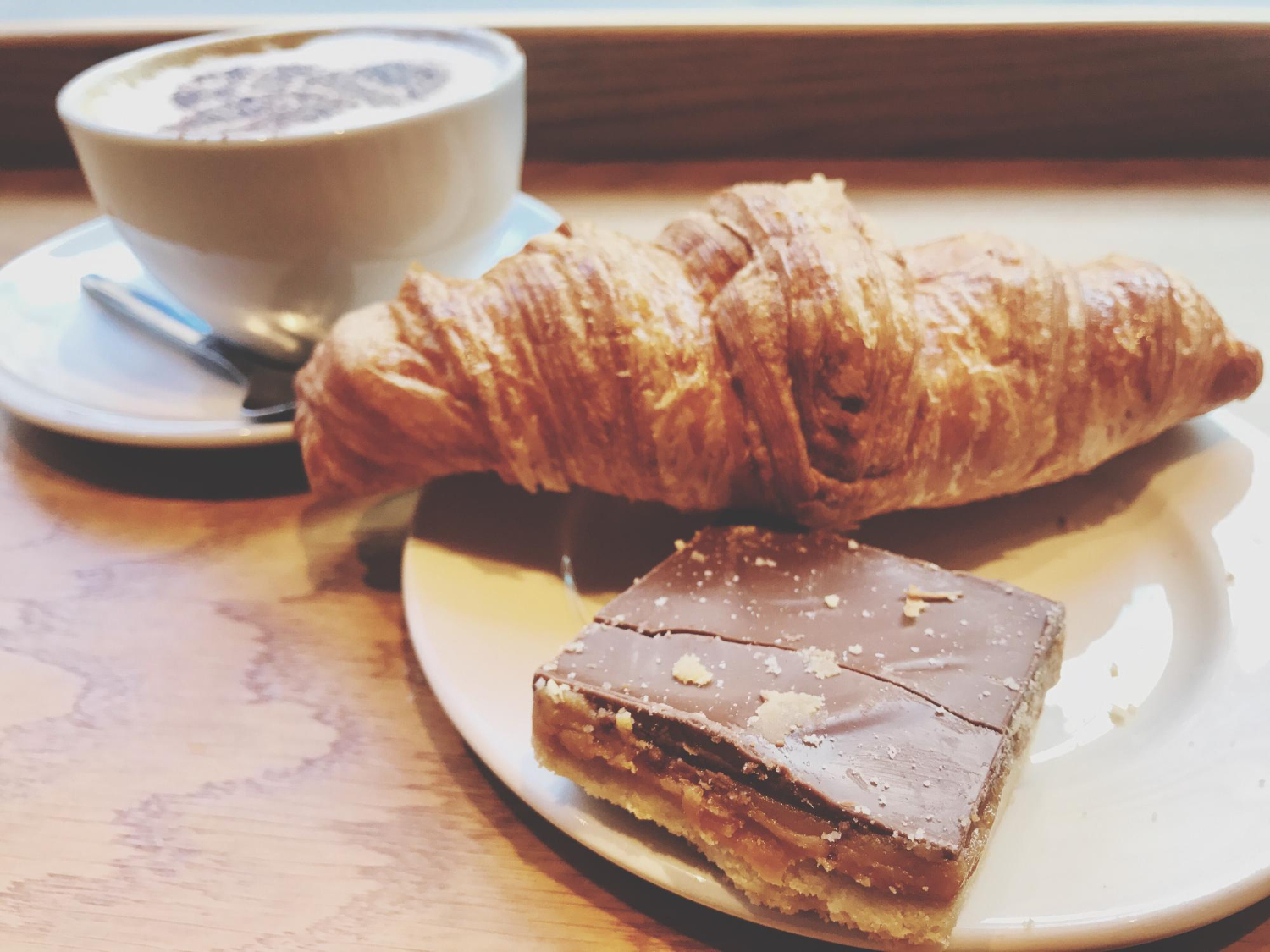
Morning Italian coffee bar visits typically include specific pastry pairings. Cornetto (Italian croissant) is the standard morning pairing — typically filled with crema (pastry cream), marmellata (jam), Nutella, or various other fillings. Various other pastries serve specific morning coffee occasions. The cumulative breakfast pattern (cappuccino plus cornetto) represents standard Italian morning routine for substantial portion of Italian population.
Various pastries appear at specific Italian regional bars reflecting substantial regional culinary traditions. Sicilian bars feature substantial granita and brioche combinations. Roman bars feature specific pastries with substantial local heritage. Various other regions have specific traditions. Mainstream international Italian café concepts substantially simplify this regional diversity into generic offerings that don’t reflect authentic regional Italian variations.
The Tipping Reality
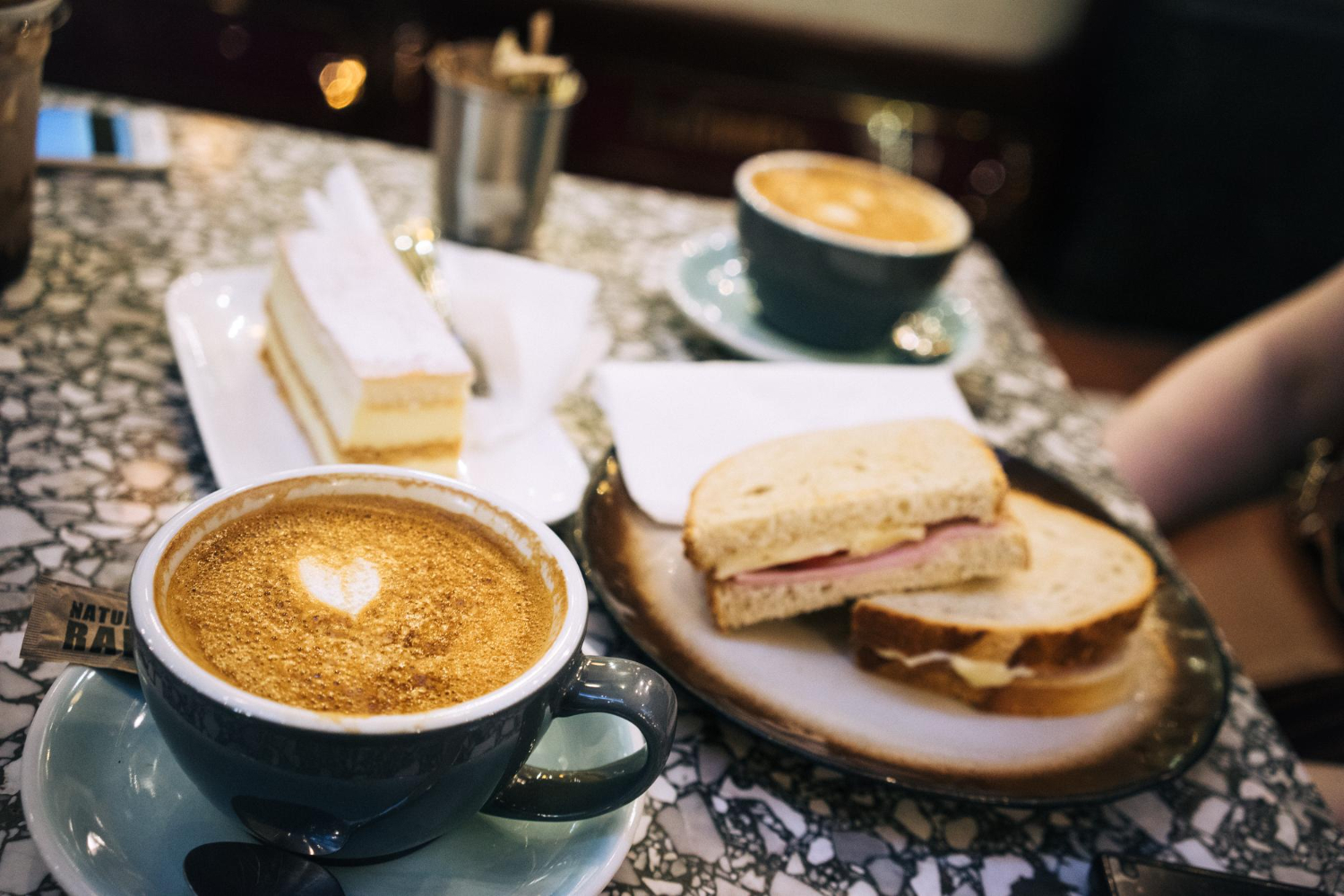
Italian coffee bars don’t typically expect tips. The pricing structure includes service in the standard cost. Various international tourists substantially over-tip Italian baristas based on American tipping expectations that don’t apply in Italian context. Small change rounding (leaving the coins in change) is appreciated but not expected. Substantial cash tips beyond rounding are genuinely unusual and produce confusion rather than appreciation.
The cumulative tipping difference reflects substantial cultural differences in service worker compensation. Italian baristas receive substantial salaries through proper employment rather than depending on tips for primary income. American-style substantial tipping creates substantial economic distortions that Italian operations don’t depend on. Visitors specifically seeking authentic experience should follow Italian tipping conventions rather than imposing American patterns. Various Italian baristas will accept substantial tips but the practice marks visitors as tourists rather than reflecting Italian cultural norms.
What Tourists Should Actually Do
Practical guidance for visitors wanting authentic Italian coffee experience. Order “un caffè” for standard espresso rather than asking for “espresso.” Observe cappuccino timing conventions (morning only). Stand at the bar for typical visits to avoid table-service price premiums. Pay before ordering at traditional bars. Learn basic Italian drink vocabulary before traveling. Don’t expect Starbucks-style extended café experience. Don’t substantially over-tip. Treat coffee bar visits as brief efficient interactions rather than extended social events.
These conventions matter beyond just blending in — they affect actual quality of experience. Following Italian patterns produces authentic Italian coffee experience. Imposing international patterns produces results that don’t represent what Italian coffee culture actually offers. Visitors specifically seeking Italian experience should follow Italian conventions, while visitors specifically seeking American-style café experience should choose international chain operations that exist throughout Italy serving exactly that purpose.
What This All Reveals
The Italian coffee culture represents specific example of how food traditions can maintain substantial cultural depth despite global commercial pressures. The cumulative conventions have persisted across generations despite substantial international café chain expansion into Italy. Various Italian baristas substantially maintain traditional approaches despite serving international visitors daily. For travelers visiting Italy, the coffee culture provides specific opportunity to experience genuinely authentic Italian daily life that mainstream international tourism rarely emphasizes despite substantial cultural significance. Learning Italian coffee conventions takes minimal effort but produces substantial experience improvements. The cumulative tradition will likely continue persisting as long as Italian establishments and customers maintain specific cultural commitments. Various pressures may affect patterns across coming decades but currently Italian coffee culture represents specific example of food tradition that has substantially resisted international homogenization. The cumulative success demonstrates that strong cultural traditions can maintain authenticity even within substantial international economic and cultural pressures.