
Few aspects of travel trip people up like tipping. What’s generous in one country is insulting in another, and what’s expected at home may be completely unnecessary, or even built into your bill, abroad. Getting it wrong can mean overpaying, underpaying, or unintentionally causing offense, and there are sneaky traps, like service charges you didn’t notice, that catch out even seasoned travelers. A little knowledge goes a long way toward tipping appropriately and avoiding awkward moments. Here’s a practical guide to tipping customs around the world and the hidden pitfalls to watch for, so you can navigate gratuities with confidence wherever your travels take you.
The United States: Tipping Is Essential

The US has one of the most tipping-dependent cultures in the world, and travelers need to budget for it. In restaurants with table service, a tip of roughly 15 to 20 percent of the pre-tax bill is the standard expectation, not an optional bonus, because many service workers rely on tips as a core part of their income. Tipping is also customary for bartenders, taxi and rideshare drivers, hotel housekeeping, bellhops, and many other service providers. Failing to tip, or tipping poorly, is considered a genuine social faux pas in the US. For visitors from countries where tipping is minimal, this can be a surprising and significant addition to the cost of dining and services.
Like our content? Follow us for more.
Japan: Don’t Tip at All

In stark contrast, Japan has essentially no tipping culture, and attempting to tip can actually cause confusion or mild offense. Excellent service is considered standard and a matter of professional pride, already included in the price, so leaving extra money can imply the worker is in need of charity or wasn’t simply doing their expected job. A server may even chase you down to return money you’ve “forgotten.” The same general principle applies in some other countries as well. For travelers, the rule in Japan is refreshingly simple: pay the bill as presented, offer sincere thanks, and skip the tip entirely. Trying to tip anyway is a well-meaning mistake worth avoiding.
Much of Europe: Service Often Included

Tipping in Europe is generally far more modest than in the US, and customs vary by country, but a common theme is that a service charge is frequently included in the bill. In many European countries, it’s customary to simply round up the bill or leave a small tip of around 5 to 10 percent for good service, rather than the larger American percentages. Crucially, in places where service is already included, an additional large tip is unnecessary. Always check your bill for a service charge before adding more. Understanding that European tipping is lighter, and often already built in, helps travelers avoid both undertipping and the common trap of paying twice.
The Hidden Trap: Double-Tipping on Service Charges
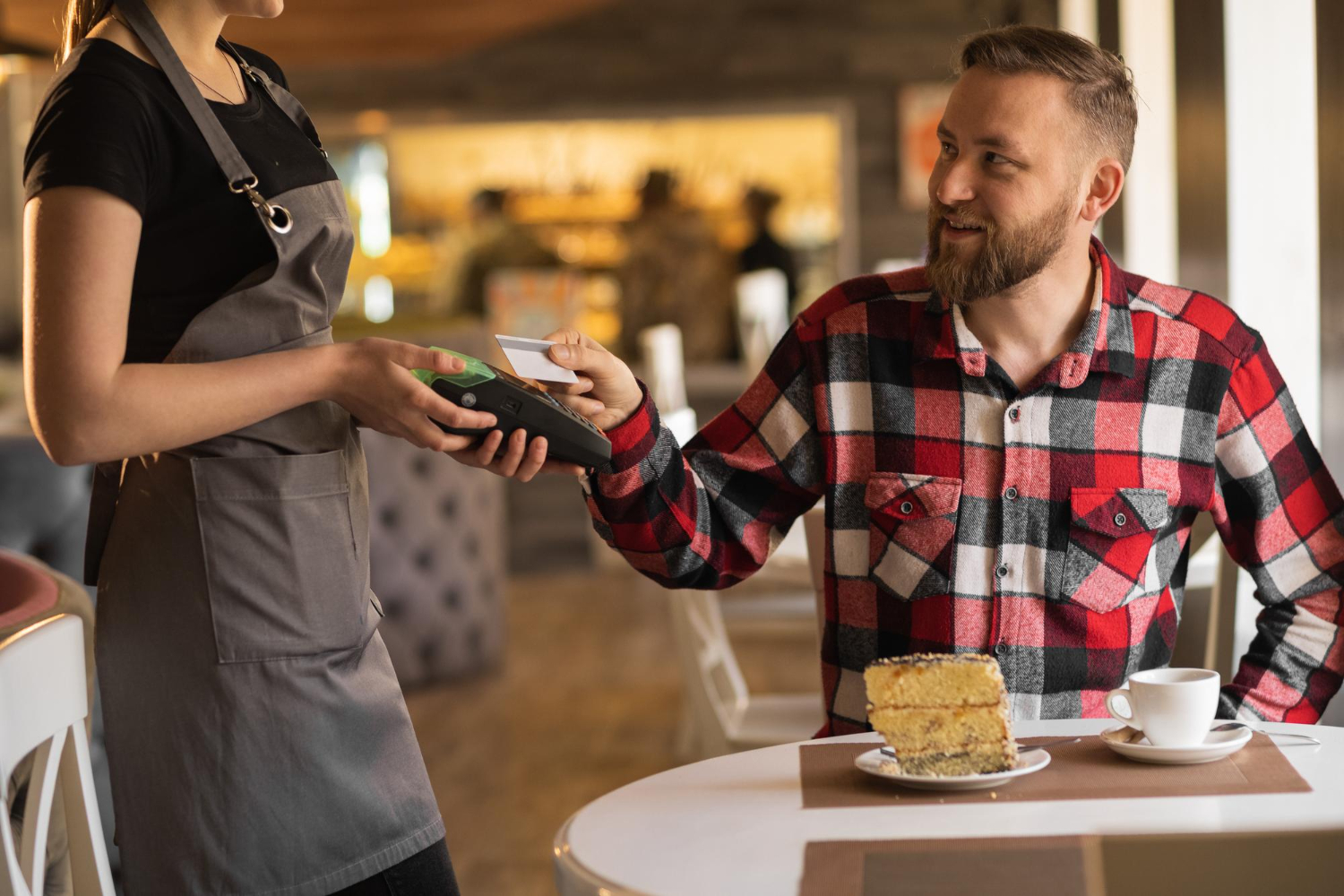
This is the pitfall that catches the most travelers: paying a tip on top of a service charge that’s already been added to your bill. In many countries and restaurants, a “service charge” or “service compris” is automatically included, meaning the gratuity is already covered. If you don’t notice it and then add a customary tip on top, you’ve effectively tipped twice. Always scan your bill carefully for any included service or cover charge before deciding whether and how much to tip. This simple habit can save you from unnecessary overpaying. When in doubt, it’s perfectly reasonable to ask the staff whether service is included.
Watch for the “Cover Charge”
In some countries, particularly in parts of Europe, restaurants add a “cover charge”, a per-person fee (sometimes called coperto in Italy) that covers bread, table settings, and the basic cost of your seat. This is not a tip and doesn’t go to the server as gratuity, but travelers sometimes mistake it for one or are surprised to see it on the bill. Knowing that a cover charge is a standard, legitimate fee in certain dining cultures, separate from any tip, helps you understand your bill and avoid confusion. It’s another reason to read the bill carefully and understand local conventions before assuming what any given line item means.
Tipping in Hotels

Hotel tipping customs vary widely, and it’s an area travelers often overlook. In tip-heavy cultures like the US, it’s customary to tip bellhops who carry your bags (a dollar or two per bag), housekeeping (a few dollars per night, often left daily), and concierges for special help. In many other countries, hotel tipping is more modest or reserved for exceptional service. Researching the norms of your destination prevents both undertipping in places where staff expect it and over-tipping where it isn’t customary. A good rule is to carry small bills in the local currency for situations where a discreet tip is appropriate, so you’re never caught unprepared at check-in or checkout.
Taxis and Transportation

Tipping for taxis and rideshares also differs sharply around the world. In the US, tipping drivers around 10 to 20 percent is customary, and rideshare apps often prompt for a tip. In many other countries, it’s common simply to round up the fare to the nearest convenient amount, or not to tip at all. In some places, drivers don’t expect anything extra. Knowing the local norm prevents awkwardness and overpaying. As a general approach, rounding up is a safe, widely accepted gesture in much of the world, while the larger percentage-based tipping of the US is more the exception than the global rule.
Cash Versus Card, and Currency Tips

A practical trap involves how you tip. In some places, tips added to a card payment may not reliably reach the worker, so carrying small amounts of local cash for gratuities is often wiser and more appreciated. Always tip in the local currency rather than your home currency, since foreign bills and coins can be difficult or impossible for workers to exchange. Keeping a small stash of local small denominations ensures you can tip appropriately and discreetly when the moment calls for it. Planning ahead for how, not just whether, to tip is a mark of a savvy, considerate traveler who avoids fumbling at the critical moment.
When in Doubt, Research and Ask

The golden rule of tipping abroad is to do a little homework before you go. Tipping customs are deeply tied to local culture and economics, and a quick check of the norms for your specific destination, ideally before you travel, saves money, prevents offense, and spares you awkward guesswork. When you’re unsure in the moment, it’s perfectly acceptable to politely ask a local, your hotel, or even the staff what’s customary. Observing what locals do is another reliable guide. A respectful, informed approach to tipping shows cultural awareness and ensures your generosity, or restraint, always lands the right way wherever you are.
Tip Smart, Travel Better

Tipping may seem like a small detail, but handled well, it smooths your travels, respects local customs, and keeps your budget intact. The key takeaways are simple: know whether your destination expects generous tips (like the US), modest ones (like much of Europe), or none at all (like Japan); always check your bill for included service or cover charges to avoid paying twice; carry small local bills; and research the specifics before you go. Master these basics, and you’ll navigate the world’s varied tipping customs like a pro, avoiding the hidden traps and ensuring every gratuity, or lack of one, is exactly right.
Like our content? Follow us for more.