

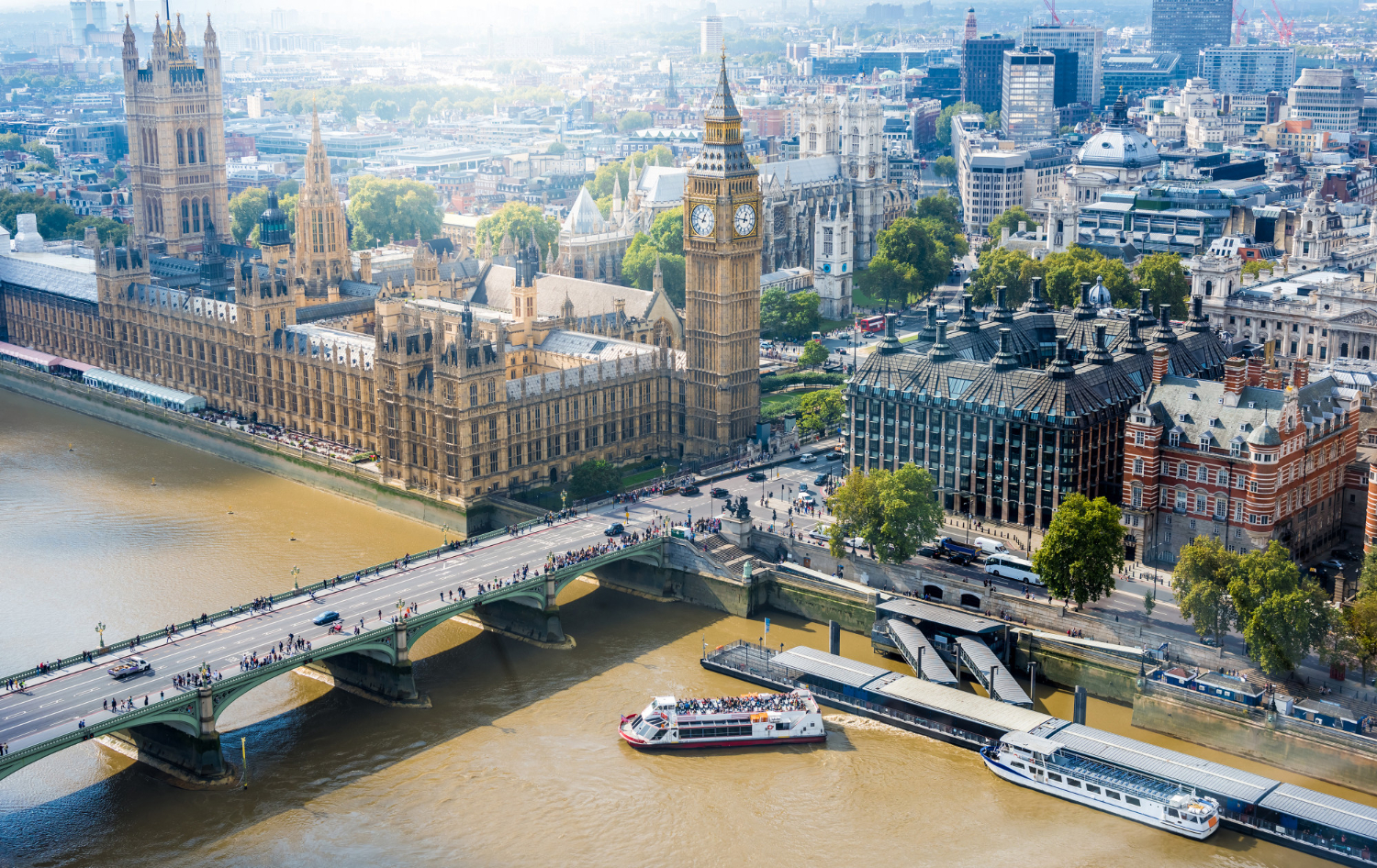
What makes a city powerful? It is not simply size, or population, or even wealth. The most influential cities on earth are the ones that pull talent, money, and ideas into their orbit, the places where careers are launched, deals are struck, and culture is made. Measuring that pull is exactly what the Global Power City Index sets out to do, and its latest ranking offers a fascinating snapshot of where global influence is concentrated, and where it is moving.
Produced by the Mori Memorial Foundation’s Institute for Urban Strategies, the index scores cities across six functions: economy, research and development, cultural interaction, livability, environment, and accessibility. By blending these factors rather than focusing on any single one, it captures a fuller picture of urban strength than a simple economic ranking would. Here are the cities that came out on top in the most recent edition, and what earns each one its place.
London: Still Number One After All These Years
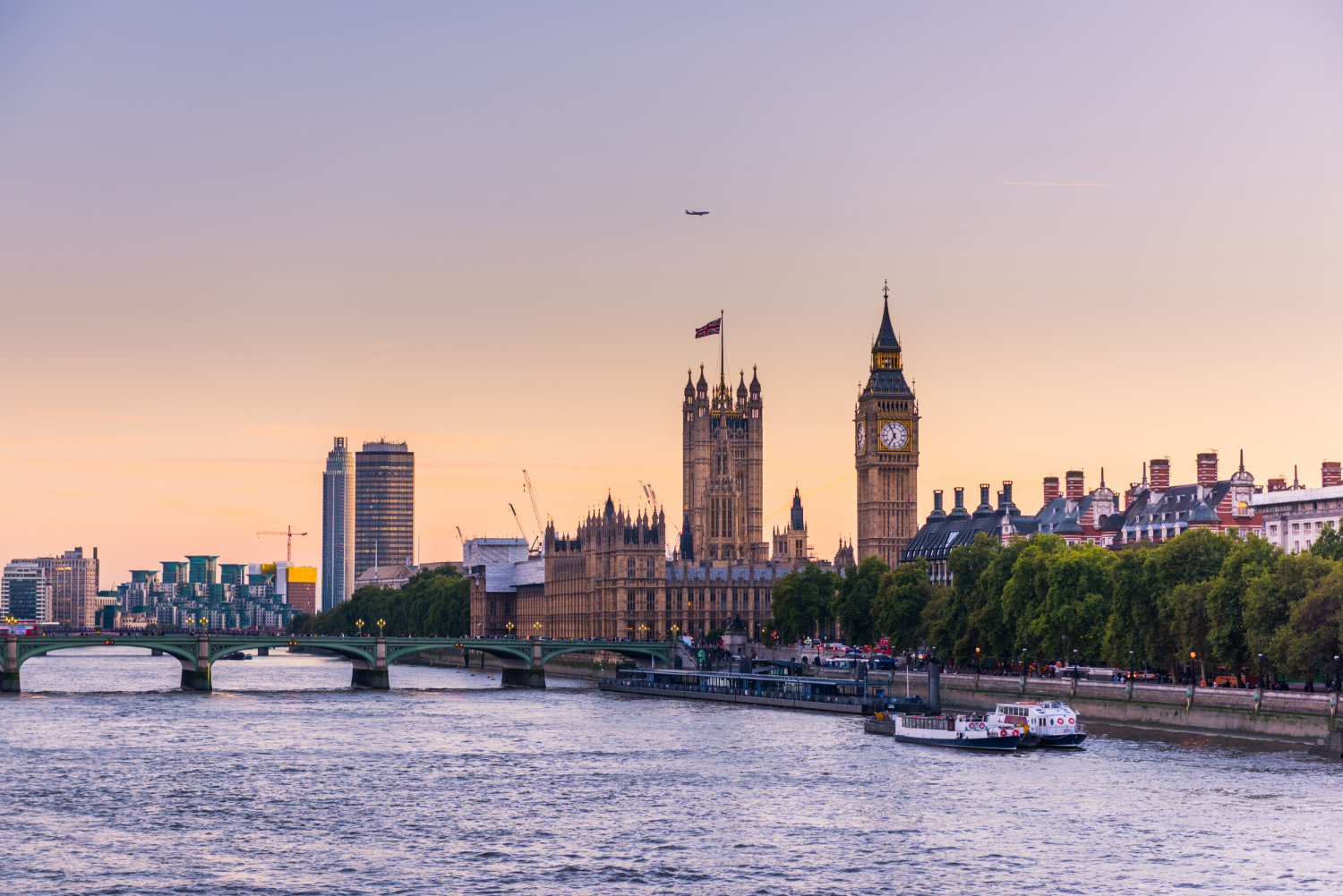
For the fourteenth consecutive year, London holds the top spot. That remarkable run of dominance, unbroken since 2012, speaks to the breadth of the city’s strengths. London does not necessarily lead in every category, but it scores consistently high across all of them, and it ranks first in the world for cultural interaction, powered by its world-class museums, theaters, restaurants, hotels, and nightlife.
The city’s appeal is built on a powerful combination: a leading global financial sector, deep international connectivity, top-tier universities, and a famously diverse, international population. People and businesses from every corner of the world come to London, and that constant inflow of talent and capital is precisely what the index is designed to measure. High living costs and other pressures have chipped away at its score in recent years, but London’s overall magnetism remains unmatched.
Like our content? Follow us for more.
Tokyo: A Historic Rise to Second Place
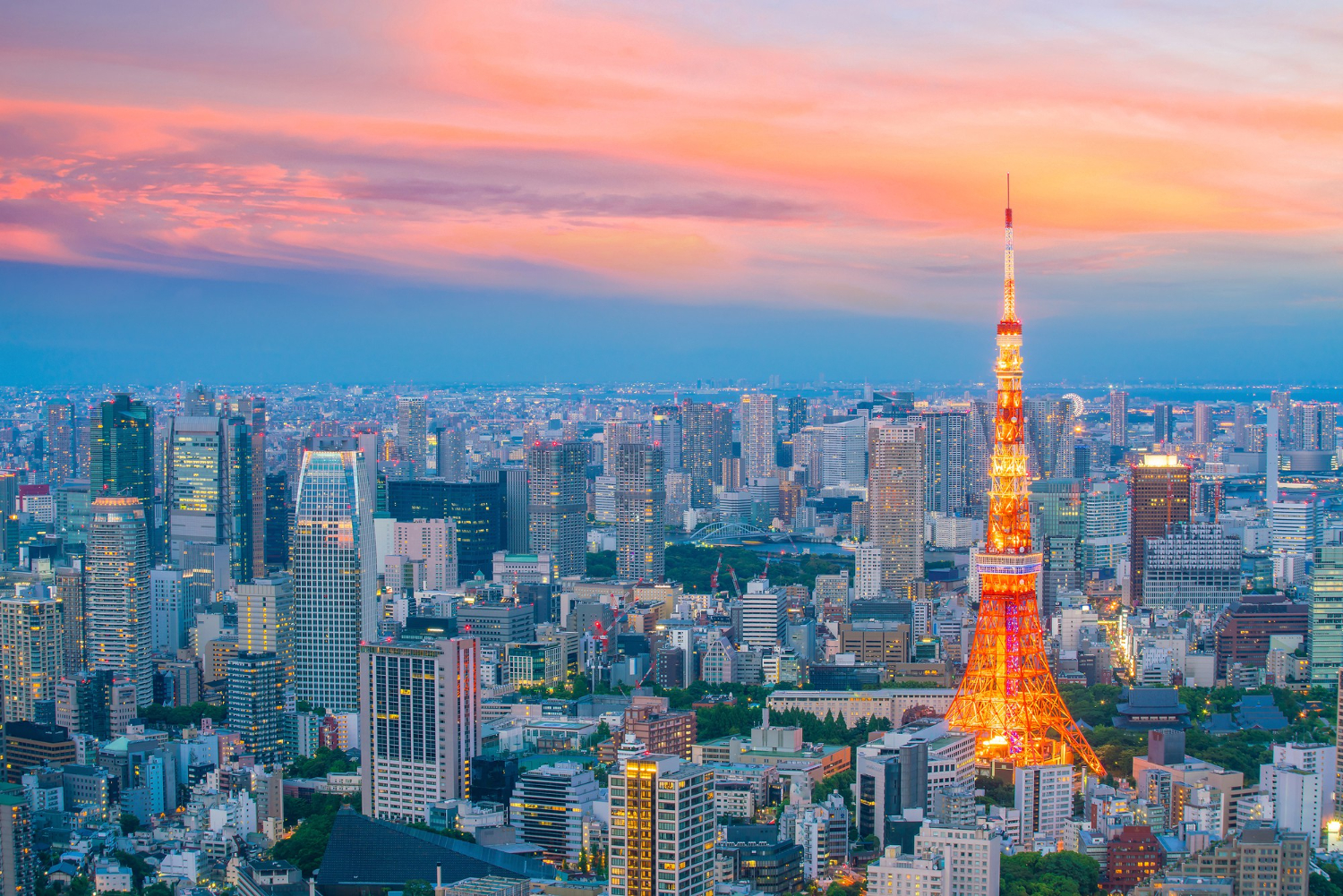
The biggest story in the latest ranking is Tokyo, which climbed past New York to claim second place for the first time in the index’s history. The Japanese capital’s ascent was powered above all by livability: Tokyo ranked first in the world for how well it actually functions as a place to live, combining ultra-efficient public transport with enviable levels of safety and a celebrated food and nightlife scene.
Tokyo has long been a global hub for technology, research, and manufacturing, and it manages to pair that economic heft with a deep cultural identity and steadily improving environmental credentials. The result is a city that feels both relentlessly modern and grounded in tradition, and one that the index now rates as the most balanced major city in the world. Its rise also reflects a broader shift, with several Asian cities climbing the global rankings.
New York: A Powerhouse That Slipped a Notch
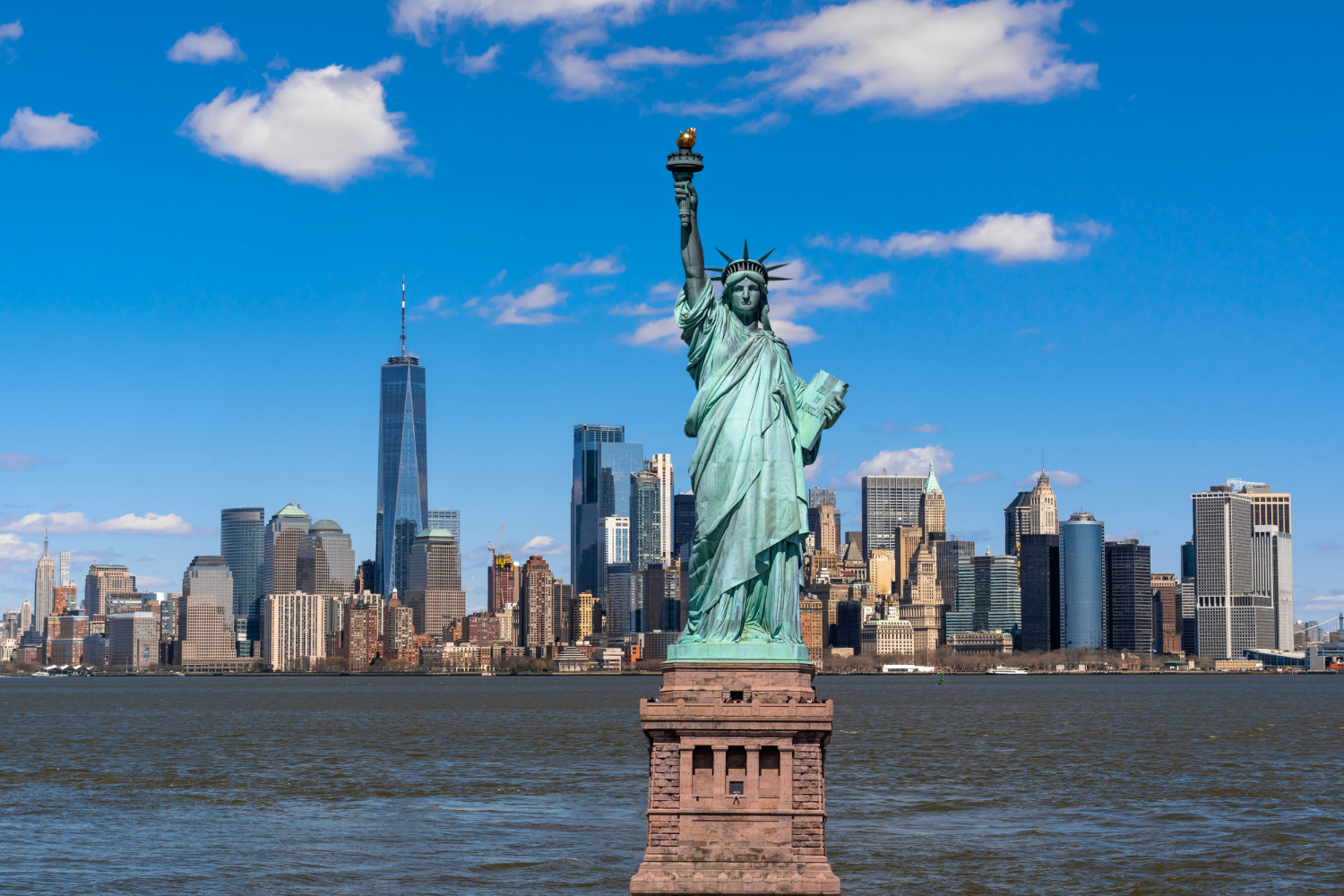
New York fell to third, losing the second-place position it had held since 2012. The decline reflects specific weaknesses rather than any loss of its fundamental importance. The city scored poorly on livability, weighed down by its very high cost of living, and on certain environmental measures.
Yet New York remains an economic titan. It continues to lead the world in measures like stock market capitalization and research-and-development spending, holding the top global rank in both the economy and R&D categories. It is still the financial, media, and cultural capital that the world looks to, and its third-place finish reflects the tightening competition at the top rather than any real fading of its influence. For sheer economic gravity, few cities come close.
Paris: Closing the Gap
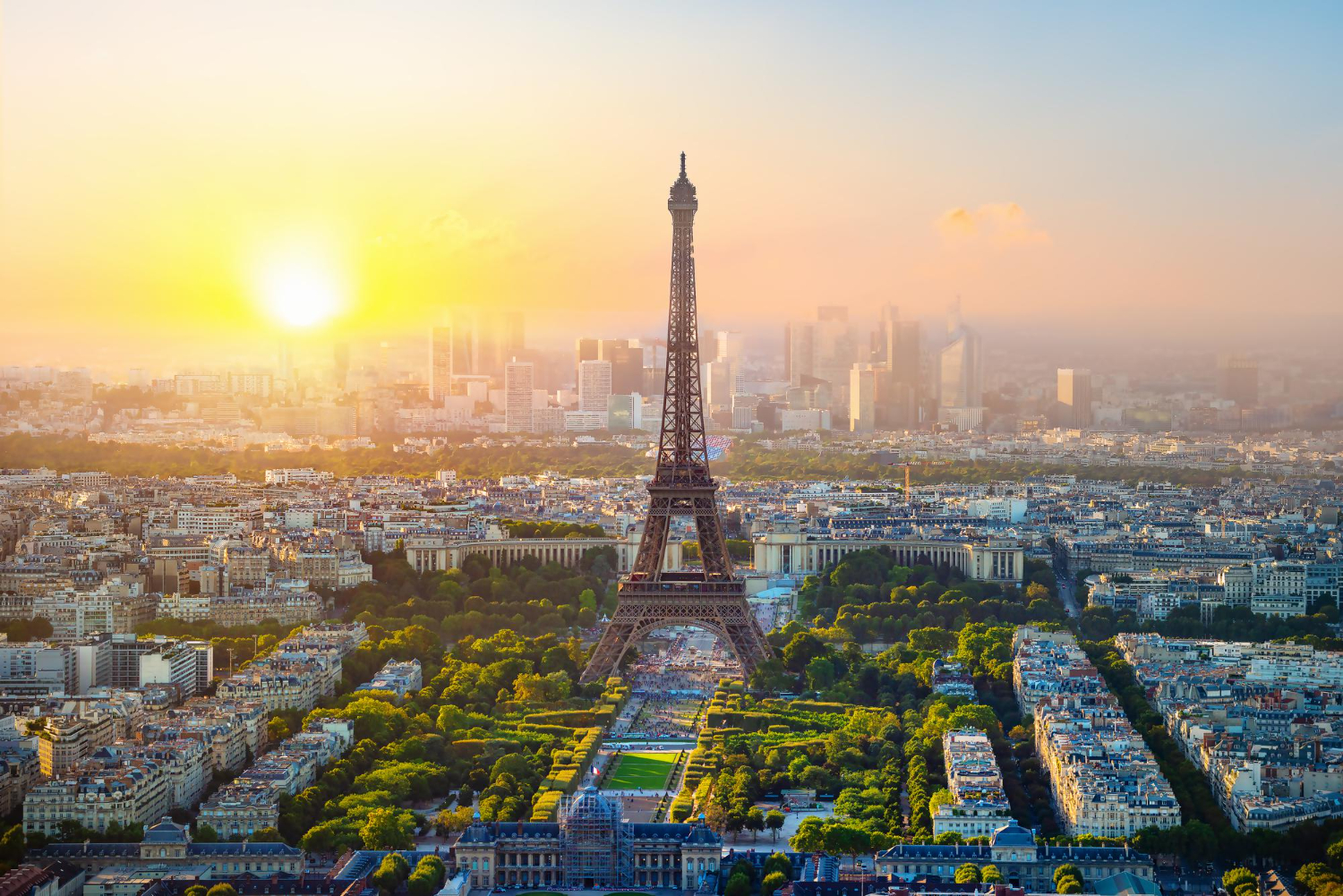
In fourth place, Paris continues to strengthen its position, narrowing the gap with New York. The French capital combines a powerful service economy with unrivaled cultural prestige and one of the world’s great tourism industries. Its concentration of museums, monuments, and World Heritage sites gives it enormous strength in the cultural interaction category, while its role as a center of business, fashion, and diplomacy keeps it firmly among the global elite.
Paris also benefits from significant investment in its infrastructure and environment in recent years, efforts that have helped it climb. The city’s blend of historic grandeur and ongoing modernization makes it a perennial fixture near the very top of the ranking, and a reminder that cultural influence is itself a genuine form of global power.
Singapore and Seoul: Asia’s Continued Ascent
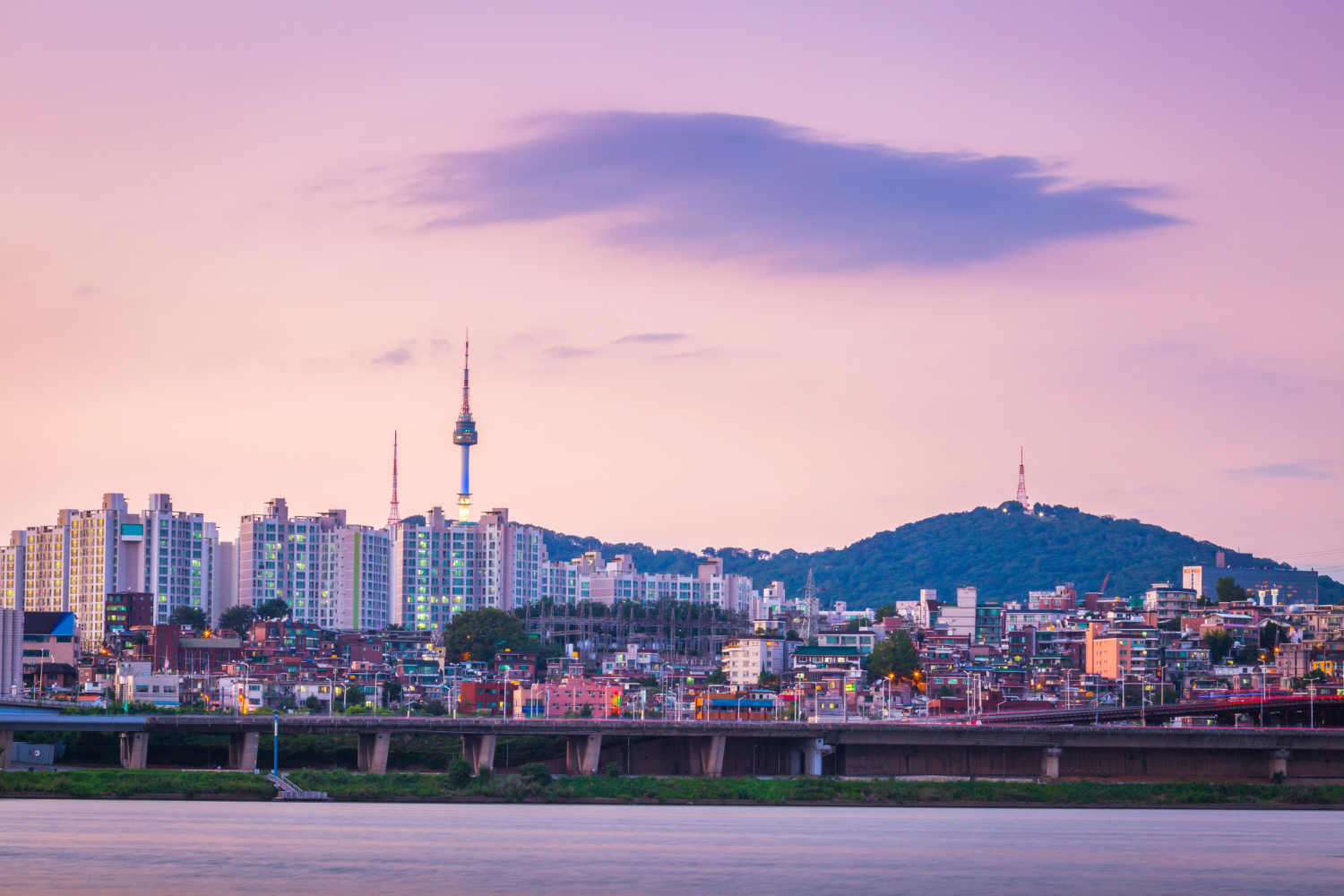
Rounding out the top of the ranking, Singapore took fifth place and Seoul sixth, underscoring the eastward shift of global urban influence. Singapore is the consummate all-rounder, perennially strong in economy, research, and accessibility, and renowned for infrastructure so reliable that global businesses and talent treat it as a default landing point in the region. It is a city where gleaming financial towers and beloved hawker food centers coexist, and where efficiency is almost a civic religion.
Seoul, meanwhile, owes much of its rise to culture. The global wave of Korean music, film, and television has propelled the South Korean capital up the cultural interaction rankings, while it steadily strengthens its livability and innovation credentials. Together with Tokyo and Singapore, Seoul’s strong showing means Asia now claims multiple spots in the top tier, a clear sign of where momentum lies.
The Cities Just Behind the Leaders
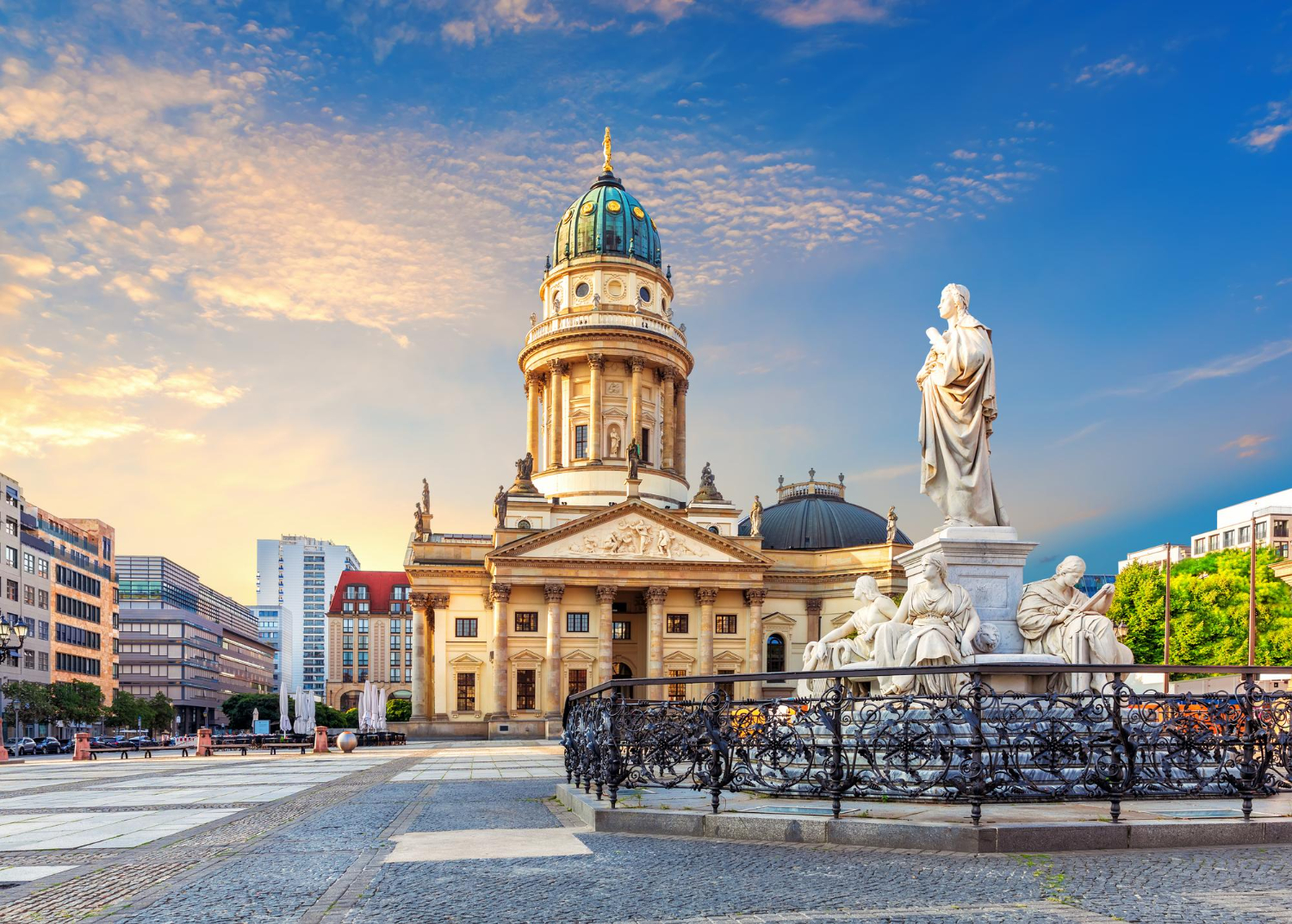
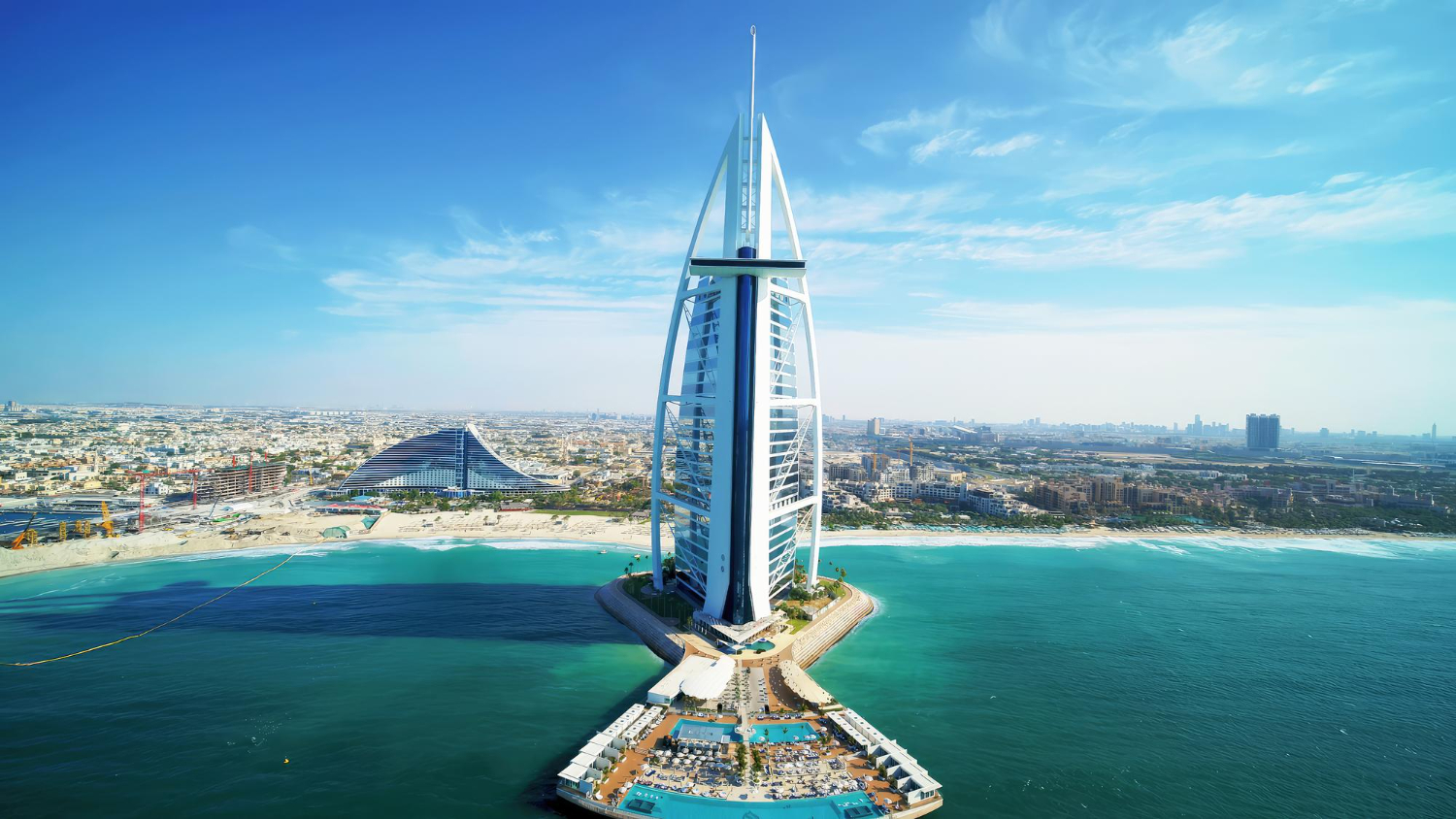
Below the top six, the ranking features a familiar set of global heavyweights. Cities such as Amsterdam, Berlin, and Madrid have consistently appeared in the upper reaches of the index, each bringing its own mix of economic dynamism, cultural depth, and quality of life. Dubai has also broken into the top tier in recent years, becoming the first Middle Eastern city to do so, on the strength of its ambitious development and global connectivity.
What unites these cities is not any single quality but a balance of many. The index rewards places that can attract a multinational workforce, support cutting-edge research, offer a high quality of life, and connect easily to the rest of the world. Few cities excel at all of these at once, which is exactly why the same names tend to cluster near the top year after year.
There is also value in watching how these rankings evolve over a longer horizon. A decade ago, the idea of Tokyo overtaking New York, or of multiple Asian cities crowding the top ten, would have seemed less obvious than it does now. Rankings like this one capture a moment in a long, slow contest, and the movement between editions often says more than any single year’s order. For anyone interested in where the world is heading, the trajectory of these cities is worth following.
What “Power” Really Means for a City
It is worth pausing on what these rankings do and do not capture. The Global Power City Index measures magnetism, a city’s comprehensive ability to draw in people, money, and enterprise, rather than happiness, beauty, or any single notion of being the “best” place to live. A city can be enormously powerful and also expensive, crowded, and stressful, as the livability struggles of New York and London show. Conversely, many wonderful places to live will never top a list like this because global influence is not their aim.
There is also a useful lesson in how the rankings move. The rise of Tokyo, Seoul, and Singapore reflects long-term shifts in the global economy and culture, while the slip of New York shows that even the mightiest cities are not immune to the pressures of cost and environment. For travelers, the index doubles as a kind of map of where the world’s energy is concentrated, the cities where you can feel the pull of global ambition the moment you arrive. Whether you are drawn by London’s culture, Tokyo’s precision, or Paris’s beauty, these are the places that, by this measure at least, shape the world the rest of us live in.
Like our content? Follow us for more.
