

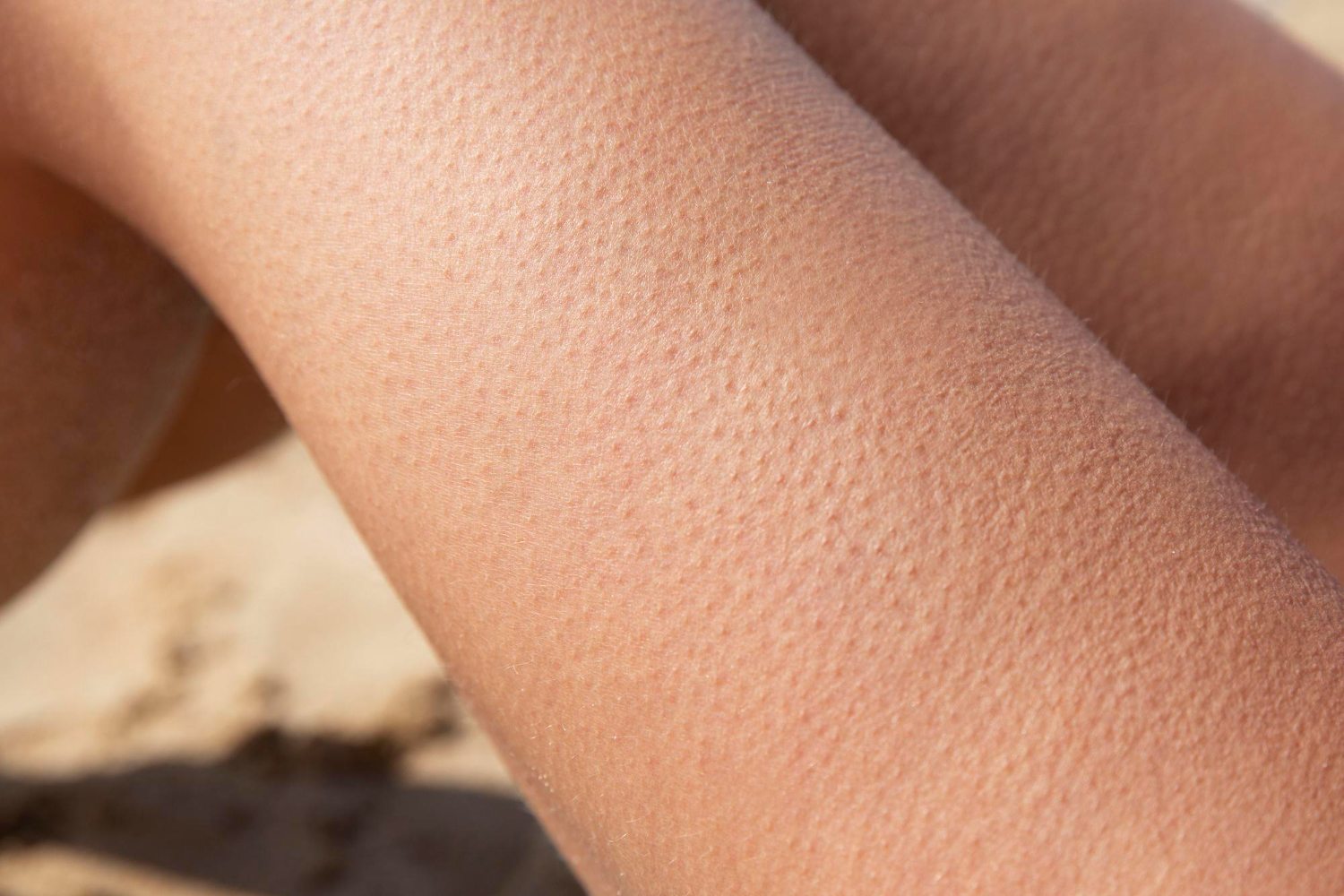
Goosebumps are among the strangest things the human body does routinely. A sensation arrives — cold air, a piece of music, someone’s fingertips on the back of your neck — and your skin responds by producing hundreds of small raised bumps you did not ask for and cannot suppress.
The medical name is cutis anserina, from the Latin for skin and goose, and the general term for the response is piloerection. The mechanism is well understood and has been for a long time.
What has changed recently is the answer to the obvious follow-up question: if it does nothing, why is it still here? For most of the last century the answer was that evolution is untidy. A study published in 2020 complicated that substantially.
Here is what goosebumps actually are, and why the vestigial label is now contested.
The Machinery
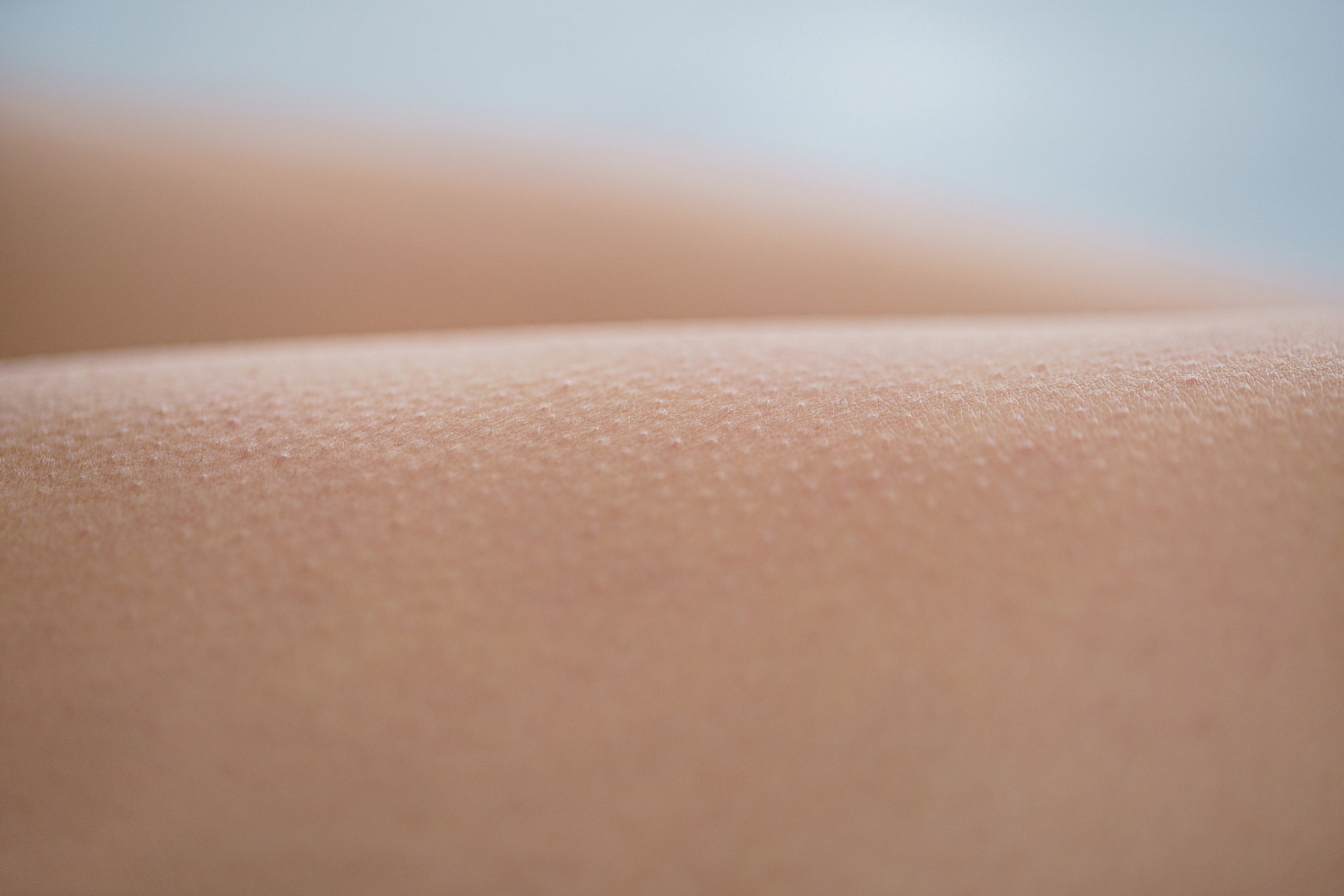
Attached to the base of each hair follicle is a tiny smooth muscle called the arrector pili. When it contracts, it pulls the follicle upright and pushes the surrounding skin into a small mound — the bump.
You have no voluntary control over this. The muscle is driven by the sympathetic nervous system, the branch that handles unconscious functions including heart rate, sweating and the fight-or-flight response, which is why goosebumps arrive unbidden and why you cannot produce them on demand. A small number of people report being able to trigger them at will, which is an unusual exception.
The muscles are not distributed evenly. They are absent from the hair follicles of the face, from the underarm area, and from certain other regions, which is why goosebumps appear on arms, legs and the back of the neck but not everywhere.
The trigger varies but the mechanism does not. Cold, fear and strong positive emotion all converge on the same pathway: a sympathetic nerve fires, the arrector pili contracts, the hair lifts, the skin puckers. What differs is only what set it off — temperature sensors in the skin, the brain’s threat circuitry, or its reward pathways.
Like our content? Follow us for more.
What It Was Originally For
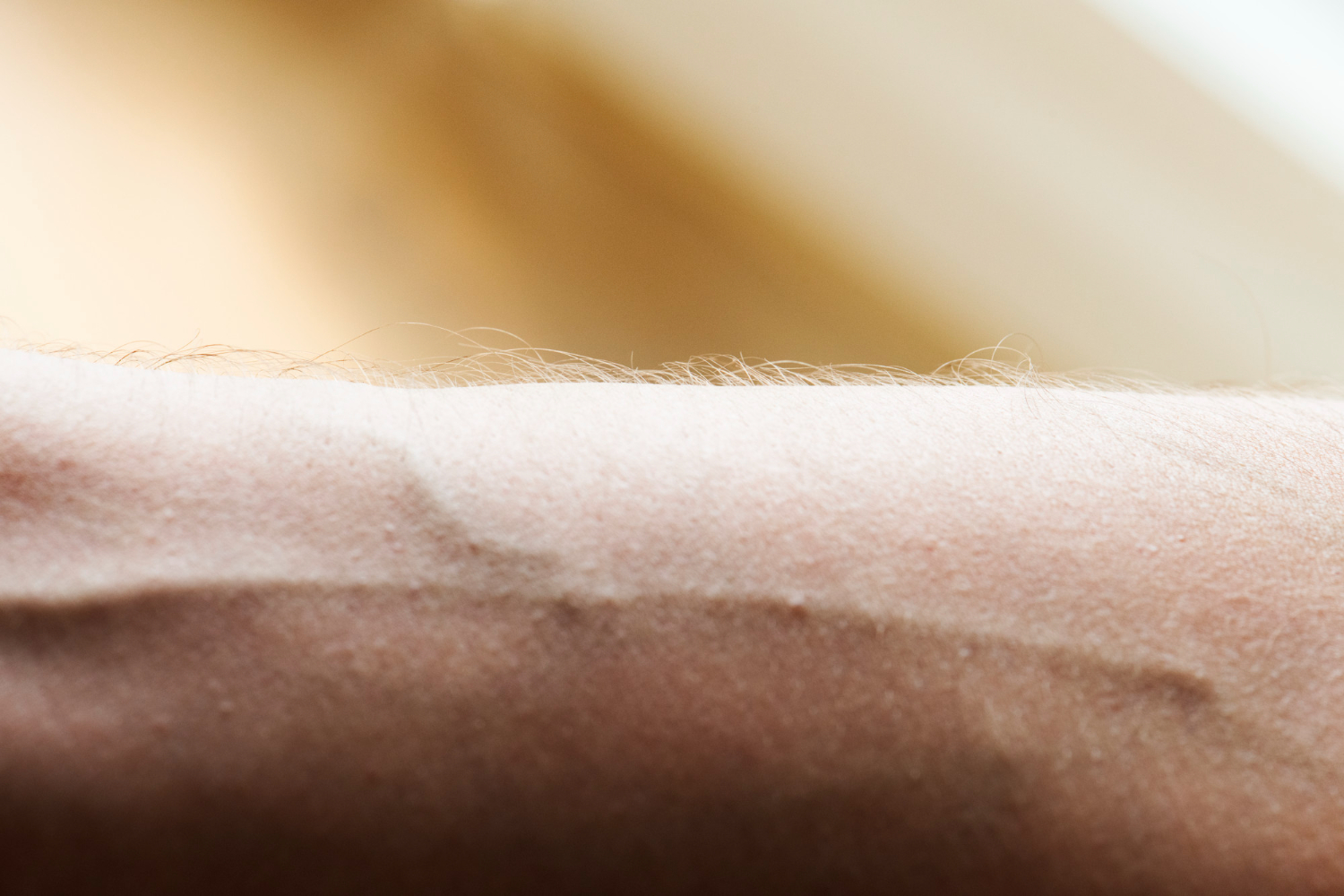
In a well-furred mammal, raising the hair does two useful things.
The first is insulation. Erect fur traps a thicker layer of air against the skin, and still air is a poor conductor of heat. That is a real and measurable benefit if you have a coat.
The second is apparent size. A frightened or threatened animal with raised fur looks larger, which is worth something in a confrontation. A cat facing a dog is the familiar example.
Humans inherited the reflex intact and then lost the fur. Our remaining body hair is too fine and too sparse to trap meaningful warmth or to make anyone look intimidating. The Smithsonian’s National Museum of Natural History describes goosebumps plainly as a reflex left over from when our ancestors had long body hair.
Darwin himself noted human piloerection in 1872 as evidence of shared ancestry with other mammals, which makes this one of the older observations in evolutionary biology.
Why Evolution Did Not Delete It
The standard explanation for the reflex’s survival is worth stating, because it corrects a common misconception about how evolution works.
Natural selection does not remove traits because they have stopped being useful. It removes traits that impose a cost. A trait that is merely pointless can persist indefinitely, because there is no pressure acting against it.
Goosebumps cost almost nothing. A very small muscle and a nerve connection, already present for other reasons, firing occasionally. There is no metabolic burden worth selecting against, so the machinery stayed.
That is the classic account, and it is why goosebumps became a textbook example of a vestigial trait — a structure retained after its original function was lost. Biologists generally use “vestigial” to mean the primary function has gone, not that the structure does absolutely nothing.
The Study That Complicated It
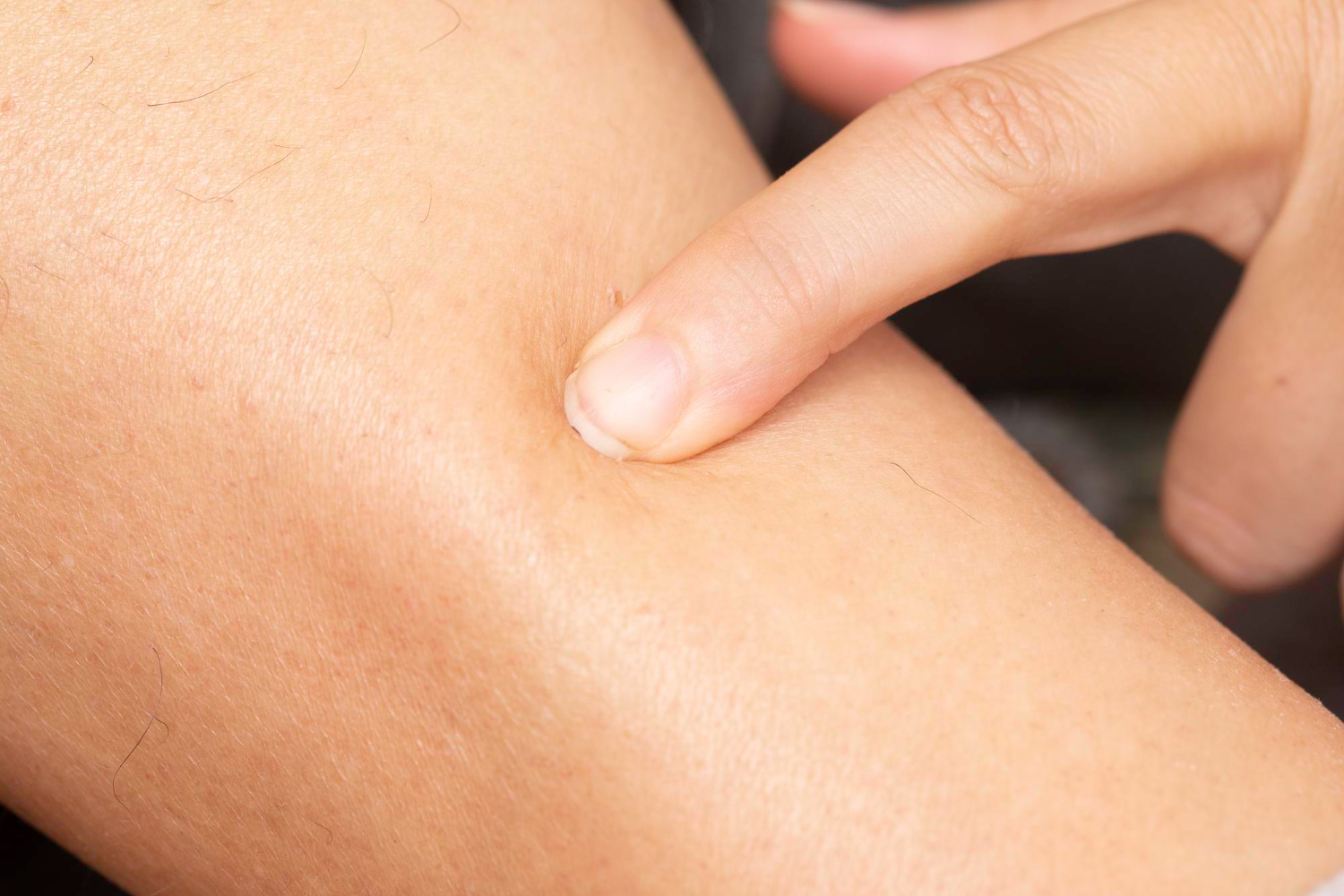
In July 2020, a team led by Ya-Chieh Hsu at Harvard University and Sung-Jan Lin at National Taiwan University published work in the journal Cell that reframed the question.
Using high-resolution imaging and genetic techniques on mouse skin, they examined the three cell types involved in piloerection: the hair follicle, the arrector pili muscle, and the sympathetic nerve. What they found was that these do not simply sit adjacent to one another. They form an integrated unit.
The sympathetic nerve fibres do not merely wrap around the muscle and stop. They extend to the bulge of the hair follicle, where hair follicle stem cells reside — the cells responsible for regenerating hair throughout life — and form what the researchers described as synapse-like connections with them, delivering the neurotransmitter norepinephrine.
The muscle turns out to be structurally necessary to that arrangement. When the researchers removed the sympathetic nerves, hair follicle stem cells were slow to activate and new hair production was delayed. Without the muscle in place to bridge the gap, the nerve retracts and loses its connection to the stem cells entirely.
They also found the response operates on two timescales. Under brief cold exposure the nerve triggers muscle contraction and goosebumps. Under prolonged cold, nerve activity increases further and drives the stem cells to regenerate the follicle and grow new hair. One of the researchers described it as a two-layer response, with goosebumps providing quick short-term relief and hair growth the longer-term answer.
Crucially, this tri-lineage configuration is highly conserved across mammals, including in humans, where piloerection has lost its thermoregulatory role.
What That Actually Means
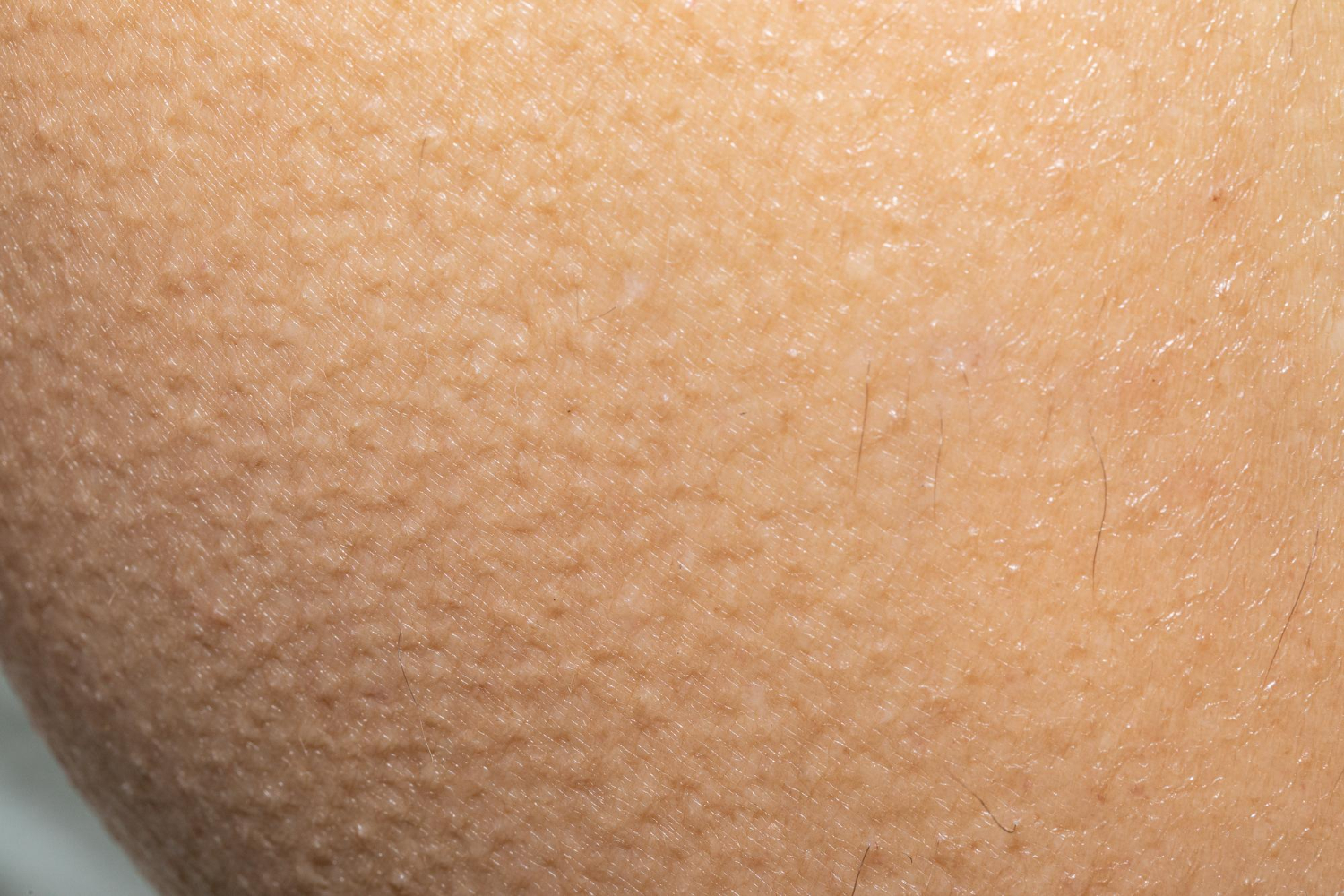
The finding is truly interesting and is easy to overstate, so it is worth being careful.
It does not show that human goosebumps keep you warm. They do not. The insulating function is gone and is not coming back.
What it shows is that the anatomical structure producing goosebumps is not an inert leftover. It is part of a system that regulates hair follicle stem cells, and that system is preserved in humans. The authors themselves noted the conservation of the connection across mammals raises the possibility of an evolutionary advantage to keeping it.
Whether that means the arrangement is still doing something useful in humans specifically is a question biologists are working through rather than one that has been answered.
So the accurate summary is layered. The goosebump reflex is vestigial in its original function. The machinery producing it is not obviously vestigial at all. And “vestigial” was always a looser term than popular usage implies.
The research also has practical potential, with implications suggested for understanding hair loss and wound healing.
Other Leftovers You Are Carrying
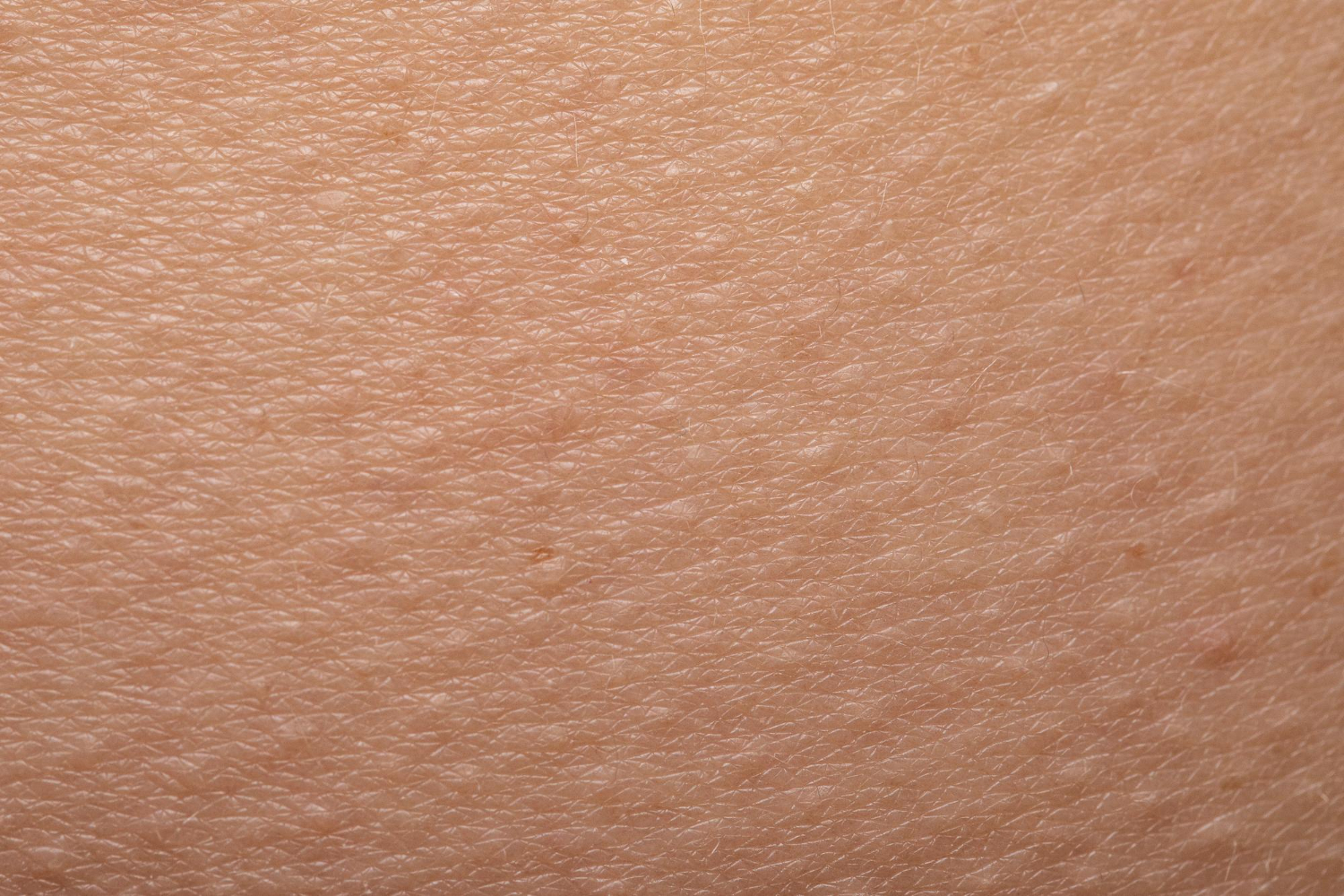
Goosebumps are the most visible vestigial reflex, but they are not alone, and the comparison is useful.
The palmar grasp reflex is the clearest example. Place a finger in a newborn’s palm and the hand closes with surprising strength. In primates that carry young in fur, that grip has an obvious function; in humans it fades within months and is generally understood as inherited rather than useful.
Wisdom teeth are an anatomical case. A third set of molars made sense for a diet requiring far more chewing and for jaws that were, on average, larger. Many people now have insufficient room for them.
The tailbone is the fused remnant of a tail, still serving as an anchor point for muscles and ligaments — which illustrates the point about vestigial structures neatly, since it retains a function while having lost its original one.
Ear muscles are perhaps the closest parallel to goosebumps. Humans possess the muscles that allow other mammals to swivel their ears toward a sound. Most people cannot use them at all, a minority can wiggle their ears slightly, and research has found that these muscles still activate faintly in response to sounds from particular directions — a reflex firing in a system that no longer does anything.
Each of these persists for the same reason: no cost, therefore no pressure, therefore no removal.
Music, and the Second Career
There is one trigger the thermal story cannot explain at all, and it may be the most interesting.
A great many people get goosebumps from music, from a film, from a memory, or from something they find beautiful or moving. No temperature change is involved and no threat is present.
What appears to be happening is that the old piloerection machinery has been recruited by the brain’s reward and emotional circuitry, which in humans is unusually elaborate. The same sympathetic pathway that once responded to cold now also responds to a key change in a piece of music.
Evolution is frequently described as a process of repurposing whatever is already available rather than designing from scratch, and this is a tidy example. A system built to fluff up fur is now, in humans, partly an emotional readout.
Which means the next time a piece of music raises the hair on your arms, what is firing is a cold-weather reflex inherited from furred ancestors, wired into the stem cells that grow your hair, triggered by a brain circuit that evolved for something else entirely — and producing no useful effect whatsoever except to tell you that you were moved.
Like our content? Follow us for more.
