The humble aluminum can, a staple of kitchens and pantries worldwide, faces an unprecedented challenge. By June 2026, consumers could see a staggering 40% increase in the price of their favorite canned goods. This dramatic rise is not a capricious market fluctuation but the culmination of a perfect storm brewing in the global aluminum market, driven by a complex interplay of supply chain disruptions, surging demand from new technologies, and geopolitical instability. The era of cheap, abundant aluminum is drawing to a close, ushering in an “aluminum crisis” that will directly impact the cost of everyday items.
The Perfect Storm: Supply Side Constraints
The global aluminum market in 2026 is characterized by a rigid supply side that can no longer keep pace with escalating demand. China, the world’s largest producer, operates near its 45-million-ton annual capacity cap, with further growth severely restricted by environmental regulations and energy policies. Outside of China, capacity expansion is further hampered by high energy costs, competition from AI data centers for power, and underdeveloped infrastructure in emerging regions like Indonesia. Geopolitical events, particularly in the Middle East, have exacerbated these issues, leading to production cuts and logistical nightmares. For instance, the conflict in Iran has disrupted vital shipping lanes, impacting exports from major producers like Emirates Global Aluminium (EGA) and forcing smelters such as Qatalum to reduce operations. This structural tightness means that even minor disruptions can have a disproportionately large impact on prices.
Demand’s Insatiable Appetite: The Green Technology Boom
The surging demand for aluminum is being fueled by the global transition towards green technologies. Electric vehicles (EVs) are a primary driver, with each EV requiring significantly more aluminum than a traditional combustion engine vehicle, approximately 42% more, ranging from 200-350 kg per vehicle. The growth in energy storage systems (ESS) and solar photovoltaic (PV) installations also consumes vast quantities of aluminum; every 100 gigawatts of ESS requires 160,000 tons of aluminum, and PV additions are projected to grow by 30% in 2026. Furthermore, the proliferation of AI data centers is also increasing demand for aluminum due to its use in cooling systems and power components. This relentless demand from high-growth sectors ensures that aluminum remains a critical, and increasingly scarce, commodity.
Geopolitical Tensions: A Critical Supply Chain Chokepoint
The global aluminum supply chain has become acutely vulnerable to geopolitical instability, particularly in the Middle East. The ongoing conflict involving Iran has led to the disruption and partial closure of the Strait of Hormuz, a critical chokepoint for exports from the Persian Gulf region, which accounts for approximately 9% of global aluminum production. Major producers in the region, including those in Bahrain and Qatar, have been forced to cut production or suspend deliveries due to restricted gas supplies and logistical blockades. This blockade not only hinders the export of finished aluminum but also impedes the timely arrival of essential raw materials like bauxite and alumina. The risk premium associated with these geopolitical disruptions has pushed regional premiums to record highs, signaling a desperate scramble for available physical metal.
The Impact on Canned Goods: From Packaging to Price Hikes
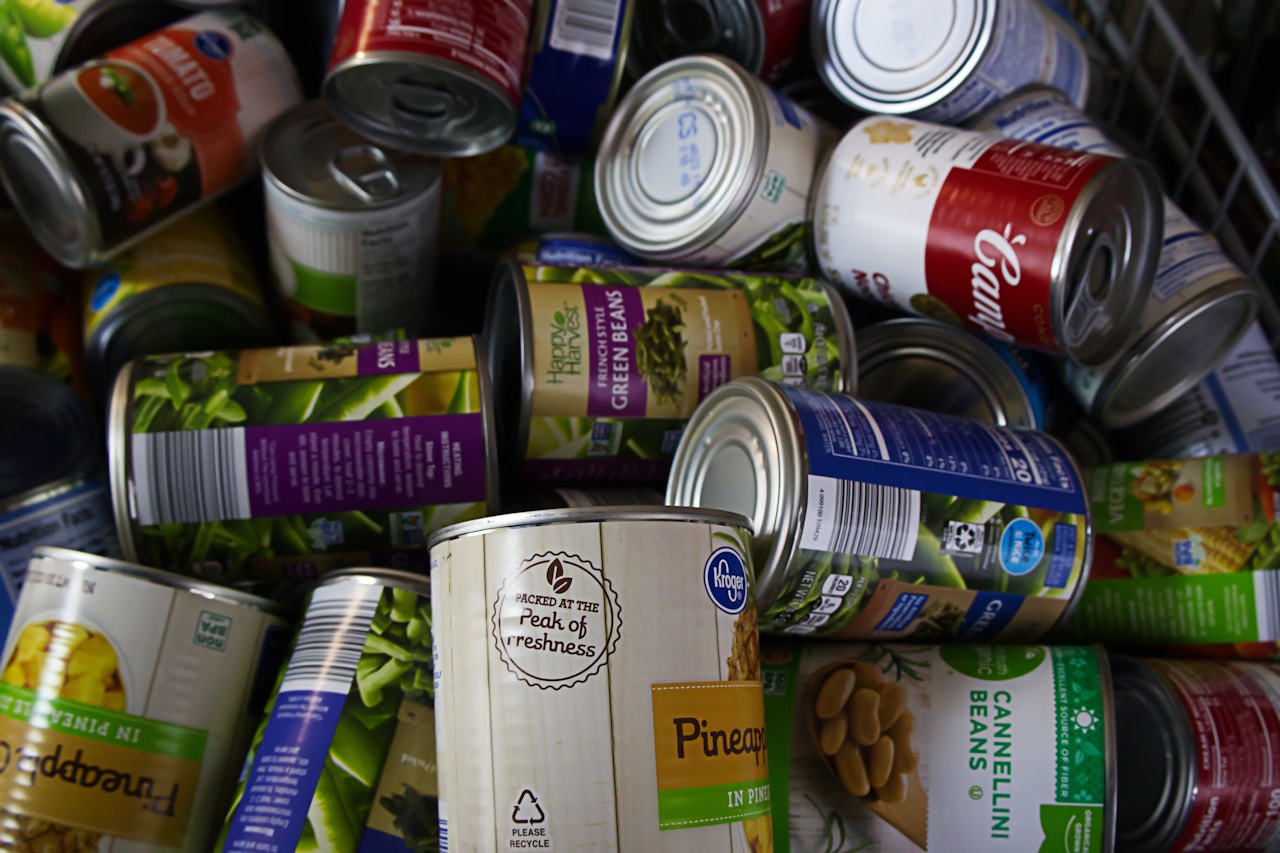
The escalating cost of aluminum directly translates into higher production expenses for canned goods manufacturers. Aluminum is the primary material for beverage cans, and its price is a significant component of packaging costs. With aluminum prices projected to remain elevated throughout 2026, companies are facing a difficult choice: absorb the increased costs, thereby reducing profit margins, or pass them on to consumers. Research indicates that canned foods have already experienced sharp price increases, and the Can Manufacturers Institute anticipates further hikes in 2026. The Midwest Premium, a key indicator of the cost to obtain physical aluminum, surpassed $1 per pound for the first time in late January 2026, adding substantial pressure. These increased input costs are a direct precursor to the projected 40% price increase for canned goods by June.
Regulatory Headwinds and Tariffs: Adding to the Burden
Adding to the complex market dynamics are persistent regulatory policies and tariffs. In the United States, Section 232 tariffs on imported steel and aluminum continue to create uncertainty and increase costs for can manufacturers, who rely on significant import volumes. While these tariffs are intended to protect domestic industries, they often result in higher prices for downstream products. The U.S. Supreme Court’s decision in February 2026 did not affect these crucial Section 232 tariffs. Furthermore, evolving regulations around aluminum scrap exports, such as potential restrictions and surcharges, are creating further market friction and potentially driving up prices in regions reliant on imported scrap. These regulatory layers compound the existing supply and demand pressures.
The Future of Aluminum: Scarcity and Innovation
The confluence of these factors paints a picture of an aluminum market entering an era of structural scarcity and elevated prices. Analysts project that aluminum prices will remain high throughout 2026, with some forecasts suggesting prices could reach $3,700 per tonne by year-end. The traditional model of capacity expansion in response to high prices is no longer viable due to energy constraints and environmental regulations. Consequently, the industry is being pushed towards greater reliance on secondary, or recycled, aluminum, which requires significantly less energy. However, recycling infrastructure needs substantial scaling to meet the demand, and its availability can be inconsistent. This shift towards a “circular aluminum economy” signifies a fundamental change, driven by necessity and the recognition that primary aluminum will likely remain a premium commodity for the foreseeable future.