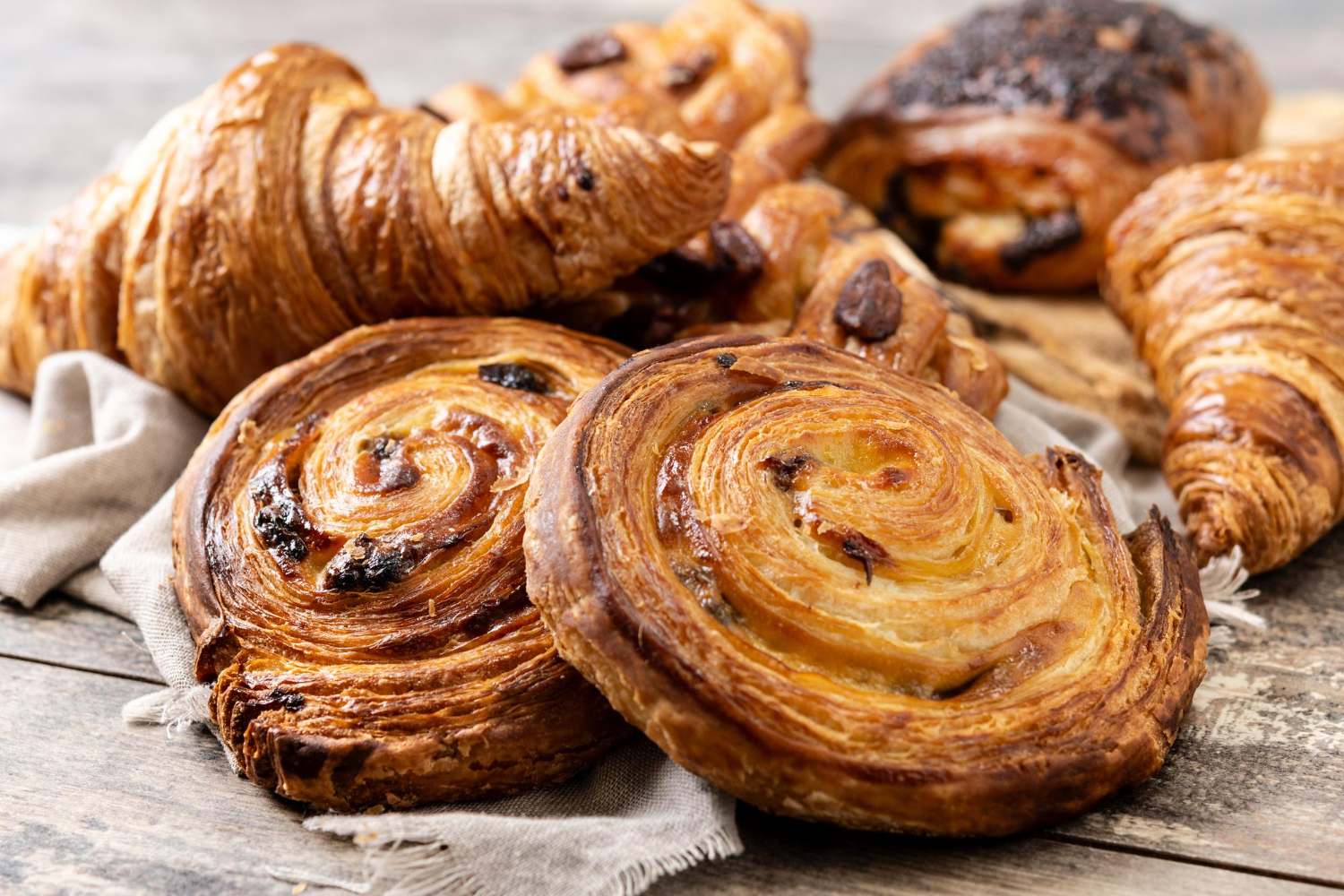
If you’ve traveled in France and noticed that the boulangerie you visited Tuesday is closed on Wednesday, then open again Thursday — while a different boulangerie down the street is closed on Tuesday and open Wednesday — there’s a specific reason. French law historically required bakeries to take a “jour de fermeture” (closing day), staggered with neighboring shops to ensure neighborhoods always have at least one open bakery. The system traces to specific 1995 regulations and reflects France’s specific cultural treatment of bread as essential public good. Here’s how it actually works.
The French boulangerie system operates under specific cultural and regulatory frameworks that distinguish it from bakery operations in most other countries. France treats bread as essential public good rather than just commercial product. The combination of cultural expectations, labor regulations, and consumer protection laws produces the staggered closing day system that confuses many international visitors but serves specific functions for French residents.
The “Jour de Fermeture” System
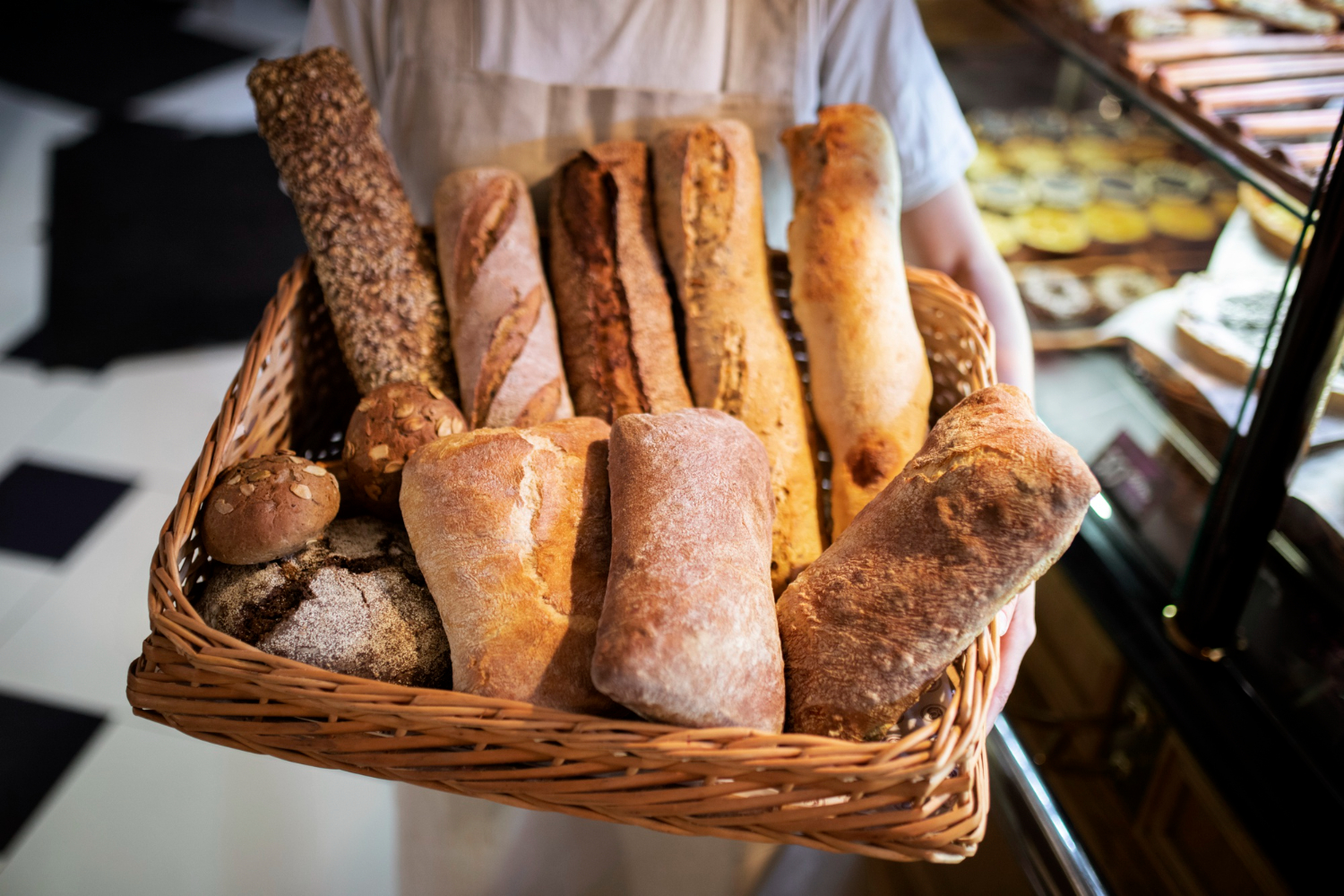
Each French boulangerie traditionally closes one day per week. The closing day varies by establishment — some close Mondays, others Tuesdays, Wednesdays, or Sundays. The variation isn’t random. Local authorities have historically coordinated closing days among neighboring bakeries to ensure that every neighborhood always has at least one open boulangerie regardless of which day of the week it is.
The system reflects specific French cultural assumption: residents should be able to buy fresh bread daily without traveling unreasonable distances. The staggered closing arrangement makes this practically possible while still allowing each individual baker to take a weekly day off. The arrangement requires coordination between bakery owners and local authorities — neighborhoods don’t end up with all bakeries closing on the same day through happy accident.
The Historical Context
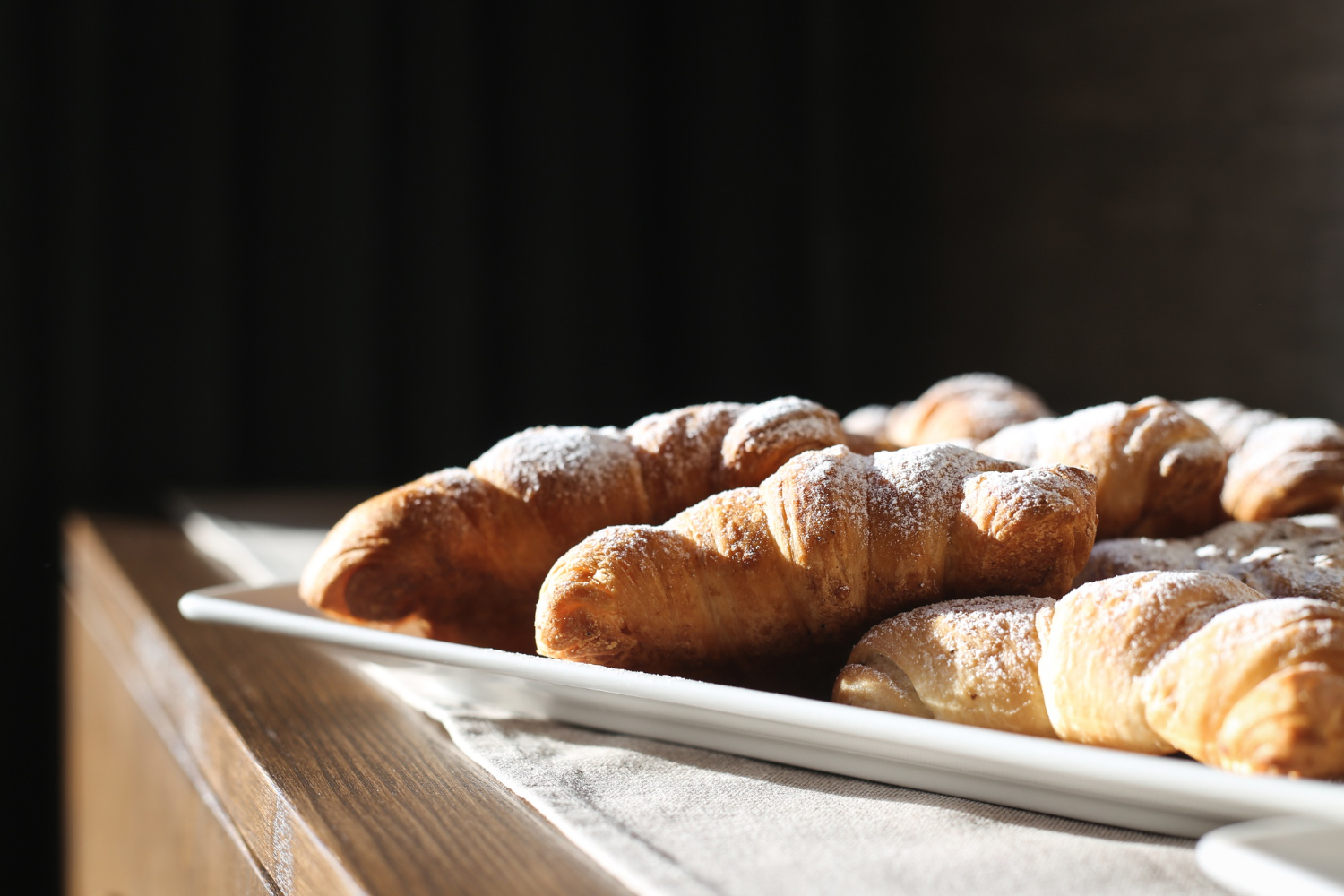
The system traces back to multiple French regulatory frameworks developed over decades. Bread has been treated as essential good in France since at least the French Revolution, when bread availability and pricing were major political issues. Various regulations over subsequent centuries have specifically addressed bread quality, pricing, distribution, and availability. The modern coordinated closing-day system represents accumulated regulatory practice rather than single specific law.
The 1995 reforms specifically addressed boulangerie operations including requirements about who could call themselves a “boulangerie” (must bake bread on premises rather than just selling industrially-produced bread), what could be sold (specific bread types must be available), and various operational requirements. The closing-day coordination existed before 1995 but was formalized through subsequent regulatory frameworks.
The “Authentic Boulangerie” Designation
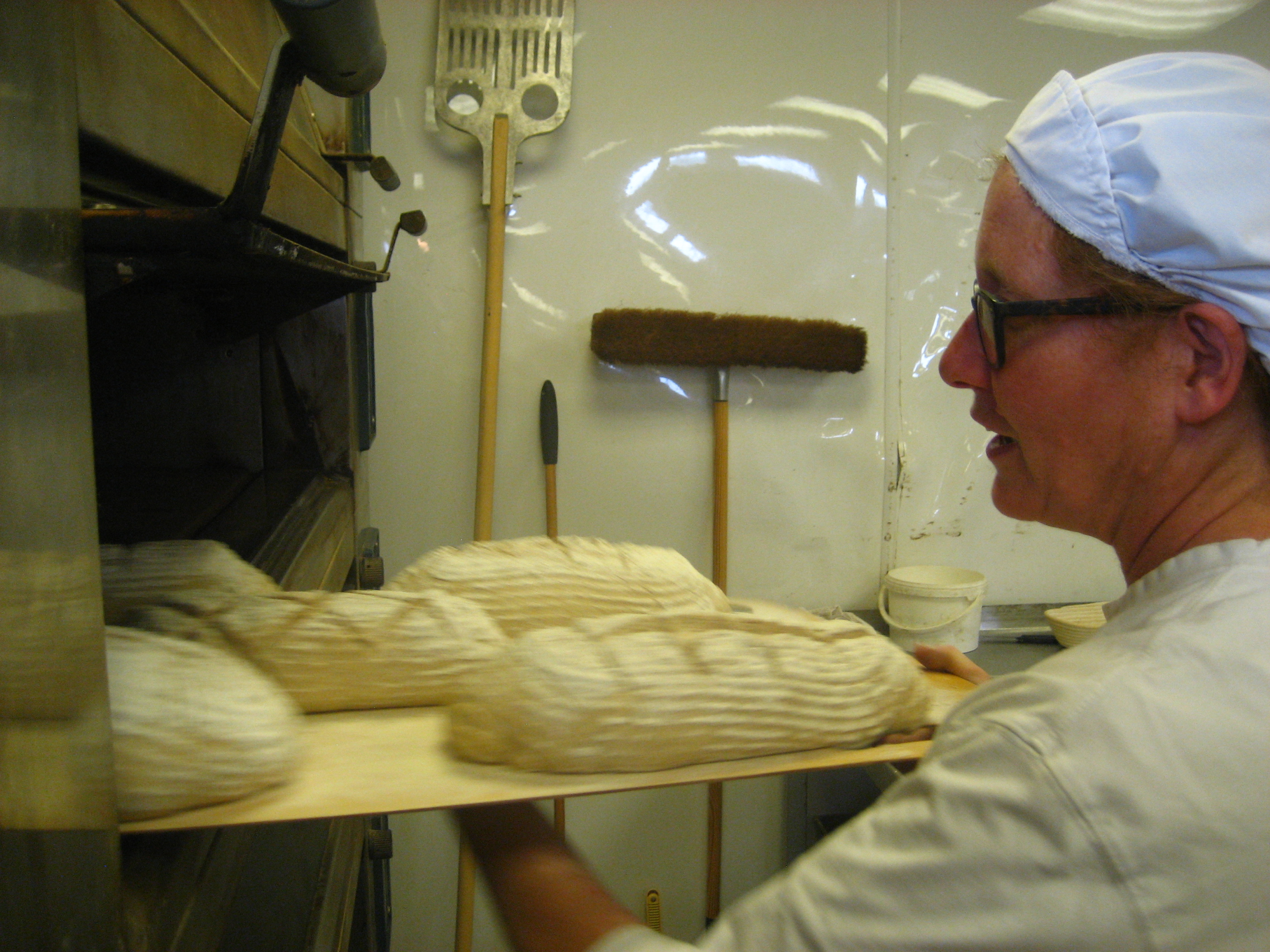
French law specifically protects the term “boulangerie” — establishments using the title must meet specific requirements. The bread must be made on the premises through traditional baking processes (not just baked from frozen industrial dough). Specific traditional bread types must be available. The baker must be present at appropriate times. Various other requirements distinguish authentic boulangeries from establishments that just sell bread.
The “Boulangerie de France” certification provides additional designation for establishments meeting strict traditional requirements including: using only natural ingredients, no additives, traditional fermentation processes, and various other quality standards. The certification system reflects France’s broader commitment to protecting traditional food production methods against industrial substitution. Visitors specifically seeking authentic French bread should look for these designations rather than just any establishment selling bread products.
What the Closing Days Actually Are
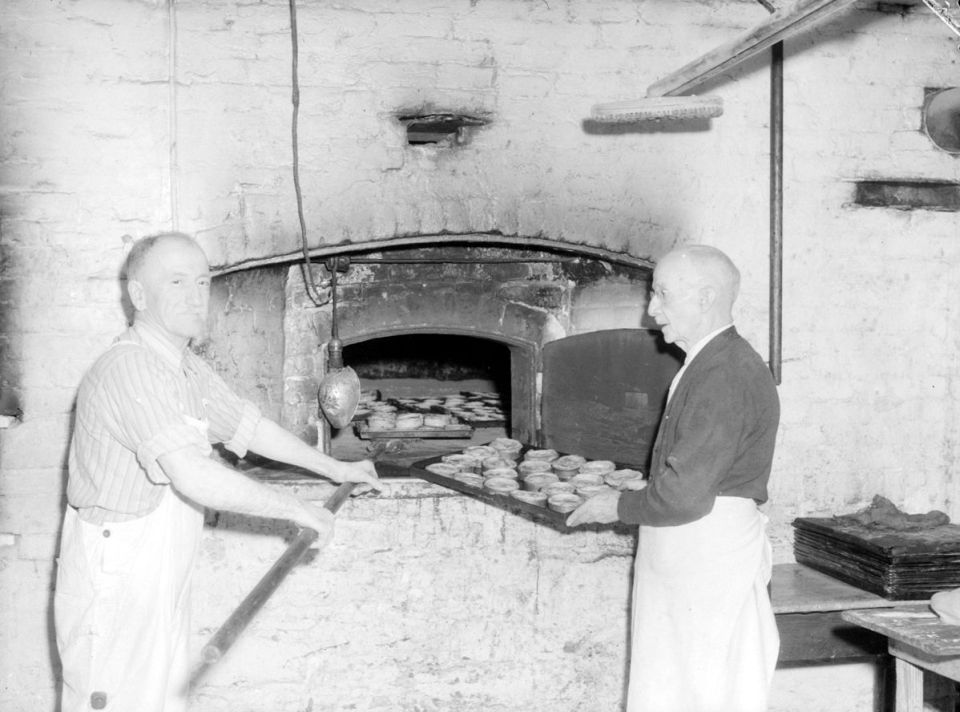
Most French boulangeries close one weekday — Monday, Tuesday, or Wednesday being most common. Some close Sunday afternoons but are open Sunday mornings (one of the busiest periods for boulangerie sales since many other businesses are closed). Almost no boulangeries are open Sunday evenings. The specific closing day for each establishment is typically posted on the door and remains consistent throughout the year.
The neighborhood coordination ensures that within typical walking distance, at least one boulangerie is always open. Different neighborhoods may have different rotation patterns. Tourists who notice a closed boulangerie should walk a few blocks rather than concluding all French boulangeries are closed — typically another option is genuinely available within several minutes’ walk.
Sundays in French Bakery Culture
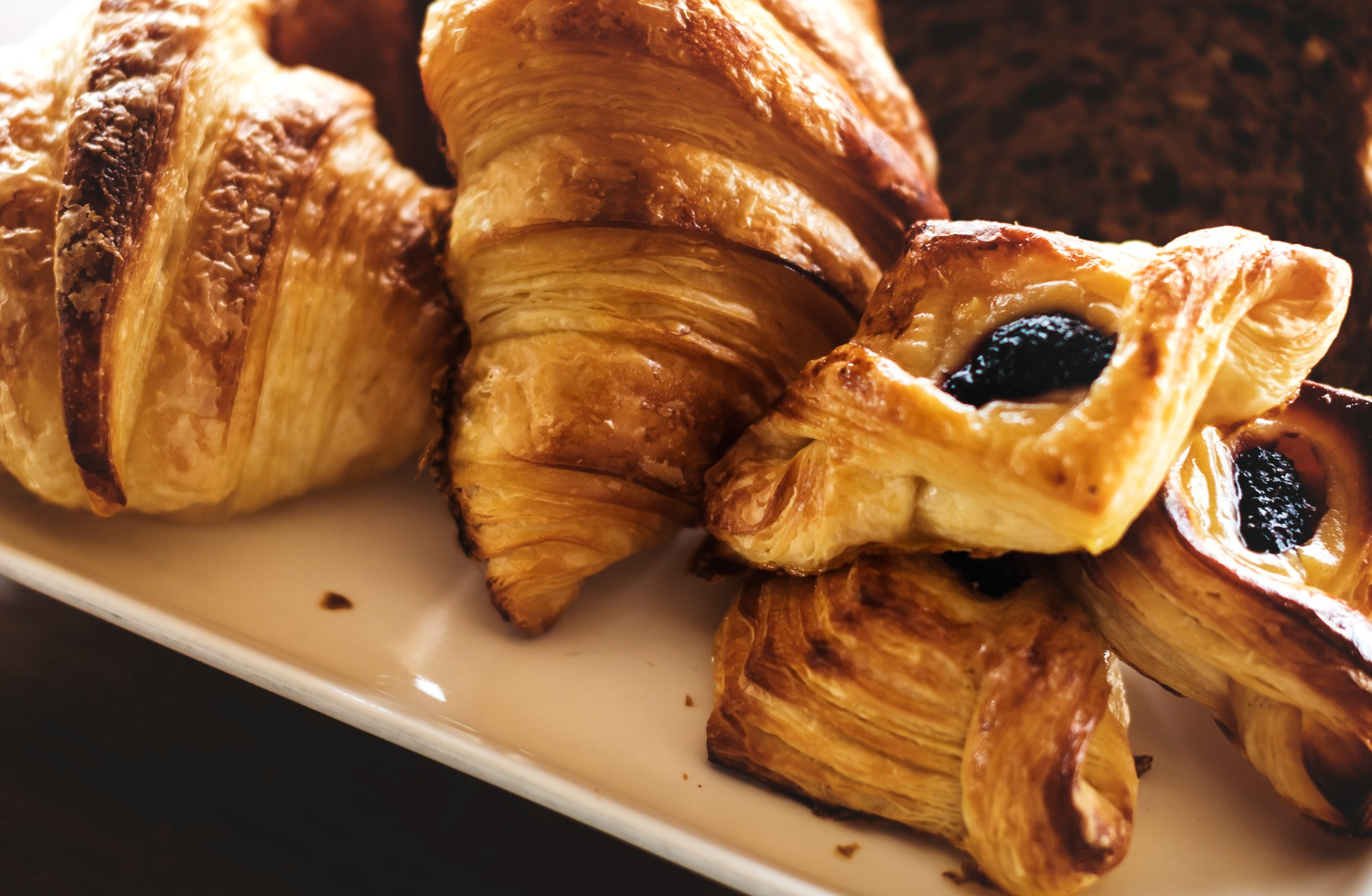
Sunday operations follow specific patterns that surprise many international visitors. Most French boulangeries are open Sunday mornings — typically 6 AM to 1 PM or so. This is when families buy fresh bread for Sunday lunch (a major French weekly meal). Many boulangeries close Sunday afternoons but reopen for limited evening hours. Some close entirely Sunday afternoon and Monday to provide extended weekend rest for the baker.
The Sunday morning busy period reflects specific French Sunday patterns. Sunday lunch (déjeuner du dimanche) remains genuinely important in French family culture — multi-course meal, often extended over hours, frequently involving extended family. Fresh bread is essential to the meal. The Sunday morning boulangerie visit is itself ritualistic for many French families, often involving specific bread orders, brief social interaction with the baker, and various other small social functions.
The Vacation Closures (Vacances Annuelles)
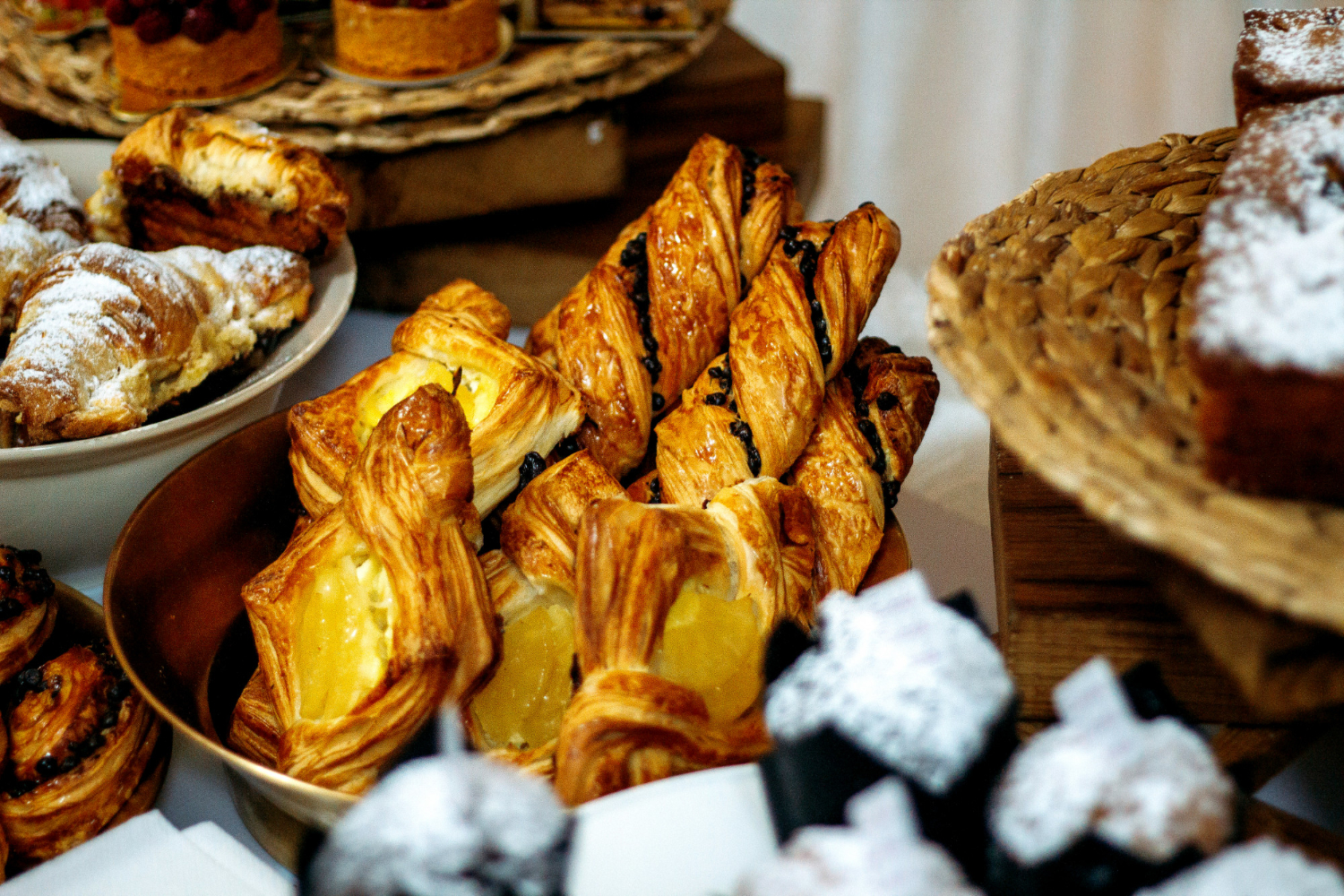
French boulangeries also close for substantial annual vacations — typically 3-4 weeks during summer months. The closures are coordinated within neighborhoods to ensure continued bread availability — not all neighborhood bakeries take vacation simultaneously. Specific dates are typically announced weeks in advance and posted prominently.
The summer vacation closures reflect French labor culture more broadly. The 35-hour work week, mandatory paid vacation (5 weeks annual minimum), and various other labor protections apply to bakers like other workers. Operating bakeries cannot simply remain open 365 days a year — workers must have time off, and the staggered system accommodates this requirement. International visitors planning August trips to France often discover specific neighborhoods where multiple shops are closed simultaneously despite the traditional coordination.
The Modern Pressures
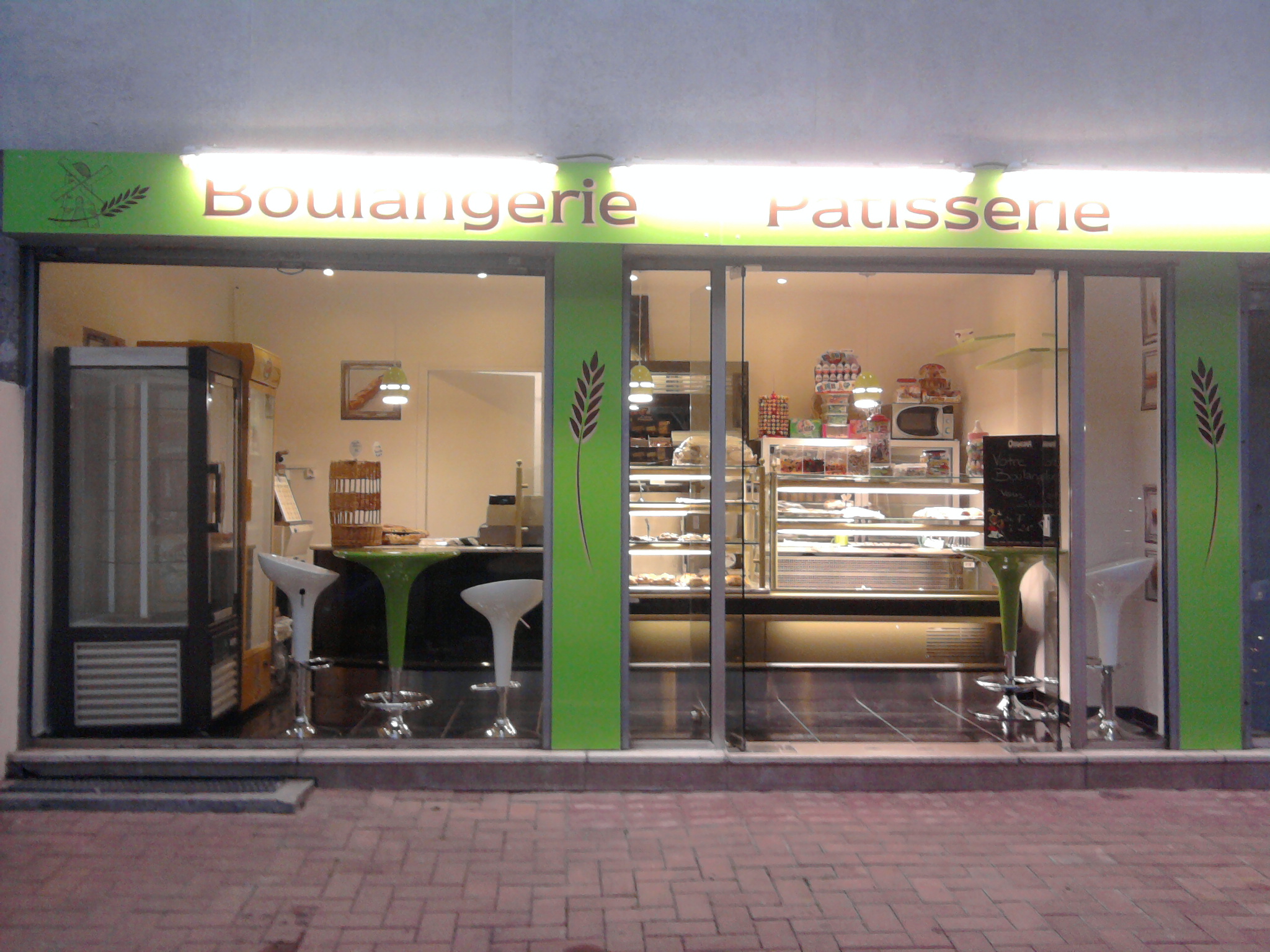
The traditional French boulangerie system faces specific pressures from changing economic and social conditions. Industrial bread production has improved substantially, providing acceptable alternatives at lower costs. Supermarket bakeries (large chain establishments selling bread alongside other products) compete with traditional boulangeries. Convenience store bread availability has expanded. Various other competitive pressures challenge the traditional model.
Some French regulations have been relaxed in recent decades to allow boulangeries to remain open more days per week or modify the strict traditional requirements. Boulangerie owners can now sometimes choose to remain open seven days a week rather than maintaining the traditional weekly closing day. The choice creates competitive advantages for some businesses but also produces strain on bakers who lose their traditional weekly rest day. The broader system continues evolving in response to economic pressures.
What This Reveals About French Food Culture
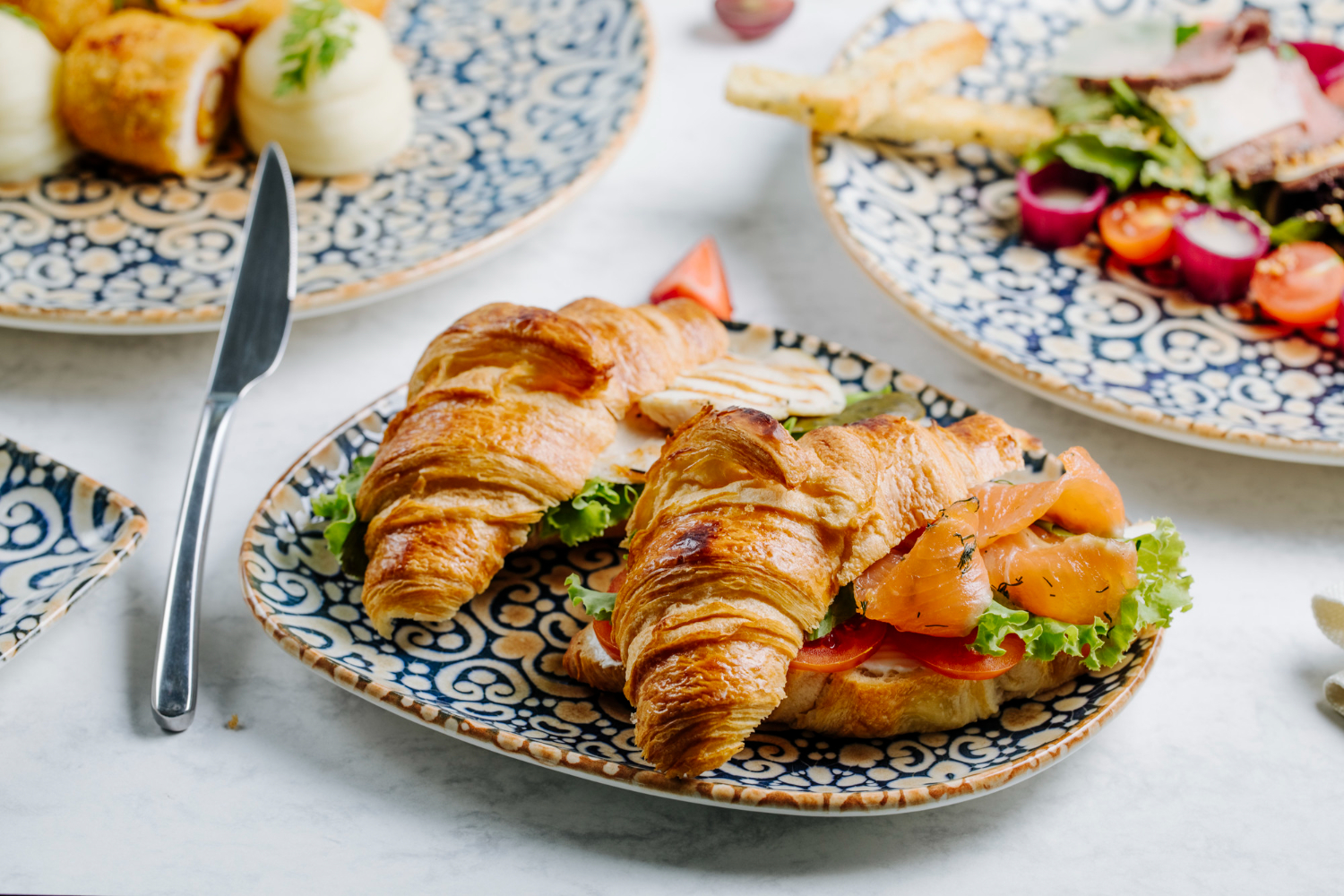
The boulangerie closing day system reflects specific French cultural commitments that distinguish France from most other developed countries. Bread isn’t just commercial product — it’s essential daily good that residents have specific expectations about. The regulatory and cultural systems that maintain bread availability reflect substantial accumulated commitment across generations. Other countries with industrial food systems often produce cheaper bread but with substantially different cultural relationships to the product.
The system also reflects French commitments to small-scale traditional production methods. Each individual boulangerie is essentially a small business operated by specific bakers using traditional methods. The system requires substantial labor — being a boulanger involves early morning starts, physical work, technical skill, and various other demands. The coordinated closing day arrangements help make the demanding profession sustainable while ensuring continued community access to bread products.
How Visitors Should Approach This

Practical guidance for international visitors planning French travel. Don’t assume any specific boulangerie is open — check the closing day before relying on it. Walk a few blocks if your initial choice is closed — typically alternatives are available nearby. Sunday mornings are excellent times for boulangerie visits despite many other businesses being closed. Sunday afternoons are typically the most challenging time to find open boulangeries. August vacation closures are widespread but coordinated — alternatives are usually available even when specific shops are closed.
The boulangerie system rewards patience and exploration rather than convenience-seeking. Visitors who treat boulangerie visits as part of cultural experience (rather than just functional bread purchases) typically appreciate the system more than those who expect 24-hour-7-day-a-week availability. Asking residents about their favorite local boulangeries often produces excellent recommendations. The combination of specific quality standards plus coordinated availability produces something genuinely valuable that mainstream commercial bread distribution cannot replicate.
What This All Represents

The French boulangerie closing day system represents specific cultural and regulatory choices that prioritize traditional production methods, worker welfare, and consistent community access over pure commercial efficiency. The system isn’t perfect — it can be confusing for visitors, occasionally inconvenient for residents, and faces ongoing pressure from various commercial alternatives. But it produces specific benefits: bread quality remains substantially higher than industrial alternatives, traditional baking methods continue functioning, individual bakers maintain reasonable work-life balance, and communities maintain consistent bread availability. The system represents what’s possible when cultural commitment to specific food traditions combines with regulatory frameworks supporting that commitment. France isn’t unique globally in protecting traditional food production methods — Italy, Spain, and various other countries maintain similar systems for various foods. But the specific French boulangerie system has been documented and discussed extensively, providing useful examples of how traditional food cultures can survive economic modernization when communities and governments collectively decide they should. The closed shops are themselves part of what makes French bread culture work.