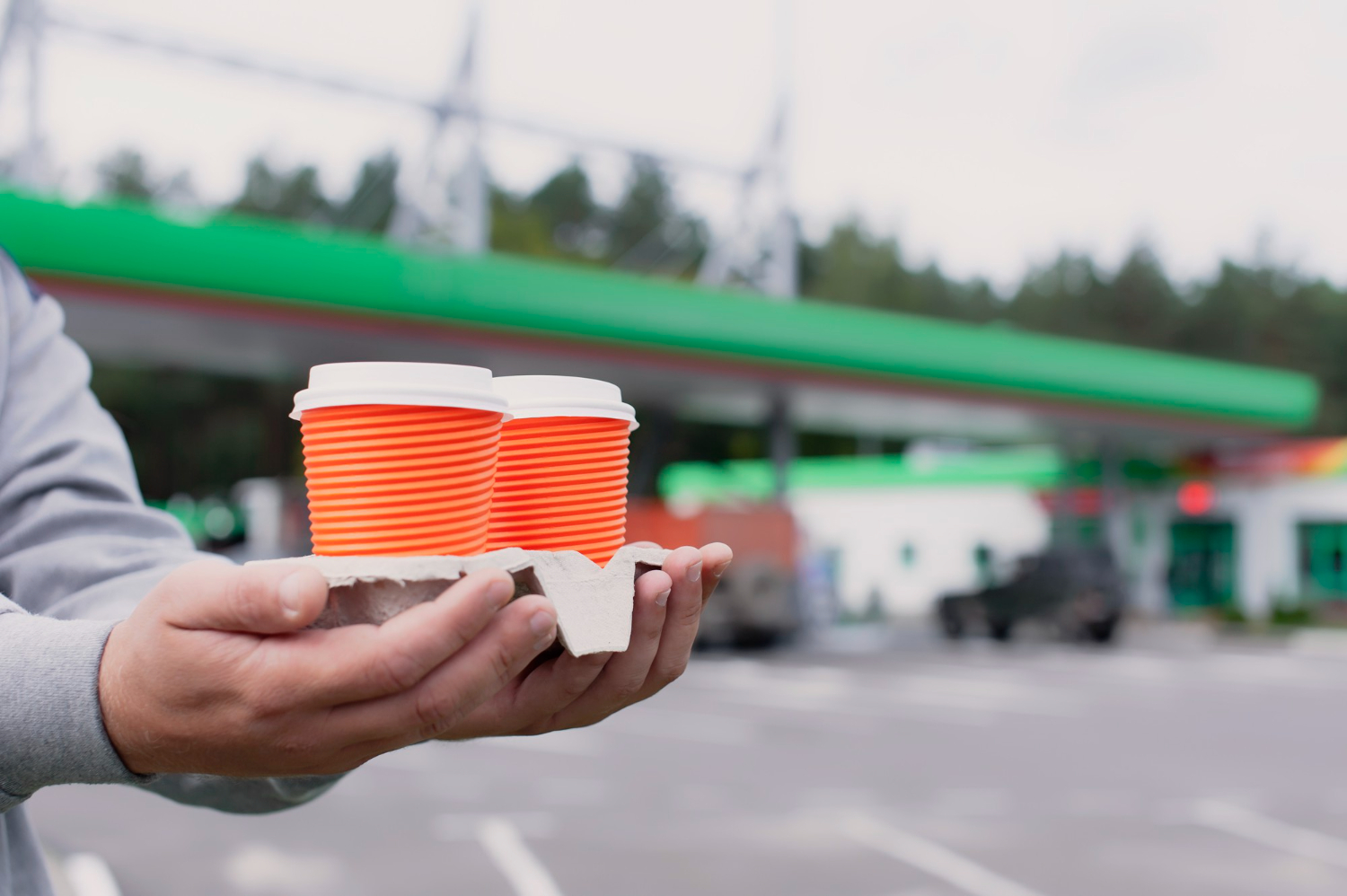
The American gas station coffee has specific characteristics that distinguish it from coffee at cafés, restaurants, or homes. The taste, texture, temperature, and overall experience reflect specific industrial production decisions, equipment choices, and economic constraints that have shaped American convenience store coffee for decades. Most road-trip travelers consume gas station coffee without thinking much about why it tastes the specific way it does. The actual answers reveal substantial details about how American food retail actually works — and why the same coffee tastes consistent across thousands of locations nationwide.
The American gas station coffee has become substantial cultural institution despite providing what coffee enthusiasts would generally describe as substandard product. Travelers stop at convenience stores during road trips, paying $1-3 for substantial-volume coffee that wouldn’t be acceptable at any specialty café. The continued widespread consumption reflects specific factors beyond just coffee quality — convenience, consistency, caffeine delivery, and various other functional benefits that the convenience store coffee provides without requiring traditional coffee culture engagement.
The Specific Bean Reality
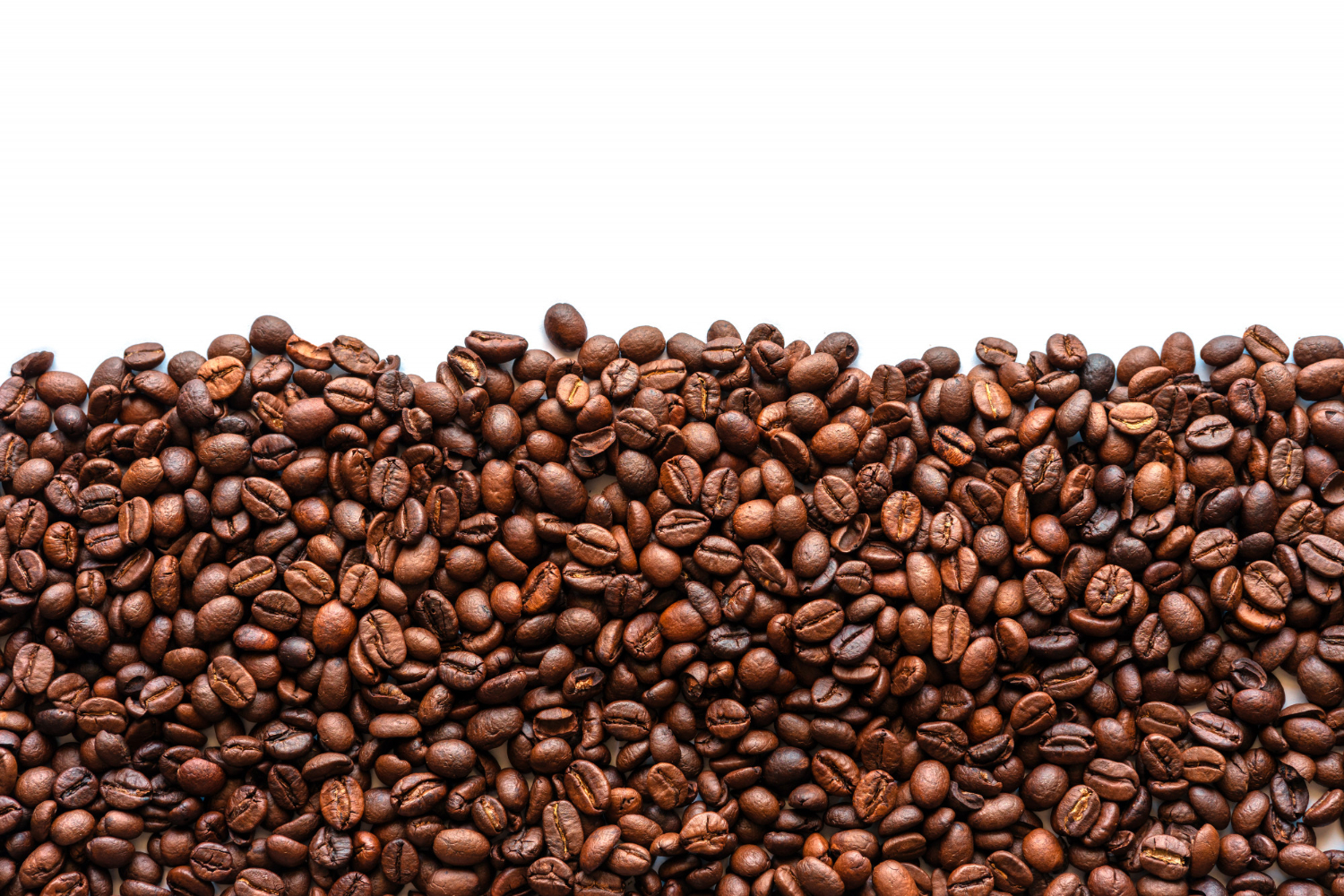
Gas station coffee uses specific bean varieties optimized for industrial production rather than flavor quality. Most convenience store coffee uses robusta beans rather than the arabica beans preferred for specialty coffee. Robusta beans produce higher caffeine content, lower production costs, and more bitter flavor profile than arabica. The combination matches gas station coffee’s primary functions — providing caffeine and warmth at low cost — better than higher-quality alternatives.
Robusta beans grow in different regions than arabica (typically lower altitudes, hotter climates, more disease-resistant) and are produced in massive industrial quantities. Major gas station coffee suppliers source beans from specific commercial supply chains optimized for consistency and price rather than quality. The resulting coffee has consistent characteristics across thousands of locations — predictable taste regardless of which gas station you visit. The consistency itself becomes valuable for travelers — gas station coffee tastes essentially the same in Texas, Maine, or California.
The Brewing Method Reality
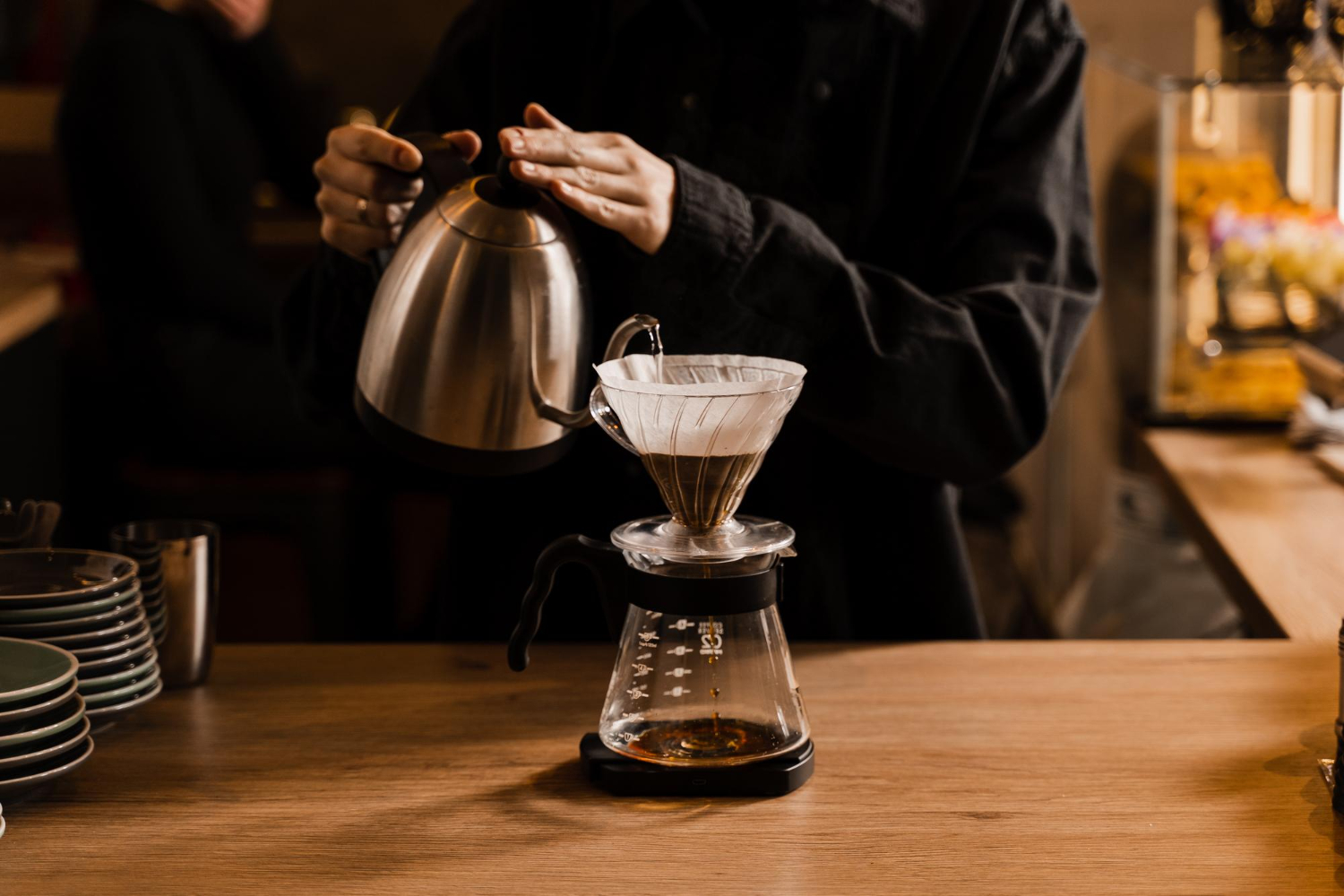
Gas station coffee equipment typically uses commercial drip-brewing systems that prioritize speed, volume, and consistency over flavor optimization. Brewing temperatures, water flow rates, and grind sizes are calibrated for high-volume production with minimal staff attention. The brewing parameters often produce slightly over-extracted coffee — the bitter taste characteristic of gas station coffee partly reflects extraction beyond optimal flavor extraction time.
Coffee typically sits in heated carafes for extended periods after brewing. The continued heating produces specific flavor changes — increased bitterness, reduced volatile aromatic compounds, gradual flavor degradation. Most gas stations don’t replace coffee on schedules that would maintain peak flavor — instead, coffee is replaced when carafes empty rather than when flavor degrades. The combination of suboptimal brewing plus extended heating produces the specific taste profile that distinguishes gas station coffee from fresher alternatives.
The Specific Roast Profile
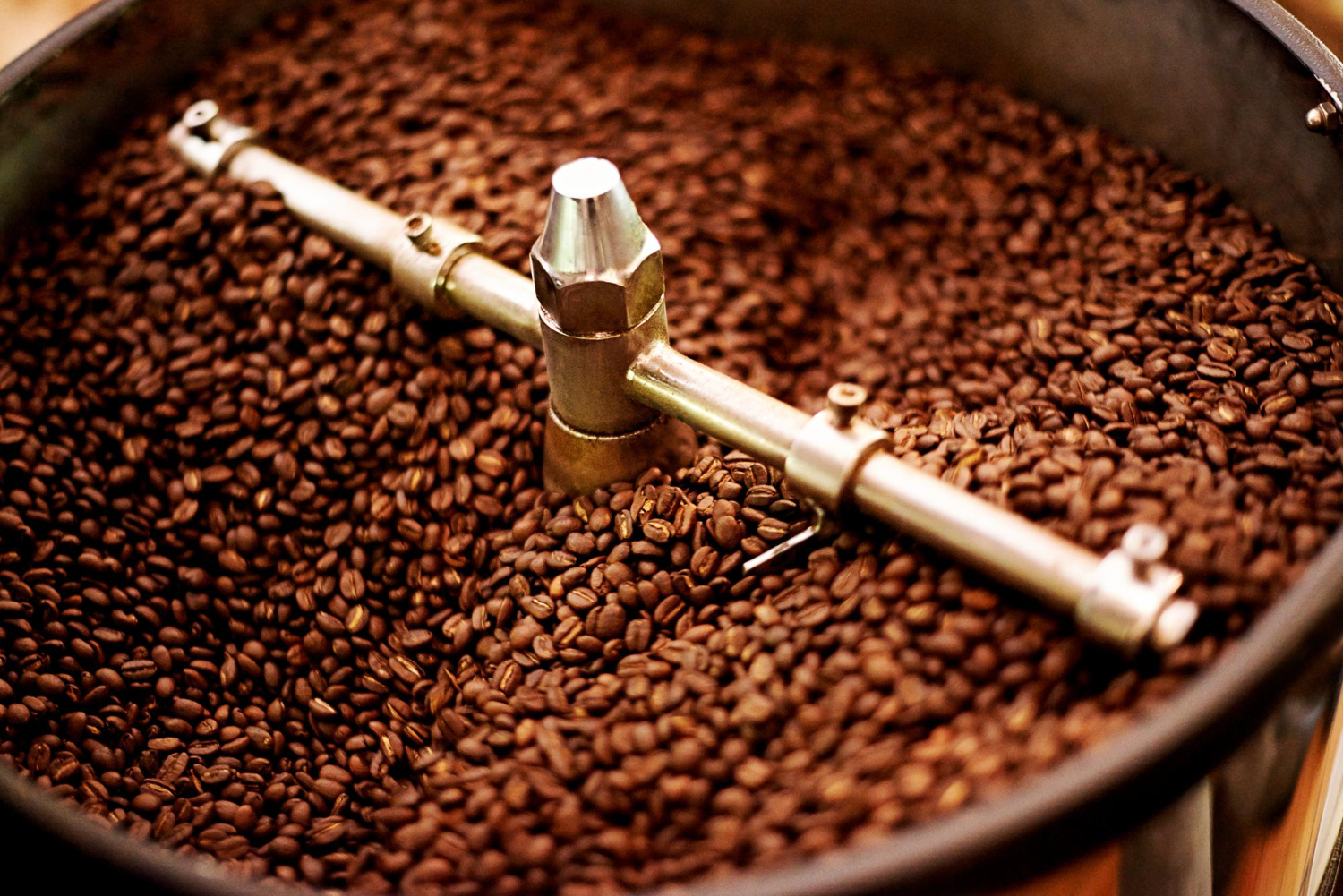
Gas station coffee typically uses dark roast profiles that mask bean quality variations and provide consistent flavor expectations. Dark roasting essentially burns off subtle flavor characteristics that distinguish high-quality beans, leaving primarily roasted/bitter flavor notes. The processing actually benefits commercial gas station coffee — minimizes the impact of variable bean quality and produces consistent flavor regardless of source.
The dark roast also affects caffeine content. Conventional wisdom assumes dark roast contains more caffeine, but actually the opposite is typically true — extended roasting reduces caffeine content somewhat. Gas station coffee compensates for this through robusta bean usage (higher initial caffeine) and brewing methods that maximize extraction. The cumulative effect: substantial caffeine delivery despite extended roasting that might otherwise reduce it.
The Hot Holding Reality

Gas station coffee carafes maintain coffee at temperatures around 175-185°F (79-85°C) for hours after brewing. The temperatures are higher than optimal for coffee flavor preservation but ensure that customers receive hot coffee regardless of when they purchase it. The combination of high temperature plus extended holding time produces specific chemical changes — Maillard reactions, oxidation, evaporation of volatile compounds — that progressively alter coffee flavor.
Most coffee experts recommend consuming coffee within 30 minutes of brewing for optimal flavor. Gas station coffee may be consumed 4-8 hours after brewing. The flavor differences are substantial. Travelers who specifically prefer fresh coffee should look for gas stations with high turnover (interstate locations during peak hours typically have fresher coffee than rural locations). Some convenience stores have begun installing single-cup brewing systems that produce fresh coffee per order, but traditional carafe-based systems remain standard at most gas stations.
The Chain-Specific Variations
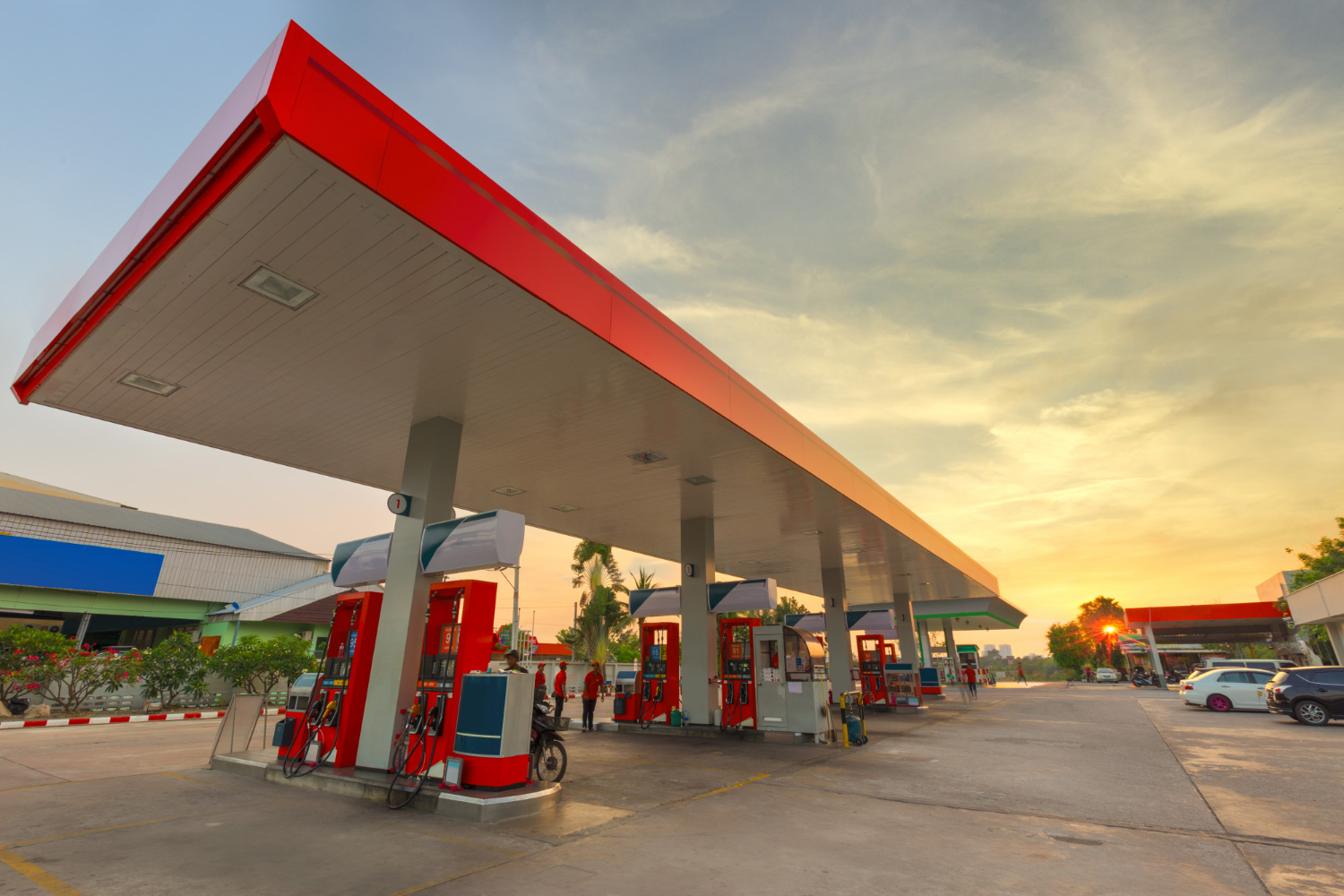
Different gas station chains operate substantially different coffee programs. Wawa (mid-Atlantic states) has invested substantially in coffee quality and is often considered to produce among the best gas station coffee in America. QuikTrip operates similar quality-focused programs. Sheetz, Royal Farms, and various other regional chains have made coffee a competitive differentiation element. 7-Eleven, Speedway, and various other large chains operate more standardized programs typically focused on consistency over quality.
The variations matter for travelers selecting specific gas stations. Brand reputation provides genuine guidance for coffee quality expectations. Wawa coffee in 2026 substantially exceeds typical gas station coffee from 1996. Various chains have responded to growing consumer awareness about coffee quality by upgrading their offerings. The improvement isn’t universal — many gas stations continue serving traditional standard coffee — but specific chains have demonstrated that gas station economics can support better coffee when management commits to quality investments.
The Self-Service Customization

Gas station coffee operations typically include extensive self-service customization options that compensate for base coffee quality limitations. Substantial cream/milk options, sugar varieties, flavor syrups, sweeteners, and various other additions allow customers to substantially modify the base coffee to match preferences. The customization often produces more palatable final beverages than the base coffee alone would provide.
The customization culture has become substantial part of American gas station coffee tradition. Travelers often have specific customization patterns that they’ve developed over years of road trips. The ritual of preparing gas station coffee — adding specific amounts of cream, sugar, and various additions — has become part of the experience itself. The coffee bar areas at major gas stations specifically support this customization with substantial supply availability.
The Caffeine Delivery Reality
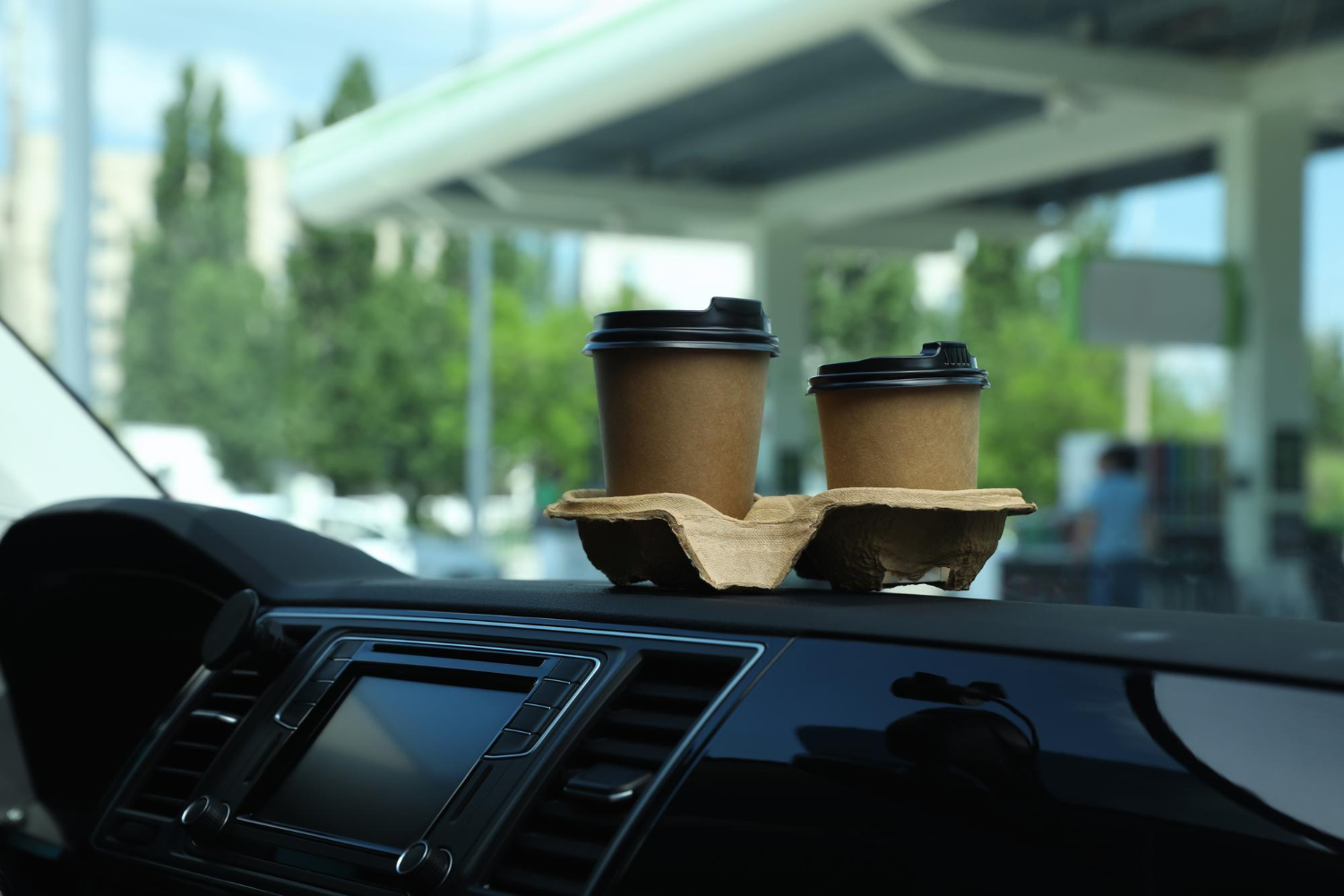
The fundamental function of gas station coffee for most travelers is caffeine delivery rather than flavor experience. Long-distance driving requires sustained alertness. Caffeine provides specific alertness benefits. Gas station coffee delivers substantial caffeine doses at low cost with widespread availability — exactly what tired drivers need on long trips.
The functional success at this primary task substantially explains continued widespread consumption despite quality limitations. Gas station coffee may not be excellent coffee, but it’s effective caffeine delivery system. Travelers prioritizing functional benefits over taste preferences continue choosing gas station coffee for the practical reasons that have always defined its popularity. The cumulative effect: gas station coffee has maintained substantial market share even as American coffee culture has otherwise upgraded substantially toward specialty alternatives.
The Specific Cultural Position
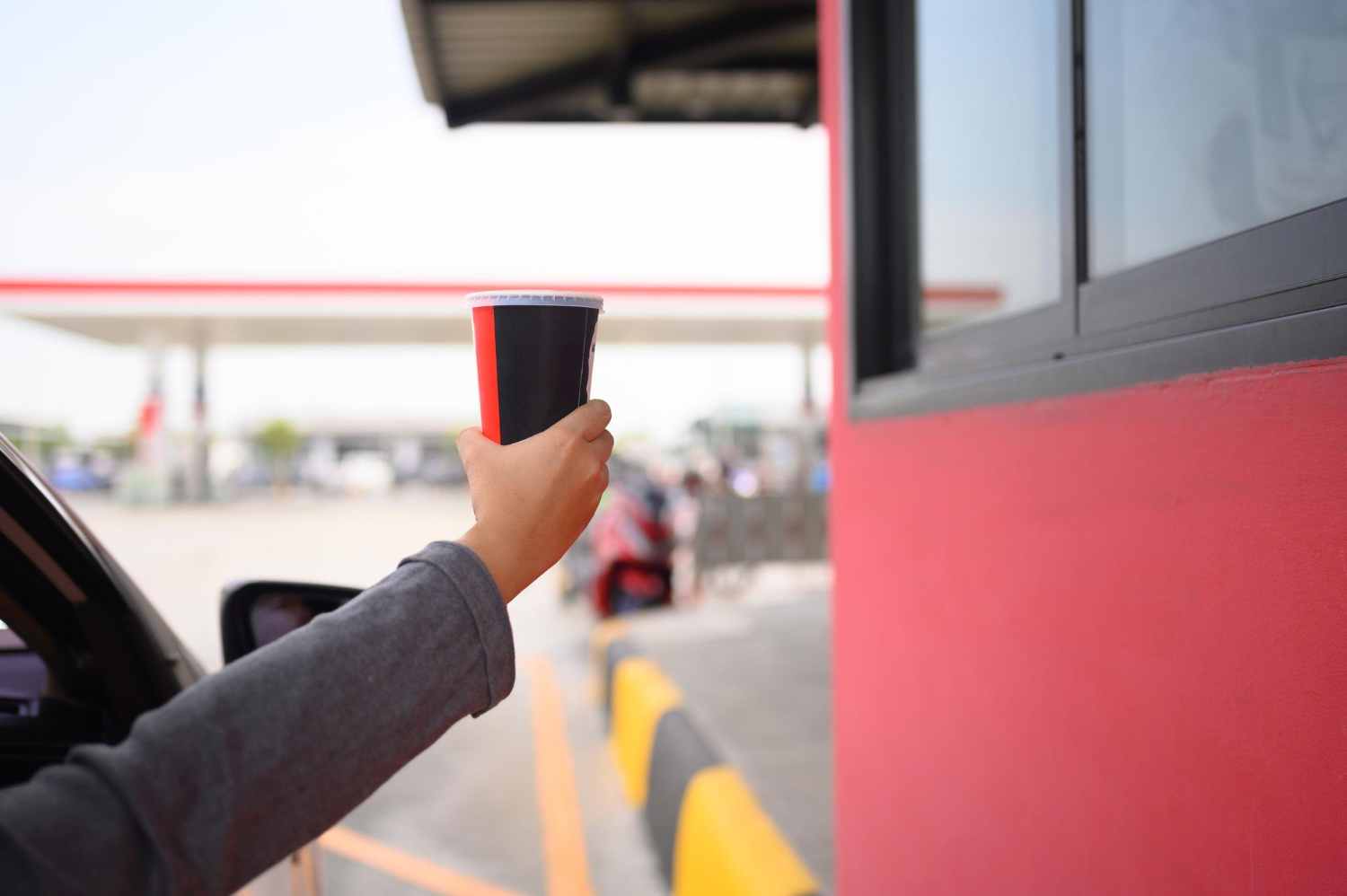
American gas station coffee occupies specific cultural position that distinguishes it from coffee in other contexts. It’s not “coffee shop” coffee — there’s no service experience, no atmosphere, no social culture. It’s not “home coffee” — typically not consumed in domestic contexts. It’s specifically “travel coffee” — consumed during transitions between locations rather than at destinations themselves. The cultural position has shaped specific expectations about what gas station coffee should provide.
The travel association produces specific implications. Gas station coffee is consumed in cars, while standing at gas pumps, in transitional moments rather than dedicated coffee occasions. The disposable cup is essential — coffee will be consumed during continued movement rather than seated experience. Various other elements (lid technology, cup sizing, heat retention) reflect the specific travel context. The cumulative product is purpose-built for specific use case rather than general coffee consumption.
What This All Reveals
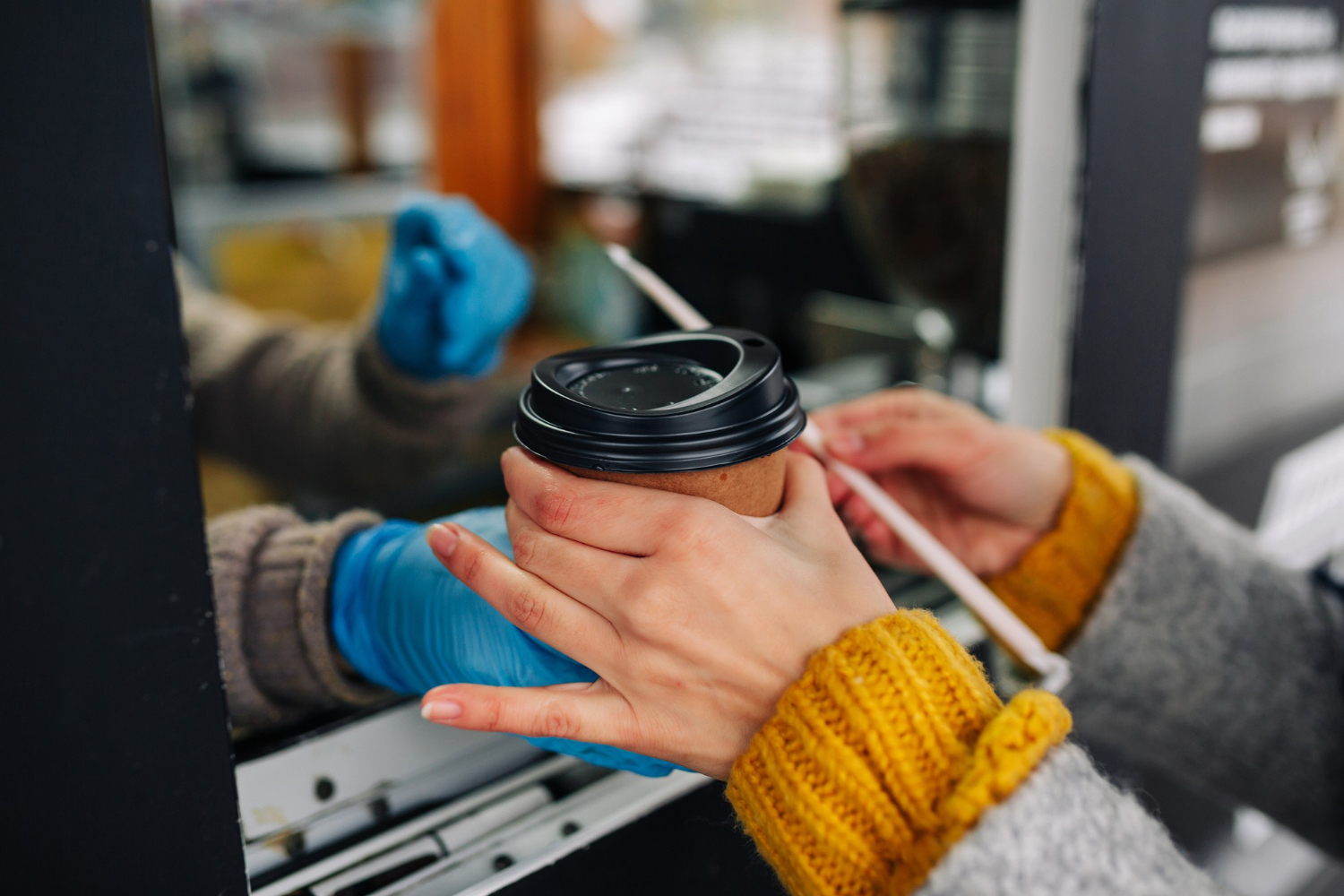
American gas station coffee represents specific industrial response to specific consumer needs that traditional coffee culture cannot adequately serve. The coffee isn’t designed to compete with specialty café coffee — it’s designed to provide specific functional benefits (caffeine, warmth, consistency, low cost, widespread availability) that traditional coffee operations don’t optimize for. The resulting product has succeeded for decades despite quality limitations because it serves specific functions effectively. Modern American coffee culture has substantially upgraded across multiple categories — specialty cafés, home brewing equipment, restaurant coffee programs, and various other contexts have all improved substantially. Gas station coffee has improved somewhat but remains substantially distinct from these other categories. The continued role of gas station coffee in American travel culture reflects specific functional value that hasn’t been adequately replaced by alternative options. For long-distance driving, the combination of low cost, widespread availability, consistent product, and substantial caffeine delivery continues providing specific value that other coffee options can’t quite match. The gas station coffee tradition will likely continue for decades — not because it’s excellent coffee, but because it serves specific travel needs that no other coffee category serves equally well.