

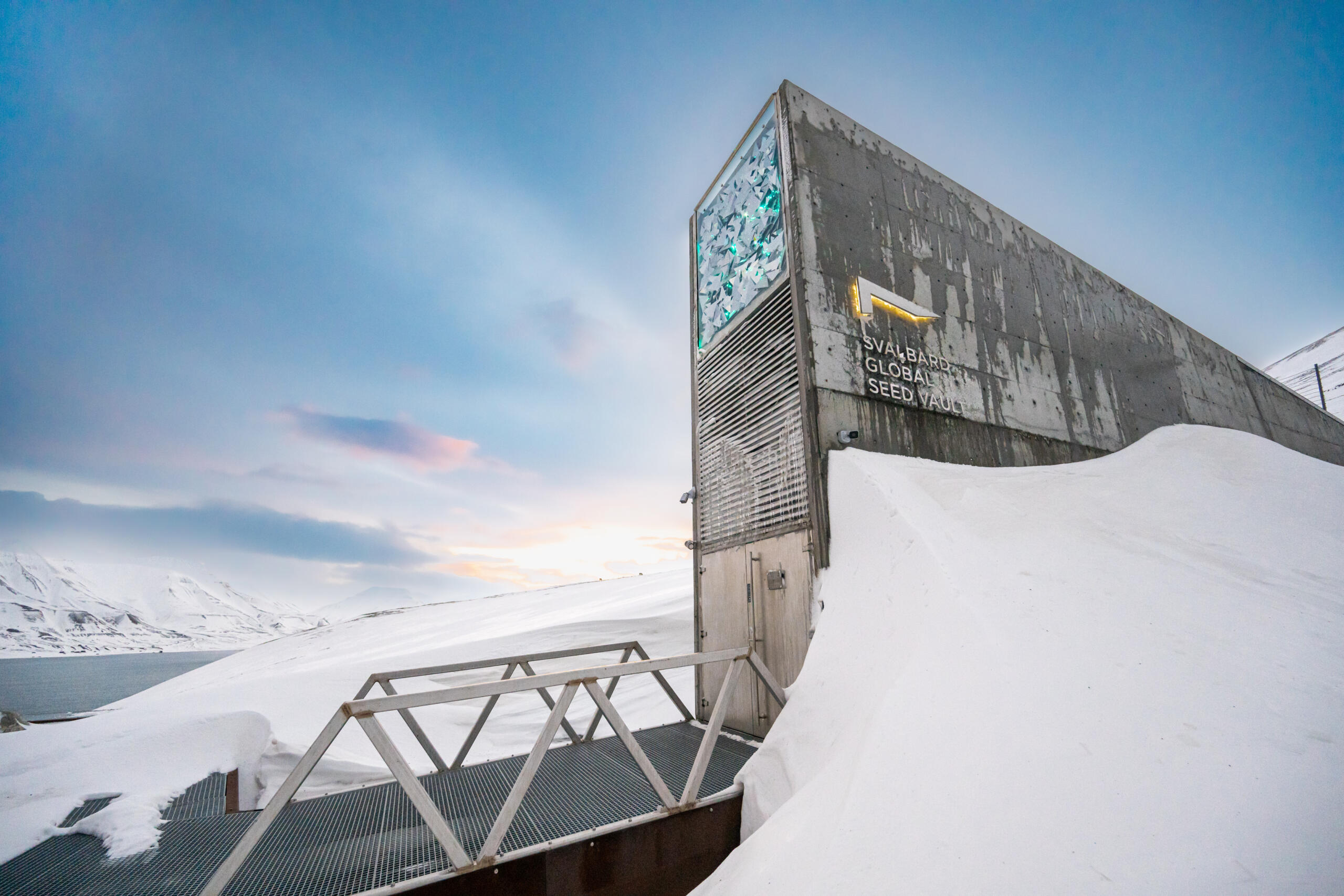
The Svalbard Global Seed Vault sits 130 meters inside a sandstone mountain on Spitsbergen Island, 1,300 kilometers north of the Arctic Circle. Opened in 2008, it’s designed to function as the ultimate backup for the world’s 1,750 seed banks — storing duplicate samples of every important food crop variety on Earth. As of 2026, it holds approximately 1.386 million seed samples from 132 depositors. The vault has been opened only once for emergency withdrawal: in 2015, when ICARDA’s gene bank in Aleppo was lost to the Syrian war. Here’s how it actually works.
1: A Mountain on the Edge of the World
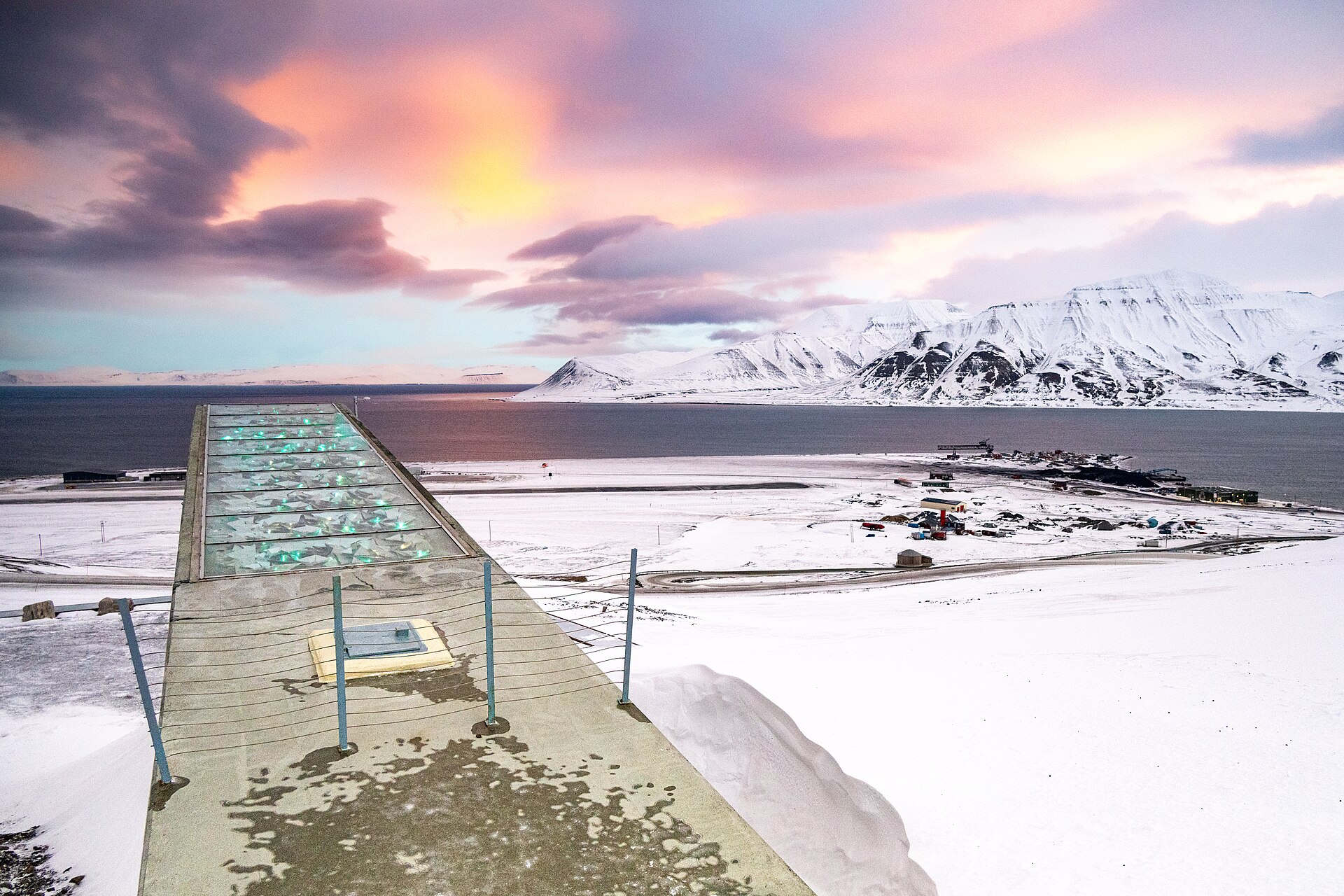
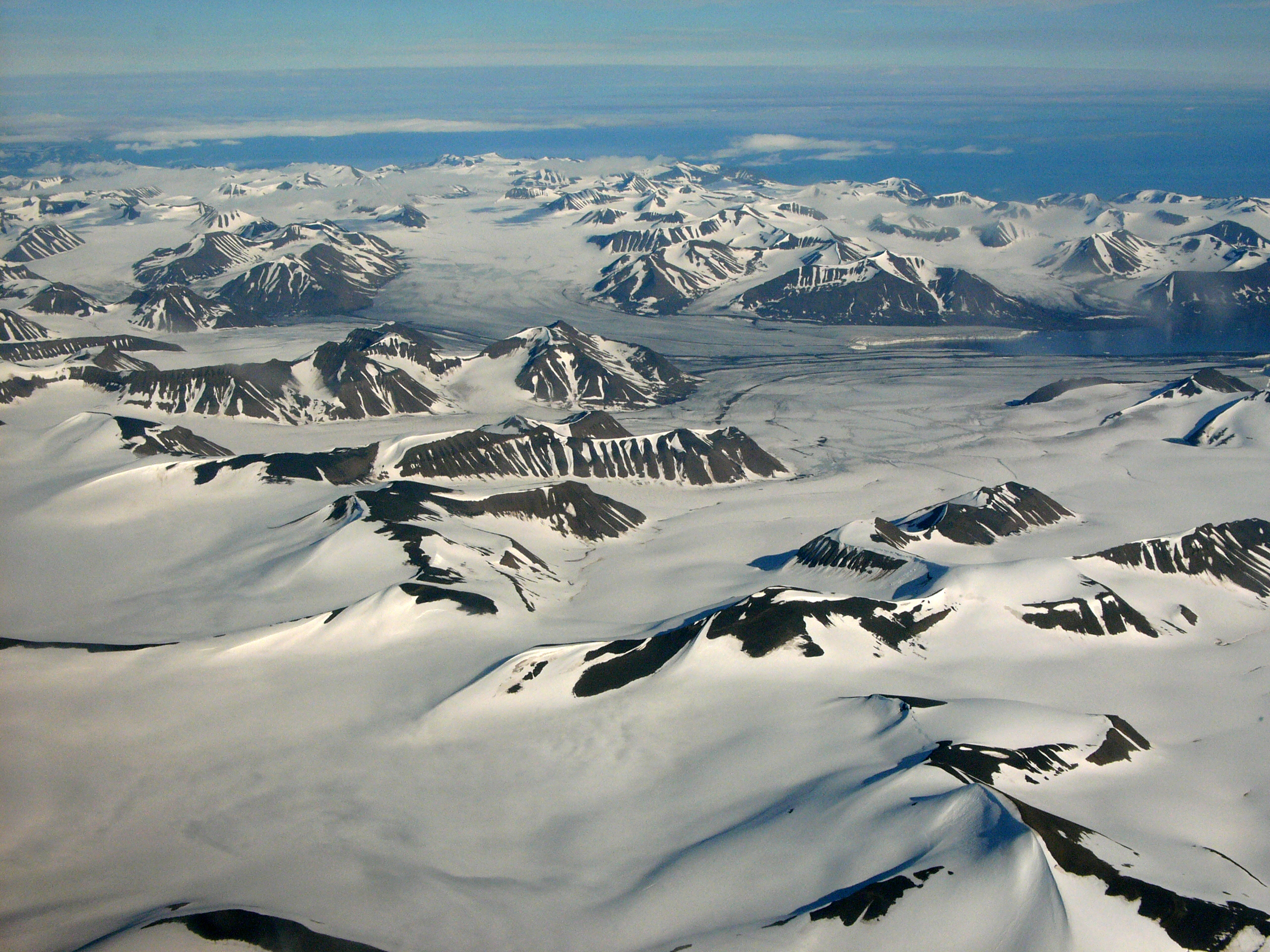
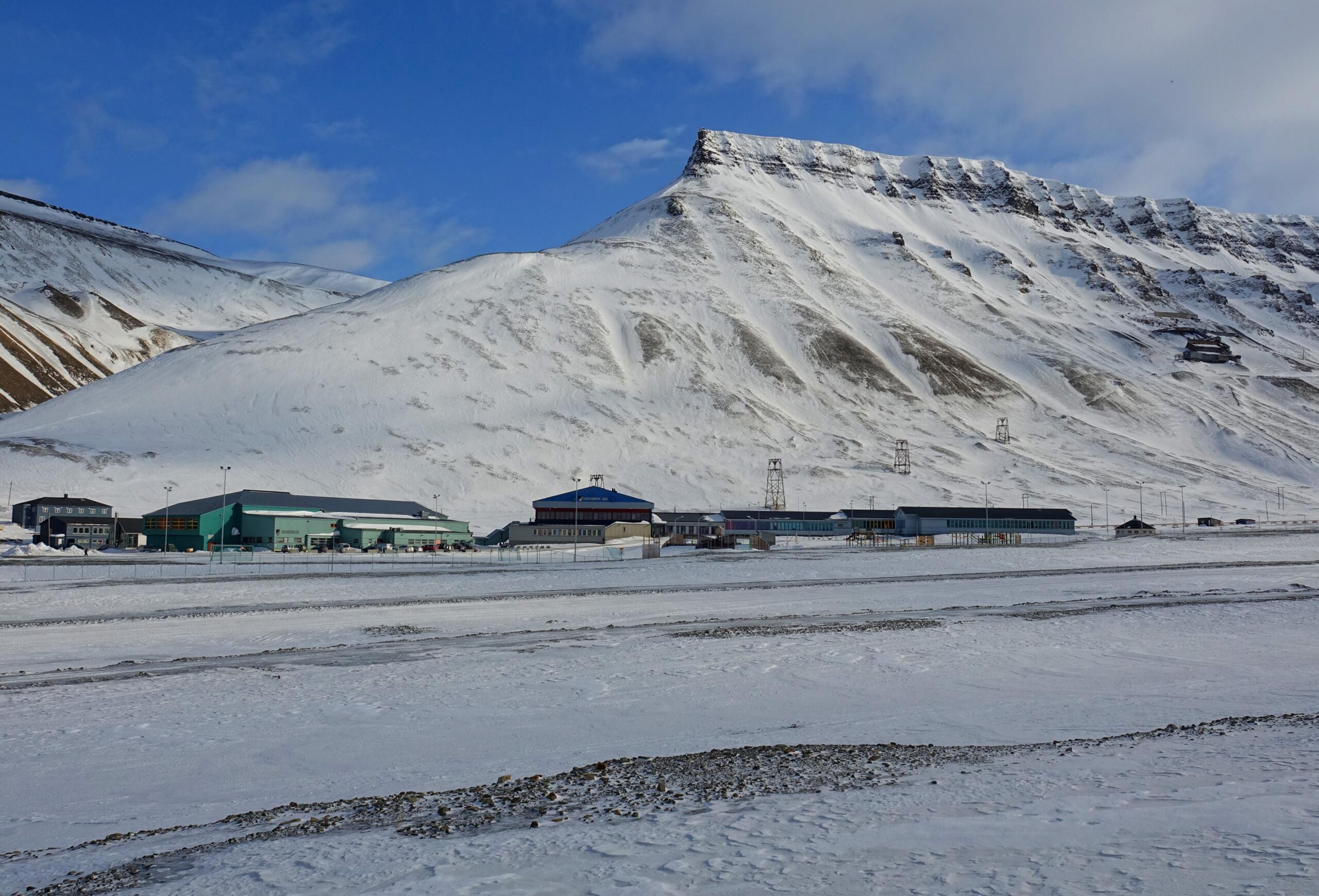
The Svalbard Global Seed Vault is located on Spitsbergen Island in the Norwegian archipelago of Svalbard — approximately 1,300 kilometers north of the Arctic Circle, at 78° north latitude. The vault is built 130 meters (430 feet) inside a sandstone mountain (Platåberget), at 130 meters above sea level. The location is the farthest north a person can fly to on a scheduled commercial flight (via Longyearbyen, Svalbard’s main settlement).
Several specific factors made Svalbard ideal for the facility. Permafrost provides natural cooling that maintains seed-preserving temperatures even if mechanical cooling fails. The geological situation is extremely stable — minimal earthquake activity, no volcanic risk. The location is remote enough to be politically protected but accessible enough for regular operations. The 130-meter elevation protects against worst-case sea-level rise scenarios. Modern climate models all project the location will remain viable through current planning horizons.
2: The Specific Engineering
The vault complex consists of three main storage chambers connected by a 100-meter access tunnel. The chambers are designed to maintain temperatures of -18°C (-0.4°F) — the international standard for long-term seed storage. The mechanical refrigeration system uses electricity provided by Svalbard’s coal-fired power plant. If the mechanical refrigeration fails, the surrounding permafrost would naturally maintain temperatures around -3.5°C, which is still adequate for substantial-duration seed preservation while repairs are made.
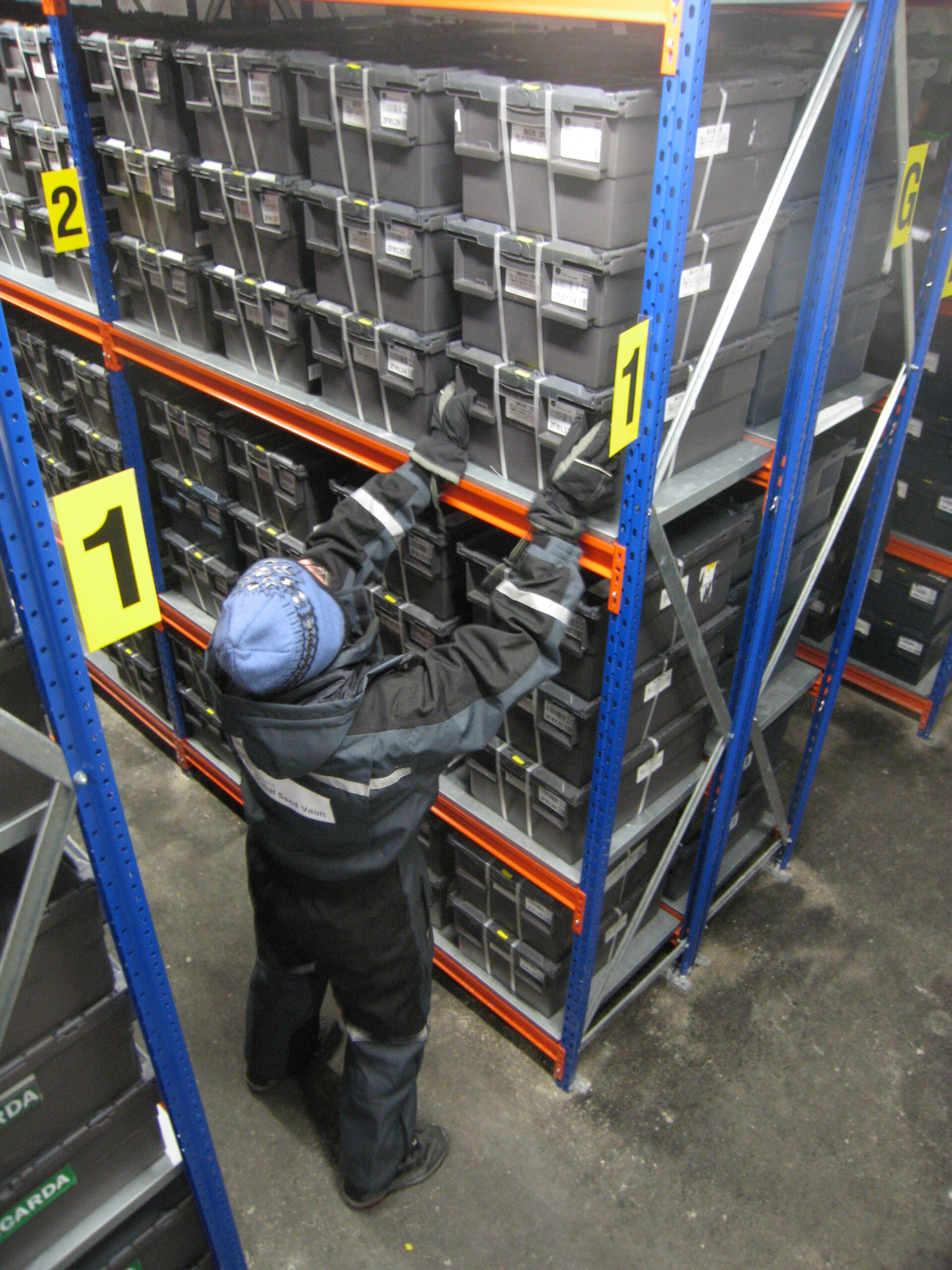
The vault’s total capacity is 4.5 million seed samples — equivalent to approximately 2.25 billion individual seeds. As of 2026, the vault holds approximately 1.386 million samples representing more than 6,500 species from 132 depositors worldwide. The facility is roughly one-third full, with substantial remaining capacity for future deposits. The seed boxes are stored on shelves in stainless steel containers that protect them from various environmental factors.
3: The “Doomsday Vault” Nickname
The popular media nickname “Doomsday Vault” reflects how the facility is often perceived but isn’t entirely accurate to its actual function. The vault isn’t designed for post-apocalyptic survival scenarios where humans would emerge to replant the world. It’s designed as practical backup for the world’s existing 1,750+ seed banks — institutions that can fail through various more mundane catastrophes including war, civil unrest, natural disasters, equipment failures, and inadequate funding.
The real-world threats the vault protects against are well-documented. The national gene bank of the Philippines was damaged by flooding and later destroyed by fire. Gene banks in Afghanistan and Iraq have been completely lost during recent conflicts. Various other gene banks have suffered substantial losses for various reasons. The Svalbard vault provides backup duplicates that can be returned to depositors if their primary collections are lost.
4: The Concept Origin
The Seed Vault concept developed gradually over decades. Cary Fowler, working with the Nordic Gene Bank, championed the idea throughout the 1980s and 1990s. The basic concept: humanity’s agricultural genetic diversity — the genetic foundation of all food production — was distributed across hundreds of gene banks globally with no centralized backup. Loss of any specific gene bank meant permanent loss of the genetic material it contained. A single secure facility could provide insurance against multiple potential disasters.
A 2004 feasibility study by an international committee identified Svalbard as the optimal location. The International Treaty on Plant Genetic Resources for Food and Agriculture entered into force in 2004, providing the legal framework for international seed sharing. In October 2004, the Norwegian government committed to fund and build the facility. Construction began in June 2006. The Seed Vault opened on February 26, 2008.
5: The Opening Ceremony
The Svalbard Global Seed Vault was opened on February 26, 2008, in a ceremony attended by Norwegian Prime Minister Jens Stoltenberg, European Union President José Manuel Barroso, FAO Director-General Jacques Diouf, and Nobel Peace Prize laureate Wangari Maathai. The opening included the initial deposit of more than 320,000 seed accessions from over 100 countries.
Time Magazine named the Seed Vault the sixth-best invention of 2008. The facility won the Norwegian Lighting Prize for 2009. The Project Management Institute later ranked it the 10th most influential project of the past 50 years. The international response reflected substantial recognition that the facility addressed a real and important need that previously had no comprehensive solution.
6: How Seed Deposits Actually Work
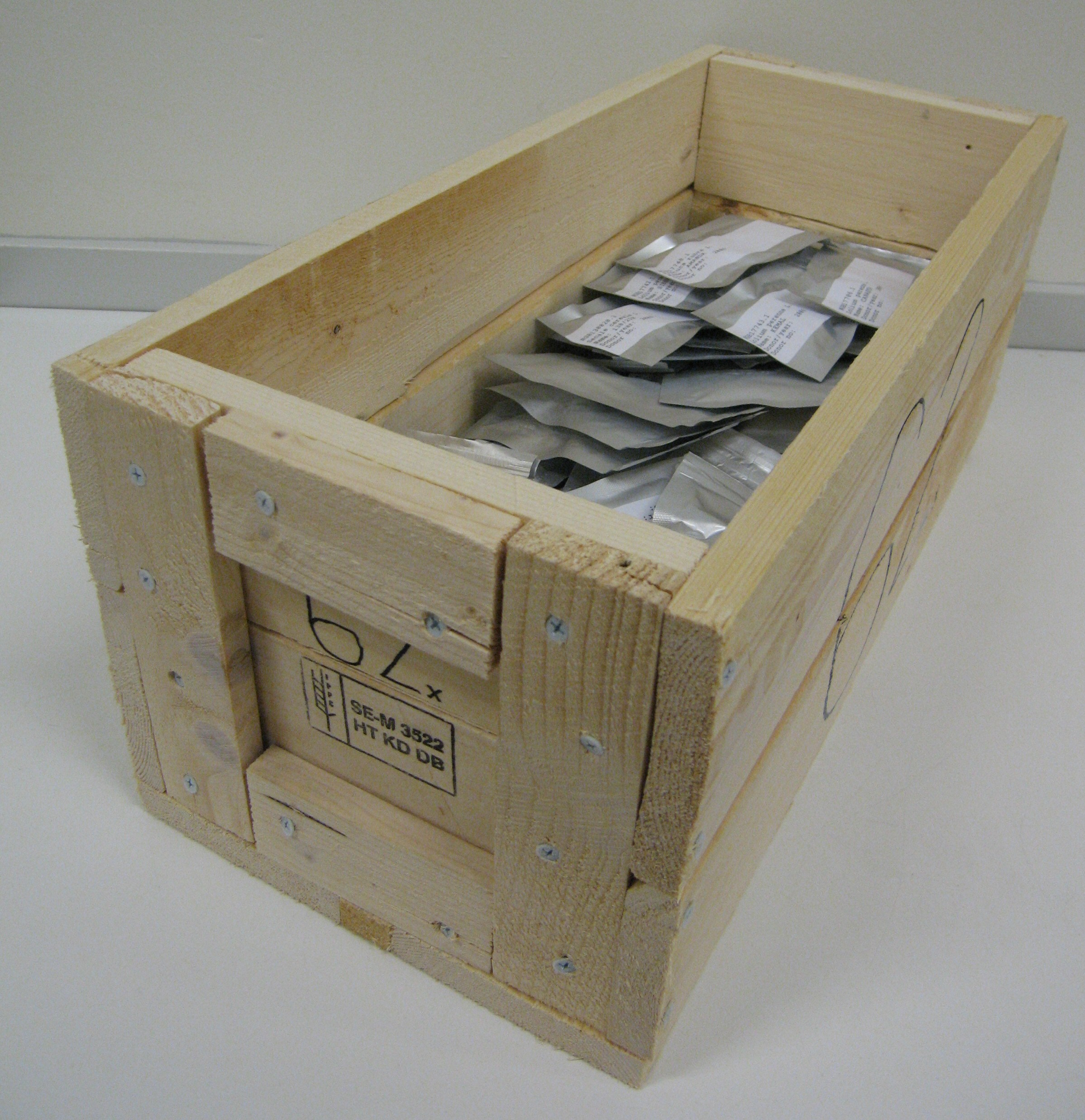
The Seed Vault operates under a strict “black box” principle. Depositing institutions retain full legal ownership of their seeds — Norway and the Vault administrators do not own deposited seeds and cannot access them without depositor permission. Each deposit is essentially a sealed package that only the original depositor can open or withdraw.
This legal structure was essential for the Vault’s broad international acceptance. Depositors needed assurance that their seeds wouldn’t be commercialized, used for political purposes, or otherwise leveraged by anyone other than the original owners. The black box principle eliminates these concerns entirely. The seeds remain the property of their depositors throughout their time at the Vault. Only the depositor can request the seeds be returned.
7: Who Actually Deposits Seeds
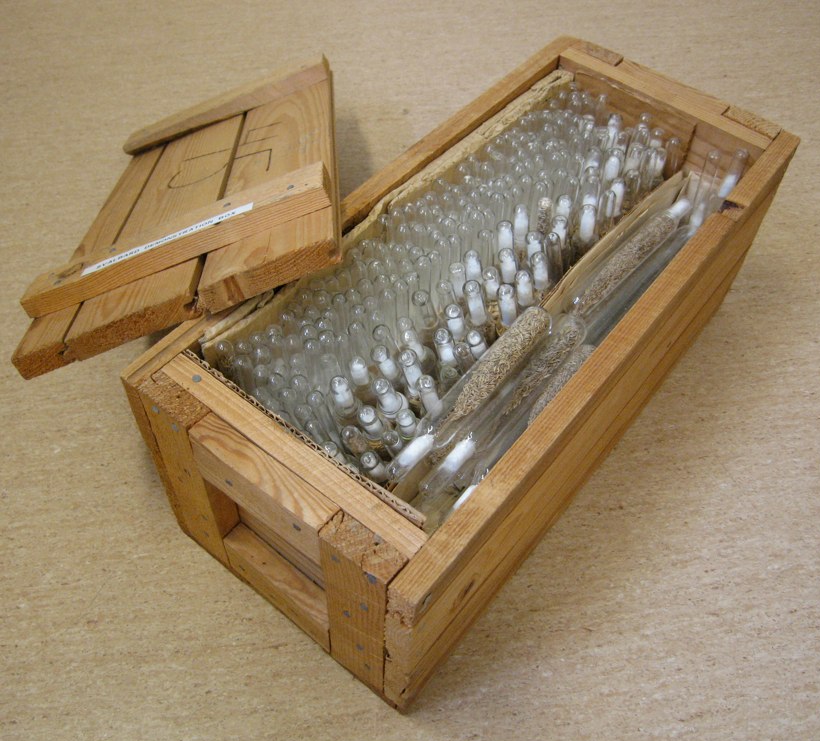
The Seed Vault has received deposits from 132 institutions across 79 countries since opening. The largest depositors include international agricultural research centers — CIMMYT (International Maize and Wheat Improvement Center, Mexico), IRRI (International Rice Research Institute, Philippines), ICRISAT (International Crop Research Institute for the Semi-Arid Tropics, India), and ICARDA (formerly Aleppo, Syria). Each of these institutions has deposited over 100,000 samples.
National gene banks contributing substantial deposits include the United States, Germany, Canada, Australia, Netherlands, South Korea, and Switzerland. Recent expansion has brought first-time deposits from countries including Bangladesh, Bolivia, Chad, Nigeria, Papua New Guinea, and Suriname. The Crop Trust specifically funds preparation and shipment of seeds from developing countries, ensuring the global representation that the Vault’s mission requires.
8: The Specific Crops Stored
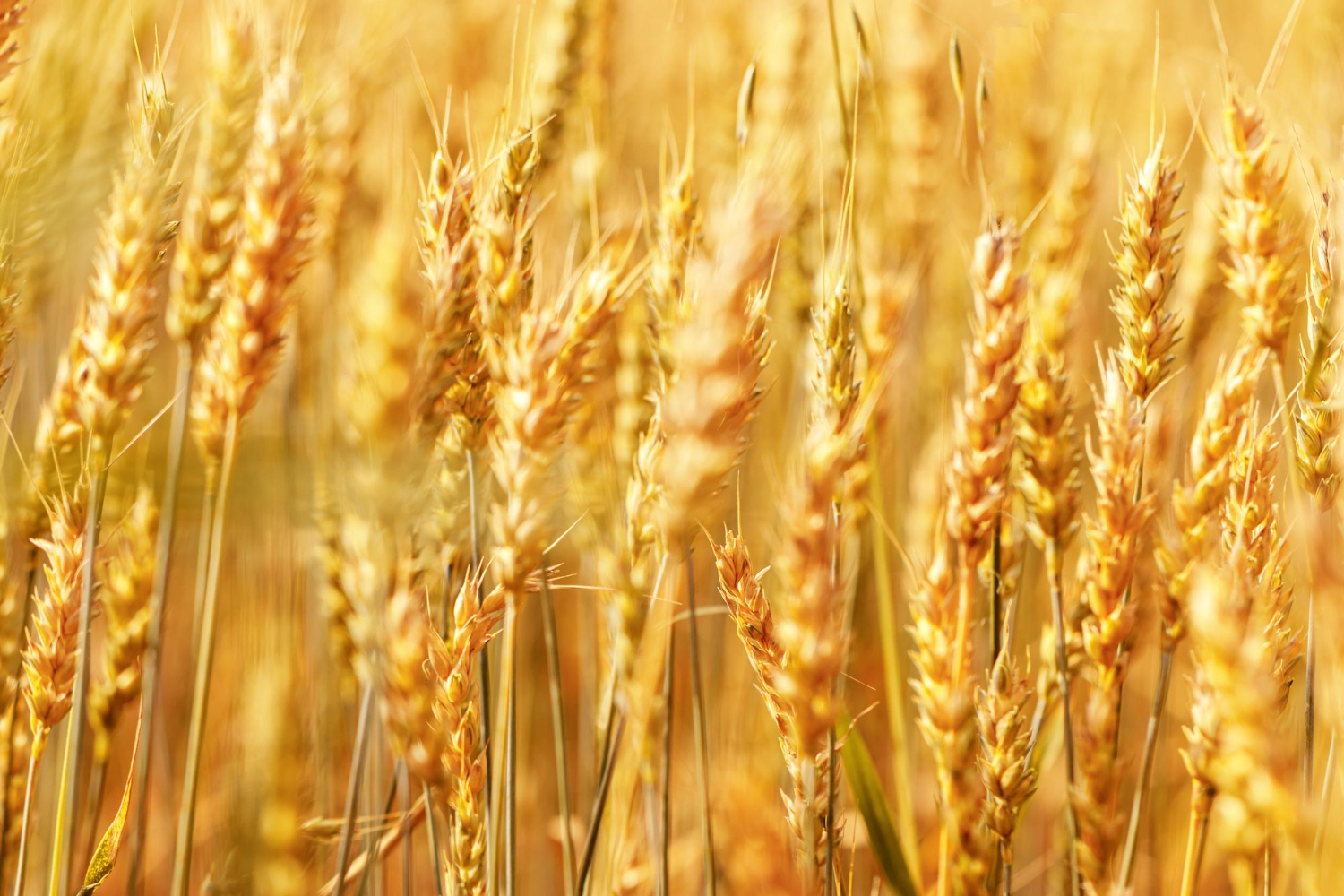
The Seed Vault contains genetic material for approximately 5,000 different plant species. The most-represented crops reflect global food production patterns. Rice and wheat each have over 150,000 seed samples deposited. Fifteen major cereal, vegetable, and forage crops each have over 10,000 samples. Major commercial crops (maize, barley, sorghum, beans, potatoes) have substantial representation. Crop wild relatives — the wild ancestors and relatives of cultivated crops — are increasingly represented because they contain genetic diversity essential for breeding resilient varieties.
The collection represents over 13,000 years of agricultural history. Heirloom landraces (traditional varieties developed by farming communities over centuries), culturally significant crops, and various other genetic resources are preserved. Approximately 30 crops provide 95% of human food-energy needs globally. The Vault preserves genetic diversity within these crops that breeders need to develop varieties resistant to climate change, new diseases, and other emerging challenges.
9: The 2015 Syrian War Withdrawal

The Seed Vault has been opened for emergency withdrawal only once in its history — in 2015, when ICARDA needed to recover seeds it had deposited. ICARDA (International Center for Agricultural Research in the Dry Areas) had been headquartered in Aleppo, Syria. The institution had the largest collection of crop diversity from the Fertile Crescent — including barley, durum wheat, faba bean, chickpea, and lentil varieties.
When civil war broke out in Syria in 2011, ICARDA shipped 14,363 accessions to Svalbard between 2012 and 2014 to ensure backup. In September 2015, the war damaged the Aleppo gene bank substantially. ICARDA requested withdrawal of its Svalbard backup seeds to establish new functioning gene banks at sites in Lebanon and Morocco. The withdrawal validated the entire Vault concept — the system worked exactly as designed when actually needed. ICARDA has since deposited duplicates again and continues regenerating its collection from the recovered samples.
10: The 2017 Permafrost Issue
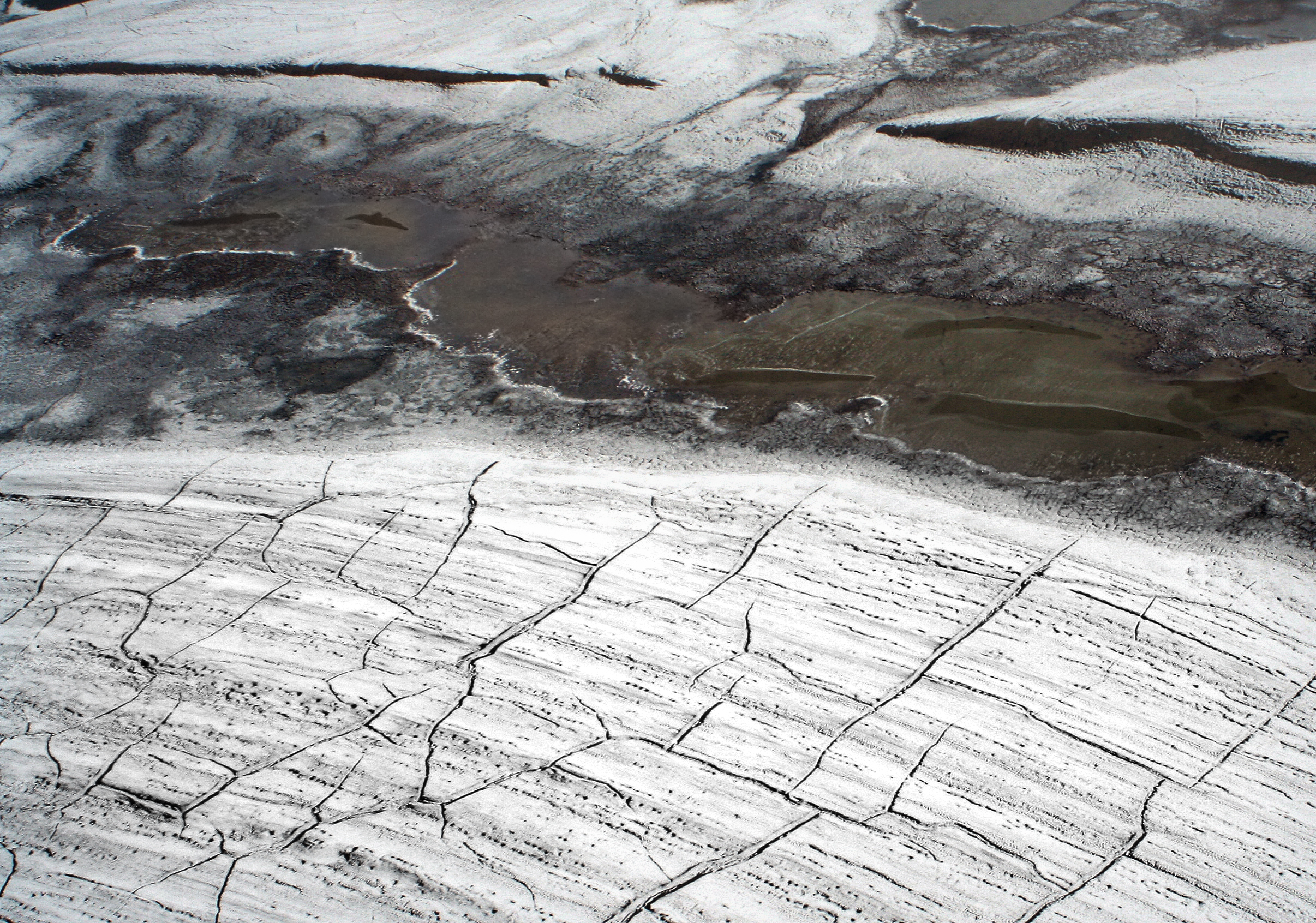
In 2017, the Seed Vault experienced a specific problem that received substantial media attention: water leakage in the entrance tunnel due to unusually warm temperatures and heavy rainfall. The water did not reach the actual storage chambers but raised concerns about long-term viability of the facility as climate change affects Arctic conditions.
The response was decisive. Norway invested approximately 100 million NOK (roughly $11 million USD) in upgrading the facility’s design between 2018-2019. A completely watertight entrance tunnel was constructed. Improved drainage systems were installed. Cooling systems were upgraded to handle warmer external temperatures. The seed samples themselves were never threatened — but the entrance issue revealed specific climate adaptation challenges that the upgrades have substantially addressed.
11: The Operating Costs

The Svalbard Global Seed Vault operates with surprisingly modest annual costs. Total annual operating expenses are approximately 2.4 million NOK (about $282,000 USD as of 2019 figures). The relatively low costs reflect specific design choices: no permanent on-site staff, natural permafrost cooling supplementing mechanical refrigeration, and remote location requiring minimal security infrastructure. The Crop Trust provides most of the annual operating costs through endowment income.
The Vault is managed without permanent on-site personnel. Staff travel from mainland Norway for specific operations — typically 3-4 deposit events annually plus periodic maintenance visits. The arrangement substantially reduces costs while maintaining adequate operational capability. The COVID-19 pandemic specifically did not pose risks to the Vault because the absence of permanent staff meant essentially no exposure issues required management.
12: Visiting Svalbard Today
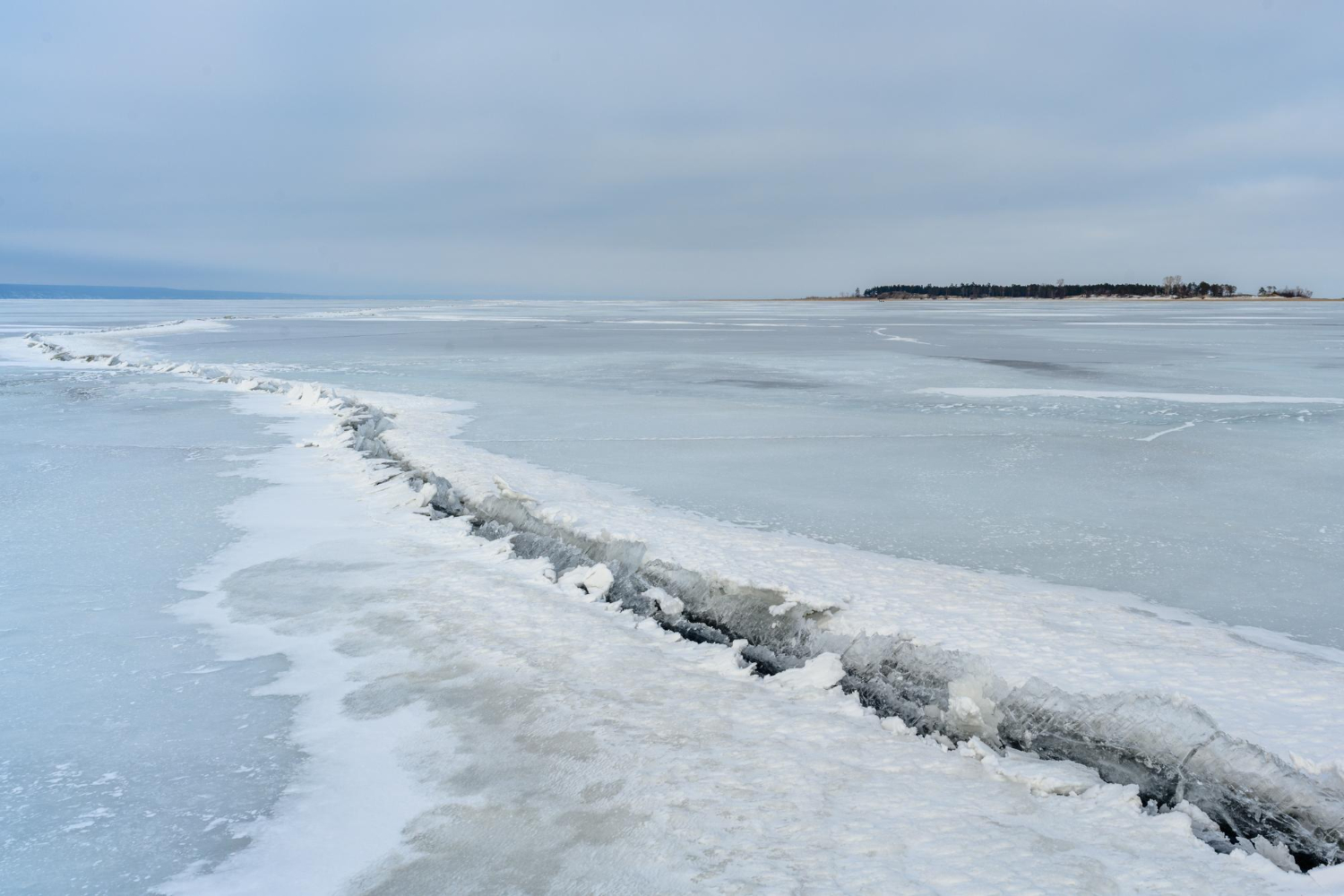
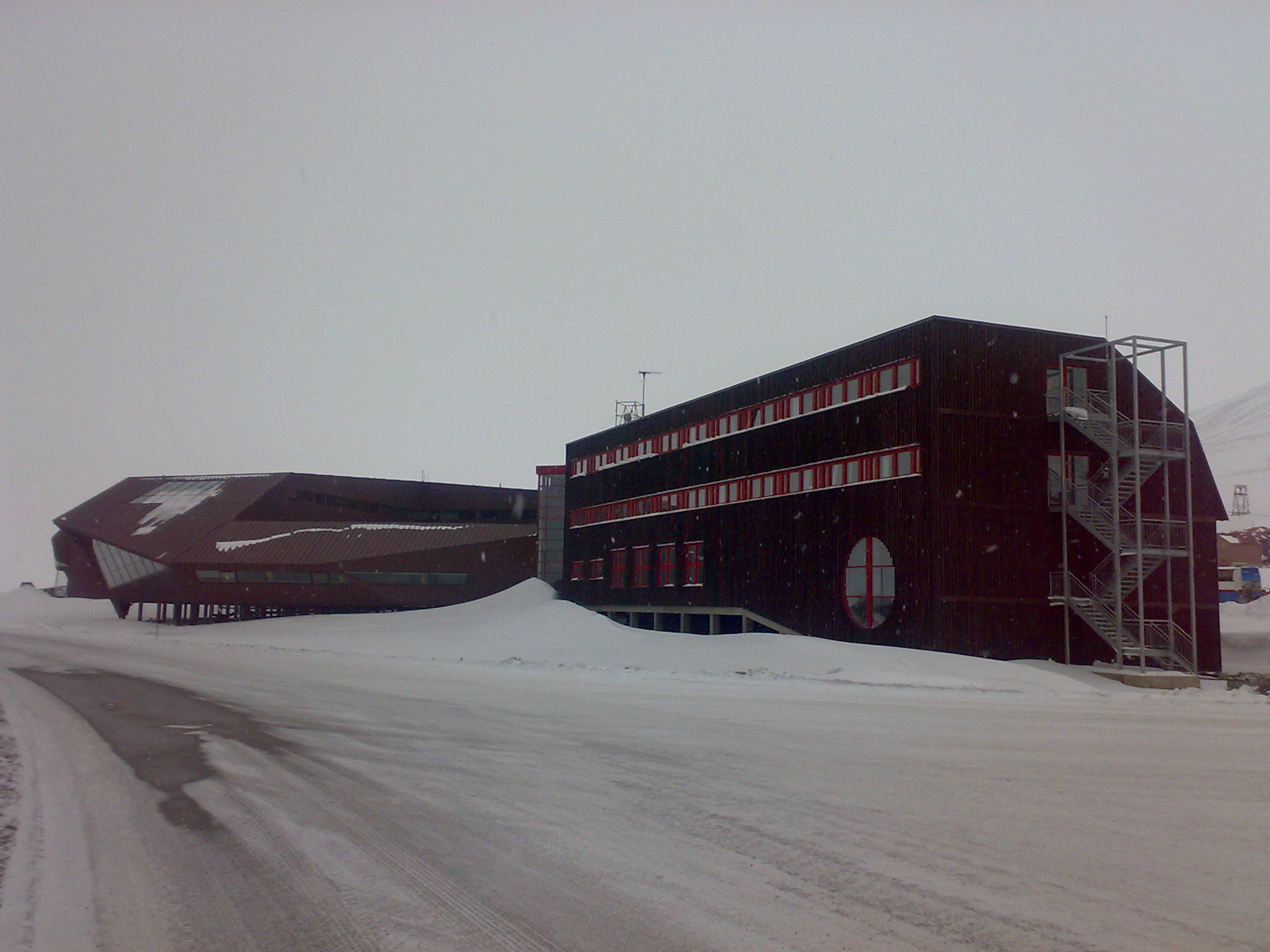
The Seed Vault itself is not open to public visits — security and operational considerations prevent tourist access to the storage facility. The exterior of the entrance is visible from a designated viewing area near Longyearbyen, and the architecturally distinctive entrance has become one of Svalbard’s most-photographed features. Various documentary productions have provided substantial visual access to the interior.
Svalbard tourism has grown substantially over the past decade. Longyearbyen (population approximately 2,400) serves as the main tourism base. Activities include polar bear safaris (with mandatory armed guides), dog sledding, snowmobile tours, glacier visits, and various other Arctic experiences. The combination of unique location, remarkable wildlife, and dramatic landscape makes Svalbard one of the more distinctive Arctic tourist destinations. Visitors can participate in the Arctic World Archive (related to the Seed Vault) which also stores backup data on archival film designed to last 1,000 years.
What the Seed Vault Actually Represents
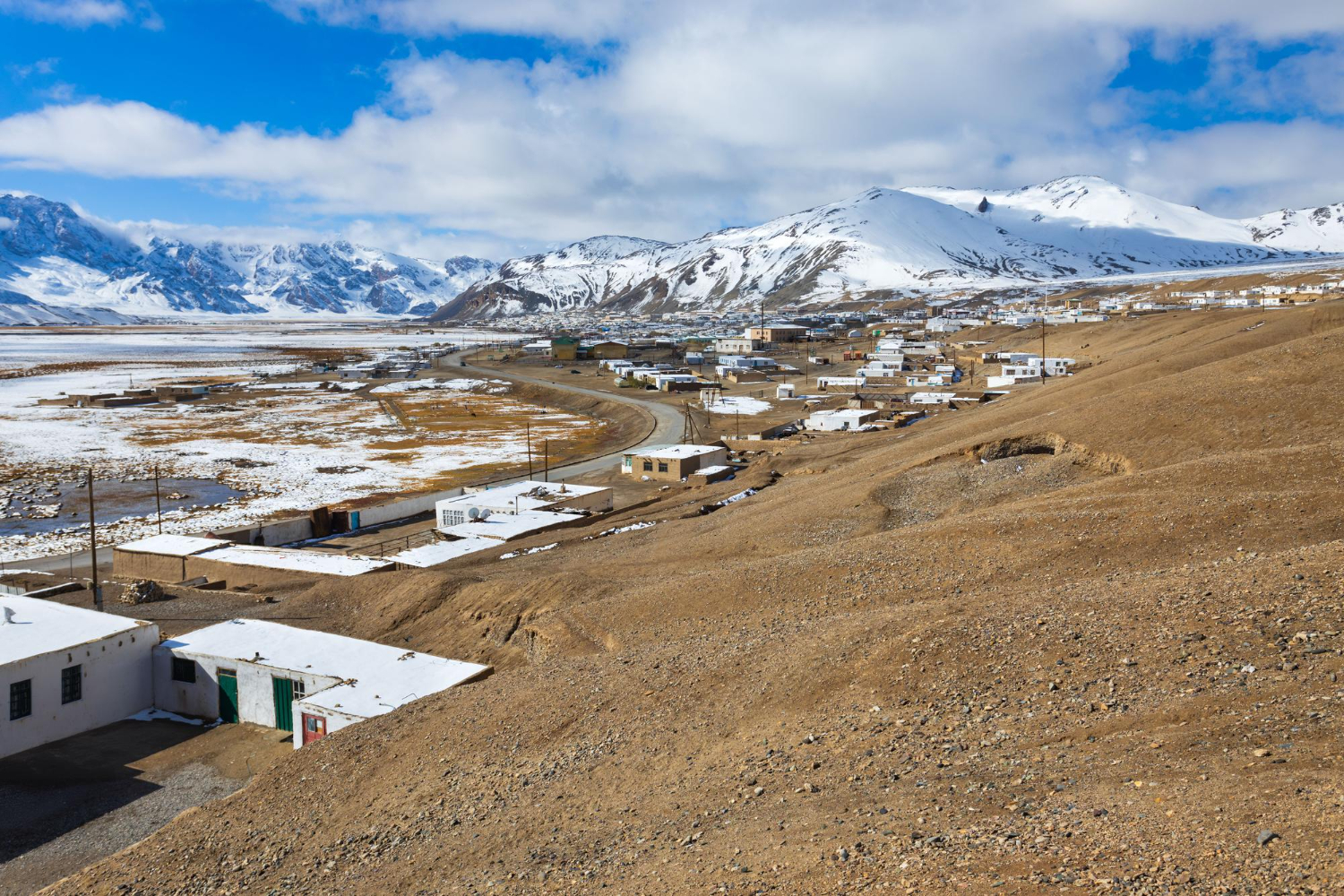
The Svalbard Global Seed Vault represents one of humanity’s most significant collaborative achievements in food security. The facility provides specific insurance against multiple potential catastrophes — war, climate change, natural disasters, institutional failure — that have historically destroyed irreplaceable genetic resources. The 1.386 million samples currently stored represent thousands of years of agricultural development that could otherwise be lost permanently. The facility’s modest operating costs ($282,000 annually) provide global insurance for resources whose replacement cost would be effectively infinite. The 2015 Syrian withdrawal validated the entire concept by demonstrating the system worked when actually needed. The Vault continues operating quietly, accepting new deposits multiple times per year, building toward its 4.5 million sample capacity. Most people will never visit Svalbard or directly benefit from the Vault’s existence. But humanity’s continued ability to feed itself across coming centuries depends substantially on the genetic resources preserved 130 meters inside that Norwegian mountain — quiet insurance for the most fundamental human need that doesn’t have many other functioning safety nets.
