


Kids in the 1970s spent their summers outside until the streetlights came on, doing things that would now end with a knock from Child Protective Services. Lawn darts. Riding in the back of pickups. Drinking from the hose. Most of these activities weren’t just tolerated — they were normal. The Consumer Product Safety Commission, founded in 1972, eventually banned several of them outright after thousands of injuries piled up. Here are ten things every ’70s backyard had that today’s parents won’t even discuss without horror.
1. Lawn Darts (Jarts)
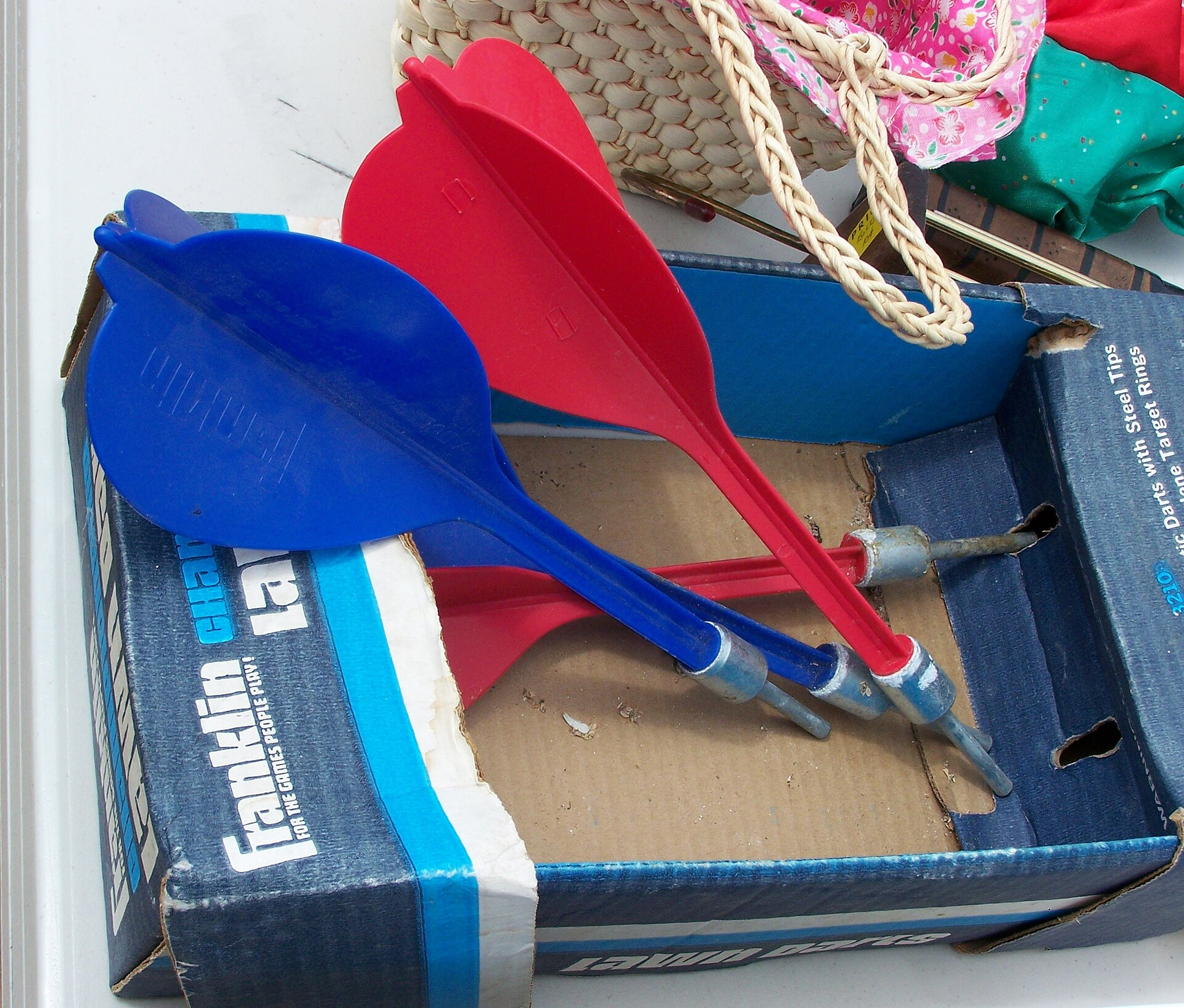
Three-quarter-pound metal-tipped projectiles, thrown overhand toward a plastic ring on the grass. Every backyard had a set, usually marketed as a family-friendly game alongside croquet and badminton. By the time the Consumer Product Safety Commission banned lawn darts in December 1988, the agency had documented an estimated 6,100 injuries and at least three child fatalities. The death of seven-year-old Michelle Snow of Riverside, California in April 1987 was the moment the regulatory tide turned — her father David Snow campaigned tirelessly to get the product pulled. Selling lawn darts in the United States is still illegal today under federal law, even at garage sales, flea markets, or estate auctions. Sets that turn up on eBay get pulled within hours. The Canadian version remains legal, which is why Americans living near the northern border occasionally cross to buy them — a fact that has been noted in Customs enforcement bulletins.
2. Riding in the Bed of the Pickup
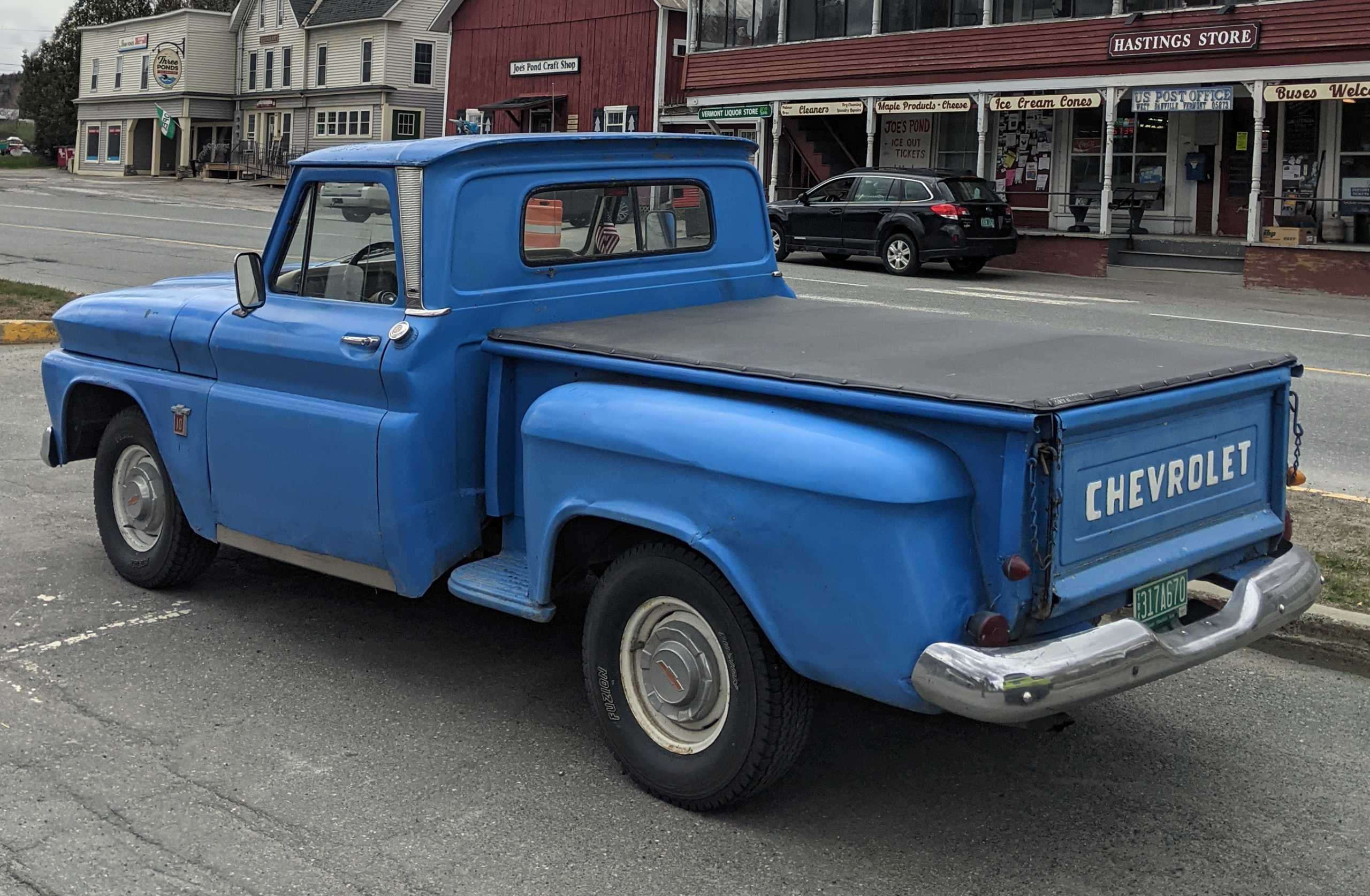
Five kids, an open tailgate, a 55-mile-an-hour highway. This was how families got to Little League games, to the lake, to the drive-in. The math felt obvious — eight kids couldn’t fit in the cab, and the truck bed had plenty of room. Today, twenty states have laws against riding unrestrained in a pickup bed, and most others restrict the practice for minors under sixteen or eighteen depending on the state. The Insurance Institute for Highway Safety has been pushing for tighter rules for over thirty years, and the CDC documented an average of 200 pickup-bed fatalities per year through the late 1990s before state laws began catching up. In 1975, the conversation in the back of the pickup was who got the wheel well as a seat. In 2026, the conversation is whether the family is going to get pulled over.
3. The Garden Hose as a Drinking Fountain
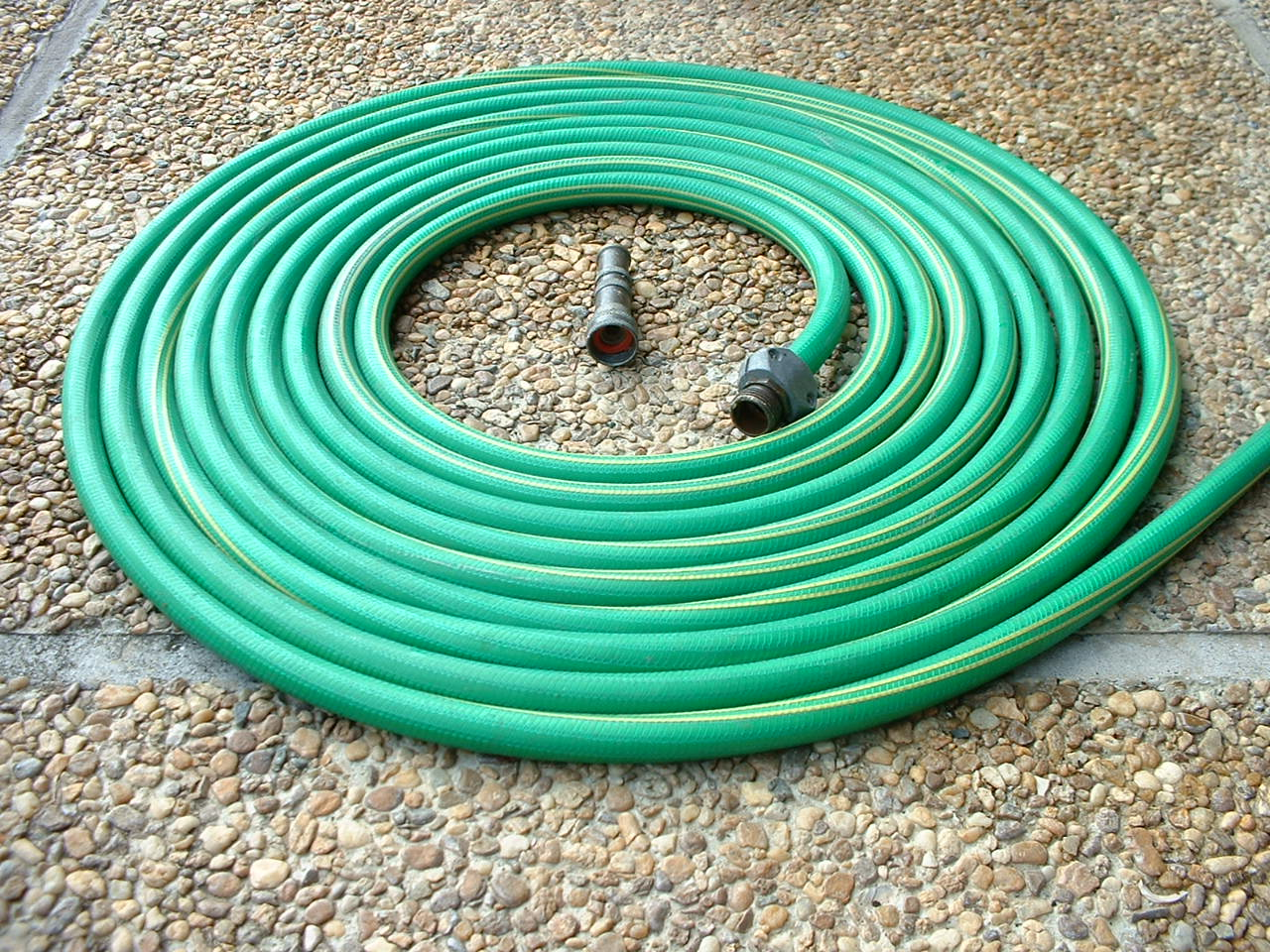
You drank straight from the spigot — the warm rubber first, the cold metal taste of well water second. Every backyard had one and every kid used it. The trouble was the hose itself. Standard garden hoses sold in the 1970s and 1980s contained lead, BPA, antimony, bromine, and various phthalates in measurable amounts, with samples tested by environmental groups in the 2010s showing lead levels up to twenty times the EPA drinking-water limit. The EPA didn’t begin scrutinizing residential garden hoses until decades after the boomer generation finished drinking out of them. Today, hoses sold specifically for drinking water carry a separate “safe for drinking” label and use food-grade polyurethane or food-grade PVC. The standard cheap hose at the hardware store still explicitly warns against ingestion on the package — a warning that was simply not printed in 1975.
4. The Backyard Burn Barrel
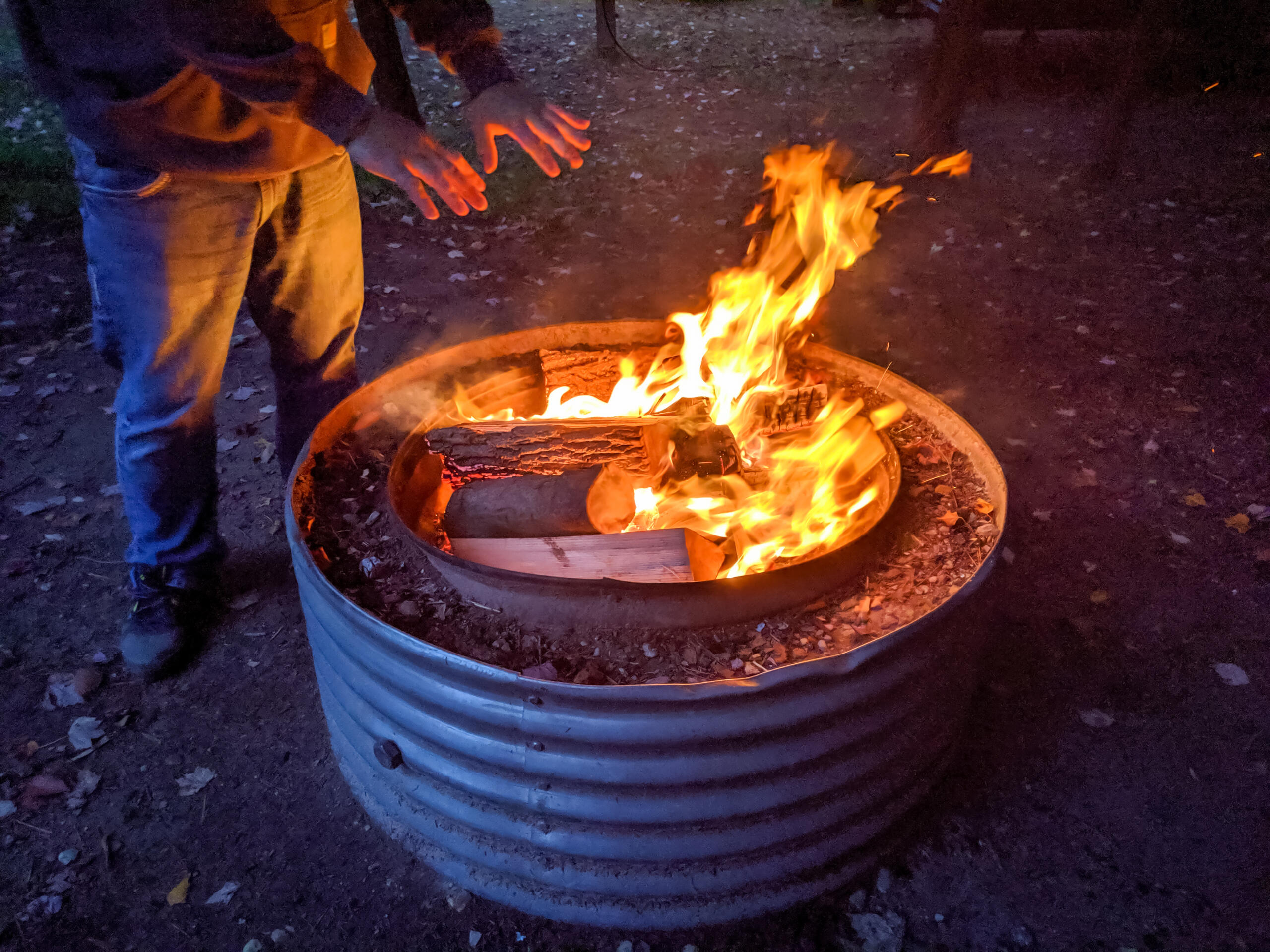
Every house had a rusted 55-gallon drum at the back of the property where dad burned the trash on Saturdays. Cardboard, plastic packaging, magazines, motor oil cans, old paint thinner, treated lumber scraps — all of it went in. The Clean Air Act amendments of 1990 finally gave the EPA enforcement teeth on residential open burning, and by the early 2000s most counties had banned or sharply restricted the practice. The shift was driven by mounting evidence that burning household plastics releases dioxins, furans, and polycyclic aromatic hydrocarbons in significantly higher concentrations than industrial incineration. Several states — including California, Maryland, and Massachusetts — moved to outright prohibitions on residential burning in the 2000s. The smell of burning Styrofoam was, in the 1970s, the smell of a clean garage and a productive Saturday. Today it would generate a complaint within the hour.
5. Riding Bikes Without a Helmet
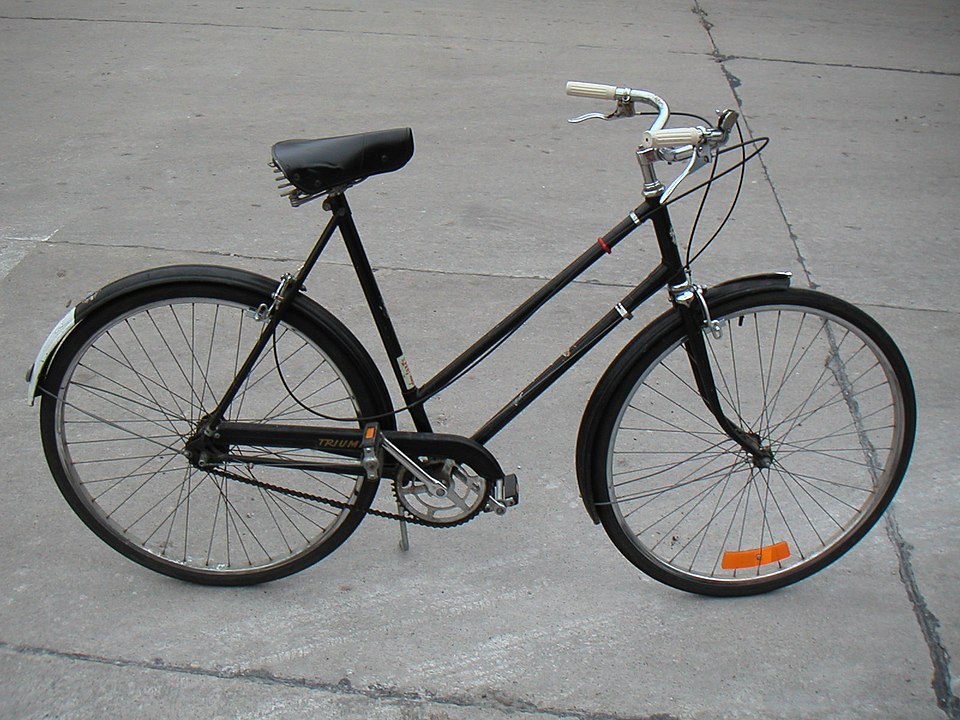
Helmets for kids barely existed in the 1970s. The earliest bicycle helmets — the Bell V1-Pro, introduced in 1975 — were marketed exclusively to adult racing cyclists. The first state law requiring helmets for child riders was California’s, passed in 1987 and limited to certain municipalities. Today, twenty-two states and Washington, D.C. require helmets for riders under a certain age, and many require them for adults as well. The Centers for Disease Control estimates that helmets reduce the risk of serious head injury by approximately sixty percent, and reduce the risk of fatal brain injury by approximately seventy-five percent. The American Academy of Pediatrics has issued repeated formal statements urging universal helmet use since 1995. In 1975, your hair was the helmet, and the wind through it was the point.
6. The DIY Treehouse with Salvaged Lumber
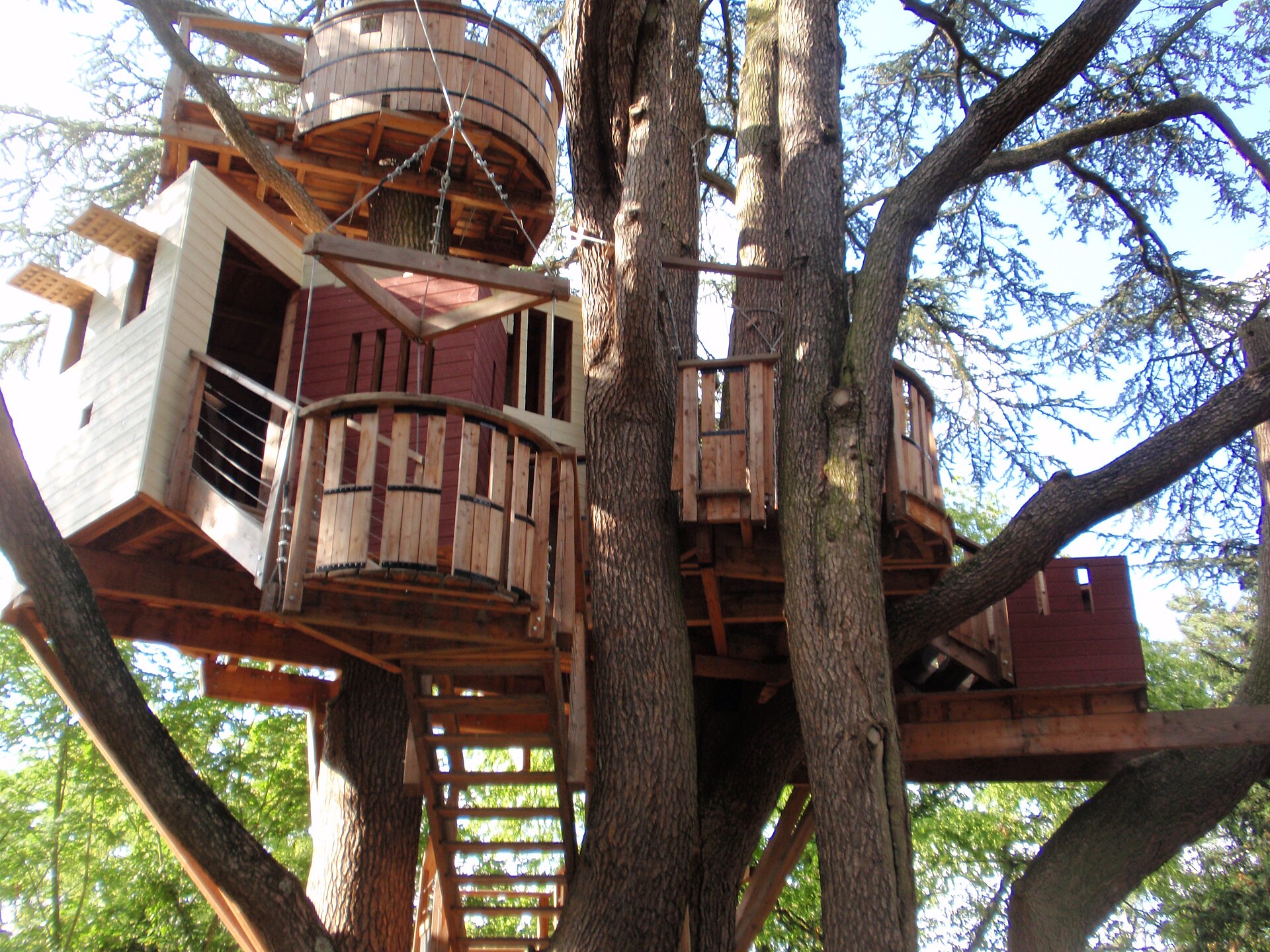
You and your dad — or just you and your friends — hammered together a platform fifteen feet up with rusty nails and scrap lumber pulled from the construction site behind the school. There were no guardrails. There were no permits. The trapdoor was a piece of plywood with a knotted rope. Most suburban municipalities today require structural permits for any permanent treehouse over a certain height, and many homeowner-association covenants prohibit them entirely. Falls remain the leading cause of nonfatal childhood injury treated in U.S. emergency departments, with the CDC documenting over 2.8 million pediatric fall-related ER visits annually. The 1970s treehouse — splintered planks, exposed nails, no safety inspection — survives mostly in family photographs and in the small archive of backyard treehouses that have been quietly grandfathered into local zoning.
7. Slip ‘N Slide on the Driveway
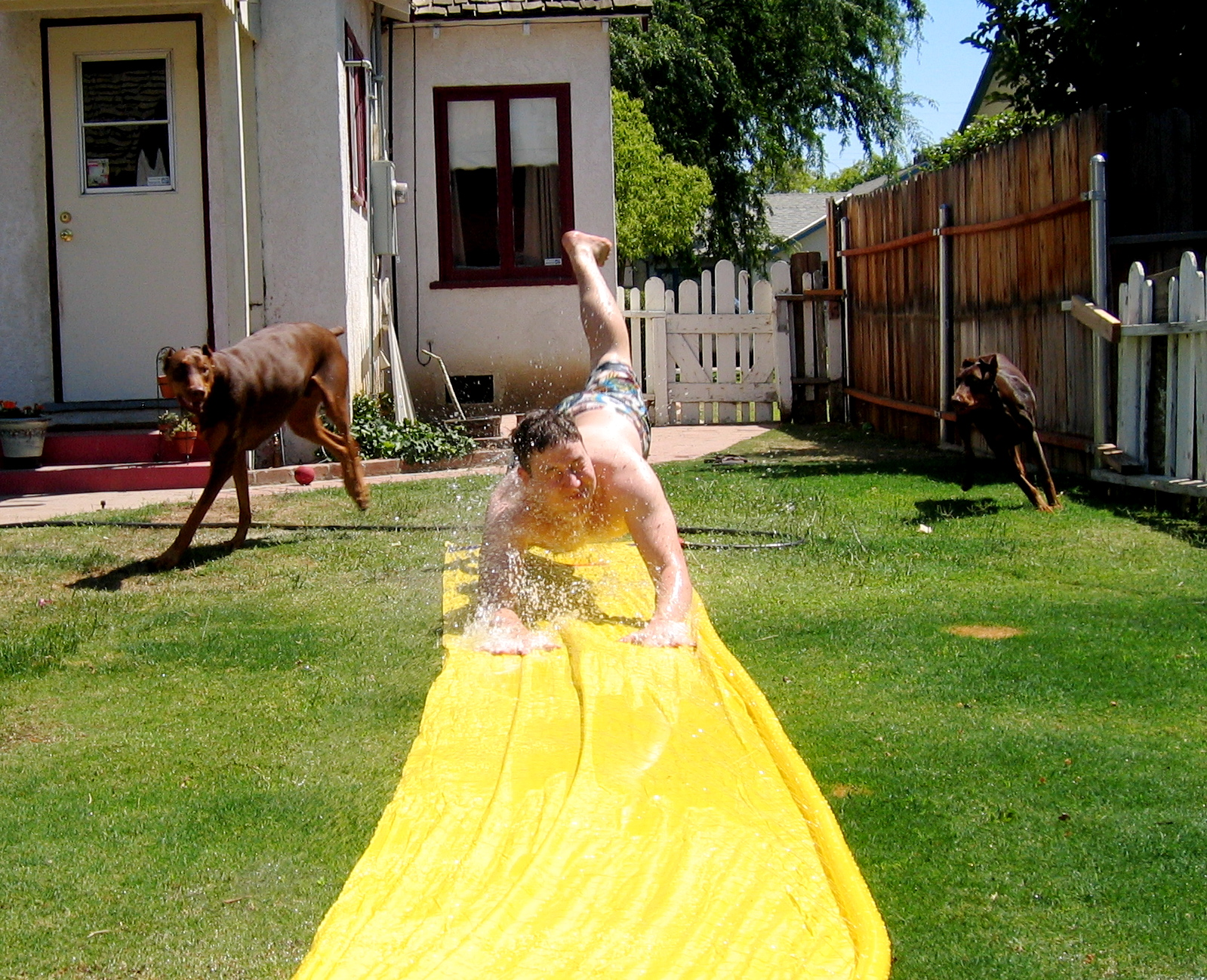
The original Slip ‘N Slide, introduced by Wham-O in 1961, came with no warnings on the package. Kids ran it across concrete driveways, gravel paths, even paved cul-de-sacs. The Consumer Product Safety Commission recorded multiple serious spinal-cord injuries in the 1990s involving adults using the product, with at least seven cases of paralysis or quadriplegia tied to dive-style impacts on hard ground. Wham-O eventually added a warning that the toy is intended for children twelve and under only — adults are heavier, fall harder, and can compress their spines on the rigid surface beneath the thin plastic. The product was never formally recalled. The driveway version is just gone. Today’s Slip ‘N Slide comes with explicit instructions to use only on level grass, with the package warnings printed in three places.
8. The Trampoline Without a Net
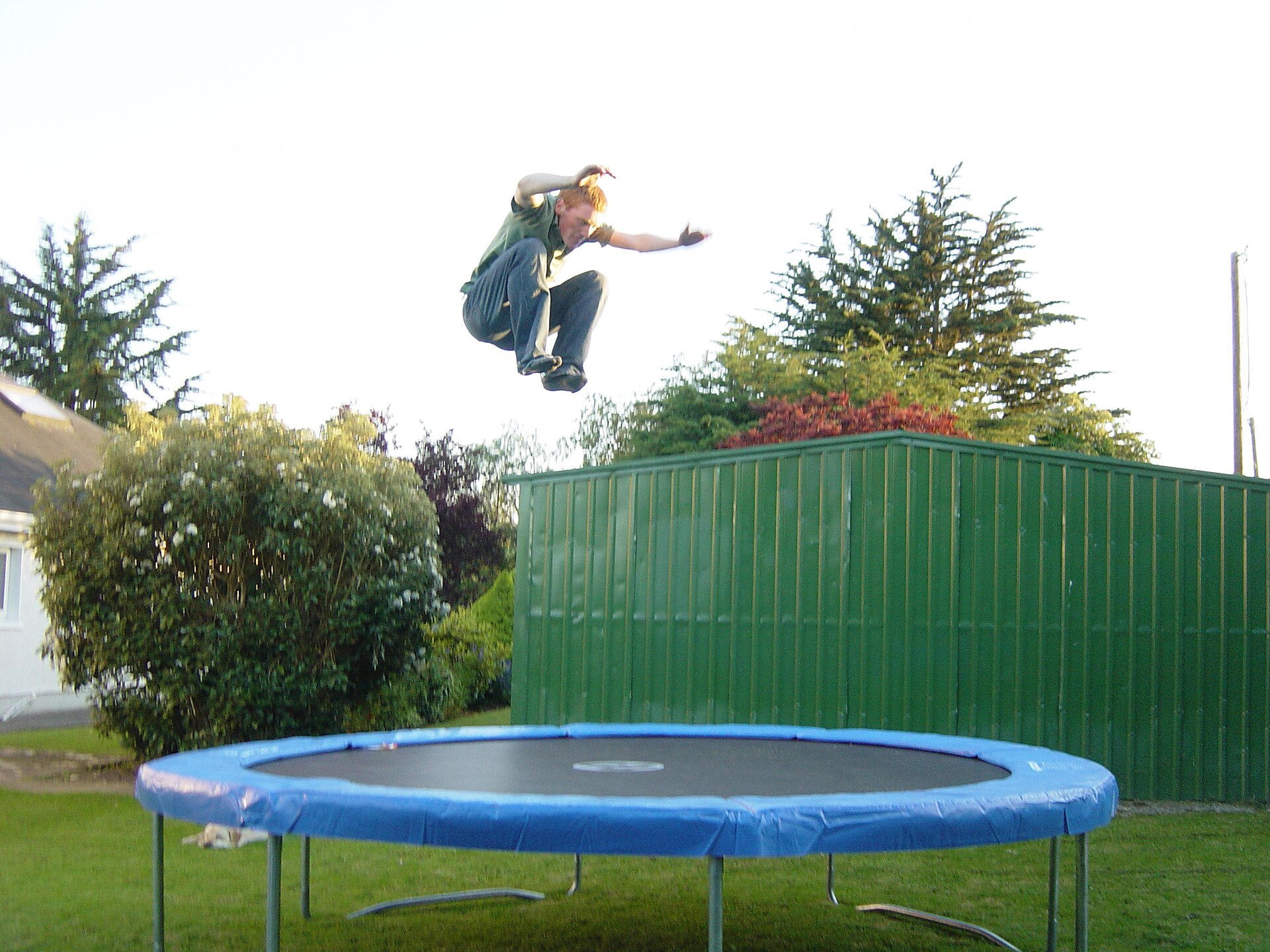
A backyard trampoline in 1975 was a steel-spring affair surrounded by exposed concrete, a clothesline, and a couple of rosebushes. There were no safety nets. There was no soft padding over the springs. There was usually a sibling or two waiting their turn at the edge, sometimes pushed off. The American Academy of Pediatrics formally recommends against home trampolines entirely, citing emergency-room data showing an average of 100,000 trampoline-related injuries treated each year in the United States. Most homeowner insurance policies either exclude trampolines from liability coverage or charge a steep premium. Safety nets became standard equipment around 2002 after a series of high-profile lawsuits against manufacturers. The 1975 trampoline — bare springs, bare concrete, bare disregard — would not survive a single weekend in a 2026 suburb without intervention from a neighbor or an inspector.
9. The Cap Gun Wars That Lasted All Day
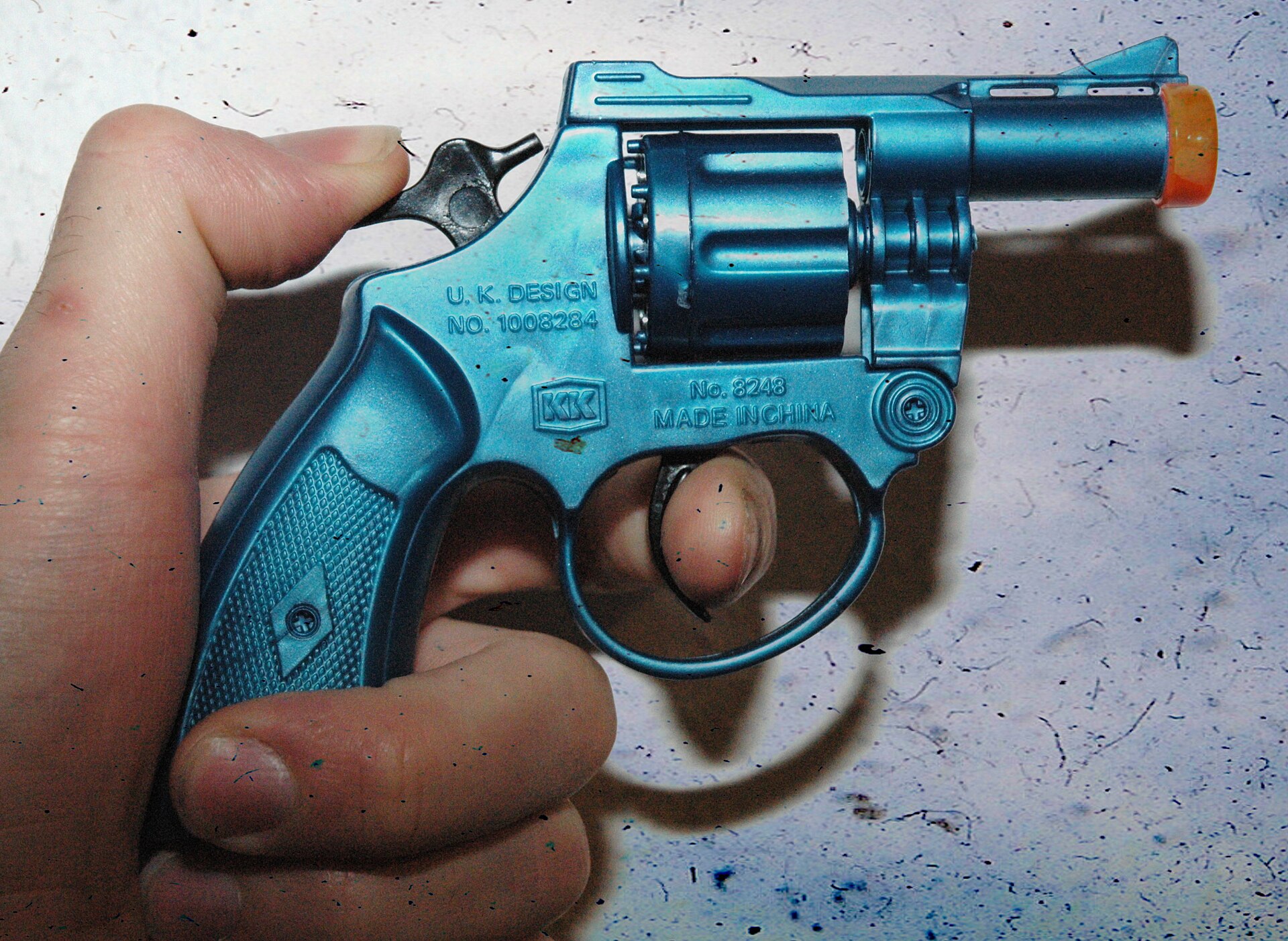
Realistic metal cap pistols, ring caps, and paper roll caps were standard summer gear for American boys in the 1970s. The toy guns were often nearly indistinguishable from real firearms — Hubley, Daisy, and Mattel all sold replica revolvers and rifles made of chromed metal. In 1988, federal law required orange tips on all toy guns sold in the United States, after a series of police shootings involving children holding lookalike weapons. The Federal Energy Management Improvement Act amendment that year — Section 4 of Public Law 100-615 — set the marking standard. Today, many school districts will suspend a student for bringing any toy gun, even a water pistol painted bright pink. Some districts have suspended students for pointing fingers shaped like guns. The 1975 cap gun war that lasted from breakfast to streetlights is something that simply does not happen on a school playground anymore.
10. The Sleepover That Lasted a Weekend
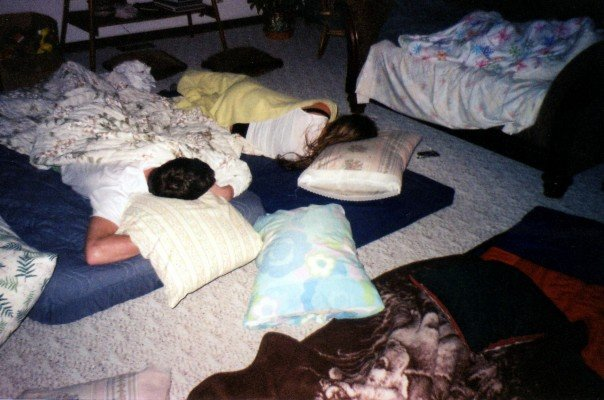
You biked to a friend’s house on a Friday after dinner, ate three meals there, slept on the floor in a sleeping bag, and came home Sunday afternoon. Parents barely confirmed anything beyond “be back by dinner Sunday.” Today’s parents text the address, the menu, the bedtime, the supervising adults, the medications in the house, and the route home. “Free-range parenting” is now a contested term — Utah passed the first state law explicitly protecting it in 2018, and Texas followed in 2023, after a series of high-profile cases where parents were investigated for letting children walk to a park or stay home alone. Meanwhile, several states have moved in the opposite direction, treating unsupervised minor activity as potential neglect. The 1975 sleepover — unverified, unmonitored, unconcluded until Sunday — survives mostly as a story parents tell their own kids, who then ask why anyone ever did that.
