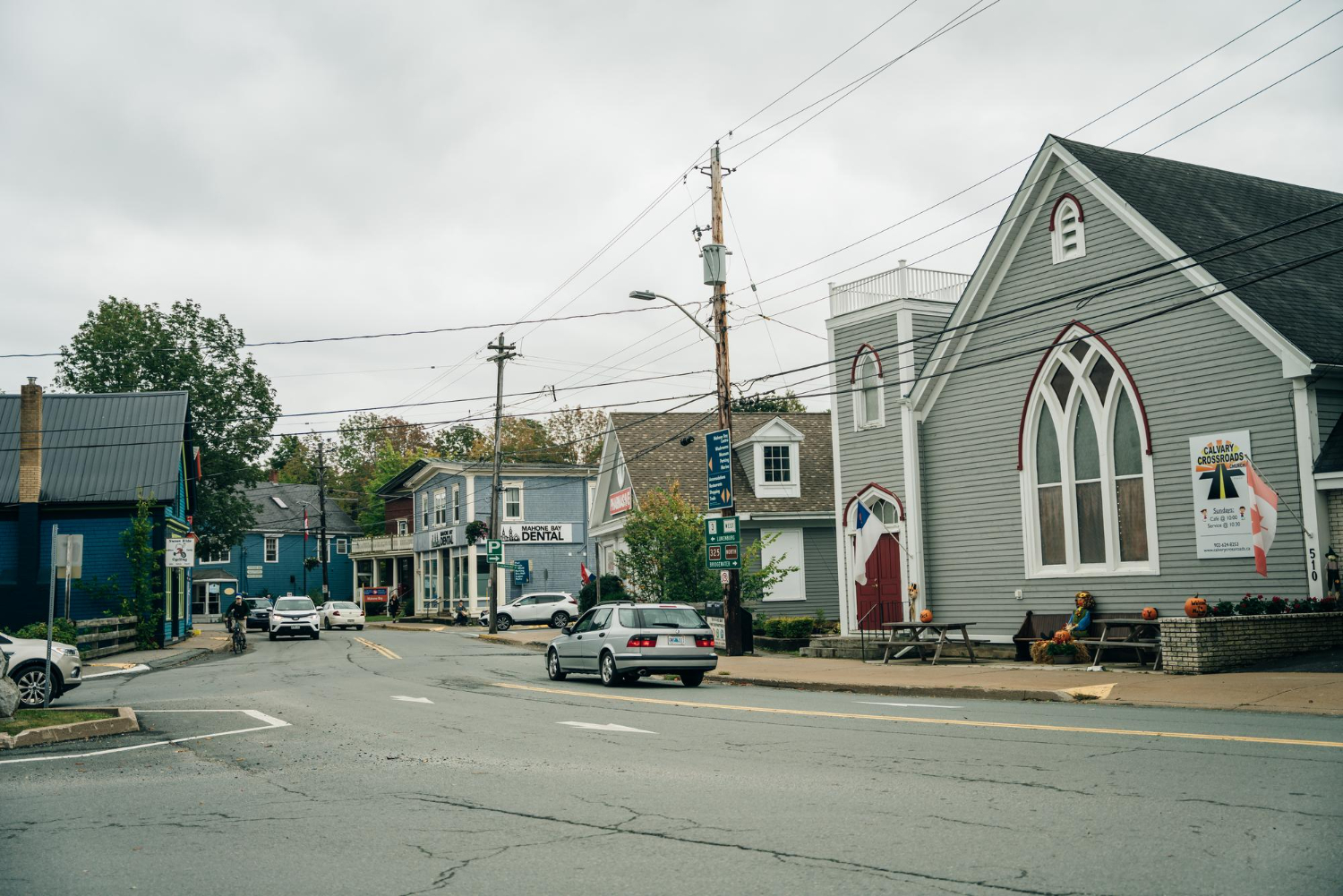
For years, the conversation about where to live in America fixated on the same handful of glamorous, expensive metros. But the 2026 “best places to live” rankings — from the major outlets that compile them using affordability, job markets, schools, safety, and quality of life — tell a strikingly different story. The cities topping the lists are increasingly mid-sized, walkable communities in the Midwest and South, places offering strong job markets and genuine quality of life at a fraction of the coastal cost. The expensive big cities that once dominated aspirations are giving way to a new map, one where affordability and opportunity have become the decisive factors. For anyone thinking about a move, the surprising names topping the 2026 lists are worth a serious look. Here’s where Americans are being told the best living can be found in 2026, and why these unexpected cities are winning.
The 2026 rankings share a clear theme that the compilers themselves have noted: smaller, walkable communities are outperforming the traditional big coastal cities, with affordability, strong job markets, and quality of life as the decisive factors. The names that keep appearing are not the usual aspirational metros.
Naperville, Illinois — The Repeat Champion
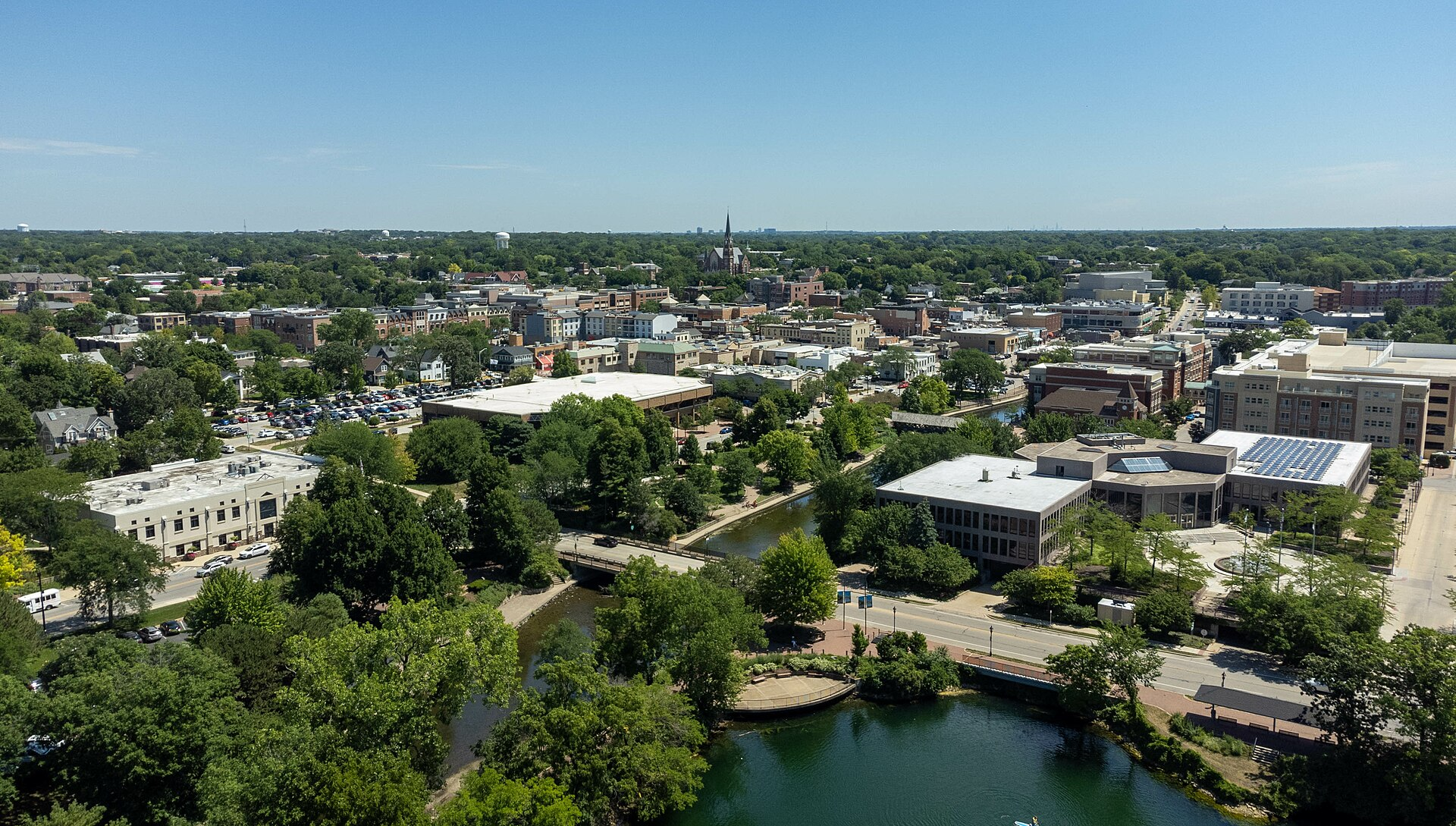
Naperville, a suburb of Chicago, holds the number one spot on Niche’s 2026 Best Cities to Live in America ranking for the third consecutive year. It scores highly on schools, safety, and economic opportunity while offering top-tier suburban amenities. Naperville’s continued dominance reflects what the rankings increasingly reward — a combination of strong public services, economic strength, and livability that mid-sized cities can deliver more effectively than sprawling expensive metros. That a Chicago suburb, rather than a glamorous coastal city, repeatedly tops the list captures the shift in what Americans now prioritize.
Huntsville, Alabama — The Surprise Powerhouse
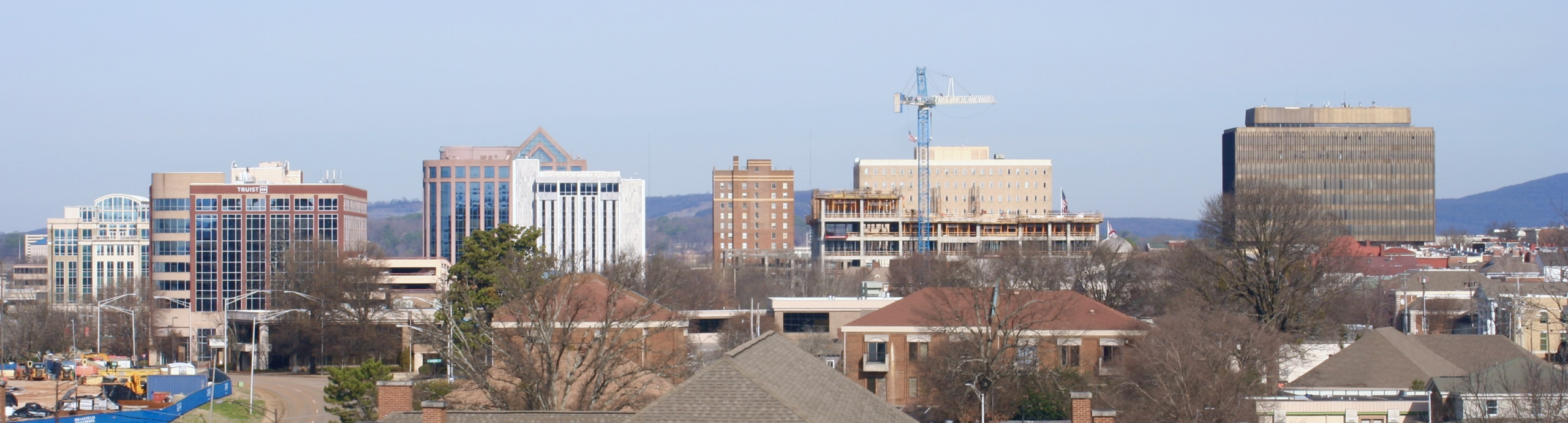
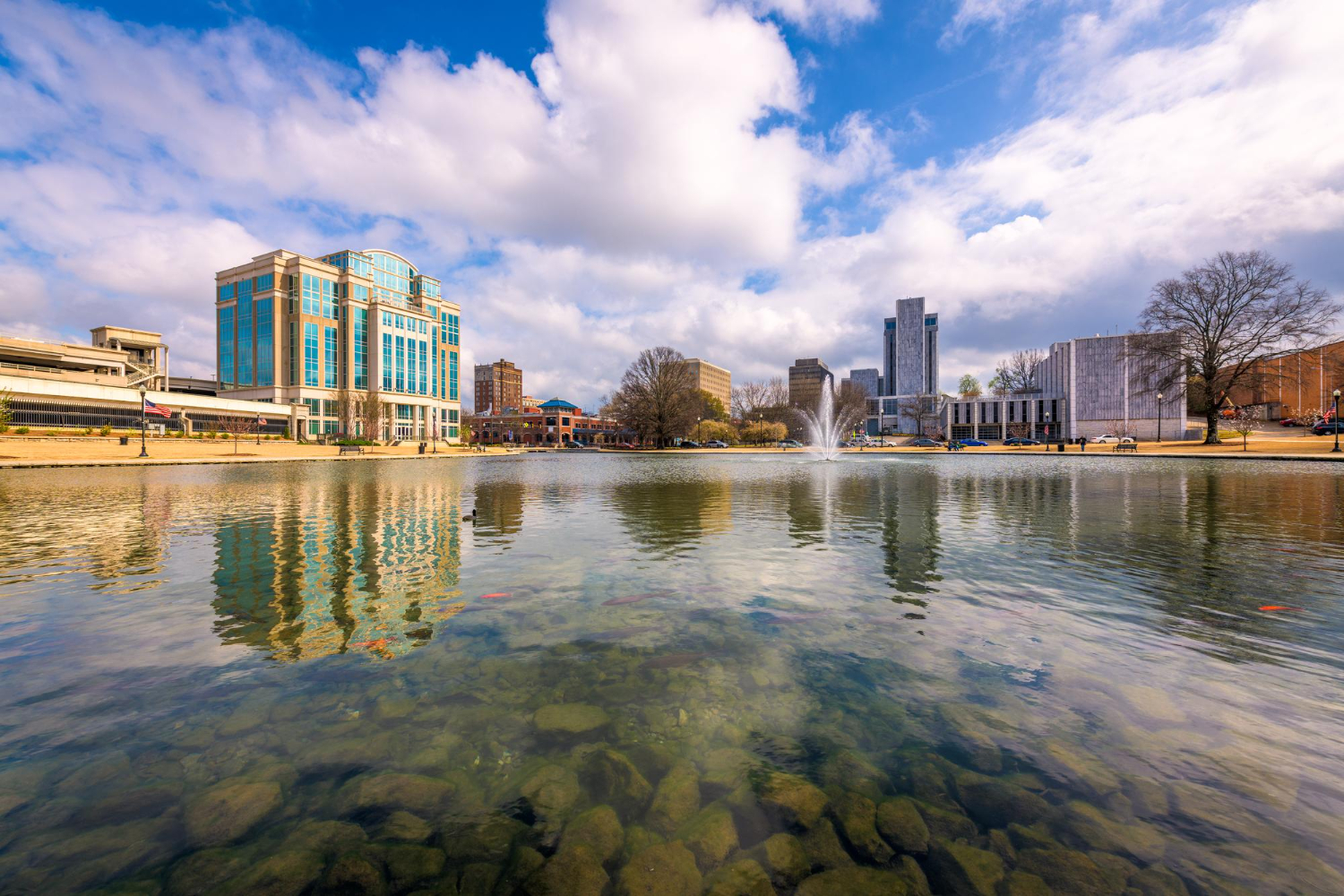
Huntsville tops Livability’s 2026 Top 100 and ranks number one nationally for financial resilience, with an unemployment rate around 2.3 percent. Built on aerospace, defense, and technology industries, Huntsville offers strong high-paying jobs alongside Southern affordability. The city exemplifies the surprising winners of 2026 — a place many Americans wouldn’t immediately name, yet one combining a booming tech-and-aerospace economy with a cost of living far below the coastal hubs. Huntsville’s rise reflects how economic opportunity has spread well beyond the traditional coastal tech centers.
Raleigh, North Carolina — Tech Boom Meets Affordability
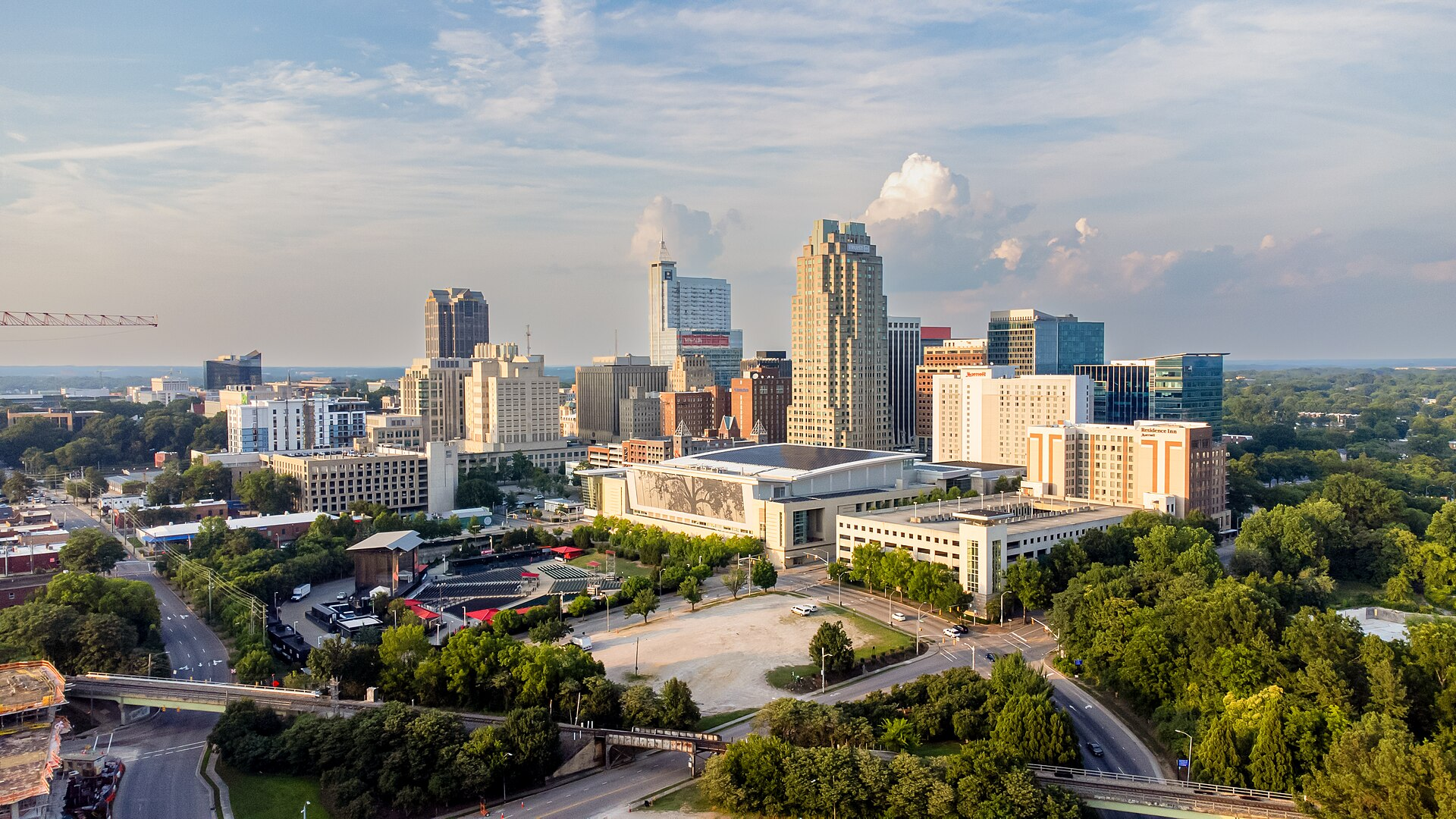
Raleigh ranks among the top state capitals to live in for 2026, offering a cost of living around 5 percent below the national average despite a booming tech sector, with North Carolina forecast to add tens of thousands of net jobs in 2026. As part of the Research Triangle, Raleigh combines a strong job market, universities, and relative affordability. It represents the Southern cities that have become genuine alternatives to the expensive coastal tech hubs, offering much of the opportunity at a meaningfully lower cost, which is exactly the combination the 2026 rankings reward.
Fort Wayne, Indiana — The Affordability Champion
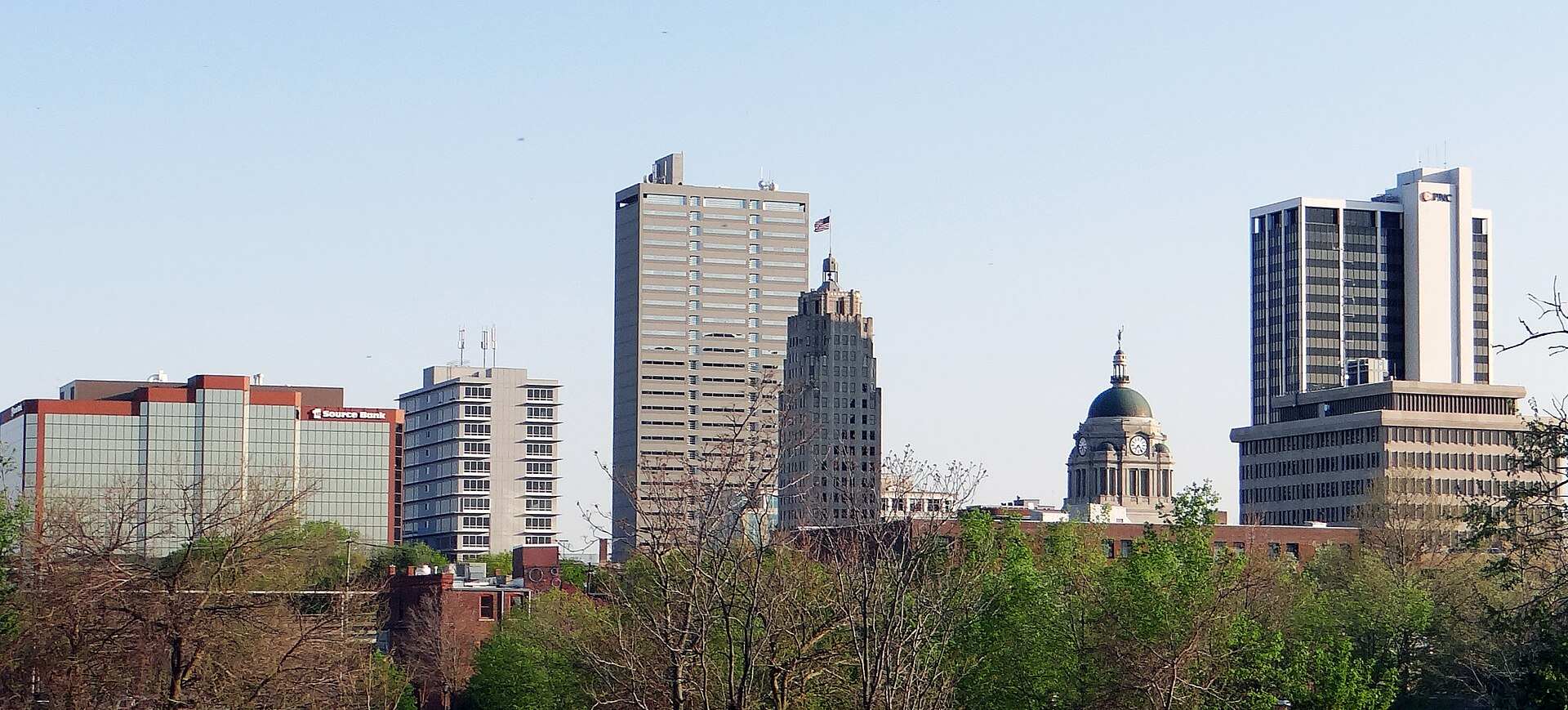
Fort Wayne appears in nearly every major 2026 affordability ranking, with a cost of living roughly 20 percent below the national average and a median home price around $184,000. Its economy is built on manufacturing, healthcare, and education, providing stable work across income levels. Fort Wayne exemplifies the Midwestern cities offering one of the largest affordability gaps relative to income of any mid-sized city — a place where a middle-class income genuinely affords a comfortable life, the kind of value that has become increasingly rare in the expensive metros and increasingly central to the rankings.
Pittsburgh, Pennsylvania — The Affordable Big City
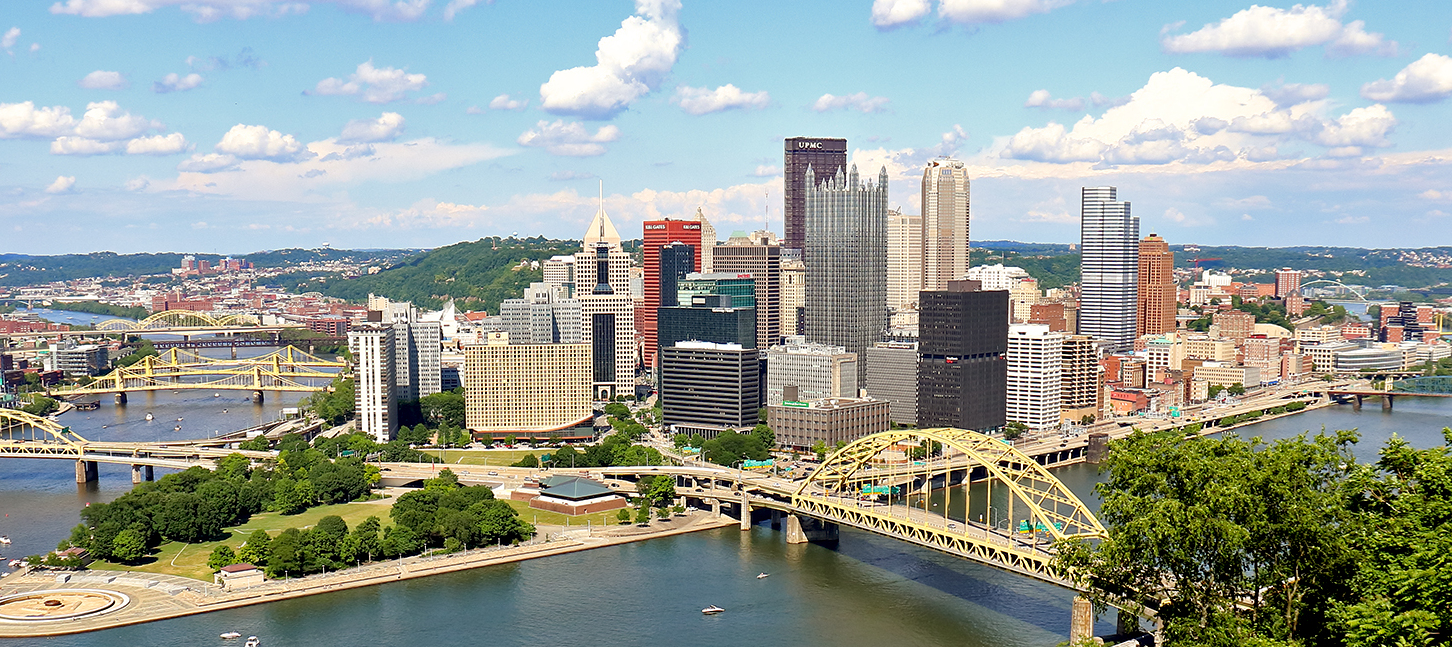
Pittsburgh ranks as the most affordable large American housing market in 2026, with a median listing price around $250,000 — more than $150,000 below the national median. Once an industrial city, Pittsburgh reinvented itself around healthcare, education, and technology, and now offers genuine big-city amenities at a fraction of the cost of comparable metros. Pittsburgh’s appearance near the top reflects how some former Rust Belt cities have become genuine value propositions, delivering urban amenities and a recovering economy at a price the coastal cities can’t match.
The Midwest Affordability Cluster
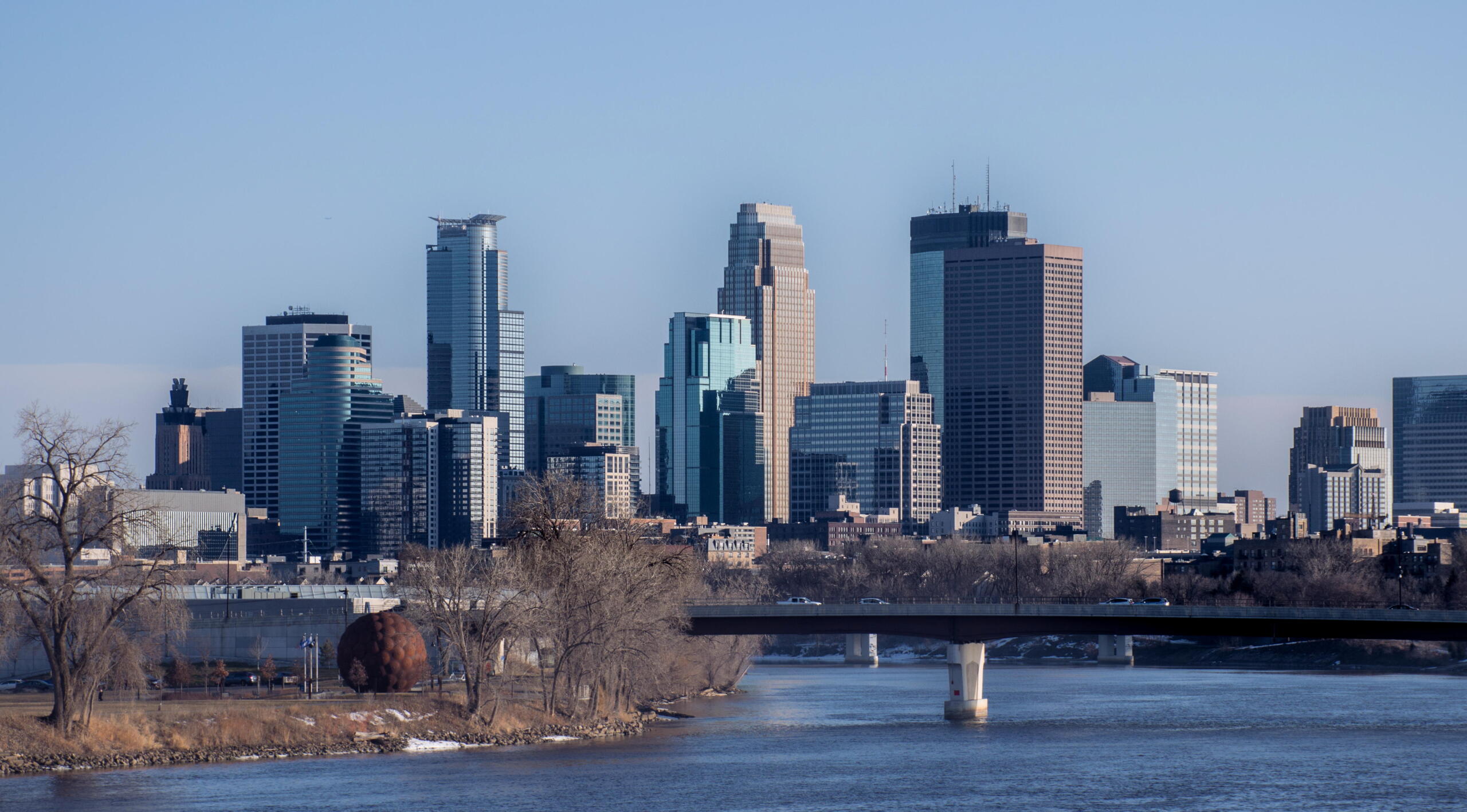
Beyond the headline names, the 2026 rankings are dominated by a cluster of mid-sized Midwestern cities offering strong value — Des Moines, Iowa; Indianapolis, Columbus, and Carmel, Indiana; Kansas City and Overland Park, Kansas; Akron, Ohio; and others, with median home prices frequently well below the national average. These cities share a common profile: lower property taxes, available housing, costs of living 10 to 30 percent below the national average, and stable, diversified economies. The Midwest’s quiet emergence as the heartland of American livability rankings is one of the clearest patterns in the 2026 data, a reversal of the long narrative of Midwestern decline.
Why the Unexpected Cities Are Winning
The reason these surprising names top the 2026 lists comes down to how the rankings weigh their factors and how American priorities have shifted. With the national median home price well above $400,000 and the cost of living in expensive metros consuming an outsized share of income, affordability has become the decisive factor for many Americans, and the rankings reflect it. The cities winning in 2026 offer a specific combination: housing that a middle-class income can actually afford, job markets strong enough to provide opportunity (frequently in healthcare, education, manufacturing, technology, and government), and the walkable, community-oriented quality of life that larger expensive cities increasingly price out. The compilers note that smaller, walkable communities are genuinely outperforming the big coastal cities on these combined measures. It’s not that the famous expensive cities have become bad places to live; it’s that the value equation has shifted decisively, and the places delivering the best combination of affordability, opportunity, and livability are increasingly the mid-sized Midwest and South cities that rarely made anyone’s aspirational list a generation ago.
What It Means for You
For anyone weighing a move, the 2026 rankings carry a practical and somewhat liberating message: the best place to live, by the measures that the major lists actually use, may well be somewhere you hadn’t seriously considered. The Huntsvilles, Fort Waynes, Raleighs, and Des Moineses of the country are topping these lists precisely because they deliver what increasingly matters most — a comfortable life on a normal income, real job opportunity, good schools and safety, and a walkable, livable community — without the crushing housing costs of the coasts. The rankings are not gospel, and the right place to live always depends on individual circumstances, family, career, and personal preference. But the consistent message across the 2026 lists is worth taking seriously: the geography of the American good life has broadened well beyond the expensive coastal metros, and some of the best living in the country is now found in the mid-sized, affordable, opportunity-rich cities of the heartland and the South that the old conventional wisdom overlooked. For anyone feeling priced out of the places they assumed they had to live, that’s genuinely good news, and a reason to look at the map of 2026 with fresh eyes. The smartest approach is to treat the rankings as a starting point for discovery rather than a verdict: use them to surface the unexpected candidates, then dig into the specifics that the lists can’t capture — the particular neighborhood, the job market in your field, the climate, the distance from family, the feel of the place when you actually visit. The rankings are best understood as a map of where the value has migrated, pointing toward the affordable, opportunity-rich mid-sized cities that now offer what the expensive metros increasingly can’t. Where exactly within that map the right home lies is a personal question the lists can only begin to answer, but the headline they all share — that the best living in America is no longer concentrated where it used to be — is a genuinely useful and hopeful place to start the search.