

The American office of the 1980s ran on habits that were not just tolerated but normal — and would today mean a trip to HR, a lawsuit, or termination. People smoked at their desks. The three-martini lunch was strategy. Conduct now recognized as harassment went unremarked. The office of 1985 operated under wildly different rules about health, technology, and the line between professional and personal life. Four decades of health research, anti-discrimination law, shifting norms, and technology transformed it so completely that a 1985 office dropped into 2026 would generate continuous legal liability. Here are eleven normal 1980s office habits that would end a career today. The contrast reveals how much of “professional behavior” is simply the temporary consensus of a moment.
1. Smoking at Your Desk

The 1985 office was full of cigarette smoke — people smoked at their desks, in meetings, in elevators, and ashtrays were standard desk equipment. Indoor smoking bans in workplaces did not become widespread until the 1990s and 2000s. The casual indoor smoking that filled the 1985 office is now banned in workplaces essentially everywhere, and an employee who lit a cigarette at their desk today would face immediate consequences. The transformation from smoke-filled office to smoke-free workplace is among the most complete behavioral shifts of the era.
2. The Three-Martini Lunch

The 1985 business culture embraced the long, alcohol-heavy lunch as a legitimate venue for deal-making, and returning to the office visibly affected by lunch drinks was unremarkable, even expected in some industries. The combination of changing attitudes toward daytime drinking, liability concerns, and a faster-paced work culture ended the three-martini lunch. An employee who drank heavily at lunch and returned to work impaired today would face serious professional consequences. The boozy business lunch is now a relic of a very different professional culture.
3. Routine Harassment Treated as Normal
The 1985 office tolerated behavior now clearly recognized as sexual harassment — comments, advances, and conduct that were frequently unremarked or treated as harmless. Legal recognition and enforcement of workplace harassment protections strengthened substantially through subsequent decades, and corporate policies, training, and accountability transformed what is permissible. Conduct that was routine and unpunished in the 1985 office now results in termination and legal liability. This is among the most significant and consequential changes in American workplace norms, reflecting a fundamental shift in what employees are protected from.
4. Open Discrimination in Hiring and Promotion

The 1985 workplace operated with discriminatory practices — in hiring, promotion, and treatment — that, while already illegal in many forms, were enforced far more loosely and practiced more openly than today. Explicit assumptions about who was suited for which roles, and open differential treatment, were more common and less challenged. Strengthened enforcement, corporate accountability, and changed norms have made openly discriminatory conduct a serious legal and career risk. The relative openness of 1985 workplace discrimination would generate immediate liability today.
5. No Boundaries Around Personal Comments

The 1985 office featured personal commentary — about appearance, weight, personal lives, and more — that flowed freely and was considered normal office banter. The modern understanding of professional boundaries and respectful workplace conduct has substantially narrowed what’s acceptable. Comments that were unremarkable 1985 office chatter would today be flagged as inappropriate or as contributing to a hostile environment. The shift reflects a broader change in the understanding of the boundary between collegial and inappropriate.
6. Dangerous Disregard for Ergonomics and Safety
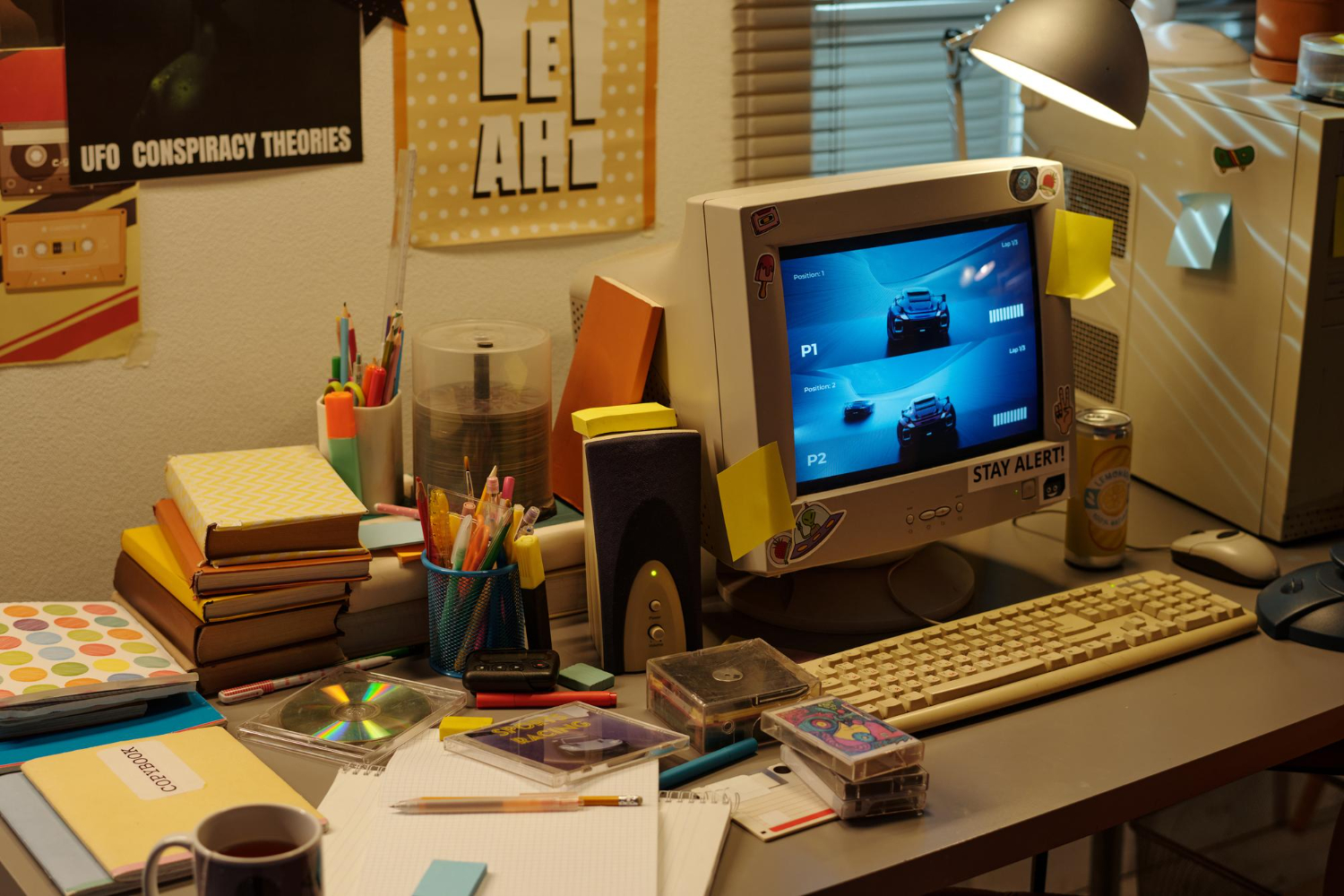
The 1985 office paid little attention to ergonomics or repetitive-strain injuries, and workplace safety culture was far less developed. Employees worked at poorly-designed stations for long hours with little consideration of physical strain, and reporting injuries was less supported. Modern workplace-safety expectations, ergonomic standards, and injury-prevention practices reflect a transformed understanding. While not “career-ending,” the 1985 disregard for workplace physical wellbeing reflects how differently employers approached their basic obligations to employees.
7. The Boss Whose Word Was Absolute and Unaccountable
The 1985 office frequently operated under unaccountable management — bosses whose conduct toward subordinates faced little oversight, where abusive management, favoritism, and arbitrary treatment were simply accepted as the prerogative of authority. The development of HR functions, accountability structures, anti-retaliation protections, and changed expectations of management conduct has constrained the unchecked authority of the 1985-style boss. Management behavior that was accepted as normal then would today trigger complaints, investigations, and consequences.
8. Casual Mishandling of Confidential Information
The 1985 office handled sensitive information far more casually — personal data, customer information, and confidential records were managed with minimal security, left on desks, and disposed of without protection. The development of privacy law, data-protection requirements, and security culture has transformed information handling. Casually mishandling confidential data in the way that was normal in 1985 would today violate privacy regulations and company policy, potentially ending a career and creating legal liability.
9. Drinking and Substances as Office Culture

Beyond the business lunch, the 1985 office frequently featured alcohol as a regular fixture — the bottle in the desk drawer, the heavily-lubricated office party, the Friday-afternoon drinking. The modern professional culture, liability awareness, and changed attitudes have substantially curtailed workplace drinking. The casual integration of alcohol into the regular workday that characterized many 1985 offices would today raise serious professional and liability concerns, a marker of how much the relationship between work and drinking has changed.
10. No Separation Between Work and Personal Judgment

The 1985 workplace frequently made hiring and management decisions based on personal and social factors — club memberships, personal relationships, and social fit assessed in ways that would now be seen as inappropriate or discriminatory. The professionalization of HR and the legal constraints on decision-making criteria have changed this. The 1985 blending of personal social judgment into professional decisions, conducted openly, would today create both legal exposure and cultural objection.
11. The Total Absence of Work-Life Boundaries Going the Other Way
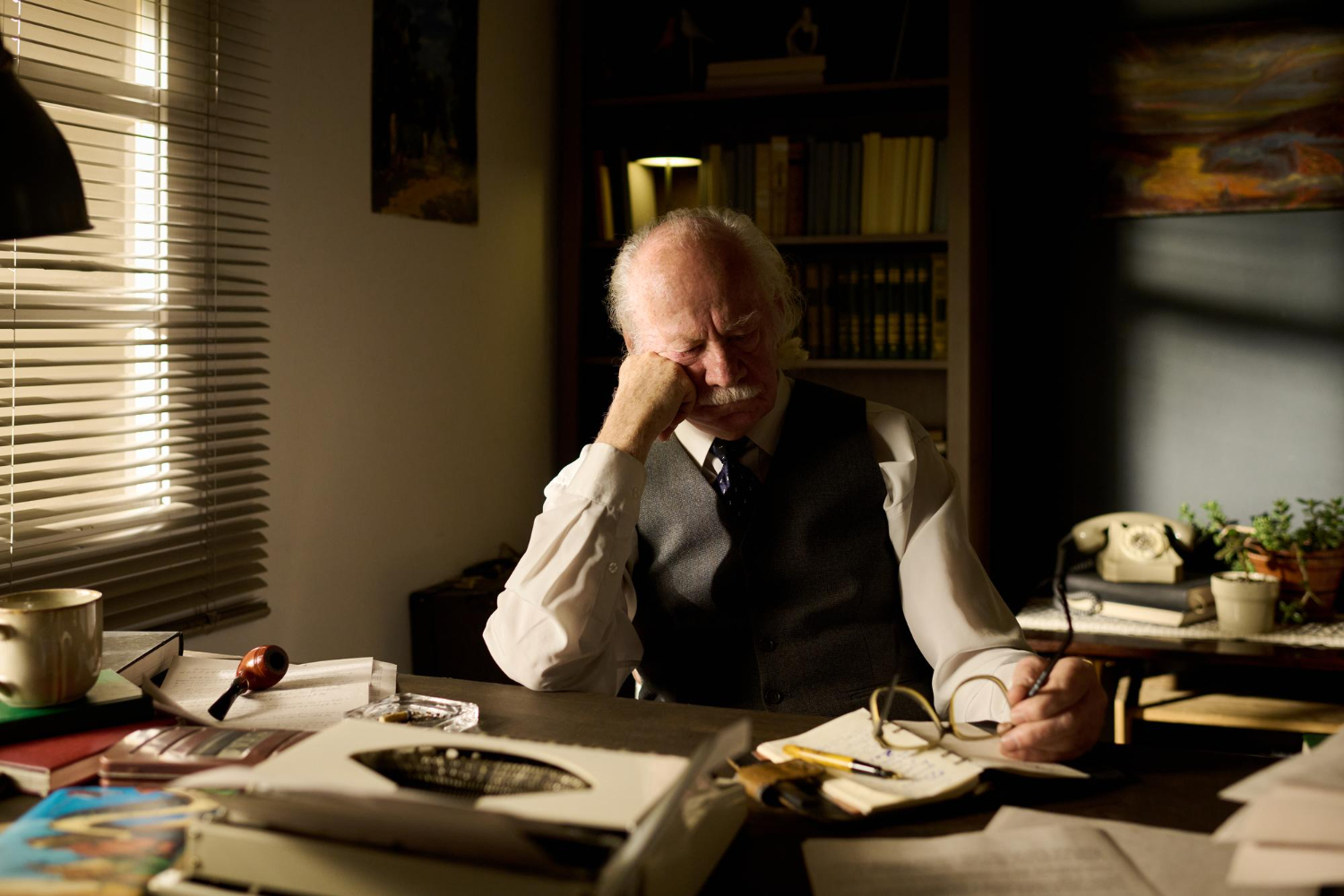
While the 1985 office lacked the modern always-on digital intrusion, it also operated with its own boundary problems — an expectation in many industries that personal life was subordinate to work, that certain employees would simply absorb whatever was demanded, and that questioning this was not done. The modern conversation about work-life balance, burnout, and reasonable expectations reflects a changed understanding. The 1985 assumptions about what an employer could demand of an employee’s life and identity would, in many cases, be challenged today.
What the Contrast Reveals

The point of looking back at the 1985 office is not simple congratulation that we’ve improved, though in genuine ways — health, harassment protection, discrimination enforcement, privacy — we clearly have. The more interesting observation is how completely the “obvious” rules of professional conduct can change within a single career. An employee who started work in 1985 and retired in recent years lived through a top-to-bottom transformation of what was normal, acceptable, and permissible at work, frequently without any single dramatic moment marking the change. The smoke cleared from the office gradually. The harassment that was unremarked became actionable. The boozy lunch quietly ended. The unaccountable boss became accountable. Each change felt incremental, but the cumulative result is that the 1985 office and the 2026 office operate under nearly opposite assumptions about health, conduct, fairness, and the boundary between an employer’s authority and an employee’s dignity. It’s a useful reminder that today’s settled professional norms are themselves just a snapshot, and that the employees of 2065 will likely look back at some of our own current “completely normal” workplace habits with the same disbelief we now direct at the ashtray on the 1985 desk. The always-on email expectation, the open-plan office, the casual sharing of personal data through workplace apps, and any number of practices we consider unremarkable may well strike future workers as obviously problematic. The 1985 office is not a story about how backward the past was; it’s a story about how quickly “normal” moves, and how little of what feels permanent about working life actually is.