

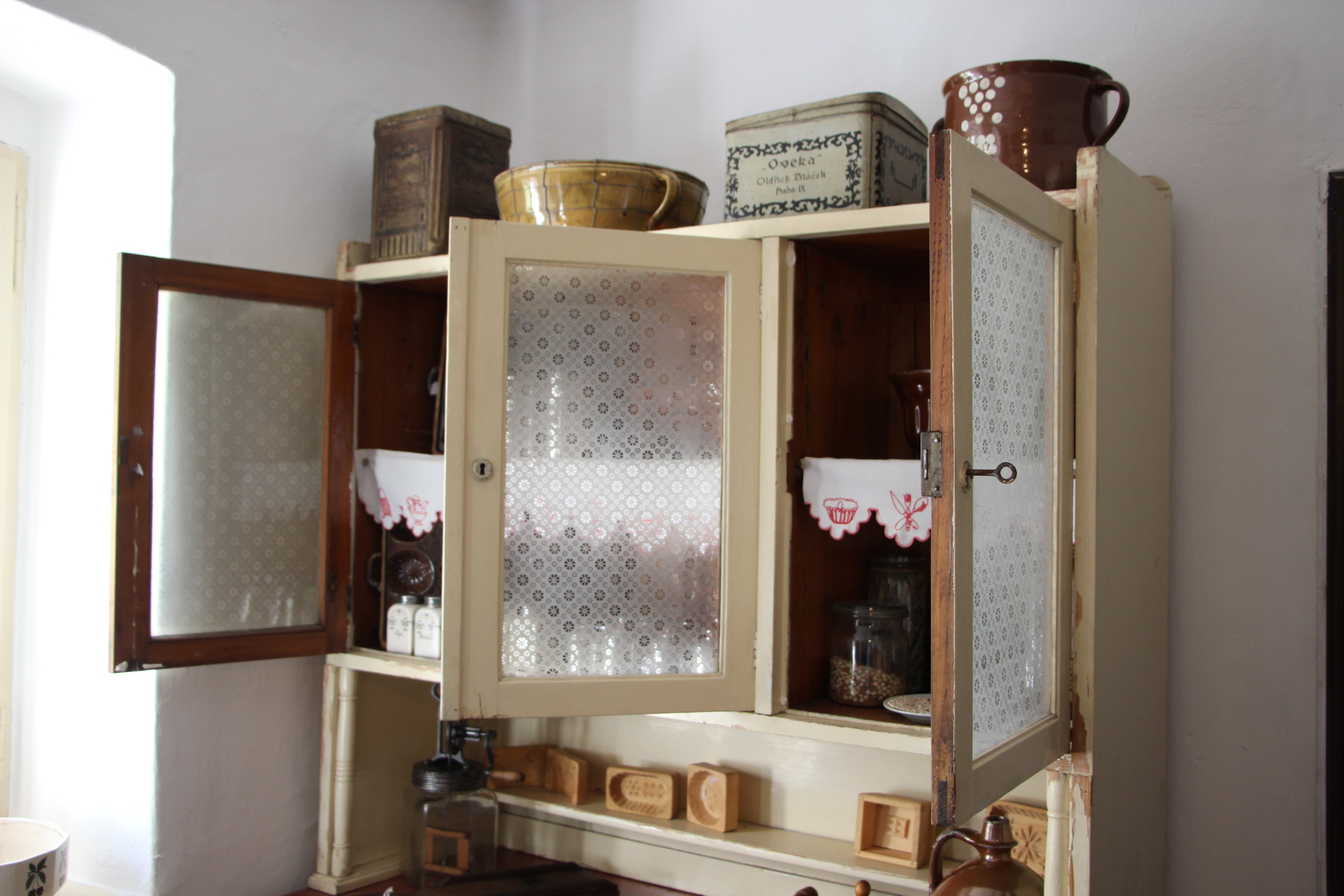
For anyone who grew up in the 1970s, the family medicine cabinet was a familiar landscape of tins, bottles, and tubes, each with its own distinctive smell and ritual. It was where scrapes were treated, fevers were managed, and a startling number of products were trusted without a second thought. Looking back, some of those staples were perfectly fine and remain with us today, while others have disappeared entirely, victims of changing science, new regulations, and a much sharper understanding of safety. Here is a nostalgic tour of what filled the American medicine cabinet in 1975, and the often surprising stories of what became of each one. This is a look back for curiosity’s sake, not health advice.
Mercurochrome, the Orange Antiseptic
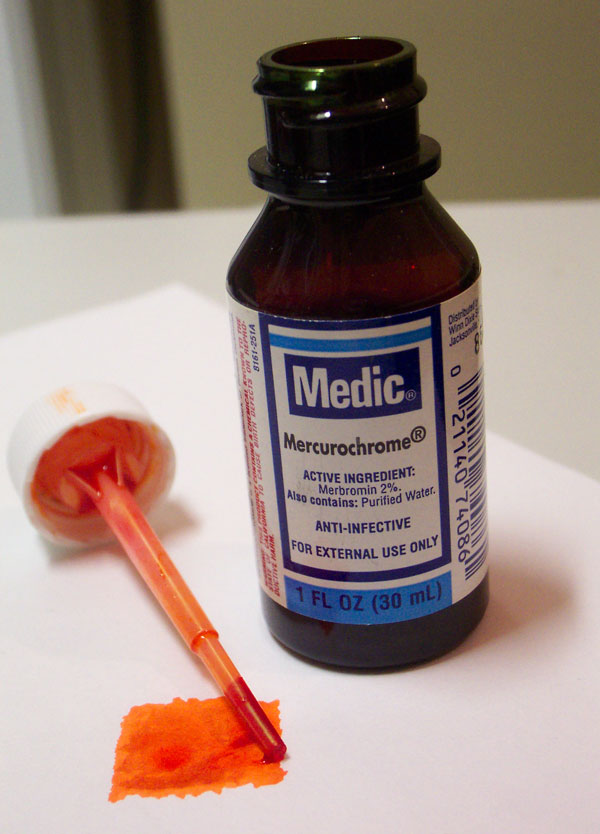
If you scraped your knee in 1975, there is a good chance someone dabbed it with Mercurochrome, the bright orange-red antiseptic that stained the skin and stung just enough to feel like it was working. It was a fixture in nearly every home, instantly recognizable by its vivid color.
The catch, discovered later, was in the name: Mercurochrome contained mercury. As concerns about mercury exposure grew, U.S. regulators eventually reclassified it, and by around the turn of the century it was no longer generally marketed in the United States. The orange antiseptic that once colored a generation’s knees steadily disappeared from American shelves, a casualty of evolving science.
Like our content? Follow us for more.
Ipecac Syrup
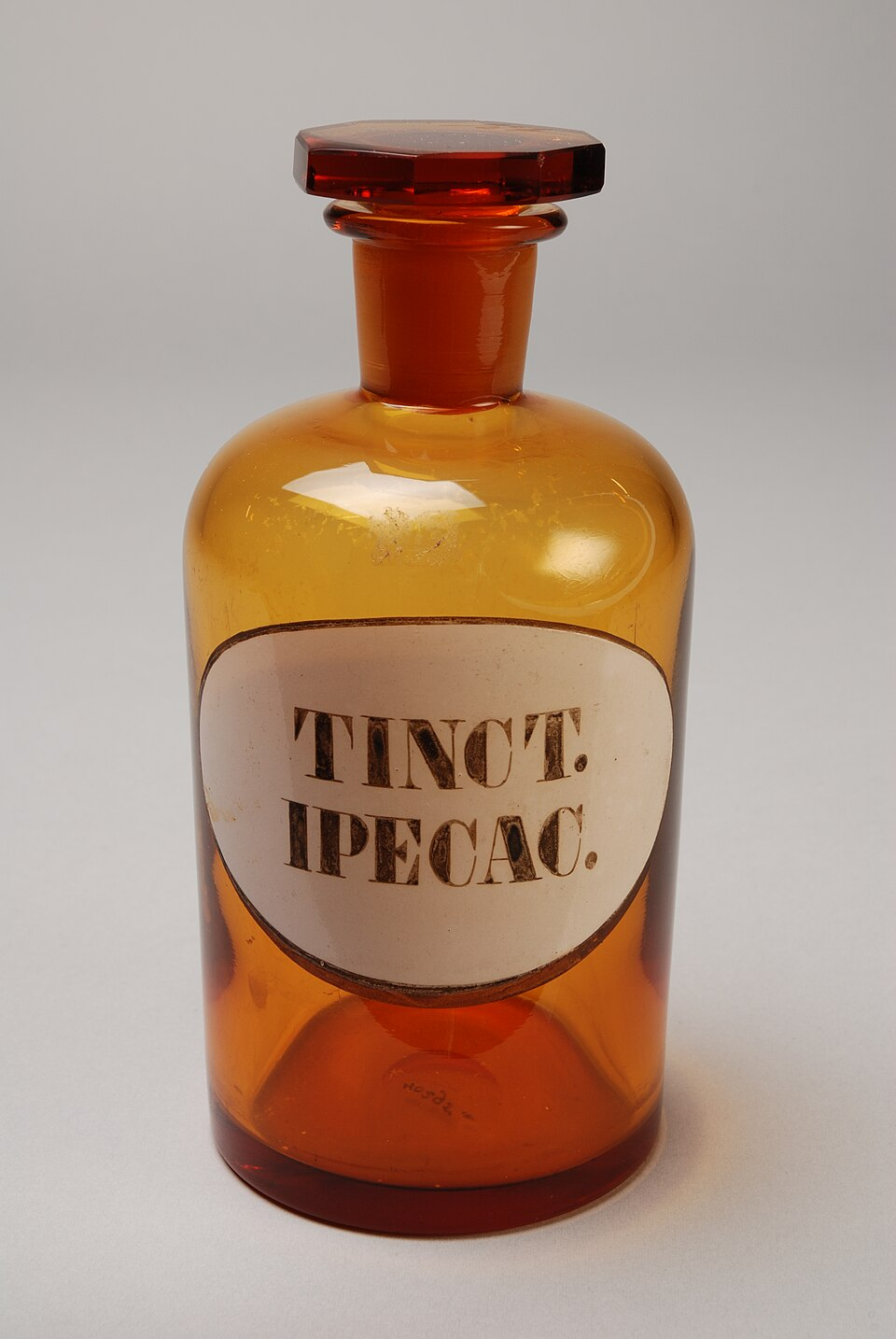
For decades, parents were advised to keep a bottle of ipecac syrup on hand to induce vomiting in case a child swallowed something poisonous. It was considered an essential part of any household with young children, recommended by pediatricians and poison-control resources alike.
Medical thinking later reversed course. Experts came to conclude that inducing vomiting could do more harm than good in many poisoning situations, and major pediatric guidance moved away from recommending it, advising families to call poison control instead. Production wound down, and the once-standard bottle of ipecac faded from American medicine cabinets entirely. It is a striking example of how settled medical advice can completely reverse.
Heavy-Duty Glass Thermometers
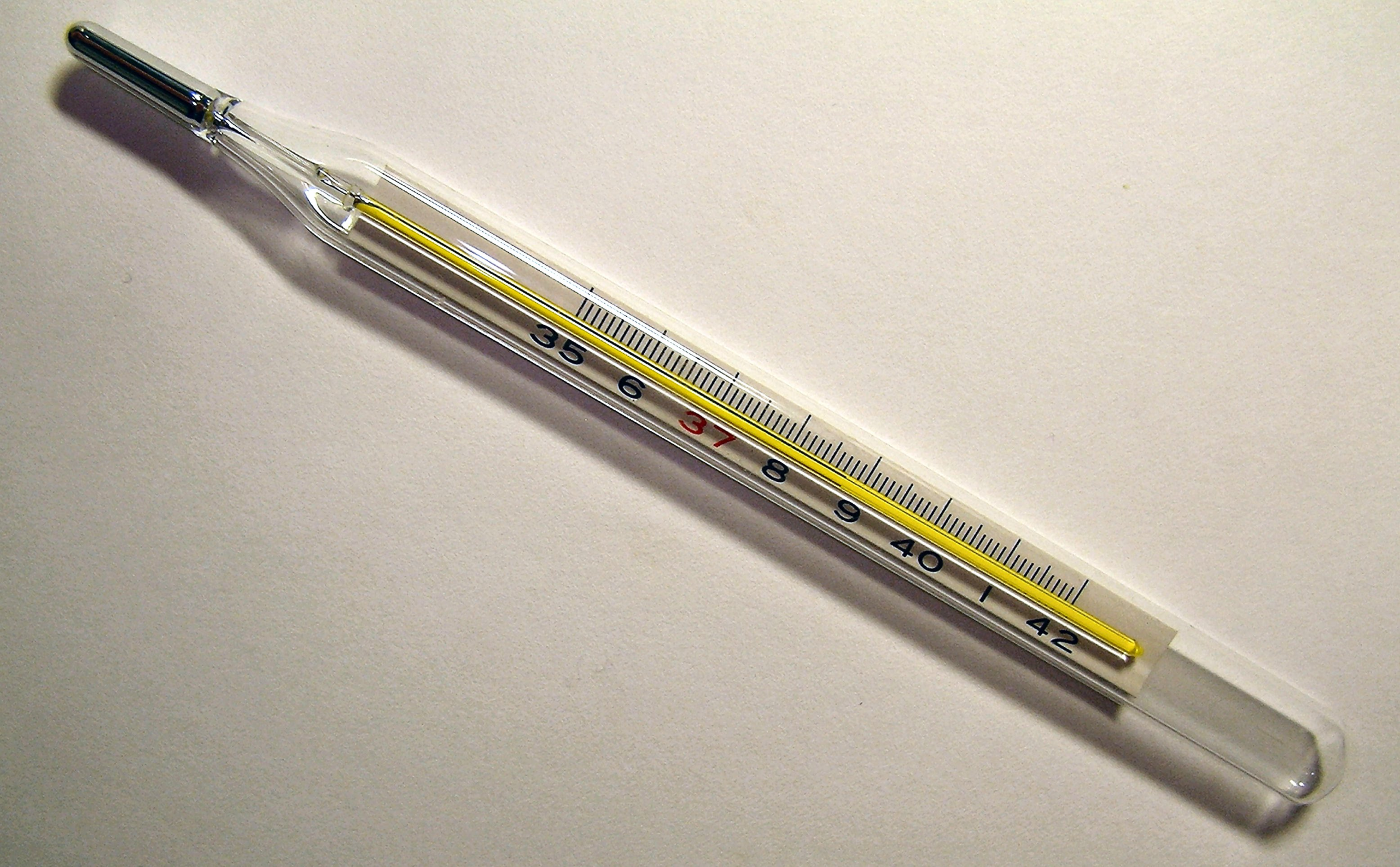
Before digital thermometers, taking a temperature meant a slim glass tube that you shook down with a flick of the wrist and held carefully under the tongue. These thermometers were precise and reliable, and they lived in nearly every medicine cabinet.
The problem was what was inside many of them: mercury. A dropped, shattered thermometer released the toxic metal, and over time concerns about mercury exposure led to these being phased out in favor of safe digital and other alternatives. Many states eventually restricted their sale entirely. The satisfying ritual of shaking down a glass thermometer is now a memory.
Tincture of Merthiolate and Other Stinging Antiseptics
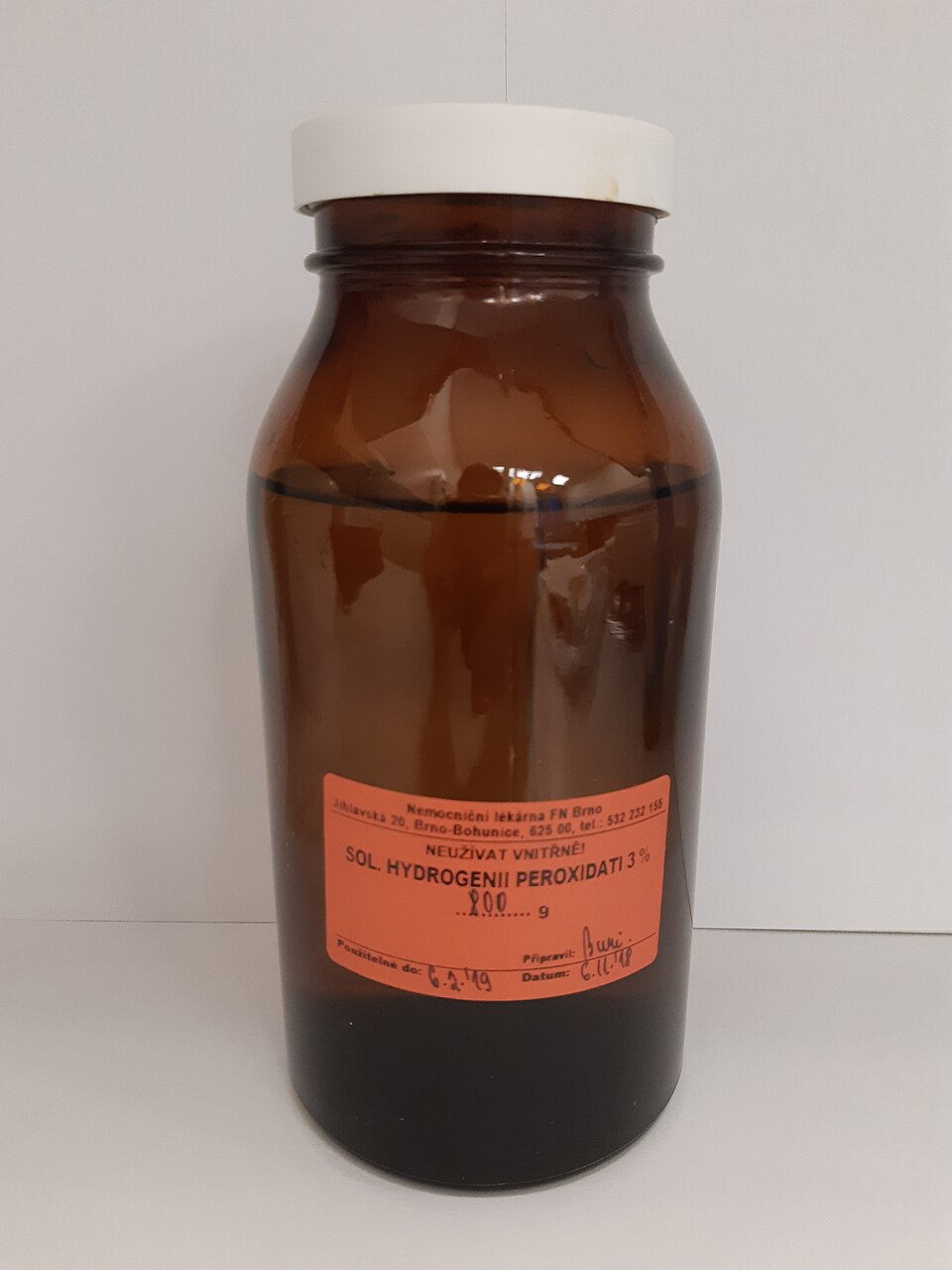
Alongside Mercurochrome sat a family of other antiseptics, including products that stung fiercely when applied. Marketed for cuts and scrapes, they were trusted staples, and the sting was widely believed to be a sign of effectiveness.
Several of these older antiseptics also contained mercury-based compounds, and like Mercurochrome, they were reassessed and largely withdrawn from the U.S. market over safety concerns. Modern wound care moved toward gentler, more effective options, leaving these old stinging standbys behind. The idea that an antiseptic had to hurt to help went out the door with them.
Old Cough and Cold Formulas
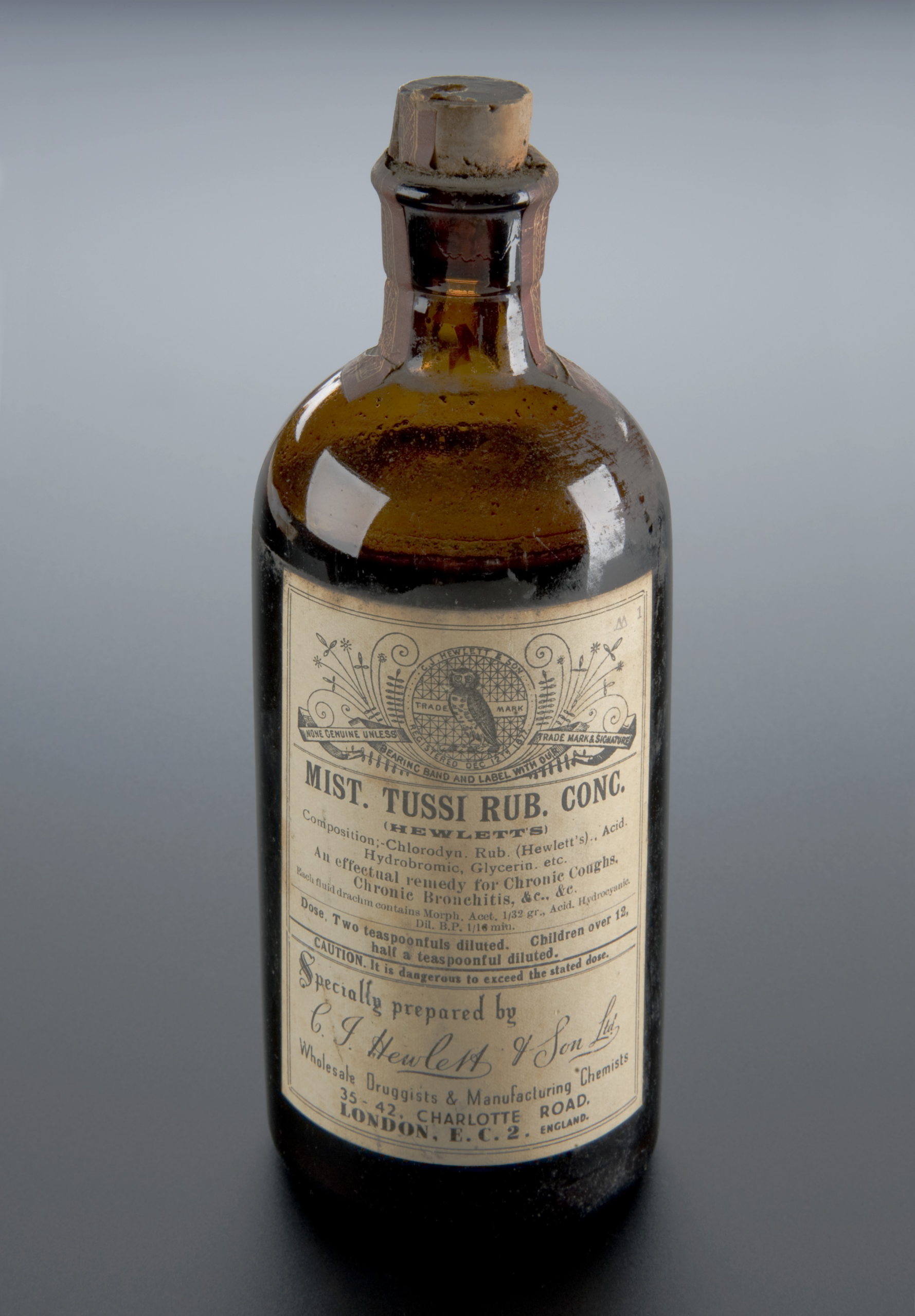
The cold and cough remedies of the 1970s often contained ingredients and combinations that have since been reformulated or restricted. Some older medicines included substances that were later limited, repackaged, or moved behind the pharmacy counter as regulations tightened.
Over the following decades, regulators took a harder look at over-the-counter medicines, especially those given to children, and many old formulas were changed or pulled. Some ingredients once common in home remedies are simply no longer sold the way they were. The medicine cabinet’s cold-and-flu shelf looks quite different today than it did in 1975.
A Tin of Adhesive Bandages and First-Aid Basics
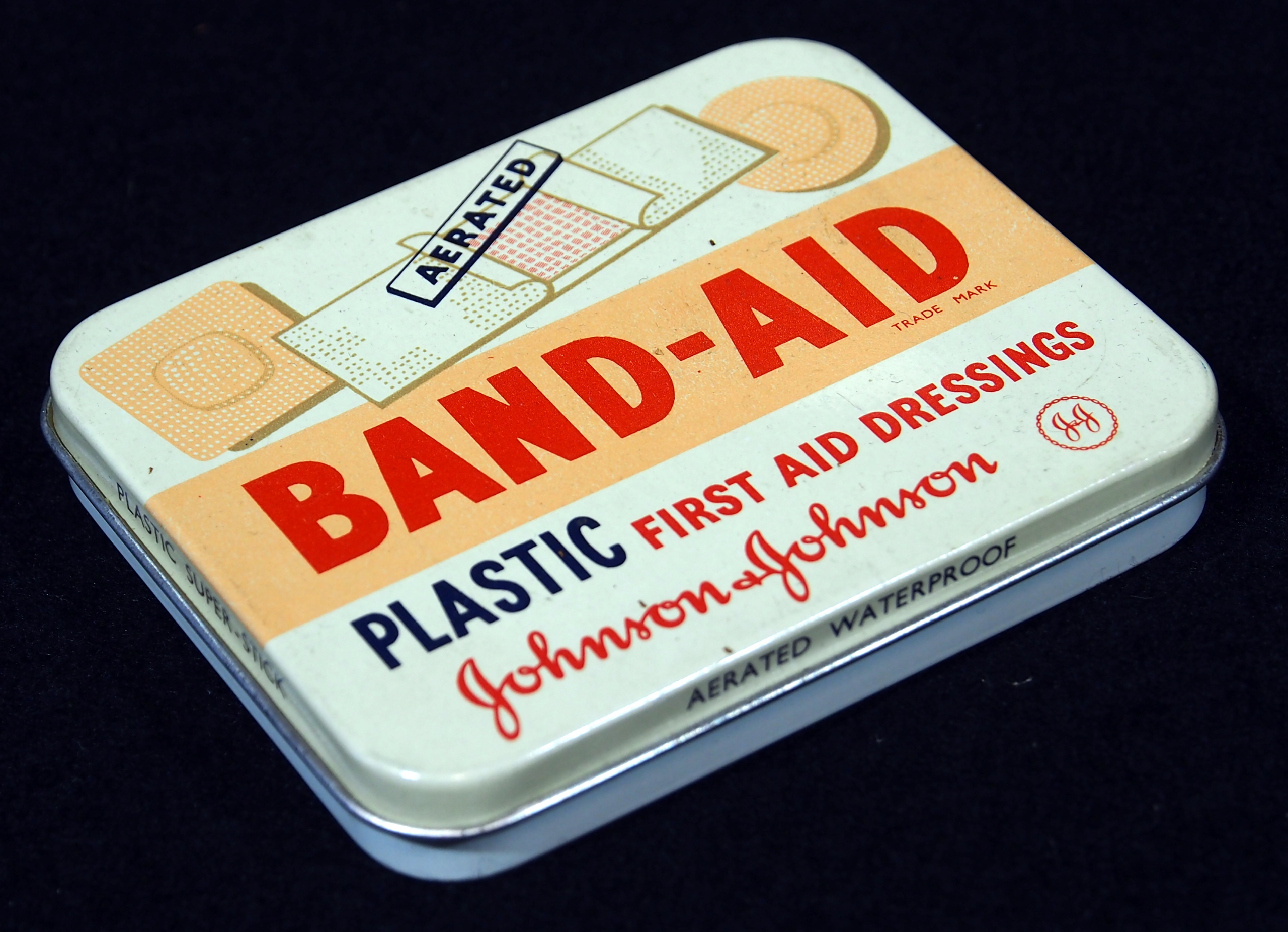
Not everything in the cabinet disappeared. The metal tin of adhesive bandages, the gauze, the medical tape, and the basic first-aid supplies of 1975 are essentially still with us, though the packaging has modernized. These enduring staples are a reminder that much of home health care has stayed remarkably consistent.
What has changed is the context around them. The bandages remain, but many of the products they sat beside are gone, swapped out for safer or more effective alternatives. The humble adhesive bandage has outlasted the mercury antiseptics and the glass thermometers, a quiet survivor of the great medicine-cabinet turnover.
Petroleum Jelly, Witch Hazel, and the Survivors
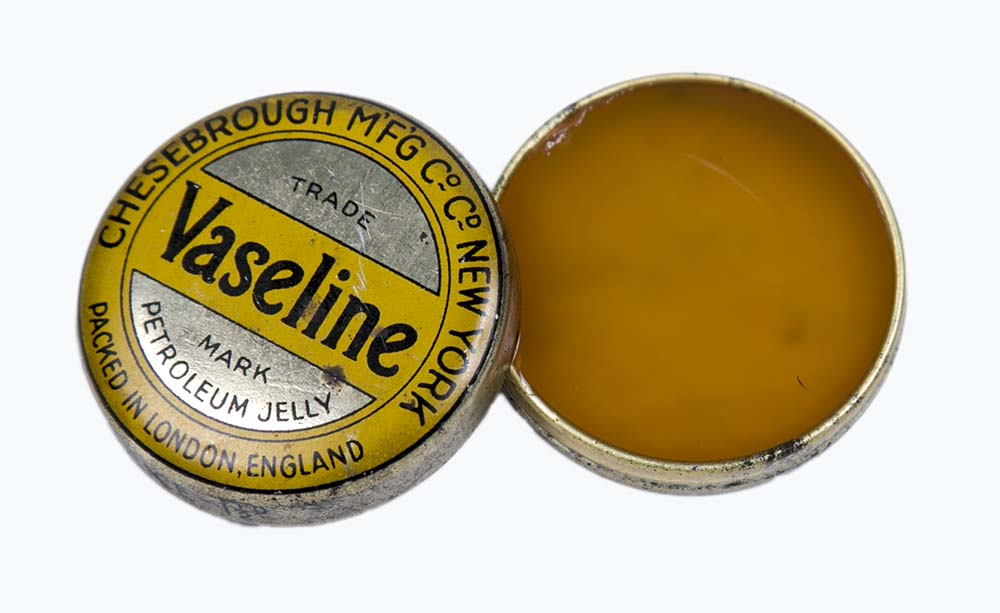
Several other 1975 staples have proven remarkably durable. Petroleum jelly, witch hazel, rubbing alcohol, and similar basics remain common in American homes today, little changed from the versions our grandparents used. These simple, time-tested products never gave regulators a reason to act.
Their longevity highlights the real story of the medicine cabinet: it was a mix of the timeless and the soon-to-be-obsolete. For every product that vanished over safety concerns, another sailed on unchanged for generations. Sorting the survivors from the casualties is a small lesson in how home medicine has evolved.
The Rituals That Went With Them
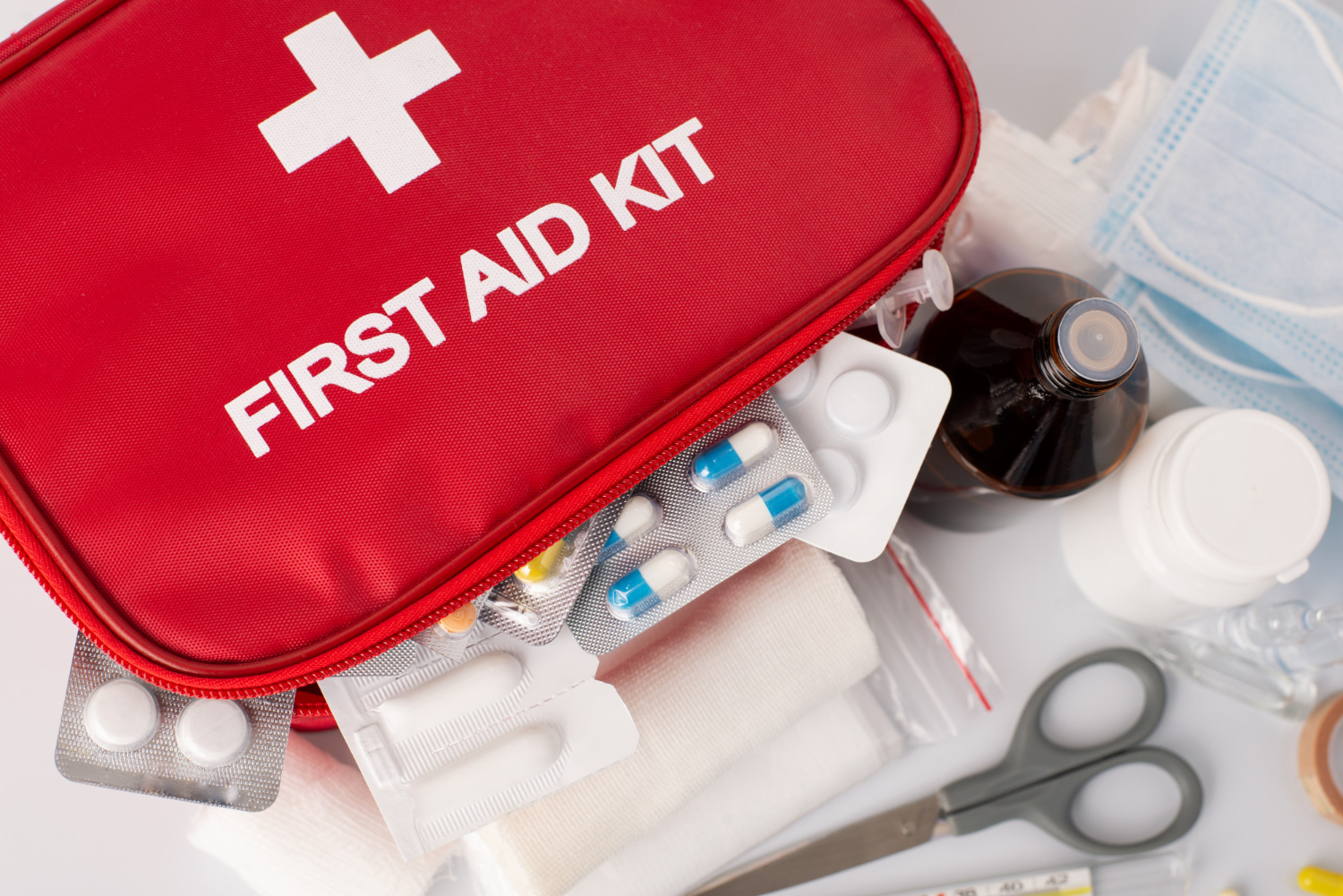
Beyond the products themselves, the 1975 medicine cabinet came with a whole set of household rituals that have faded. There was the practiced flick of the wrist to shake down a glass thermometer, the careful dab of orange antiseptic on a scraped knee, the parent reaching for a trusted remedy at the first sign of a sniffle. These small routines were part of the texture of family life.
As the products changed, so did the rituals. Digital thermometers beep in seconds, modern wound care is gentler and quieter, and much home treatment now begins with an online search rather than a reach into the cabinet. There is a certain nostalgia for the old hands-on routines, even the ones we are glad to have replaced. The medicine cabinet was a place of small, repeated acts of care, and remembering its vanished contents is also remembering the particular ways families looked after one another in an earlier age.
Why So Much Disappeared
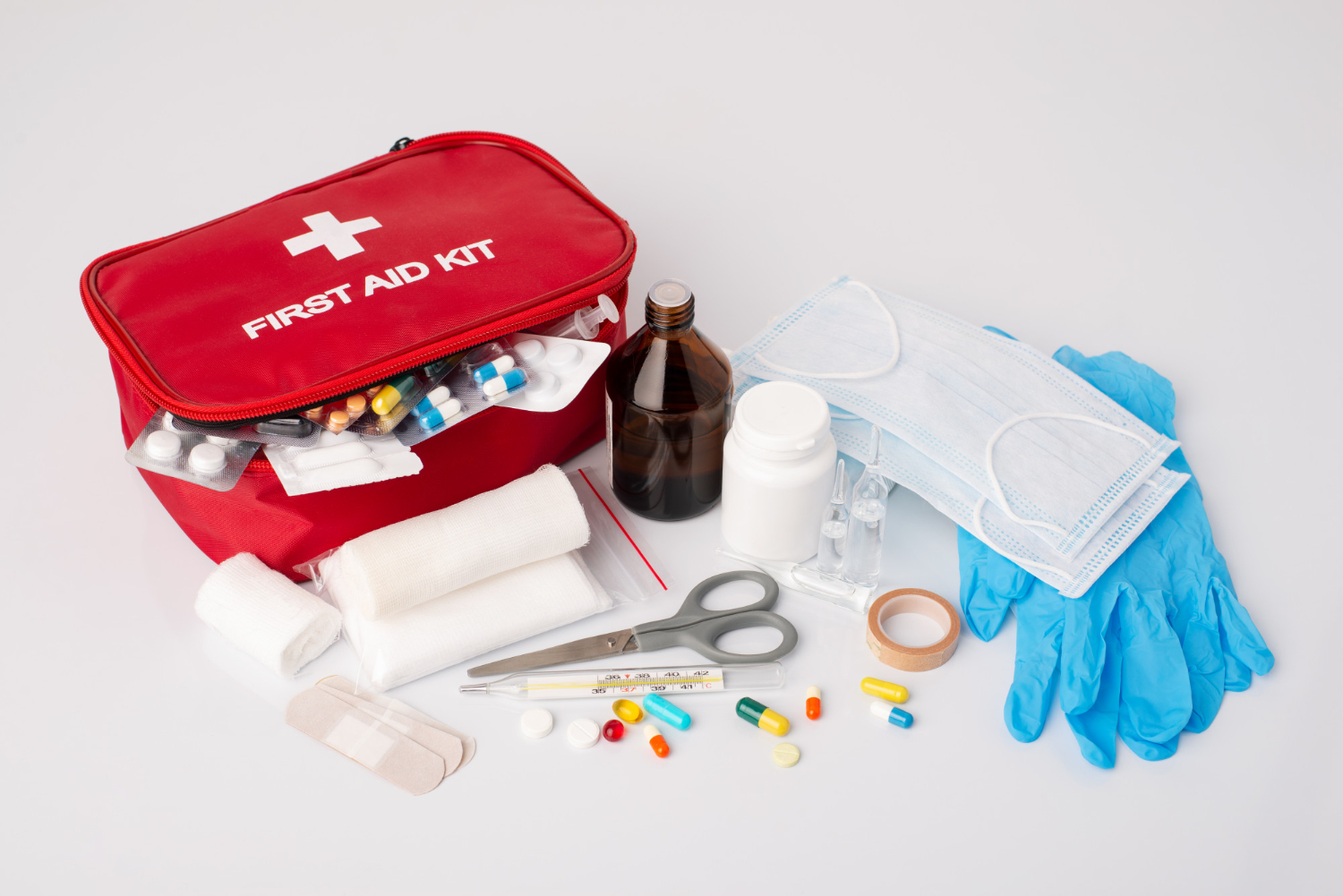
Looking at the 1975 medicine cabinet from today’s vantage point, a clear pattern emerges. The products that vanished tended to share a common thread: they contained ingredients, often mercury-based, or relied on practices that later science deemed unsafe, or they reflected medical advice that has since been reversed. Regulators, armed with better data, steadily tightened the rules.
None of this means the people of 1975 were careless; they were using the best products and following the best advice available at the time, just as we do now. The lesson is humbling: some of what we keep in our cabinets today may look just as questionable to people fifty years from now. The medicine cabinet is a quiet record of how knowledge advances, one discontinued product at a time. It is worth remembering, too, that anything kept on hand today should be used only as currently directed, and old or expired products safely discarded.
Like our content? Follow us for more.
