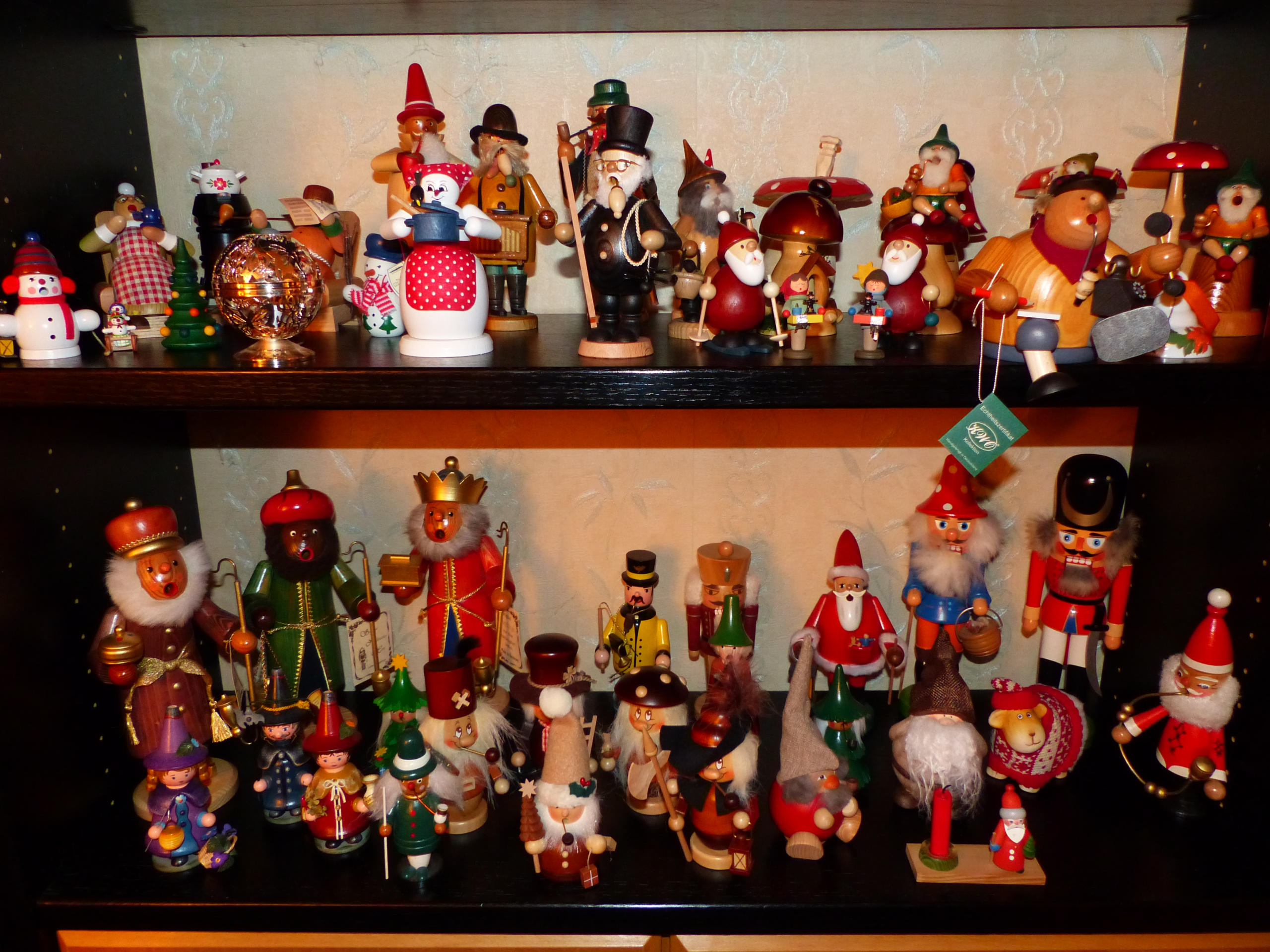
Christmas morning in 1979 was a riot of wrapping paper, and the toys that emerged from under the tree were the stuff of legend, fast, loud, metal, and occasionally hazardous in ways that would horrify a modern parent. It was the tail end of an era when toys were built for thrills first and safety second, and many of the most popular gifts of the time would never pass today’s standards. In fact, several were later banned outright. Here is a nostalgic countdown of the toys American kids longed for in 1979, and the surprising number that regulators eventually pulled from shelves for good.
Lawn Darts (Jarts)
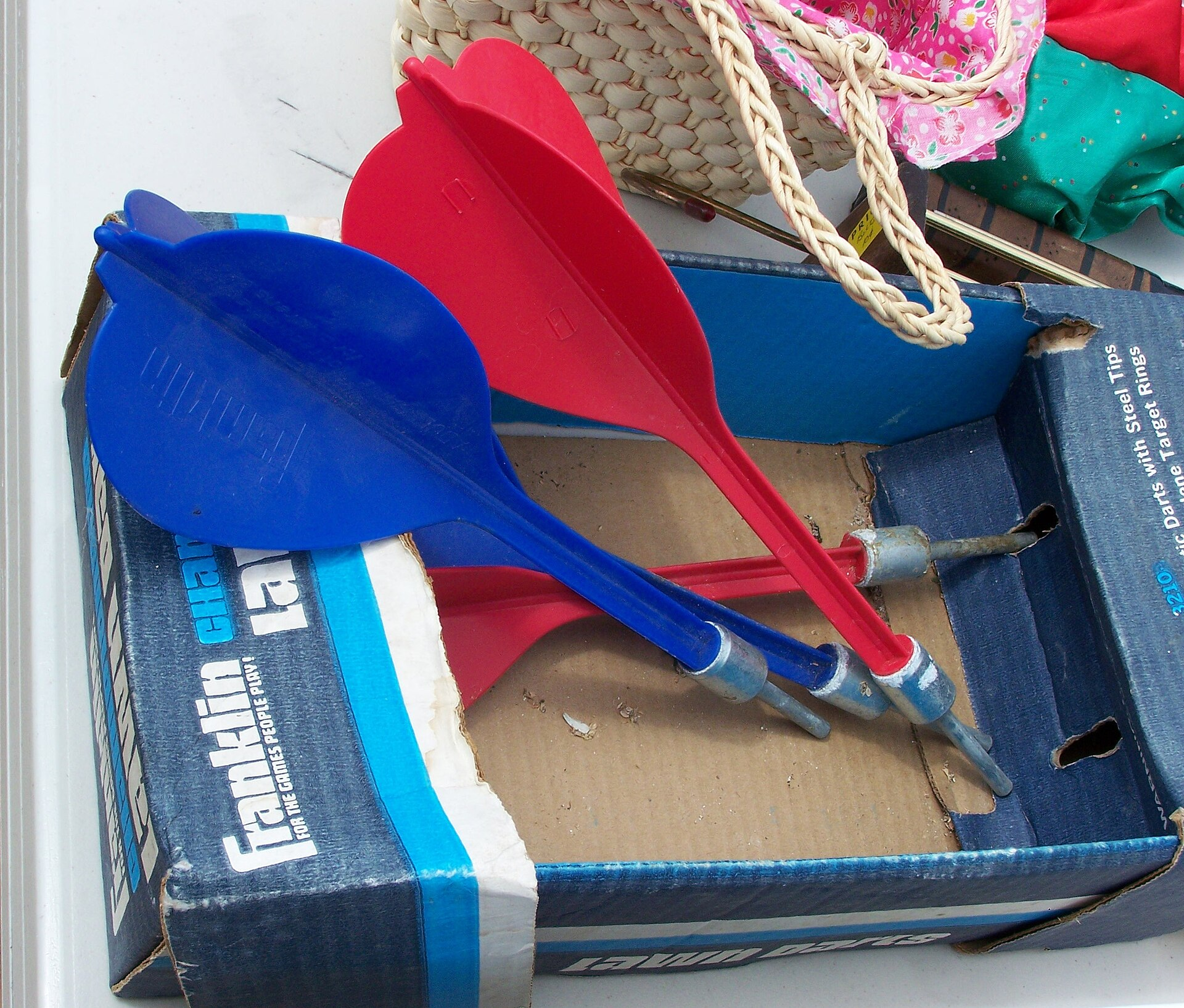
No toy better captures the danger-meets-fun spirit of the era than lawn darts, known to many simply as Jarts. The game involved hurling heavy, metal-tipped darts across the yard toward a plastic ring target, and it was a beloved backyard staple at barbecues and holidays alike.
The metal tips were heavy and sharp enough to embed in the ground, or worse. After the darts were linked to thousands of injuries and several deaths over the years, the U.S. Consumer Product Safety Commission banned their sale in 1988. They became the textbook example of a toy that would be banned today, because it actually is. Vintage sets now change hands among collectors as forbidden relics.
Like our content? Follow us for more.
Clackers
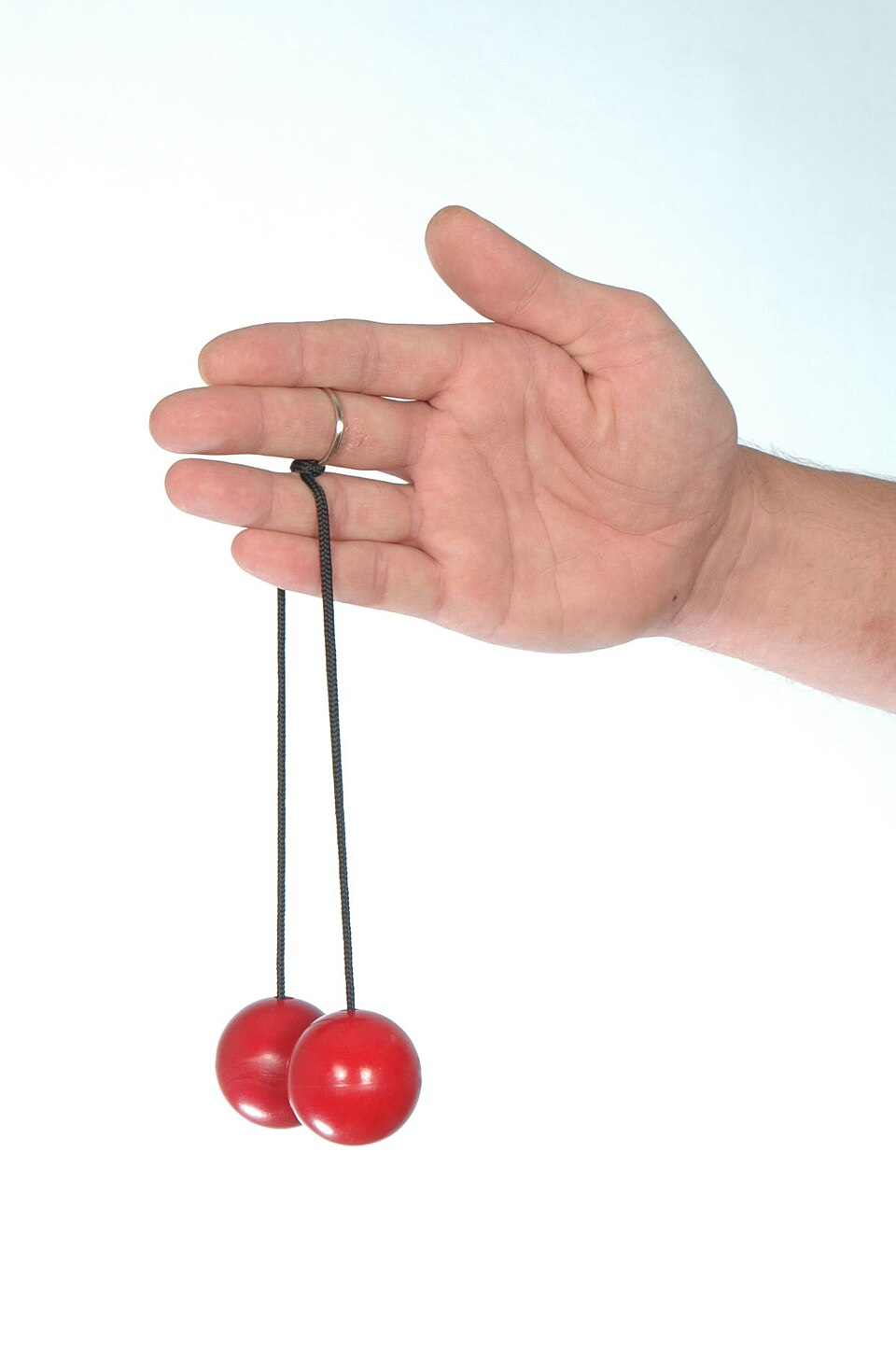
If you remember a sharp “clack-clack-clack” ringing across the playground, you remember Clackers: two hard acrylic balls on a string that you swung until they struck together. They were a craze of the late ’60s and ’70s, simple, satisfying, and everywhere.
The trouble was that the balls could shatter on impact, sending shards flying toward faces, hands, and eyes. After a wave of injuries and an early FDA warning, regulators ultimately moved against them, and the original hard-acrylic Clackers were banned. The hypnotic clacking sound that once filled American schoolyards fell silent for good.
The Easy-Bake Oven
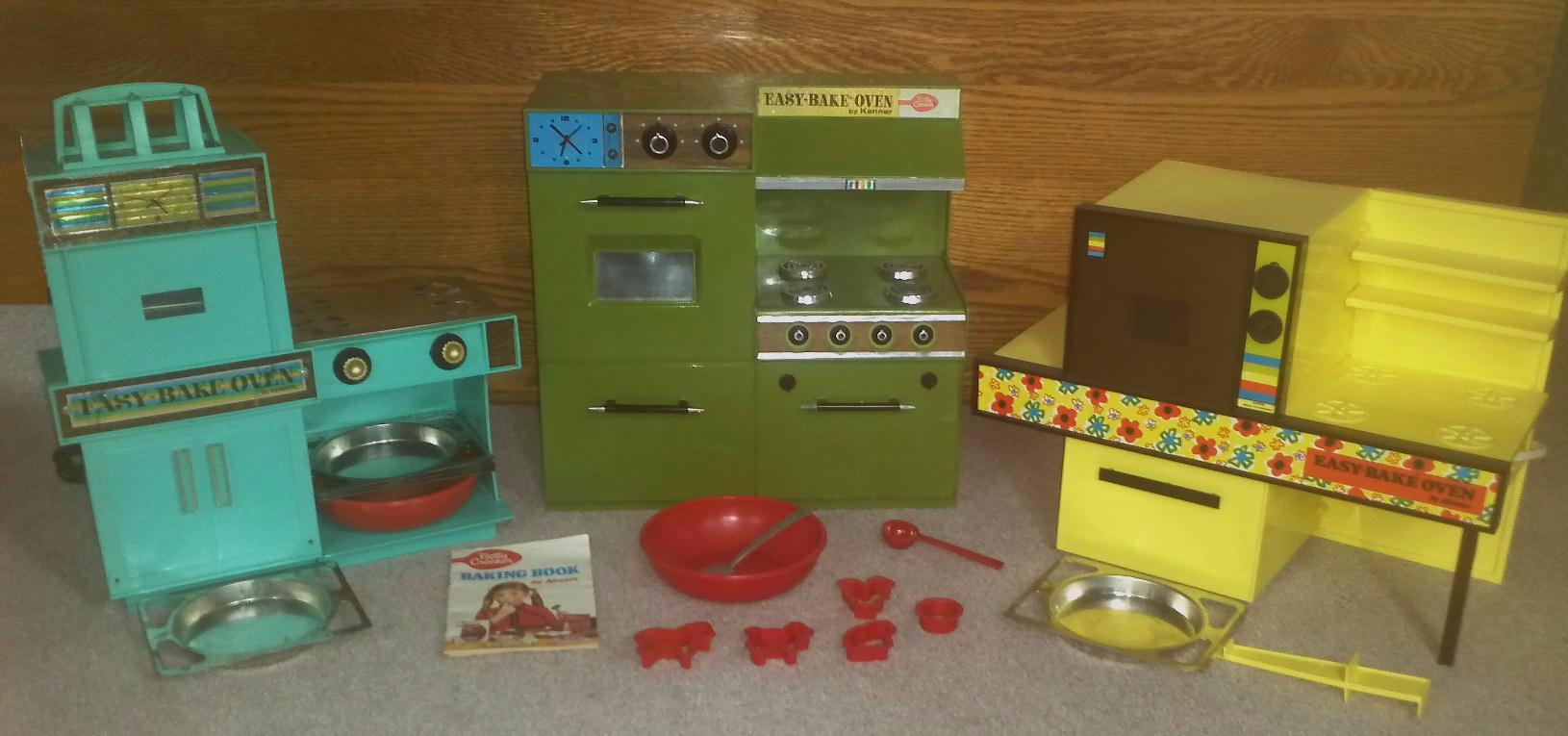
A dream gift for many kids, the Easy-Bake Oven let children bake tiny cakes using the heat of a light bulb. It was a massive seller and a fixture of 1970s Christmas lists, sparking countless kitchen fantasies.
The classic versions, which relied on a powerful incandescent bulb to generate real heat, carried a genuine burn risk, and later redesigns and recalls addressed safety concerns with the heating mechanism. The beloved toy survives in much-modified, far safer modern forms, but the original light-bulb-powered ovens that delighted 1979’s children would not pass muster today.
Creepy Crawlers and the Thingmaker
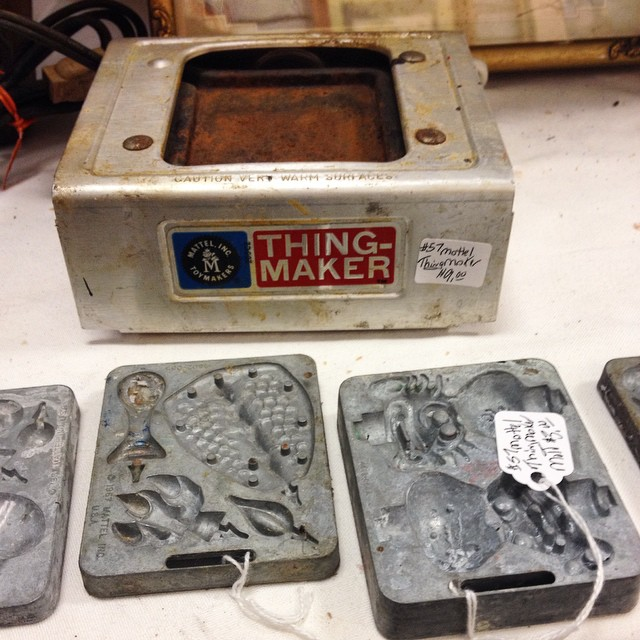
For kids who liked their fun a little gross, the Thingmaker let them create rubbery bugs and creatures by pouring liquid “Plasti-Goop” into metal molds and heating it. The resulting Creepy Crawlers were prized for trading and for grossing out younger siblings.
The catch was that the metal molds had to be heated to high temperatures on an open hot plate, well within reach of small hands. The serious burn risk made it exactly the kind of toy later safety standards were designed to prevent, and the original hot-plate versions gave way to far safer modern reimaginings. It was creativity with a side of singed fingertips.
SSP Racers and High-Speed Pull Toys
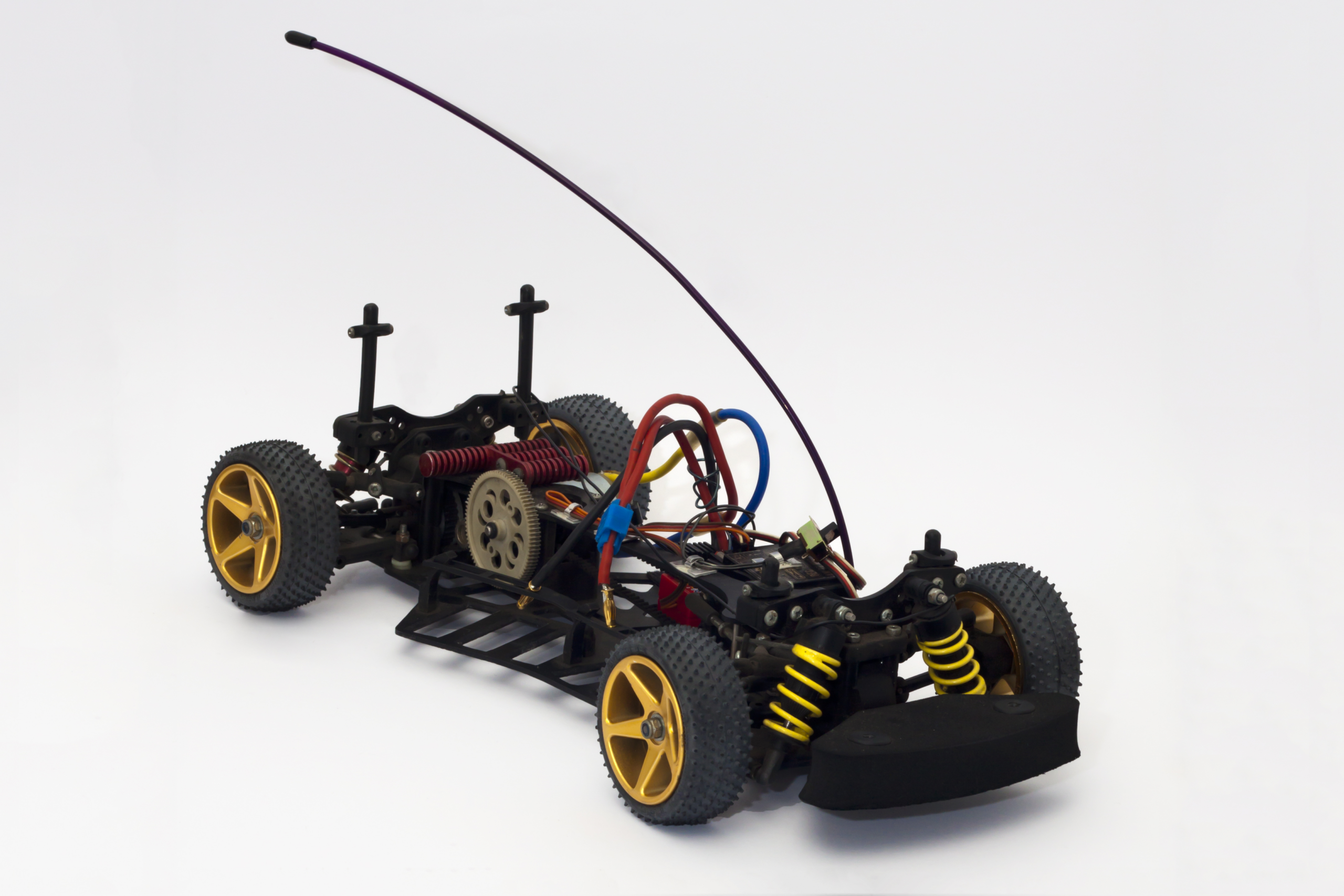
Among the most coveted toys were fast, friction-powered racers like the SSP cars, which kids launched by yanking a plastic ripcord through a gyroscopic wheel. Advertisements boasted of astonishing scale speeds, and the cars could indeed tear across a floor or sidewalk at a real clip.
The combination of speed and hard plastic made for plenty of bruised shins and the occasional flying projectile when a car went off course. While not all such toys were formally banned, the era’s appetite for sheer velocity in children’s toys faded as safety standards tightened. The need-for-speed playthings of the ’70s became gentler over time.
Metal-Spring Pogo Sticks and Moon Shoes
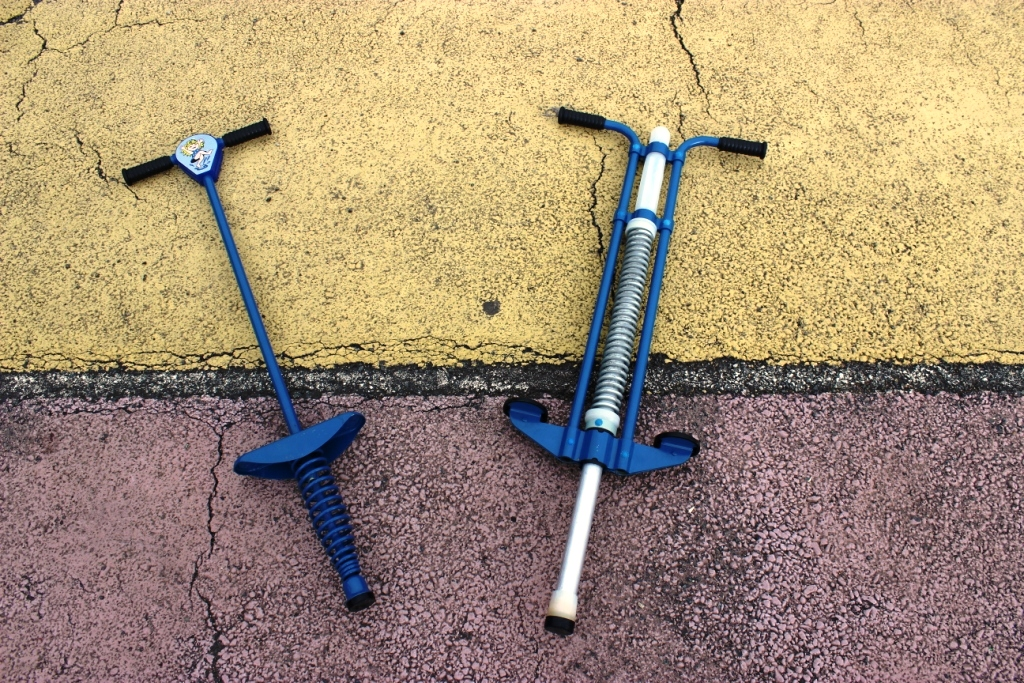
The decade loved a bouncing toy, from classic pogo sticks to the famous Moon Shoes, which strapped trampoline-like metal springs to your feet to simulate walking on the moon. They promised gravity-defying fun and delivered plenty of it.
The original Moon Shoes, built around exposed metal springs, were notorious for pinched fingers and turned ankles, and later versions swapped the metal for safer plastic bungee designs. It is a familiar pattern for 1970s toys: a genuinely fun idea, executed with materials that modern safety standards would never allow near a child’s feet.
The Toys That Survived
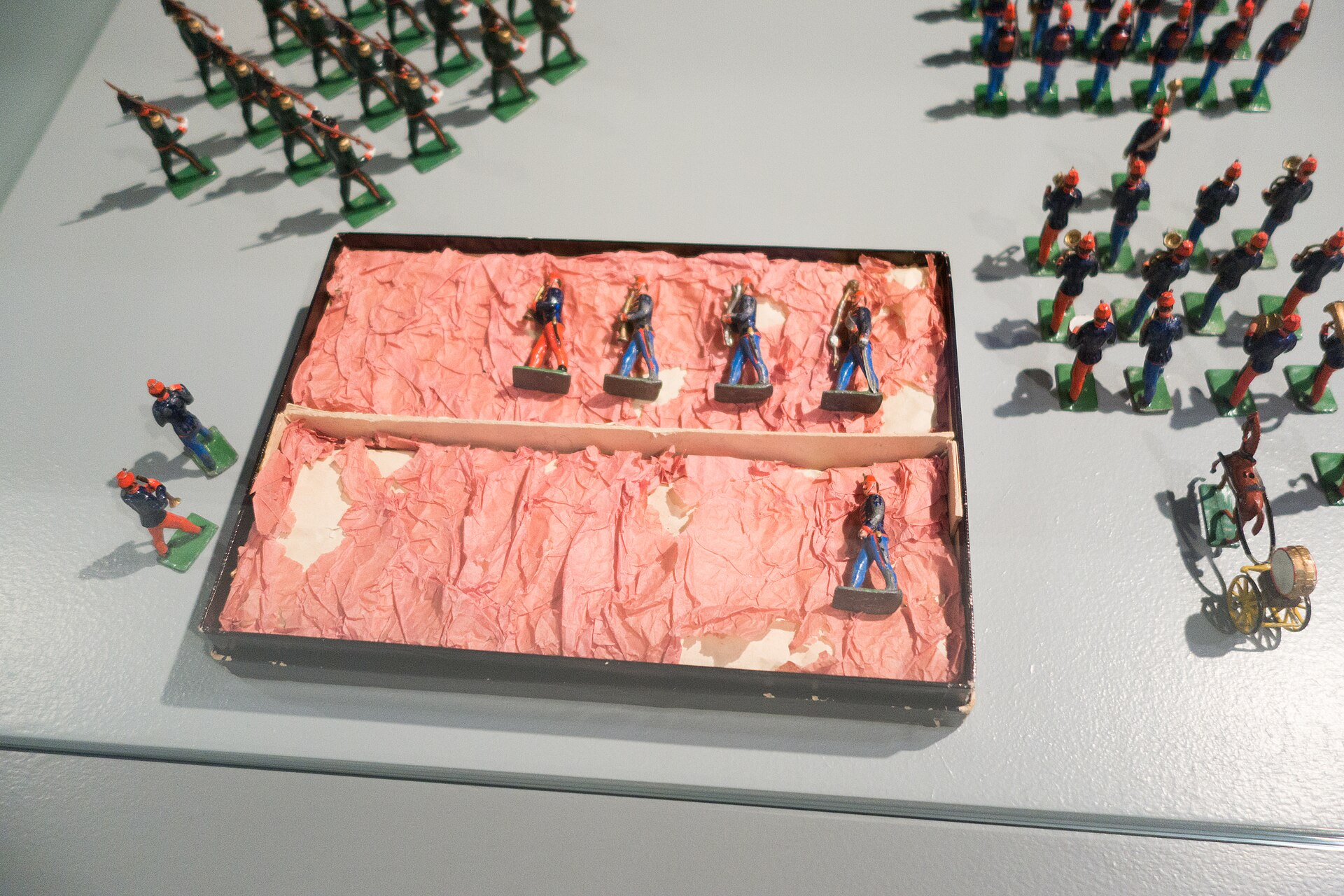
Plenty of 1979’s most popular gifts went on to perfectly happy, hazard-free futures. Building bricks, board games, dolls, model kits, and many classic toys remain beloved today, little changed except for safer materials and small-parts warnings. Not every vintage toy was a lawsuit waiting to happen.
These survivors are a reminder that the era produced genuine classics alongside its more dangerous fare. The difference, often, was simply whether a toy relied on heat, speed, sharp edges, or shatter-prone materials to deliver its thrills. The gentler toys endured; the dangerous darlings became cautionary tales.
The Collector’s Afterlife of Banned Toys
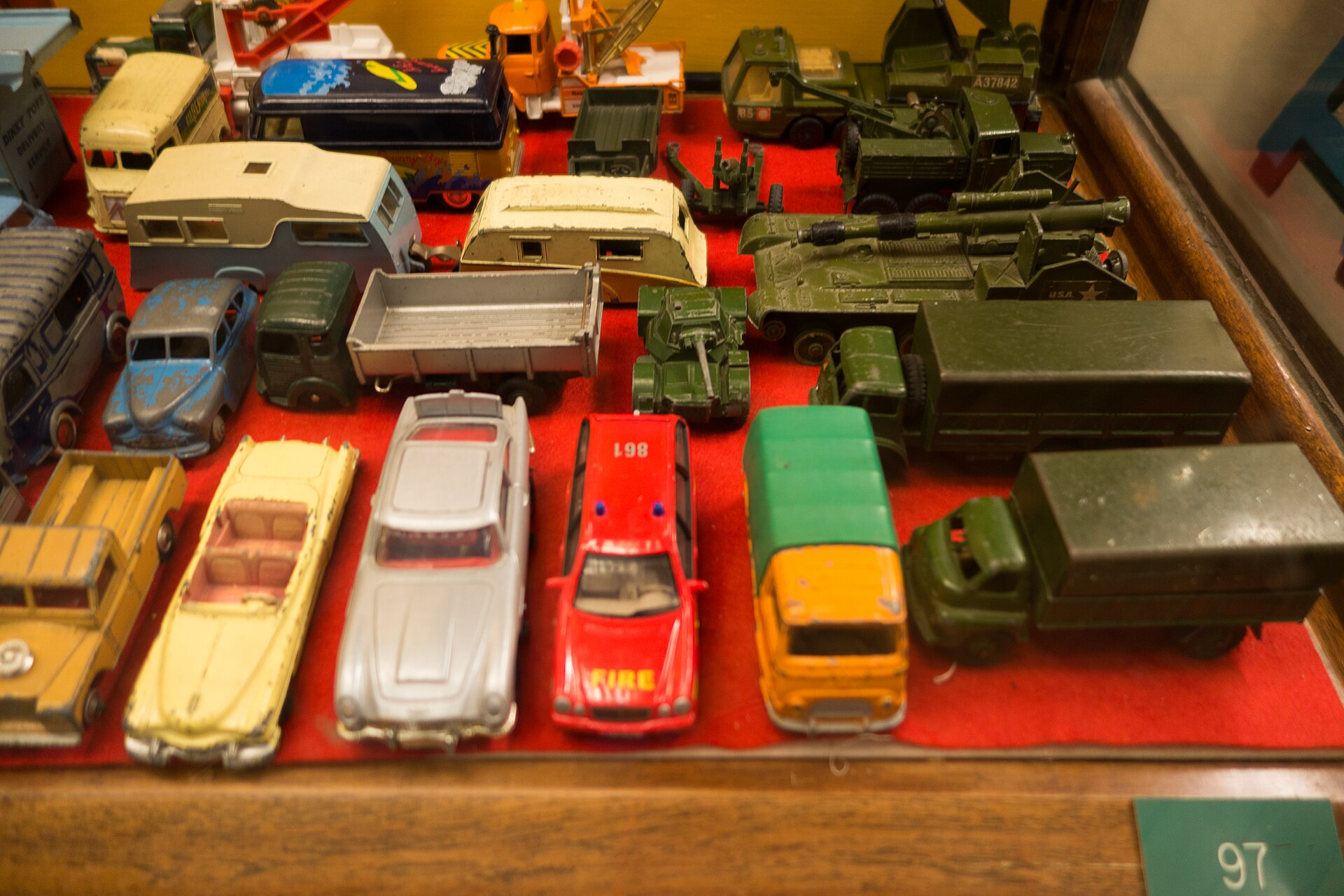
There is a fascinating epilogue to the story of these dangerous toys: many have become prized collector’s items precisely because they were banned. An unopened set of the notorious metal-tipped lawn darts, or an original version of a recalled toy, can fetch surprising sums among nostalgia collectors, who treasure them as artifacts of a riskier, more freewheeling era of childhood.
This collector’s market reflects the powerful nostalgia these toys evoke, even as everyone acknowledges their dangers. For the adults who grew up with them, owning a piece of that childhood, safely displayed rather than actually played with, is a way of holding onto a vanished time. There is something fitting about it: the very toys that regulators pulled from shelves for being too dangerous now sit behind glass as cherished relics. Nostalgia, it seems, loves a little danger, especially when the danger is safely in the past and the memories it conjures are golden.
Why the Crackdown Happened
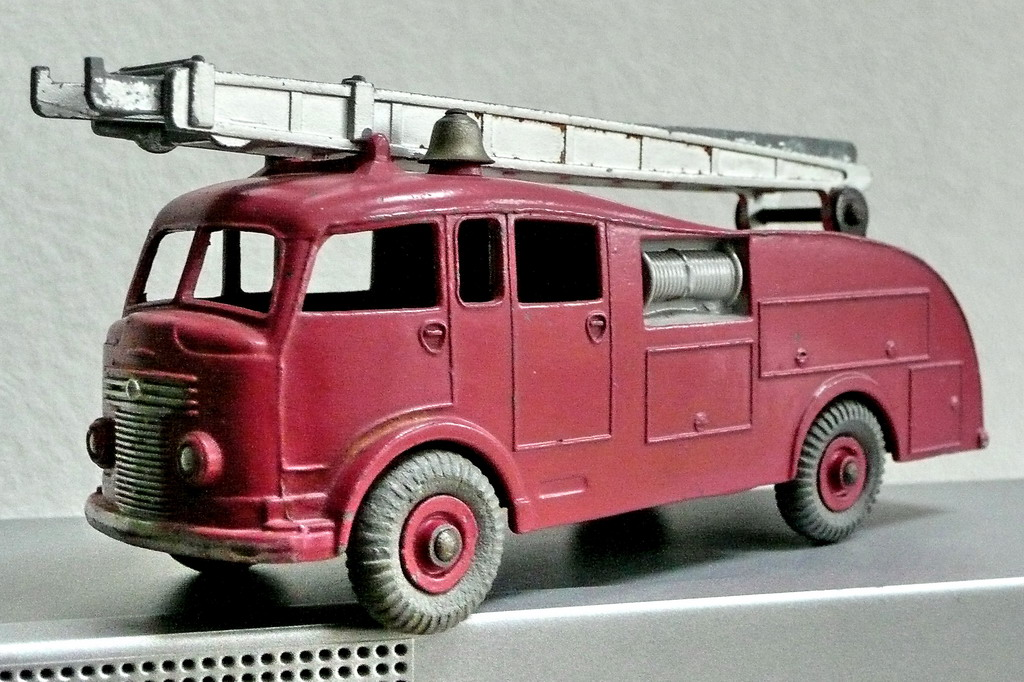
The wave of toy bans and recalls that followed the 1970s was no accident. The U.S. Consumer Product Safety Commission, established in the early 1970s, gradually built the modern framework of toy-safety regulation, responding to mounting injury data with bans, recalls, and standards that reshaped what could legally be sold to children.
For those who grew up then, the nostalgia is real, and so is the recognition that some of those beloved toys were genuinely dangerous. The kids of 1979 played with a freedom, and a level of risk, that would be unthinkable now, and many wear their childhood scars as badges of honor. Looking back, the great toy crackdown reads less as the death of fun than as the slow, sensible work of making childhood a little safer, one banned Christmas favorite at a time.
Like our content? Follow us for more.