The image of a peaceful retirement in a cabin surrounded by snow-capped peaks is a staple of American aspirational living. However, as we move through 2026, the reality of mountain town life is shifting from “serene retreat” to “logistical nightmare” for many seniors. Beyond the thin air and steep driveways, these towns are grappling with a toxic mix of skyrocketing housing costs, failing infrastructure, and a “medical desert” effect that leaves retirees hours away from specialized care.
Realtors and financial planners are increasingly seeing “mountain regret” among those who moved for the views but didn’t account for the $20,000 roof replacements or the isolation that comes with a winter storm. Here are five popular mountain towns where the 2026 data shows the retirement dream is quickly becoming an expensive burden.
1. Asheville, North Carolina: The “Cool” Town with a Hefty Price Tag
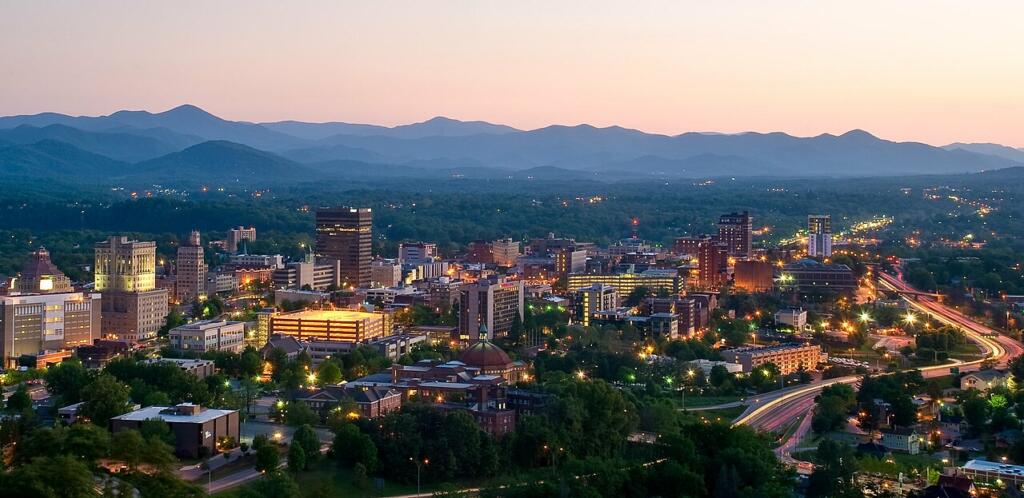
Asheville has long been the darling of the East Coast, marketed as a vibrant, artsy haven with a temperate mountain climate. However, in 2026, the city is struggling with an acute affordability crisis. According to 2026 cost-of-living data, groceries, utilities, and dining out in Asheville are now significantly higher than the national average, driven by a surge in tourism and a high density of short-term rentals. For a retiree on a fixed income, the “vibrant music scene” and “award-winning restaurants” are becoming luxury amenities they can no longer afford to enjoy daily.
Furthermore, the “mountain charm” comes with a hidden healthcare hurdle. While Asheville has a major hospital, the influx of new residents has led to a specialized care bottleneck. Recent surveys indicate that new patients often face wait times of three to six months for cardiology or oncology specialists. This lack of immediate access is a major red flag for those between the ages of 65 and 85, who find that “aging in place” in a city with such a competitive healthcare market is a risky gamble.
2. Flagstaff, Arizona: The Thin Air and Deep Snow Liability
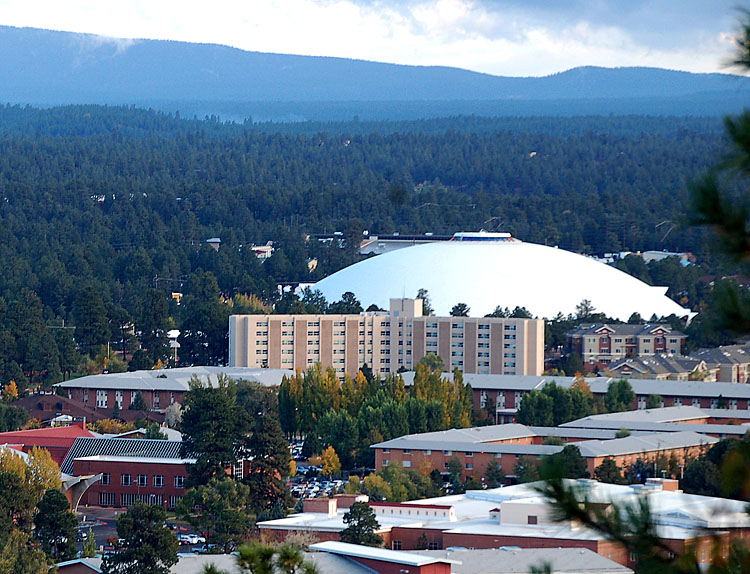
Flagstaff offers a beautiful escape from the desert heat, but at 7,000 feet, the elevation itself is becoming a health liability for some retirees. Modern medical data suggests that long-term residency at high altitudes can exacerbate respiratory issues like COPD and place an increased strain on the heart. For seniors who moved from sea level, the “thinner air” isn’t just a workout challenge; it’s a daily physical burden that can lead to a significant decline in mobility and overall quality of life.
The 2026 financial reality of Flagstaff is equally harsh. Median home prices have surged to roughly $775,000—over 60% higher than the national average. When you add in the “extreme weather” factor, where the city can see over 100 inches of snow a year, the cost of maintenance becomes staggering. Retirees are finding that paying for private snow removal, roof snow management, and higher heating bills is eating into the savings they intended to use for travel and leisure.
3. Park City, Utah: The “Resort Town” Crowding Crisis
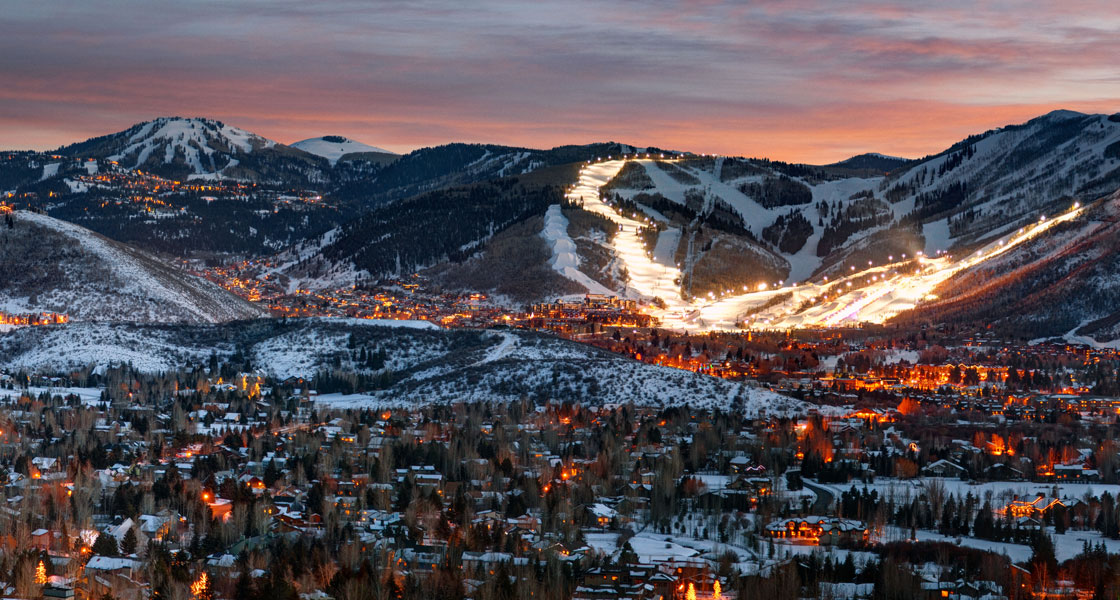
Park City is a world-class destination, but living there year-round as a retiree is a much different experience than a ski vacation. In 2026, the “winter logistics” of Park City have become a primary source of resident regret. The town’s narrow streets and historic layout were not built for the massive inflow of tourists and festival-goers. For a retiree, a simple trip to the grocery store or a doctor’s appointment can become a multi-hour ordeal during peak seasons like the Sundance Film Festival or mid-winter holidays.
The community’s infrastructure is also under stress. Realtors report that many older homes in Park City require expensive “climate-hardening” upgrades, such as reinforced roof trusses for heavy snow loads and whole-home humidifiers to protect woodwork from the dry mountain air. For those who wanted a “quiet” retirement, the growl of plow trucks at 4:00 a.m. and the constant festival noise make Main Street feel more like a postcard and less like a home.
4. Boise, Idaho: The “Hidden Gem” That’s Now a Traffic Trap
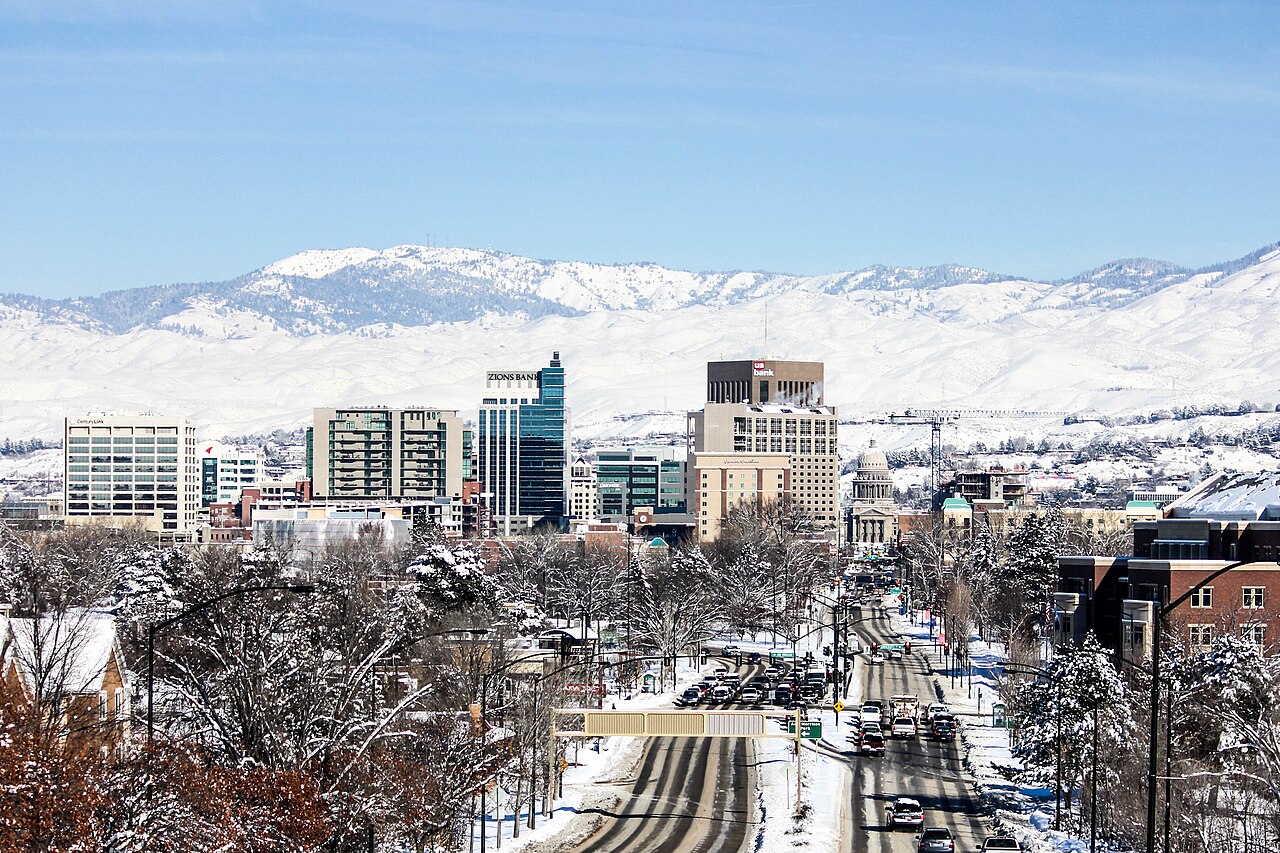
Boise was once the affordable alternative to the expensive West Coast, but that “secret” has been out for years. By 2026, the rapid expansion of the Boise metro area has led to what realtors call “infrastructure lag.” The roads and public services simply haven’t kept pace with the population growth. For retirees, this means that the “scenic views” are often viewed through a windshield while stuck in traffic. The city’s cost of living has risen so dramatically that many are now looking at Idaho Falls as a more sustainable alternative.
Beyond the traffic, the 2026 Idaho state budget cuts are affecting local services that seniors rely on. With state agencies being asked to cut up to 5% from their budgets, everything from senior center funding to public transportation is on the chopping block. For a retiree who moved to Boise for the “safety and quality of life,” these systemic budget issues are a sobering reminder that a town’s desirability can quickly outpace its ability to support its most vulnerable residents.
5. Boulder, Colorado: The High-Altitude Tax and Budget Squeeze
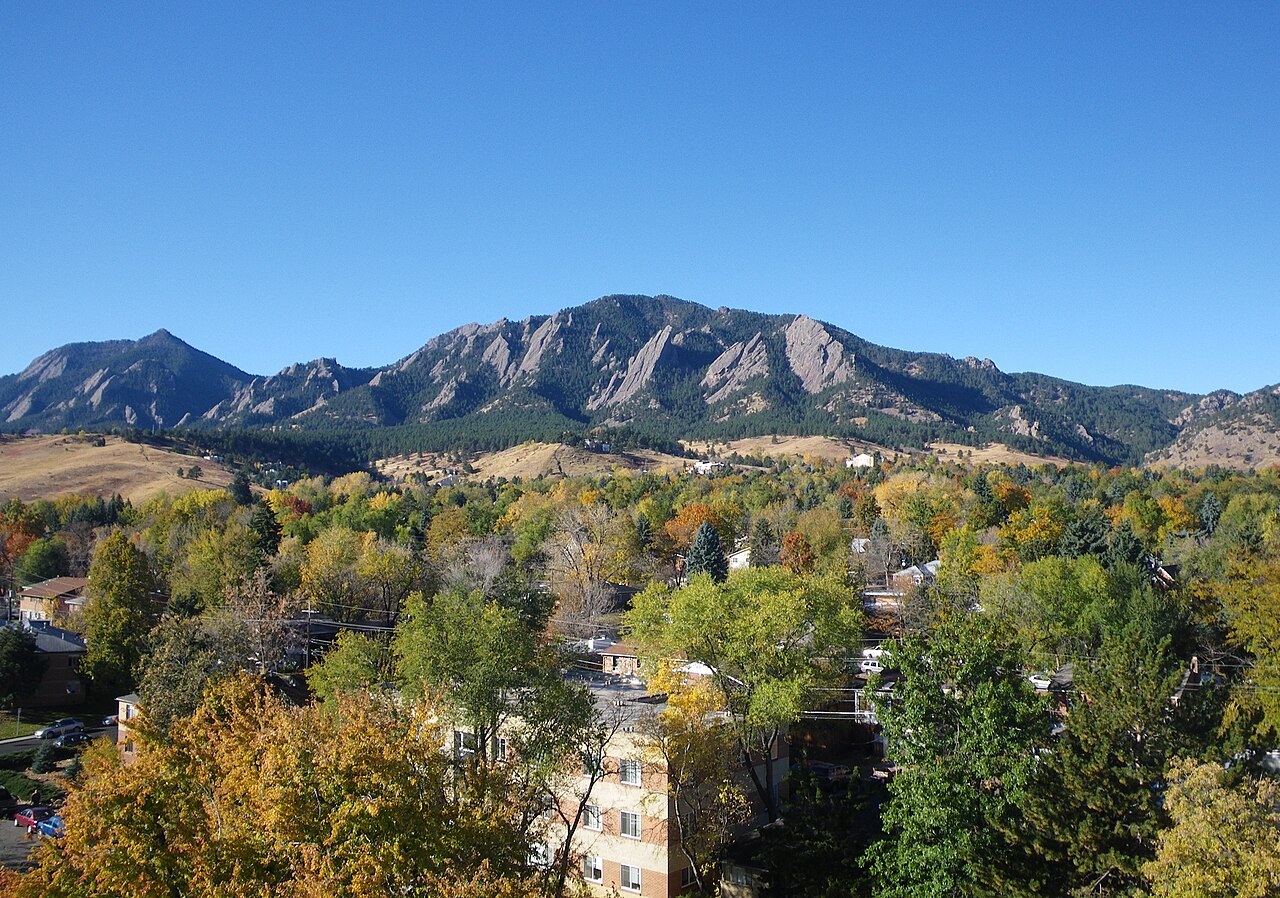
Boulder remains one of the most beautiful cities in America, but in 2026, it is also one of the most fiscally pressured. The city manager’s 2026 budget reveals a $7.5 million gap that is being filled through a variety of new fees that hit homeowners directly. From a $15-per-square-foot “housing expansion fee” to increases in parking and utility rates, the cost of simply existing in Boulder is climbing. For a retiree living in a single-family home, these “modest” annual increases act as a slow drain on equity.
Additionally, Boulder’s reliance on sales tax revenue makes the city’s budget—and its public services—highly vulnerable to economic shifts. The city is currently grappling with how to fund core services like parks and public safety without a sustainable, long-term revenue stream. For a senior who values the city’s open spaces and trailheads, the news that maintenance budgets are being scaled back is a sign that the very amenities that brought them to Boulder are in jeopardy.
The “medical desert” effect and a 60% surge in housing costs are turning these mountain retreats into high-maintenance financial burdens for 2026 retirees.