


The relationship between a server and a guest begins long before the first drink order is placed. To a veteran waiter, the way a table handles those first few minutes of “menu time” is a psychological roadmap for the entire meal. Servers are trained to “read” a table to manage their pace, and certain behaviors immediately signal that a guest might be difficult, impatient, or simply out of their element. From body language to the way you ask about price, here are the 10 red flags that hospitality pros clock before you even say “hello.”
1. The “Invisible Man” Menu Scan
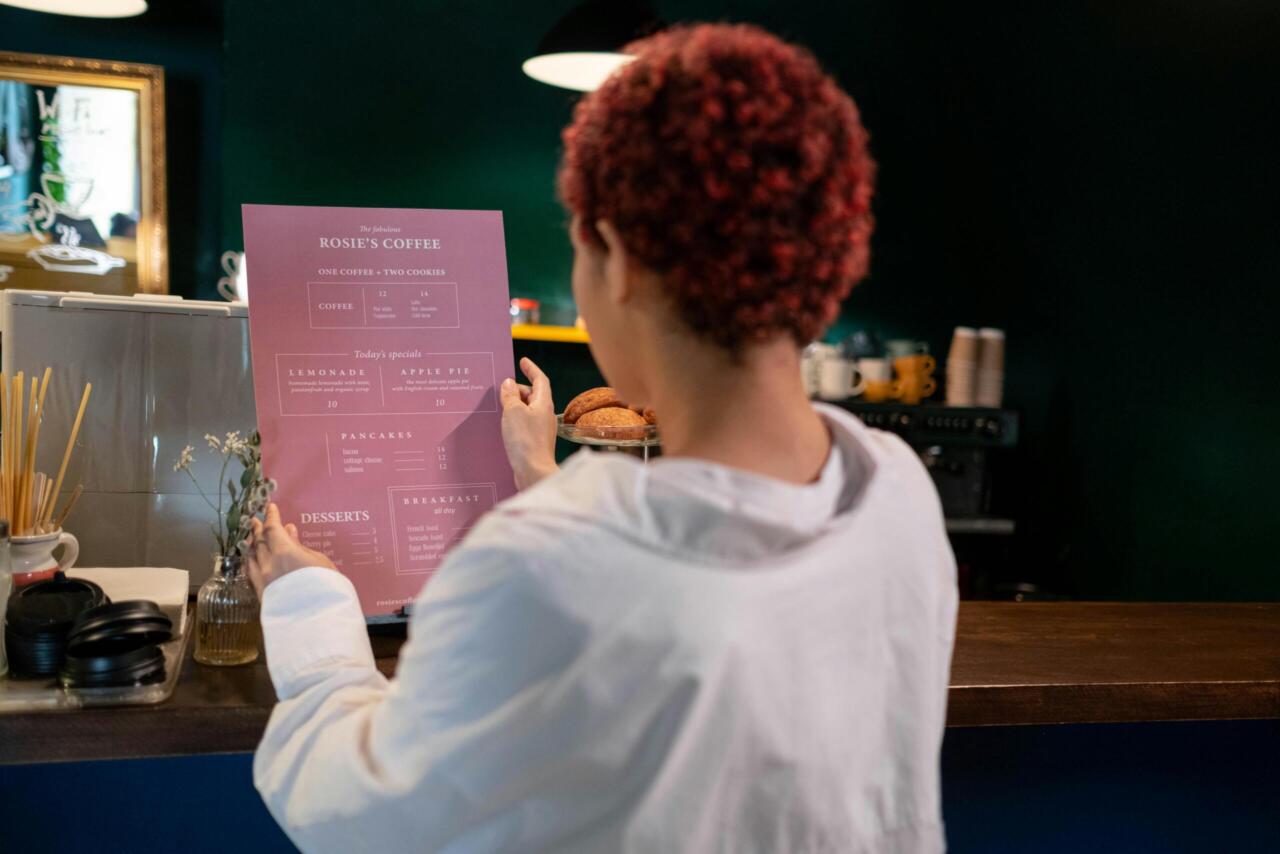
One of the biggest red flags for a server is the guest who treats the menu as a physical shield to avoid eye contact. When a waiter approaches for the initial greeting and the guest remains buried in the card without looking up or acknowledging the person standing there, it signals a lack of engagement. To a pro, this suggests the guest views the interaction as purely transactional rather than hospitality-based. It often predicts a meal where the server will be cut off or ignored, leading them to provide “efficient” rather than “warm” service to match the guest’s energy.
2. The “ASAP” Rush Without the Exit Plan
Seasoned waiters instantly notice when a guest opens the menu and immediately declares they are “in a huge rush.” While some diners truly have a curtain to catch, industry insiders reveal that many use this as a tactic to move their ticket to the front of the kitchen queue. The true red flag appears when a guest demands “lightning-fast” service but then lingers for an hour over coffee after the plates are cleared. Servers prioritize tables based on genuine need; when the “rush” turns out to be a ruse, it burns a bridge with the staff for the rest of the evening.
3. Customizing Before Comprehending
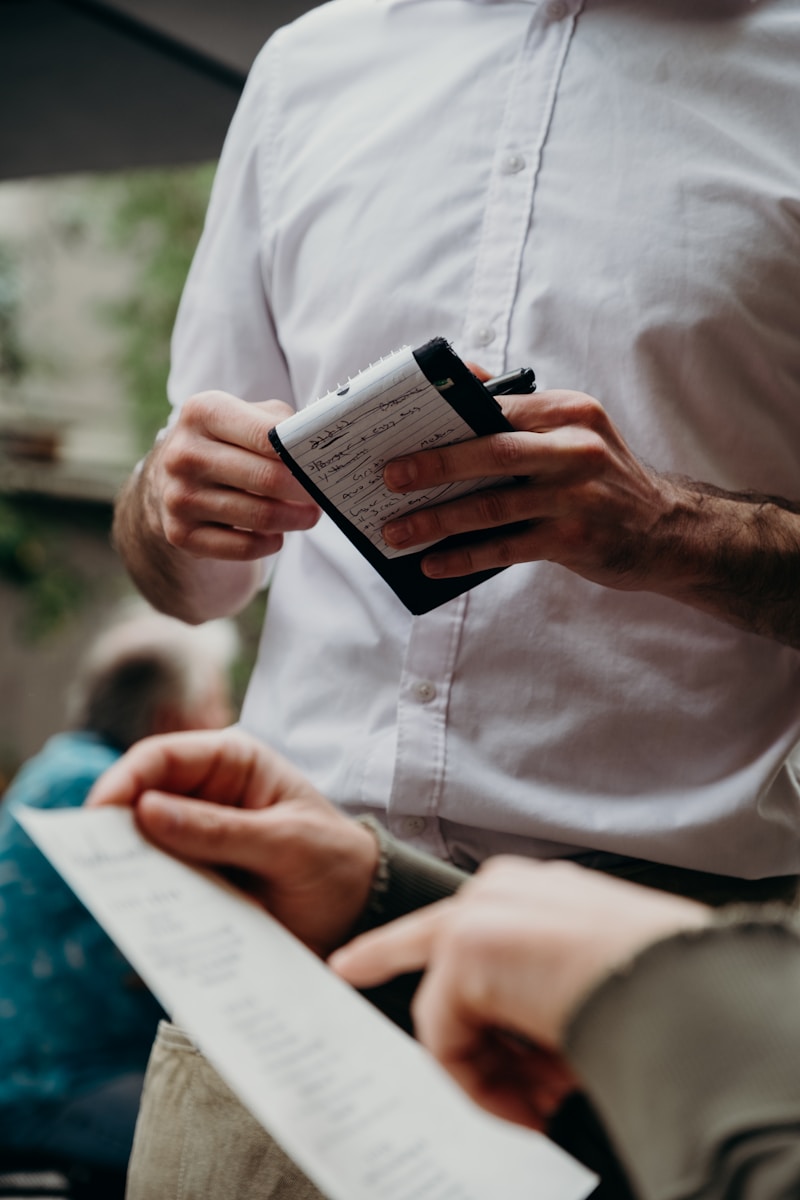
There is a specific type of diner who opens the menu and immediately begins asking for substitutions before they’ve even read the description of the dish. To a server, this is a sign that the guest is “high-maintenance” and likely to be dissatisfied regardless of the kitchen’s effort. Waiters know that heavy modifications early on—especially during peak rush hours—often lead to more complaints later. It signals a diner who wants to “direct” the kitchen rather than enjoy the chef’s intended flavors, which can throw off the rhythm of a busy service.
4. The Immediate “Price Sensitivity” Snark
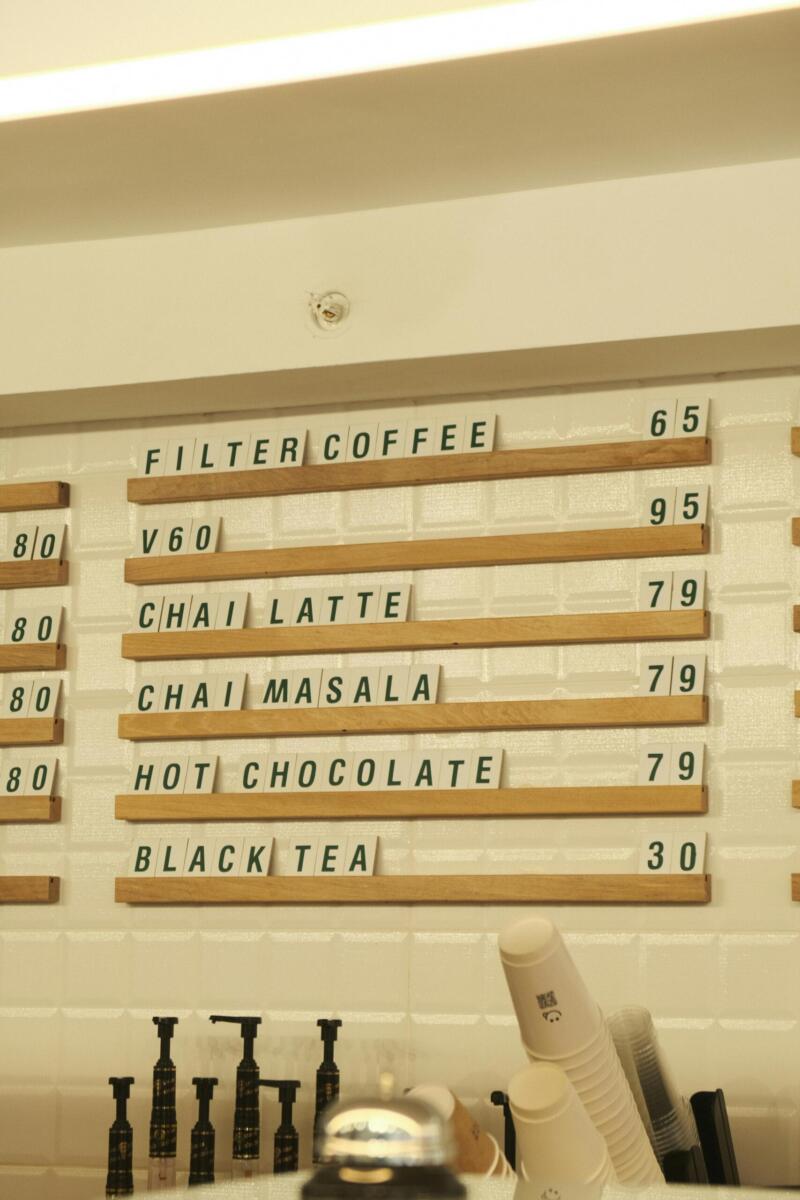
While asking about the cost of specials or the “market price” is perfectly normal, seasoned waiters clock visible irritation or snide comments about pricing the moment the menu is opened. If a guest scoffs at the price of an appetizer or makes a loud remark about “how much they’re being charged for bread,” it’s a massive red flag. Servers know this frustration early on almost always translates to a “low tip” or a confrontation when the bill arrives. This behavior puts the staff on the defensive, as they anticipate a guest who is looking for reasons to find fault in the value of the experience.
5. Ignoring the “Section Flow” by Seating Themselves
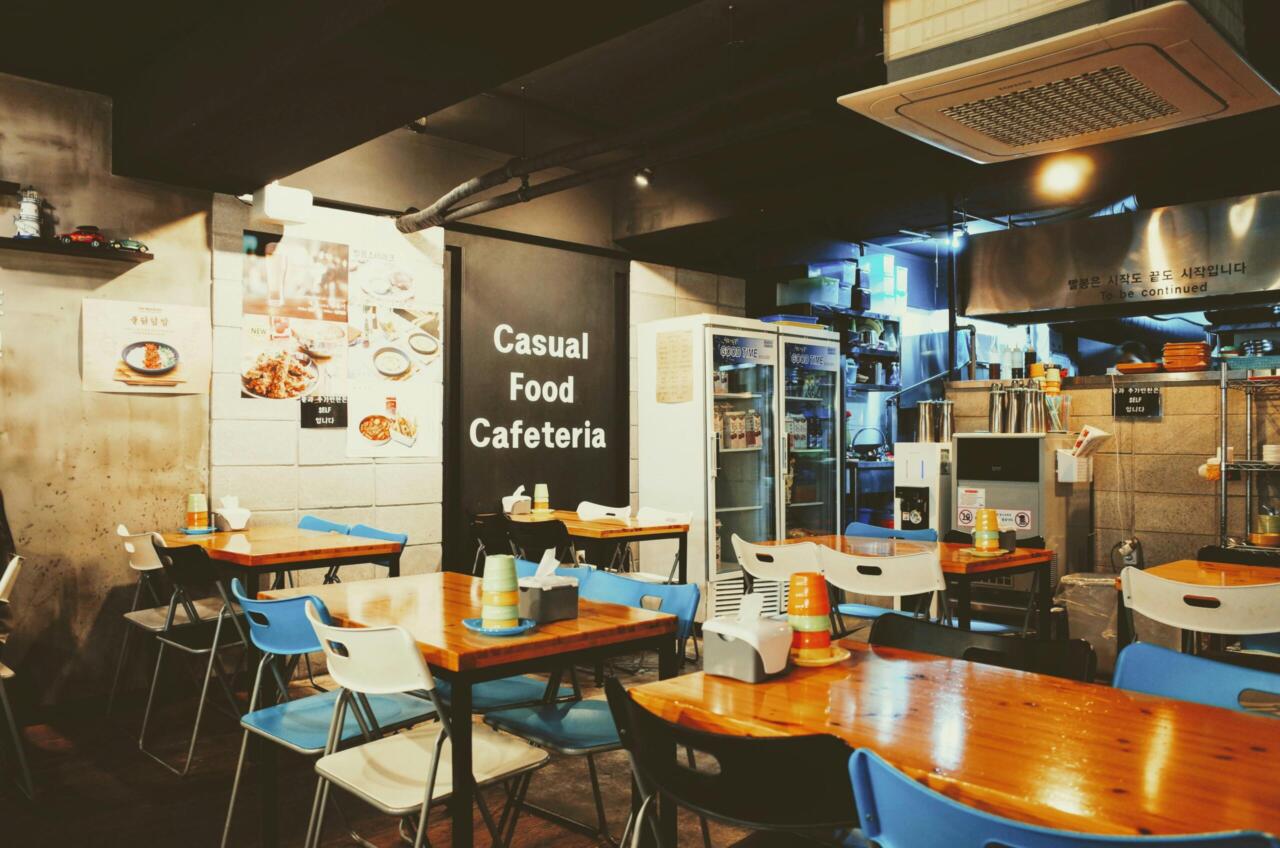
Though it happens before the menu is opened, the red flag is confirmed the moment the “self-seater” starts browsing. Choosing your own table without waiting for the host disrupts the “section assignments” that keep a restaurant running smoothly. A server who suddenly finds a four-top in their section without warning is immediately behind schedule. When that guest then opens the menu and expects instant service, the server knows they are dealing with a diner who doesn’t respect the internal mechanics of the restaurant, leading to a strained relationship from the start.
6. The “Phone-First” Introduction
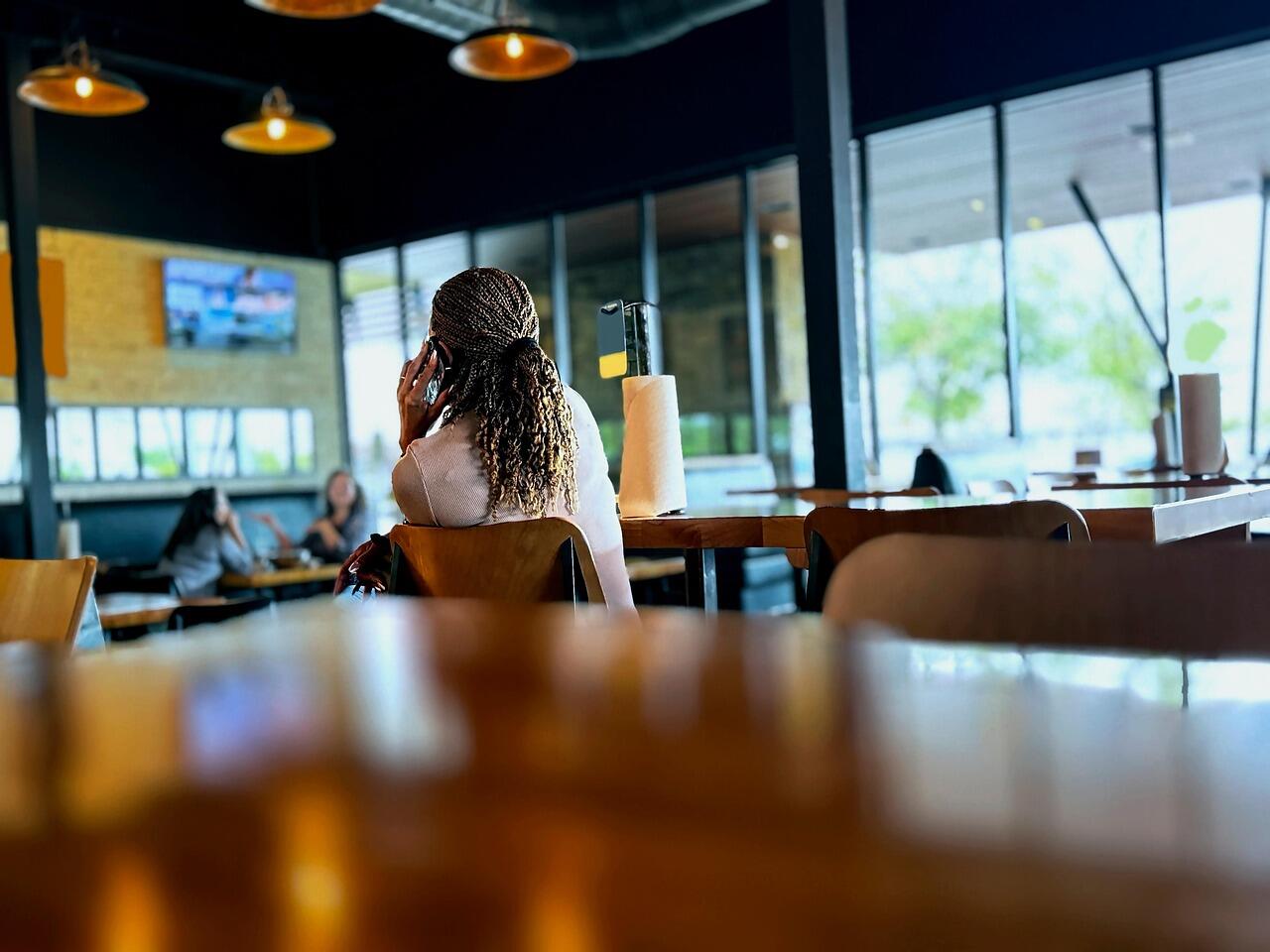
Nothing tells a server “you are an interruption” quite like a guest who opens the menu with one hand while scrolling on a phone with the other. When a server tries to give the nightly specials or introduce themselves and the guest doesn’t put the device down, the waiter immediately categorizes the table as “low-priority.” Professional servers rely on a quick social “contract” to establish the pace of the meal. If that contract is broken by a screen, the server will often do the bare minimum, avoiding the table so they don’t “interrupt” your digital life.
7. The “Who’s in Charge?” Power Play
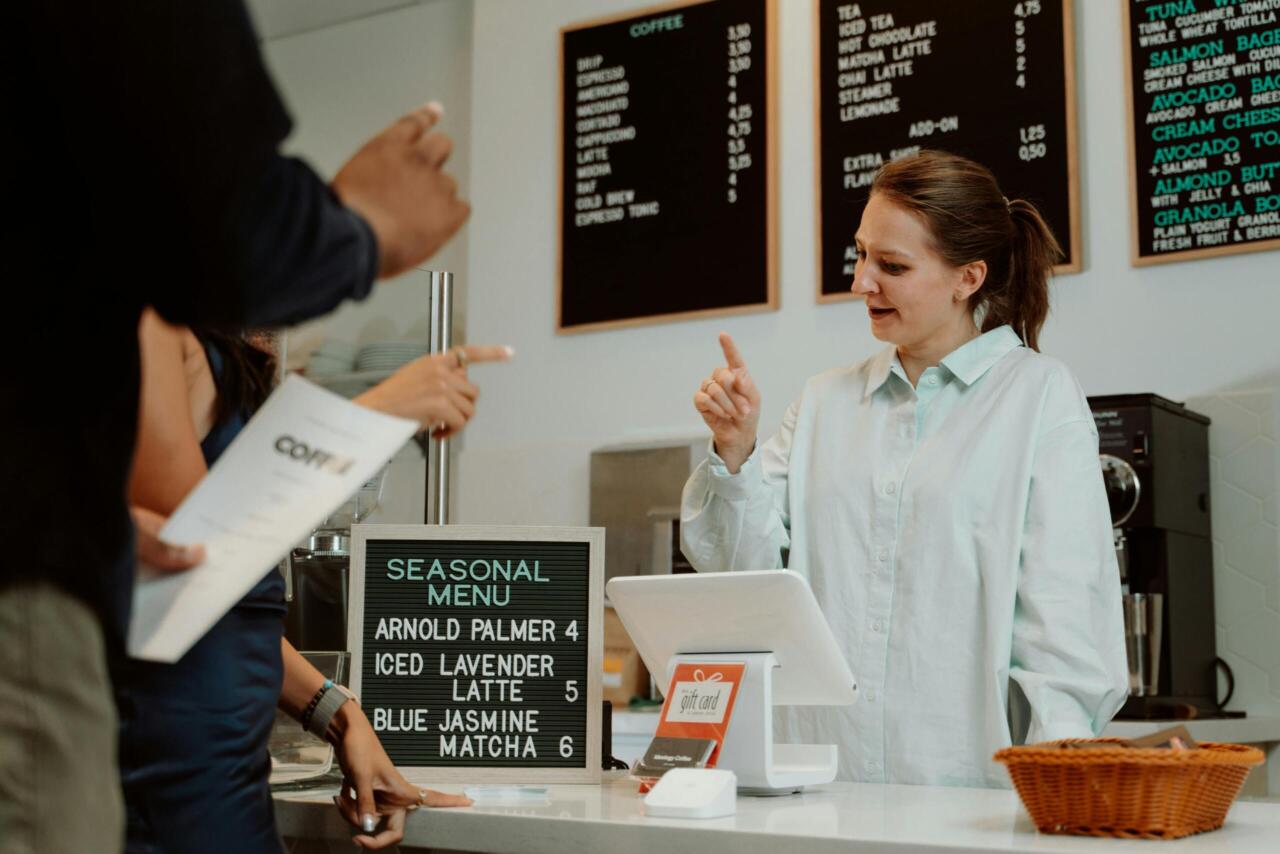
A subtle but deadly red flag occurs when a guest opens the menu and immediately asks, “Is the manager in tonight?” or “Who is actually running the floor?” Unless there is an immediate problem, this question often hints at control issues. Seasoned waiters recognize this as a “preemptive complaint” tactic used by diners who want to establish dominance over the staff. It signals that the guest is ready to “escalate” the slightest error, putting the entire service team on edge and making the dining experience feel like a test rather than a shared moment.
8. Dismissive Group Dynamics
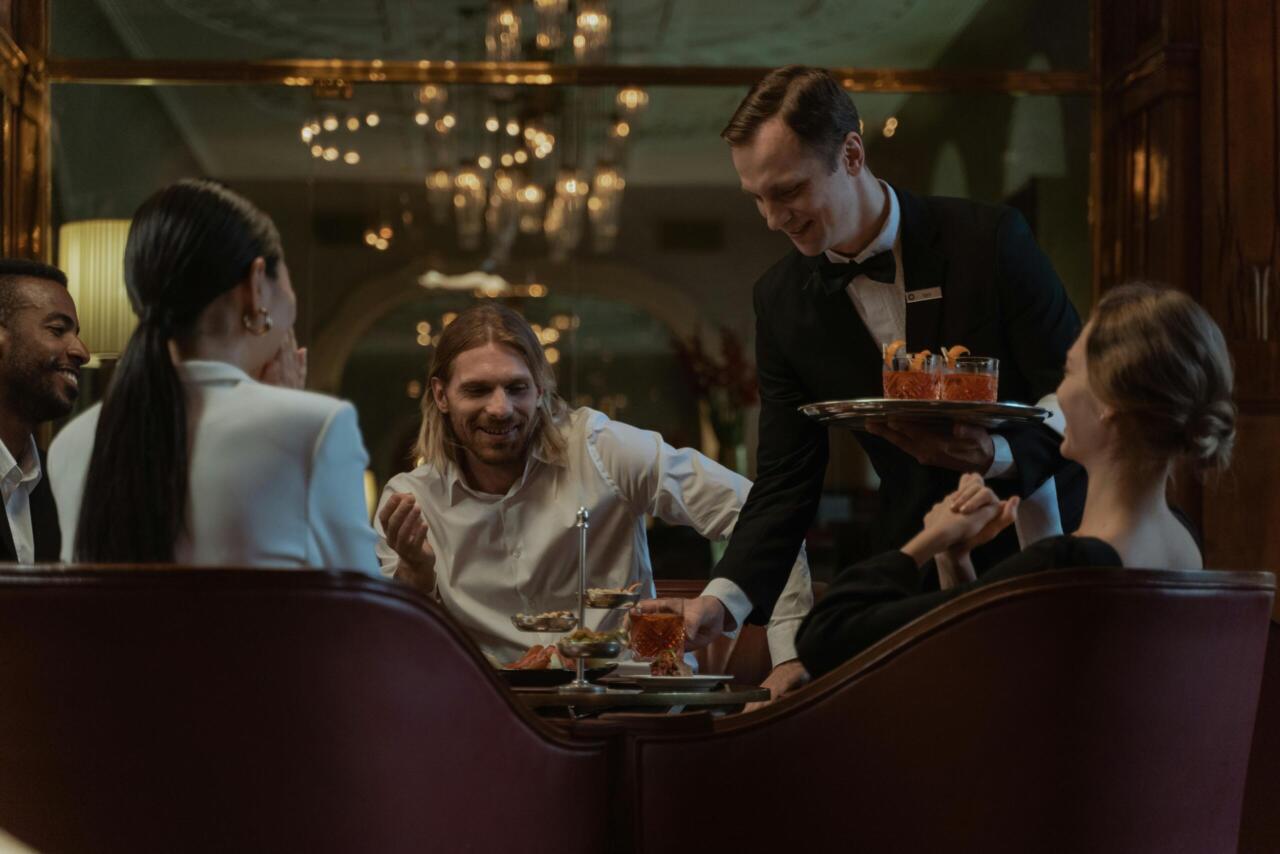
Waiters are expert observers of how people treat their own companions. If a guest is seen rolling their eyes at a partner, snapping at their children, or talking over a friend the moment the menus are handed out, the server knows they are next. Research in the hospitality industry shows that guests who are dismissive or rude to their own party are significantly more likely to be impolite to the staff and leave lower tips. These “inter-table red flags” allow a server to prepare for a potentially hostile interaction before a single drink is poured.
9. The “Good Tipper” Proclamation
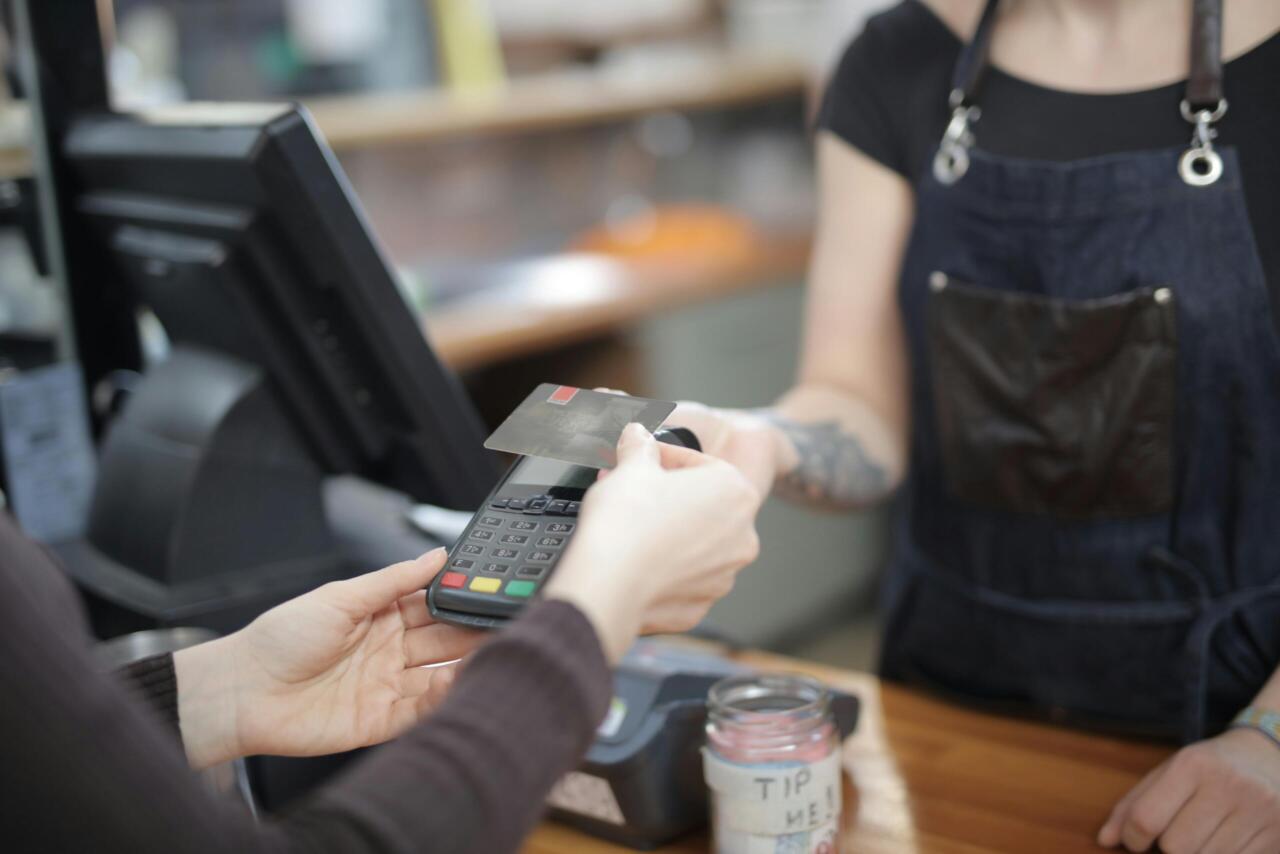
It is a running joke in the service industry that anyone who opens the menu and proactively announces, “Don’t worry, I’m a really good tipper,” almost never is. To a seasoned waiter, this is the ultimate “false flag.” This phrase is often used as a psychological bribe to get extra-mile service for free. When a server hears this, they immediately brace for a demanding table and a tip that rarely matches the self-proclaimed generosity. True “good tippers” let their actions at the end of the night speak for themselves.
10. The Menu “Hoarder”
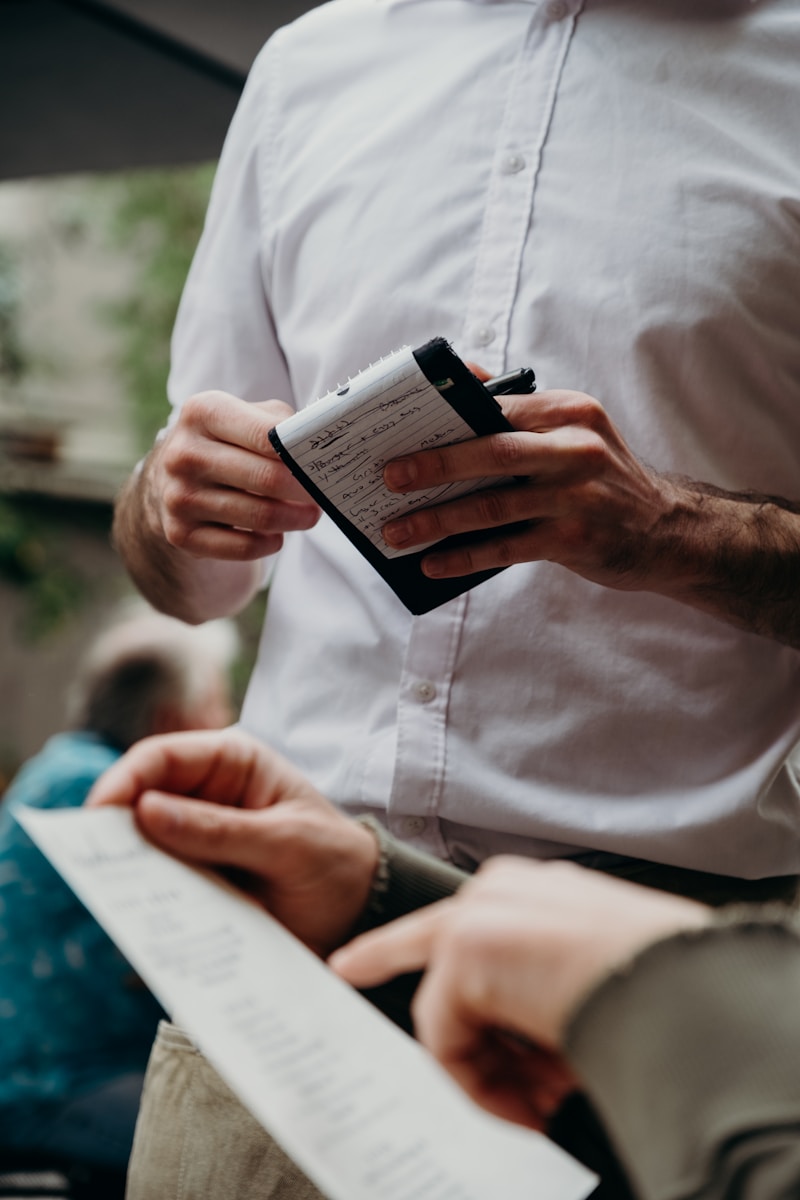
Finally, waiters notice the “decision dilemma” guests who refuse to give up their menus even after the order is placed. While it seems harmless, holding onto the menu often signals a guest who is prone to second-guessing. They will continue to scan the options while waiting for their food, leading to “order regret” and potential complaints when the dish arrives. Servers often use the “ceremonial act” of taking the menu away to signal that the choice is final and the relaxation phase has begun; the guest who fights for the menu is often fighting against their own satisfaction.
