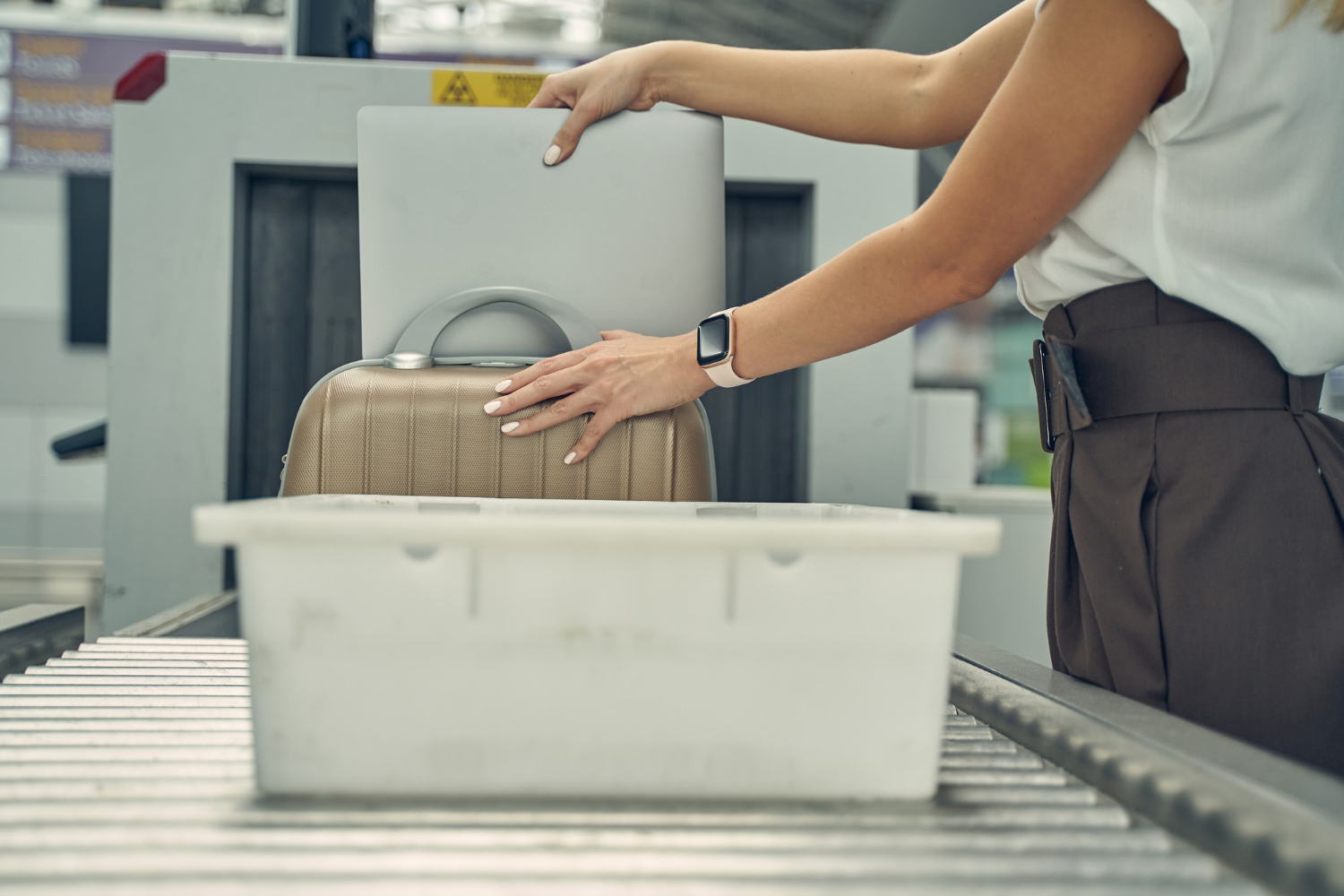
You have had the trip of a lifetime, and you have the perfect souvenir to remember it by, until a customs officer pulls it from your bag at the airport. Each year, U.S. Customs and Border Protection confiscates an enormous range of items from returning travelers, and the surprising part is how often the culprits are everyday souvenirs that seem completely harmless. The rules exist to protect agriculture, ecosystems, endangered species, and public health, but they catch out thousands of well-meaning travelers who simply did not know. Here are some of the most commonly confiscated souvenirs in 2026, so your vacation memories do not end at the customs counter. When in doubt, the golden rule is simple: declare it.
Fresh Fruits, Vegetables, and Plants
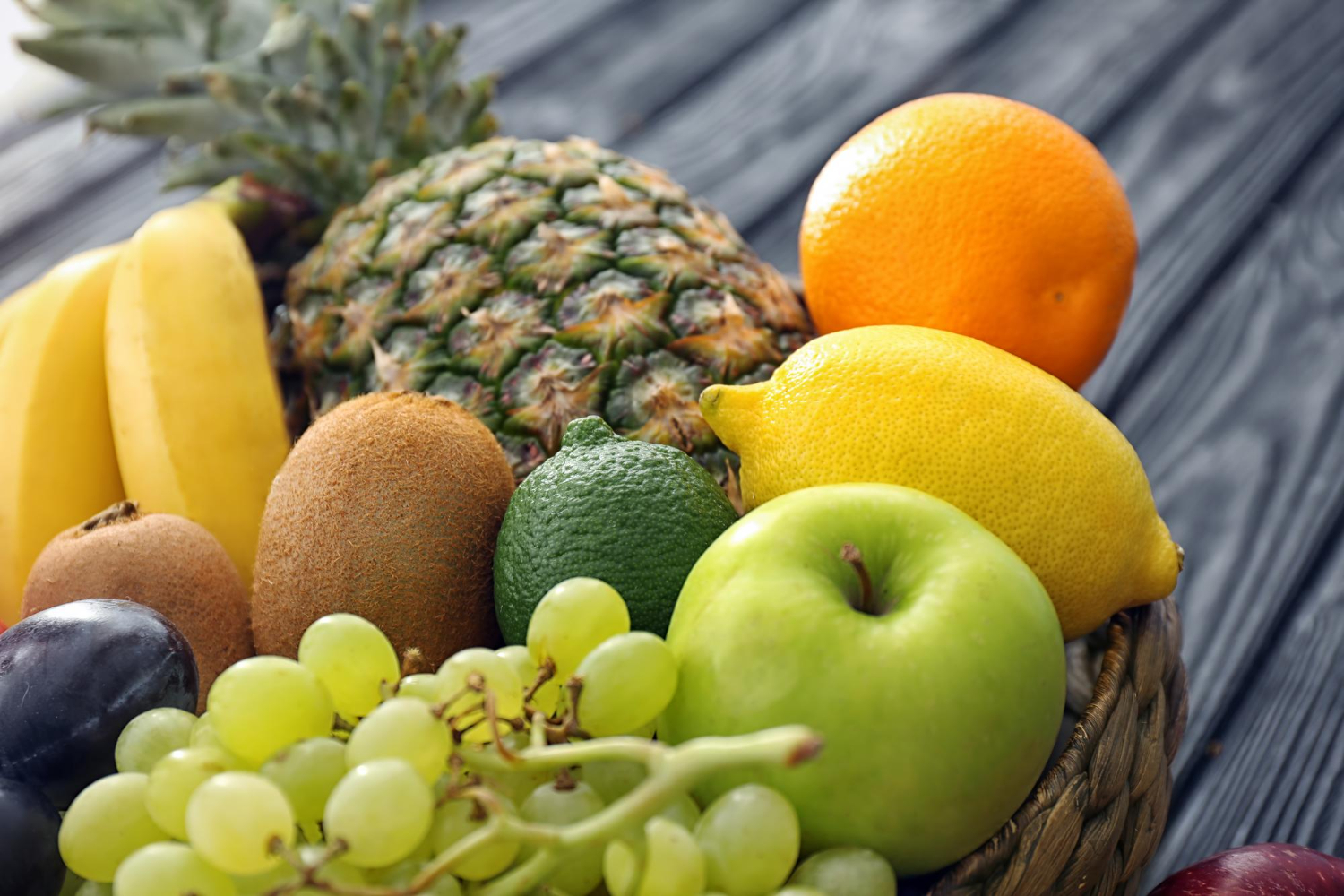
One of the most commonly confiscated categories is fresh produce. That apple from the plane, the exotic fruit from a market, or a beautiful plant cutting can all be seized at the border. Fresh fruits, vegetables, and plants can harbor pests and diseases capable of devastating American agriculture.
Customs takes this extremely seriously, because a single piece of infested fruit could introduce a pest that wreaks havoc on crops. Most fresh produce and many plants and seeds are prohibited or tightly restricted without proper permits and inspection. The safest approach is to leave the fresh food and plants behind entirely, no matter how tempting that market fruit looks.
Like our content? Follow us for more.
Meats and Many Animal Products
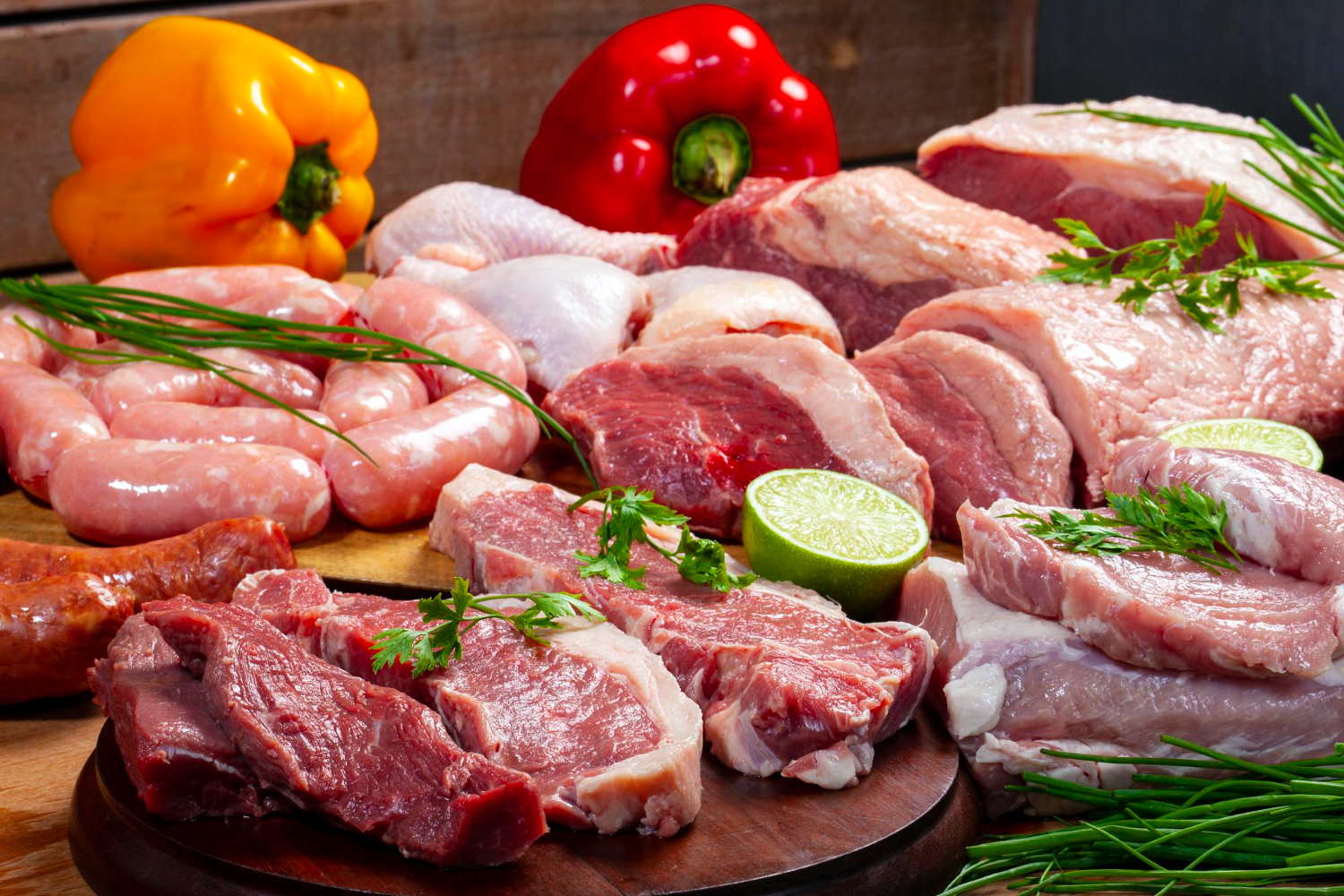
Bringing home a local delicacy can backfire badly. Many meats and animal products, including certain cured meats, fresh meat, and items like some animal-hide drums, are prohibited or restricted because they can carry serious animal diseases. Homemade or unlabeled products are especially likely to be seized.
The concern is diseases like African swine fever and foot-and-mouth disease, which could devastate American livestock if introduced. Because there is no way to verify how homemade products were prepared, customs officers routinely confiscate them. That artisanal sausage or exotic canned meat is among the items most likely to be taken at the border.
Kinder Surprise Eggs
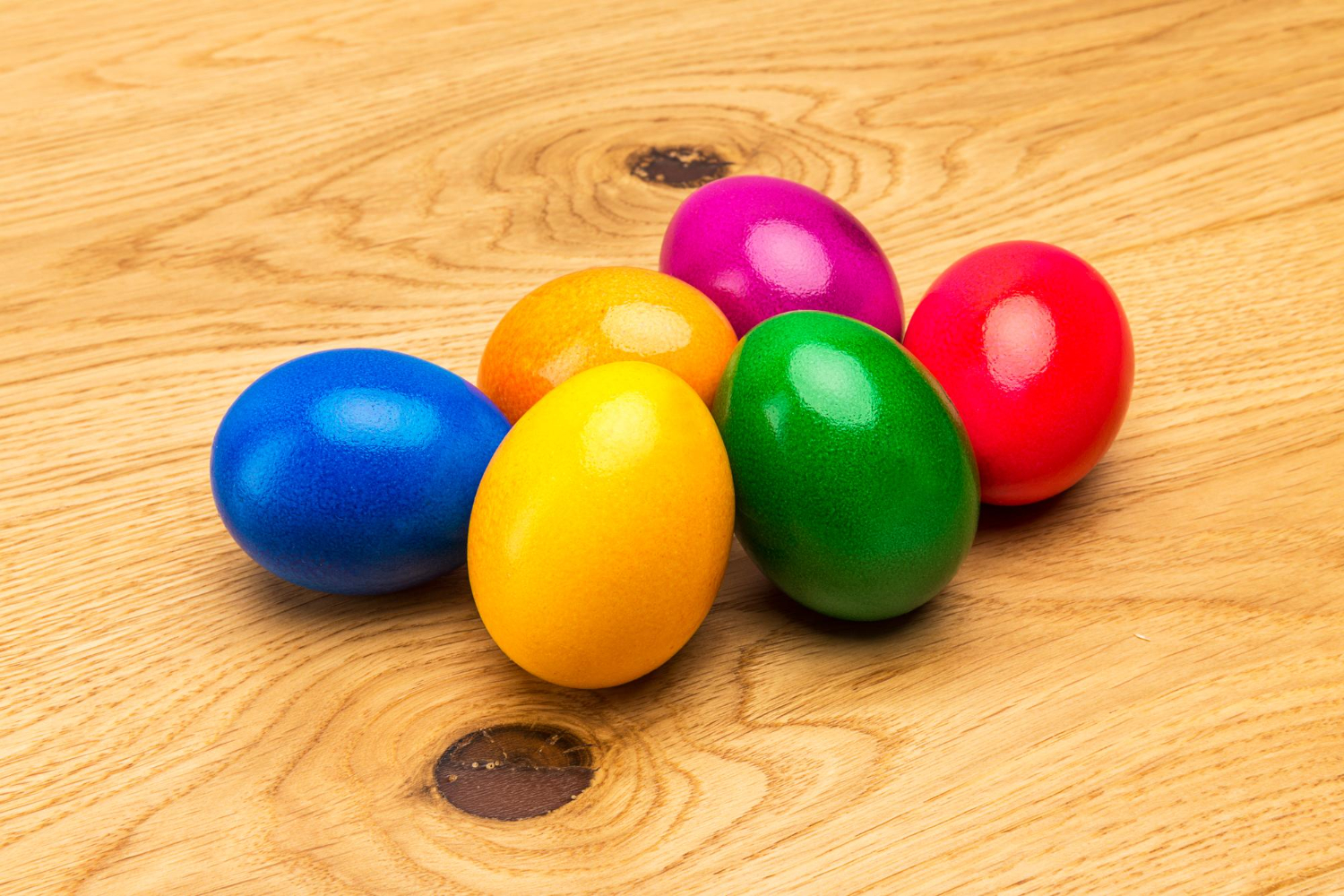
Here is the classic “wait, that’s illegal?” souvenir. The Kinder Surprise chocolate egg, sold throughout Europe and much of the world with a small toy hidden inside, is prohibited in the United States, and customs seizes tens of thousands of them every year.
The reason is a long-standing U.S. law that bans confectionery with a non-nutritive object embedded inside, over choking-hazard concerns. While bringing one home will not land you in jail, you can face a surprisingly steep fine for attempting to import them. Countless travelers buy them as innocent treats for kids, completely unaware they are carrying contraband. It is perhaps the most famous forbidden souvenir of all.
Sand, Soil, Rocks, and Seashells

A jar of sand from a beautiful beach or a pretty rock from a hike seems like the most harmless souvenir imaginable, but these natural items frequently get confiscated. Soil is heavily restricted because it can carry pests and diseases, and even sand, rocks, and clay are only allowed if completely free of organic material.
Seashells and coral face their own restrictions, especially coral, which is often protected, and shells that may harbor organisms. Many travelers are stunned to have a simple jar of beach sand taken at customs. The lesson is that natural souvenirs are far more regulated than people expect, and collecting bits of the natural world to bring home is often not allowed.
Ivory and Wildlife Products
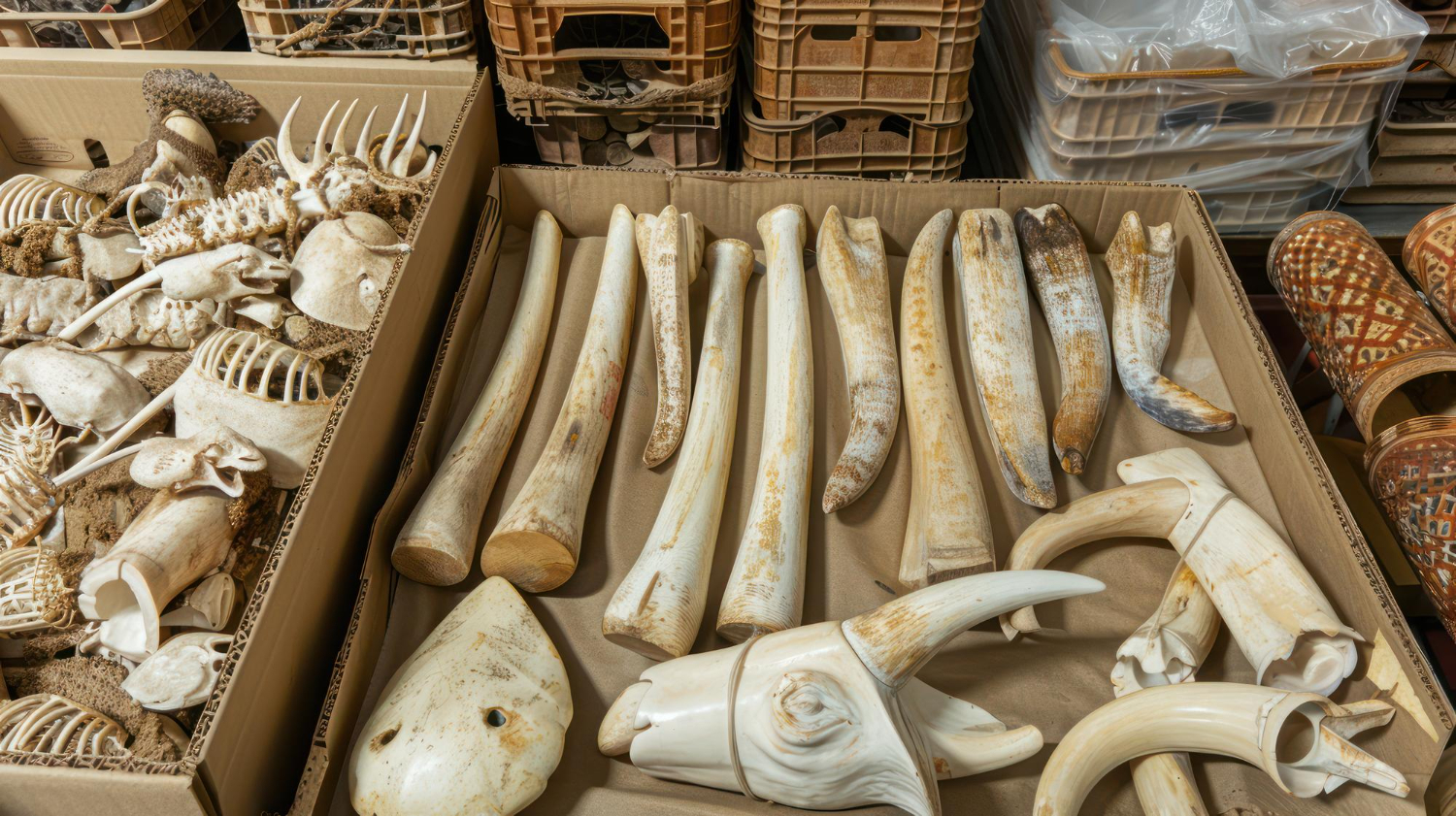
Souvenirs made from animals can carry serious legal consequences. Ivory, in particular, faces strict prohibitions because the ivory trade is tied to elephant poaching, and U.S. customs treats nearly all ivory as illegal, even small items sold as antiques. The penalties can include hefty fines.
The same caution applies to many other wildlife products, including items made from protected species. What is sold openly in a foreign market may be entirely illegal to bring into the United States under international wildlife protection agreements. Travelers should be deeply wary of any souvenir made from animal parts, as these are among the items most likely to trigger seizure and serious penalties.
Exotic Leather and Reptile-Skin Goods
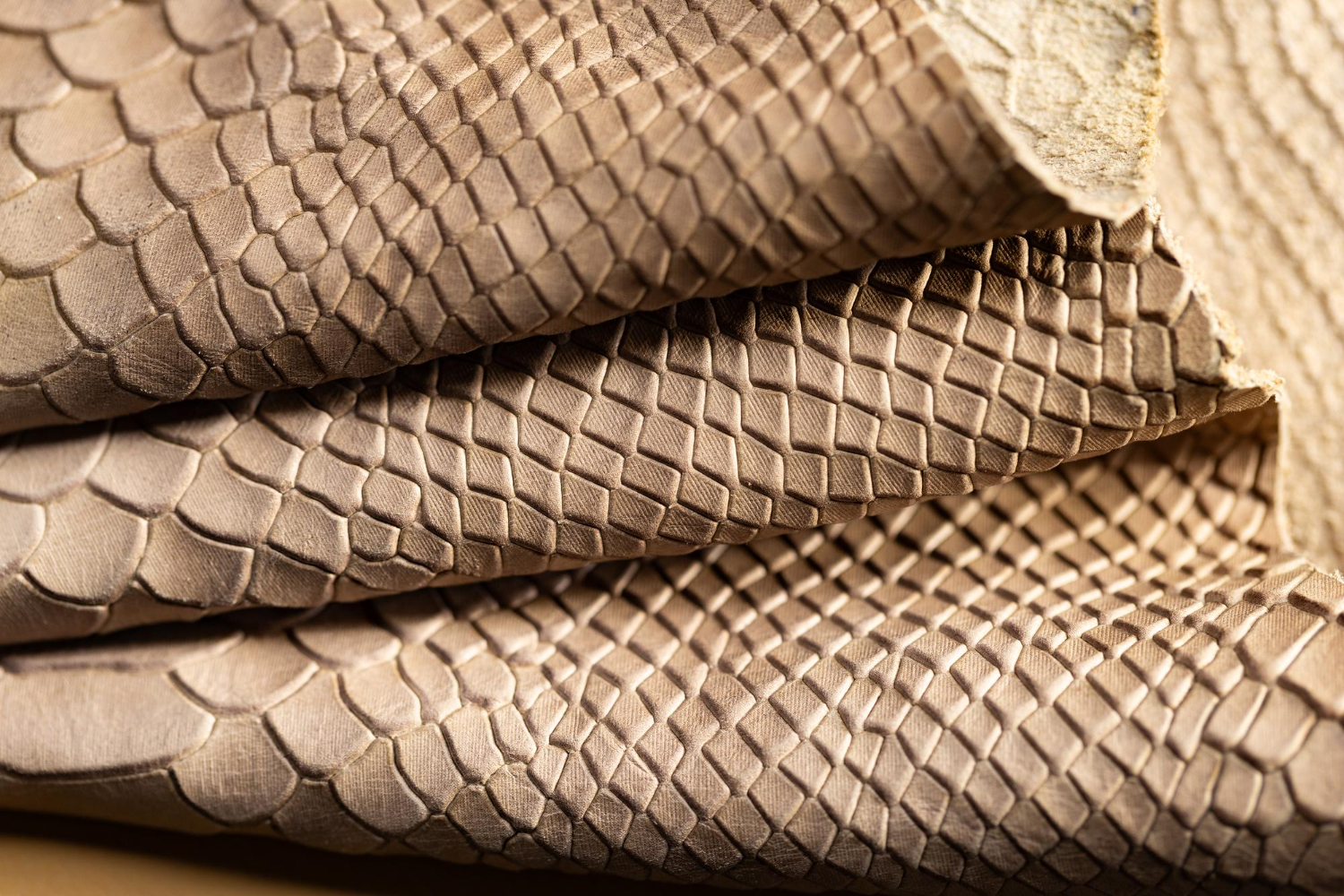
That stylish crocodile handbag, python belt, or snakeskin wallet might never make it home. Goods made from exotic animal skins are often restricted because many of the species involved are protected, and importing their products requires proper permits and documentation that most tourists do not have.
Labels claiming items are “farm-raised” or “ethically sourced” are not enough on their own; without the correct export and import paperwork, these fashionable finds can be confiscated at the border. The protections exist to combat trafficking in endangered species. Before splurging on an exotic-leather souvenir abroad, travelers should understand that bringing it home may be impossible without documentation.
Certain Alcohol, Absinthe, and Cheeses
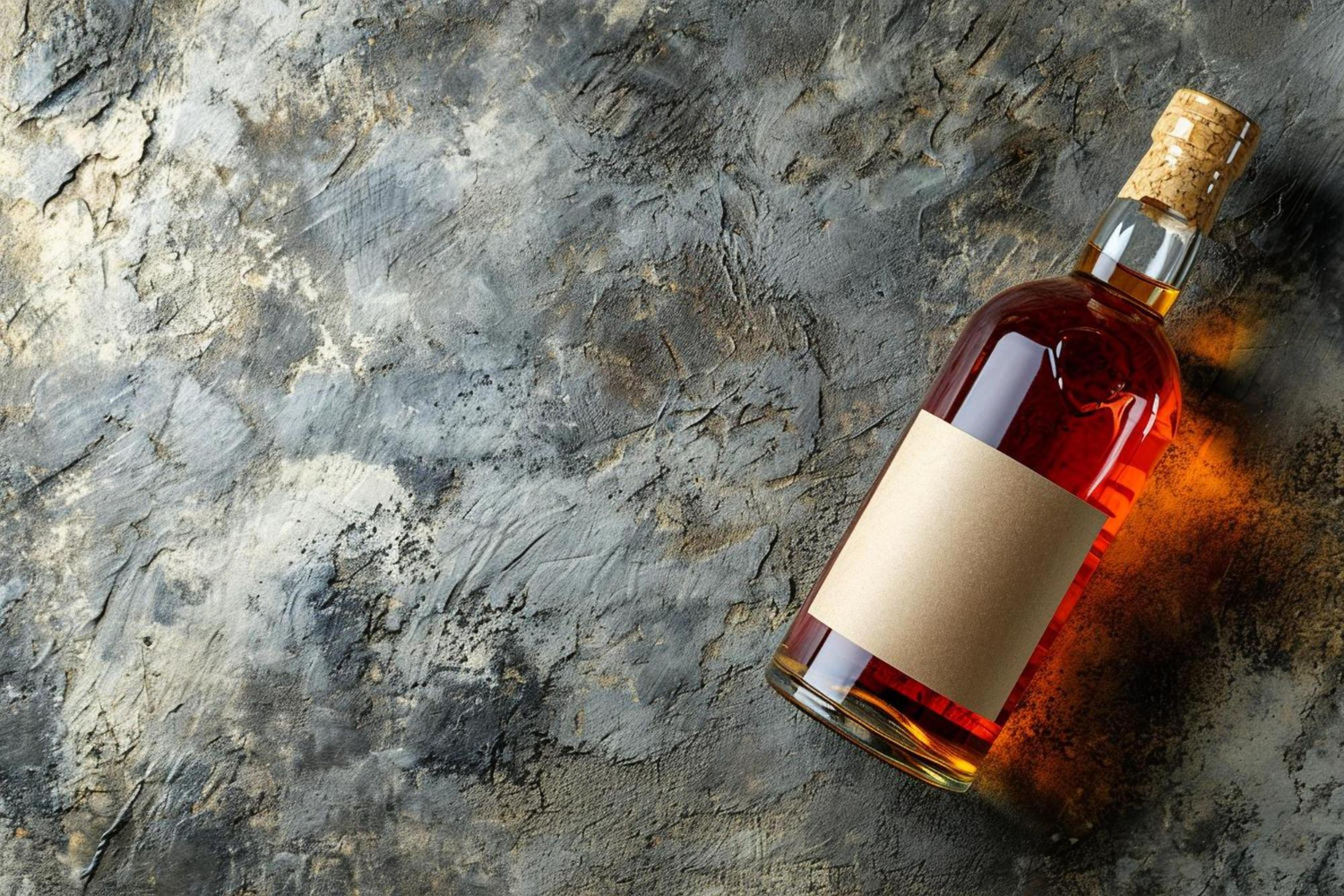
Food and drink souvenirs come with their own pitfalls. While bringing home reasonable amounts of alcohol is generally fine, there are limits, and some specific products face restrictions, such as certain formulations of absinthe that do not meet U.S. requirements. Some cheeses, particularly soft or unpasteurized ones, can also be restricted.
The rules around these gourmet souvenirs can be genuinely complicated, varying by product and quantity. A prized wheel of soft cheese or a special bottle picked up abroad may be subject to limits or seizure. For food and drink, it is especially wise to check the current rules and declare everything, since the regulations are detailed and easy to run afoul of unknowingly.
Traditional Medicines and Counterfeit Goods

Two more categories trip up travelers regularly. Traditional or herbal medicines sometimes contain ingredients, including parts from protected animals or unapproved substances, that make them illegal to import, and vague or untranslated labels raise red flags for customs. Unapproved medical products are routinely seized.
Counterfeit goods, the knockoff designer bags, watches, and electronics sold cheaply in many markets, are also subject to seizure, as importing counterfeits violates trademark and intellectual-property laws. That bargain “designer” find can be confiscated and, in some cases, bring penalties. Both categories catch travelers who assumed a market purchase was harmless.
How to Avoid a Customs Disaster
The good news is that avoiding these problems is straightforward once you know the principles. The single most important rule, repeated by customs experts everywhere, is to declare anything you are unsure about. Declaring an item rarely causes problems, often the officer will simply wave it through, but failing to declare something required can lead to fines, seizure, and worse.
Before you travel, it is worth checking the official Customs and Border Protection guidance on prohibited and restricted items, especially if you plan to buy food, natural items, animal products, or anything unusual. When choosing souvenirs, favor items that are clearly safe, crafts, textiles, art, and packaged goods, over fresh, natural, or animal-derived products. A little knowledge goes a long way toward ensuring your treasured vacation memories actually make it home with you, rather than ending up in a customs bin. The smartest souvenir is one you are certain you can legally bring back.
Like our content? Follow us for more.