Few places are as eerie as an abandoned amusement park. These were sites built for joy, laughter, screams of delight, the smell of popcorn, the blur of a carousel, and there is something deeply unsettling about seeing them silent, rusting, and overgrown. Across America, a surprising number of once-popular parks have been left to decay, their rides standing like the bones of some extinct creature. Disasters, financial ruin, and the simple march of time emptied them, and now they draw a different crowd: photographers and explorers fascinated by their melancholy beauty. Here is a tour of America’s abandoned amusement parks, and the stories of how each fell silent.
Six Flags New Orleans, Louisiana
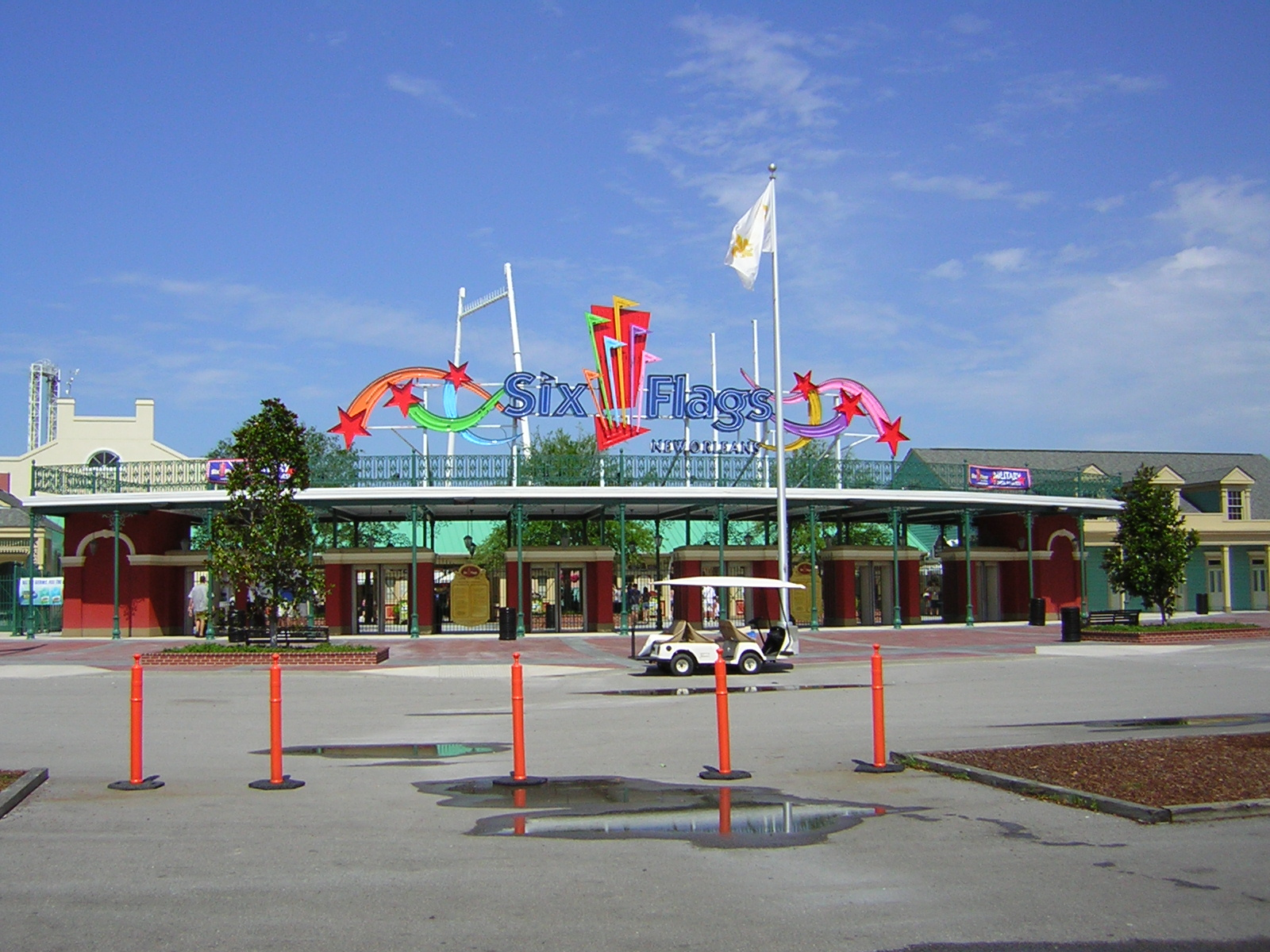
Perhaps the most famous abandoned park in America, Six Flags New Orleans was inundated when Hurricane Katrina struck in 2005, leaving it submerged under feet of floodwater for weeks. The park never reopened, and for years its rusting rides stood as a haunting monument to the disaster.
The eerie, decaying landscape of coasters, flooded buildings, and a faded entrance became an icon of post-Katrina New Orleans, appearing in films and countless photographs. The site sat in limbo for years amid debates over its future. Few abandoned places capture the intersection of natural disaster and human loss as vividly as this drowned theme park on the edge of the city.
Like our content? Follow us for more.
Lake Dolores / Rock-A-Hoola, California
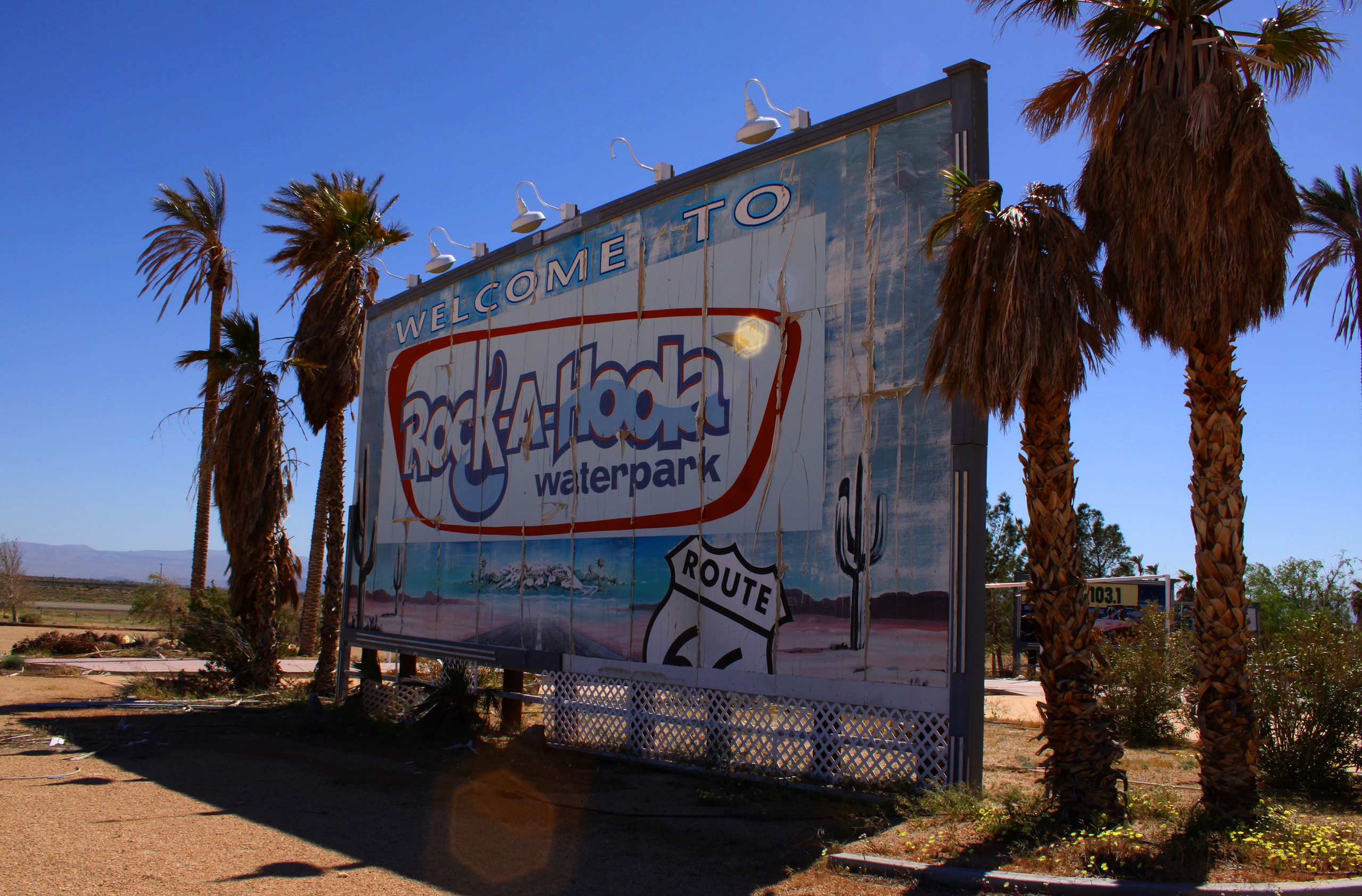
Out in the Mojave Desert, the water park once known as Lake Dolores, later Rock-A-Hoola, was a bizarre oasis of slides and pools in the middle of nowhere. Built decades ago as a desert getaway, it cycled through owners and reinventions before finally closing, leaving its slides to bake in the sun.
The abandoned water park, its empty pools cracking and its slides rusting under the relentless desert sun, became a surreal landmark for travelers passing through the Mojave. The sight of a derelict water park in one of the driest places imaginable is almost too strange to believe. It stands as a monument to a quirky roadside dream that could not survive its remote and unforgiving location.
Chippewa Lake Park, Ohio
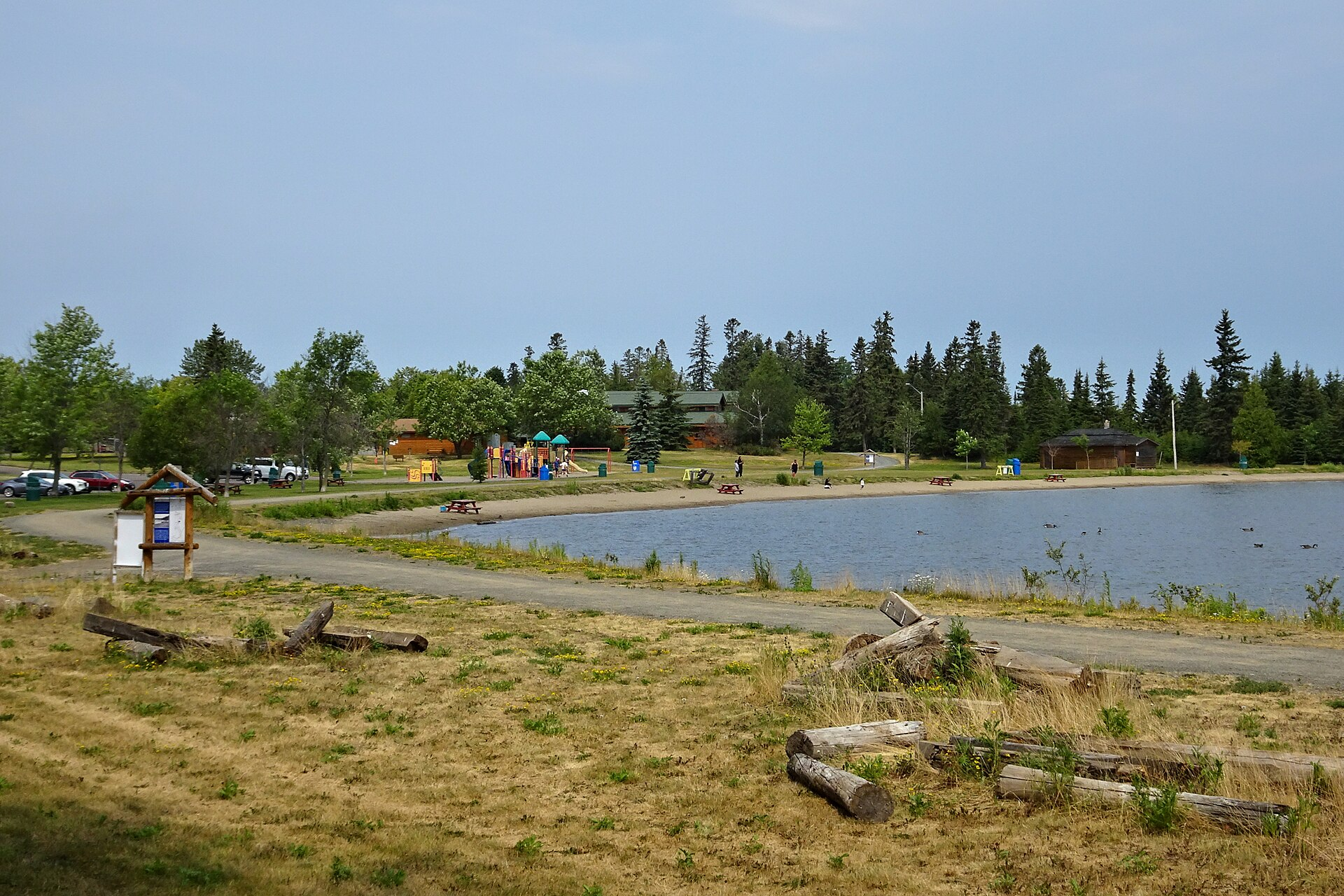
Chippewa Lake Park operated for the better part of a century before closing in the 1970s, and for decades afterward its rides were simply left standing as the forest grew up around and through them. Trees sprouted between the tracks of its wooden coaster, and nature slowly swallowed the midway.
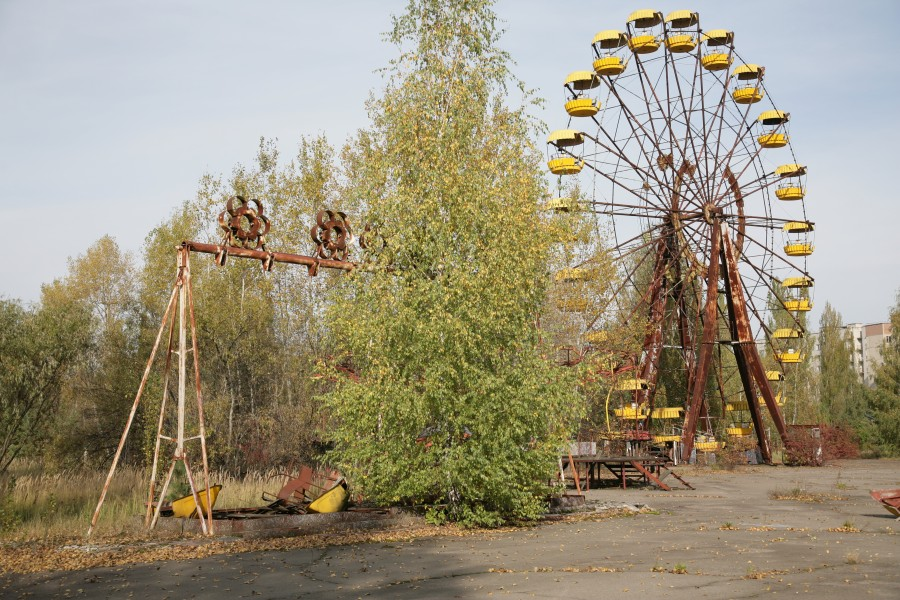
The result was one of the most striking images of abandonment in America: a Ferris wheel and roller coaster entwined with full-grown trees, the park and the forest merged into one. For decades it was a legendary destination for urban explorers, a powerful illustration of how quickly nature reclaims what people abandon. The slow green takeover made Chippewa Lake an unforgettable ruin.
The Catskills’ Forgotten Parks
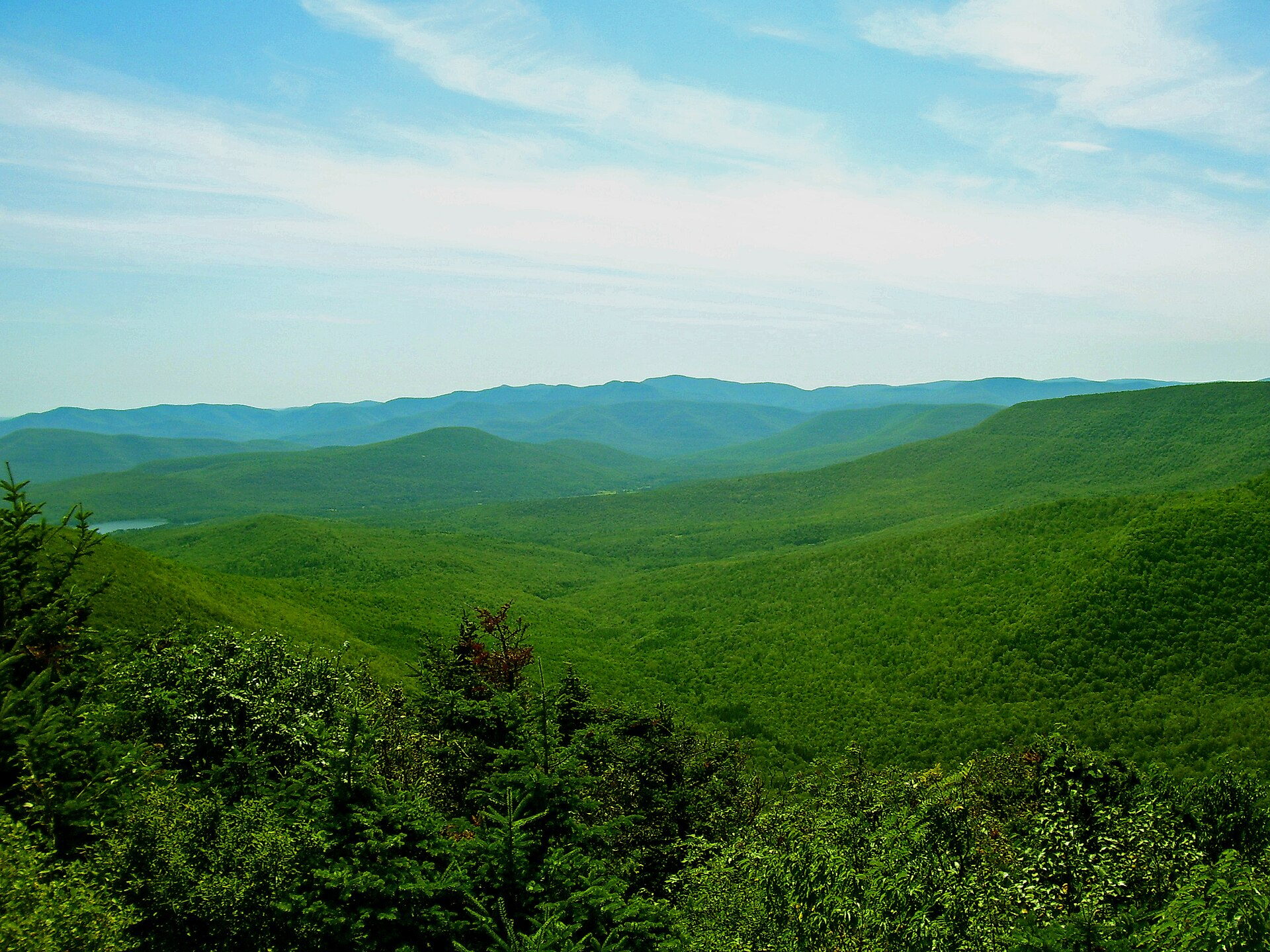
The Catskills region of New York, once a booming resort area, is dotted with the remains of abandoned attractions and small amusement parks that thrived in the mid-20th century before the area’s decline. As vacation habits changed and the great resorts faded, many of these smaller parks were left to rot.
These forgotten parks tell the story of a whole era of American leisure that has passed, the age of the regional resort and the family day trip to a local park. Their decaying rides and empty grounds are poignant reminders of communities and pastimes that once thrived. The Catskills’ ruins are a melancholy archive of how Americans used to play.
Defunct Roadside Parks of the Mid-Century
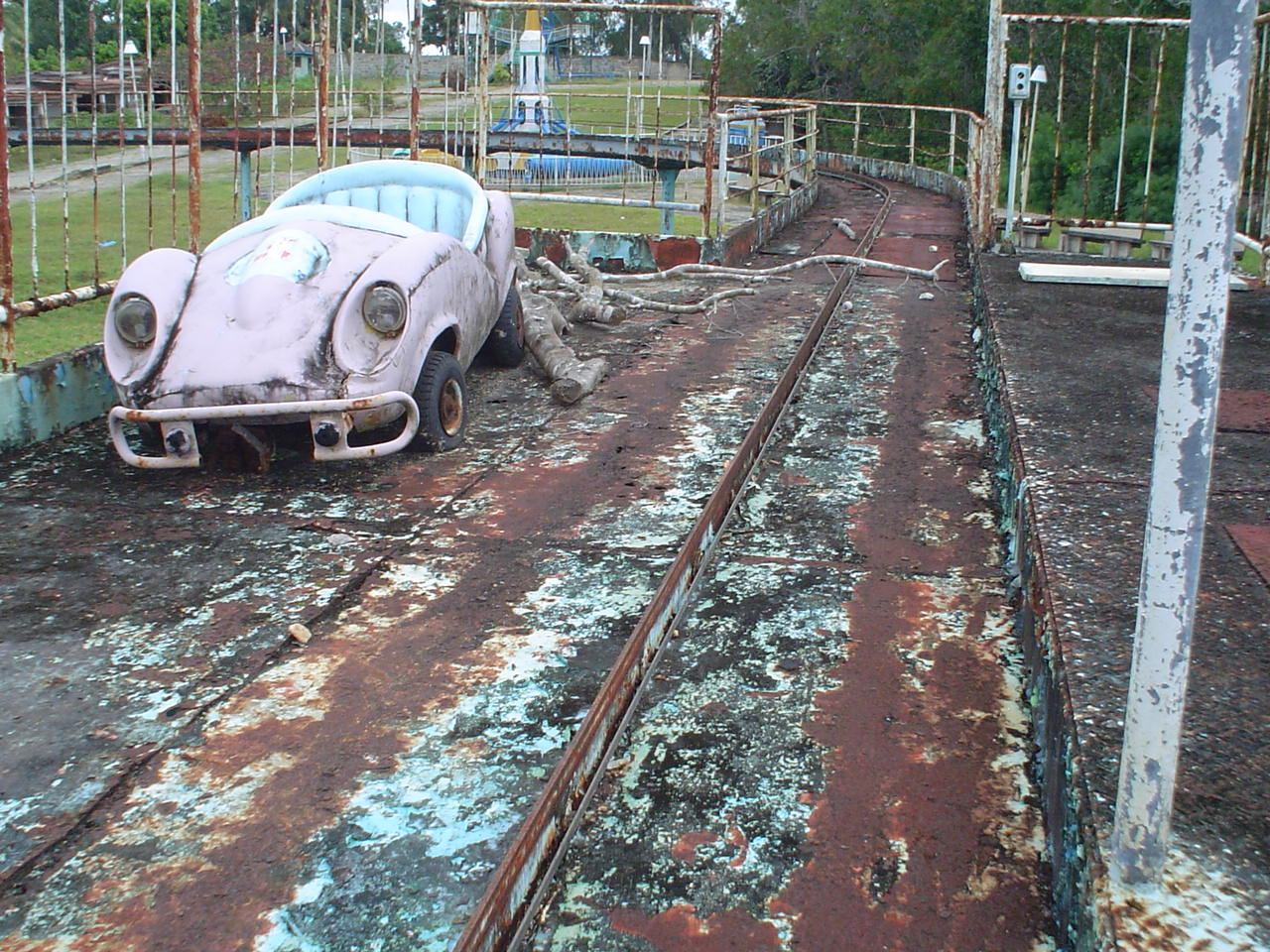
Across the country, the mid-20th century saw a boom in small, family-owned amusement parks and roadside attractions, many of which could not survive the rise of large corporate theme parks and changing tastes. Countless little parks closed, their modest rides left to decay or slowly dismantled.
These vanished parks represent a lost chapter of American recreation, the era before the mega-park, when nearly every region had its own beloved local amusement spot. The remnants that survive, a rusting sign, a crumbling ticket booth, a ride frozen in place, evoke a simpler age of entertainment. They are scattered monuments to an industry transformed by scale and consolidation.
Parks Lost to Tragedy
Some parks closed not from financial decline but in the wake of accidents or disasters that ended public confidence and sealed their fate. When tragedy struck, the resulting scrutiny, lawsuits, and loss of trust could shutter a park for good, leaving its rides as somber reminders.
These sites carry an extra layer of melancholy, places of intended joy marked by loss. Their abandonment reflects how fragile the amusement business can be, and how a single catastrophic event can transform a beloved attraction into a haunted ruin. They stand as sober reminders of the risks that once accompanied the thrills.
Why So Many Parks Were Abandoned
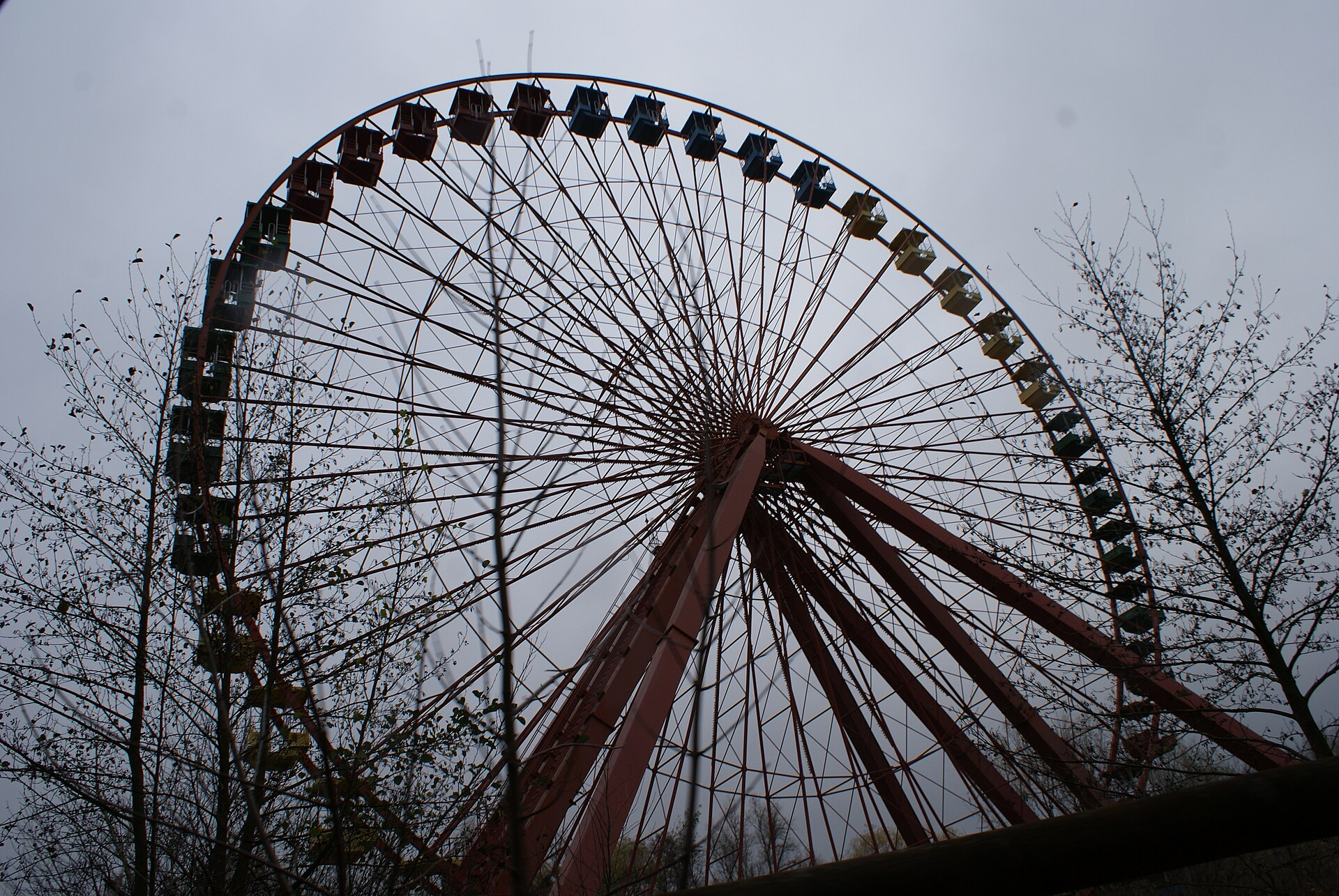
The reasons America’s amusement parks closed are varied but follow clear patterns. Natural disasters, like the hurricane that doomed the New Orleans park, delivered fatal blows. Financial troubles, bankruptcies, and rising costs ended many. The rise of massive corporate theme parks drew crowds away from smaller regional operations. And changing tastes, suburbanization, and shifting vacation habits emptied others.
In many cases, the cost of demolishing a park exceeds the value of the land in its current state, so the rides are simply left standing, too expensive to remove and too worthless to maintain. The result is the strange phenomenon of the abandoned park, frozen in time, neither restored nor erased. Each represents a business that failed for its own particular reasons but shares the same haunting afterlife.
The Eerie Appeal of the Abandoned Park
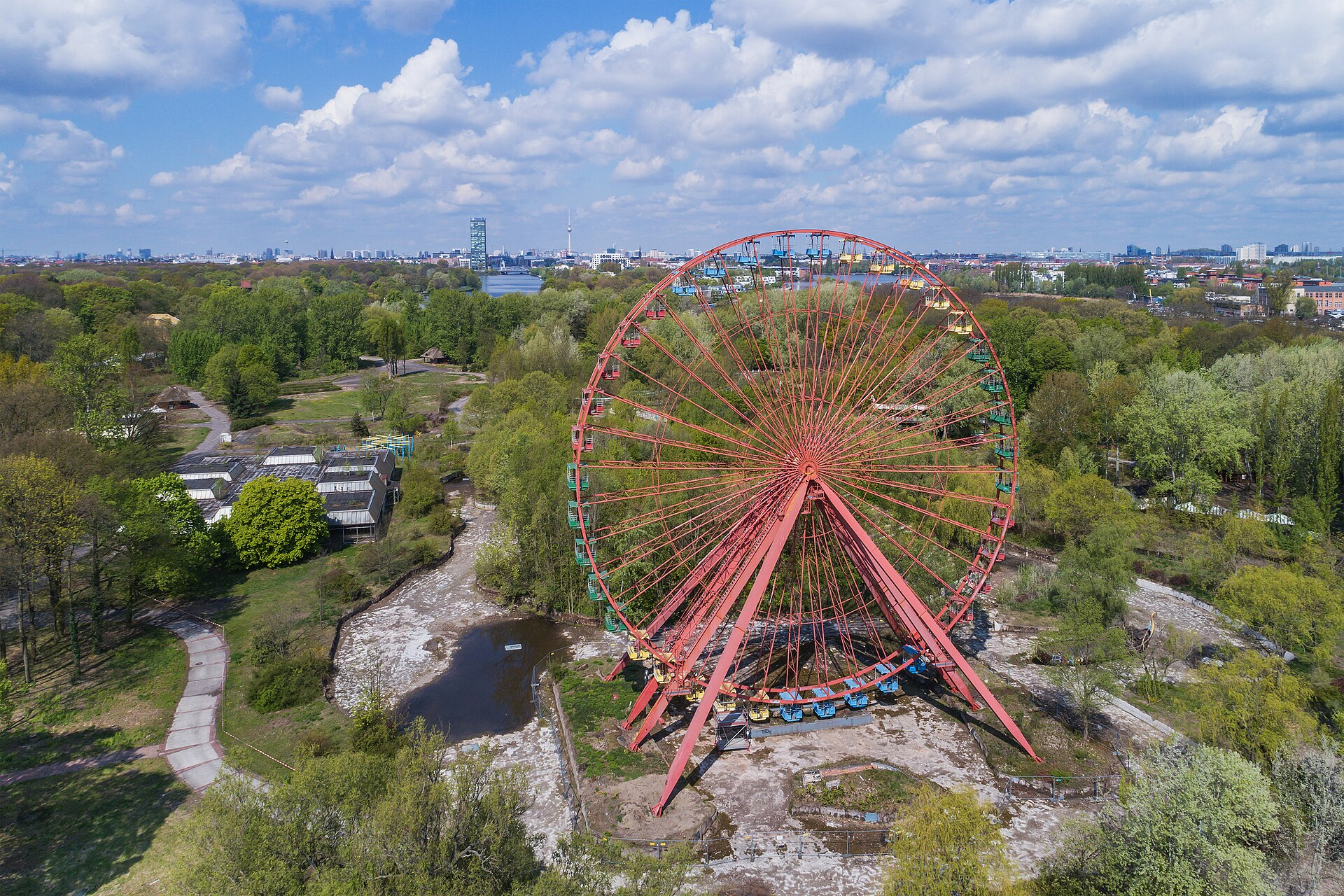
There is a reason abandoned amusement parks captivate us so powerfully. They represent the collision of joy and decay, places designed for the happiest of human experiences, now silent and crumbling. That contrast, between what they were and what they have become, gives them an emotional resonance few other ruins can match.
For photographers and explorers, these sites offer hauntingly beautiful imagery and a tangible connection to the past, though it is worth noting that many are on private property or genuinely dangerous, with unstable structures and hazards that make trespassing both illegal and unsafe. The best way to appreciate most of them is through the images and stories they have inspired. Abandoned amusement parks endure in our imagination as melancholy monuments to fun that ended, reminders that even the happiest places are not immune to time, disaster, and change. The silent coaster against the sky is a powerful image of impermanence, joy frozen at the moment the music stopped.
Like our content? Follow us for more.