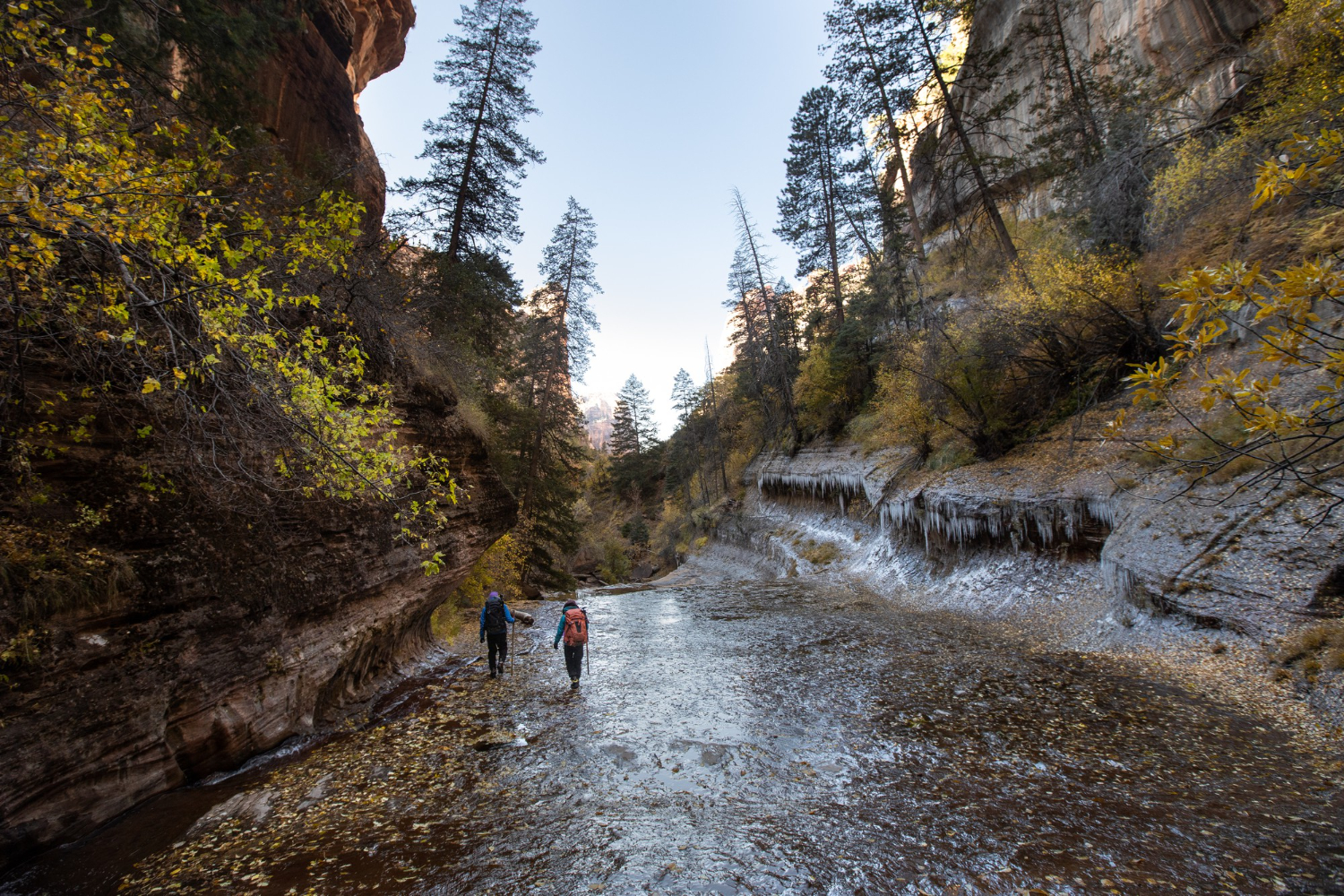
Most hikers head onto a trail assuming that as long as they’re respectful, they’re within the rules. But across America’s patchwork of national parks, national forests, state parks, wilderness areas, and tribal lands, a surprising number of seemingly innocent outdoor activities are actually prohibited — and the rules vary enormously depending on exactly whose land you’re standing on. Picking a wildflower, pocketing an interesting rock, flying a drone for a photo, or letting your dog off-leash can all be violations carrying real fines in the wrong place. The problem is that the rules are genuinely confusing, differ between adjacent parcels of land, and are rarely posted clearly. Knowing the common prohibitions in advance keeps a pleasant hike from turning into an expensive lesson. Here are ten things that feel harmless on a trail but are actually illegal in some places, and how to stay on the right side of the rules.
The key thing to understand is that “the rules” on a trail depend entirely on the land’s management. National parks have the strictest preservation rules, national forests are generally more permissive, state and local parks vary widely, wilderness areas have their own restrictions, and tribal lands have their own laws entirely. An activity perfectly legal on one trail can carry a fine on the adjacent one. Here are the common surprises.
1. Taking Rocks, Fossils, or Natural Objects
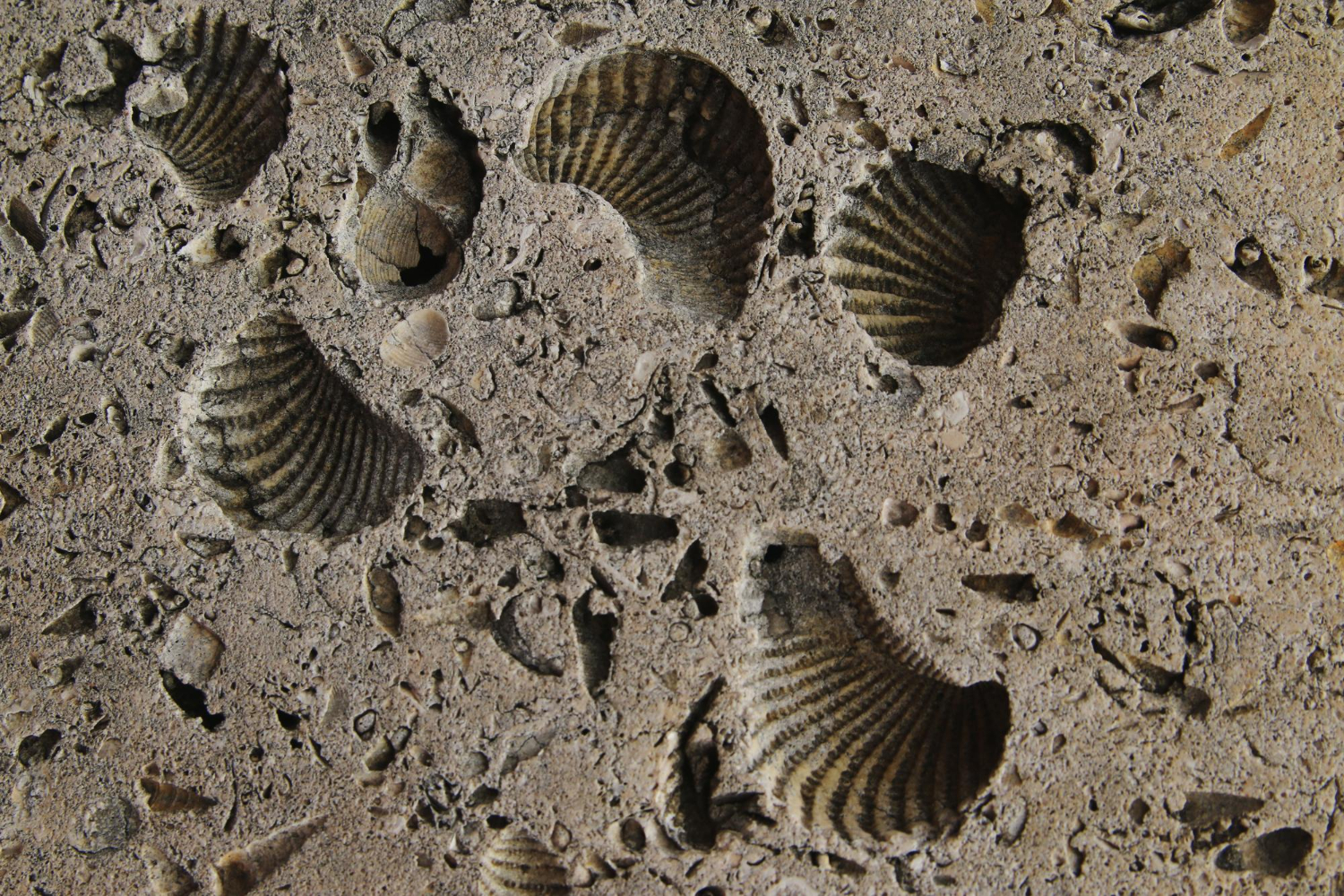
Pocketing an interesting rock, fossil, or mineral feels harmless, but in national parks it’s generally illegal to remove any natural object, and on many public lands collecting fossils or artifacts is prohibited or restricted. The Antiquities Act and various preservation laws protect natural and cultural objects, and removing them can carry significant fines. The rule “take only pictures, leave only footprints” is, in national parks especially, genuinely the law. The interesting rock that seems like a free souvenir is, in many places, a protected natural feature you’re legally required to leave.
2. Picking Wildflowers or Plants
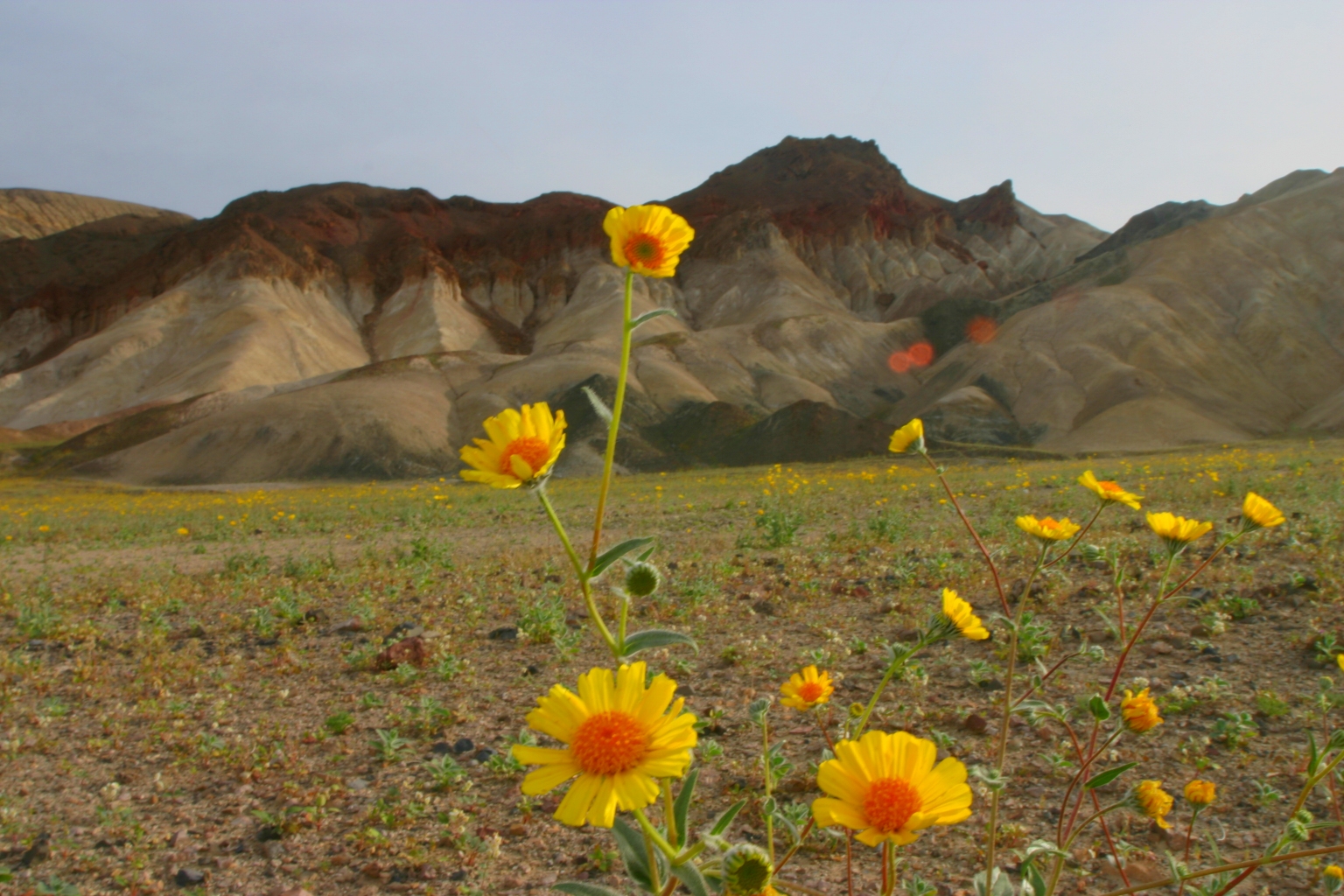
Picking a wildflower or collecting plants feels like a small, harmless pleasure, but in national parks and many protected areas it’s prohibited — removing or damaging vegetation is generally illegal, intended to preserve the ecosystem and let others enjoy the flowers. Some areas protect specific endangered plants with particular severity. The casual picking of a pretty wildflower for a bouquet, harmless as it feels, violates the preservation rules of most national parks and many other protected lands, where the flowers are meant to stay where they grow.
3. Foraging for Berries, Mushrooms, or Edibles
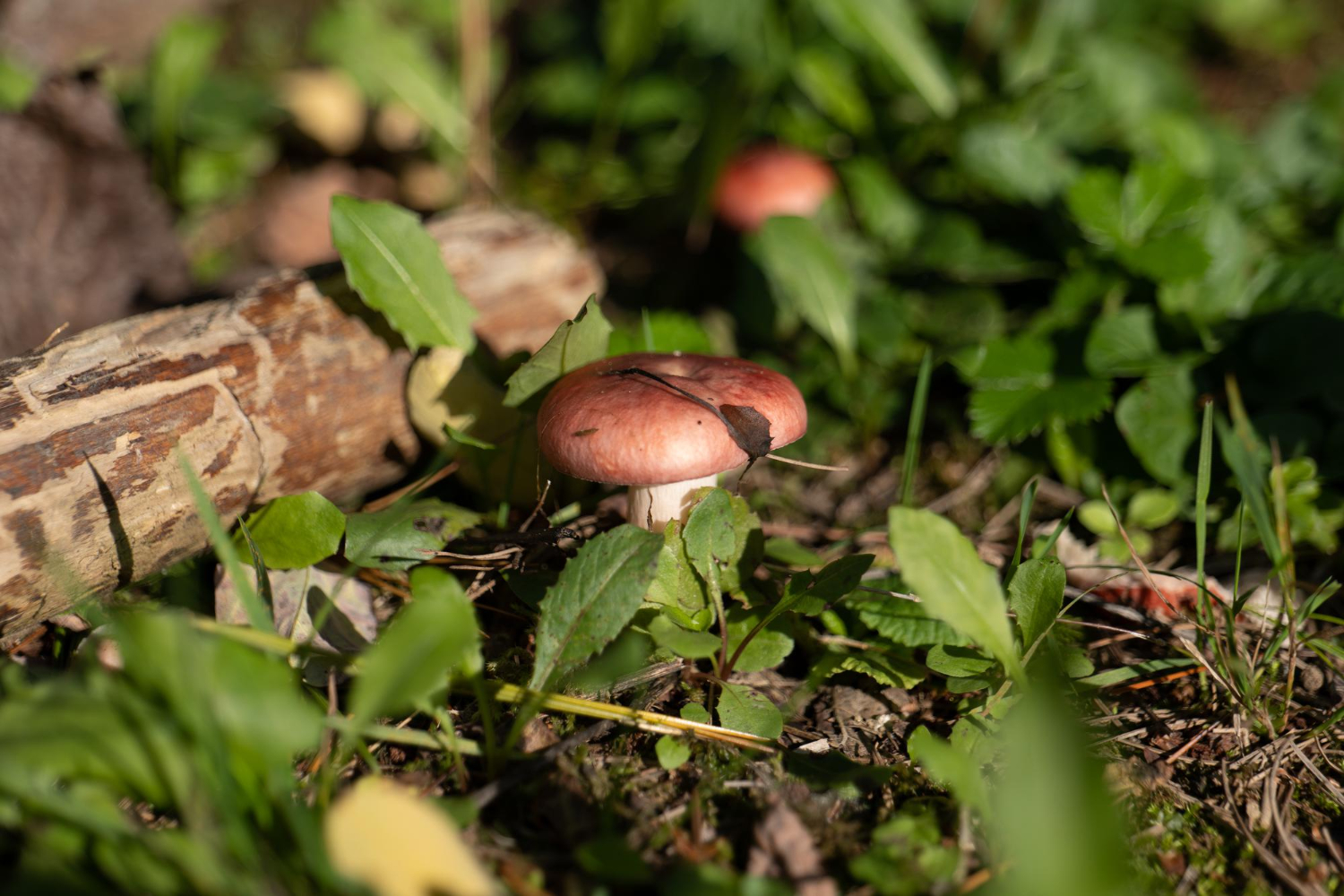
Foraging for wild berries, mushrooms, or other edibles is permitted in some places (many national forests allow limited personal collection) but prohibited or restricted in others, particularly national parks, where collecting is generally not allowed. The rules vary dramatically between adjacent lands. A forager legally gathering mushrooms in a national forest could be violating the law by doing the same thing in the national park next door. Anyone foraging needs to know the specific rules of the specific land, since the legality of picking a wild berry genuinely depends on which agency manages the ground beneath it.
4. Flying a Drone
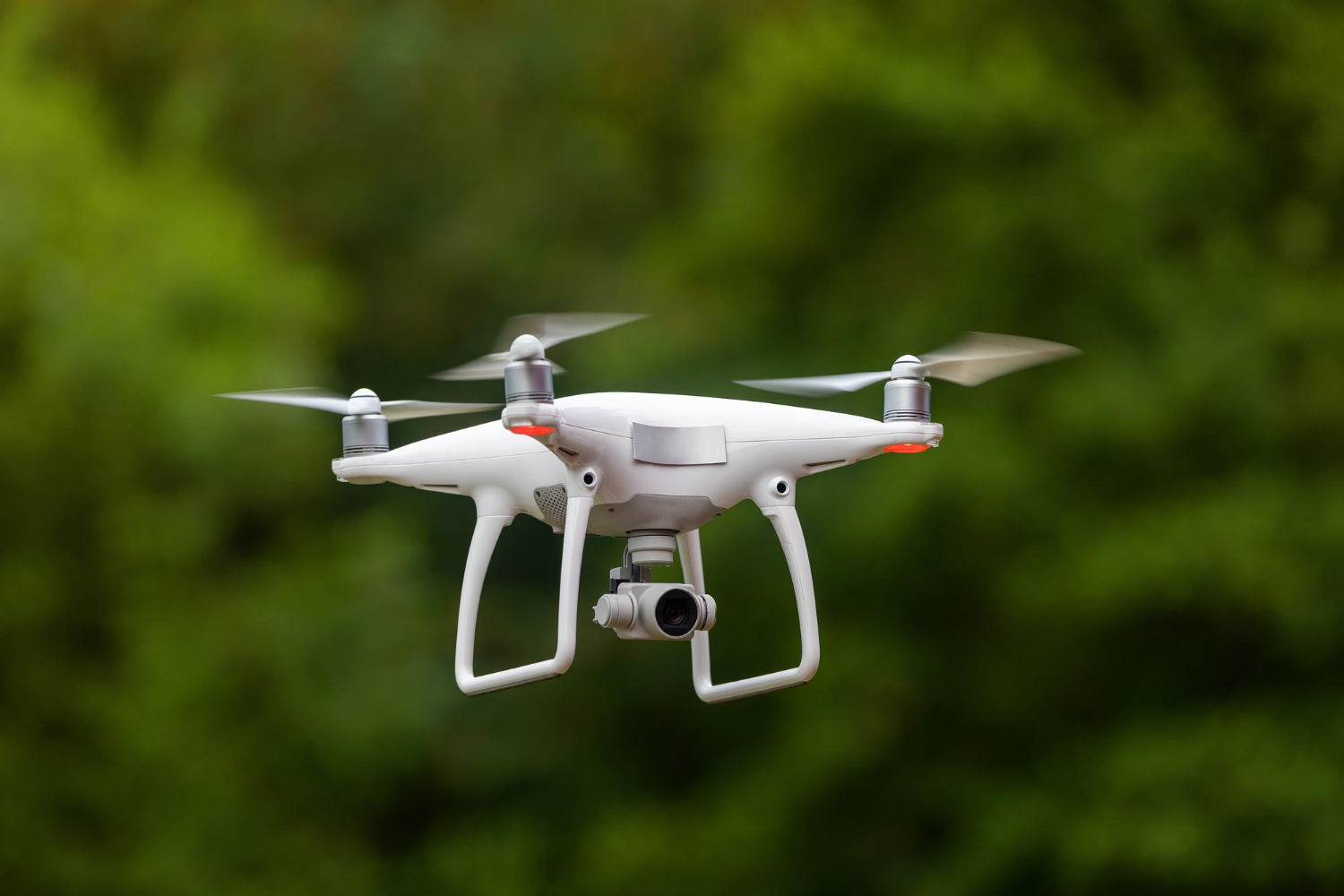
Launching a drone for an aerial photo feels harmless and is increasingly common, but drones are banned in all national parks and in designated wilderness areas, and restricted in many other places, over concerns about wildlife disturbance, noise, and safety. The national park drone ban is comprehensive and carries real penalties. Many hikers are genuinely unaware that the drone they’re flying for scenic footage is flatly illegal in national parks, making it one of the most common inadvertent violations among otherwise law-abiding visitors seeking that perfect aerial shot.
5. Letting Your Dog Off-Leash (or Bringing One at All)
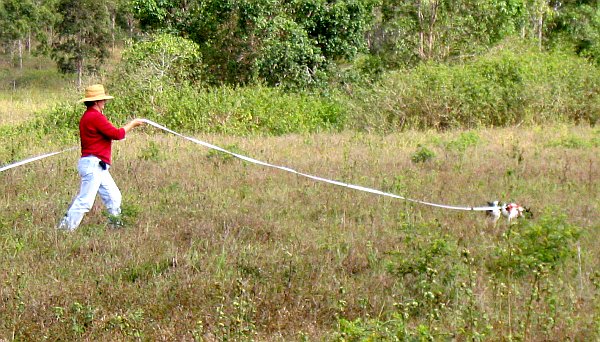
Letting a dog off-leash on a trail, or bringing a dog at all, is prohibited in many places — national parks heavily restrict dogs (frequently banning them from trails entirely), while leash laws apply in many other areas. The rules protect wildlife and other visitors. Many hikers are surprised that dogs are banned from most national park trails, or that off-leash hiking that’s fine on some trails is illegal on others. The friendly off-leash dog, harmless in the owner’s eyes, violates the rules in a great many protected areas.
6. Camping or Building a Fire Where You Stop
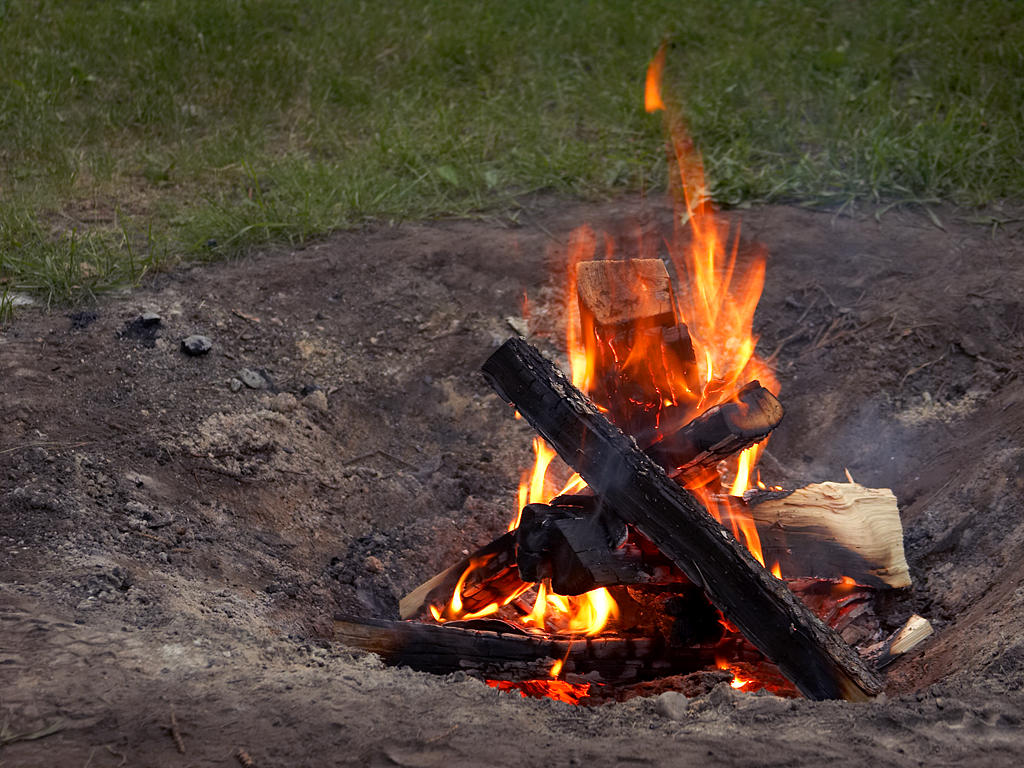
Stopping to camp or build a fire where it’s convenient feels natural, but dispersed camping and fires are heavily regulated — prohibited entirely in many areas, restricted to designated sites in others, and frequently banned outright during fire-danger periods. An illegal campfire can carry severe penalties, especially during fire restrictions. The casual decision to camp at a scenic spot or build a small fire can violate multiple regulations depending on the land, and during dry-season fire bans, a campfire that feels harmless can be both illegal and genuinely dangerous.
7. Going Off-Trail
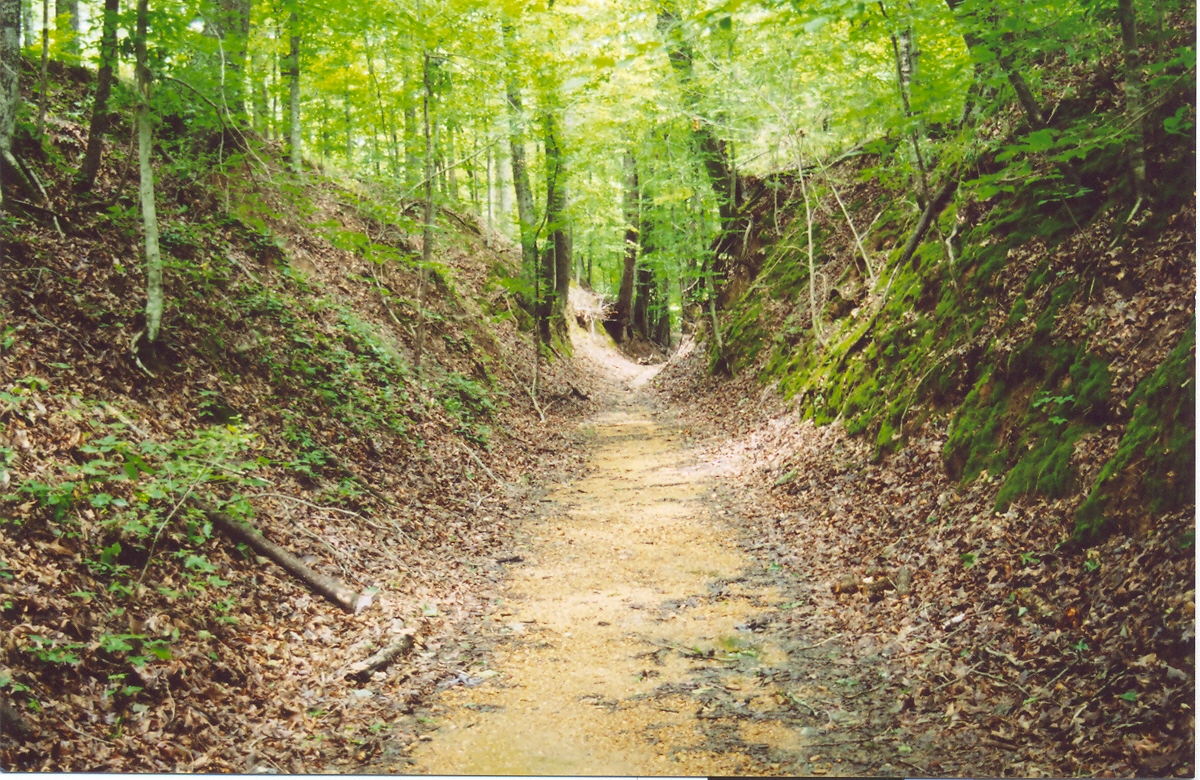
Stepping off the marked trail to explore, get a better photo, or take a shortcut feels harmless but is prohibited in many sensitive areas, where staying on trail protects fragile vegetation, prevents erosion, and protects the hiker. Off-trail travel can be specifically illegal in areas with delicate ecosystems like alpine meadows or cryptobiotic desert soil. The seemingly innocent decision to wander off the path for a closer look, in protected sensitive areas, can violate preservation rules designed to protect ground that takes decades or centuries to recover from a single footstep.
8. Metal Detecting
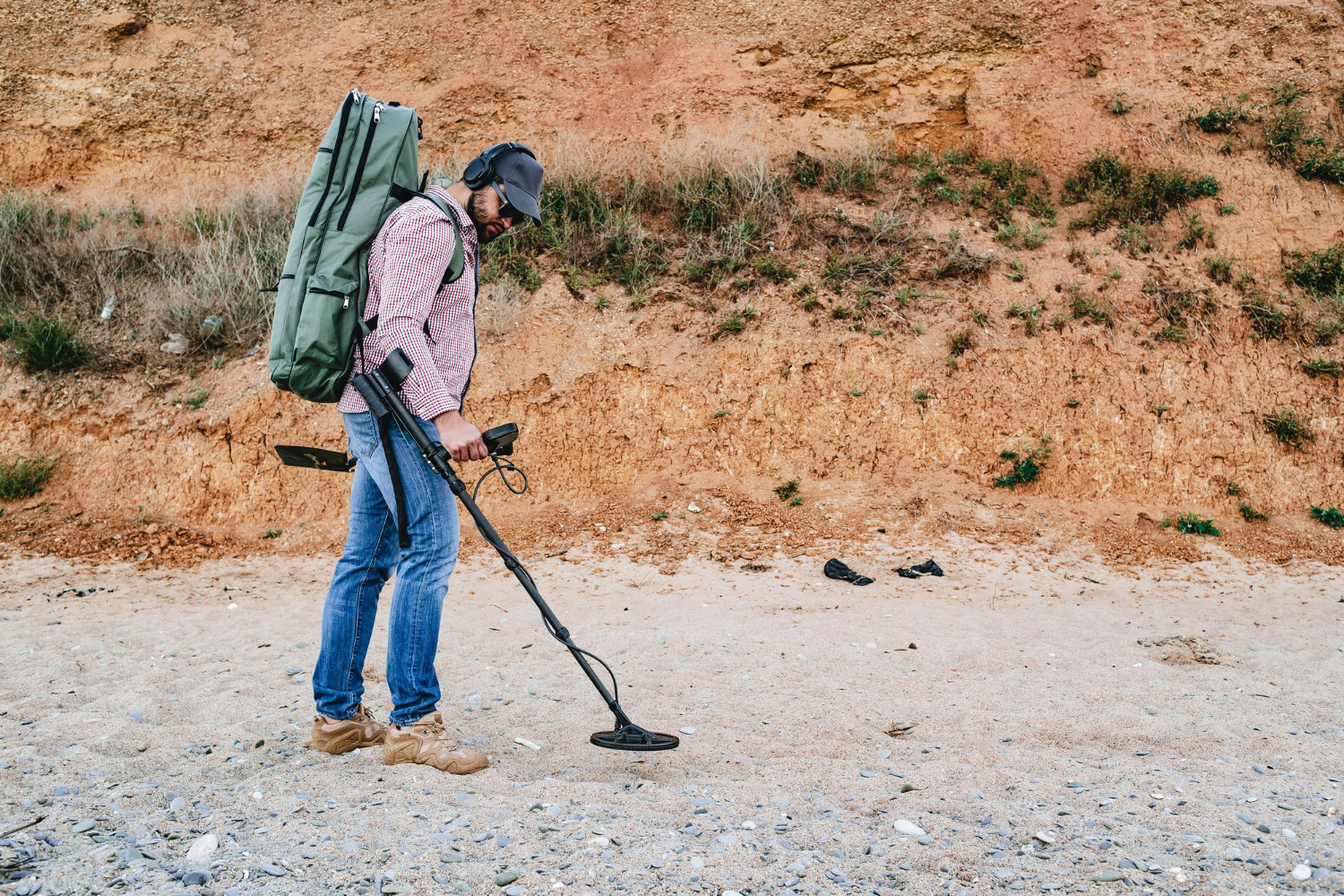
Bringing a metal detector to scan a trail or beach feels like harmless treasure-hunting, but metal detecting is prohibited in national parks and many other public lands, intended to protect archaeological and historical resources. The hobby that’s legal on some beaches and lands is flatly illegal in national parks and many protected areas. The metal detector that seems like innocent fun can violate the laws protecting cultural and historical resources, and using one in a national park is specifically prohibited.
9. Feeding Wildlife
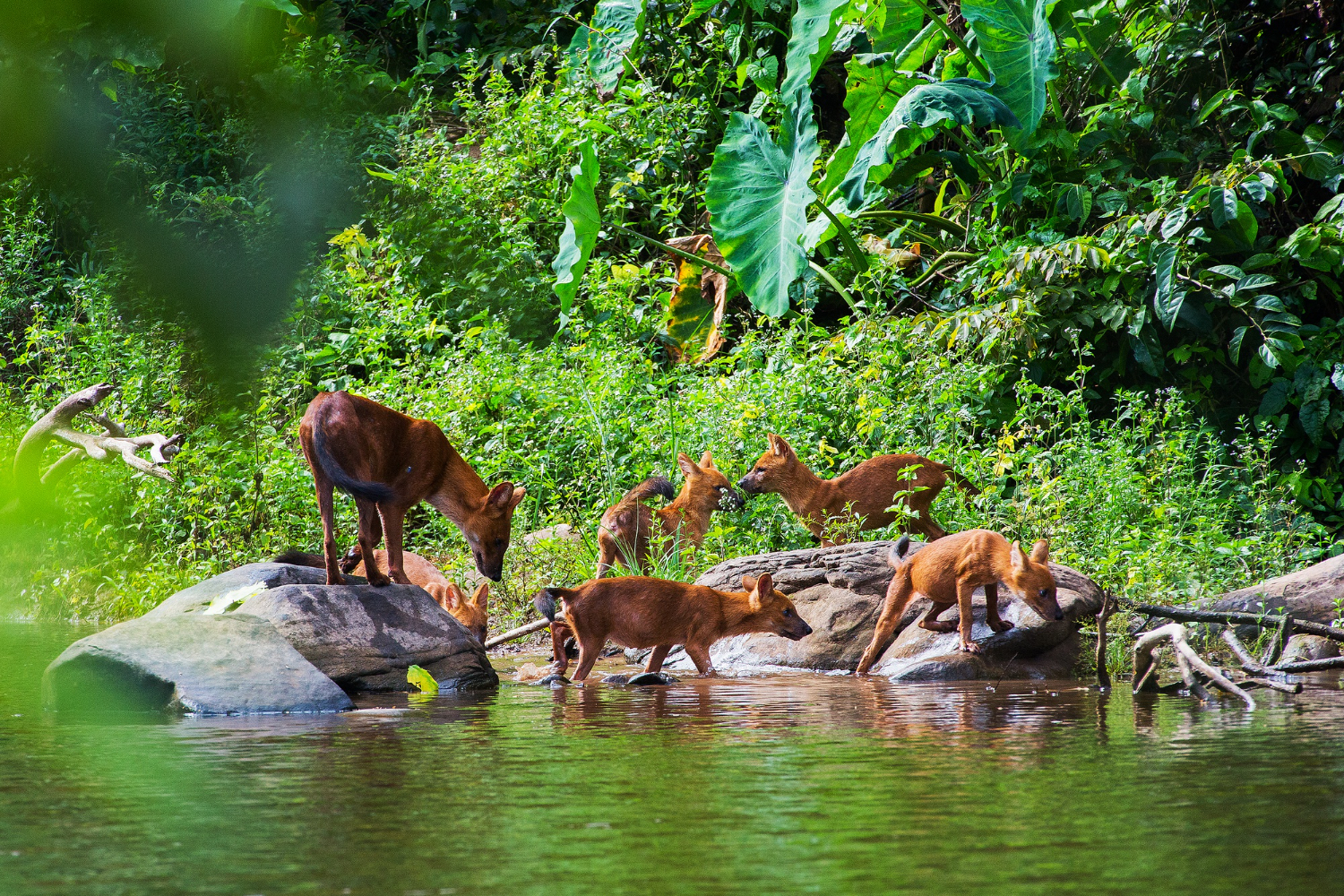
Tossing food to a chipmunk, bird, or other animal feels friendly and harmless, but feeding wildlife is illegal in national parks and many other protected areas, because it harms the animals, makes them dependent or aggressive, and creates dangerous situations. The friendly gesture of sharing a snack with a begging animal violates wildlife-protection rules in most parks and carries fines. Many visitors are genuinely unaware that the harmless-seeming act of feeding a cute animal is both illegal and genuinely harmful to the wildlife they’re trying to befriend.
10. Removing Antlers, Feathers, or Animal Parts
Picking up a shed antler, a feather, or other natural animal remains feels harmless, but it can be illegal — in national parks, removing any natural object including antlers is generally prohibited, and federal law (the Migratory Bird Treaty Act) makes possessing the feathers of many native bird species illegal even if simply found on the ground. The found feather that seems like a free natural treasure can actually be federally protected. The rules around collecting natural animal objects are stricter and more surprising than most hikers realize, turning an innocent souvenir into a potential violation.
How to Stay on the Right Side of the Rules
The genuinely useful takeaway is not to be anxious on the trail but to understand the simple principle that resolves almost all of this: the rules depend entirely on whose land you’re on, and the safest default — especially in national parks — is “take only photographs, leave only footprints, feed nothing, fly nothing, and stay on the trail.” National parks are the strictest, with comprehensive bans on collecting anything, feeding wildlife, drones, and off-trail travel in sensitive areas. National forests and BLM land are generally more permissive, frequently allowing dispersed camping, some foraging, and other activities, though with their own rules. State and local parks and wilderness areas vary widely and have their own regulations. The single best habit is to check the specific rules of the specific land before the hike — every national park and most public lands publish their regulations clearly online — and when in doubt, to follow the strictest interpretation. Knowing that the interesting rock, the pretty wildflower, the found feather, the friendly chipmunk, and the scenic drone shot can all be violations in the wrong place turns a potential expensive surprise into a non-issue. The trail rewards the prepared hiker who knows that “harmless” and “legal” are not the same thing, and who has taken a few minutes to learn which is which before setting out.