
The U.S. State Department maintains a four-level Travel Advisory system that ranks every foreign country by safety risk: Level 1 (Exercise Normal Precautions), Level 2 (Exercise Increased Caution), Level 3 (Reconsider Travel), and Level 4 (Do Not Travel). The advisory levels are based on rigorous data including crime statistics, terrorism risk, health conditions, civil unrest, and natural disaster patterns. Most Americans have not actually checked the current advisories — and the popular perception of which countries are dangerous is often substantially out of date. Several countries Americans routinely fear, based on news coverage from a decade or more ago, currently sit at the same advisory levels as France, Germany, or the United Kingdom. The State Department’s actual 2026 assessments often diverge dramatically from the popular American perception. Here are five countries Americans commonly assume are dangerous — but that the State Department currently ranks at the same or better risk level as familiar European destinations.
The State Department’s Travel Advisory system was established in its current format in 2018 and is updated continuously based on input from the U.S. embassies and consulates in each country, the Overseas Security Advisory Council, and the State Department’s Bureau of Consular Affairs. Each advisory carries specific guidance about which areas of the country should be avoided, which precautions should be taken, and what circumstances might escalate the warning. The full system covers 196 countries and territories. American travelers can check the current advisory for any country at travel.state.gov. The five countries below all currently sit at Level 1 or Level 2 — equivalent to or better than France (Level 2), the United Kingdom (Level 2), or Germany (Level 2) — despite persistent American perceptions of significant danger.
1. Colombia — Level 2 (Exercise Increased Caution)
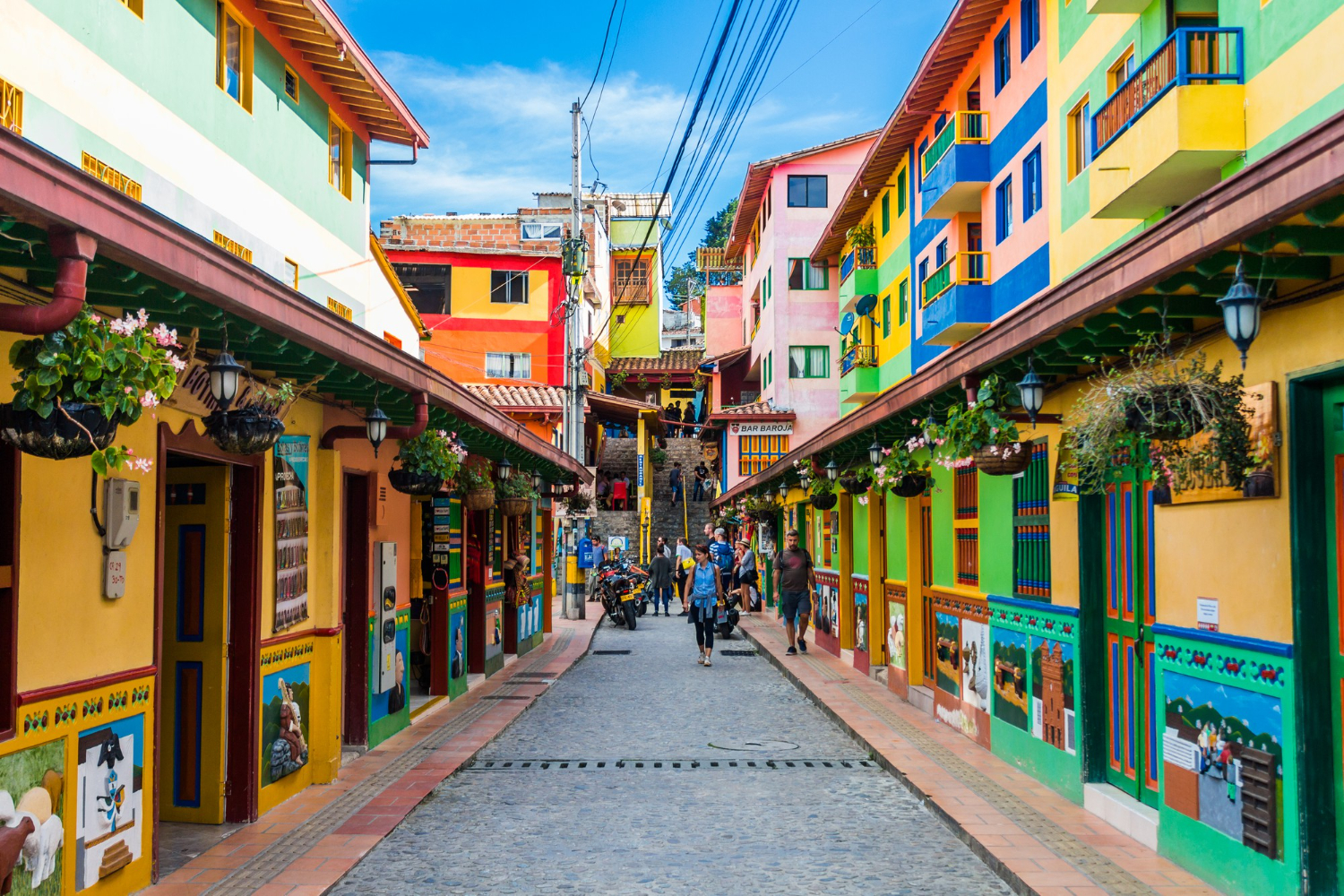
Colombia currently sits at State Department Level 2 — the same advisory level as France, the United Kingdom, Germany, and most major Western European countries. The State Department’s specific guidance recommends avoiding certain departments in southwestern Colombia (Arauca, Cauca, Norte de Santander) and the Venezuelan border region. The major tourist destinations — Bogotá, Cartagena, Medellín, the Coffee Region, Cali for sanctioned tourism — are not subject to specific avoidance recommendations. The American perception of Colombia as dangerous traces primarily to 1980s and 1990s coverage of Pablo Escobar, the Medellín Cartel, and Colombia’s civil war. The country’s homicide rate has declined approximately 80 percent from its 1991 peak. Cartagena has become one of the most-visited South American destinations for U.S. travelers, with approximately 1.2 million American visitors per year in 2024.
2. Mexico (in most regions) — Level 2
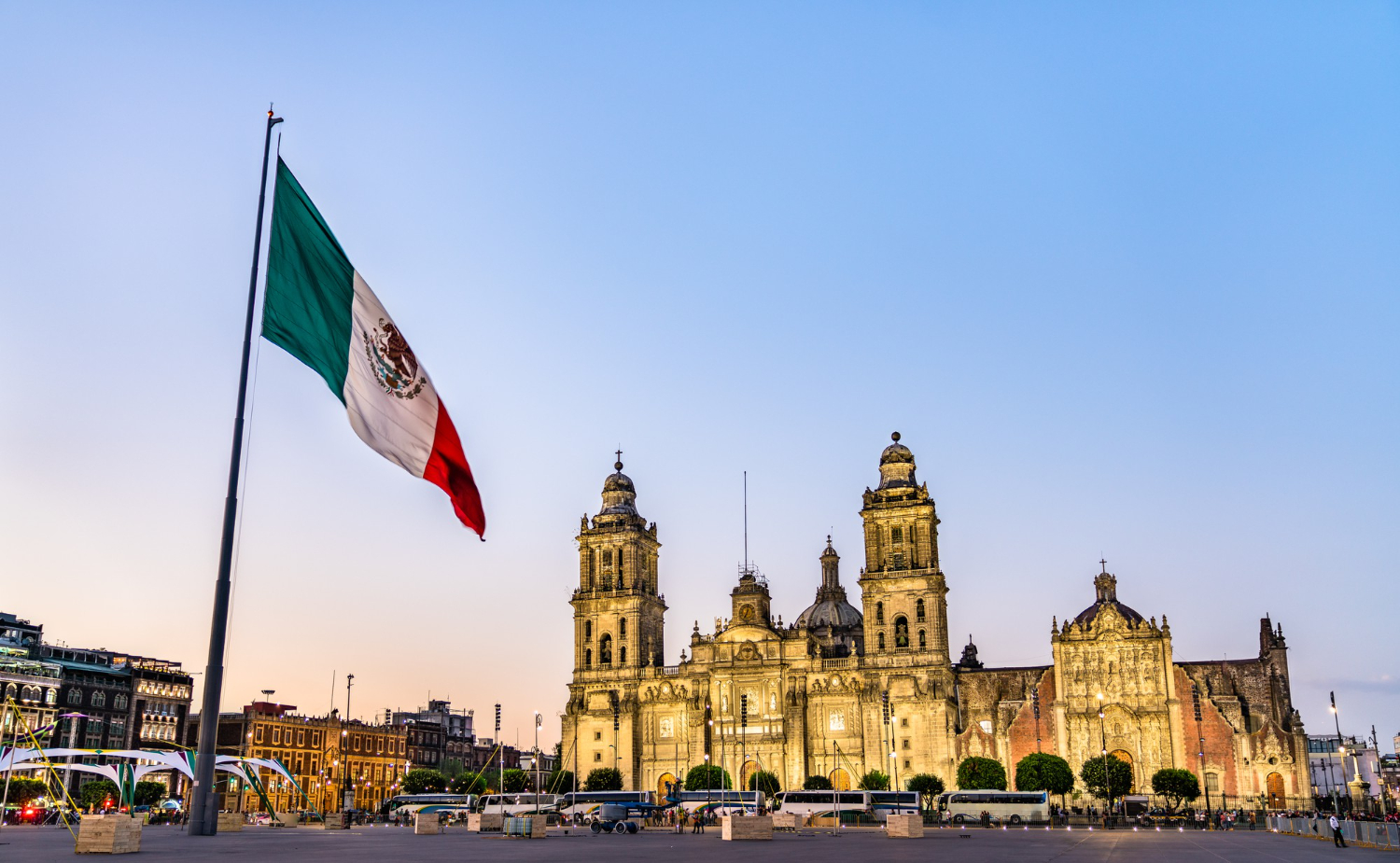
Mexico‘s State Department advisory is more nuanced than other countries because each Mexican state receives its own advisory level. Six Mexican states currently sit at Level 4 (Do Not Travel) — primarily border-region states including Tamaulipas and Colima. Seven states sit at Level 3. Most Mexican tourist destinations — Quintana Roo (Cancún, Playa del Carmen, Tulum), Yucatán (Mérida), Mexico City, Oaxaca, San Miguel de Allende — sit at Level 2 (Exercise Increased Caution) or Level 1. The popular American perception of Mexico as uniformly dangerous obscures this geographic specificity. The state of Yucatán has one of the lowest homicide rates in North America — substantially lower than many U.S. states. Mérida specifically has been ranked as one of the safest cities in the Americas for several years running.
3. Vietnam — Level 1 (Exercise Normal Precautions)

Vietnam currently sits at State Department Level 1 — the lowest advisory level, equivalent to Japan, Iceland, and most of Western Europe. The country has very low rates of violent crime against tourists, well-developed tourism infrastructure across Hanoi, Da Nang, Hoi An, Ho Chi Minh City, and the major coastal destinations, and stable political conditions. The American perception of Vietnam as dangerous traces almost entirely to the Vietnam War (1955-1975), 51 years past. The Vietnamese government has actively cultivated American tourism since the 1995 normalization of diplomatic relations. Approximately 850,000 American tourists visited Vietnam in 2024. The country is now widely promoted as one of the safest and most-affordable Southeast Asian destinations.
4. Morocco — Level 2 (Exercise Increased Caution)

Morocco currently sits at State Department Level 2 — the same advisory level as France, the U.K., Germany, and most Western European destinations. The country has stable political conditions, a well-developed tourism infrastructure across Marrakech, Fez, Casablanca, Chefchaouen, and the Atlas Mountains, and very low rates of violent crime against tourists. The American perception of Morocco as dangerous is often tied to broader anxieties about North Africa and the Middle East. The actual security environment for tourists is closer to that of Spain or Portugal — both of which sit at the same Level 2 advisory. The 2023 Marrakech earthquake produced significant tourism disruption but did not change the underlying safety profile. Approximately 450,000 Americans visited Morocco in 2024.
5. El Salvador — Level 1 (Exercise Normal Precautions)
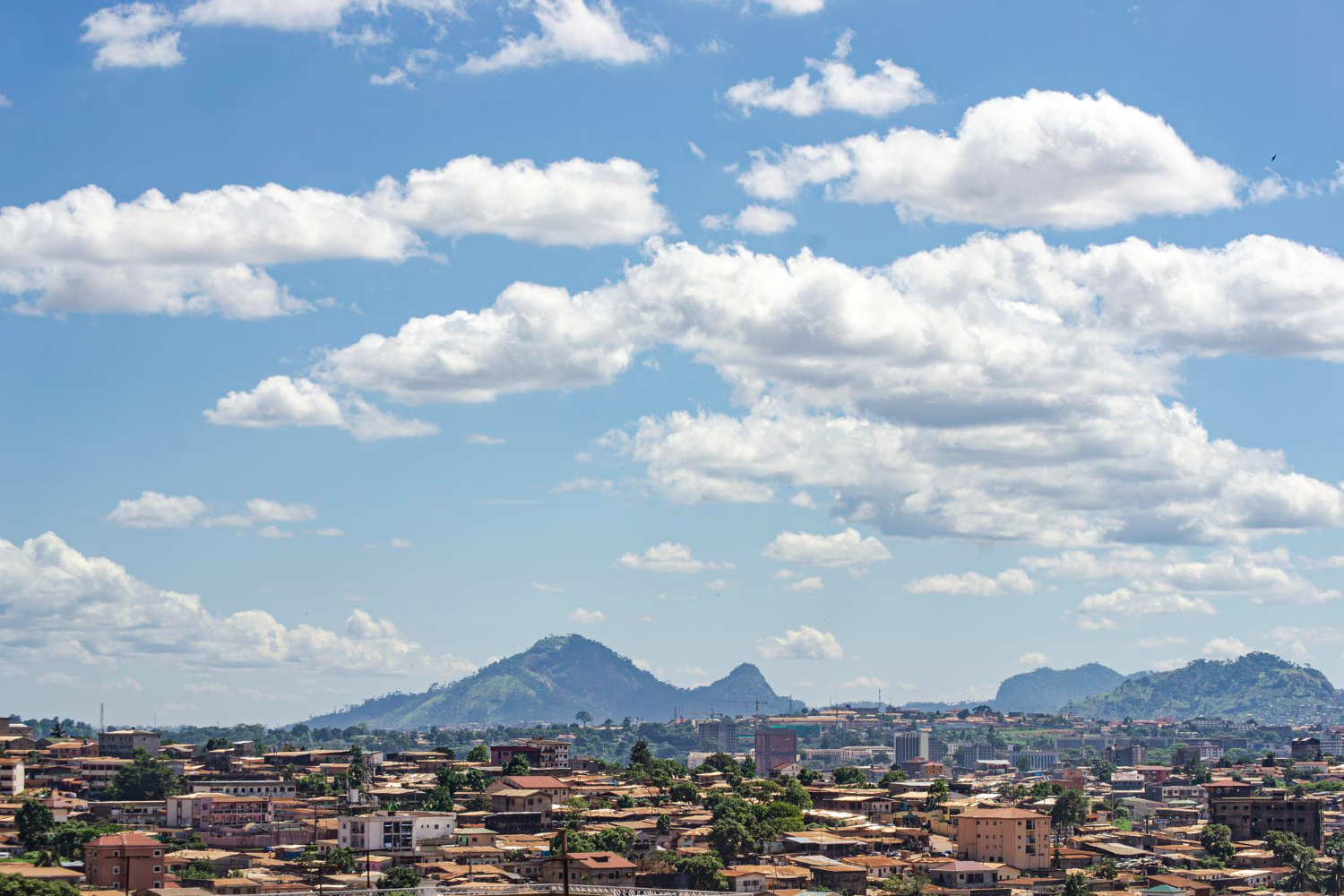
El Salvador‘s State Department advisory dropped from Level 3 to Level 1 in 2024 — a remarkable change tracking the country’s dramatic security improvement. El Salvador had historically been considered one of the most dangerous countries in the Western Hemisphere, with homicide rates among the highest in the world through 2015. The Bukele administration’s controversial crackdown on gang activity, beginning in 2022, reduced the homicide rate by over 90 percent. The country currently has one of the lowest homicide rates in Latin America. American perception has lagged the change substantially. El Salvador’s tourism infrastructure has expanded rapidly since 2023, with surfing destinations on the Pacific coast, the colonial city of Suchitoto, and Bitcoin-related fintech tourism drawing approximately 200,000 American visitors in 2024 — up from approximately 35,000 in 2020.
What the Pattern Reveals
The five countries above share a specific characteristic — American perception lags substantially behind current State Department assessment. The lag is typically driven by older news coverage that has not been updated, by movie and television depictions that have not refreshed, and by general American media patterns that produce more coverage of negative events than of sustained improvements. The State Department’s Travel Advisory system is the authoritative source for American travelers — and the current 2026 advisories for the five countries above place them at the same risk level as the most-visited European destinations. American travelers using outdated assumptions about international safety often miss substantial opportunities for affordable, culturally rich travel experiences.
What Travelers Should Actually Check

For any international trip, the State Department recommends three specific steps. First, check the current Travel Advisory for your specific destination, paying attention to which regions within the country receive specific avoidance recommendations. Second, enroll in the Smart Traveler Enrollment Program (STEP), which provides automatic alerts about the destination country and allows U.S. embassies and consulates to reach you in case of emergency. Third, review the State Department’s specific Country Information page, which covers entry requirements, local laws, health considerations, and embassy contact information.
The State Department also publishes a quarterly summary of country-by-country advisory level changes, allowing travelers to track recent changes. Several countries previously considered dangerous have improved substantially in recent years — Saudi Arabia (Level 2, down from Level 3 in 2024), Albania (Level 1), and Uzbekistan (Level 2) all represent dramatic improvements that American perception has not fully tracked. Conversely, several countries previously considered safe have moved to higher levels — Israel (Level 3 since October 2023), Ukraine (Level 4 since February 2022), and parts of the United Kingdom-listed advisory have moved upward. The pattern of advisory changes is dynamic and does not match popular American perception in most cases.
The Practical Implications

The practical implication for American travelers in 2026 is straightforward. The State Department’s advisory system is the authoritative source for international travel safety, and current advisories often diverge dramatically from popular American assumptions. Travelers willing to check the actual advisory levels — rather than relying on assumptions based on news coverage from years or decades earlier — gain access to a substantially wider set of feasible international destinations. The five countries above are not the only examples. Approximately 90 percent of countries worldwide currently sit at Level 1 or Level 2, equivalent to the most-traveled American destinations in Europe and Asia. The actual list of “dangerous” countries — Level 4 destinations the State Department specifically advises against visiting — is much shorter than most Americans assume and includes specific named countries: Iran, North Korea, Russia, Syria, Yemen, Afghanistan, Libya, Sudan, and Ukraine, plus several smaller territories. Beyond that Level 4 list, the global travel map is substantially more open than most American travelers realize.
Like our content? Follow us for more.