The 2026 FIFA World Cup runs from June 11 to July 19, 2026 across 16 cities in the U.S., Canada, and Mexico — the largest tournament in history. With 48 teams and 104 matches across 39 days, this is the biggest scheduled travel event of 2026. Here’s what to know for each host city.
The 2026 FIFA World Cup is unprecedented in scale. The tournament runs from Thursday, June 11 to Sunday, July 19, 2026 — 39 days. It features 48 teams, expanded from the previous format of 32. It includes 104 matches, up from 64 in Qatar 2022. It’s hosted across 16 cities in three countries — the United States, Canada, and Mexico — making it the first World Cup ever hosted by three nations.
The opening match takes place at Estadio Azteca in Mexico City on June 11, with host nation Mexico playing South Africa. The final takes place at MetLife Stadium in East Rutherford, New Jersey on July 19. Coldplay has been confirmed to perform a Super Bowl-style halftime show at the final.
For travelers, this is the biggest scheduled travel event of 2026. Hotel rates in host cities will surge during match weeks. Flights between cities will fill quickly during knockout rounds. Restaurants near stadiums will book out months in advance. Transit systems in some cities will be strained beyond their normal capacity.
Whether you’re attending matches, traveling for work near the tournament, or just trying to avoid the chaos, knowing what’s happening in each host city is genuinely useful. Here are all 16 host cities with key dates and what travelers should know about each one.
United States — 11 cities, 78 matches including all quarterfinals onward
1. Los Angeles — SoFi Stadium (Inglewood)
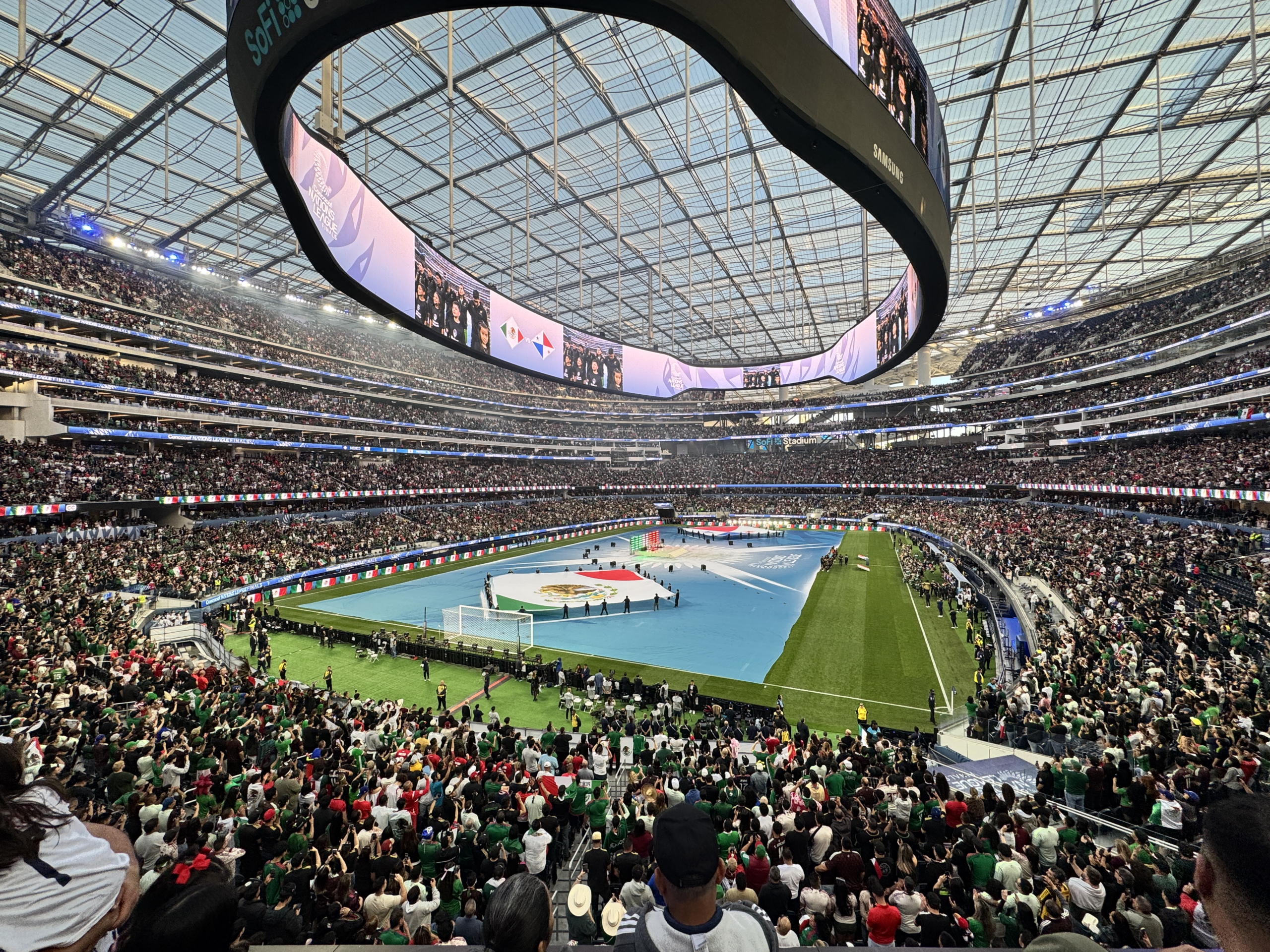
LA hosts 8 matches including a quarterfinal. Most notable: the United States plays its opening match here on June 12 against Paraguay. The stadium is in Inglewood, near LAX — close enough to the airport that international travelers can attend matches without ground transit chaos.
LA is also hosting the NBA All-Star Weekend February 13-15, 2026, plus various other major events throughout 2026. Hotel rates during World Cup matches will be 50-100% above normal. The Inglewood and Hollywood areas will see the most disruption; downtown LA and Santa Monica will be busy but less affected.
2. New York/New Jersey — MetLife Stadium (East Rutherford, NJ)
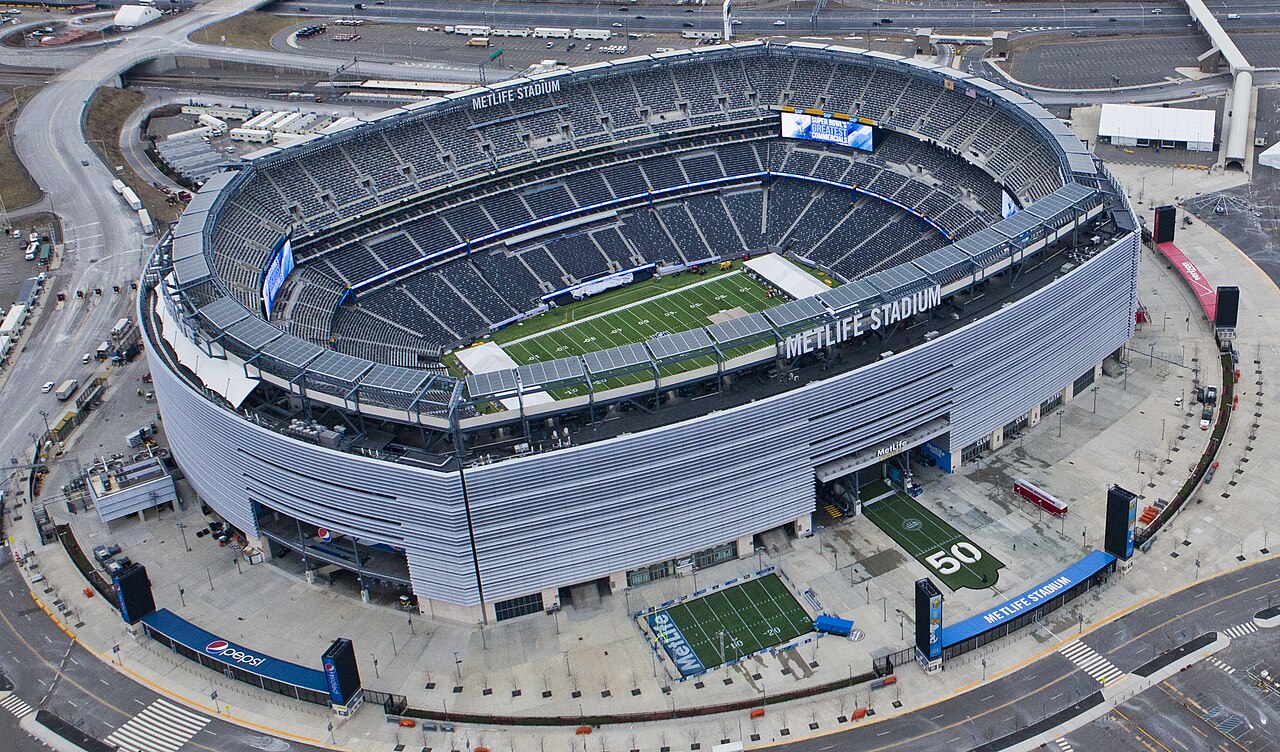
MetLife hosts 8 matches including the World Cup Final on July 19. The stadium is located across the Hudson River from Manhattan, accessible via NJ Transit train but requiring more planning than NYC subway access.
The Final is the single most-anticipated match of the tournament. Hotel availability in NYC, New Jersey, and connecting cities (Philadelphia, Stamford CT) will be effectively impossible to find without booking far in advance. Manhattan hotel rates are projected to triple normal levels for the week leading to the final.
3. Boston — Gillette Stadium (Foxborough, MA)
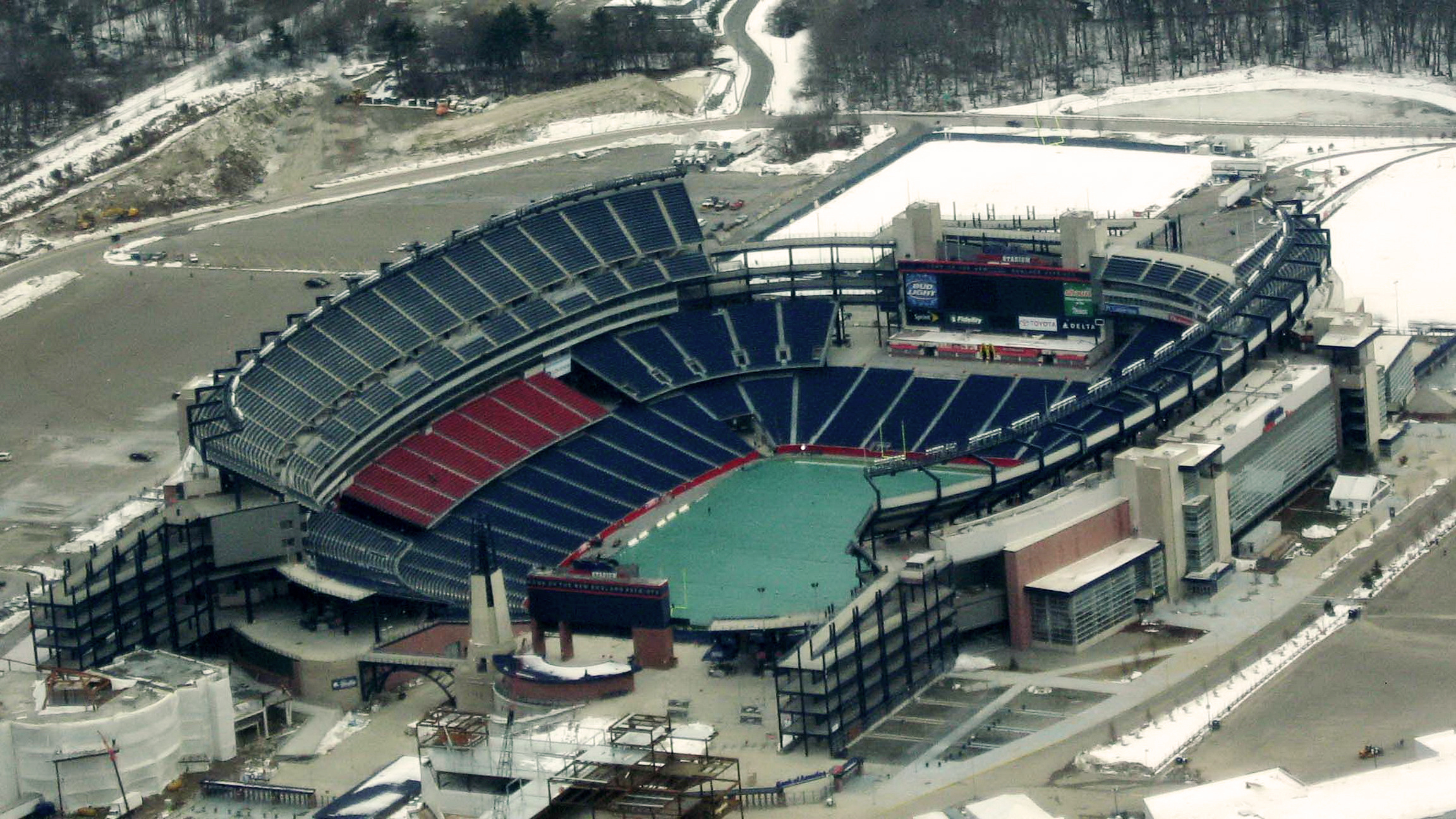
Gillette hosts 7 matches including a quarterfinal. The stadium is approximately 30 miles south of Boston in Foxborough — closer to Providence, Rhode Island than to Boston proper. Most travelers will base in Boston and commute. Public transit to Foxborough is limited; expect heavy traffic on match days.
Boston’s existing tourism infrastructure (excellent for non-soccer-specific reasons) will absorb the World Cup demand reasonably well. Travelers planning unrelated 2026 New England trips should avoid match dates entirely.
4. Philadelphia — Lincoln Financial Field
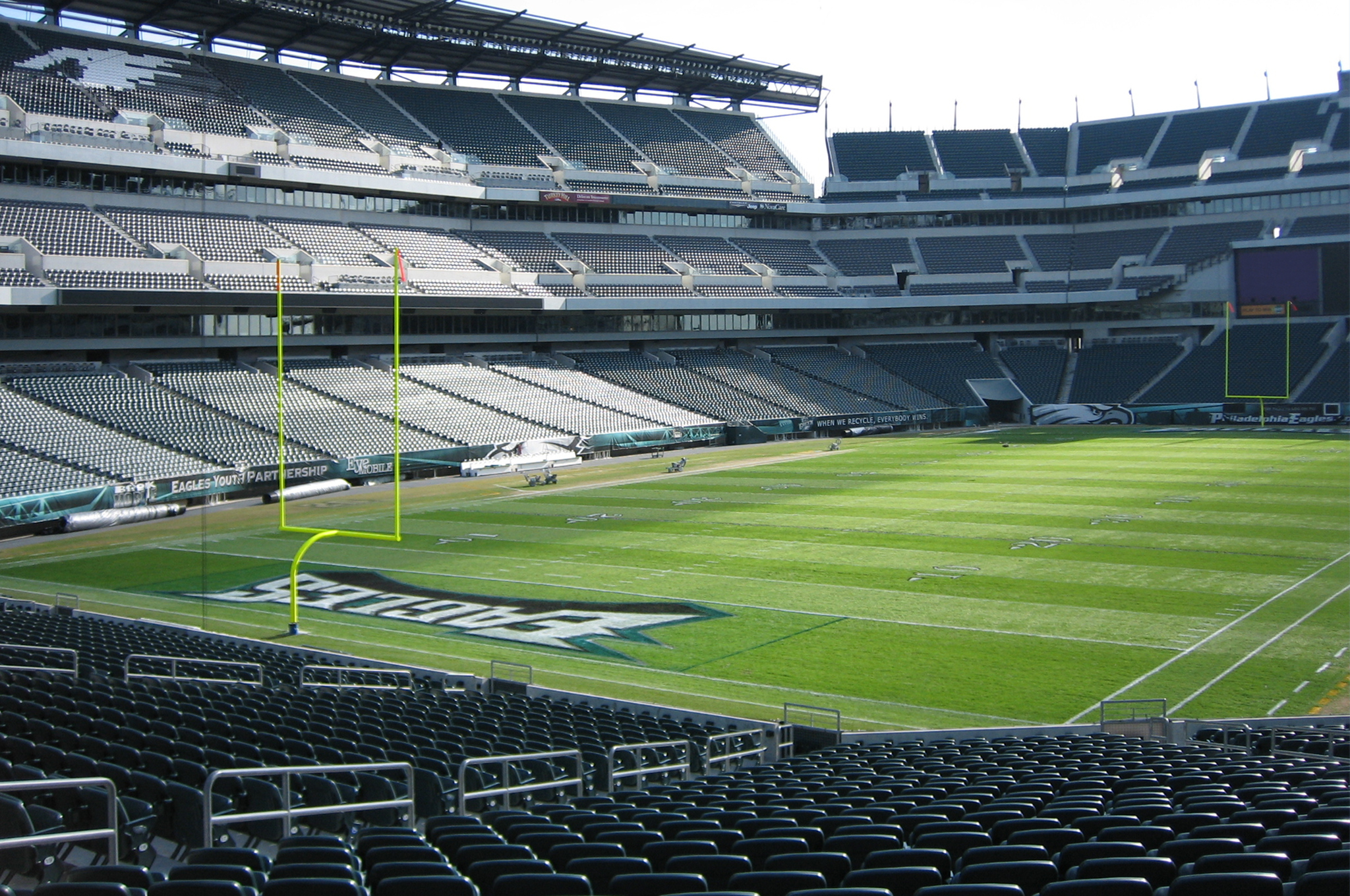
The Linc hosts 6 matches. Philadelphia is among the more accessible host cities — strong transit, walkable downtown, good food scene. The South Philly stadium complex is a short distance from Center City.
5. Miami — Hard Rock Stadium
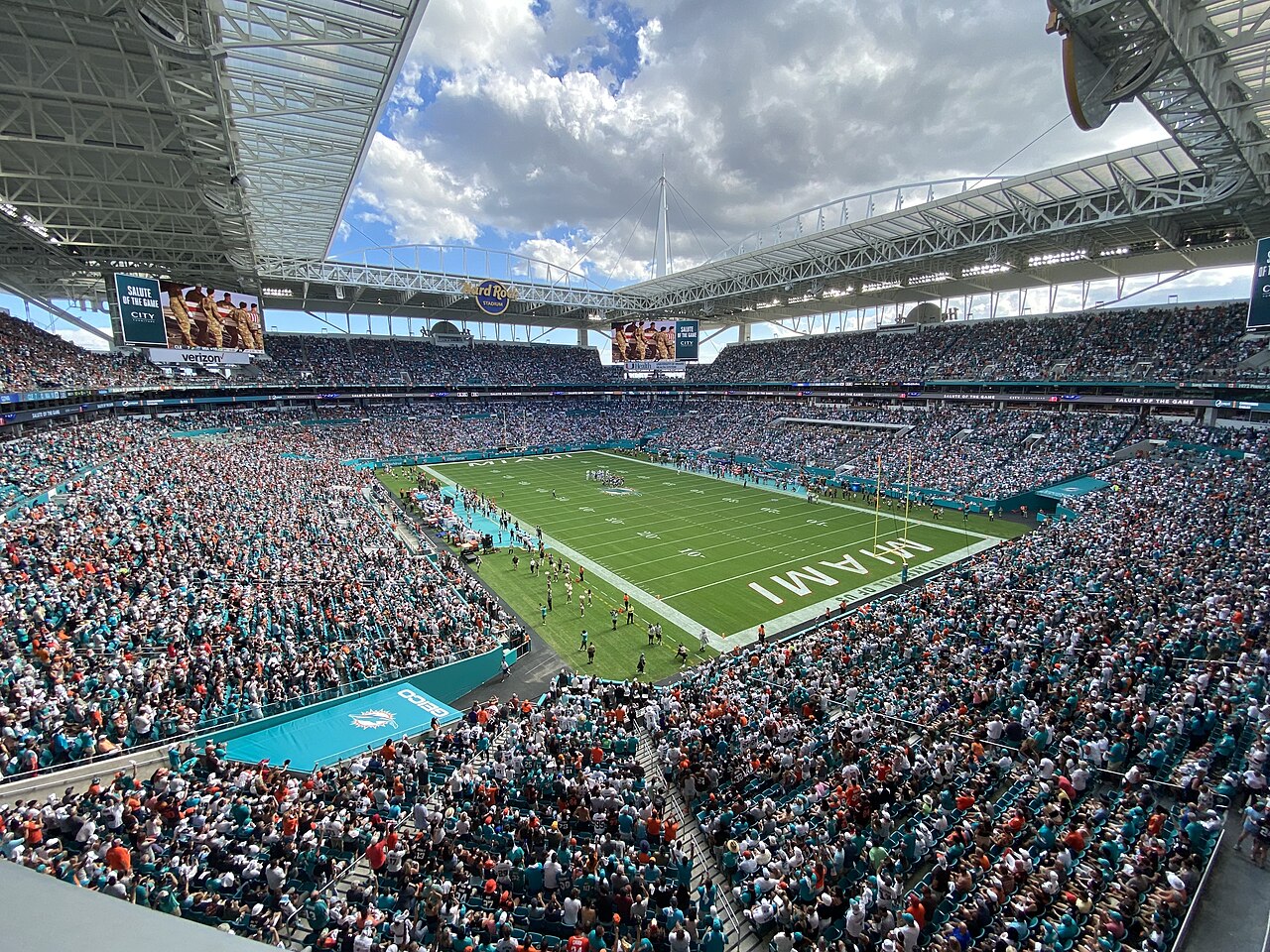
Hard Rock hosts 7 matches including a quarterfinal. Located in Miami Gardens (north of downtown Miami), the stadium requires car or rideshare access from typical tourist areas (Miami Beach, Brickell, Coconut Grove).
Miami’s combination of summer heat (June-July temperatures consistently in the 90s with high humidity), hurricane season (June 1 marks the start), and existing tourism saturation makes this one of the more challenging host cities for casual travelers. Stadium temperatures during June-July day matches will be brutal.
6. Atlanta — Mercedes-Benz Stadium
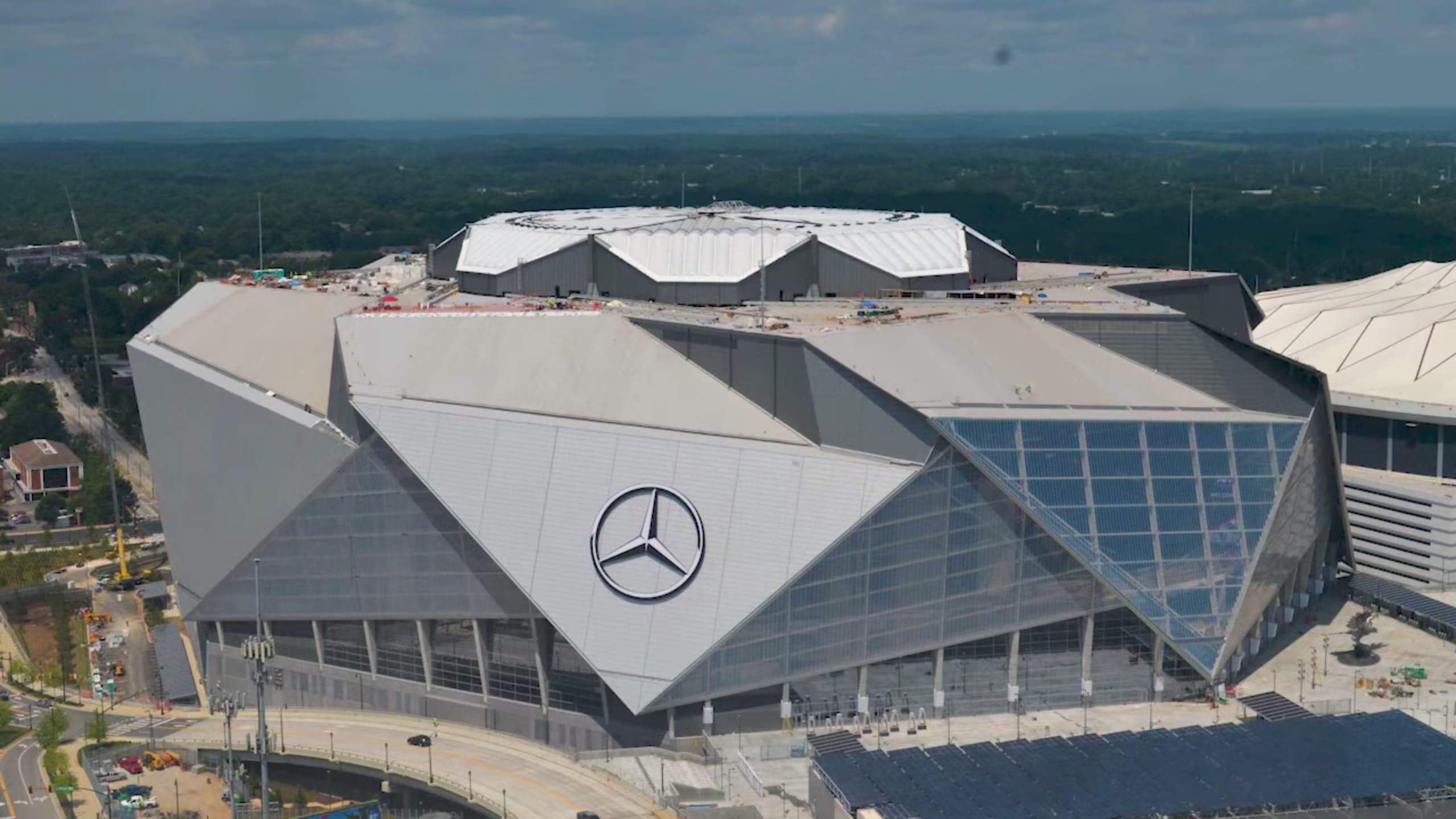
Mercedes-Benz Stadium hosts 8 matches including a semifinal on July 15. The stadium has a retractable roof and air conditioning — making it one of the more comfortable venues for summer matches.
Atlanta is well-positioned as a hub for travelers using the largest airport in the world (Hartsfield-Jackson). The semifinal will produce extreme demand on the city’s hospitality infrastructure.
7. Dallas — AT&T Stadium (Arlington, TX)
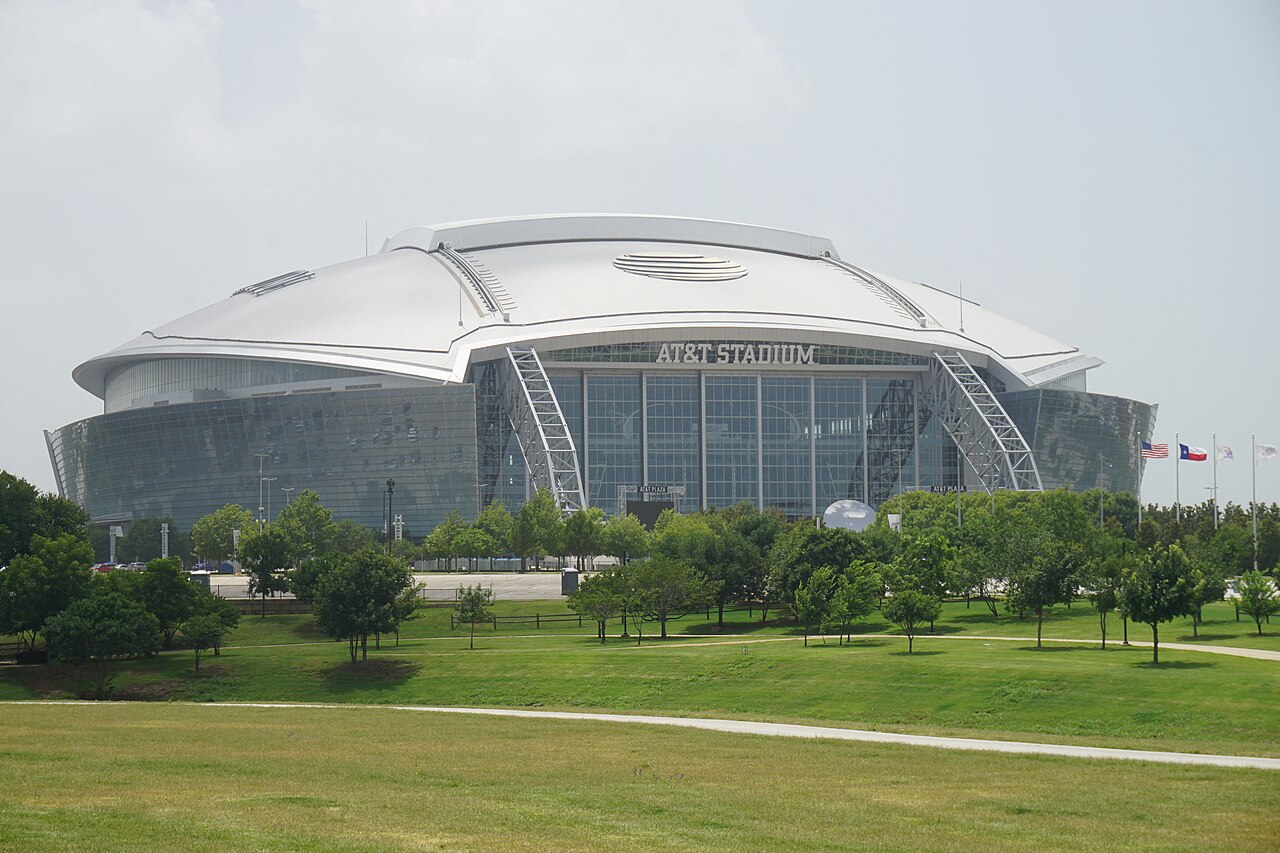
AT&T Stadium hosts 9 matches including a semifinal on July 14 — the most matches of any U.S. venue. The stadium is in Arlington, between Dallas and Fort Worth. The dome with retractable roof provides air conditioning during the brutal Texas summer heat.
The semifinal on July 14 will be the largest tourism event in Dallas-Fort Worth for the entire year. Hotel rates throughout the metroplex will be significantly elevated for the week.
8. Houston — NRG Stadium
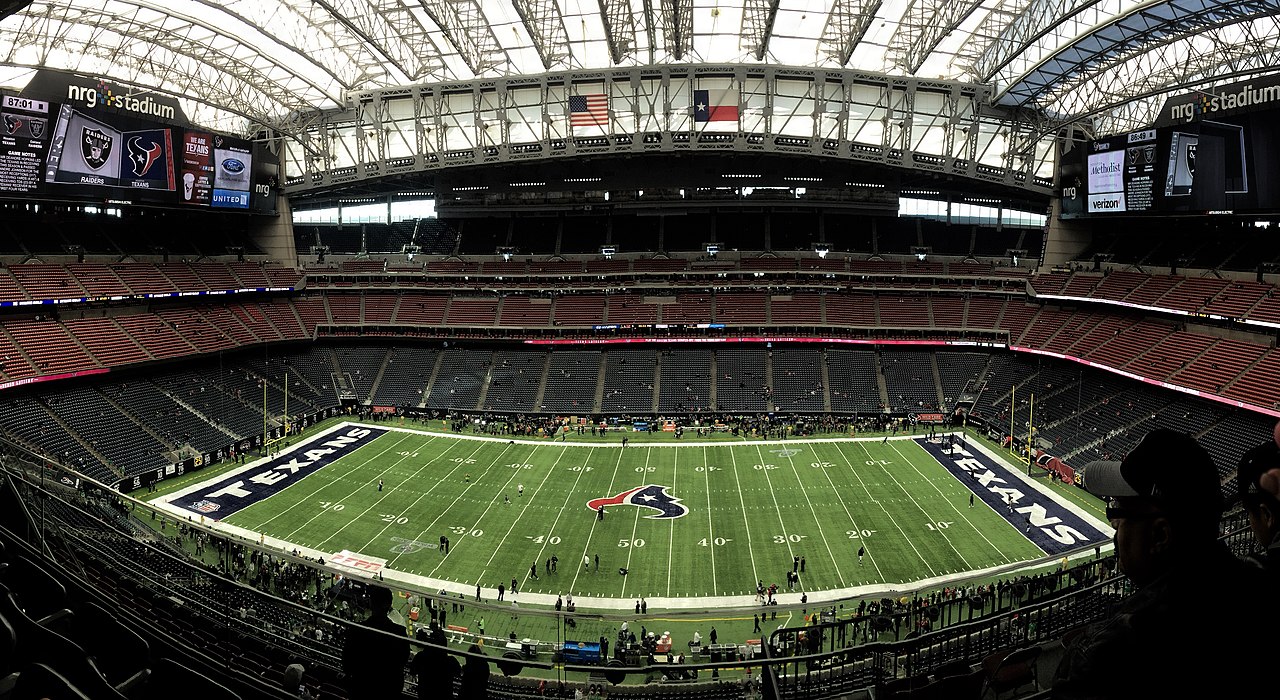
NRG Stadium hosts 7 matches. The stadium is south of downtown Houston, accessible by car or rideshare. Like Dallas, NRG has air conditioning that makes matches comfortable in Texas summer heat.
Houston’s hospitality infrastructure is substantial and the city should absorb World Cup demand without extreme strain — though specific match dates will see significant rate spikes.
9. Kansas City — GEHA Field at Arrowhead Stadium
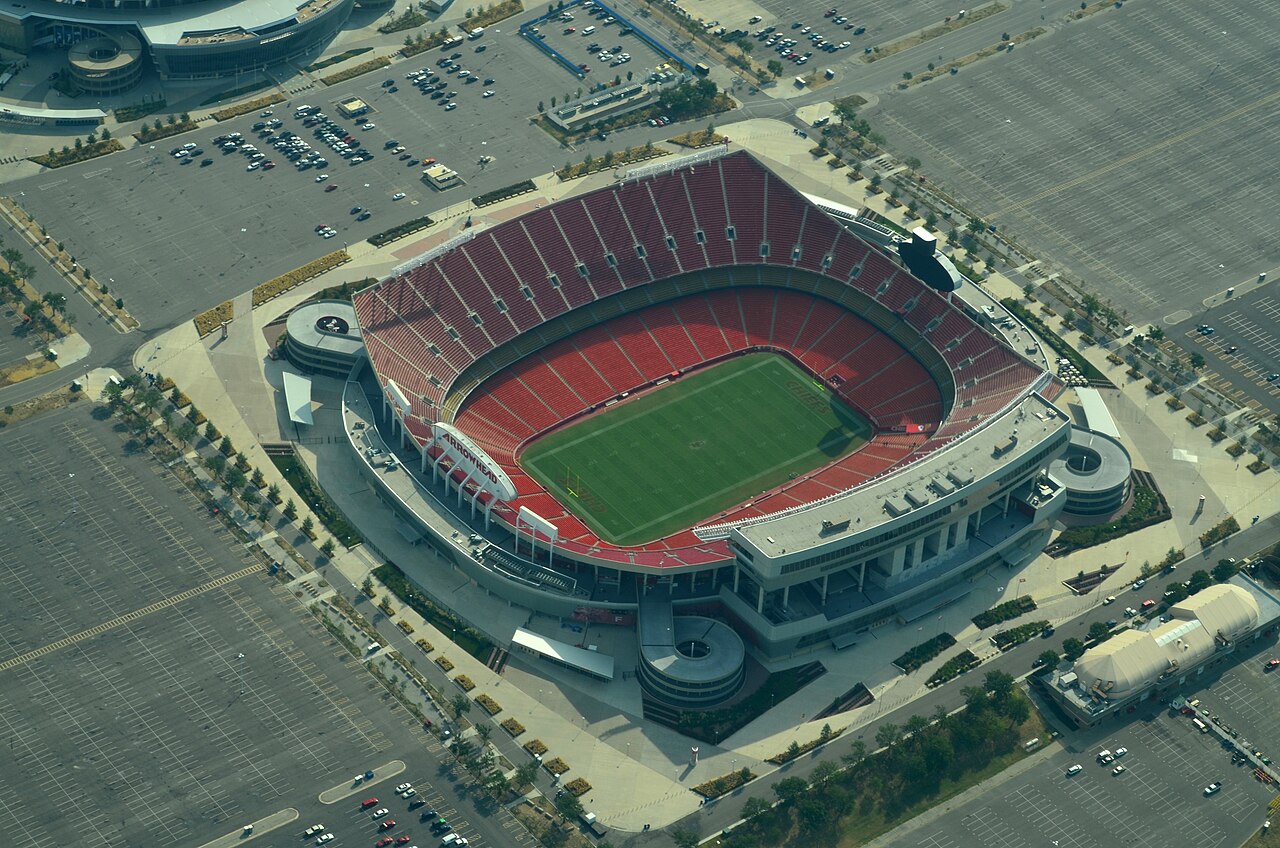
Arrowhead hosts 6 matches including a quarterfinal. The stadium is in Kansas City, Missouri (technically in the broader KC metropolitan area). Kansas City has been emerging as a destination food city in recent years; the World Cup attention may accelerate that recognition.
Argentina’s group stage match against Algeria on June 16 is here. The Argentine traveling fan presence is expected to be substantial.
10. Seattle — Lumen Field
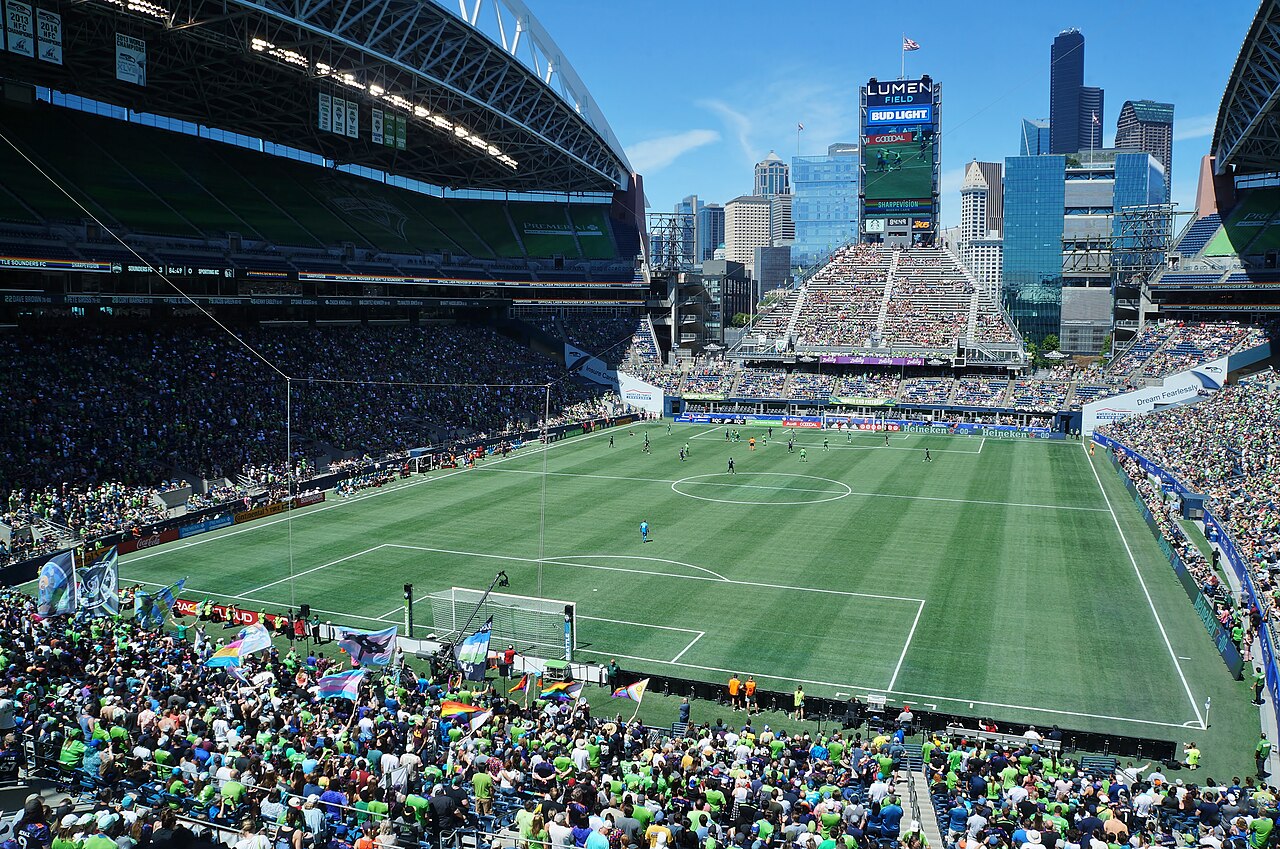
Lumen Field hosts 6 matches. The stadium is in downtown Seattle, easily accessible via light rail and walkable from many hotels. This makes Seattle one of the most logistically convenient host cities for fan attendance.
Seattle’s June-July weather is genuinely pleasant (60s-70s°F) — a major contrast with the Texas, Florida, and Mexico venues. For travelers wanting World Cup atmosphere without extreme heat, Seattle is among the best options.
11. San Francisco Bay Area — Levi’s Stadium (Santa Clara, CA)
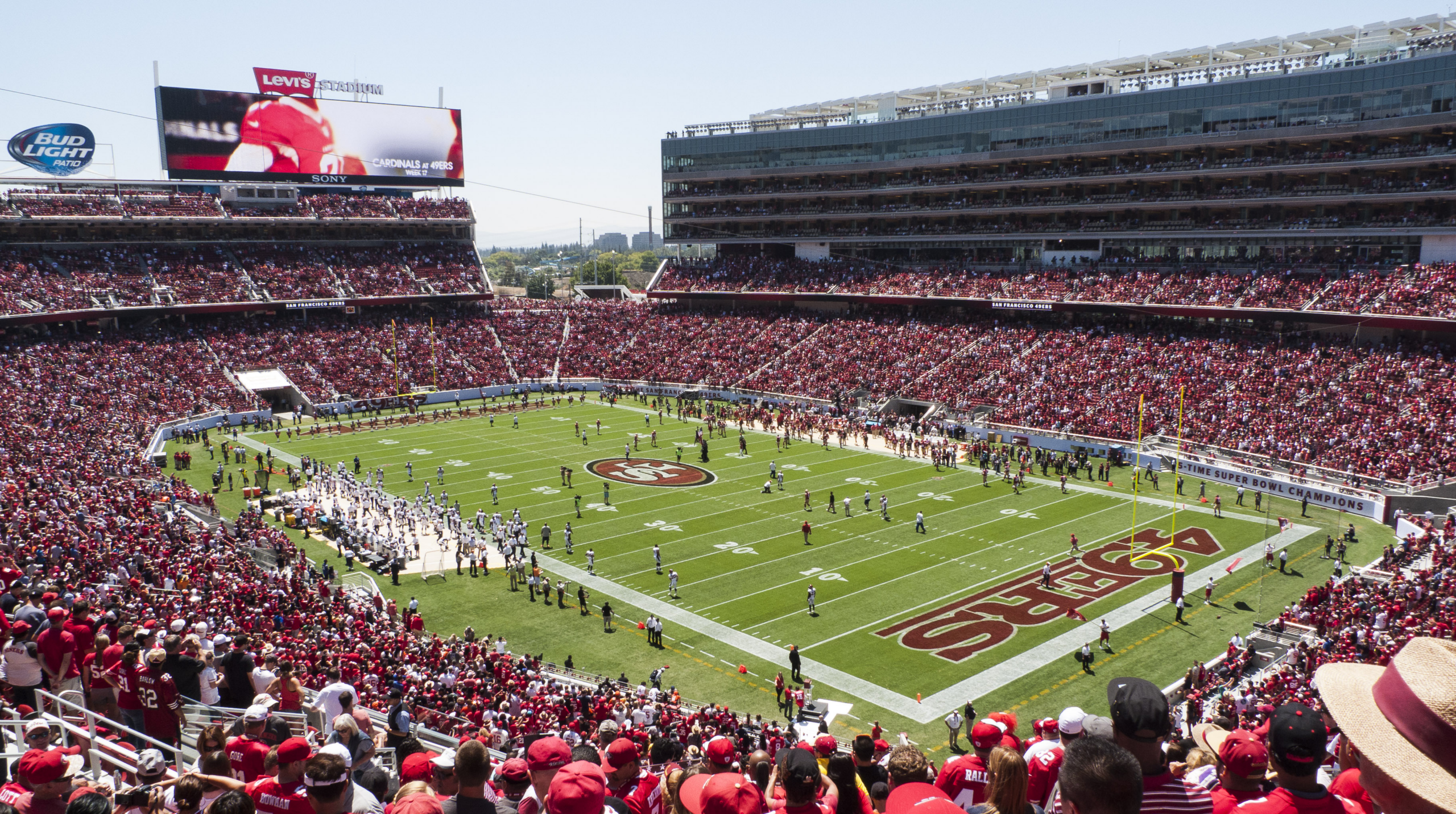
Levi’s Stadium hosts 6 matches. Located in Santa Clara (south of San Francisco proper, in Silicon Valley), the stadium requires car or rideshare access from most Bay Area tourist destinations.
Bay Area summer weather is comfortable — typically 60-70°F in June-July with cool evenings. The combination of weather, food scene, and tourism infrastructure makes the Bay Area one of the more pleasant host city experiences.
Canada — 2 cities, 13 matches
12. Toronto — BMO Field
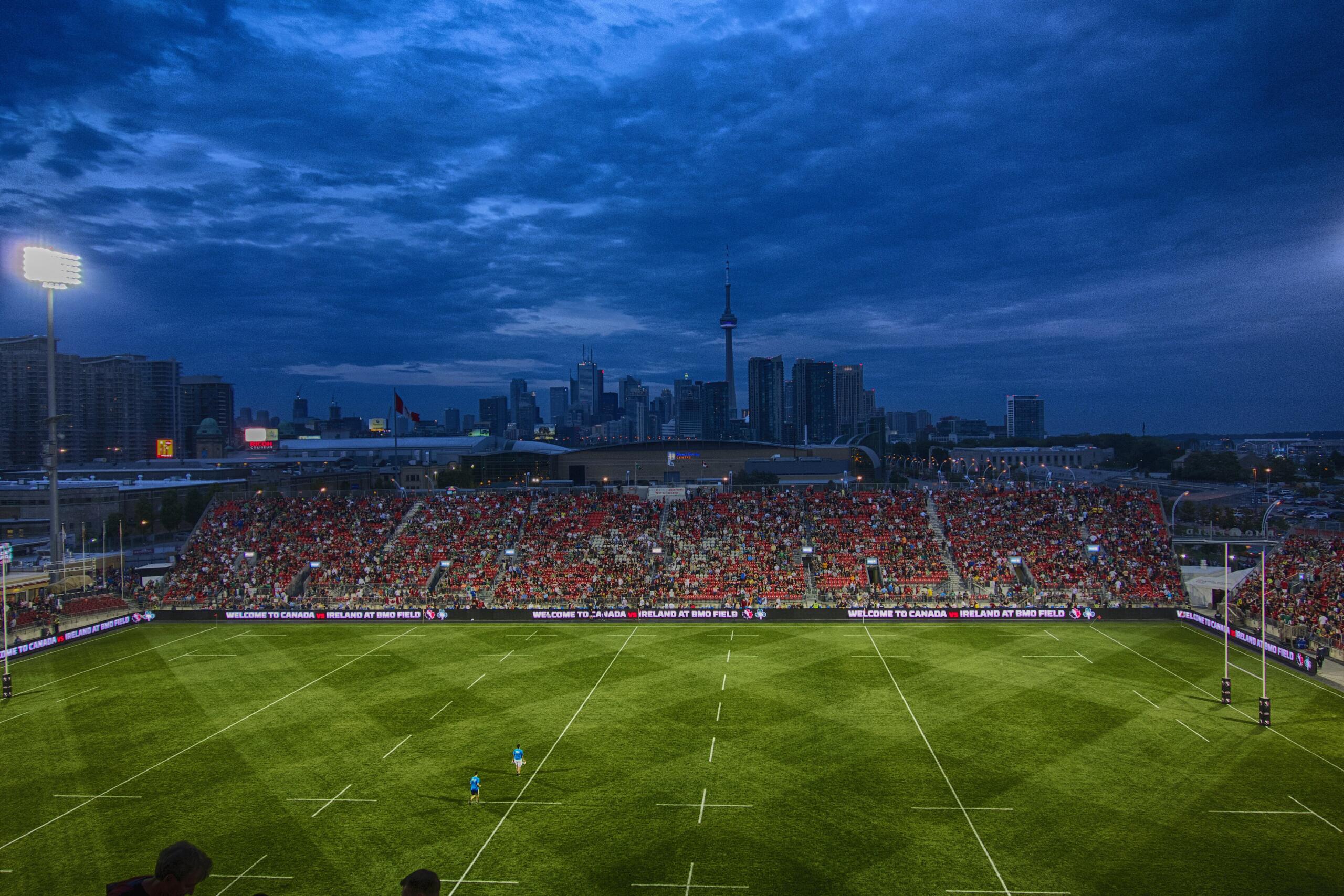
BMO Field hosts 6 matches, all in the group stage and Round of 32. Canada plays its opening match here on June 12 against Bosnia & Herzegovina. The stadium has been expanded from 30,000 to 45,500 capacity specifically for the World Cup.
Toronto’s existing tourism infrastructure is substantial. The CN Tower, the Distillery District, the Toronto Islands, and numerous food and cultural attractions provide non-soccer activities for travelers. June-July weather is mild (70s°F).
13. Vancouver — BC Place
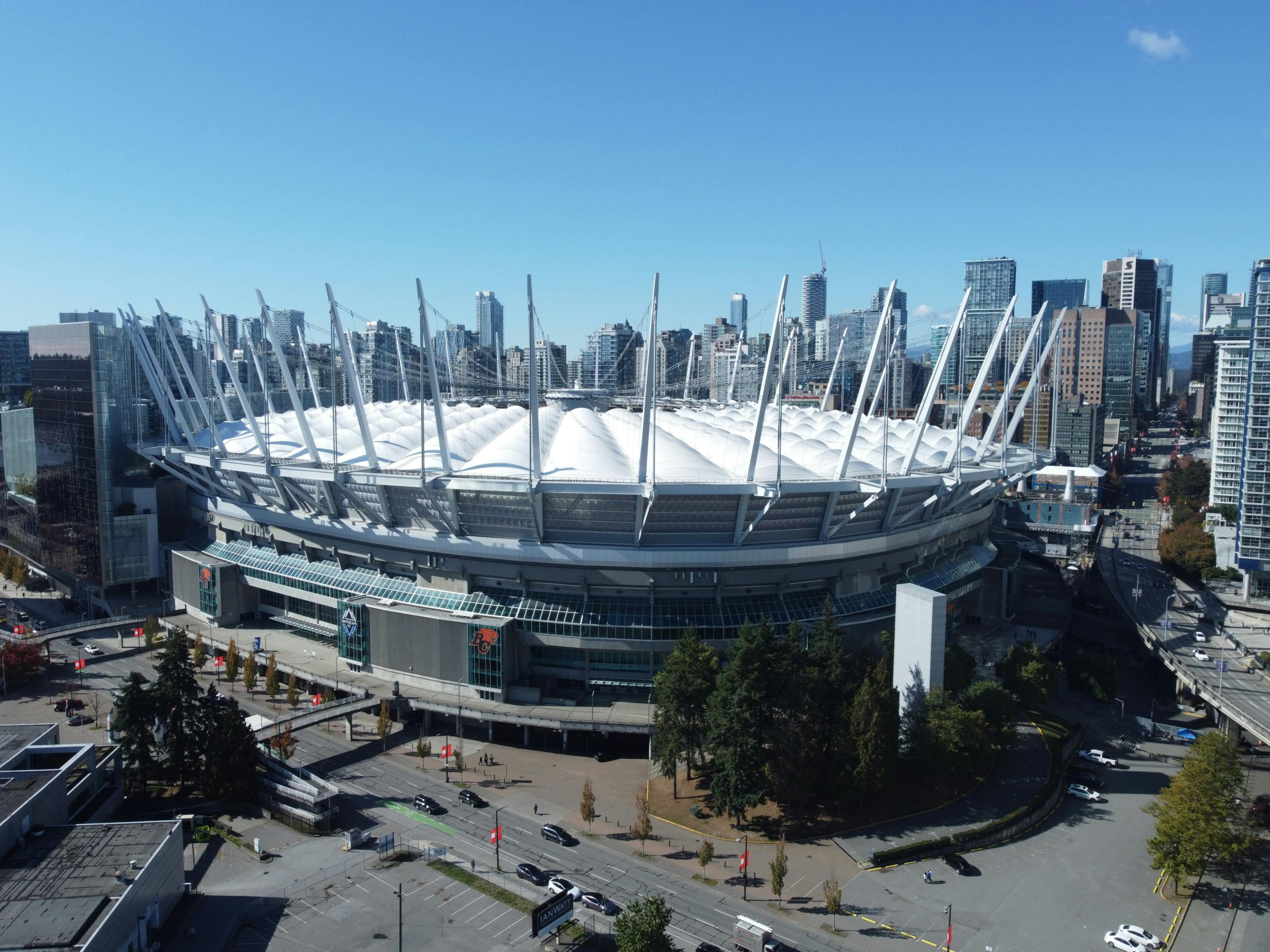
BC Place hosts 7 matches. Vancouver’s June-July weather is genuinely beautiful (70°F days, low humidity, long daylight hours). The combination of mountain access (Whistler is 90 minutes north), Pacific coast access, and city culture makes Vancouver one of the most appealing match destinations.
Canada plays its second and third group stage matches in Vancouver. Canadian fan demand will be substantial.
Mexico — 3 cities, 13 matches
14. Mexico City — Estadio Azteca
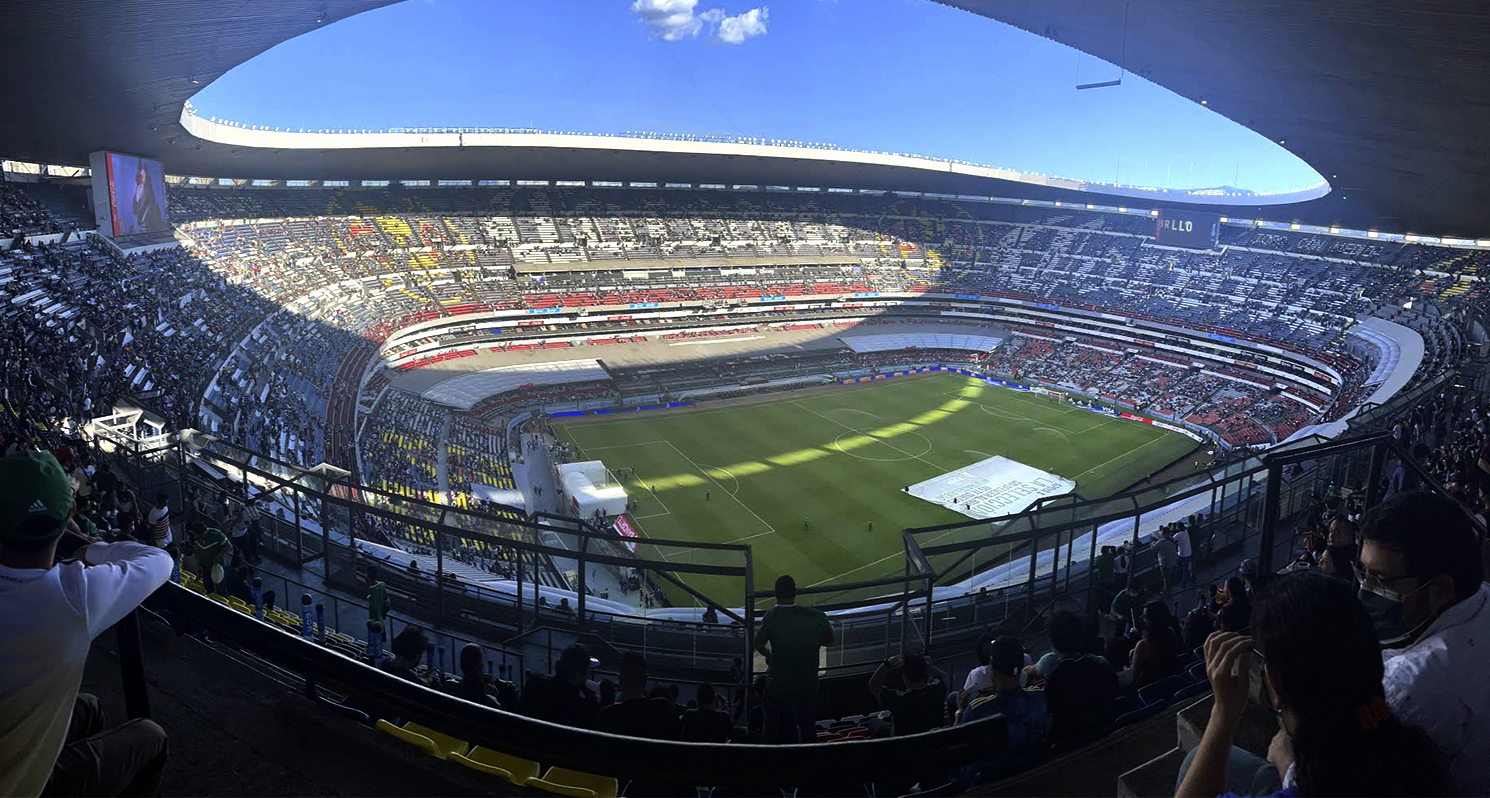
The historic Estadio Azteca hosts the opening match (Mexico vs. South Africa, June 11) plus 4 additional matches including a Round of 32 game. The stadium previously hosted both the 1970 and 1986 World Cup finals — making it the first stadium to host opening matches at three different World Cups.
Mexico City is the only national capital among the three host countries selected as a venue (Ottawa and Washington, D.C. were not chosen). The combination of hosting the opening match plus Mexico City’s existing food scene attention (the Mexico City food scene piece in this batch covers this in detail) makes the city the most-watched destination of the World Cup outside of the Final venue.
15. Guadalajara — Estadio Akron (Zapopan, Mexico)
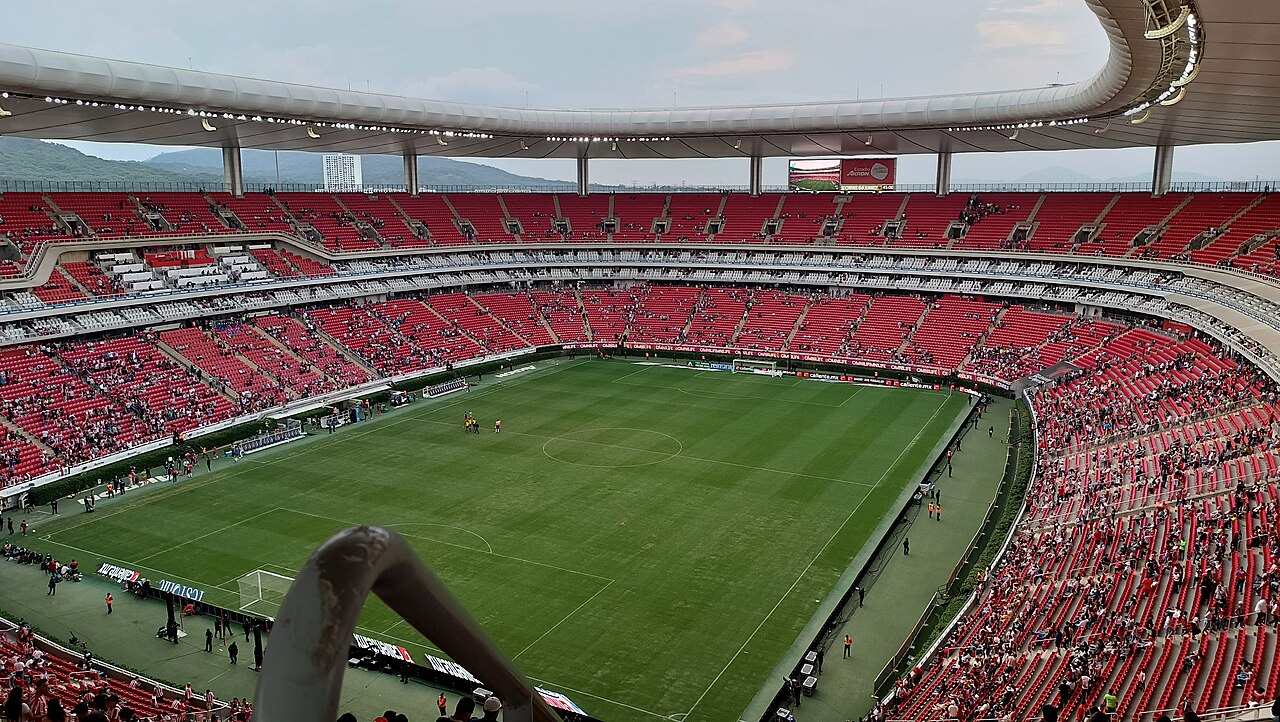
Estadio Akron hosts 4 matches in the group stage. Guadalajara is Mexico’s second-largest city, with a strong cultural identity (mariachi music, tequila origin, tradition of cazuela dining) distinct from Mexico City.
For travelers wanting Mexican culture beyond Mexico City, Guadalajara is genuinely worth visiting independent of the World Cup attention.
16. Monterrey — Estadio BBVA
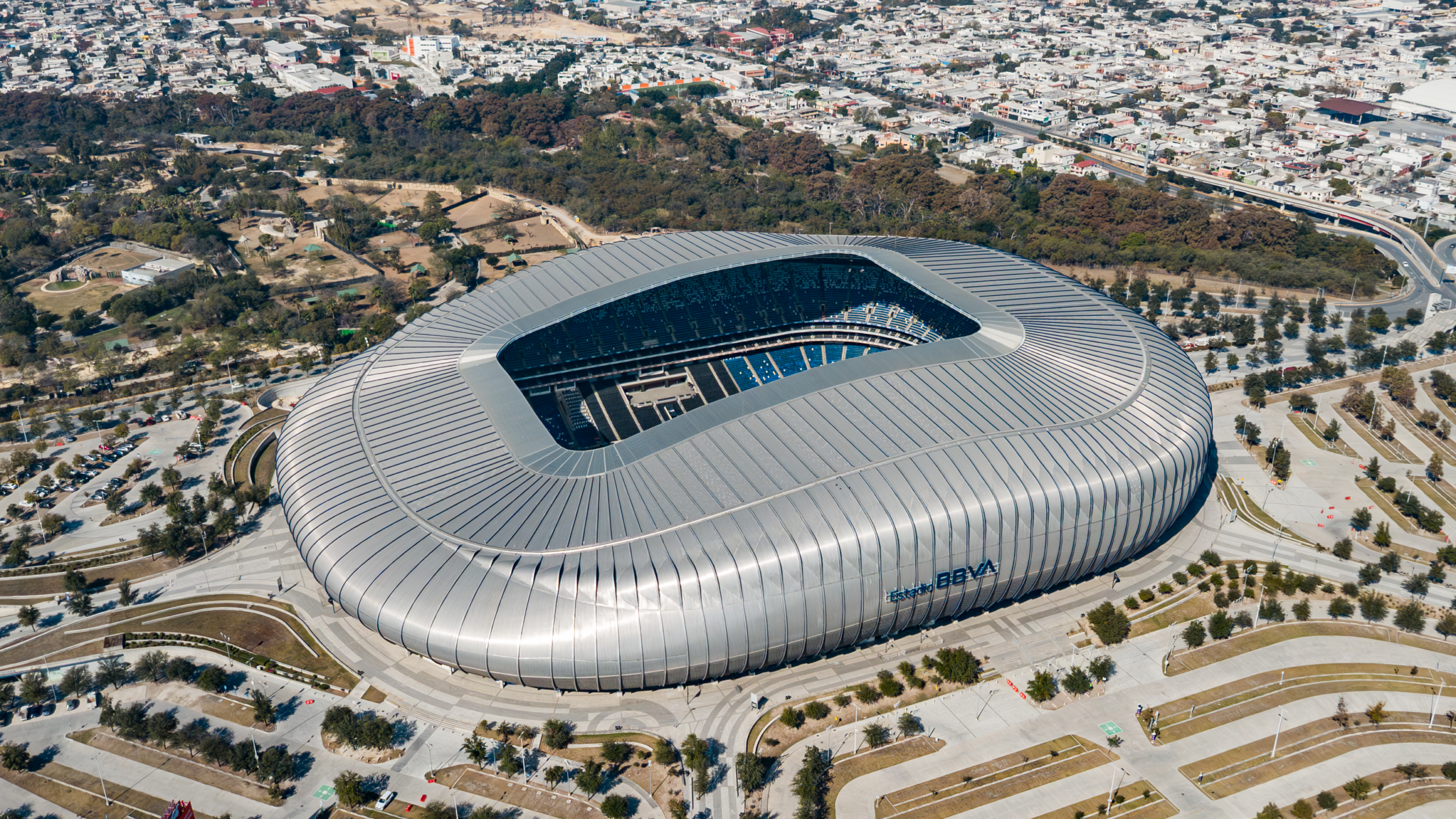
Estadio BBVA hosts 4 matches in the group stage and Round of 32. Monterrey is Mexico’s industrial powerhouse and has been overshadowed by Mexico City and Guadalajara as a tourist destination — but its proximity to dramatic mountain landscapes (Cerro de la Silla) and strong food culture (its own variety of carne asada) make it interesting.
The June-July heat in Monterrey can be extreme (consistently 90s°F). Travelers without strong soccer interest should consider other Mexican destinations.
What travelers should actually know
Several practical considerations for anyone potentially affected by the 2026 World Cup:
Match tickets are extremely difficult to get. FIFA’s official ticket allocation process closed in early 2026. Remaining tickets are available through FIFA’s resale platform, On Location (the official hospitality partner), and unofficial secondary markets. Prices for late availability are significantly above face value — typically 3-10x for popular matches.
The Round of 32 is new for 2026. Previous World Cups had 32 teams in 8 groups, with the top 2 from each group advancing to the Round of 16. The 2026 format has 48 teams in 12 groups of 4, with the top 2 plus 8 best third-place teams advancing to the new Round of 32 (June 28 – July 3). This adds a full round to the tournament and extends the bracket complexity.
Knockout rounds happen mostly in U.S. cities. All quarterfinals (July 9-11), semifinals (July 14-15), and the Final (July 19) take place in the United States. Quarterfinals are at Boston, Kansas City, Miami, and Los Angeles. Semifinals are at Dallas (July 14) and Atlanta (July 15). The Final is at MetLife (NYC/NJ).
Travel between cities will be strained. Flights between major host cities (LA-NYC, Dallas-Boston, etc.) will see significant capacity strain during knockout rounds when teams advance and fans follow. Booking flights between cities should happen as soon as match progression is clear — within hours of a team’s advancement, not days later.
Hotel rates spike dramatically. Match-day and surrounding-day hotel rates in host cities will be 50-150% above normal. Mid-tier hotels often outperform luxury hotels in availability during peak demand because their pricing flexibility is more limited.
Restaurants near stadiums are essentially booked. Restaurants within walking distance of host stadiums will have 1-3 month waitlists for match days. Travelers who want to dine before or after matches should book months in advance, not days.
The opening and final cities will be the most strained. Mexico City (June 11 opening) and the NYC/NJ region (July 19 Final) will see the most extreme tourism demand. Travelers planning unrelated trips should avoid these cities during these dates entirely.
Smaller host cities may be more comfortable. Kansas City, Seattle, Vancouver, and the Mexican host cities outside of Mexico City may produce better travel experiences (less strained infrastructure, more authentic local culture) than the major media markets.
Transit infrastructure will be stressed. Most U.S. host stadiums require driving or rideshare access. Public transit options are limited at most American venues compared to typical European stadium infrastructure. Plan transportation logistics carefully — 30-90 minute pre-match travel times are typical even with planning.
Security will be elevated. Both for matches themselves and for related events (fan zones, FIFA Fan Festival sites in each host city). Travelers should expect TSA-level security at stadium entrances and significant police presence in host cities throughout the tournament.
Weather considerations matter. U.S. host cities outside of Seattle and San Francisco will have hot summer weather (often 90s°F with humidity in southern cities). Stadium air conditioning varies — Atlanta, Dallas, Houston, and Las Vegas have indoor or retractable-roof venues; most other U.S. venues are open-air.
For travelers wanting to attend the World Cup, the practical recommendation is straightforward: choose your specific match priorities now, book flights and accommodations immediately even before securing match tickets (you can attend even without tickets via FIFA Fan Festival sites in each host city), and accept that the experience will be expensive and crowded but genuinely memorable.
For travelers wanting to avoid the World Cup, the practical recommendation is also clear: avoid the 16 host cities during their match dates and the days surrounding them. Plan U.S. travel for 2026 to other destinations (Pacific Northwest, mountain states, smaller East Coast cities) during June 11 – July 19 if at all possible.
The 2026 World Cup will produce some of the most memorable sporting moments of the decade. It will also produce significant disruption to typical travel patterns across North America. Knowing which cities are affected and when produces dramatically better trip planning, regardless of whether you’re a soccer fan or trying to avoid the spectacle entirely.