While the concept of true “cop-free zones” is generally an exaggeration in the U.S., official crime data, internal police reporting, and community studies confirm that certain neighborhoods present acute operational hazards for law enforcement. These areas are characterized by a high frequency of violent incidents, deep-seated social challenges, and pervasive distrust, forcing police to limit routine patrols, coordinate large backup teams, or handle calls with extreme caution. For readers seeking insight into the complexities of urban safety, here are 15 neighborhoods experts and community stakeholders identify as profoundly challenging and high-risk environments for officers.
Brownsville, Brooklyn, New York

Brownsville is frequently associated with chronically high rates of violent crime and the challenges inherent in concentrated public housing. NYPD precinct data consistently places the 73rd Precinct among New York’s most volatile due to high volumes of gun violence, robbery, and poverty-driven assaults. These conditions make even routine policing tasks complex and inherently risky, particularly within its dense housing complexes.
East Flatbush, Brooklyn, New York
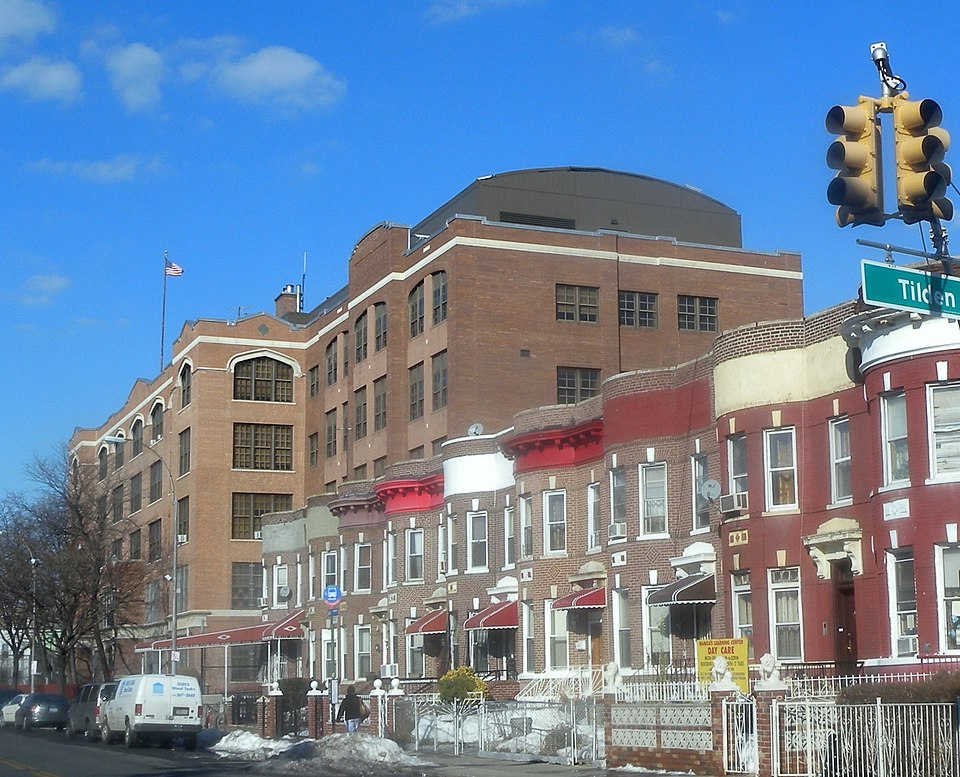
The 67th Precinct, which serves East Flatbush, reports historically elevated rates of violent crime, including serious assaults and armed robberies. Sociologists analyzing the area note that entrenched economic disparities and historical under-investment have contributed to ongoing dangers for both residents and officers conducting street stops or criminal investigations.
Sandtown-Winchester, Baltimore, Maryland
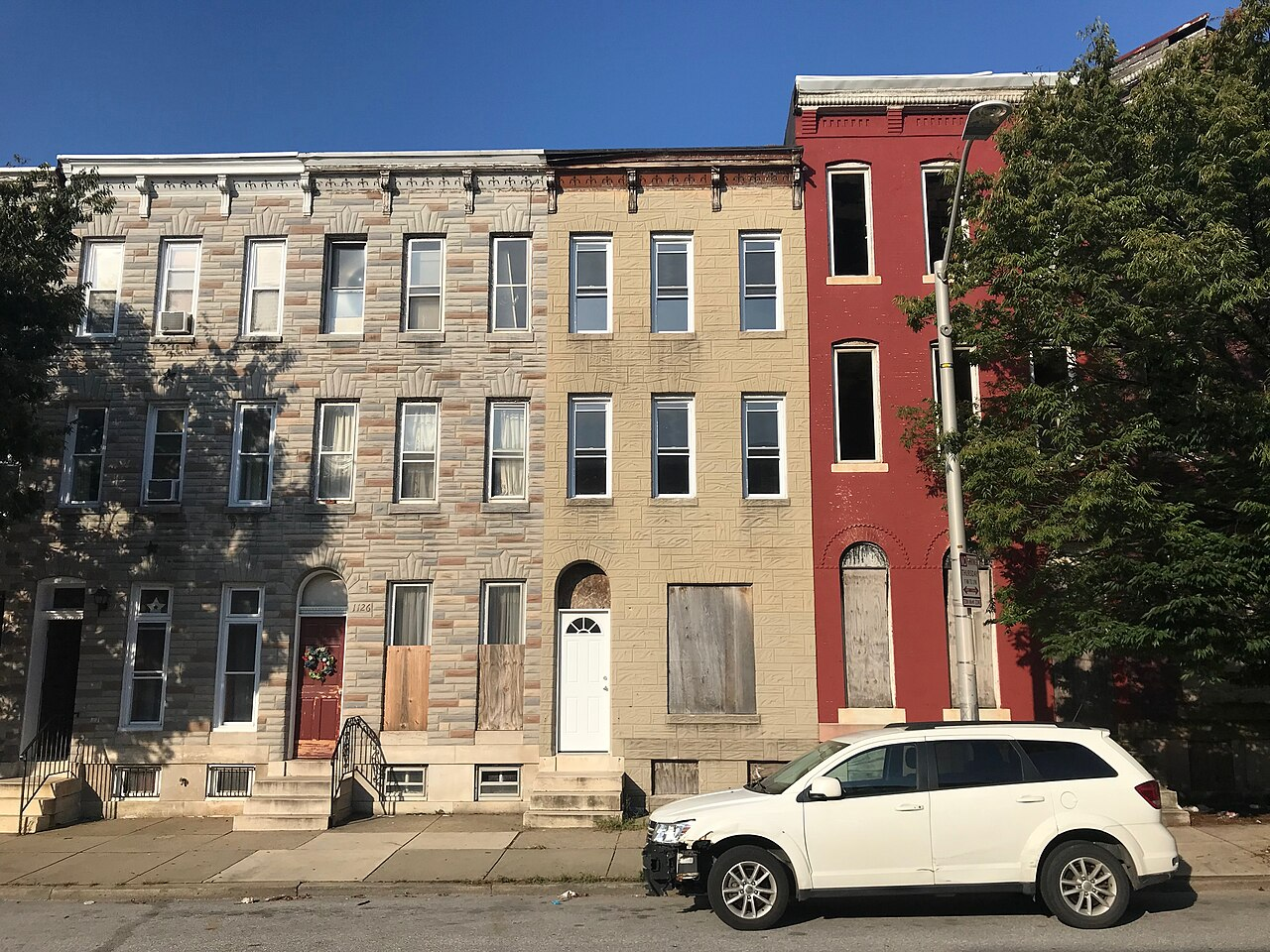
This neighborhood gained national prominence during the unrest following Freddie Gray’s death. Crime statistics confirm that Sandtown-Winchester remains a critical hotspot for violent crime in Baltimore, placing exceptional strain on police operations. Reports from local residents and former officers suggest that police often stage responses from the perimeter rather than entering certain high-risk blocks on routine patrols.
Englewood, Chicago, Illinois
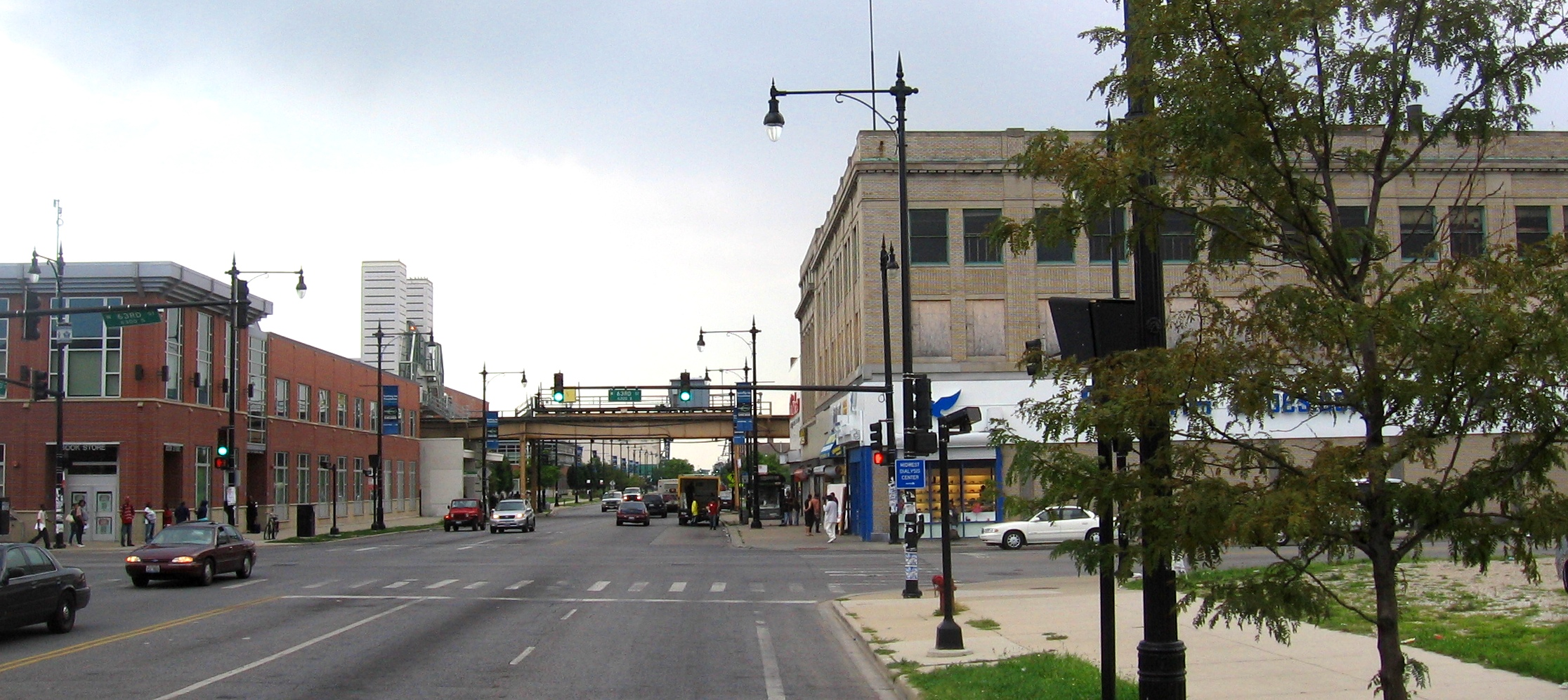
Englewood, located on Chicago’s South Side, is regularly featured in crime data due to its severe challenges with violent crime. According to police and community analysis, persistent gang warfare and high rates of gun violence make both routine foot patrols and proactive policing extremely risky and resource-intensive for the Chicago Police Department (CPD).
West Garfield Park, Chicago, Illinois
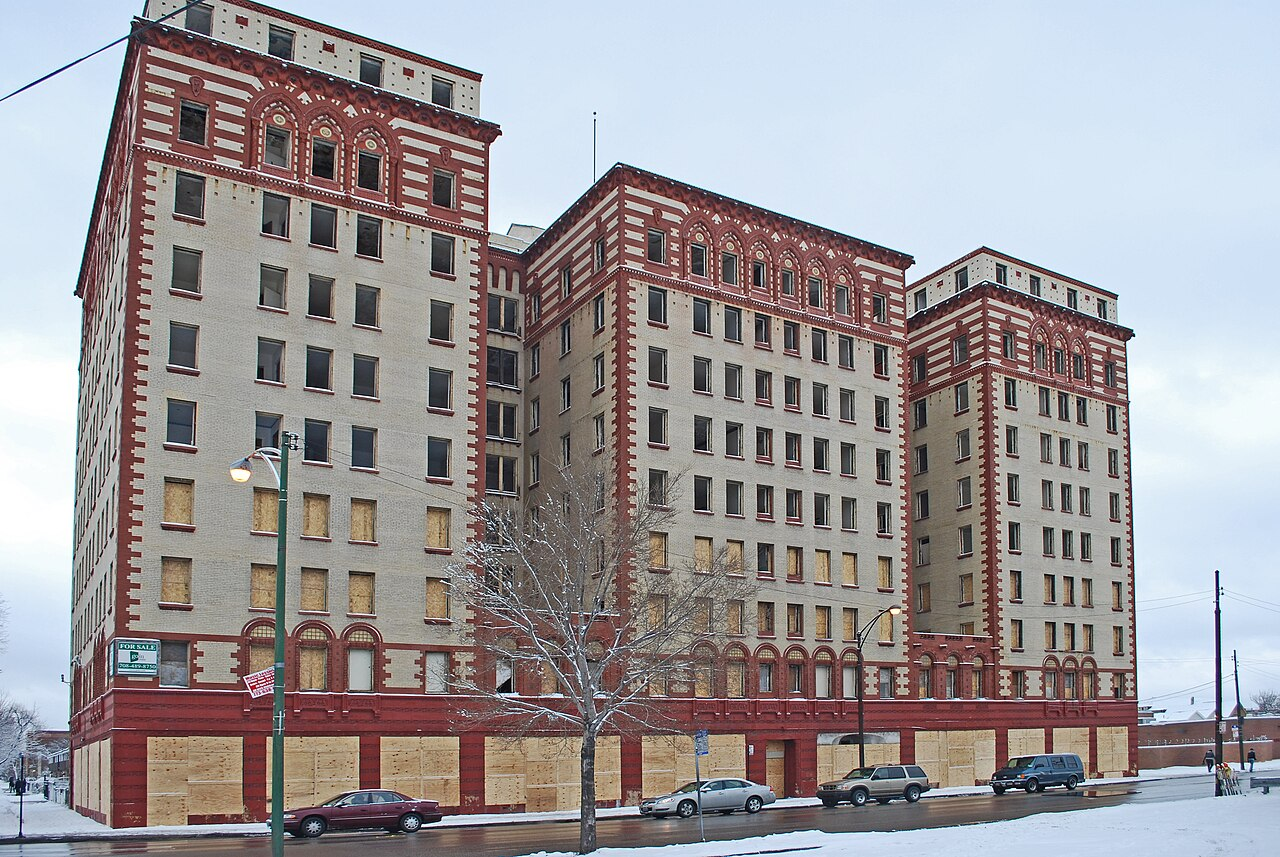
Located on the city’s West Side, West Garfield Park faces sustained public safety issues. Local policing statistics consistently highlight high frequencies of drug trafficking, frequent shootings, and retaliatory violence. The concentrated intensity and unpredictable nature of these incidents necessitate that officers proceed with stringent caution and operational deliberation.
North Memphis, Tennessee
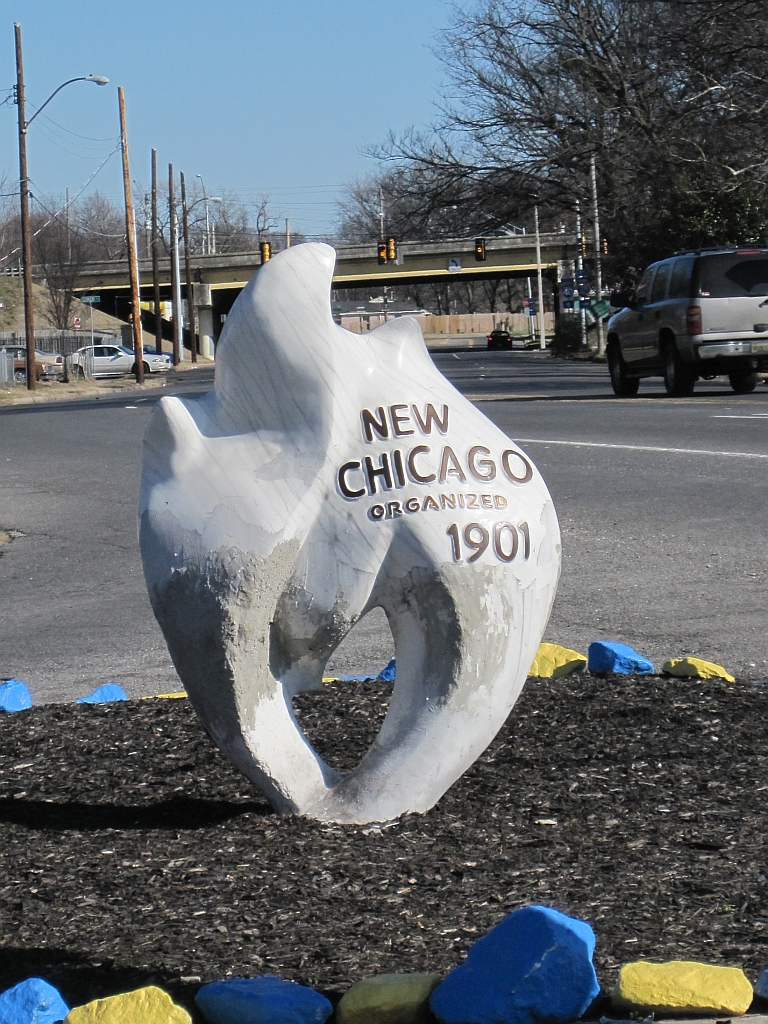
Specific areas within North Memphis are frequently cited in crime reports for their elevated rates of homicides and aggravated assaults. Community leaders indicate that the combination of frequent violent incidents and limited resources contributes to a restrained approach by local police, favoring discreet presence over aggressive community-policing initiatives.
South Memphis, Tennessee
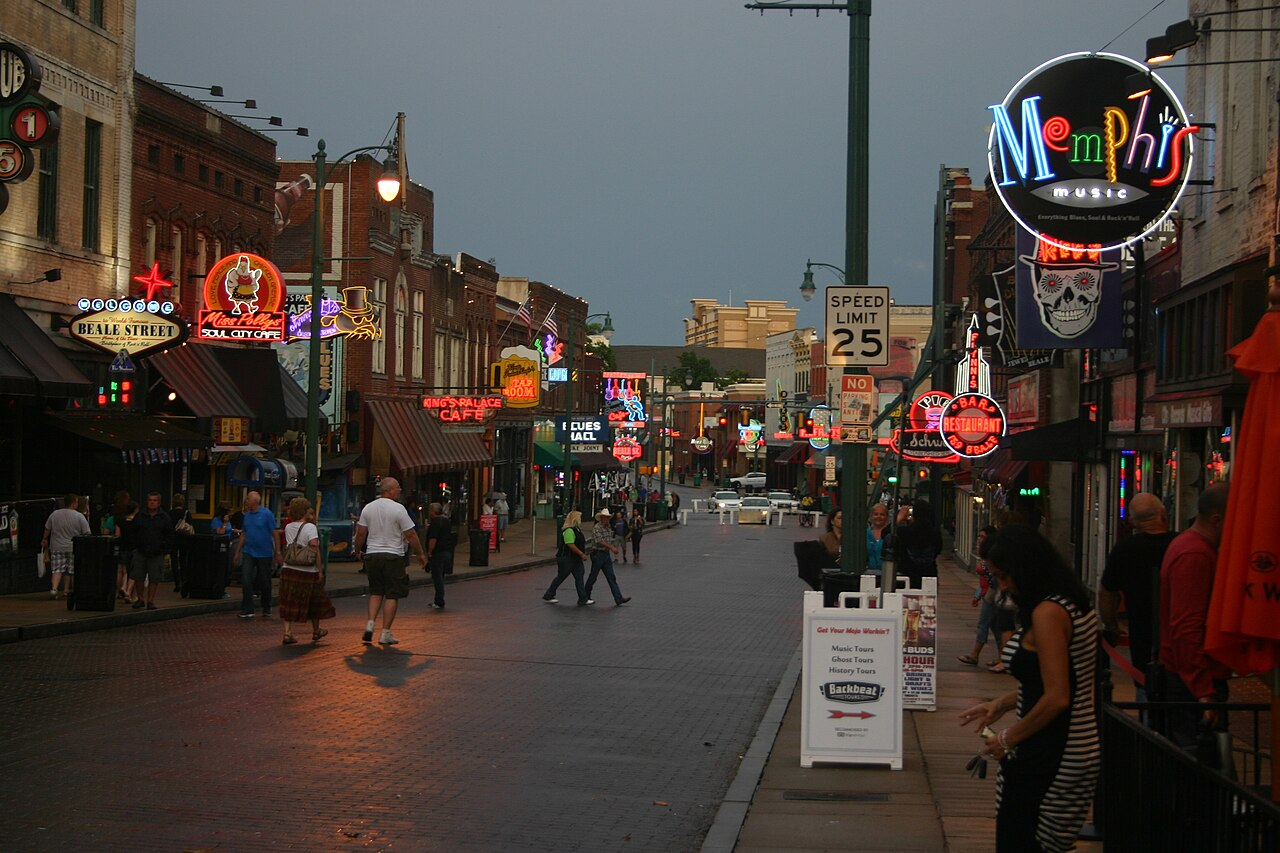
South Memphis continues to be identified as a high-crime area in official municipal reports and public safety assessments. The interplay between severe poverty, concentrated gang influence, and inadequate social services creates highly dangerous conditions. Officers have identified specific, dangerous “hot corridors” where mandatory backup is always required due to ongoing violent activity.
Over-the-Rhine, Cincinnati, Ohio
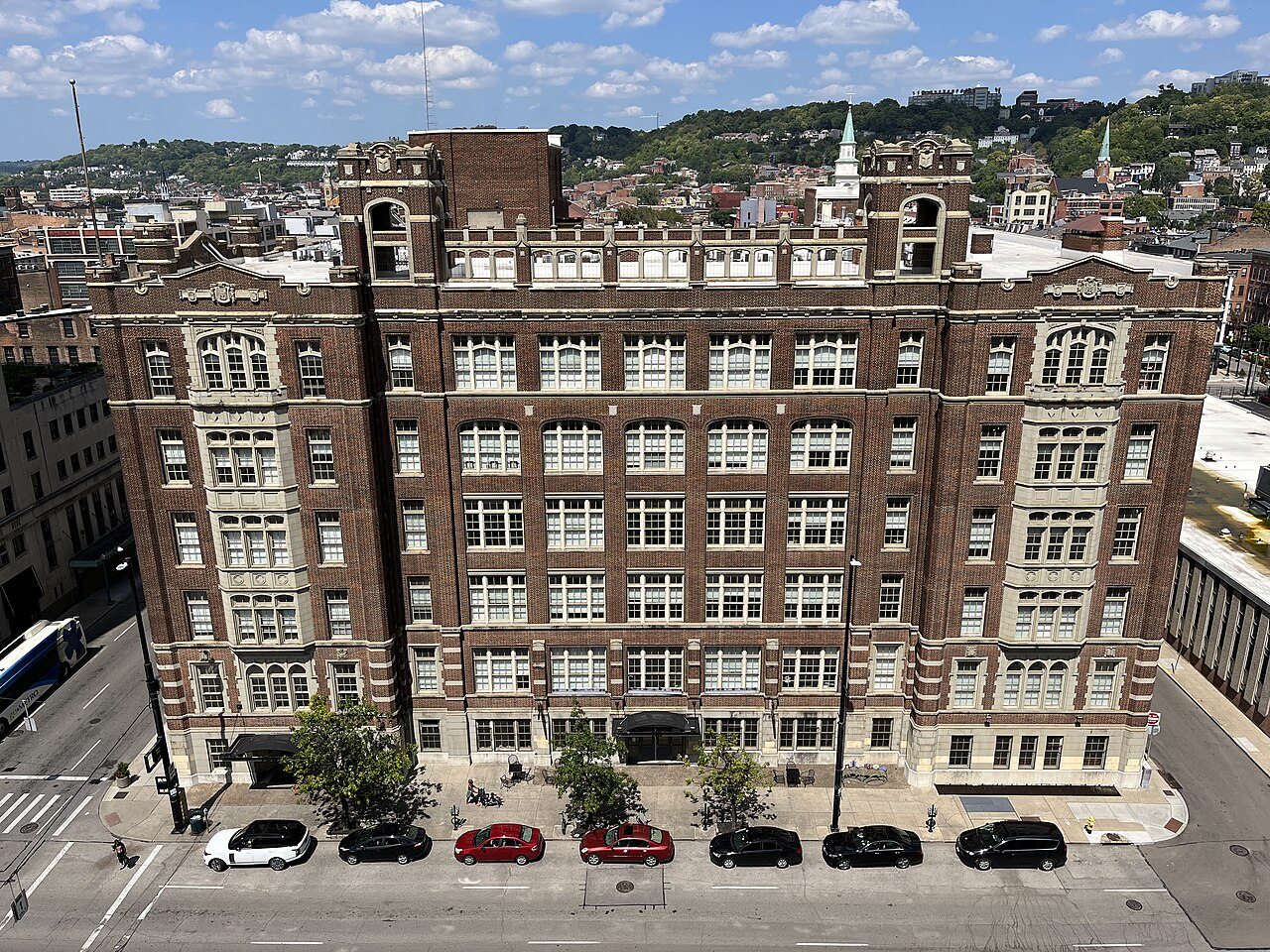
While Over-the-Rhine is celebrated for its historic architecture and ongoing revitalization, public safety professionals report that it still bears a significant burden of violent crime. Detailed reporting shows that while redevelopment is underway, gun violence and drug activity remain highly concentrated in certain blocks, severely complicating the reliable deployment of routine foot patrols.
East St. Louis, Illinois
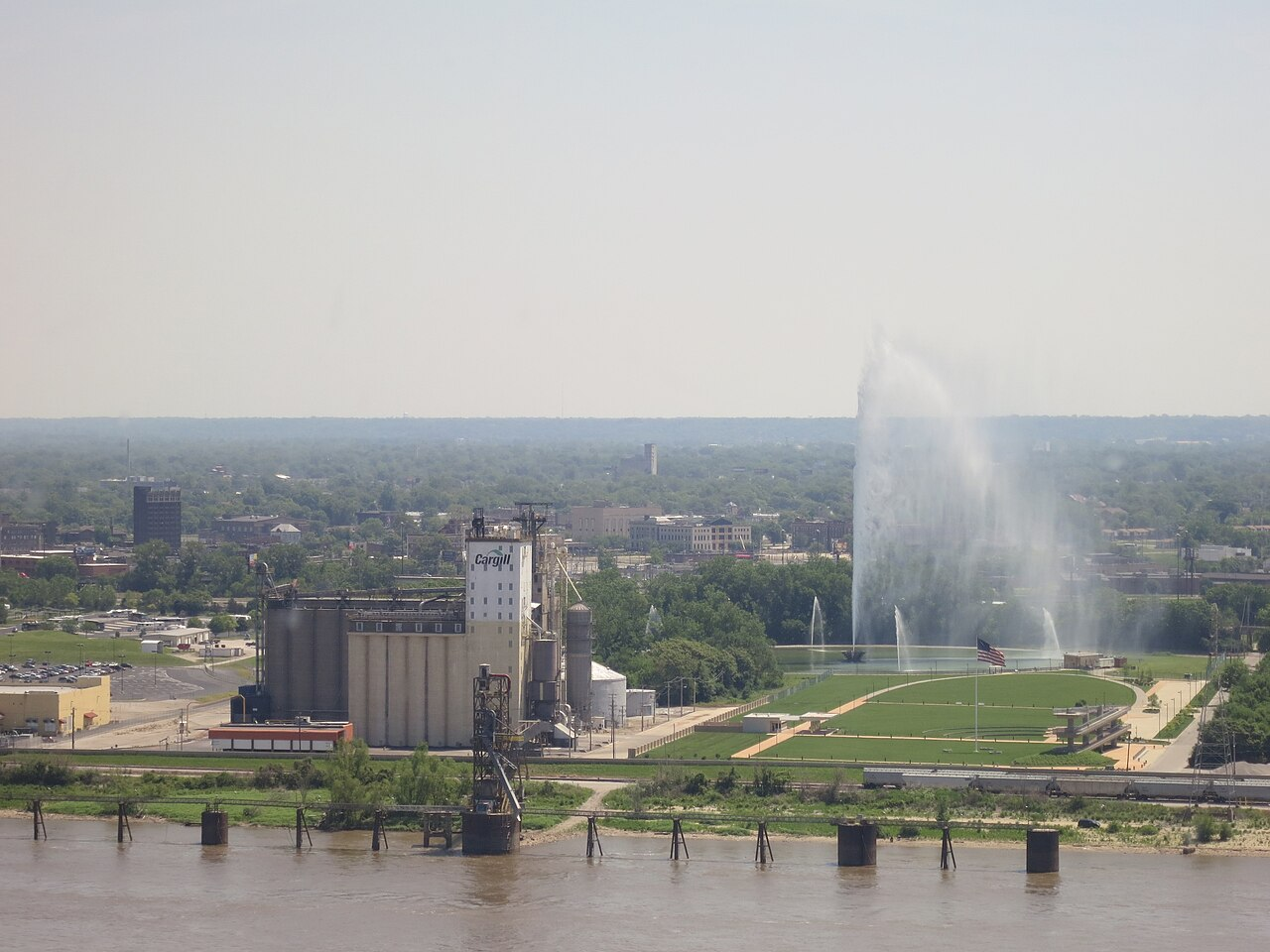
Analyses of the St. Louis metropolitan area consistently flag East St. Louis as one of the most dangerous municipalities, with per-capita violence and gun crime rates among the highest in the region. Law enforcement leadership notes that existing staffing shortages and extreme call volumes make covering this area operationally difficult, elevating the danger for all involved.
South Central, Los Angeles, California

South Central LA has historically grappled with sustained cycles of gang violence, high-volume crime, and gaps in community resources. Policing studies indicate that foot patrols often encounter significant community distrust, and officers characterize high-risk late-night calls as especially hazardous. Persistent crime complicates the balance between effective enforcement and essential community engagement.
Liberty City, Miami, Florida
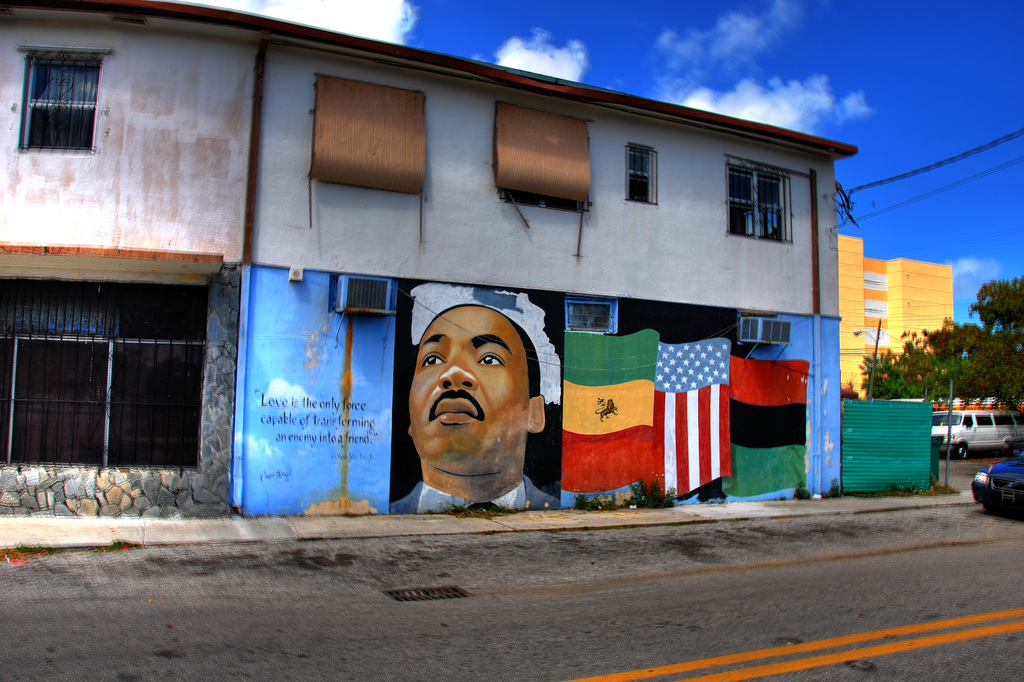
Liberty City is cited for having one of the highest violent crime rates in the entirety of Miami-Dade County. Public safety analysts point to the neighborhood’s long-standing economic disenfranchisement, coupled with persistent homicide and drug trafficking, making it a highly volatile zone for police intervention, particularly after dark.
Brownsville, Texas

In the border city of Brownsville, Texas, local crime statistics show concerning rates of property crime, gang presence, and gun violence. Community reports and municipal safety studies note that specific residential streets require mandatory heavy police backup due to the risk of escalated violence, significantly increasing the danger associated with consistent patrolling.
West Baltimore, Maryland
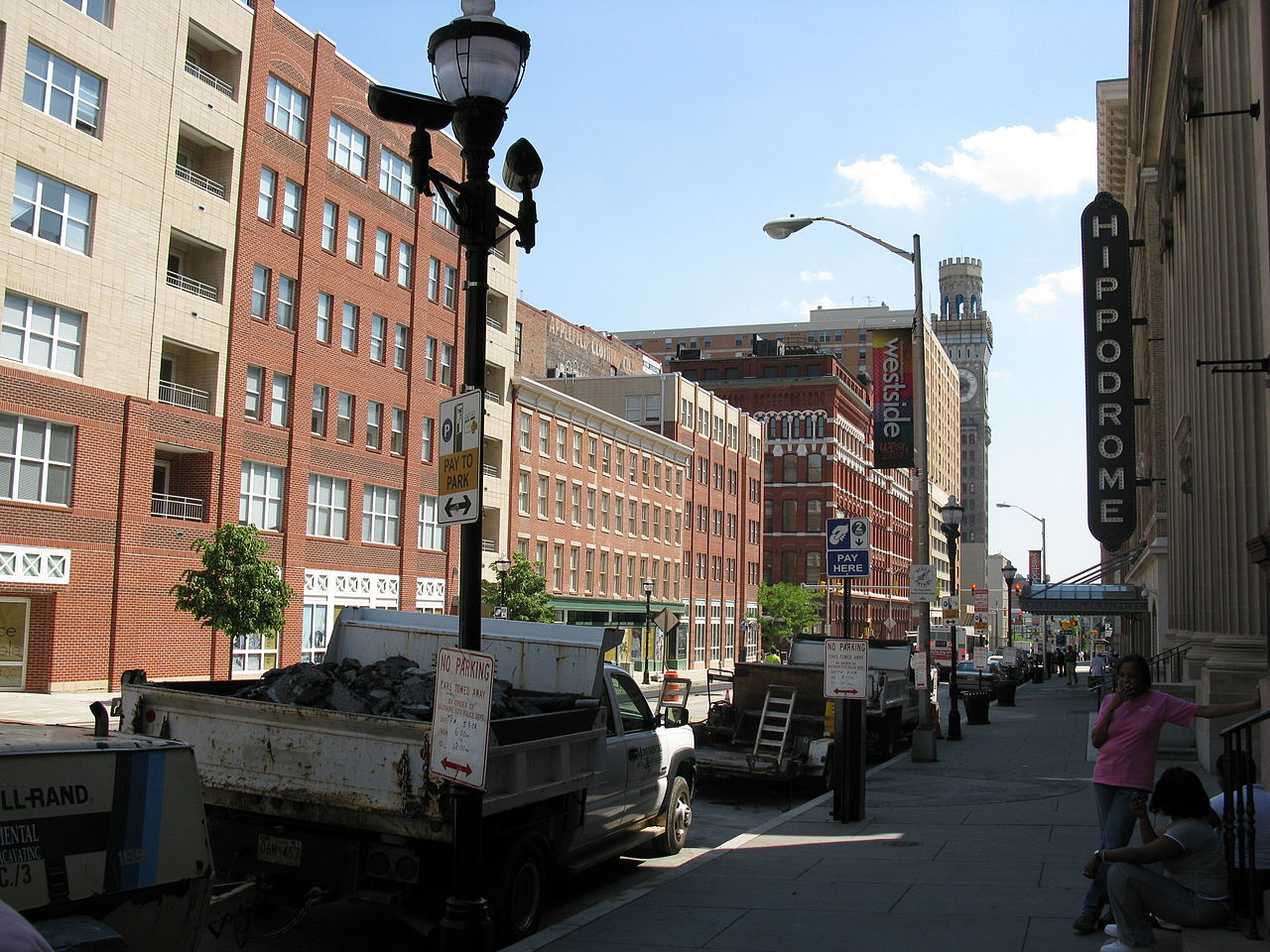
West Baltimore’s long-standing legacy of violence and economic disinvestment continues to pose a major public safety threat. Officers operating in these areas describe a high frequency of armed crimes and escalating violence, sometimes leading to dangerous confrontations or delayed response times when resources are limited.
North Lawndale, Chicago, Illinois
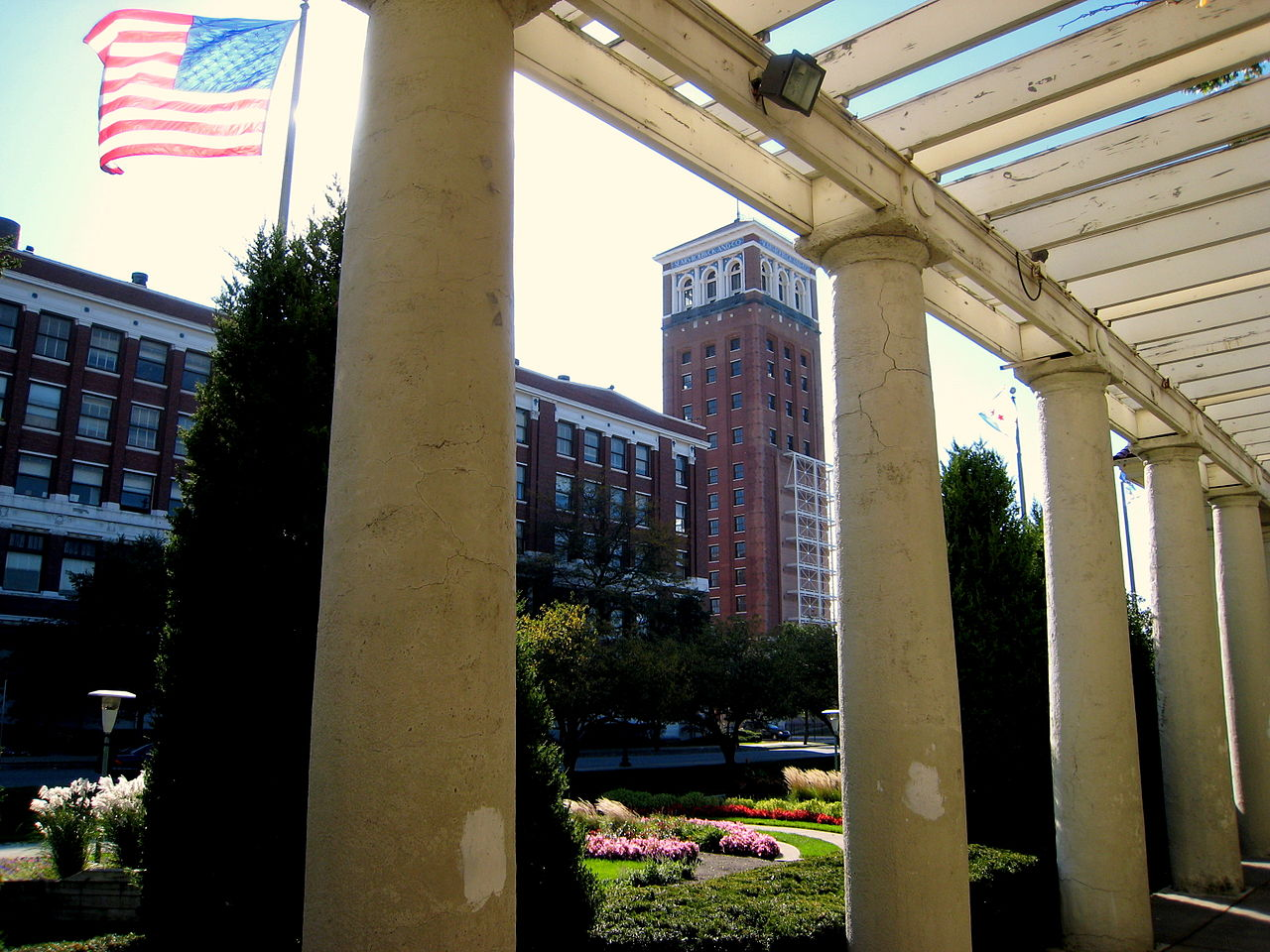
Crime statistics for North Lawndale show an elevated per-capita rate of aggravated assaults and gun-related violence. Policing experts contend that without deep community trust and substantial resource commitment, routine foot patrols remain highly vulnerable. The area’s severe economic hardship and historical trauma compound the difficulty of city-level crime reduction efforts.
Strawberry Mansion, Philadelphia, Pennsylvania
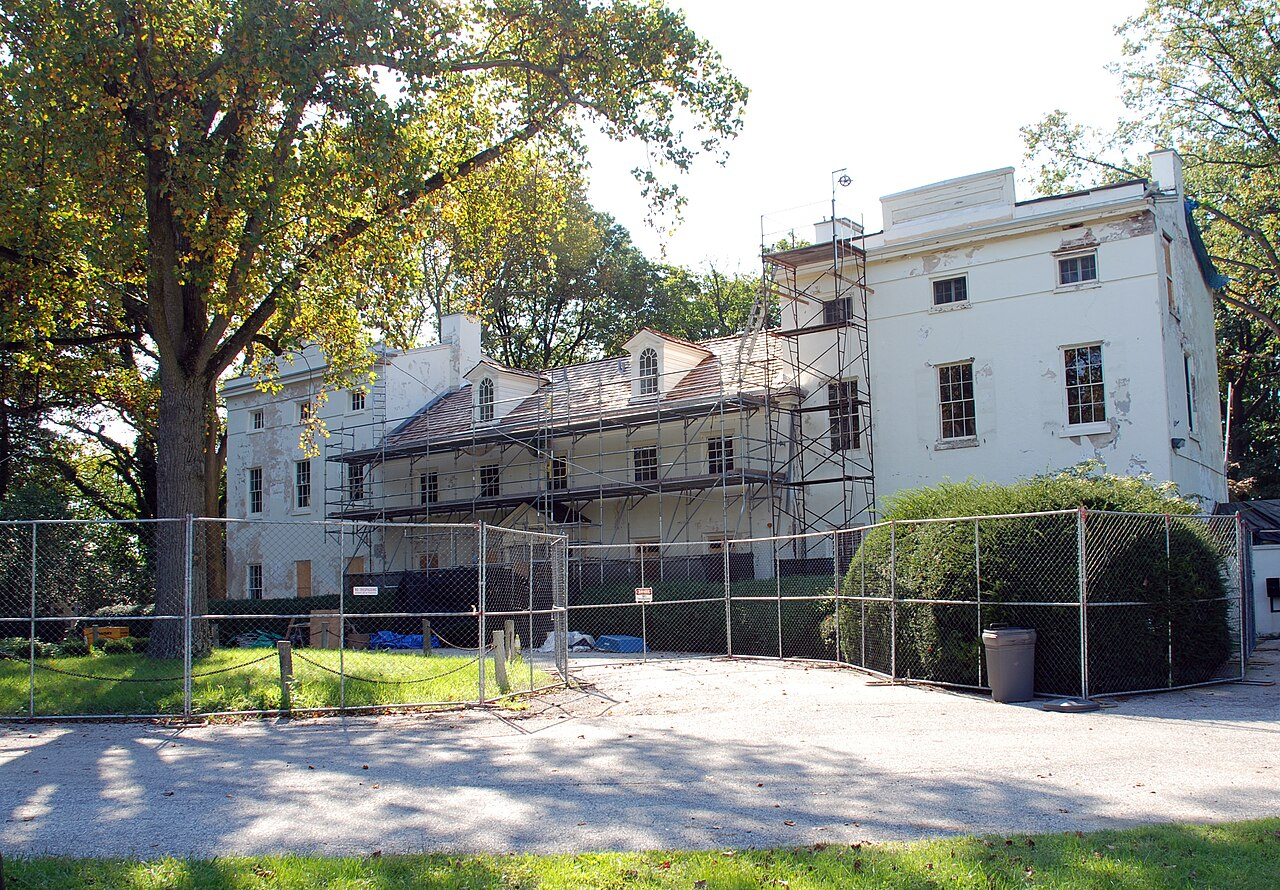
Strawberry Mansion has been repeatedly flagged in crime studies for intense violent crime and widespread distrust of law enforcement. Social scientists argue that decades of systemic inequality, combined with periodic spikes in gun violence, make extended police operations dangerous for officers unless efforts are firmly anchored in strong community partnership.